
New Conventional Sleeper Trucks For Sale in Arkansas
Shop new conventional sleeper trucks for long-haul freight in Arkansas, with modern cabs, aero specs, sleeper options, and fuel-efficient powertrains.

Selling a new conventional sleeper truck? List your new conventional sleeper truck for sale and reach thousands of commercial buyers.
New Conventional Sleeper Trucks in Arkansas
The biggest buying decisions usually come down to sleeper size, roof height, wheelbase, and powertrain. New conventional sleeper trucks are commonly spec'd with 6x4 tandem drive axles, diesel engines in the 400 to 515 horsepower range, and automated manual transmissions designed to improve fuel economy and reduce driver fatigue. Mid-roof and high-roof sleepers are both common. A 60-inch to 76-inch sleeper is typical for long-haul work, with options such as double bunks, premium mattresses, storage cabinets, refrigerator prep, auxiliary bunk HVAC, and inverters. Buyers should also compare axle ratings, rear-end ratios, and wheelbase against the intended trailer mix, terrain, and cruise speed. A lower ratio may favor fuel economy on flat interstate lanes, while a different spec may better suit heavier loads or more variable topography.
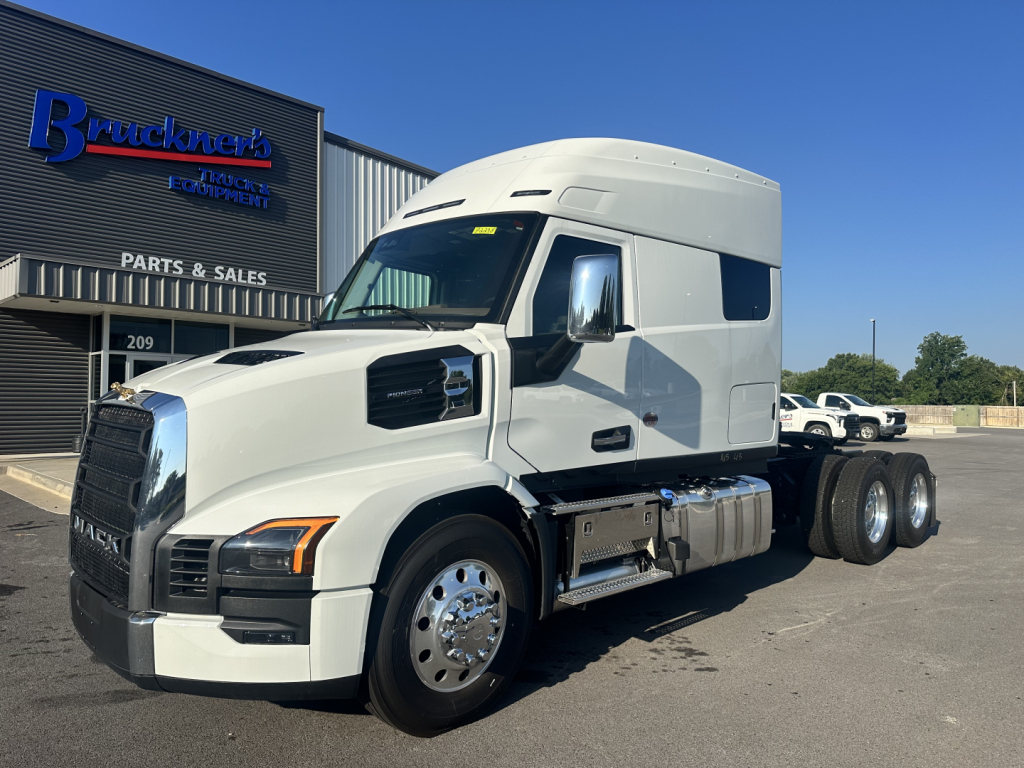
Cab and chassis details have a direct effect on operating cost. New models from builders such as Mack and Volvo often include aerodynamic packages, integrated driver assistance systems, disc brake availability, collision mitigation technology, and telematics that support maintenance planning and fuel tracking. Interior design also matters more than many first-time buyers expect. Seat quality, bunk access, dash layout, visibility, insulation, and idle reduction features all affect retention and productivity. If the truck will spend time at shippers, truck stops, or rest areas during Arkansas summers, features like an integrated parking cooler, battery-based HVAC support, and upgraded insulation can make a real difference.
For buyers comparing listings, the smartest approach is to match the spec to the freight. A truck pulling dry van or refrigerated freight on steady interstate lanes may call for a highly aerodynamic sleeper with a downsped driveline. Heavier or more demanding applications may need a different horsepower band, suspension setup, or axle ratio. New conventional sleeper trucks also give buyers the advantage of current emissions compliance, factory warranty coverage, and the latest safety and connectivity systems. The right spec is not just about the badge on the hood. It is about building a tractor that fits the lane, the load, the driver, and the cost-per-mile target.
Frequently Asked Questions about New Conventional Sleeper Trucks in Arkansas
What is a conventional sleeper truck?
A conventional sleeper truck is a highway tractor with a hooded conventional cab and an integrated sleeper compartment behind the driver area. It is designed for long-distance freight where the driver may need to rest in the truck between shifts. Compared with a day cab, a sleeper truck adds living and storage space while keeping the familiar service access and road manners of a conventional tractor layout.
What sleeper size is best for long-haul trucking?
For most long-haul applications, sleepers in the 60-inch to 76-inch range are the most common because they balance comfort, storage, and overall vehicle length. A mid-roof sleeper can work well for regional fleets and weight-conscious specs, while a high-roof sleeper typically offers more standing room and upper storage for teams or extended runs. The right size depends on trip length, driver expectations, and how much onboard storage or hotel-style comfort is needed.
What engine and transmission specs are common in new conventional sleeper trucks?
Most new conventional sleeper trucks are equipped with heavy-duty diesel engines in roughly the 400 to 515 horsepower range and torque ratings suited for interstate freight. Automated manual transmissions are now the standard choice in many fleets because they help with fuel economy, driver consistency, and ease of training. Buyers should also review rear axle ratio, engine brake performance, and axle ratings together, since those specs determine how the truck performs under load and at highway cruise speed.
Are new conventional sleeper trucks a good fit for Arkansas freight operations?
Yes. Arkansas is a strong market for conventional sleeper trucks because many operations involve long interstate runs, regional distribution, and freight moving in and out of the South and Midwest. A properly spec'd sleeper truck can handle lanes through major corridors like I-40 and I-49 while giving the driver the rest space needed for overnight and multi-state work. Cooling performance, idle management, and fuel economy are especially important in this region because of summer heat and high highway utilization.
What should buyers compare when looking at new conventional sleeper truck listings?
The most important comparisons are sleeper size, roof profile, engine rating, transmission type, axle configuration, rear-end ratio, wheelbase, and brake spec. Buyers should also look closely at driver comfort features, safety systems, emissions compliance, and warranty coverage. A truck that looks similar on paper can perform very differently depending on how it was ordered, so the best listing is the one with a spec that matches the trailer type, average payload, terrain, and target cost per mile.