
New Mack Conventional Sleeper Trucks For Sale in Arkansas
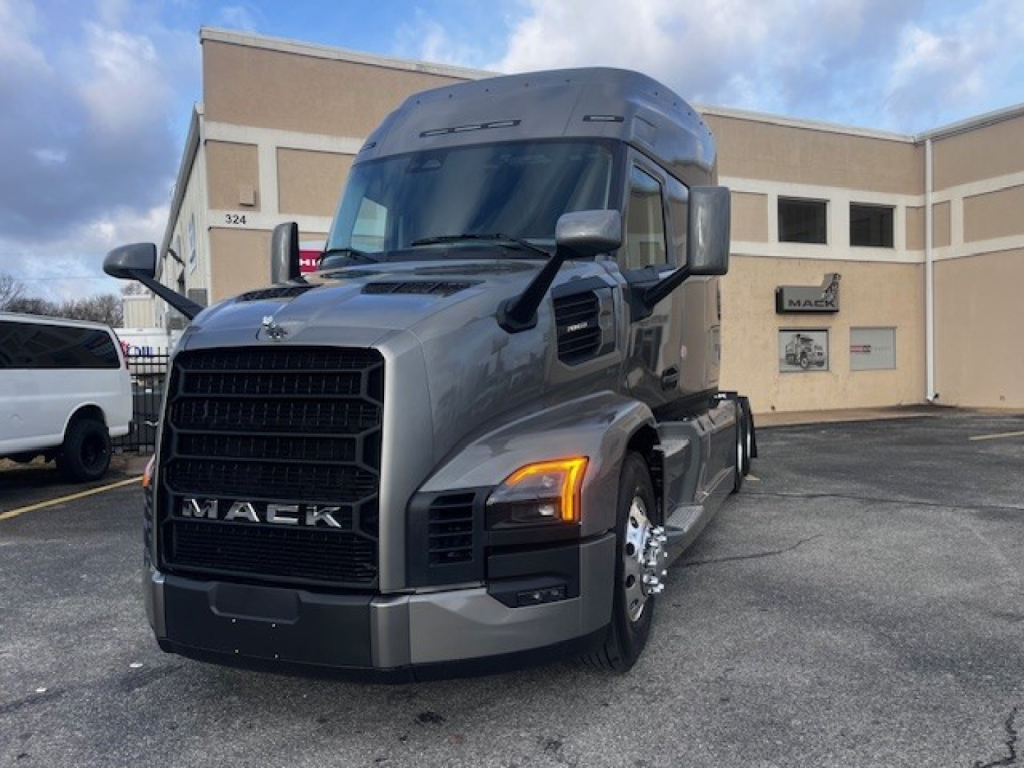
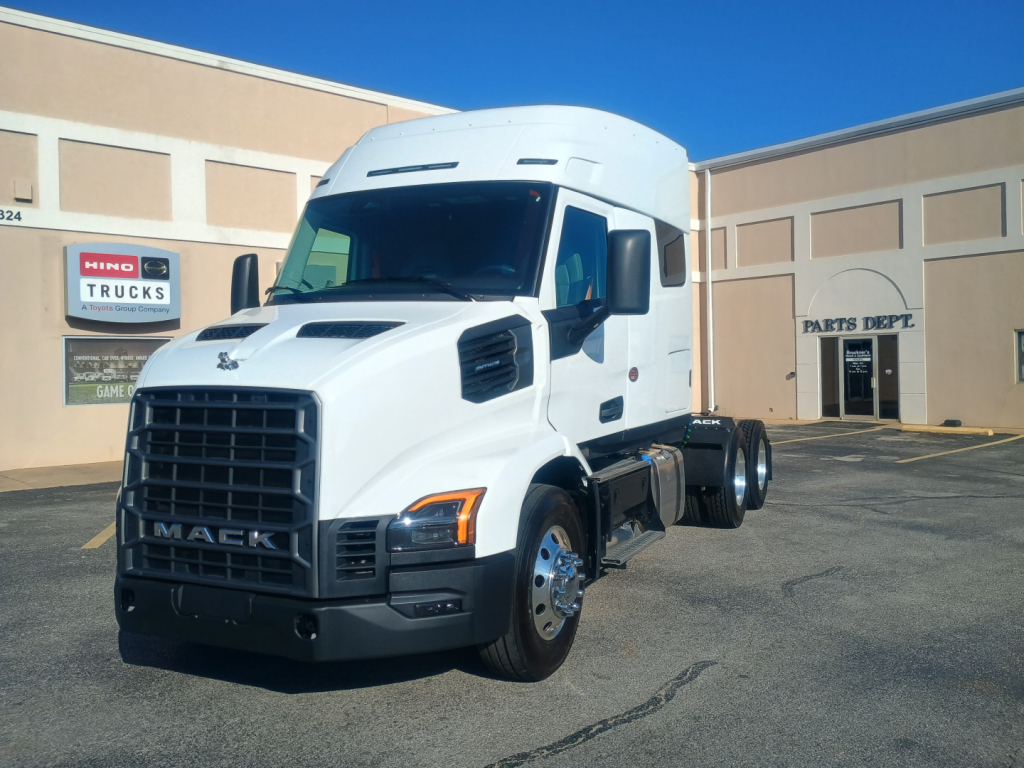
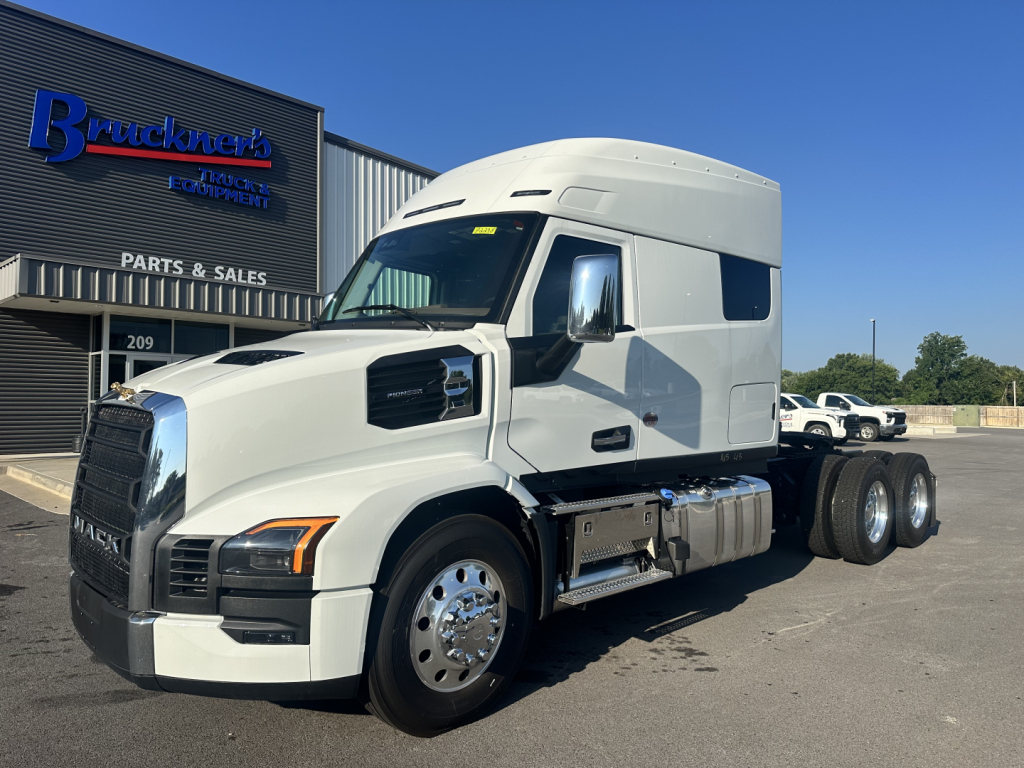
Have new mack conventional sleeper truck to sell? List it here to reach thousands of buyers.
New Mack Conventional Sleeper Trucks in Arkansas
A big buying decision in this class is the sleeper and powertrain match. Mack sleeper trucks commonly show up with the MP13 engine in horsepower ratings suited for van, reefer, and heavier general freight applications, often paired with a Mack automated manual transmission in a 12-speed overdrive setup. Buyers should pay close attention to rear axle ratio, tire size, and cruise-speed goals because that combination has a direct effect on fuel economy, gradeability, and driver satisfaction. A 2.85 ratio, for example, may make sense for highway-focused operations, while a different ratio may better fit heavier terrain or more demanding gross weights. Front axle ratings around 12,000 to 13,200 pounds and 40,000-pound rears are common in this segment, and all-disc brake setups are increasingly attractive for stopping performance and reduced maintenance variability.
The sleeper itself deserves a close look because the cab can be a profit factor on runs that keep drivers out for days at a time. High-roof 76-inch sleepers are popular for teams and long-haul solo drivers who want more standing room, storage, and room for amenities such as a premium bunk, refrigerator prep, microwave prep, upper cabinets, and integrated parking cooler or heater systems. Mid-roof sleepers can be a strong fit for fleets that want to trim weight and cost while still giving drivers a true sleeper berth. Interior features such as upgraded control panels, better audio systems, backup cameras, remote entry, and driver-focused safety equipment can improve retention and reduce fatigue on longer lanes.
For Arkansas operations, spec choices often reflect a mix of interstate linehaul, regional distribution, and hot summer conditions. Fuel tank capacity, parking HVAC, and emissions compliance can all matter depending on the lanes the truck will run. Buyers comparing new Mack conventional sleeper trucks should review wheelbase, kingpin-to-axle planning, axle lock options, brake spec, and cab height alongside the sleeper package. A well-matched Mack sleeper truck can serve dry van, reefer, dedicated contract freight, and other highway applications with a balance of durability, comfort, and driveline integration that is important in a long-term ownership cycle.
Frequently Asked Questions about New Mack Conventional Sleeper Trucks in Arkansas
What engine and transmission specs are common in a new Mack conventional sleeper truck?
Many new Mack conventional sleeper trucks are spec'd with the Mack MP13 engine and a Mack automated manual transmission, often a 12-speed overdrive. That combination is common in over-the-road service because it supports strong highway drivability, downspeeding strategies, and integrated powertrain calibration. The exact horsepower, torque, rear axle ratio, and tire size should be reviewed together because those specs determine cruise rpm, hill performance, and fuel economy.
Is a high-roof or mid-roof sleeper better for long-haul work?
A high-roof sleeper is usually the better choice for long-haul routes where the driver spends extended time in the cab. It provides more standing room, storage, and space for comfort features such as larger bunks, cabinets, and parking HVAC systems. A mid-roof sleeper can still work well for regional haul or lighter over-the-road use where weight, cost, and overall truck height are bigger considerations than interior volume.
Why do rear axle ratio and wheelbase matter on a Mack sleeper tractor?
Rear axle ratio affects the relationship between engine speed, road speed, pulling power, and fuel use. A highway-friendly ratio can lower cruise rpm and improve efficiency, but it needs to be matched to the engine rating, transmission, and expected gross combination weight. Wheelbase matters for trailer clearance, ride quality, fuel tank space, and legal weight distribution, so it should be selected around the trailers and freight the truck will pull most often.
Are all-disc brakes worth considering on a new conventional sleeper truck?
All-disc brakes are attractive to many fleets because they can deliver strong, consistent stopping performance and simpler brake inspections in linehaul service. They may also help reduce some of the adjustment and fade concerns associated with other brake setups. The value depends on the duty cycle, maintenance program, and total cost analysis, but disc brakes are increasingly common on premium highway tractor specs.
What sleeper features matter most for driver retention and productivity?
The most valuable sleeper features are the ones that improve rest quality and reduce fatigue over multiple days on the road. Buyers often prioritize a quality mattress, good storage layout, refrigerator or microwave prep, integrated parking cooler and heater systems, and a sleeper control panel that is easy to use. Safety and convenience items such as a backup camera, remote key fob, and upgraded interior controls can also make the truck more appealing to experienced drivers.