
New Dump Trucks For Sale in Arkansas
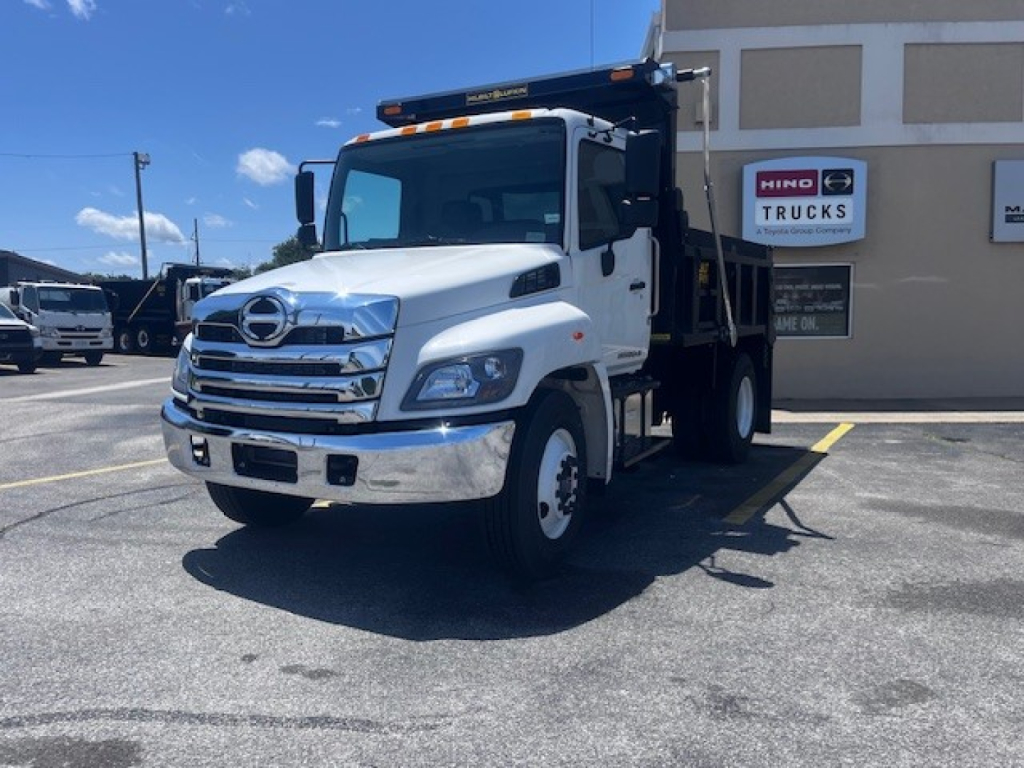
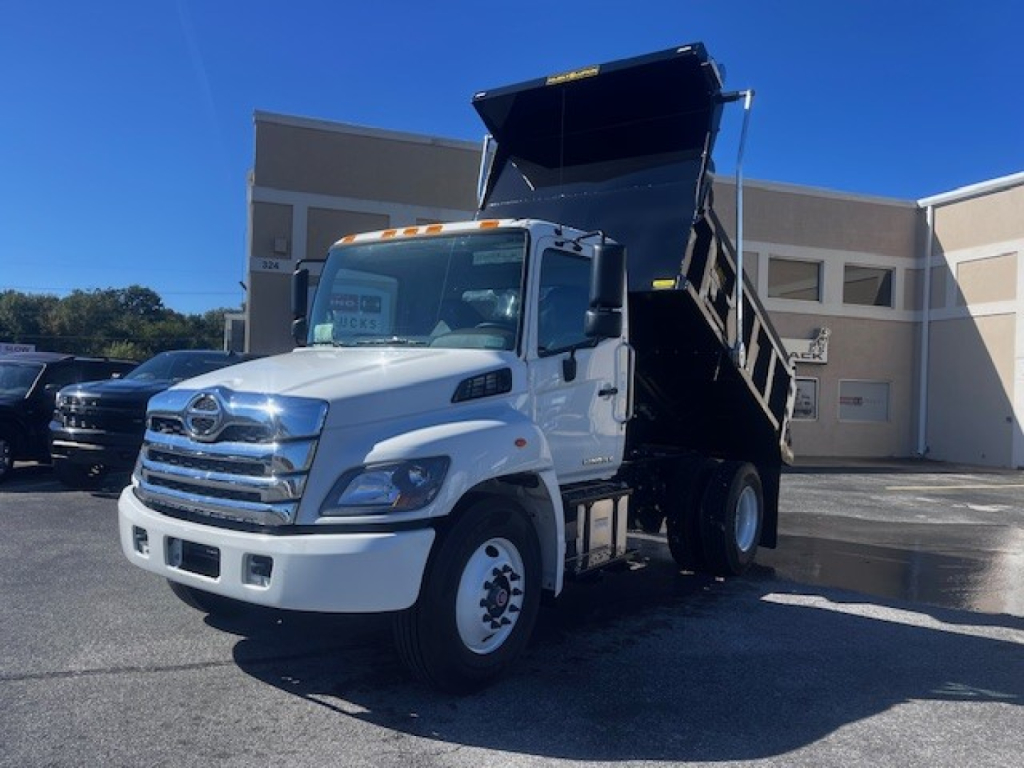
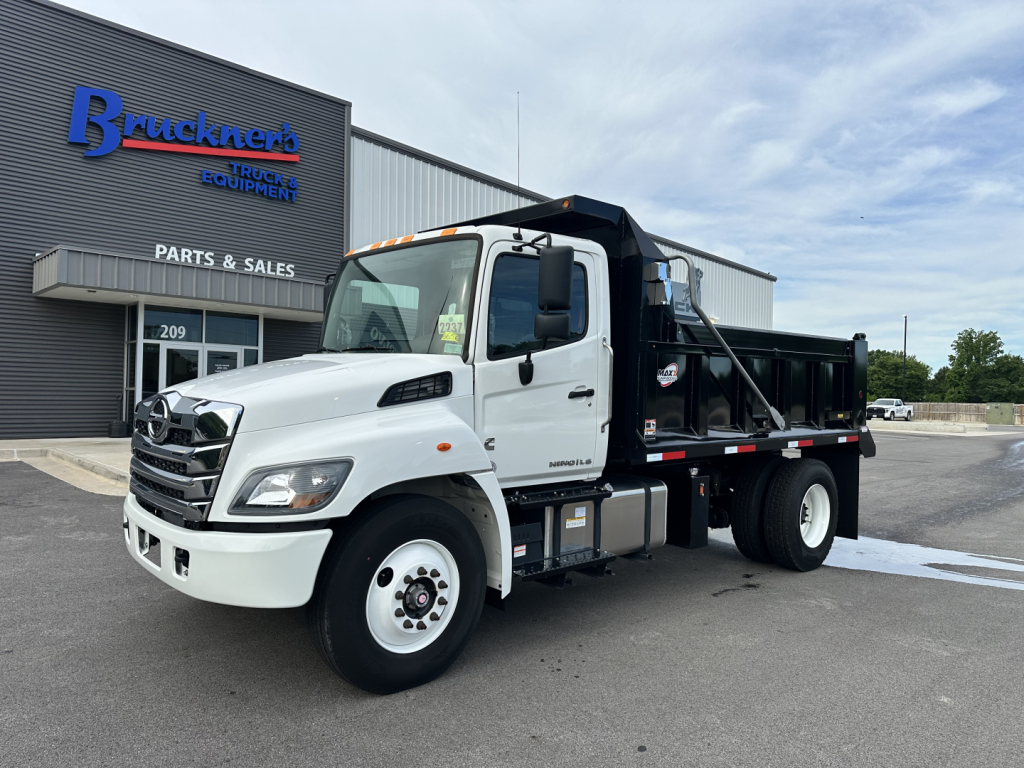
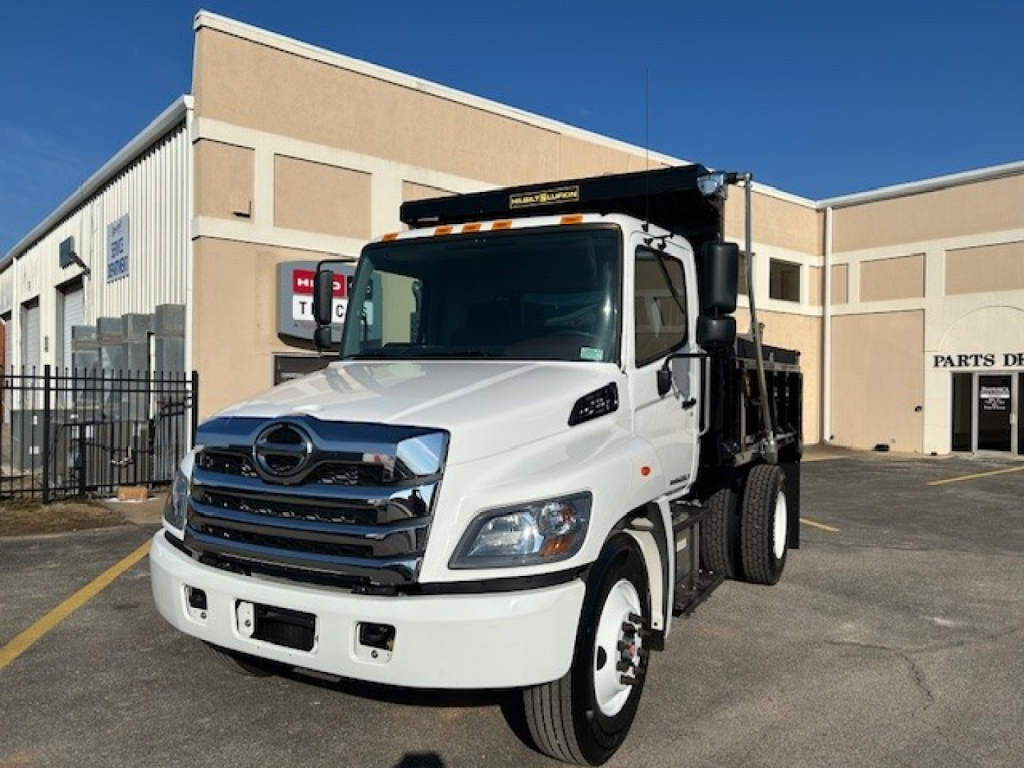
Shop new dump trucks for sale in Arkansas, including single-axle and tri-axle configurations for hauling dirt, rock, asphalt, and debris.
Selling a new dump truck? List your new dump truck for sale and reach thousands of commercial buyers.
New Dump Trucks in Arkansas
Common specs in this category include diesel engines from the mid-200 HP range in medium-duty models up to 445 to 505 HP in severe-duty chassis. Transmissions vary by application. Allison automatics are popular for stop-and-go work, municipal routes, and operators who want simple drivability. Automated manuals such as Mack mDRIVE are common in heavier dump truck specs where fuel economy, gradeability, and more gear coverage matter. Front axles around 12,000 to 20,000 pounds and rear ratings around 21,000 to 46,000 pounds are typical, with steerable pusher or lift axles used to increase legal payload on tri-axle dump trucks. Buyers should also pay attention to wheelbase, rear axle ratio, differential locks, and suspension design. Camelback and other heavy multileaf suspensions remain common in vocational dump work because they hold up well under off-road loading and uneven terrain.
The dump body deserves as much scrutiny as the chassis. Body length and capacity often range from compact 10-foot contractor beds in the 5 to 7 yard class to 16-foot bodies around 18 yards on larger tri-axle units. Material choice changes service life. AR450 and other abrasion-resistant steel floors and sides are favored for rock, riprap, and demolition debris, while lighter configurations may work for mulch, sand, or general construction material. Details like high-lift tailgates, air-operated gates, cab shields, tarp systems, hoist capacity, and pintle hitch provisions directly affect how the truck performs on real jobs. If the truck will pull equipment trailers, a hitch rating and transmission cooling package should be part of the buying decision, not an afterthought.
For buyers shopping new dump trucks in Arkansas, the best value usually comes from matching the truck to the route, not just the maximum GVWR on paper. A truck that spends most of its time on tight urban jobsites has different needs than one running crushed stone on longer regional hauls. Look closely at body manufacturer reputation, service access for the chassis brand, brake preference between drum and disc, and how the lift axle is integrated with the frame and body. A well-spec’d new dump truck should balance legal payload, durability, maneuverability, and ease of maintenance, because downtime in vocational hauling usually costs more than the original spec upgrade.
Frequently Asked Questions about New Dump Trucks in Arkansas
What is the best axle configuration for a new dump truck in Arkansas?
The best axle configuration depends on payload targets and where the truck will run. A single-axle dump truck is often enough for lighter contractor work, municipal use, and jobs with tighter access. A tandem or tri-axle dump truck is better suited for heavier aggregate, asphalt, and demolition hauling where legal payload is the priority. In Arkansas, many buyers favor tri-axle specs with a steerable lift or pusher axle because they add capacity while still keeping the truck usable on mixed road and jobsite conditions.
Should I choose an automatic or automated manual transmission in a dump truck?
Both are common in new dump truck specs, but they serve slightly different priorities. Allison automatic transmissions are widely used in stop-and-go applications because they are easy to operate, smooth on launches, and well suited for municipal and vocational work. Automated manuals such as Mack mDRIVE are often selected for heavier hauling because they provide more gear coverage and can improve efficiency on grades and longer runs. The right choice depends on driver experience, route profile, and whether the truck is doing short-cycle jobsite work or more highway-connected hauling.
What dump body material is best for hauling rock and demolition debris?
For abrasive materials such as crushed rock, broken concrete, and demolition debris, abrasion-resistant steel such as AR450 is a common choice. These bodies resist wear better than lighter general-purpose bodies and usually hold up longer in severe-duty service. Buyers should also look at floor thickness, sidewall construction, crossmember design, and hoist specification. A stronger body may cost more up front, but it can reduce repair frequency when the truck is used in hard aggregate or demolition applications.
Are disc brakes better than drum brakes on a new dump truck?
Disc brakes offer strong stopping performance, consistent feel, and easier inspection access, which appeals to many buyers running newer severe-duty trucks. Drum brakes remain common in vocational applications because they are familiar, durable, and still widely supported in fleet maintenance programs. The better option depends on maintenance preference, operating environment, and chassis availability. For a dump truck working in mud, dust, and heavy payload conditions, both systems can perform well when properly spec’d and maintained.
How important is suspension type on a dump truck?
Suspension type is a major buying factor because it affects durability, traction, ride quality, and stability under load. Heavy multileaf setups such as Camelback are popular on dump trucks because they are proven in severe-duty service and hold up well on rough jobsites. Other vocational suspensions may offer different ride and articulation characteristics. Buyers hauling off-road, climbing uneven grades, or loading on soft ground should evaluate suspension design along with axle ratings and differential locks, since these features work together to determine how the truck performs when conditions are poor.