
New 2027 Commercial Trucks For Sale in Arkansas
Shop new 2027 trucks for sale in Arkansas, including day cabs, cab and chassis, and vocational trucks with current specs and warranty coverage.

Selling a new 2027 commercial truck? List your new 2027 commercial truck for sale and reach thousands of commercial buyers.
New 2027 Commercial Trucks in Arkansas
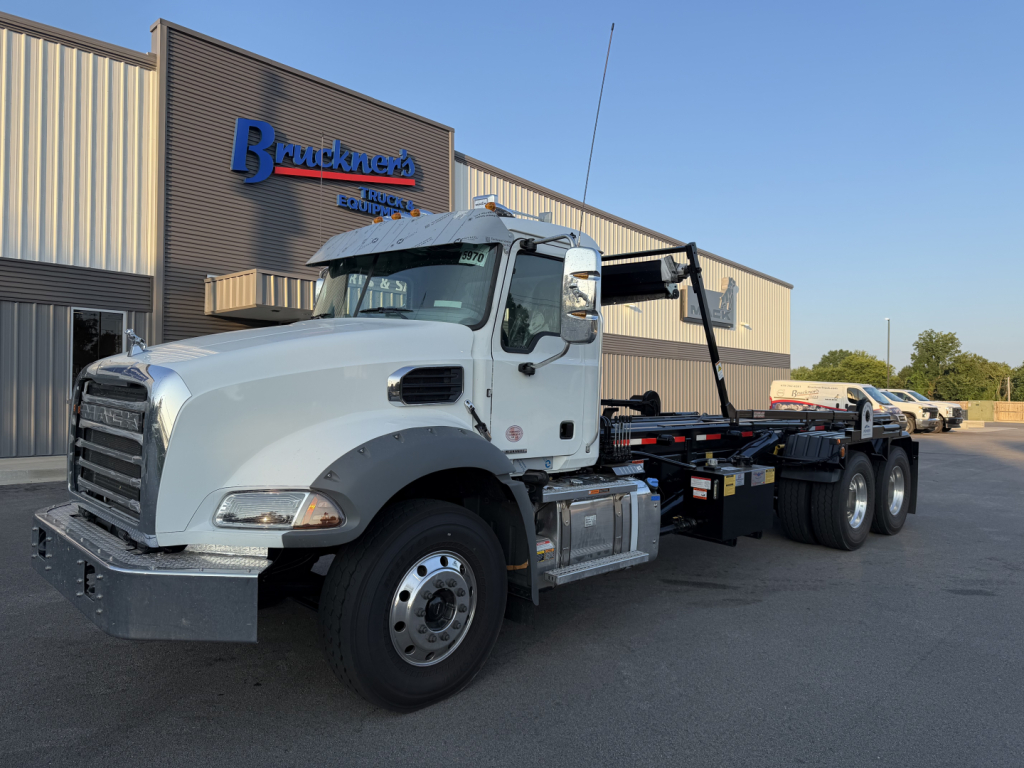
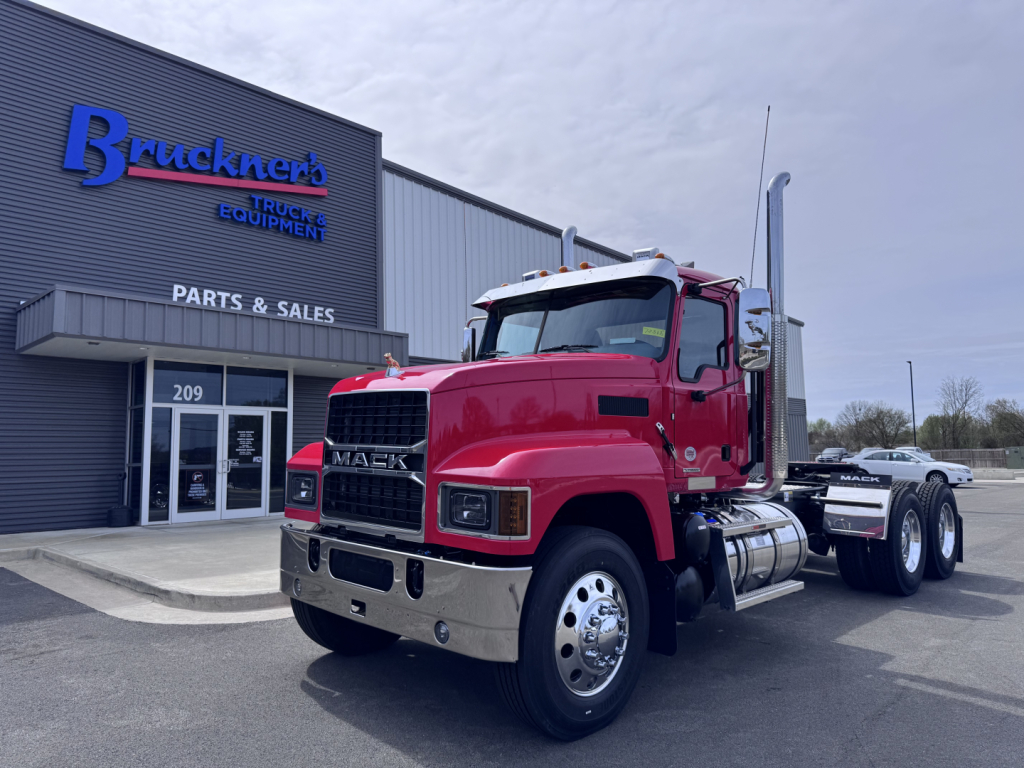
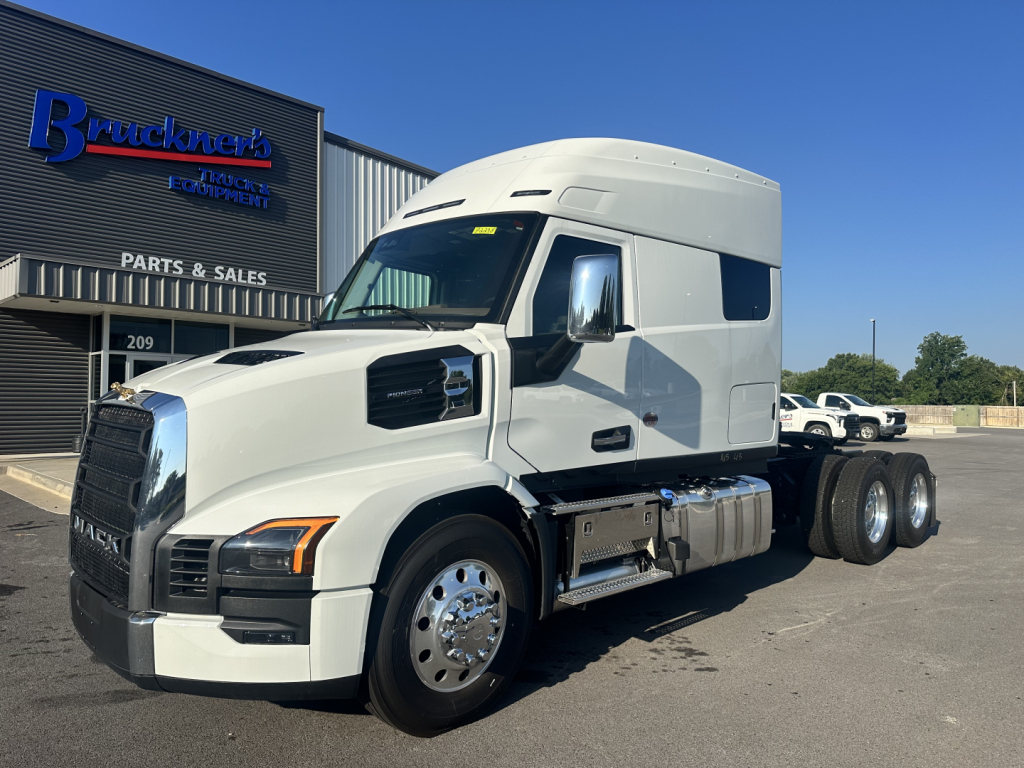
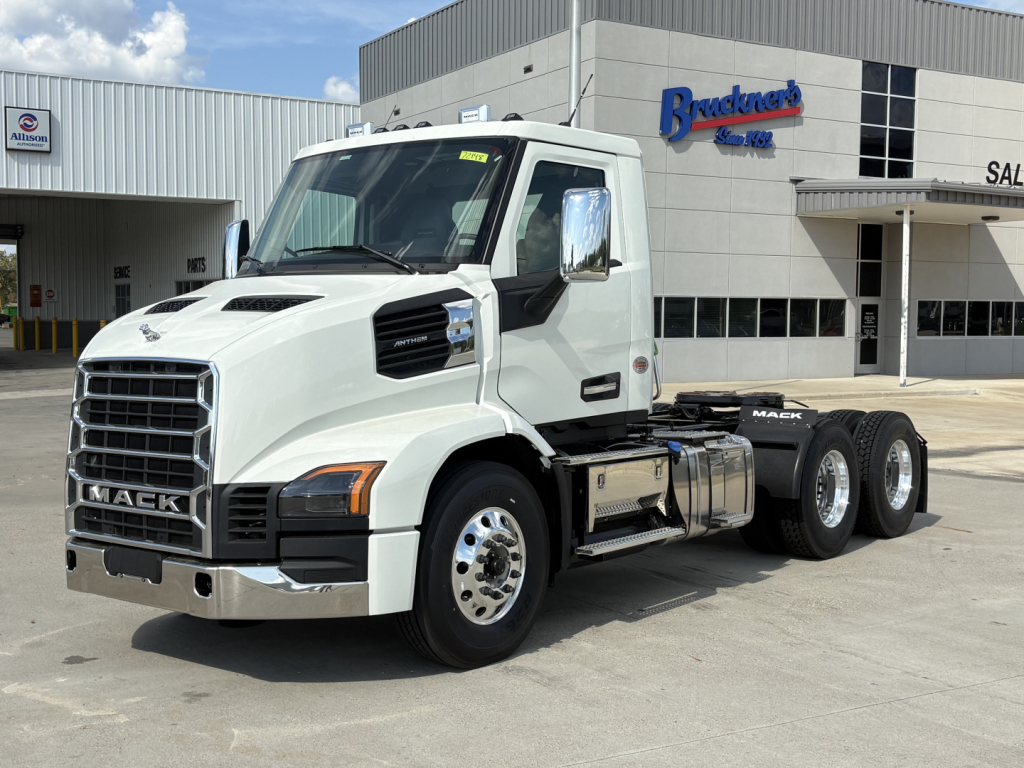
A big buying decision is chassis type. Conventional day cabs are common for regional haul, short-cycle freight, and terminal work, often spec'd with tandem rears, automated manual or automatic transmissions, and ratios tuned for a balance of startability and cruise rpm. Cab and chassis trucks are chosen for flexibility because they can be upfit as flatbeds, van bodies, dump bodies, utility bodies, rollback wreckers, or service trucks. Vocational platforms such as refuse trucks, loaders, and other severe-service units are usually built around higher front axle ratings, heavy rear suspensions, PTO compatibility, and automatic transmissions that hold up well in repetitive stop-start duty. On new trucks in this class, buyers should look closely at wheelbase, frame spacing, back-of-cab dimensions, and clear CA measurements so the chassis matches the intended body without costly rework.
Power and weight ratings vary by application, but many new medium-duty and heavy-duty trucks fall into a few familiar ranges. Medium-duty cab and chassis models often run diesel engines in the 220 to 300 horsepower range with GVWRs around Class 6 or Class 7. Heavy-duty day cabs and vocational trucks commonly move into 350 to 500 horsepower territory, with tandem rear axle capacities, air or heavy multi-leaf suspensions, and gearing selected for either fuel economy or low-speed pulling power. Arkansas buyers should also consider brake type, tire size, turning radius, fuel tank placement, and suspension choice. Air ride can help with ride quality and cargo protection, while spring or heavy-duty camelback-style suspensions remain common in punishing jobsite and refuse work. Disc brakes, collision mitigation, camera systems, and dual-station or right-hand configurations may also matter depending on the job.
Buying a new 2027 truck also means paying attention to lifecycle cost, not just purchase price. Current trucks can offer improved driver-assist technology, cleaner packaging for emissions components, better service intervals, and easier body integration than older platforms. If the truck will be upfitted, verify PTO openings, electrical capacity, multiplexing compatibility, and any body-builder guidance from the OEM. If it will stay on-highway, focus on engine torque, transmission calibration, rear ratio, and wheelbase that fit the trailer or load profile. The best 2027 truck for an Arkansas fleet is the one spec'd for its actual duty cycle, legal weight target, and service environment, not just the highest horsepower or lowest upfront cost.
Frequently Asked Questions about New 2027 Commercial Trucks in Arkansas
What types of new 2027 trucks are most common in Arkansas?
Common new 2027 trucks in Arkansas include conventional day cabs for regional hauling, cab and chassis units for body upfits, and vocational trucks for refuse, municipal, construction, and utility work. The right type depends on whether the truck will pull a trailer, carry a mounted body, or operate in severe stop-and-go service. Arkansas fleets often need a mix of highway-capable specs and durable vocational equipment because routes can include interstate miles, rural roads, and urban pickup environments.
What should I look for when buying a new 2027 cab and chassis truck?
The most important items are GVWR, axle ratings, wheelbase, frame height, cab-to-axle measurement, and body-builder compatibility. Those dimensions determine whether the chassis will accept the body you plan to install and whether the finished truck will carry the intended payload legally. Buyers should also confirm PTO provisions, transmission programming, rear suspension type, and electrical architecture before ordering or purchasing a chassis for an upfit.
Is an automatic or automated manual transmission better for a new 2027 truck?
It depends on the application. Fully automatic transmissions are often preferred in refuse, delivery, and municipal work because they handle constant stopping, starting, and PTO-driven tasks well. Automated manual transmissions are common in regional and highway day cabs because they can improve fuel efficiency while reducing driver fatigue compared with a traditional manual. The better choice comes down to duty cycle, driver experience, terrain, and how often the truck will run at low speed versus cruise speed.
How do axle ratio and suspension affect truck performance in Arkansas?
Axle ratio affects launch performance, gradeability, and engine rpm at road speed. Lower gearing, such as a numerically higher ratio, helps in heavy vocational work and frequent starts, while taller gearing supports lower cruise rpm for regional hauling. Suspension choice also matters. Air ride is typically preferred for ride quality and load protection, while spring and heavy-duty multi-leaf suspensions are valued for durability in rough service. In Arkansas, buyers often balance highway efficiency with enough traction and toughness for mixed road conditions and jobsite access.
Why buy a new 2027 truck instead of an older used model?
A new 2027 truck can offer updated safety systems, full warranty coverage, current emissions technology, improved driver comfort, and cleaner integration for bodies and accessories. It may also reduce downtime early in the ownership cycle and give fleets more predictable maintenance planning. For buyers with specialized applications, a new truck makes it easier to start with the correct chassis specs instead of modifying an older unit that may not match the body, weight, or route requirements.