
New 2027 Mack Trucks For Sale in Arkansas
Shop new 2027 Mack trucks in Arkansas, including vocational and highway specs with modern powertrains, heavy axles, and body-ready configurations.
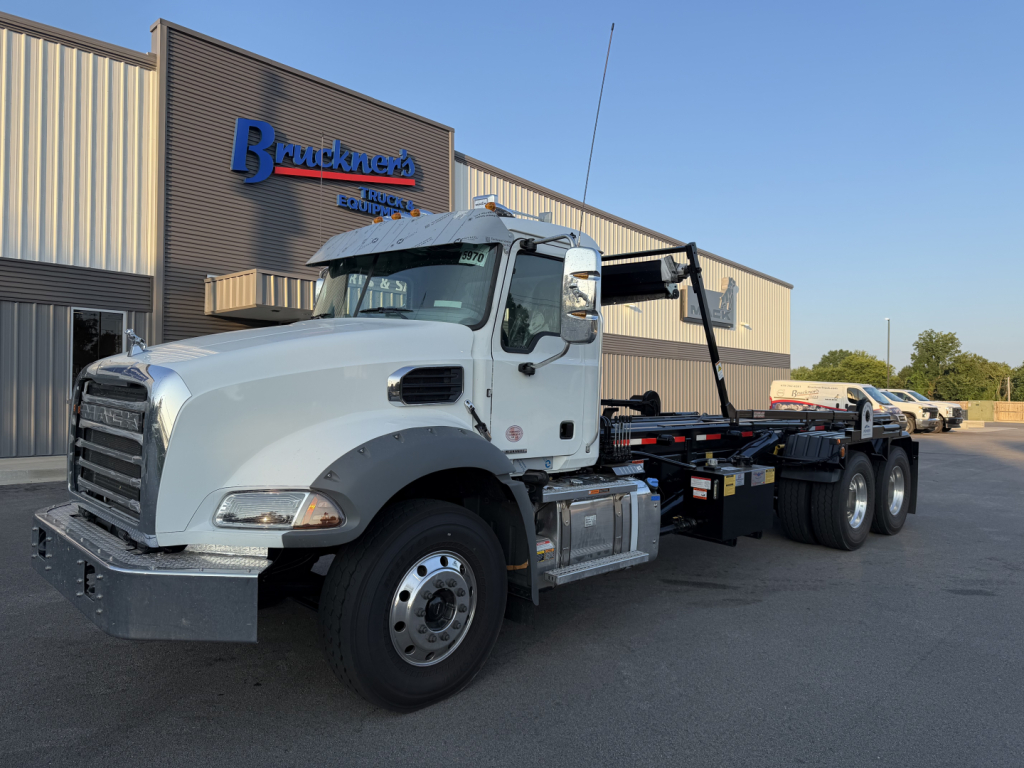
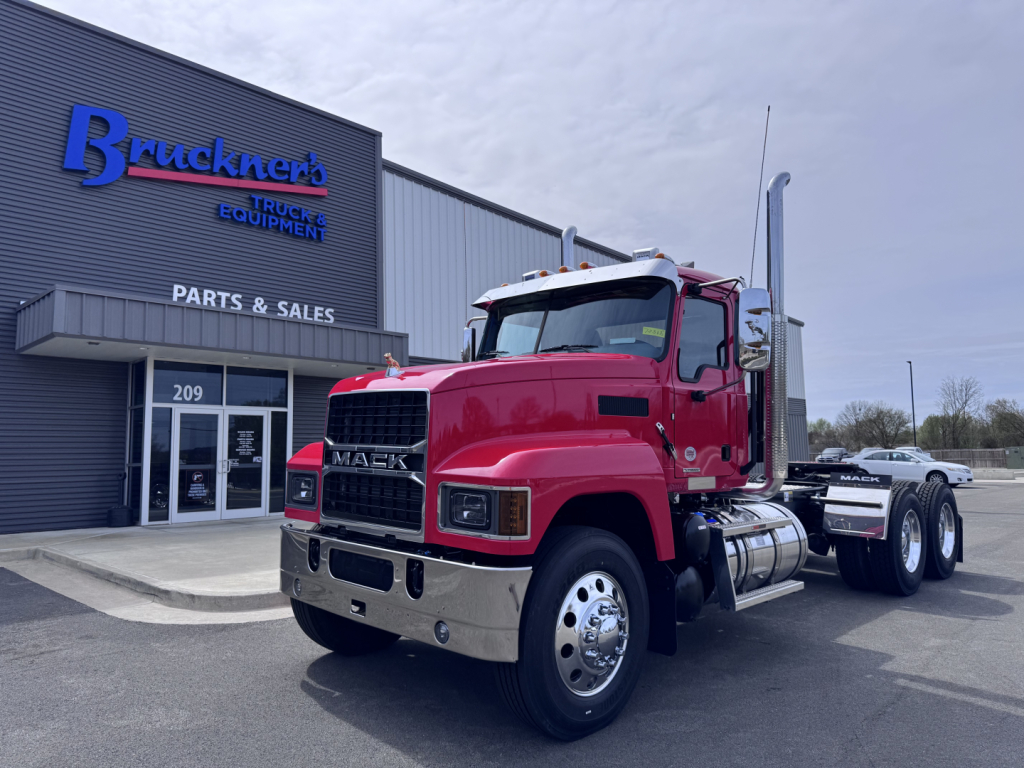
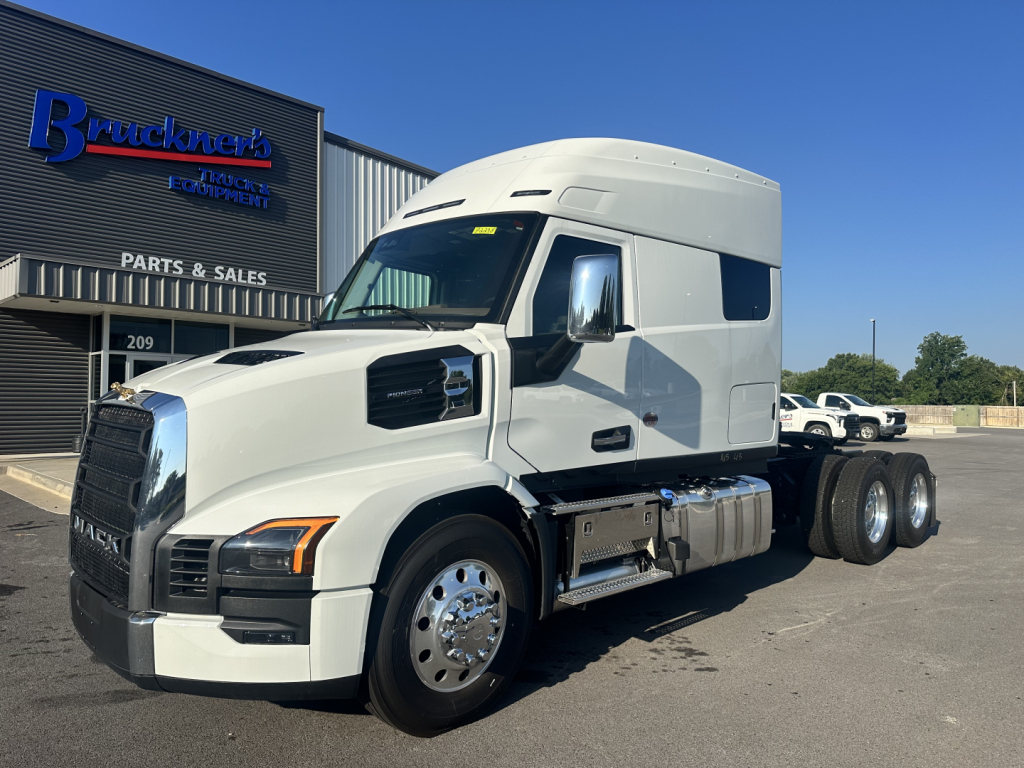
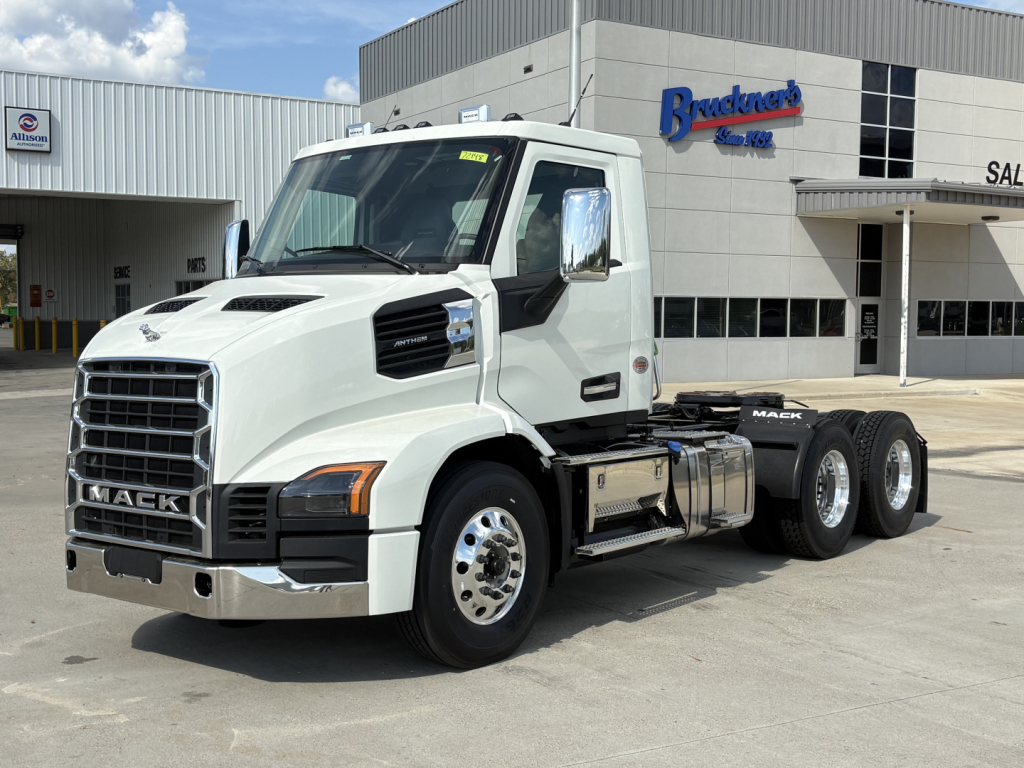

Selling a new 2027 mack truck? List your new 2027 mack truck for sale and reach thousands of commercial buyers.
New 2027 Mack Trucks in Arkansas
For highway and vocational tractor applications, Mack models such as the Pinnacle series are often spec'd with MP8 engines in the 450 to 500-plus horsepower range and Mack automated manual transmissions such as the mDRIVE HD. Those specs are common in regional haul, logging, heavy equipment transport, and PTO-driven applications where a 231-inch wheelbase may leave room for a wet kit, hydraulic tank, vacuum system, or headache rack. Front axle ratings in the 14,000 to 14,600 pound range and rear axles from 40,000 to 46,000 pounds are typical on heavy day cab setups. Suspension selection matters here. Mack air ride suspensions can improve ride quality and traction for on-road and mixed-use service, while camelback-style suspensions are still valued in punishing off-road or refuse environments for durability and simplicity. Gear ratios like 3.73, 3.79, or deeper vocational ratios should be matched to terrain, startability, top speed targets, and body or trailer weight.
On the vocational side, Mack LR models are widely recognized in refuse service for their low-entry cab design, visibility, and right-hand or dual-drive configurations. These trucks are commonly paired with automated side loader bodies and Allison automatic transmissions, which remain popular in stop-and-go collection routes because of smooth shifting and predictable low-speed operation. Buyers in municipal or private sanitation fleets should pay close attention to axle ratings, body compatibility, hopper capacity, camera systems, turning radius, and suspension type. A 20,000-pound front axle and 46,000-pound rear setup with a deep rear ratio is a common refuse spec because route density, packer weight, and repeated starts place very different demands on a chassis than regional freight work. For medium-duty use, Mack MD6 and related models serve well as van bodies, stake bodies, rollback trucks, and local delivery units, often using proven Allison automatics and diesel engines in the medium-horsepower class.
A new Mack truck purchase usually comes down to application fit, service support, and how well the truck is spec'd from the factory. Buyers in Arkansas often balance highway miles, jobsite access, and PTO needs, so it is worth reviewing wheelbase, frame rail options, fuel capacity, brake type, locking differentials, and body-builder provisions before narrowing listings. Disc brakes may appeal to fleets prioritizing stopping performance and maintenance access, while drum brakes still make sense in many vocational roles. Inter-axle and interwheel differential locks are important on logging, refuse, and mixed-surface routes. If the truck will carry a body, confirm cab-to-axle, frame clearance, and upfitter requirements early. If it will pull heavy loads, focus on GCWR, rear suspension rating, transmission programming, and engine torque curve rather than horsepower alone.
Frequently Asked Questions about New 2027 Mack Trucks in Arkansas
What types of new Mack trucks are most common in Arkansas?
In Arkansas, new Mack trucks commonly appear in vocational day cab tractor, refuse, and medium-duty straight truck configurations. Day cabs are popular for logging, construction, equipment hauling, and regional work. Mack LR models are common in sanitation fleets because of their low-entry design and body compatibility. Medium-duty Mack MD models are frequently used for box trucks, municipal service, and local delivery applications.
What should I look for when comparing a new Mack day cab tractor?
Start with the application and trailer or body requirements. Engine rating, transmission type, rear axle ratio, wheelbase, and suspension all affect performance. A truck set up for logging or PTO work may need a higher horsepower MP8 engine, a heavy front axle, locking differentials, and a wheelbase that allows for hydraulic equipment. If the truck will stay mostly on pavement, air ride suspension and faster rears may improve ride quality and fuel efficiency.
Are Mack LR trucks a good choice for refuse operations?
Mack LR trucks are widely used in refuse work because they are built around visibility, maneuverability, and frequent stop operation. The low-entry cab helps driver access, and many units are configured with right-hand or dual-drive layouts for route efficiency. Buyers should confirm front and rear axle ratings, suspension type, automatic transmission pairing, body manufacturer compatibility, and onboard camera or safety systems before purchase.
How important is wheelbase on a new Mack truck?
Wheelbase is critical because it affects body fitment, bridge law compliance, turning radius, ride quality, and space for frame-mounted equipment. On a day cab, a longer wheelbase may be needed for a wet kit, side-mounted hydraulic tank, toolboxes, or specialty vocational gear. On a straight truck, wheelbase must match the intended body length and cab-to-axle requirements. A poor wheelbase choice can limit upfitting options or make the truck less practical in tight working environments.
Is horsepower or axle specification more important on a new Mack truck?
Both matter, but axle and suspension specifications often determine whether the truck can actually perform the job day after day. Horsepower gets attention, yet front axle rating, rear axle capacity, gear ratio, suspension design, and brake package are what support payload, traction, durability, and legal compliance. A properly spec'd truck with the right torque, gearing, and axle package usually performs better in real fleet service than a higher-horsepower truck with mismatched running gear.