
New Harbinger Trucks For Sale
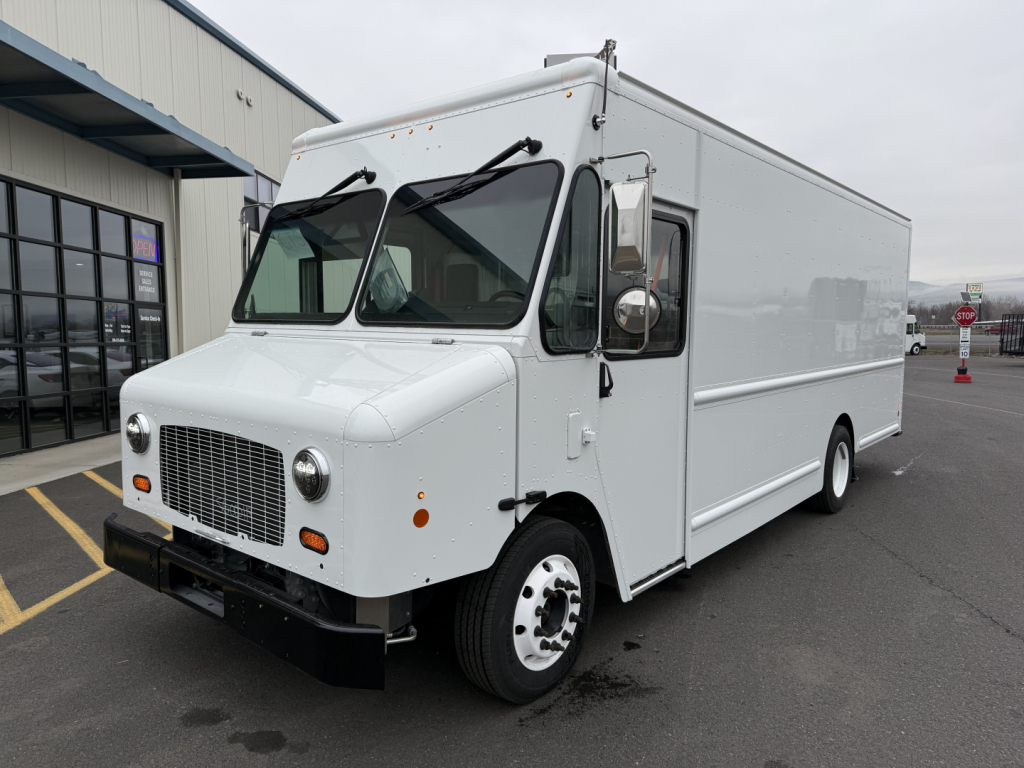
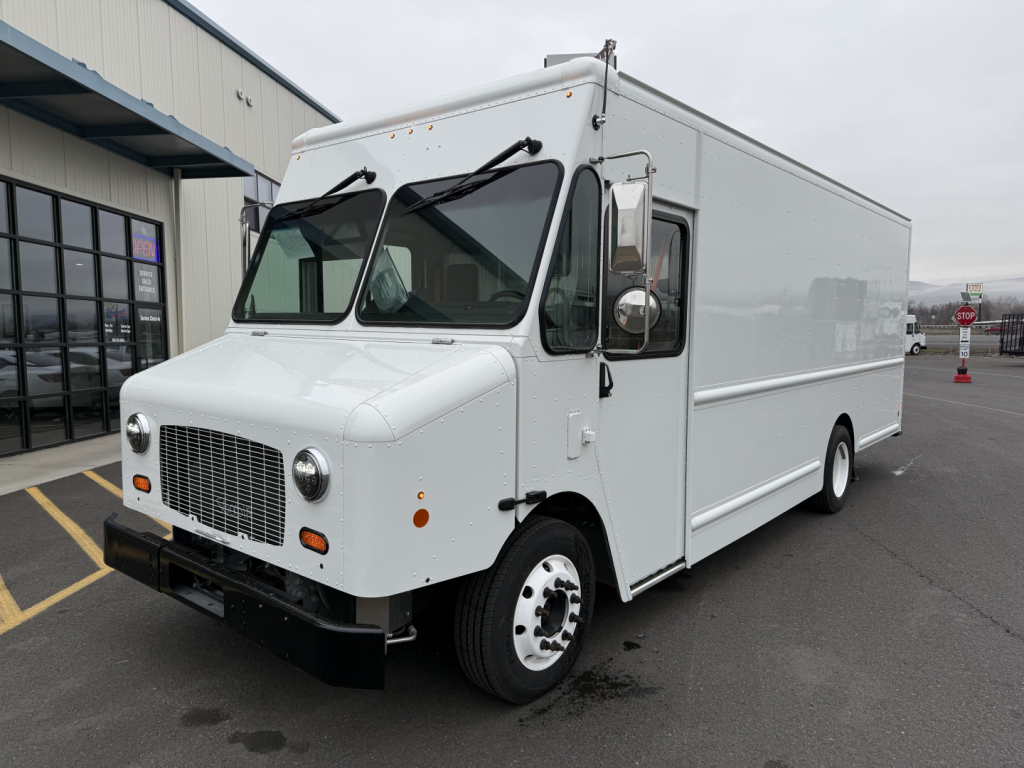
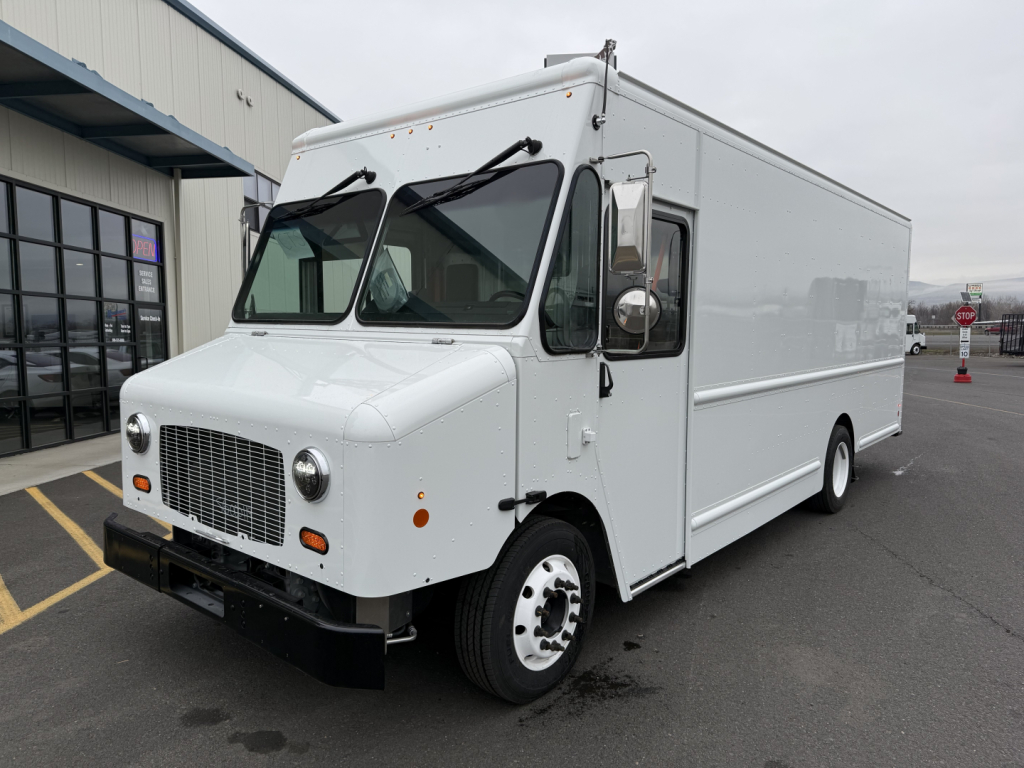
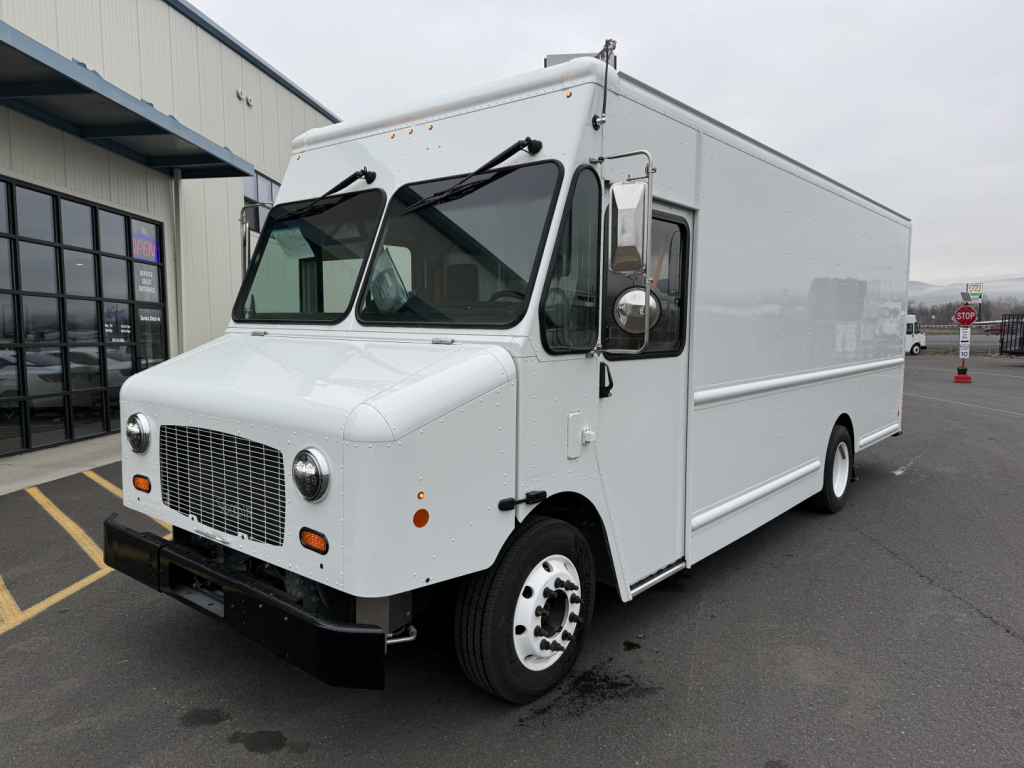
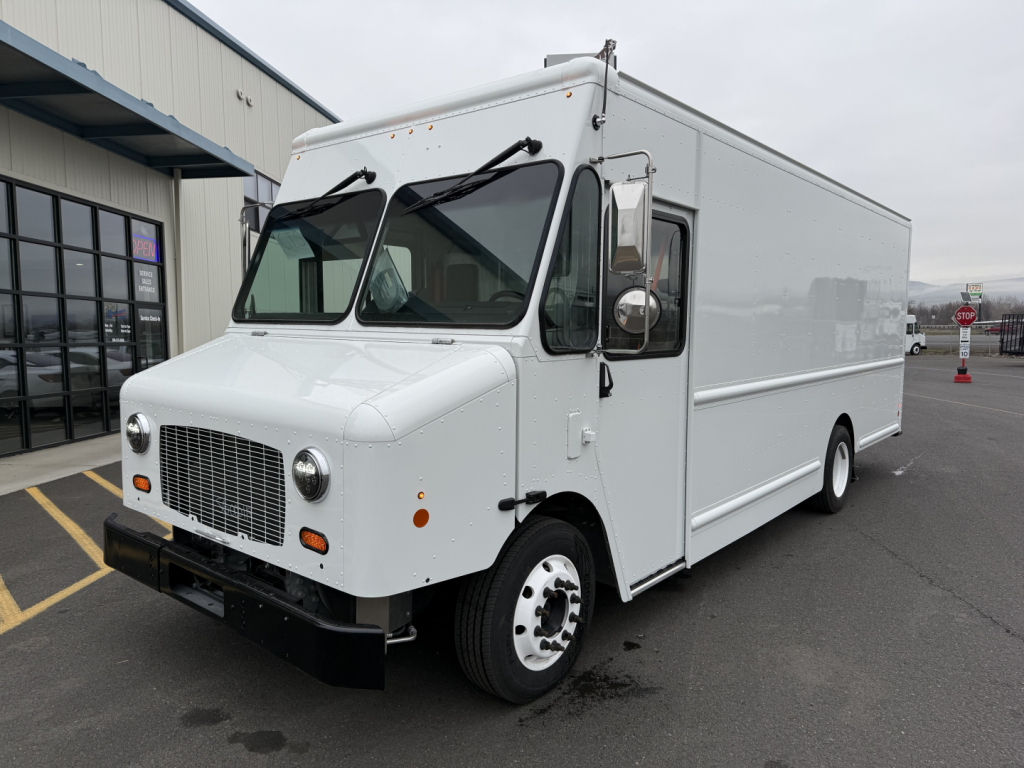
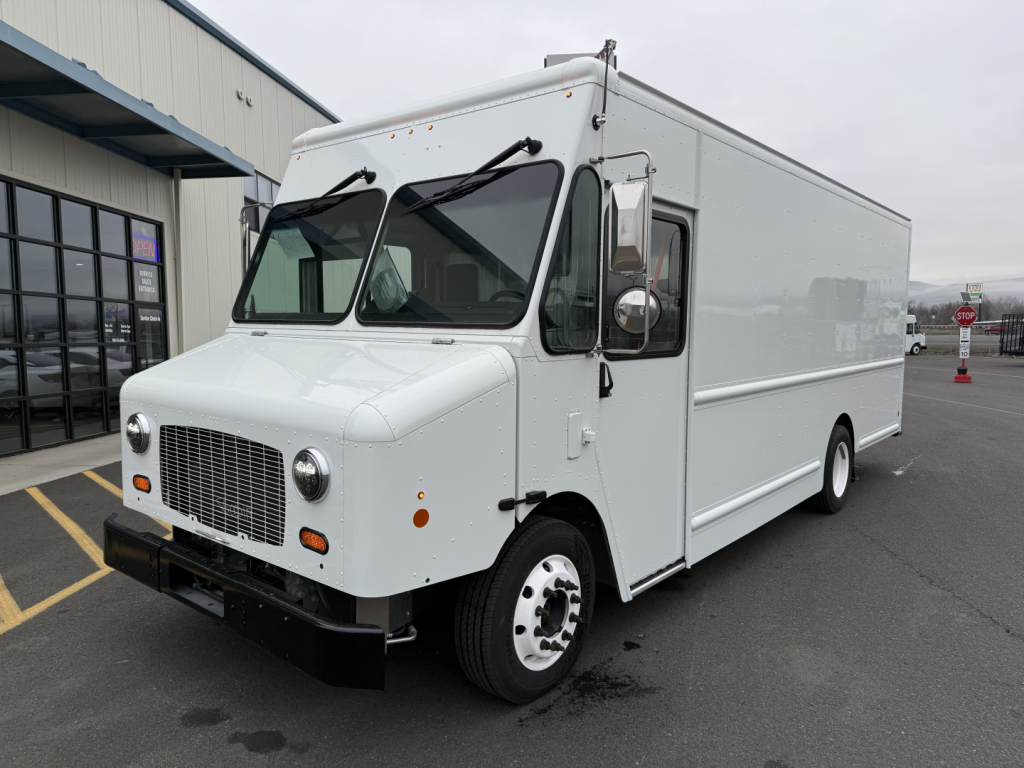
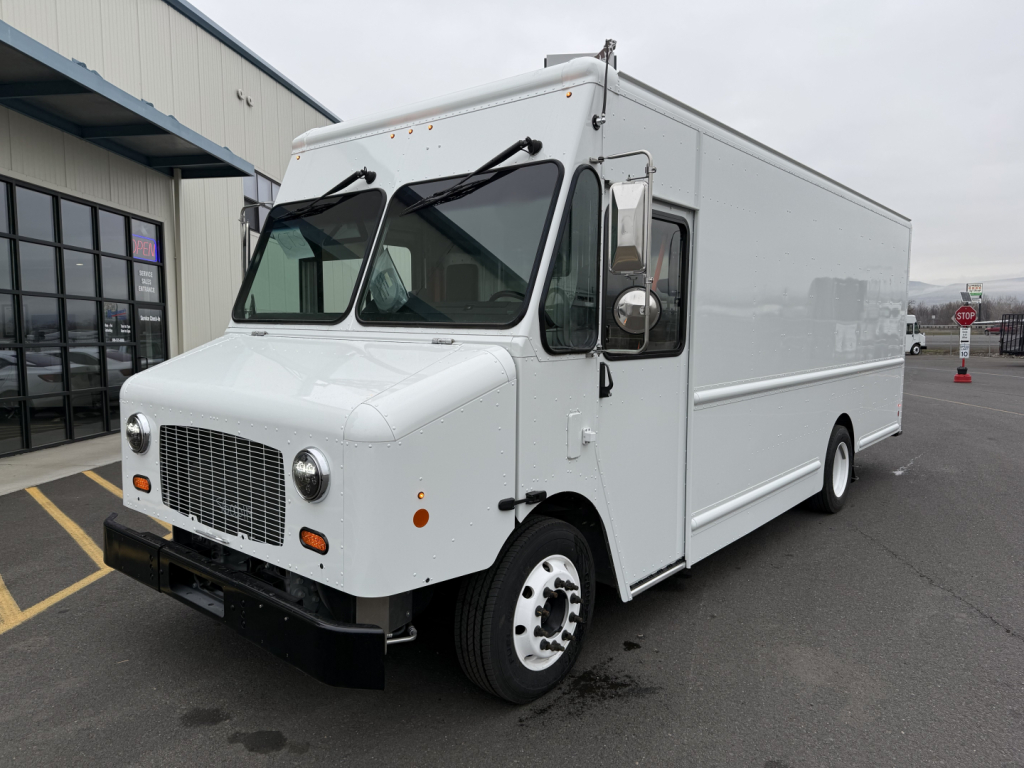
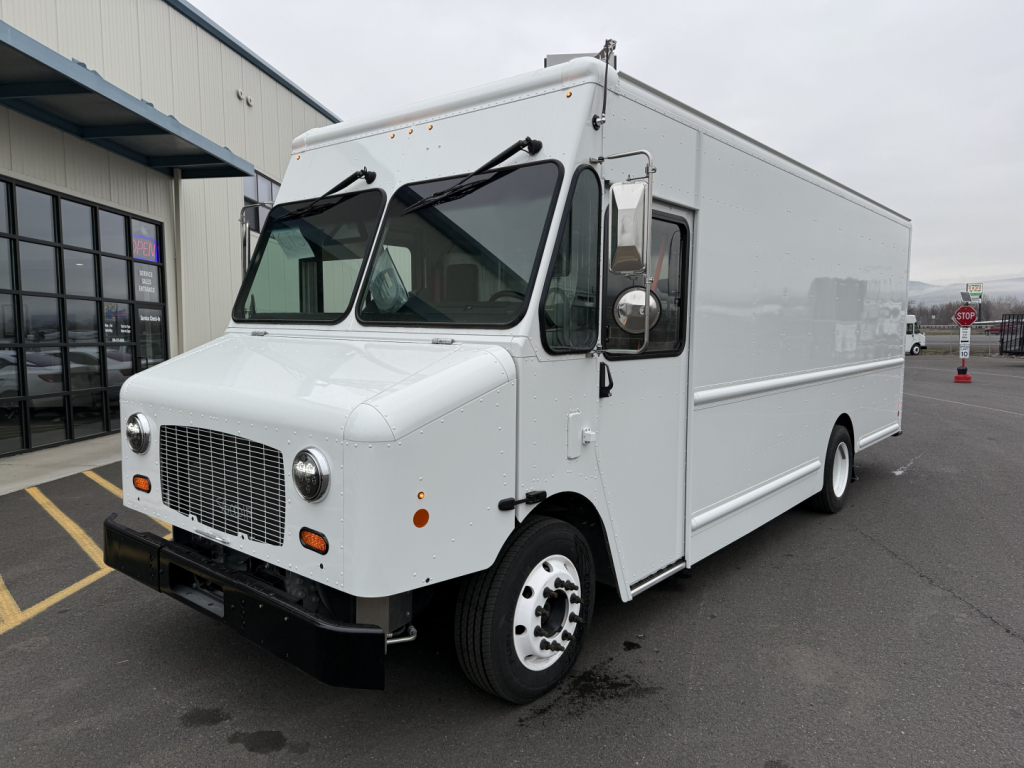
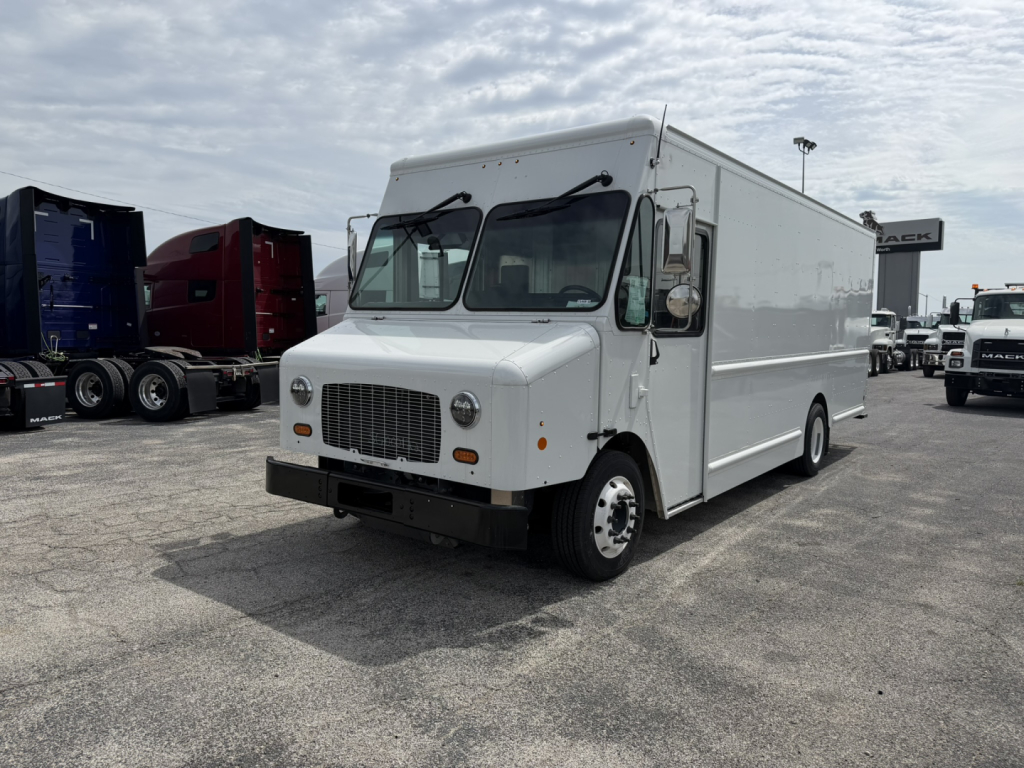
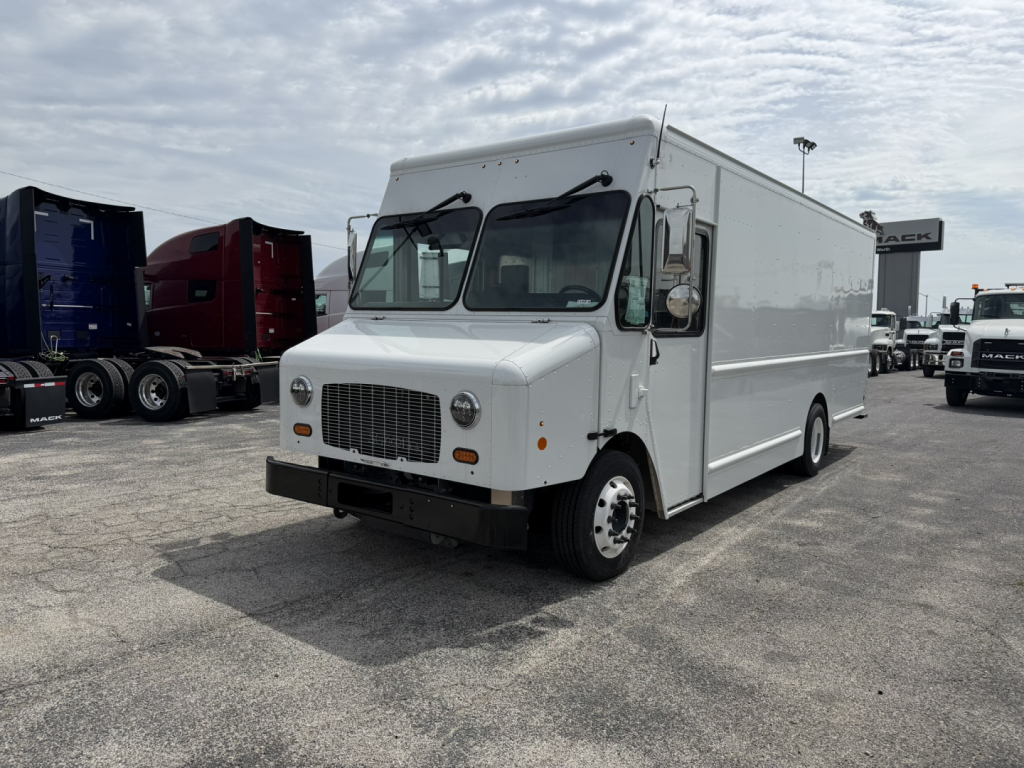
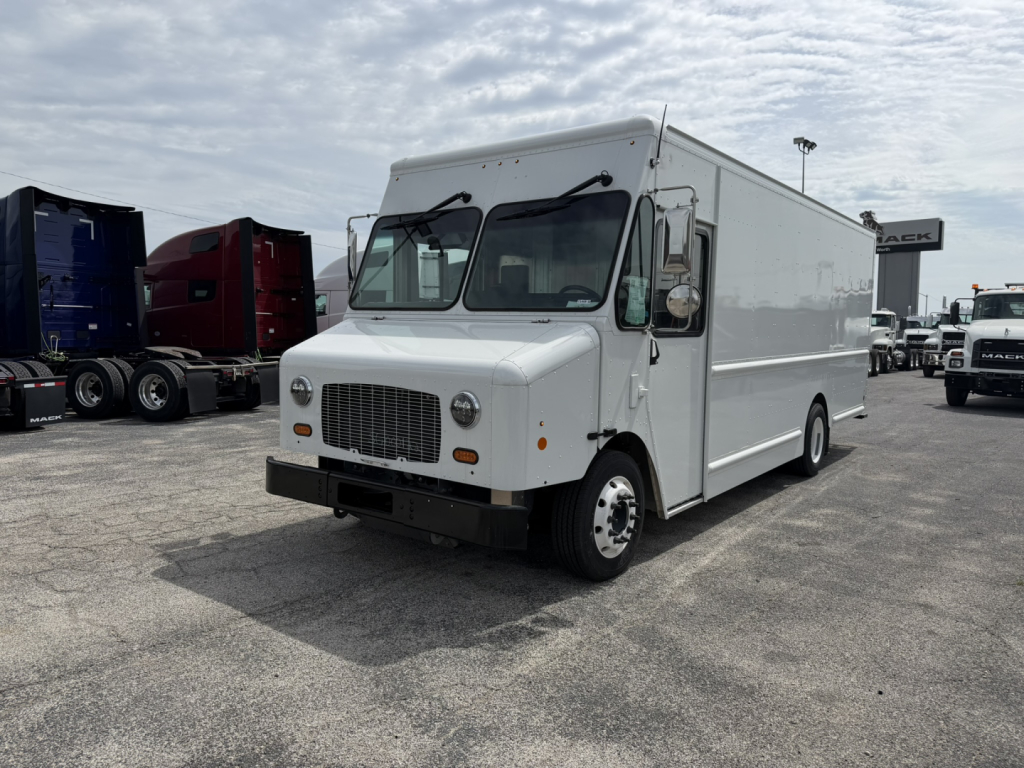
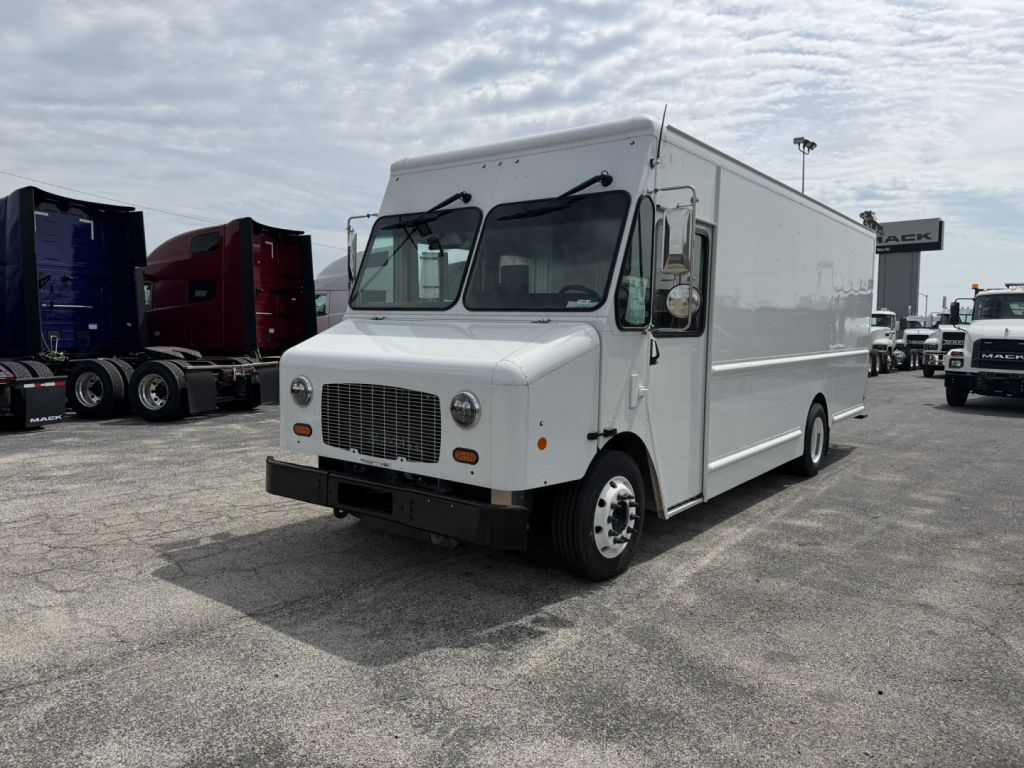
Shop new Harbinger trucks, including electric step vans built for last-mile delivery, walk-in access, urban routes, and commercial fleet use.
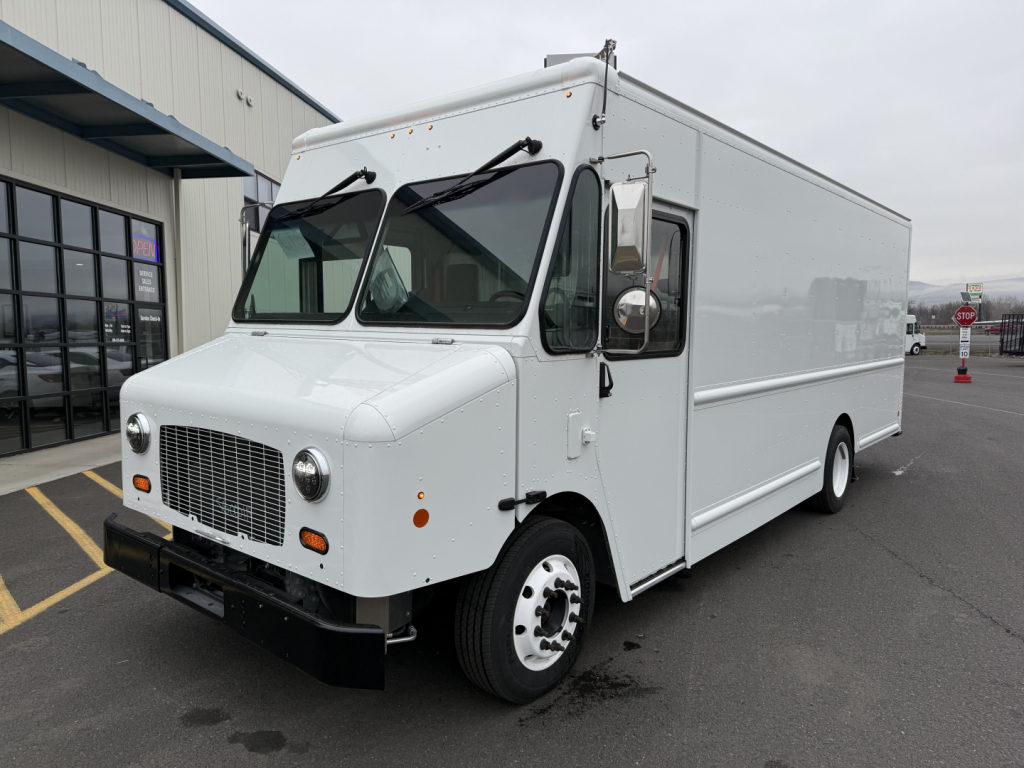
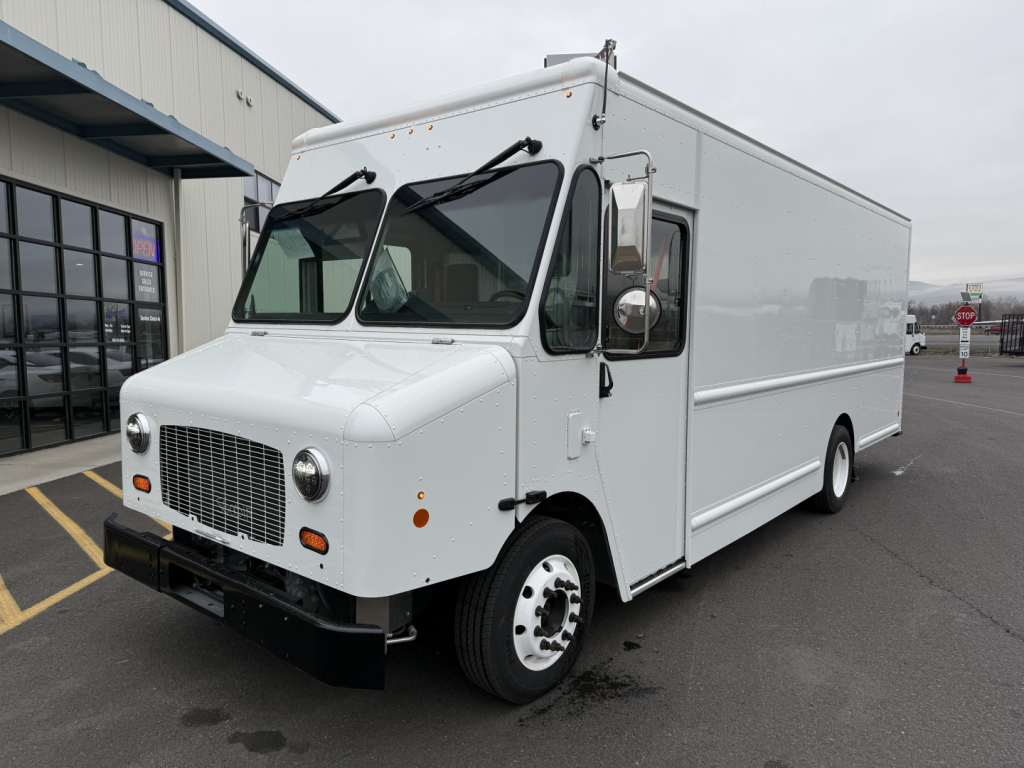
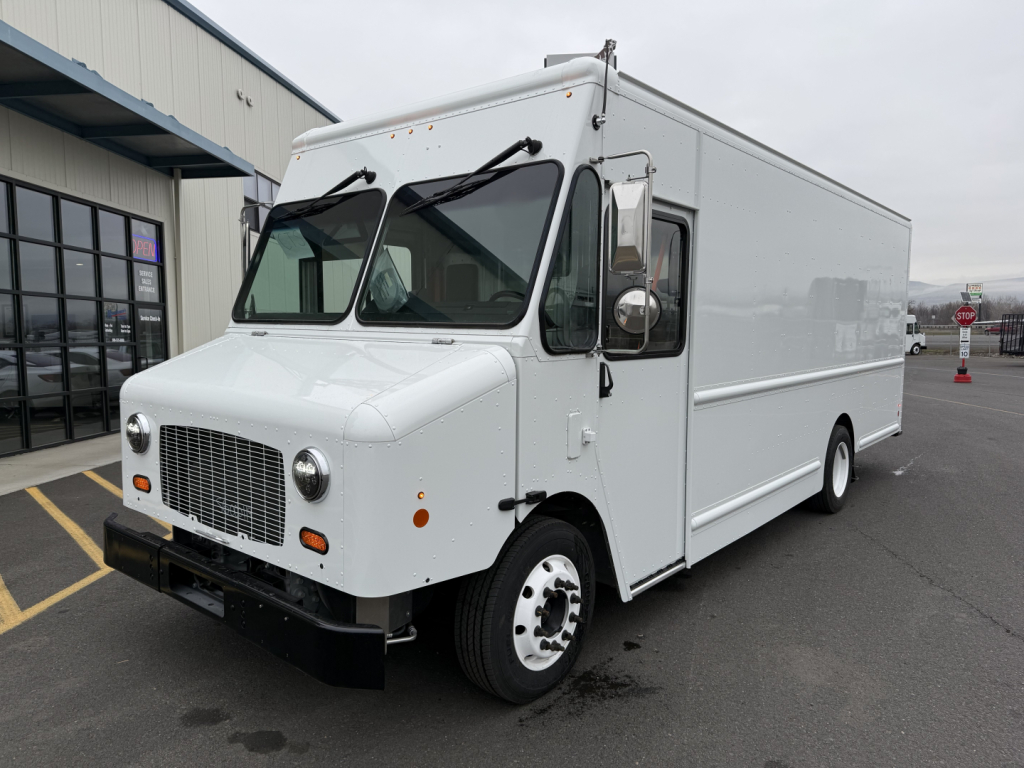
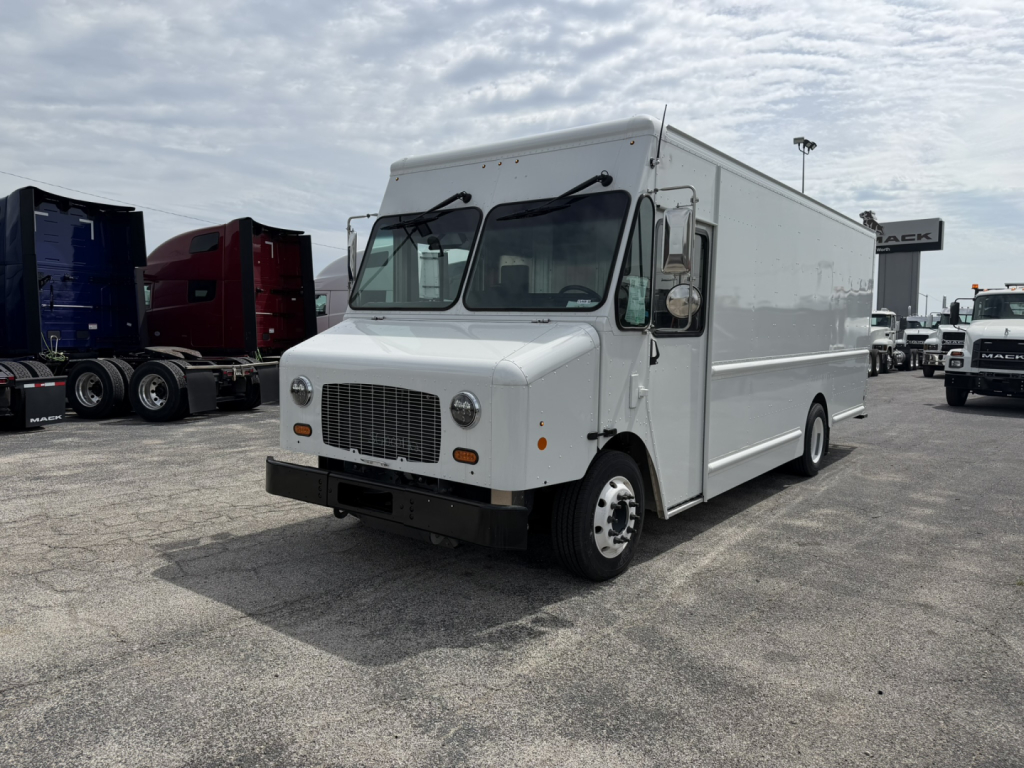
Showing 1 to 28 of 29 results
Selling a new harbinger truck? List your new harbinger truck for sale and reach thousands of commercial buyers.
New Harbinger Trucks
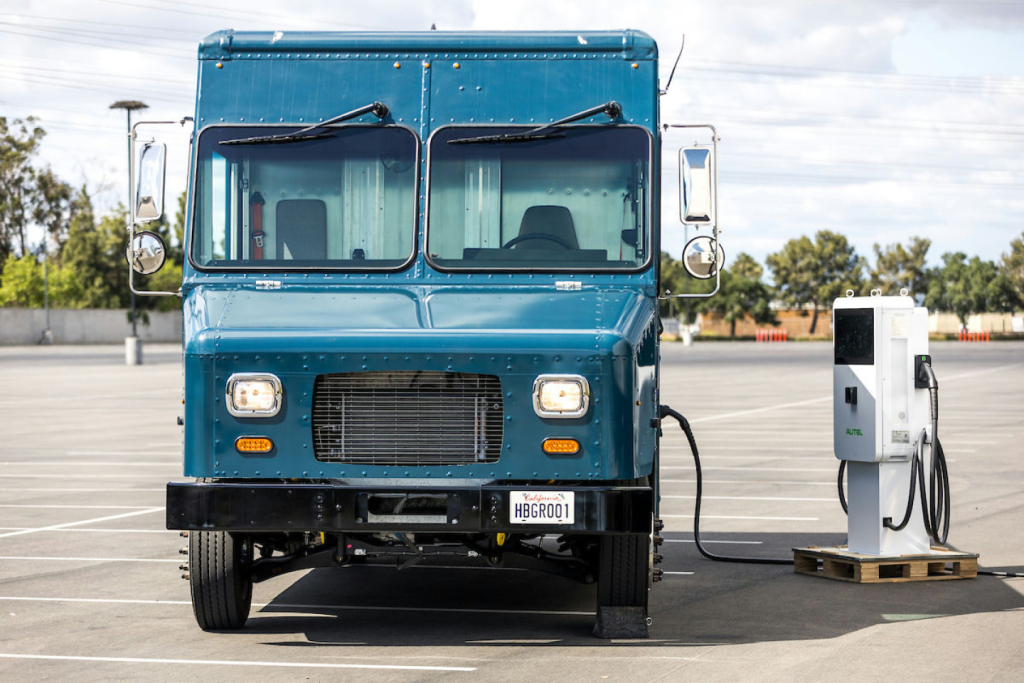
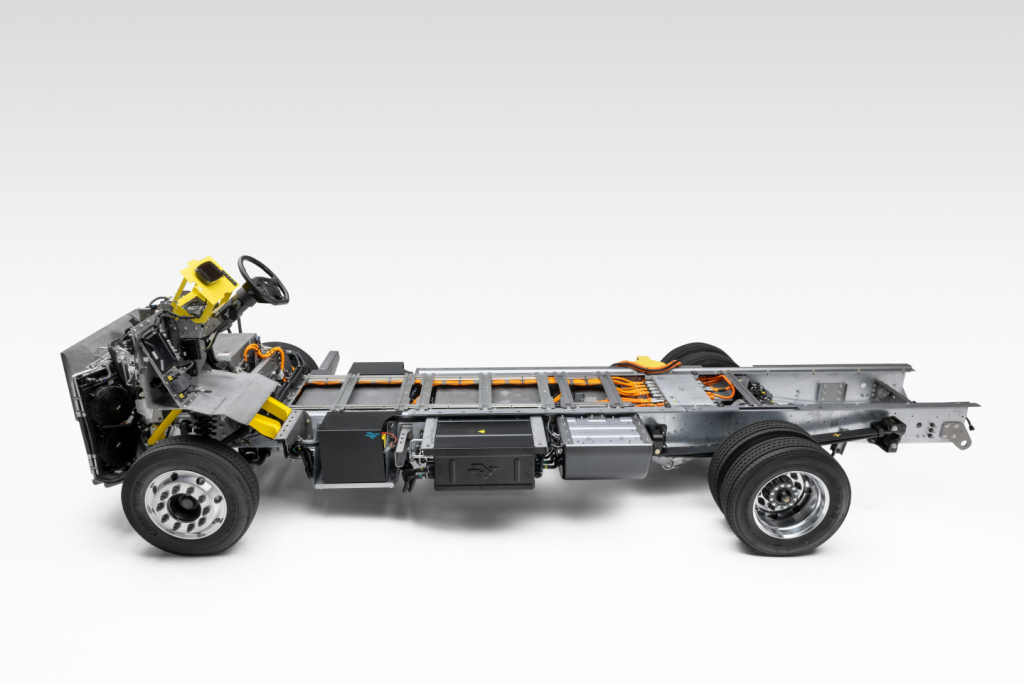
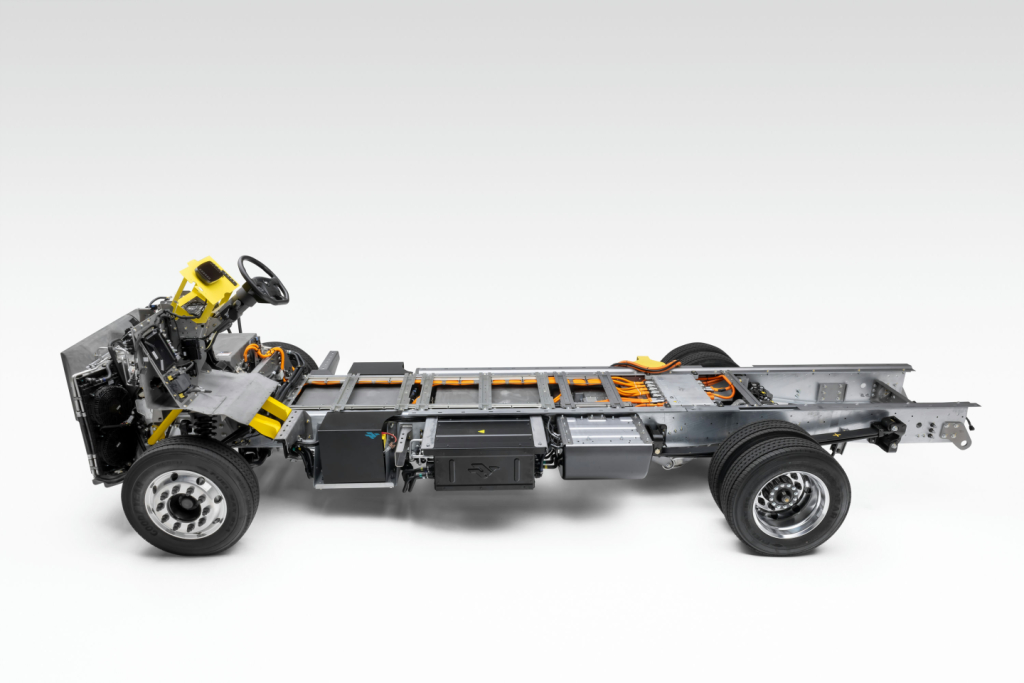
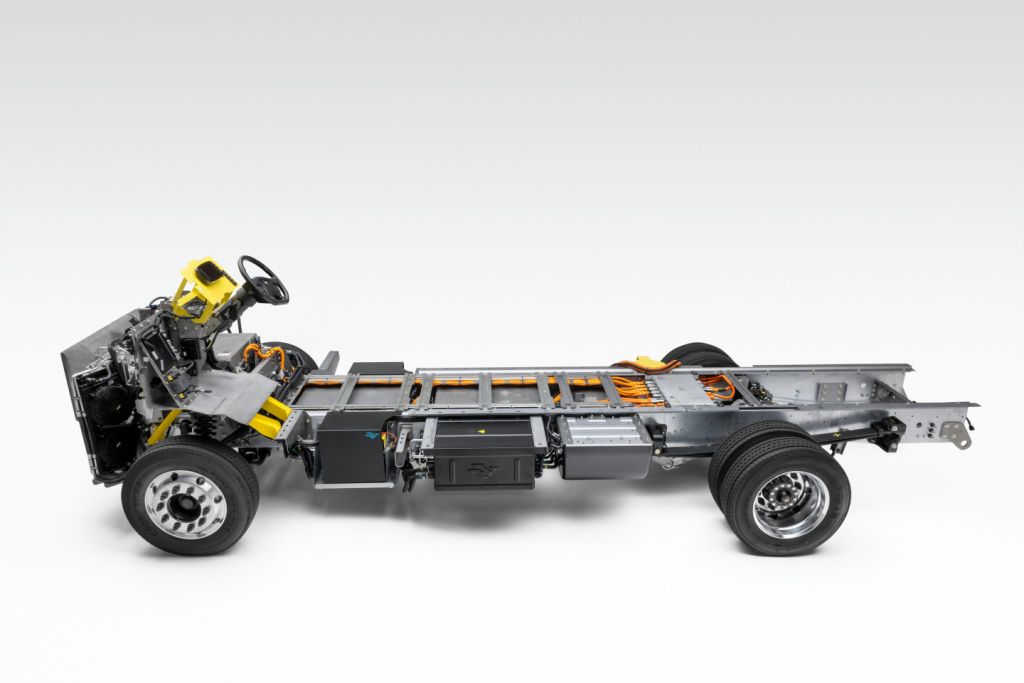
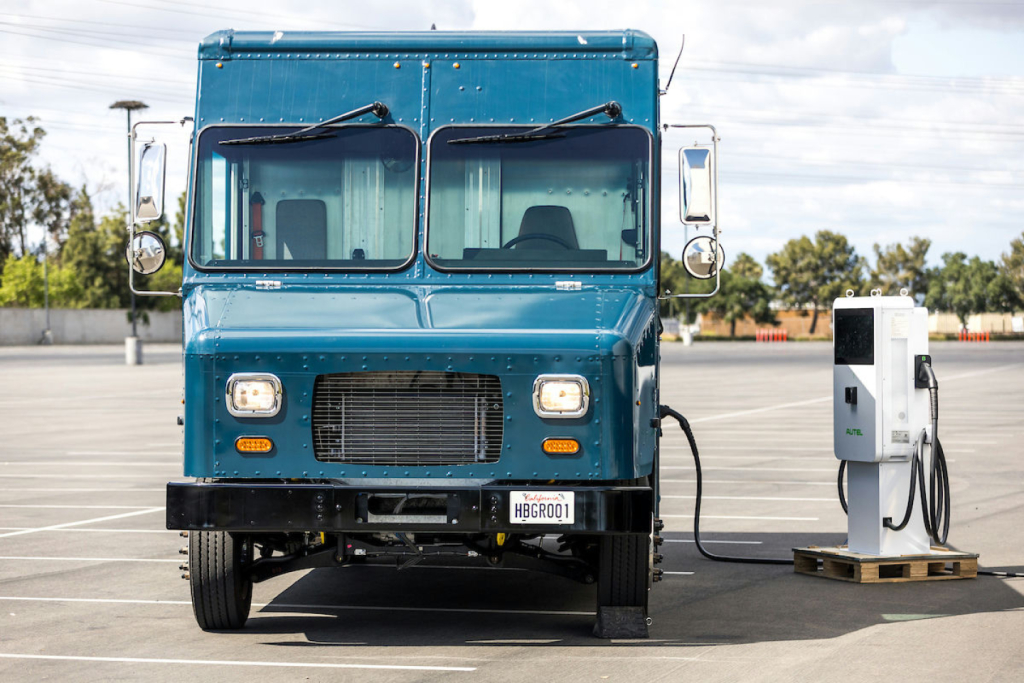
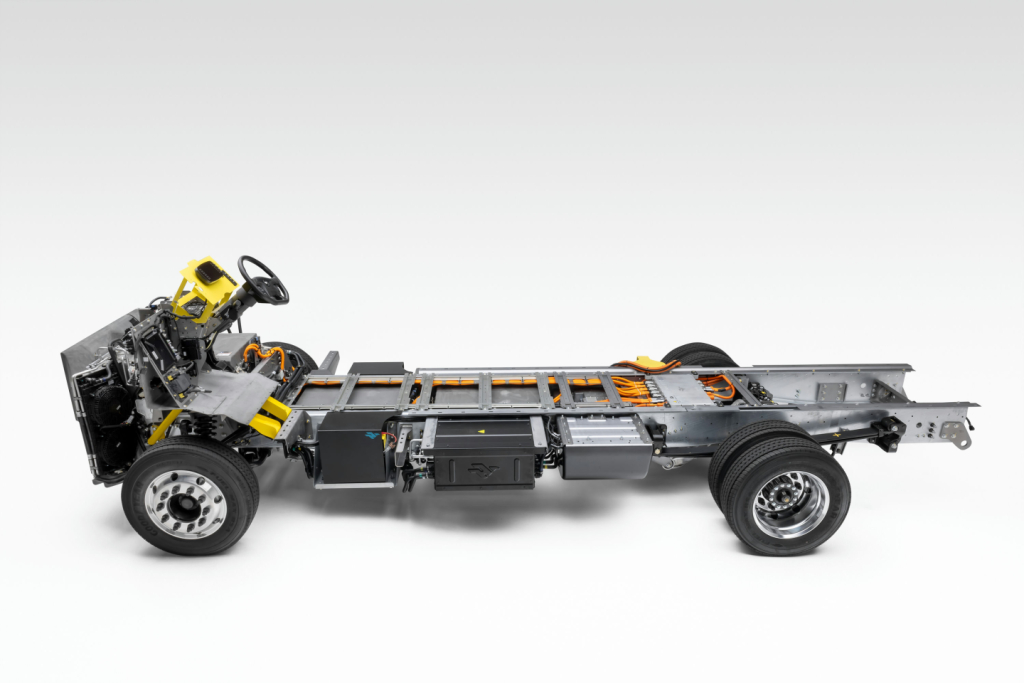
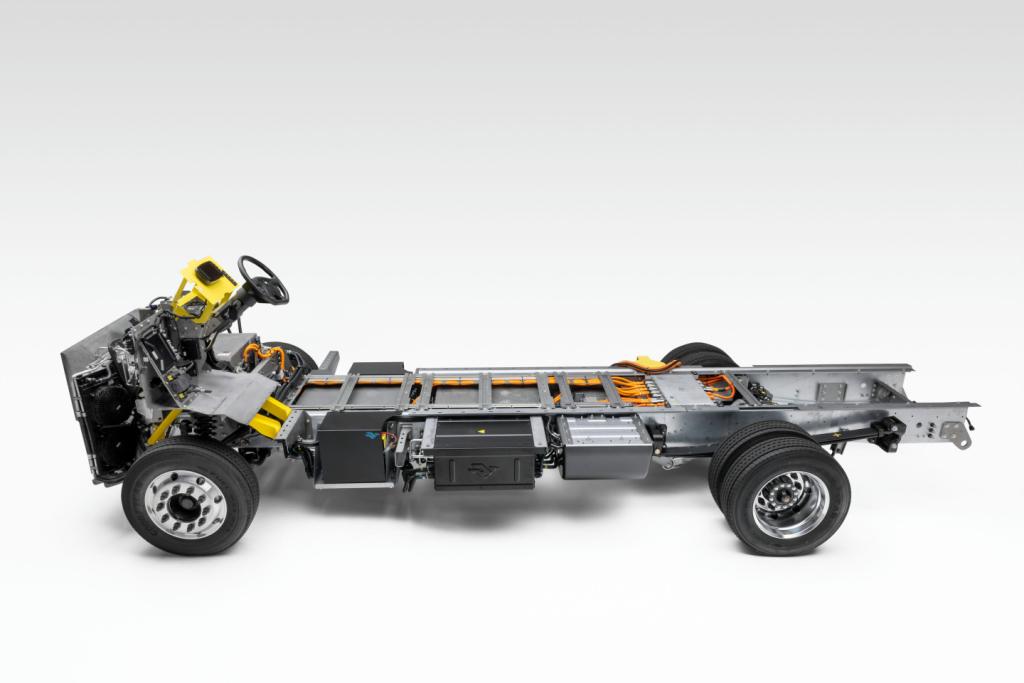
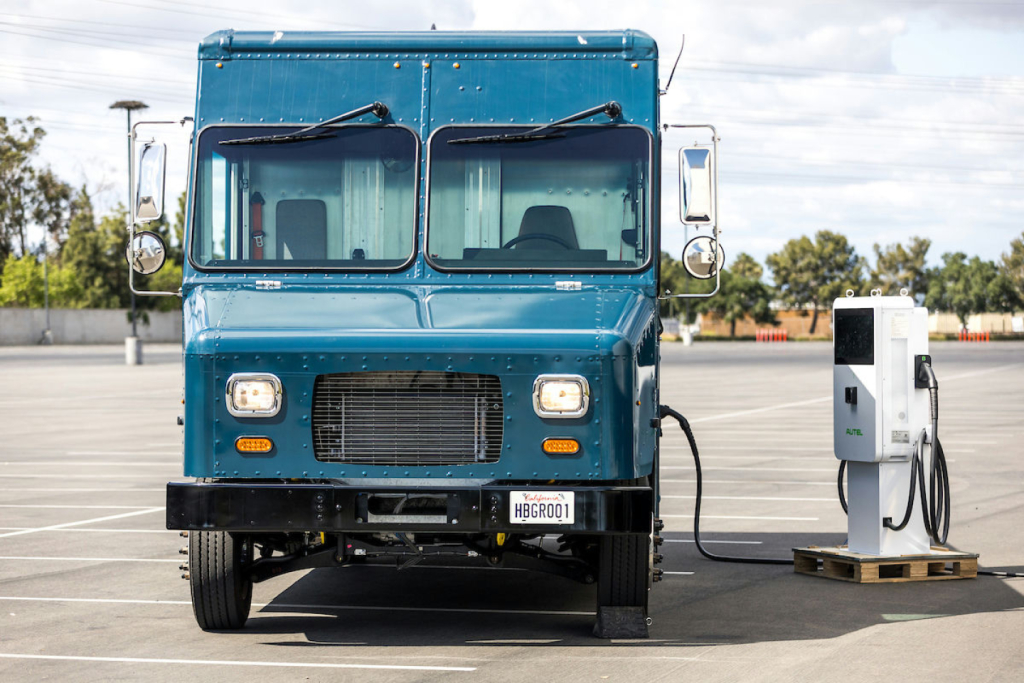
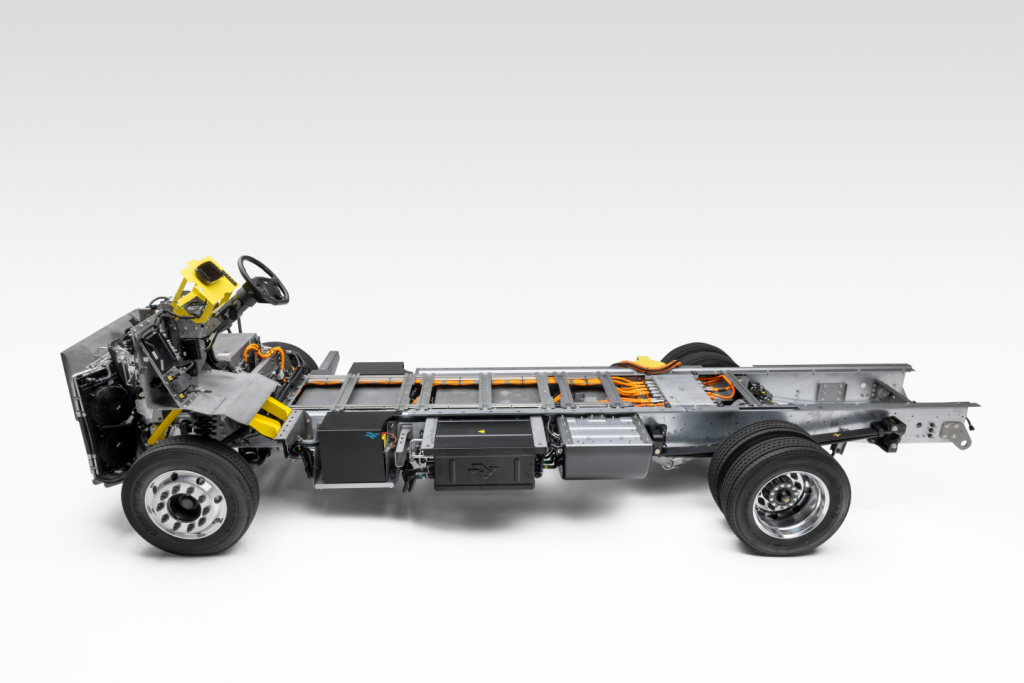
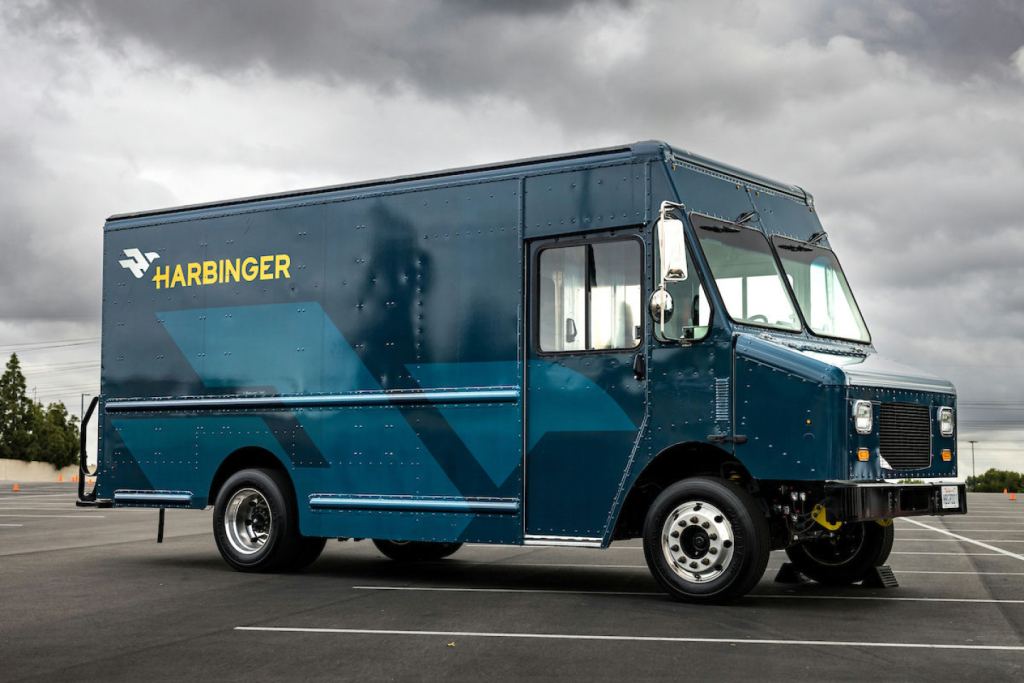
From a spec standpoint, the sample units point to single-axle step vans with wheelbases around 178 to 208 inches, horsepower ratings around 440, and GVWRs in the 20,850 to 24,400 pound range. That places these trucks in a practical sweet spot for parcel delivery, bakery routes, uniform service, mobile service bodies, and other vocational applications that need maneuverability without giving up cube. Rear spring suspension, medium-duty axle ratings, and an integrated e-axle layout are common decision points because they influence ride quality, durability, turning behavior, and loaded performance. On a step van, buyers should also pay close attention to body length, interior standing room, door configuration, and the relationship between payload and route range.
The biggest reason fleets look at new Harbinger trucks is operating profile. Electric step vans make the most sense when routes are predictable, daily mileage is controlled, and the truck returns to a home base for charging. That use case can reduce fuel spend, simplify preventive maintenance, and improve driver comfort by cutting noise, vibration, and idle time. Regenerative braking is especially useful in repeated stop-start duty, and instant torque helps when pulling away from curbs, docks, and intersections with a loaded body. For buyers moving from internal combustion step vans, the real comparison is not just purchase price. It is route suitability, charging infrastructure, body upfit compatibility, service support, and total cost of ownership over the truck’s intended replacement cycle.
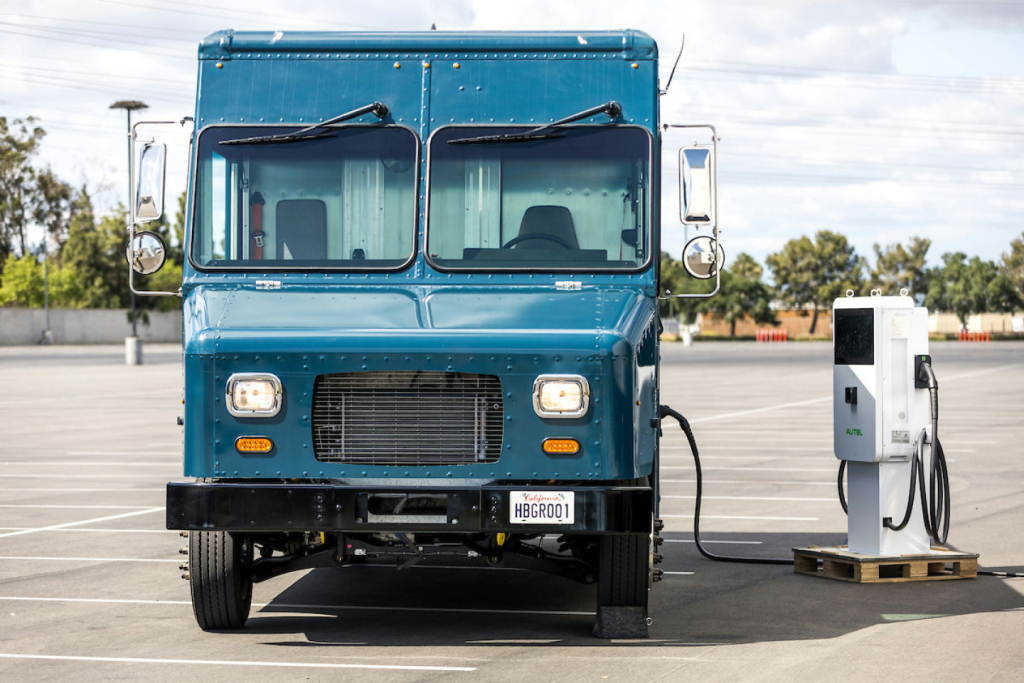
A careful buyer should match the Harbinger model to the route, not just the body size. A lower-GVWR configuration may be ideal for lighter parcel density and tighter city streets, while the heavier-rated chassis is better suited to denser payloads or upfits that add equipment weight. New electric trucks in this segment should also be evaluated for charging connector type, battery warranty terms, software and telematics capability, wheelbase-to-body fit, and front and rear axle capacity after the final body is installed. For fleets adding electric step vans for the first time, the best results usually come from selecting routes with consistent daily miles, known loading patterns, and overnight charging access.
Frequently Asked Questions about New Harbinger Trucks
What are new Harbinger trucks best suited for?
New Harbinger trucks are best suited for last-mile and local delivery operations, especially step van routes with frequent stops and predictable daily mileage. Common applications include parcel delivery, bakery distribution, linen and uniform service, and other urban or suburban routes where walk-in body access, tight turning, and low operating noise matter. They are generally a stronger fit for return-to-base fleets than for irregular long-haul duty.
Are Harbinger trucks diesel or electric?
The Harbinger trucks reflected in this category are battery-electric trucks using an electric motor and e-axle driveline. That means there is no conventional diesel engine or stepped automatic transmission in the usual medium-duty sense. For many buyers, the practical advantages are strong low-speed torque, regenerative braking, reduced routine engine-related maintenance, and a driveline that is well matched to stop-and-go delivery work.
What GVWR range should a buyer expect on a Harbinger step van?
Based on the sample configurations, buyers should expect GVWR ratings in the low- to mid-20,000 pound range, including around 20,850 pounds and 24,400 pounds. The right rating depends on payload, body size, and the weight of any shelving, liftgate, refrigeration, or vocational equipment added after delivery. Axle ratings matter just as much as GVWR because a step van can run out of front or rear axle capacity before it reaches the theoretical gross vehicle limit.
How do you choose between different Harbinger wheelbases?
Wheelbase selection affects body fit, turning radius, ride quality, and load distribution. A shorter wheelbase is usually easier to maneuver in dense urban areas and alleys, while a longer wheelbase can support a larger body or improve packaging for certain upfits. The correct choice comes down to route constraints, desired cargo volume, dock access, and how the finished body keeps weight balanced across the axles.
What should a fleet confirm before buying a new electric step van?
A fleet should confirm real route miles, charging time windows, charger compatibility, body and upfit requirements, and service support before buying a new electric step van. It is also important to verify payload after the final body is installed, because the usable payload can change significantly once shelves, liftgates, refrigeration units, or interior equipment are added. Good planning includes matching the truck to a defined route and ensuring overnight or depot charging is reliable from day one.