
New Harbinger Trucks For Sale in Texas
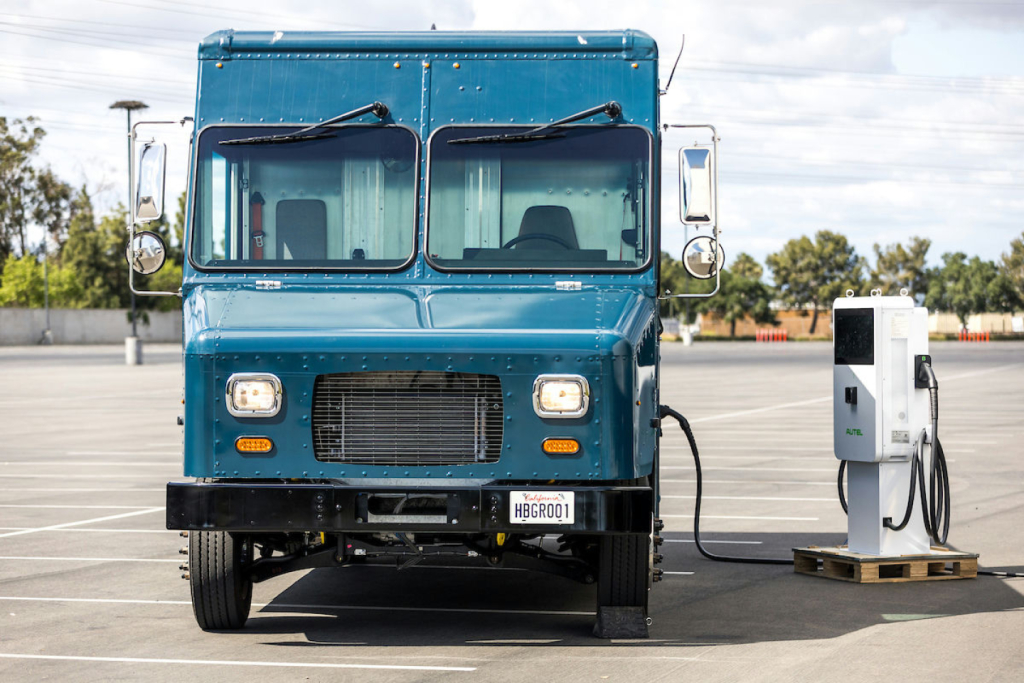
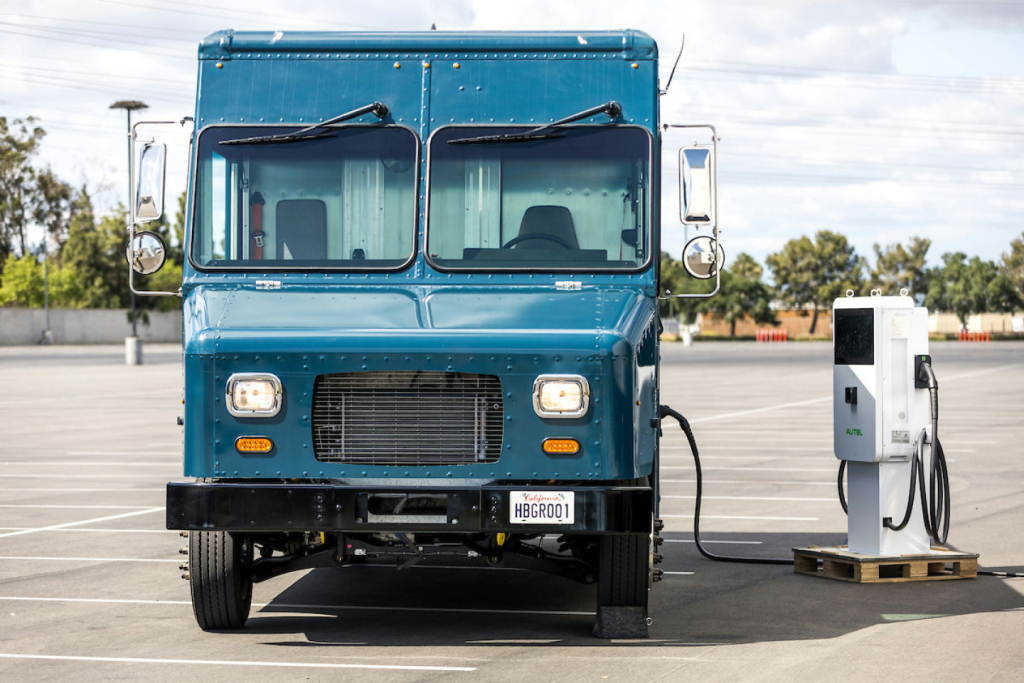
Shop new Harbinger trucks in Texas, including electric step vans built for last-mile delivery, urban routes, and commercial fleet use.
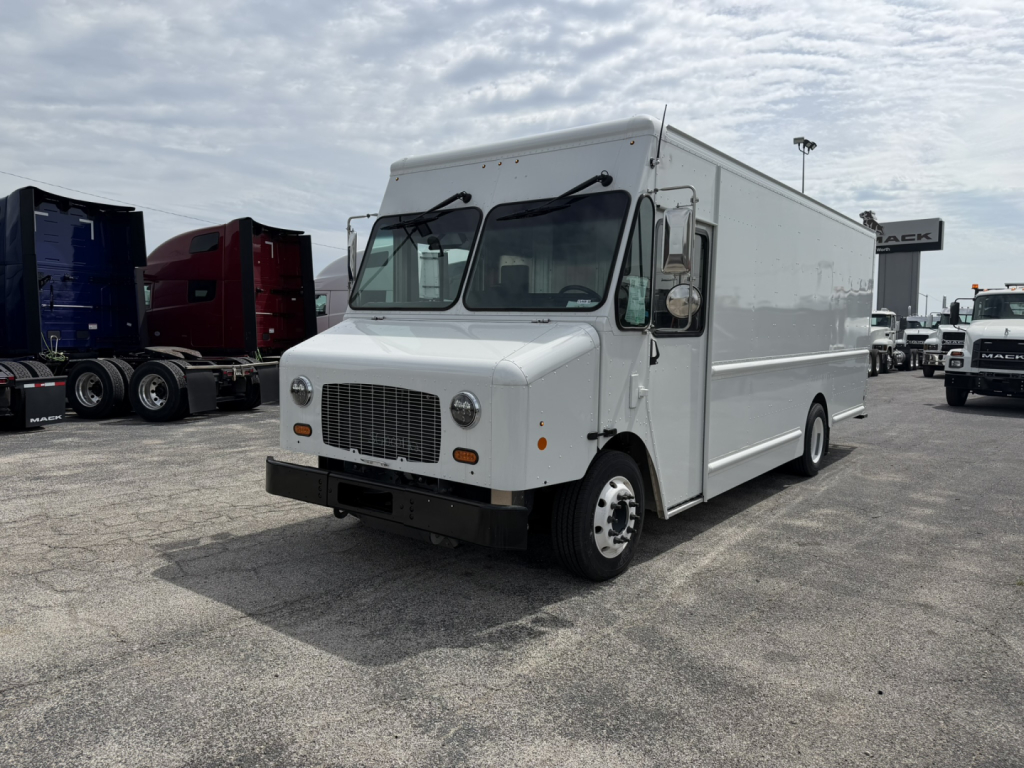
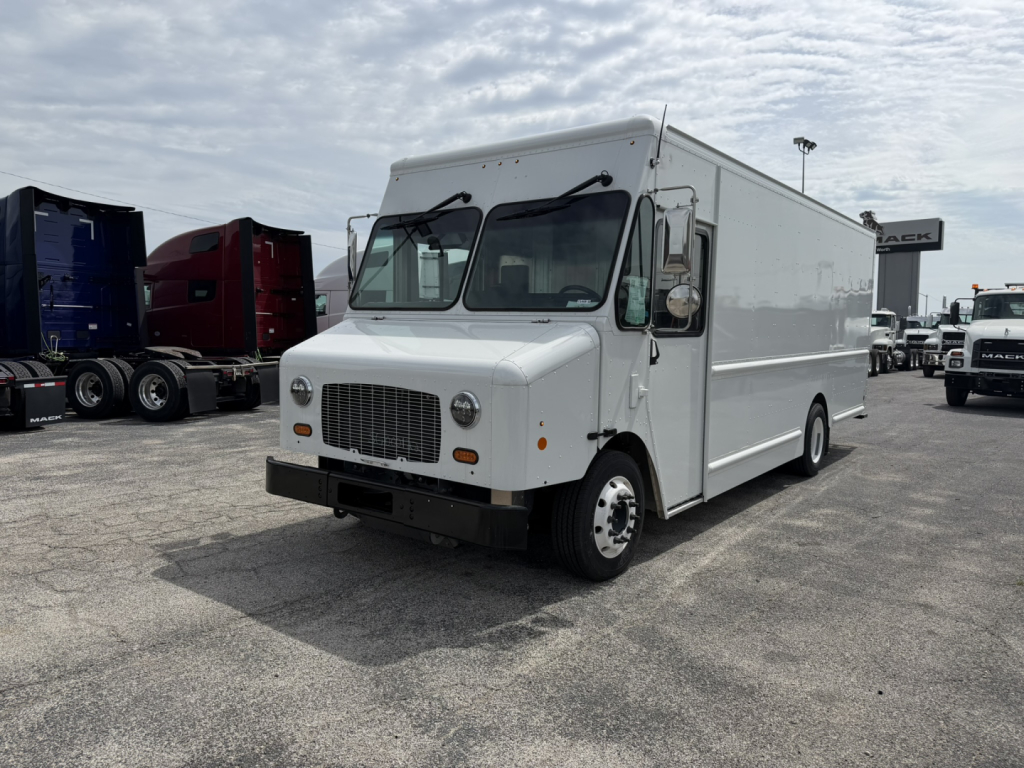
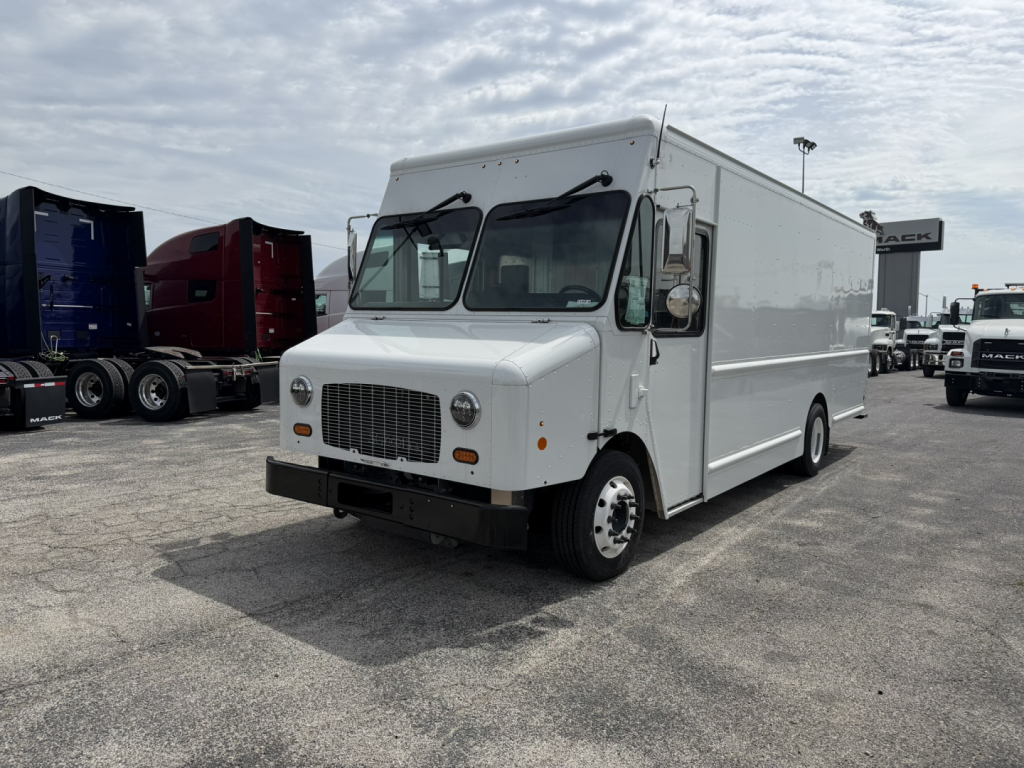
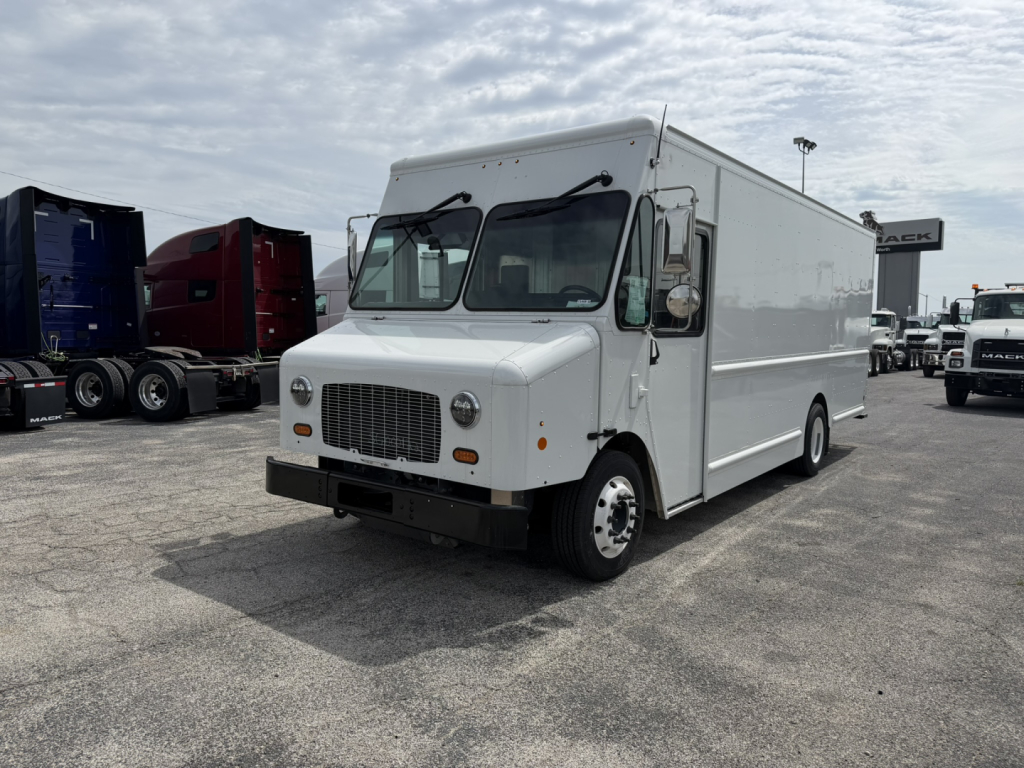
Selling a new harbinger truck? List your new harbinger truck for sale and reach thousands of commercial buyers.
New Harbinger Trucks in Texas
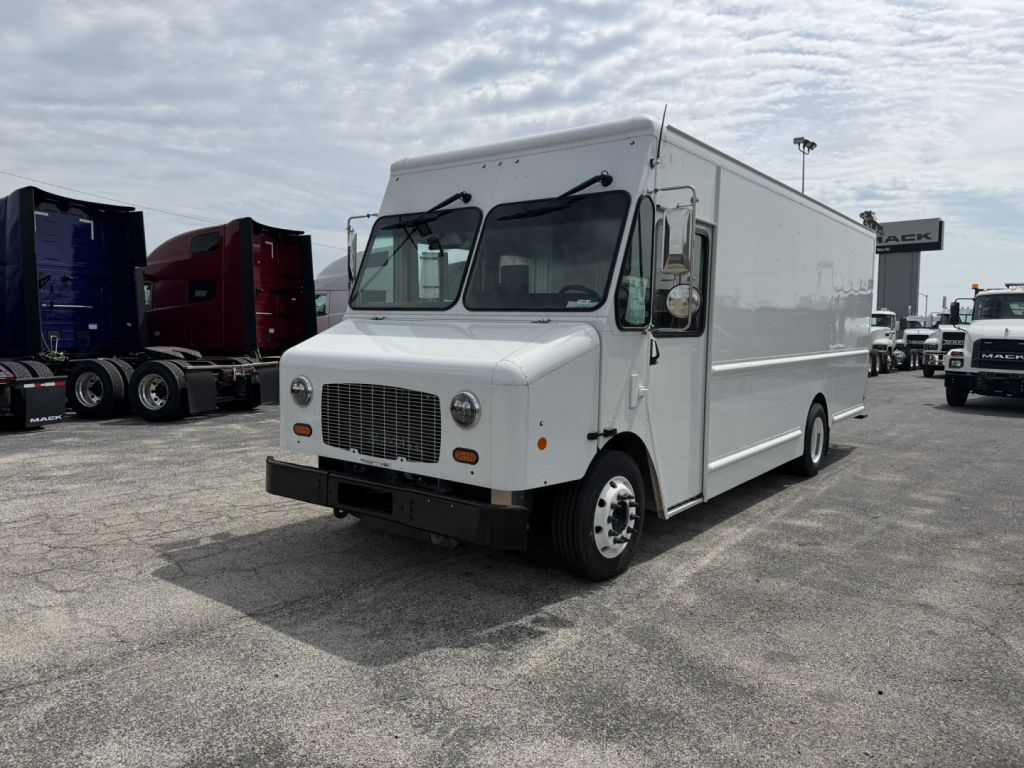
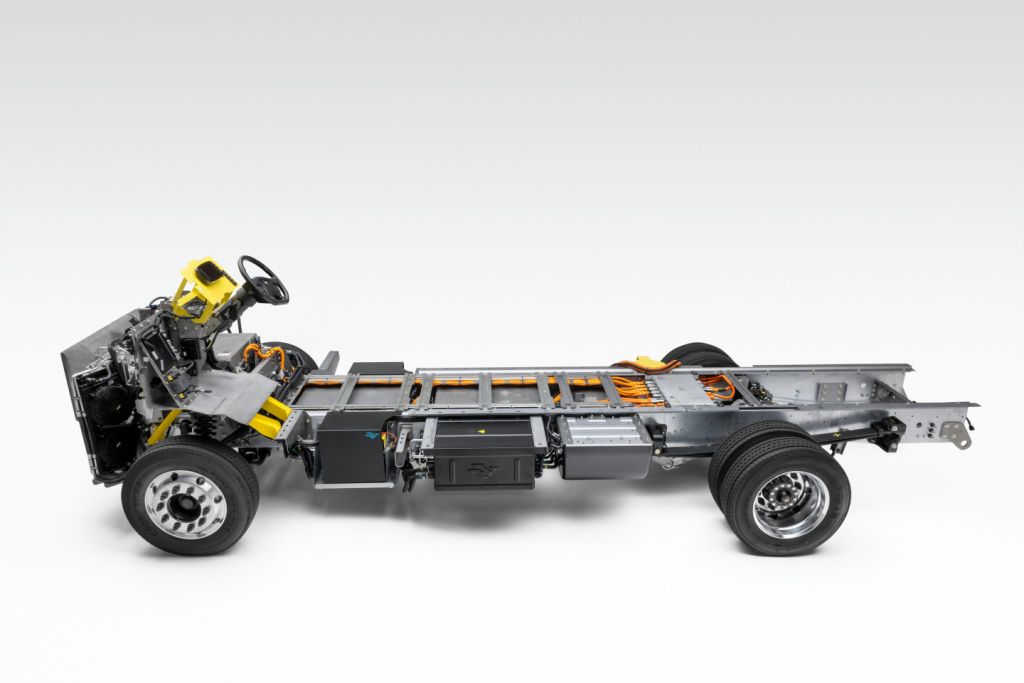
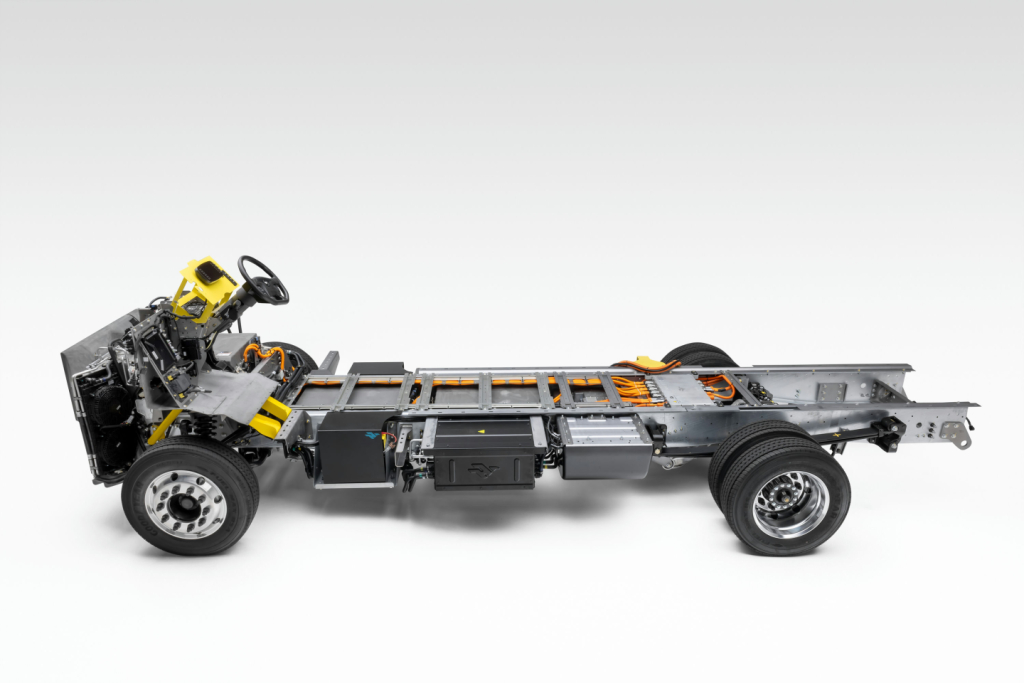
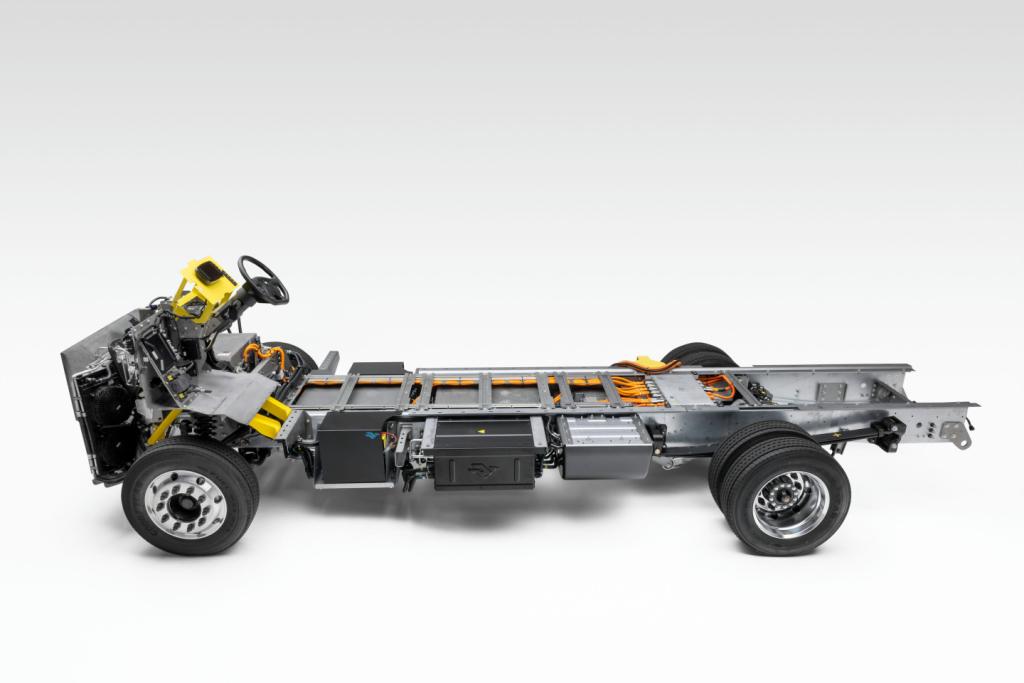
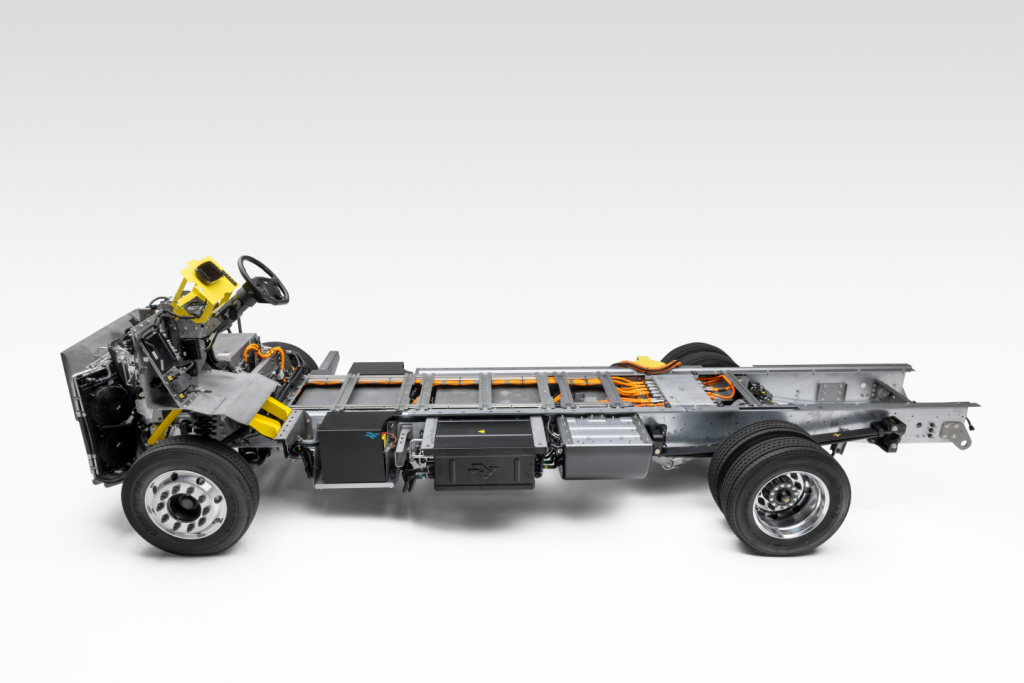
The most important buying decision in this category is route fit. Harbinger step vans commonly fall in the Class 5 range, with GVWR around 20,850 pounds, single rear axle layouts, and wheelbases such as 178 inches and 208 inches. Those dimensions matter because they affect body length, turning radius, dock access, and curbside maneuverability. Shorter wheelbase trucks are easier in tight city service, while longer wheelbase models usually give you more cargo space and better body packaging for higher cube operations. Front axle ratings around 7,200 pounds and rear ratings around 13,650 pounds are typical indicators that these trucks are set up for commercial payloads without moving into heavier Class 6 territory.
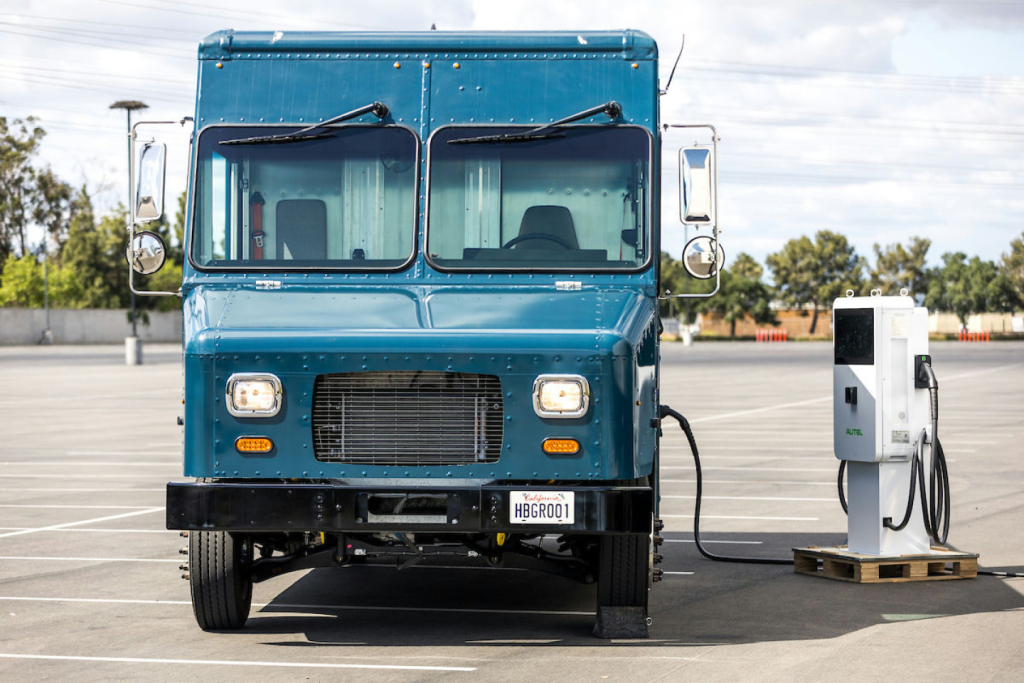
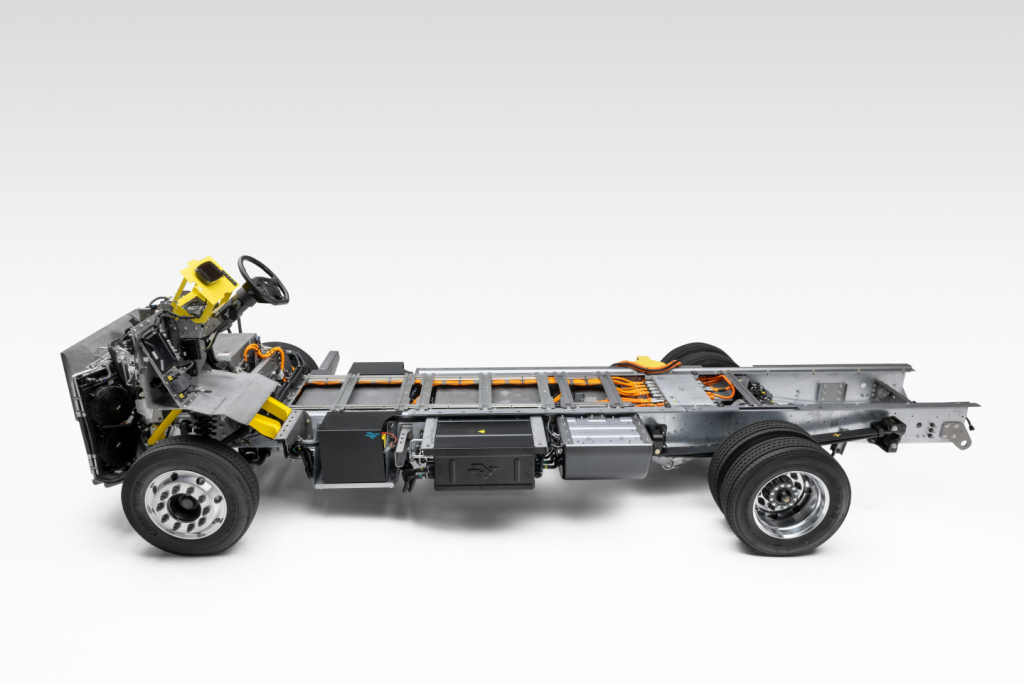
On the powertrain side, Harbinger electric trucks use an electric motor and e-axle style drivetrain, with output figures around 440 horsepower in current listings. Buyers should focus less on horsepower alone and more on battery range under real load, charging compatibility, thermal management, and how accessory loads affect daily performance. Step vans spend a lot of time idling at stops in conventional fleets, so an EV platform can reduce wasted energy and simplify service points compared with internal combustion trucks. It is still critical to verify your route miles, average payload, dwell time, and charging window before choosing a unit, especially in hot Texas operating conditions where HVAC demand can influence usable range.
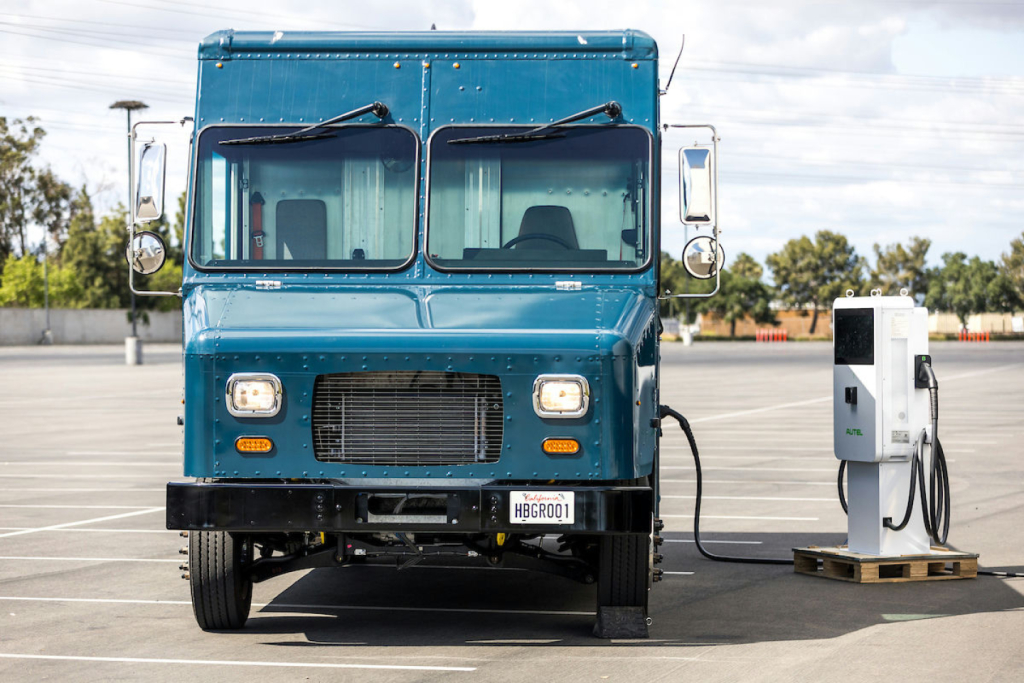
Cab ergonomics and body access are also central to step van buying. This equipment class is designed for frequent entry and exit, wide walk-through interiors, and cargo access that speeds up route work. Spring leaf rear suspension is common in these trucks because it remains durable under repetitive load cycles and mixed pavement conditions. Buyers comparing new Harbinger trucks should pay close attention to interior layout, body dimensions, door configuration, charging infrastructure planning, and upfit compatibility for shelves, racks, refrigeration, or route-specific package organization. The right truck in this category is the one that matches your delivery density, payload profile, and facility charging plan with the least operational compromise.
Frequently Asked Questions about New Harbinger Trucks in Texas
What are new Harbinger trucks typically used for?
New Harbinger trucks are typically used for last-mile and medium-duty delivery work, especially step van applications with frequent stops. Common use cases include parcel delivery, food and beverage distribution, linen and uniform routes, vending service, mobile service fleets, and municipal operations. Their electric powertrain is best suited to urban and suburban duty cycles where regenerative braking and reduced idle losses can improve operating efficiency.
What class of truck is a Harbinger step van?
Many Harbinger step van configurations fall into the medium-duty Class 5 segment, with GVWR around 20,850 pounds based on current market examples. That places them in a range that can support useful commercial payload while maintaining the maneuverability needed for city route work. Exact classification and payload capacity still depend on final body spec, battery configuration, and installed equipment.
What should I check before buying an electric Harbinger truck in Texas?
The first thing to check is route compatibility. Confirm daily miles, stop frequency, payload, dwell time, and where the truck will charge between shifts. In Texas, buyers should also account for high ambient temperatures, cab cooling demand, and how heat can affect battery performance and charging strategy. Electrical infrastructure at the home terminal matters just as much as the truck itself, including charger type, utility capacity, and whether overnight charging supports the planned duty cycle.
How do wheelbase and axle ratings affect a Harbinger step van purchase?
Wheelbase affects cargo body length, turning radius, and how easily the truck operates in alleys, neighborhoods, and loading areas. A shorter wheelbase generally favors tighter urban maneuvering, while a longer wheelbase often supports more cargo cube and route density. Axle ratings matter because they determine how weight is carried across the truck, especially once shelves, equipment, and full route payload are added. Buyers should compare front and rear axle ratings against actual loaded conditions, not just empty vehicle specs.
Are Harbinger trucks a good fit for stop-and-go delivery routes?
Yes, that is one of the strongest applications for this equipment class. Stop-and-go delivery routes allow electric step vans to benefit from regenerative braking and reduced energy waste during repeated starts and stops. They also eliminate diesel idling during service calls or delivery drops. The best fit is a route with predictable mileage and dependable charging access, because consistent daily patterns are where electric commercial trucks usually perform best.