
New Harbinger Step Van Trucks For Sale
Shop new Harbinger step van trucks with all-electric power, walk-in delivery bodies, and GVWRs suited for last-mile and P&D routes.
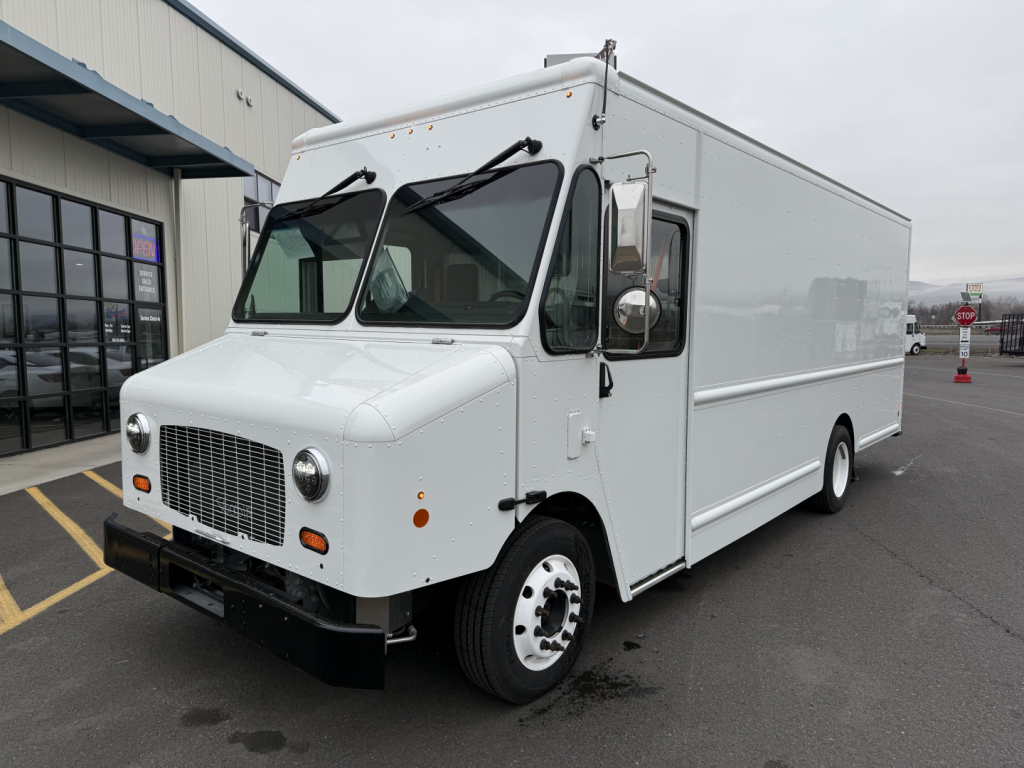
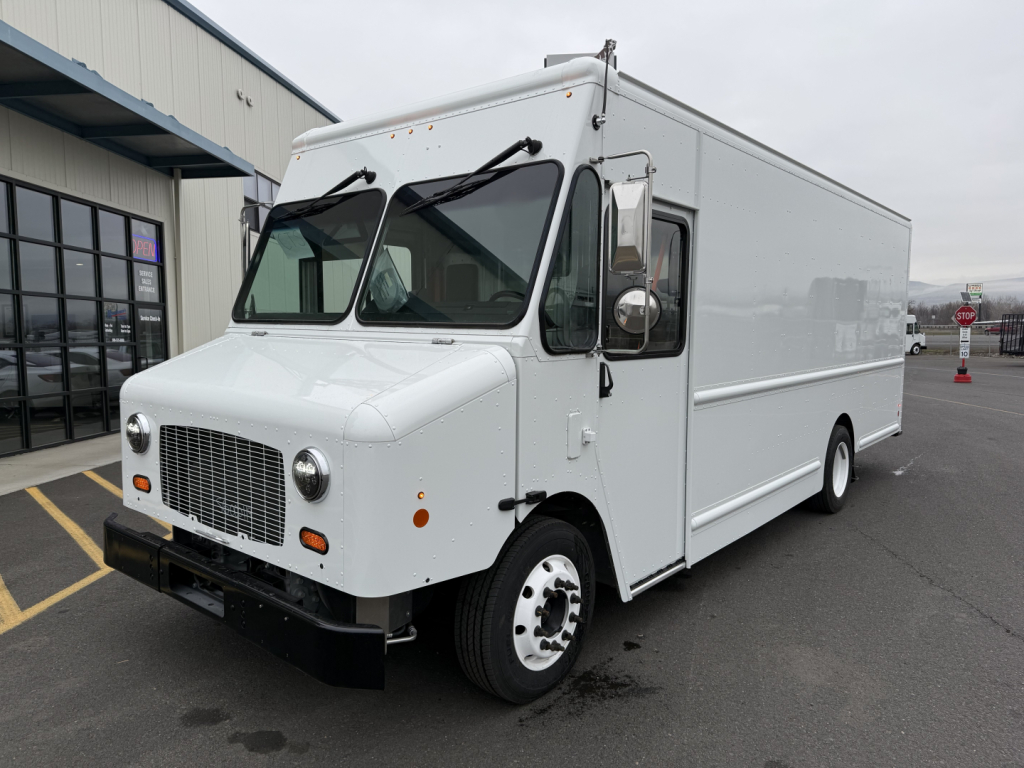
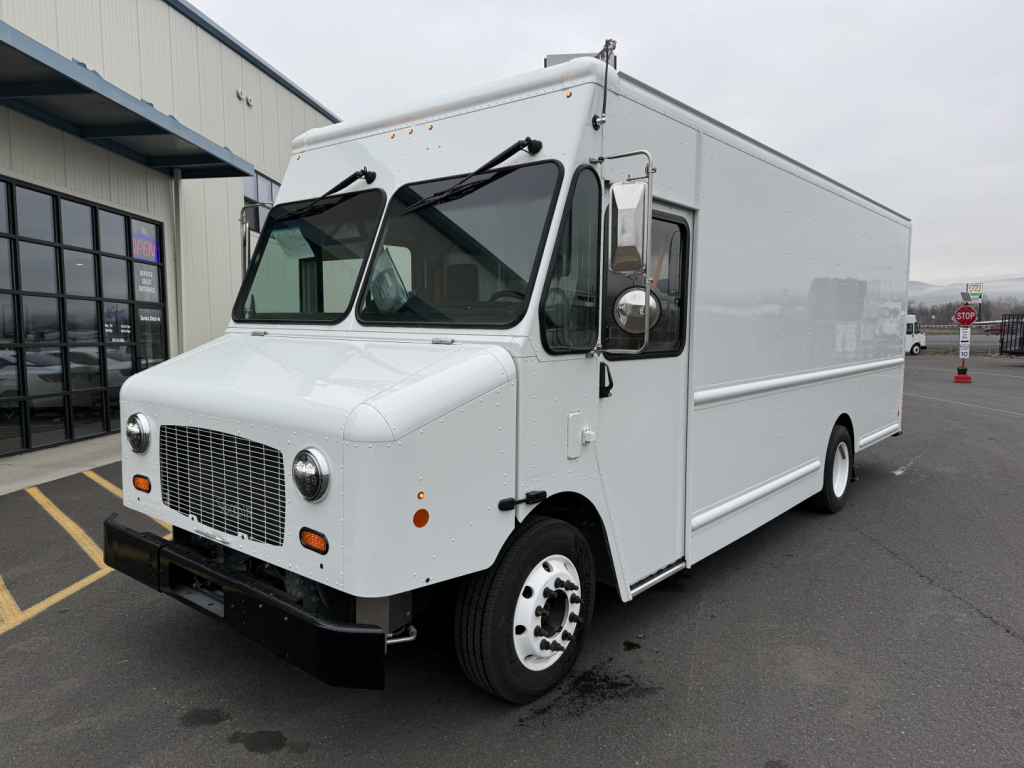
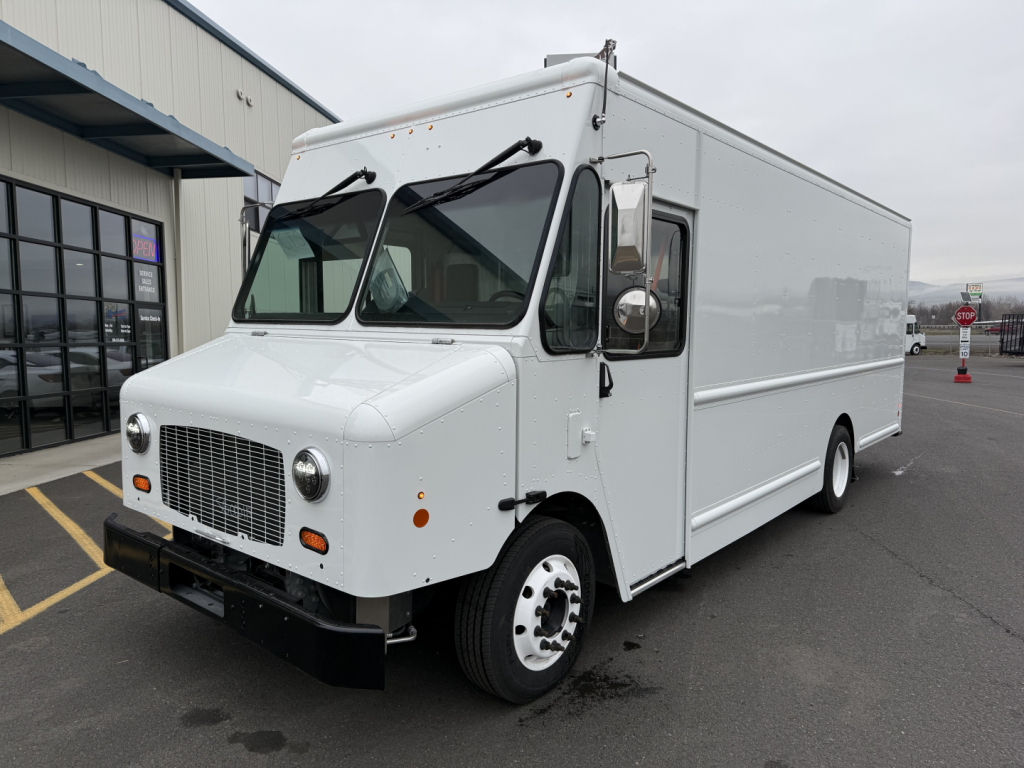
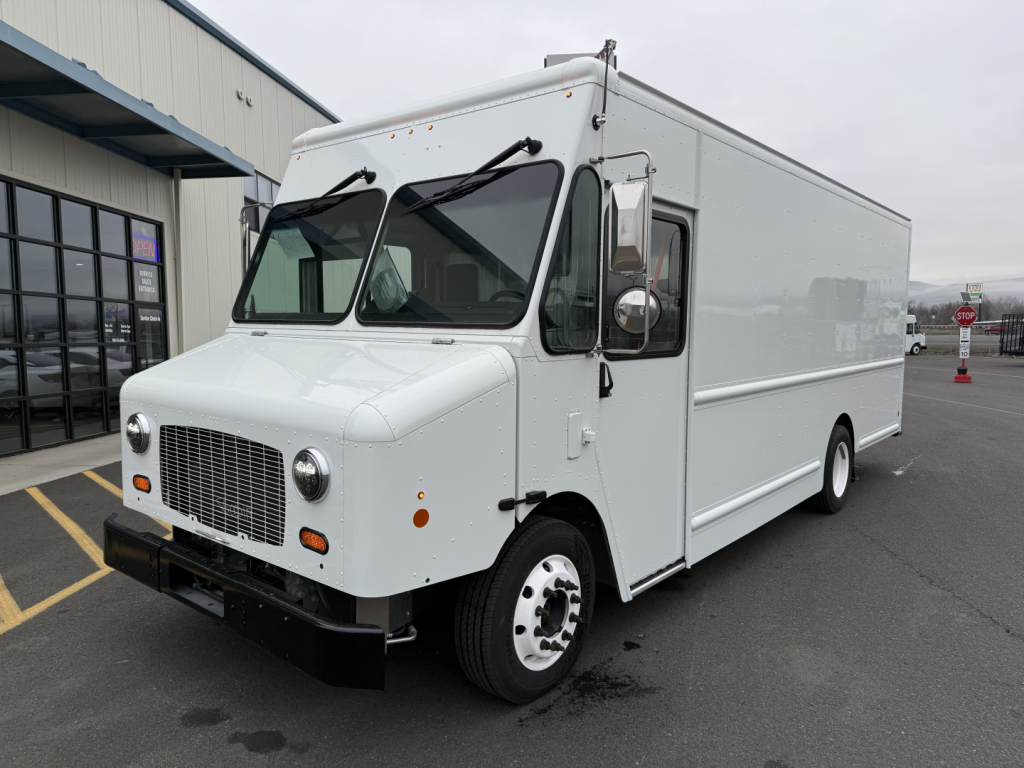
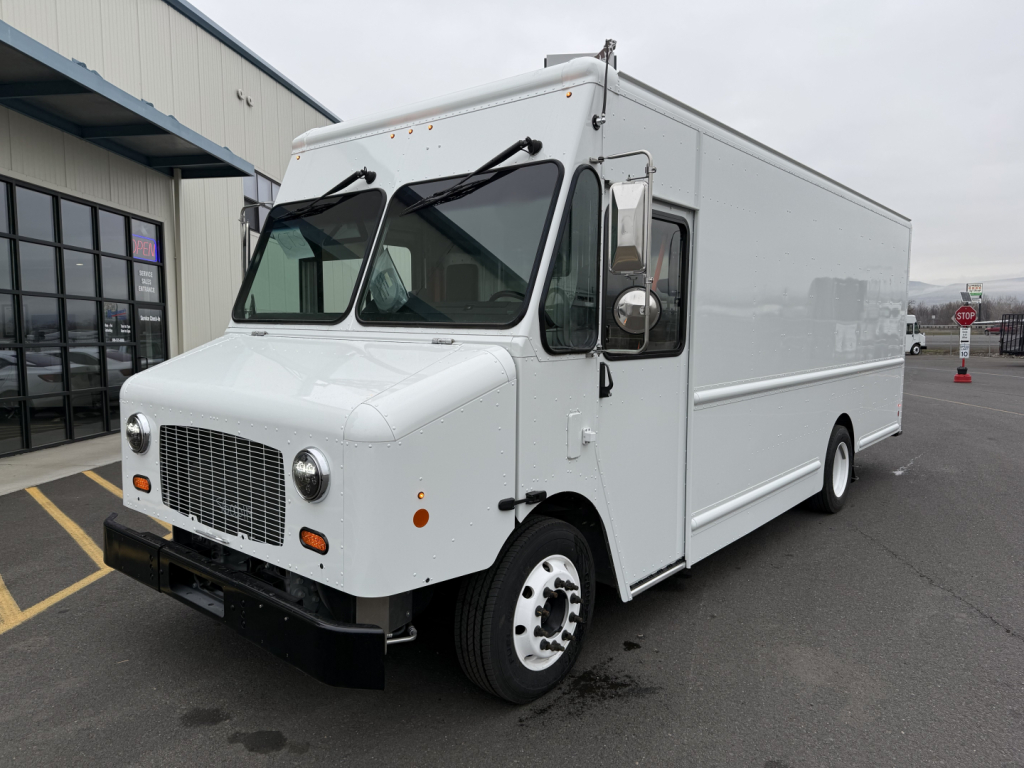
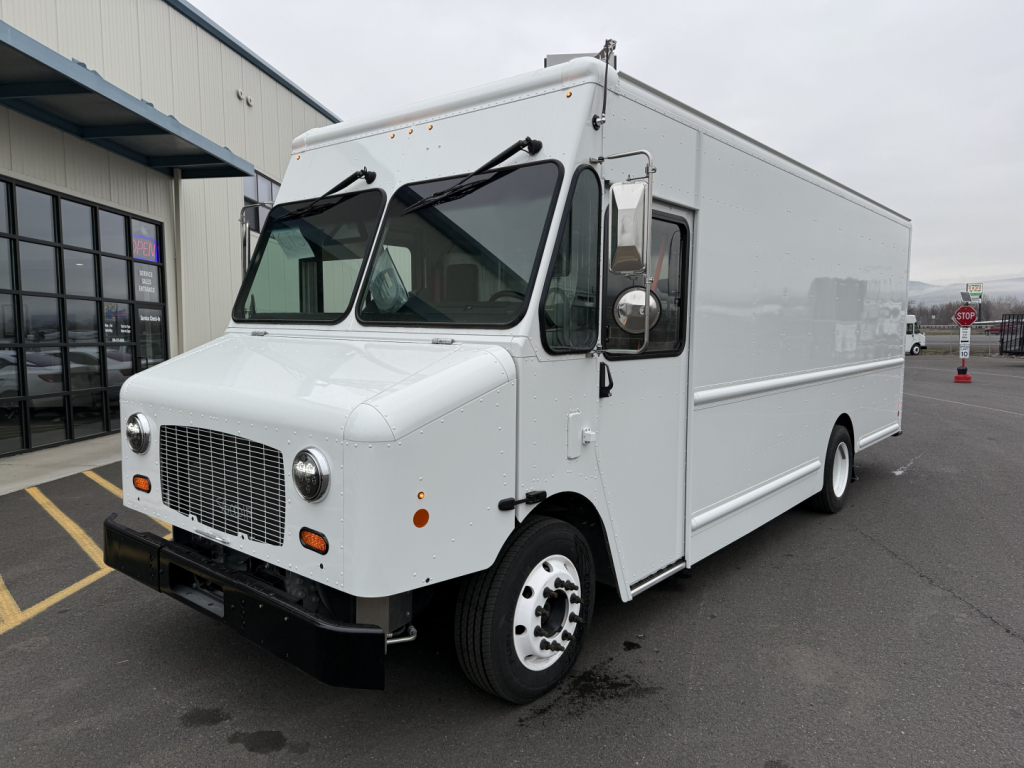
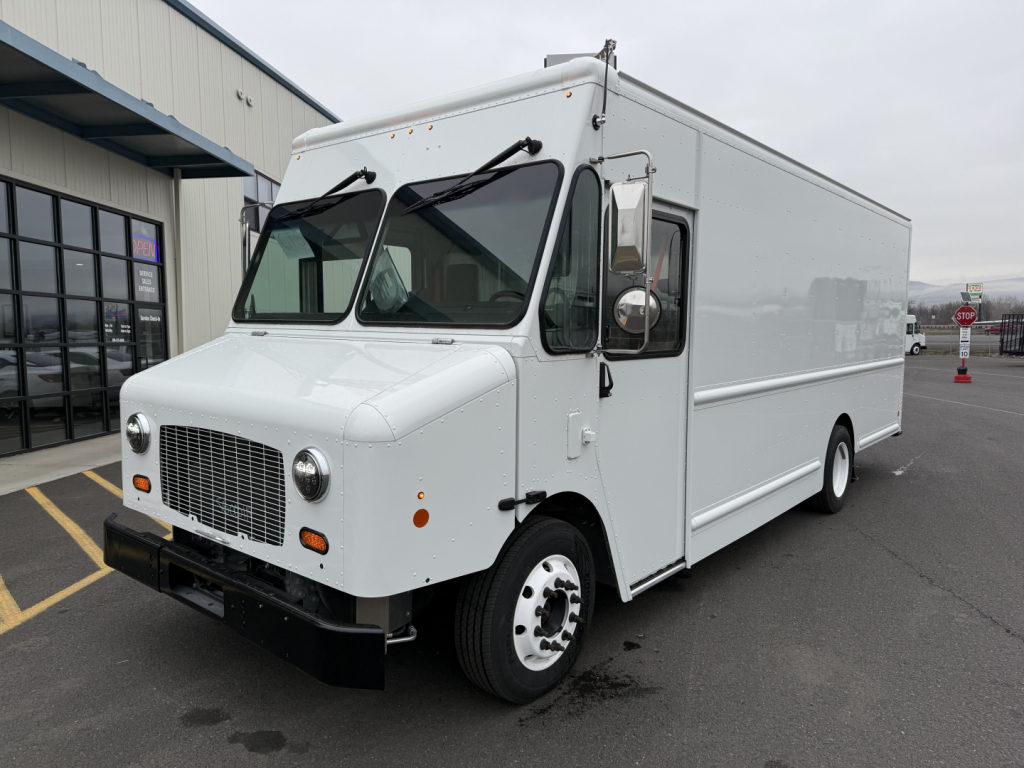
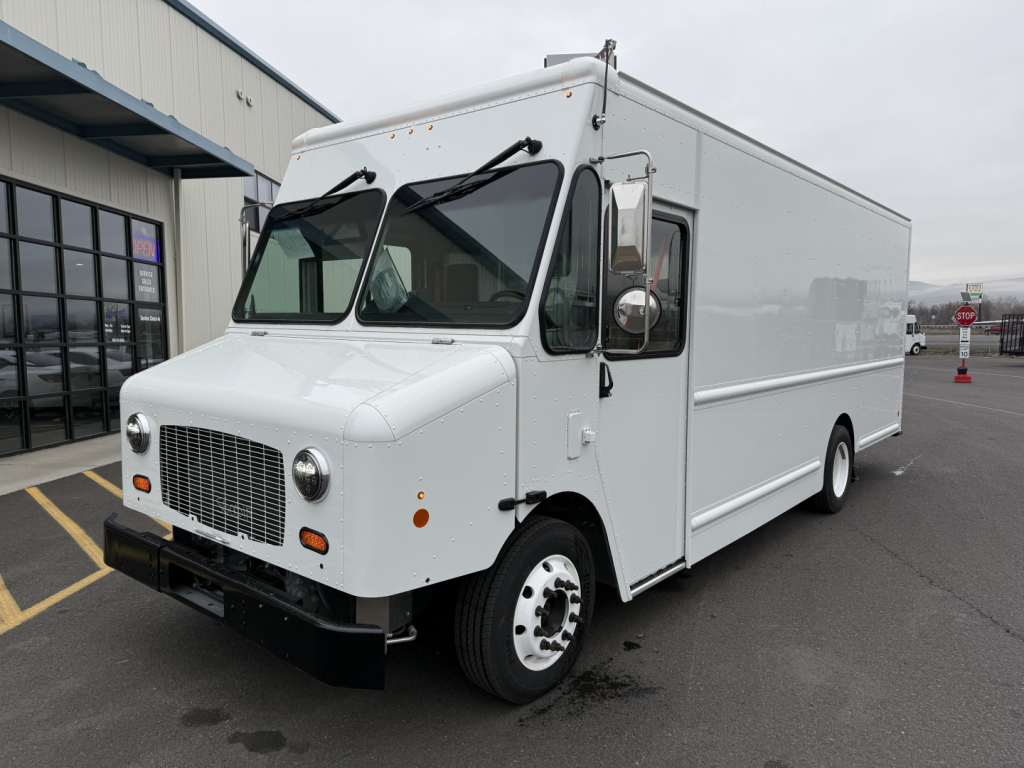
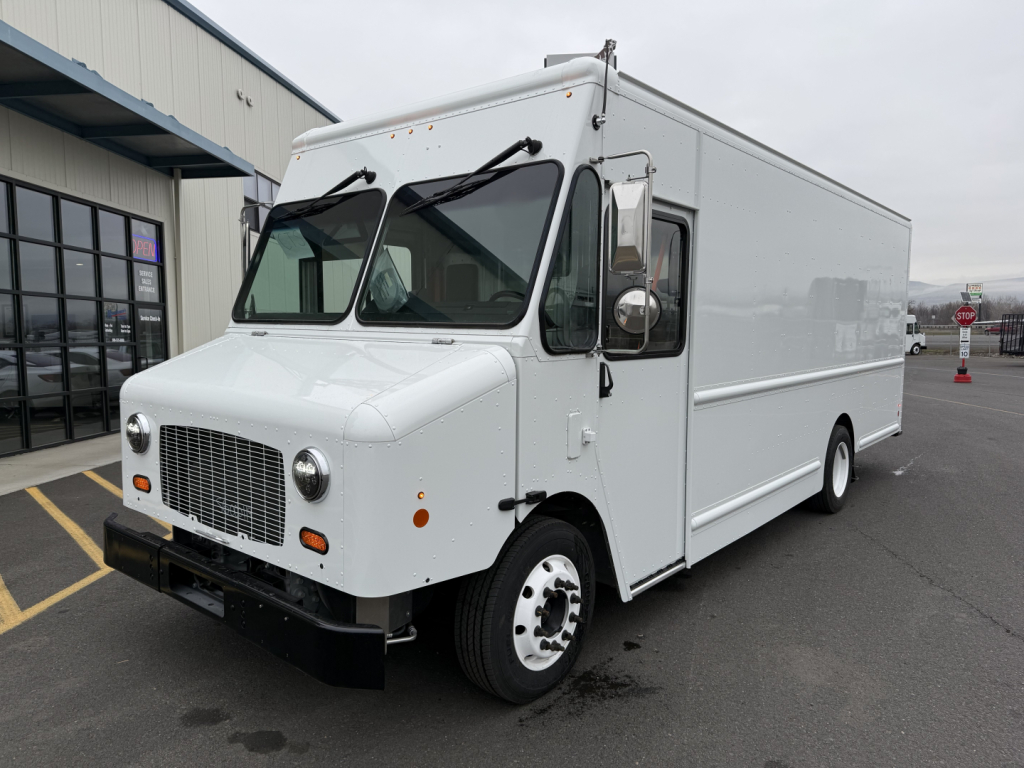
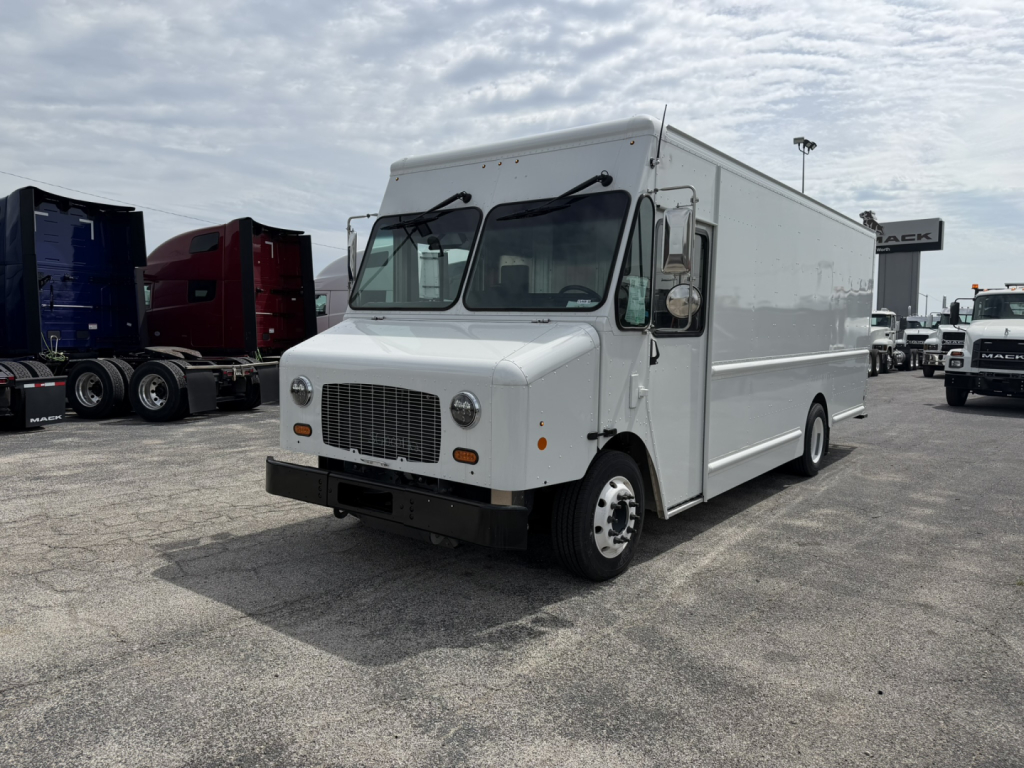
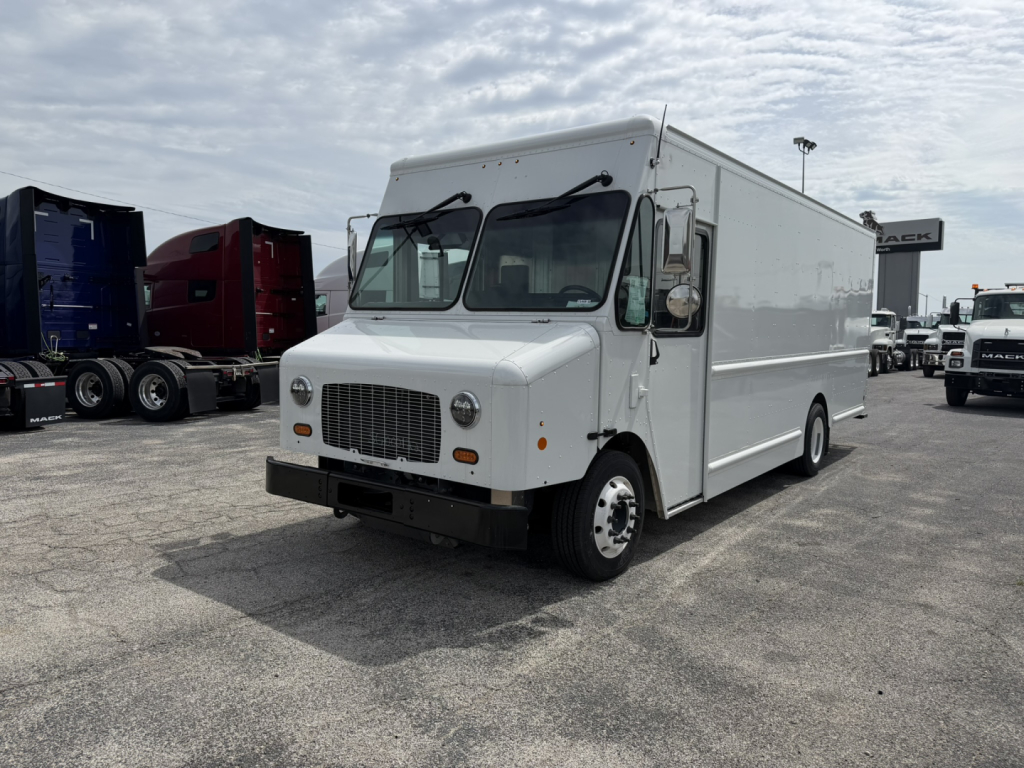
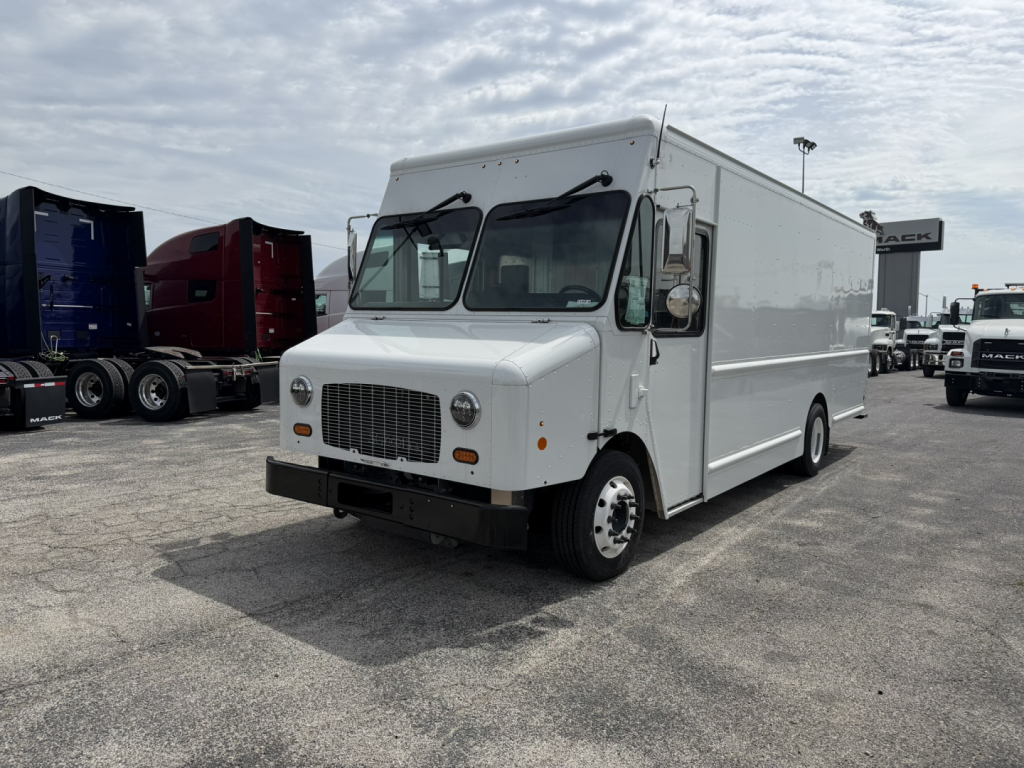
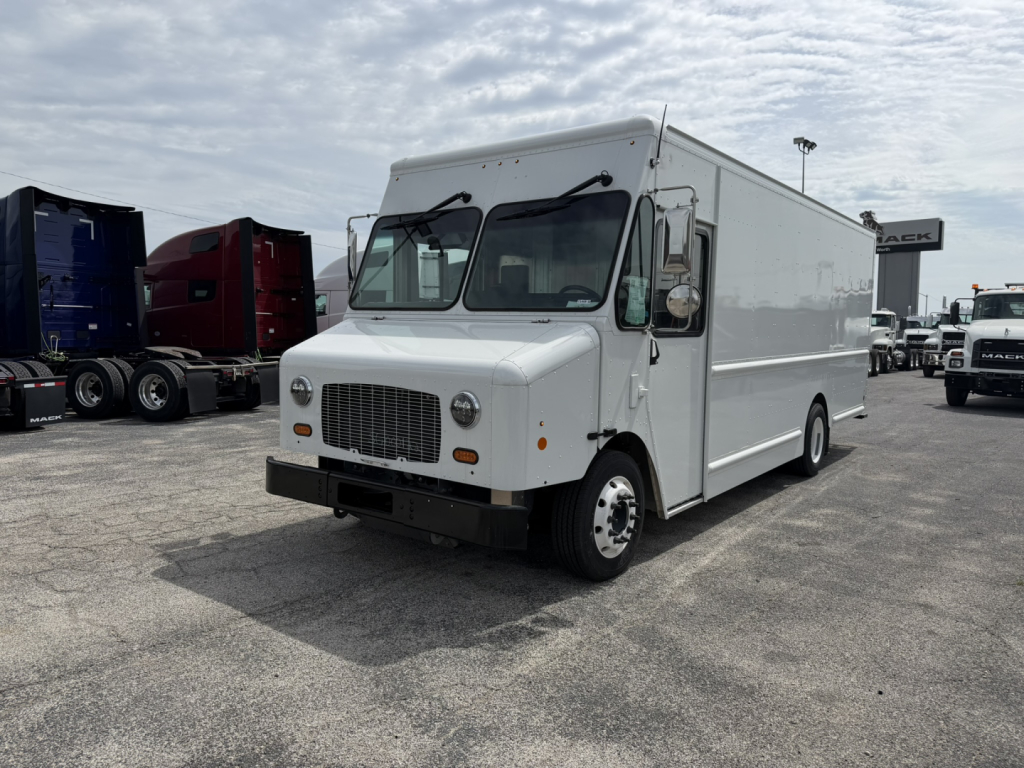
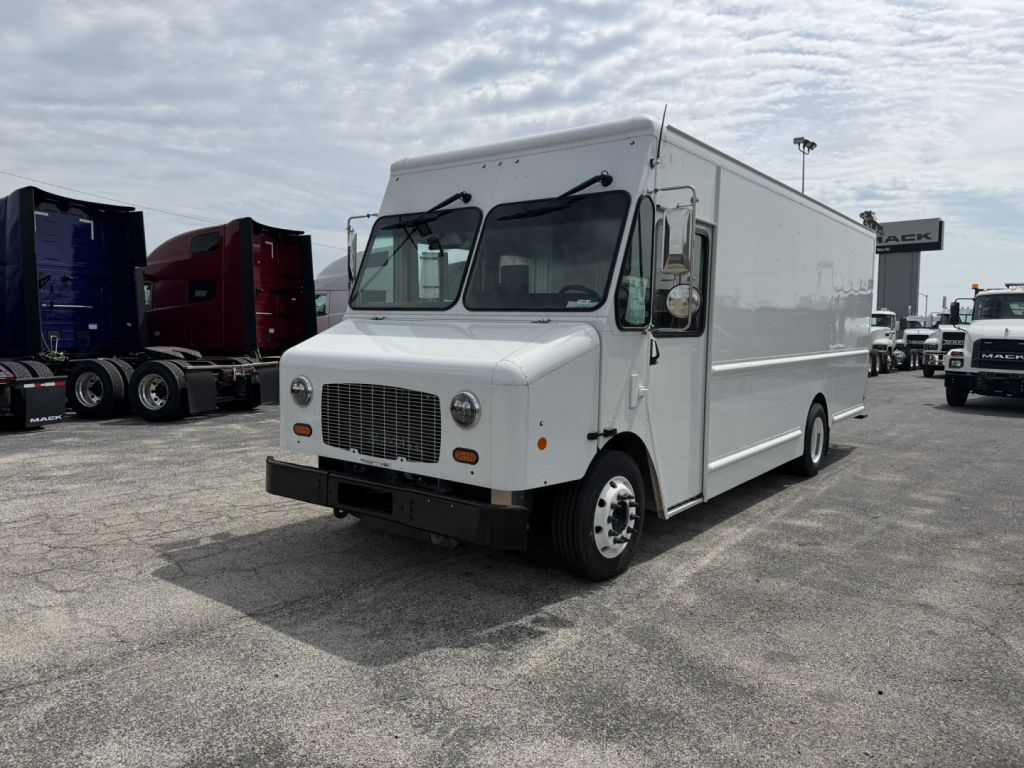
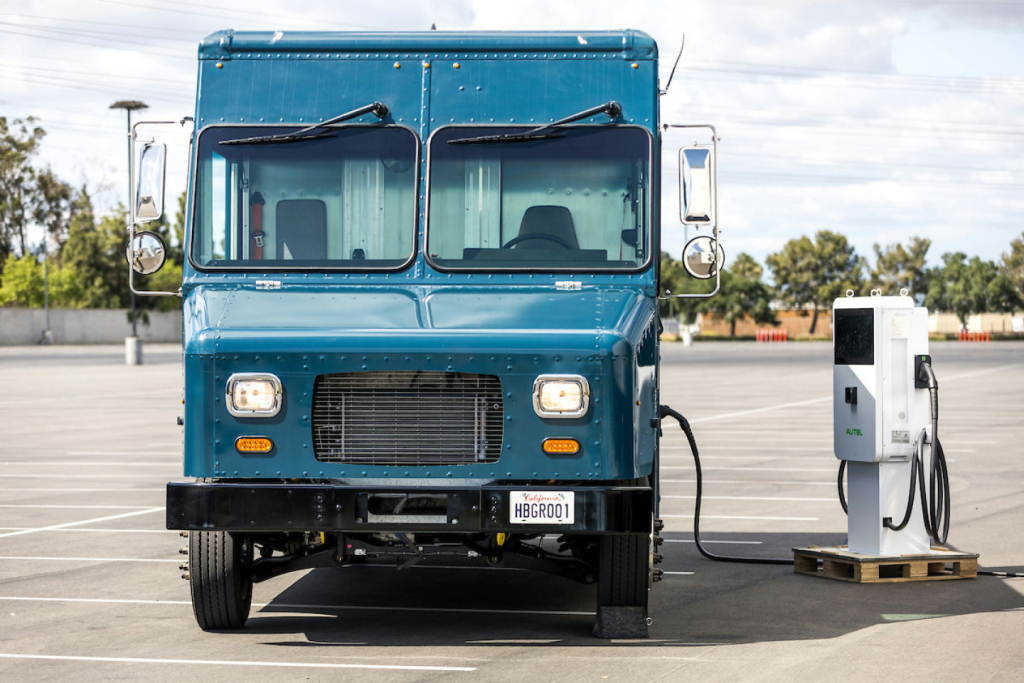
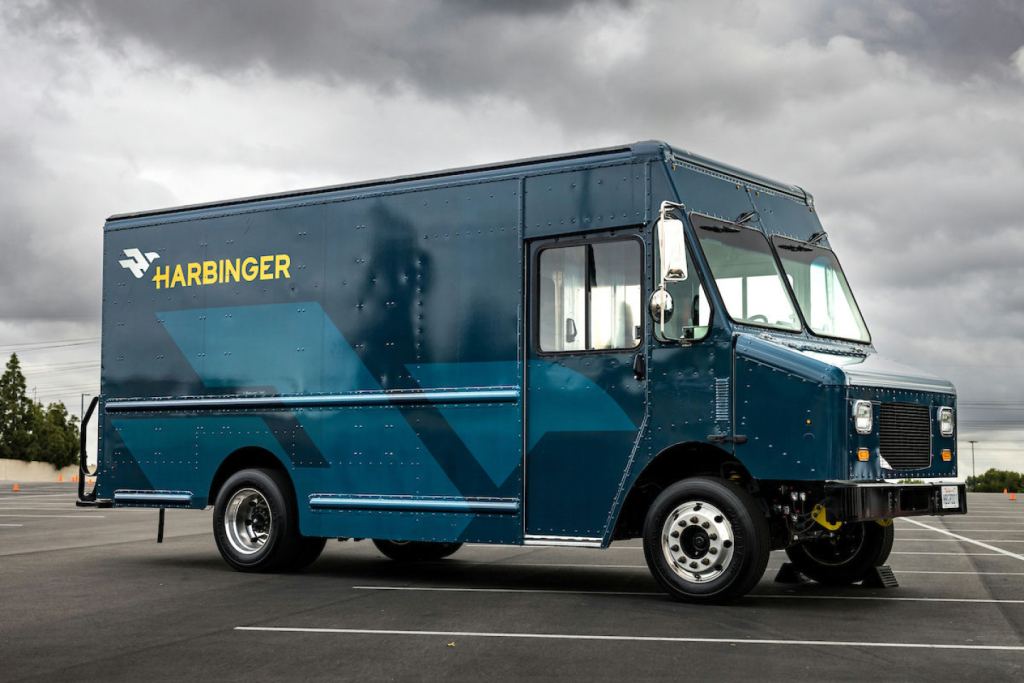
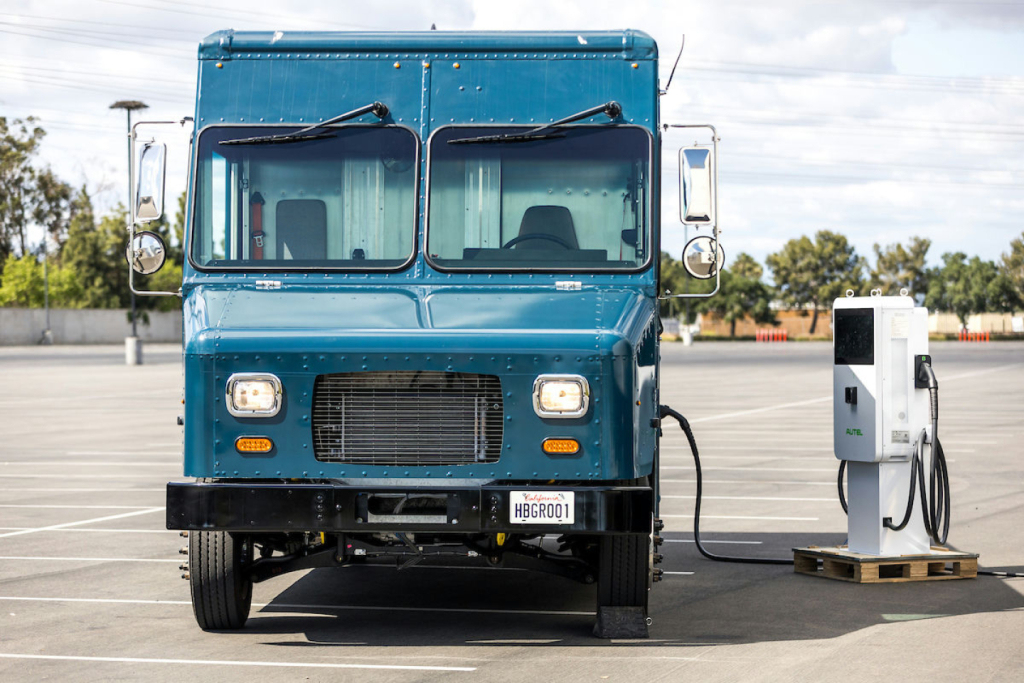
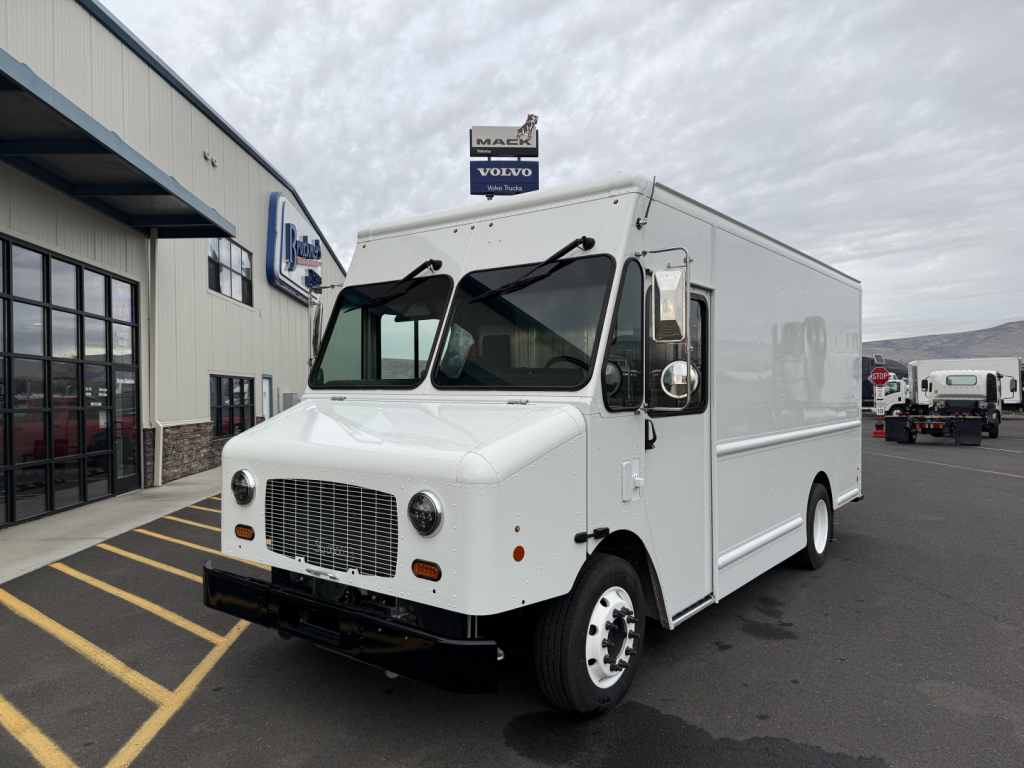
Selling a new harbinger step van truck? List your new harbinger step van truck for sale and reach thousands of commercial buyers.
New Harbinger Step Van Trucks
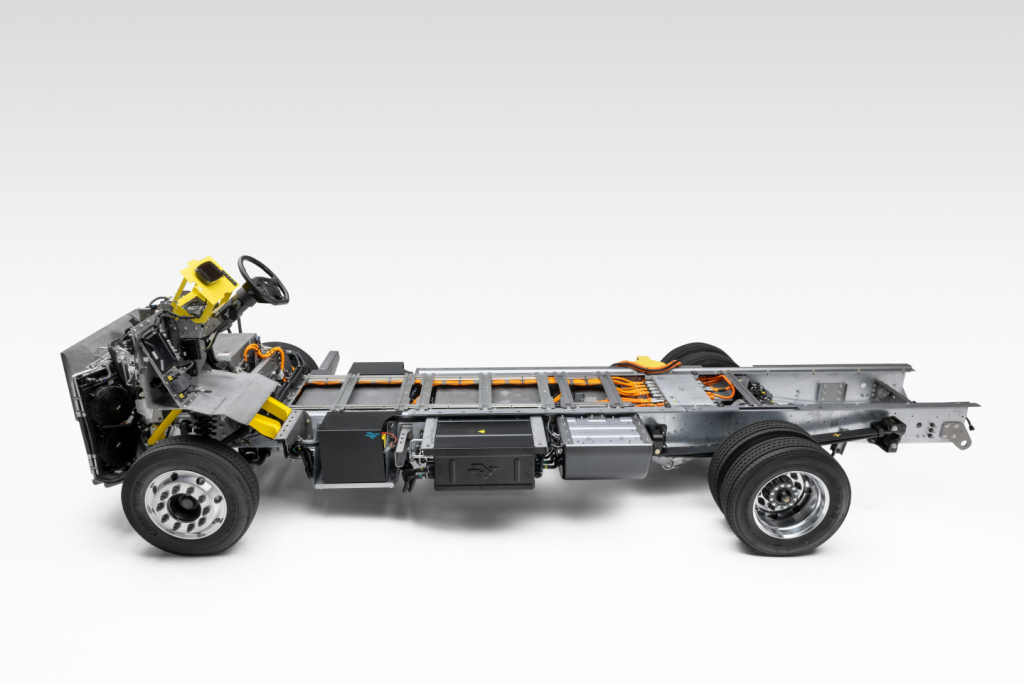
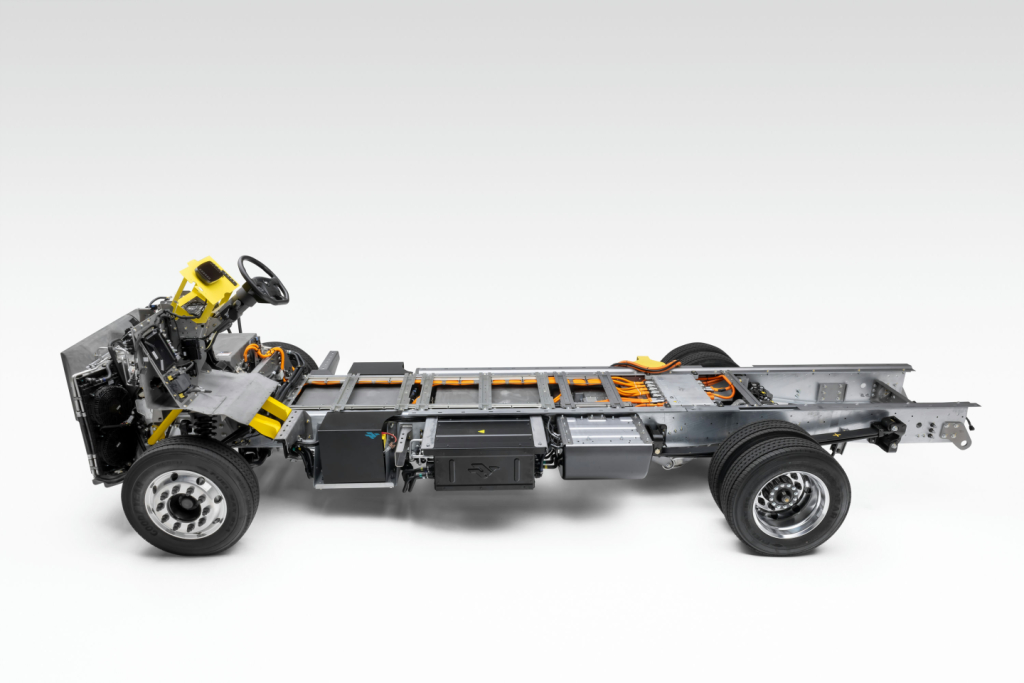
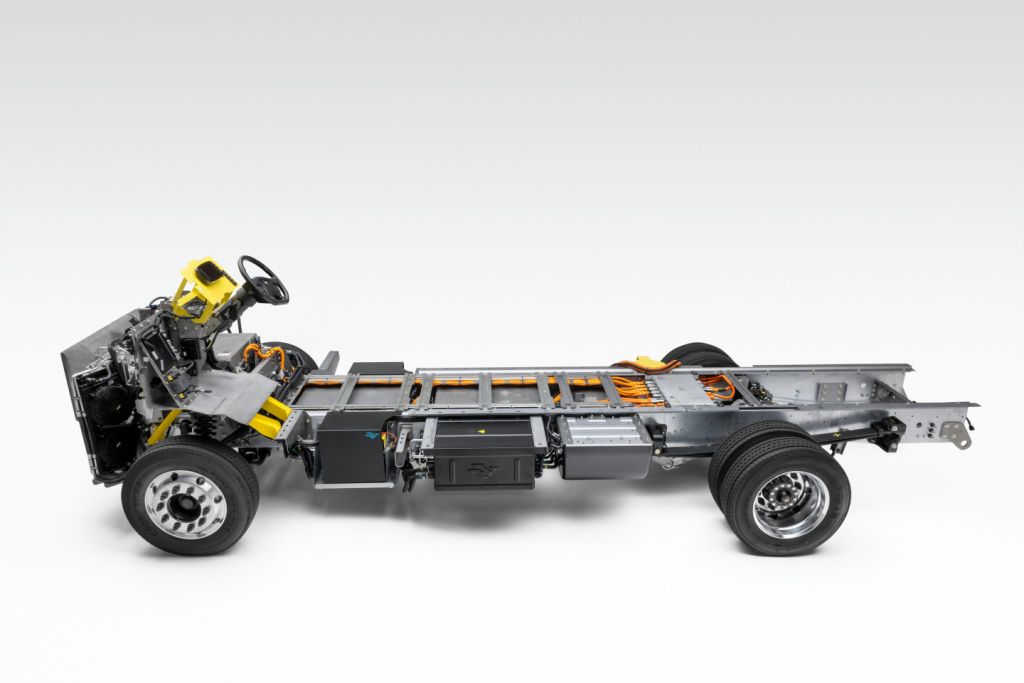
For buyers comparing models, the first decision usually comes down to body size, wheelbase, and GVWR. In this category, common configurations include wheelbases around 178 to 208 inches, single-axle setups, and GVWR ratings in the 20,850 to 24,400 pound range. That puts these trucks in a useful medium-duty window for urban payloads without moving into a much larger straight truck footprint. A 20-foot step van body is a common fit for higher cube delivery applications, and body builders such as Morgan Olson are frequently matched with this chassis style. Front axle ratings in the 7,200 to 9,000 pound range and rear ratings up to about 15,400 pounds give buyers a clear idea of how the truck is balanced for cargo, body equipment, and route density.
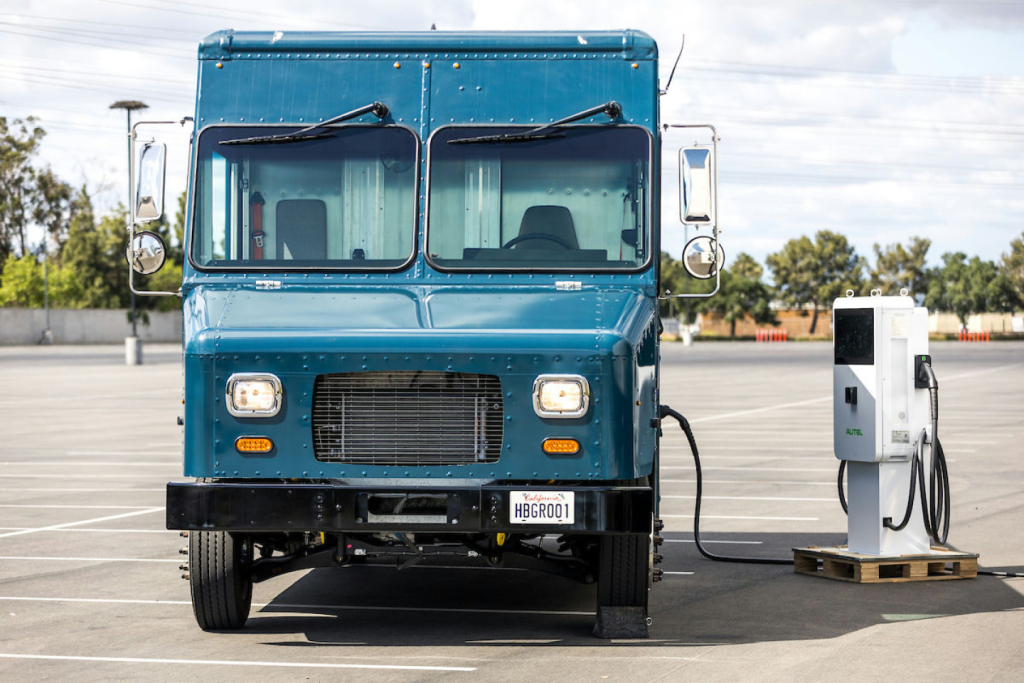
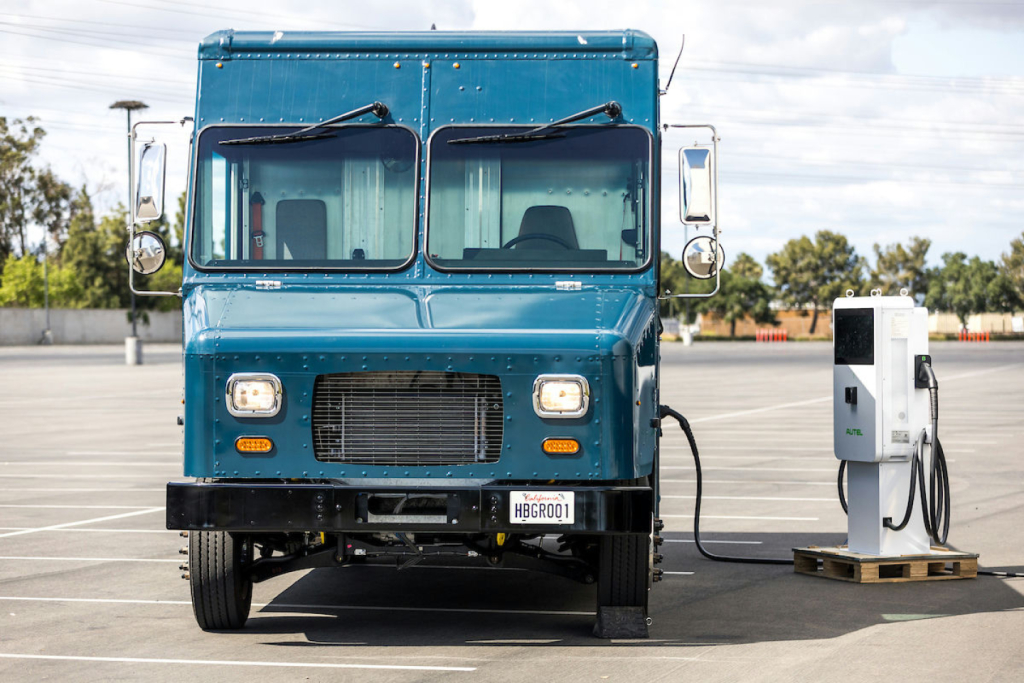
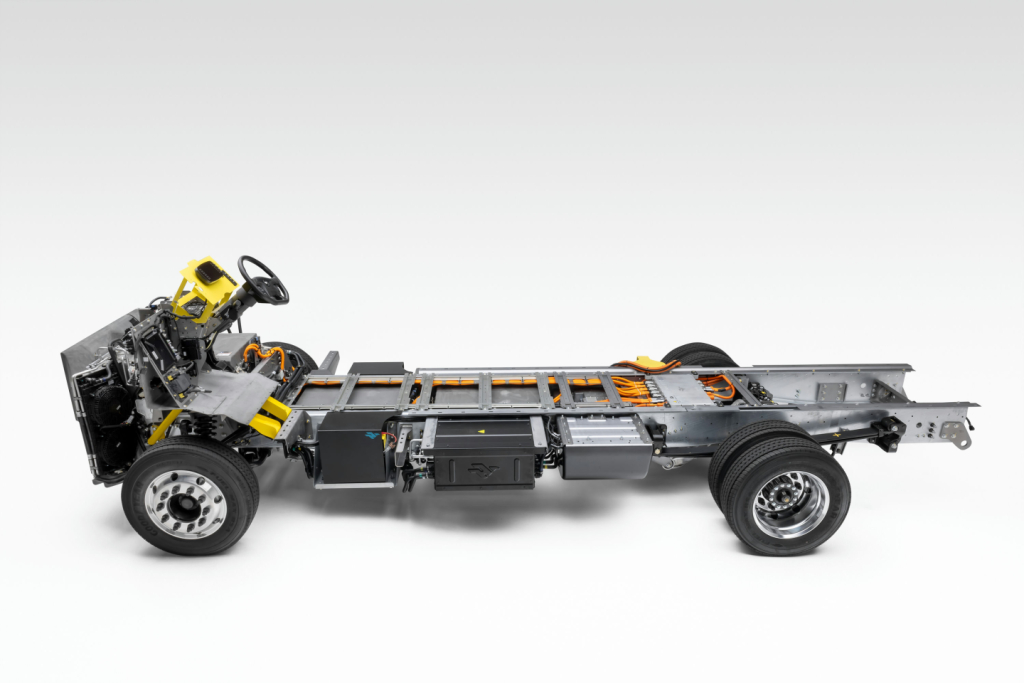
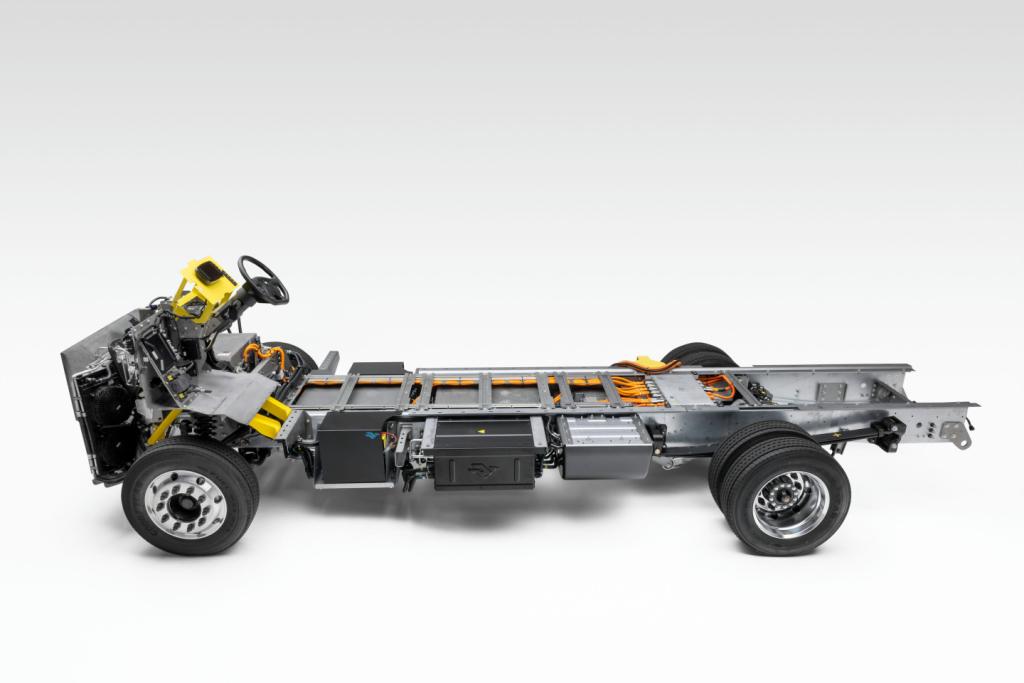
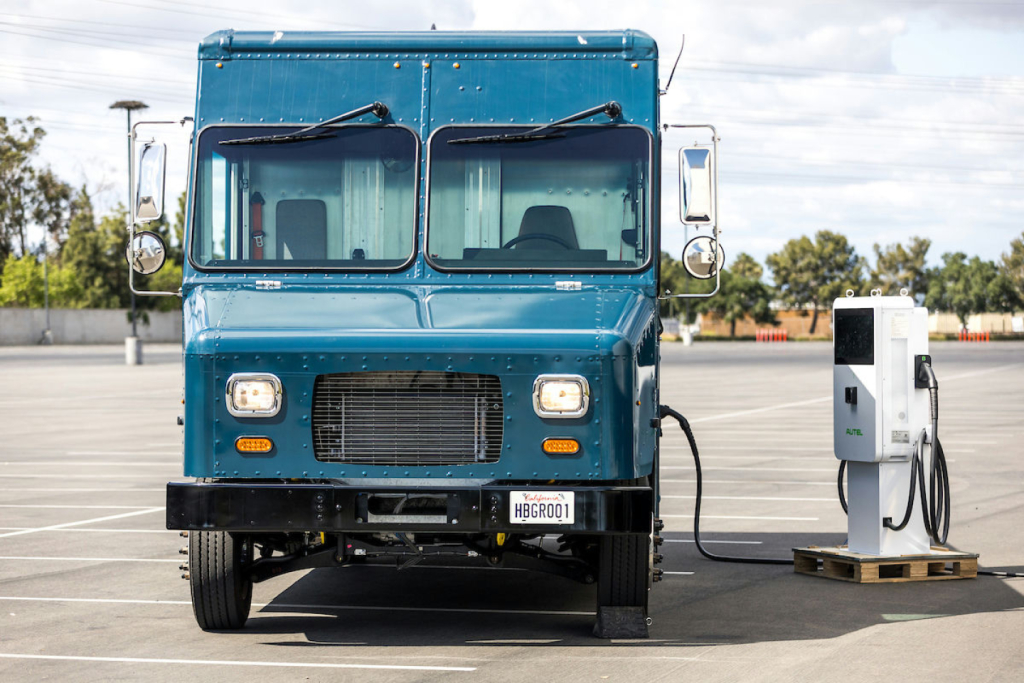
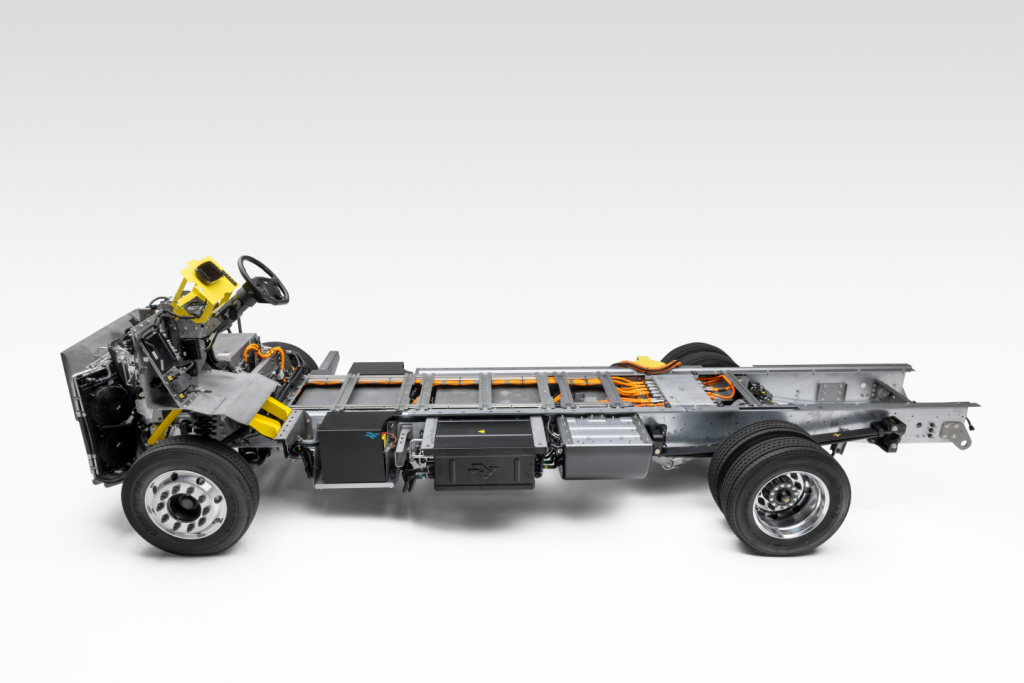
Harbinger step vans use an electric motor and e-axle drivetrain, with sample configurations showing up to 440 horsepower. For fleet use, the more important consideration is not peak horsepower on paper but route efficiency, regenerative braking performance, launch response in traffic, and reduced maintenance compared with internal combustion alternatives. Electric step vans are especially attractive on repeatable local routes where charging can be planned around depot operations. Buyers should still look closely at real-world range under payload, HVAC use, route topography, and number of stops per day. Charging infrastructure, dwell time, and upfit power needs also matter if the truck will run refrigeration, shelving, liftgates, or service equipment.
A good step van spec is about driver productivity as much as chassis rating. Wide entry doors, stand-up interior room, easy cab-to-cargo access, and a body layout that supports fast package handling can save meaningful time across a full route. New Harbinger step vans are best suited to fleets that want the traditional advantages of a walk-in van, also known as a step van or delivery van, while moving toward lower operating noise and reduced emissions. When comparing listings, focus on body length, axle ratings, wheelbase, cargo access, charging strategy, and the actual duty cycle the truck is expected to run each day.
Frequently Asked Questions about New Harbinger Step Van Trucks
What is a Harbinger step van truck best used for?
A Harbinger step van truck is best suited for last-mile delivery, parcel routes, retail distribution, bakery service, campus operations, and other urban or suburban applications with frequent stops. The step van design allows easy driver entry and quick walk-through access to the cargo area, which improves route efficiency. Harbinger adds an all-electric chassis, making it a strong fit for fleets running repeatable local routes with centralized charging.
How do I choose between different Harbinger step van GVWR ratings?
GVWR should match the body size, payload, and equipment weight your operation requires. A truck in the 20,850 pound range may work well for lighter route deliveries and lower cargo density, while a 24,400 pound GVWR unit provides more capacity for larger bodies, heavier freight, or added equipment. Buyers should calculate payload after accounting for the body, shelving, liftgate, driver, and any auxiliary systems rather than choosing only by body length.
Are electric step vans practical for commercial fleet use?
Electric step vans are practical when the duty cycle is predictable and charging can be built into daily operations. They are especially effective on dense stop-and-go routes where regenerative braking helps efficiency and where lower noise and reduced maintenance are valuable. The key is to evaluate real operating conditions, including payload, terrain, idle-equivalent accessory use, HVAC demand, and available charging time between shifts.
What specs matter most when comparing new Harbinger step vans?
The most important specs are wheelbase, body length, GVWR, axle ratings, and how the electric drivetrain fits your route profile. Buyers should also review body manufacturer, cargo access layout, suspension type, turning needs, and any planned upfits such as shelving or temperature-control equipment. On electric trucks, charging compatibility and expected range under load are just as important as horsepower.
What is the difference between a step van and a conventional box truck?
A step van is designed around frequent stops and fast driver movement, with a low step-in height and direct access between the cab and cargo area. A conventional box truck typically has a separate cab and requires the driver to exit the cab to reach the box, which can slow multi-stop work. For delivery operations with high stop counts, the step van layout usually offers better productivity and ergonomics.