
New Harbinger Trucks For Sale in Colorado
Shop new Harbinger trucks for sale in Colorado, including all-electric step vans built for last-mile delivery, urban routes, and fleet use.
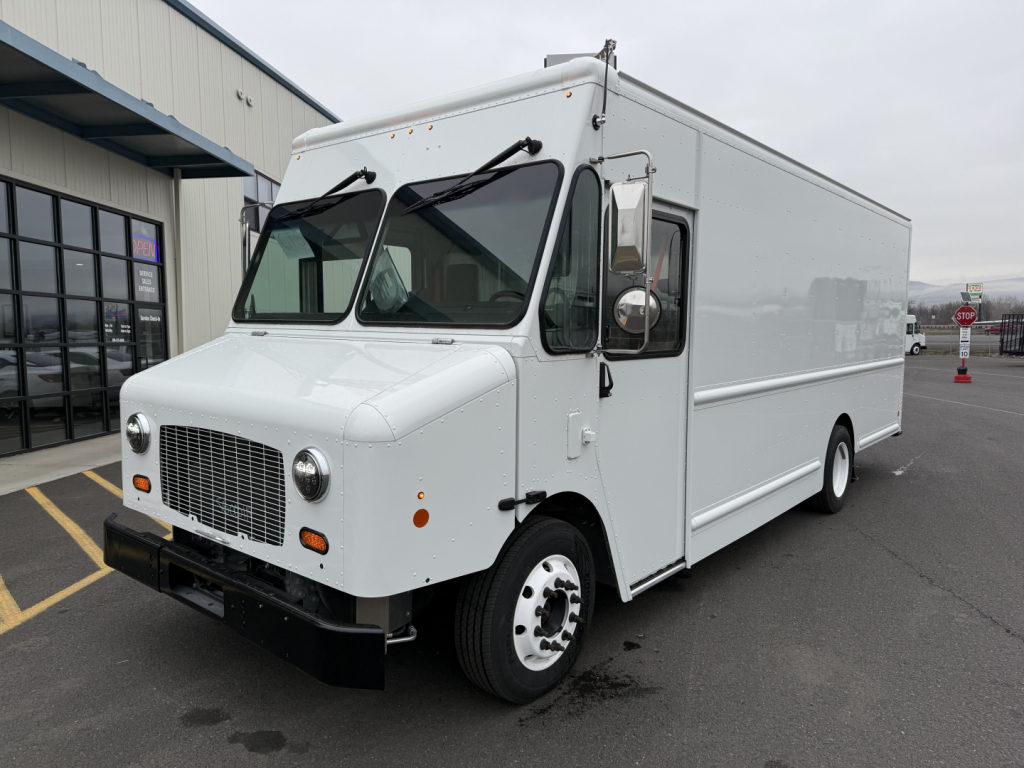
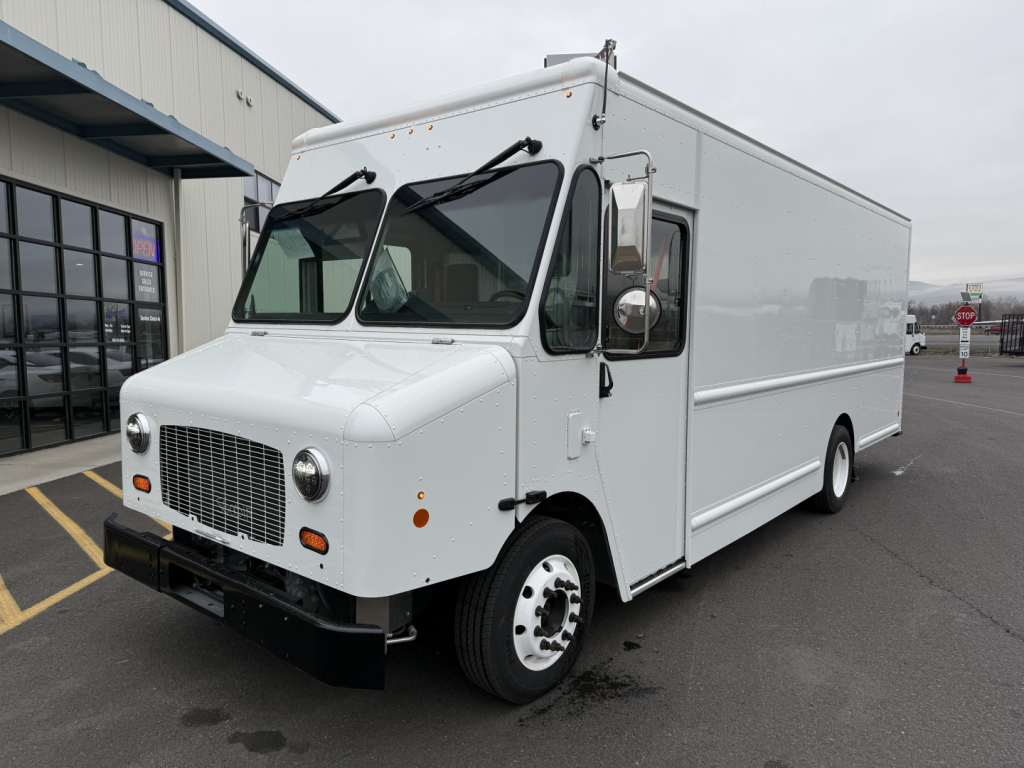
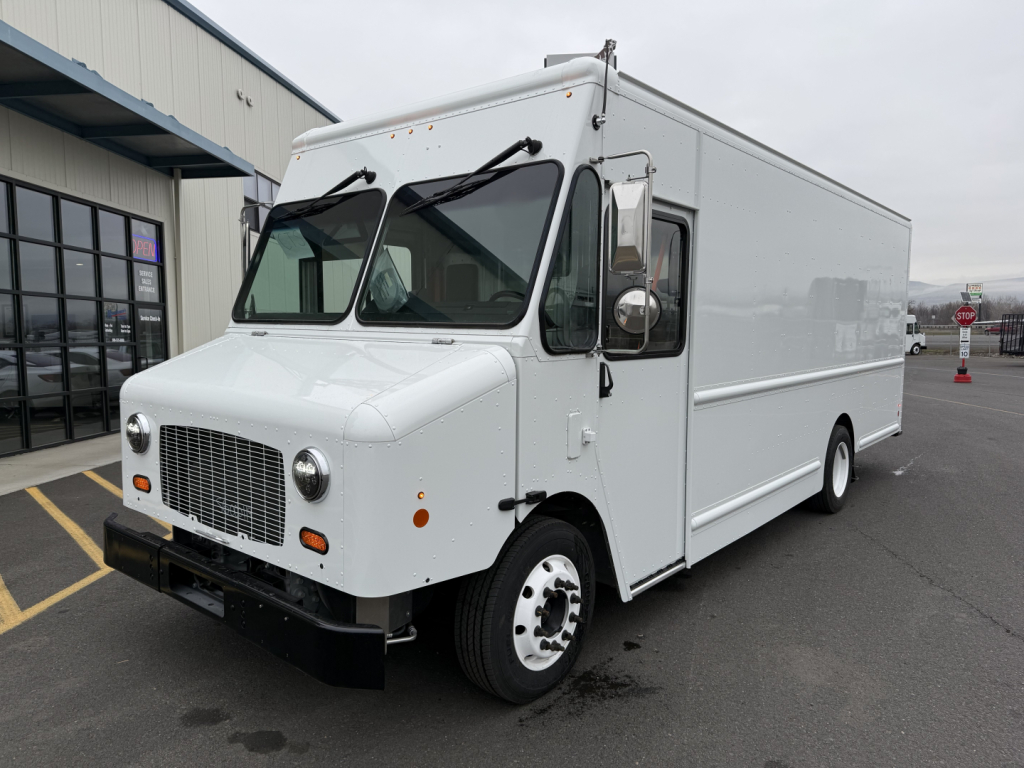
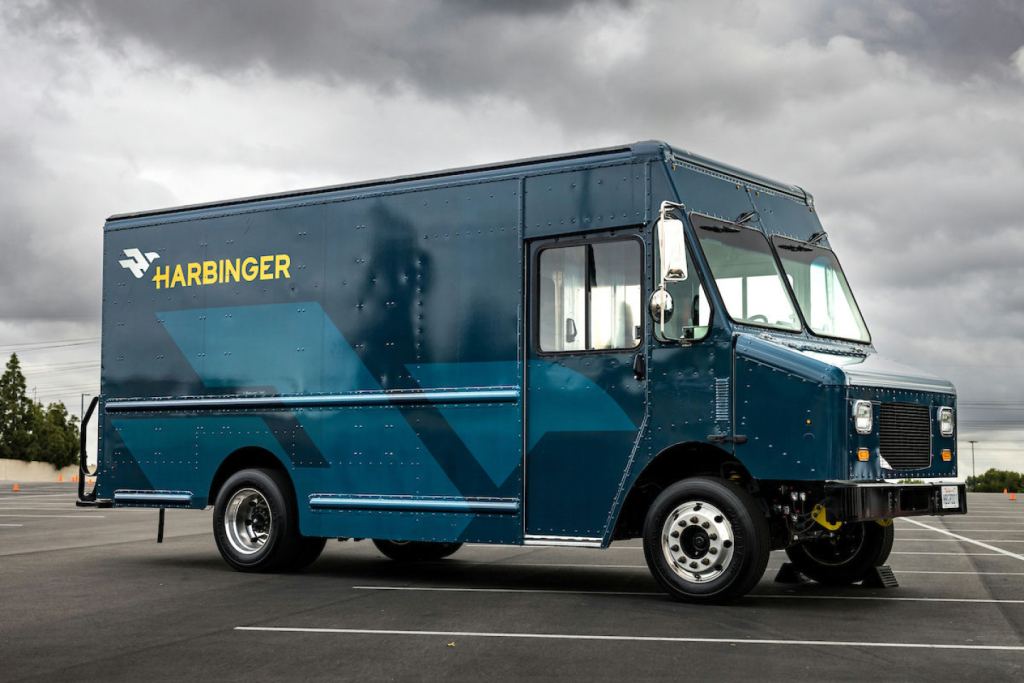
Selling a new harbinger truck? List your new harbinger truck for sale and reach thousands of commercial buyers.
New Harbinger Trucks in Colorado
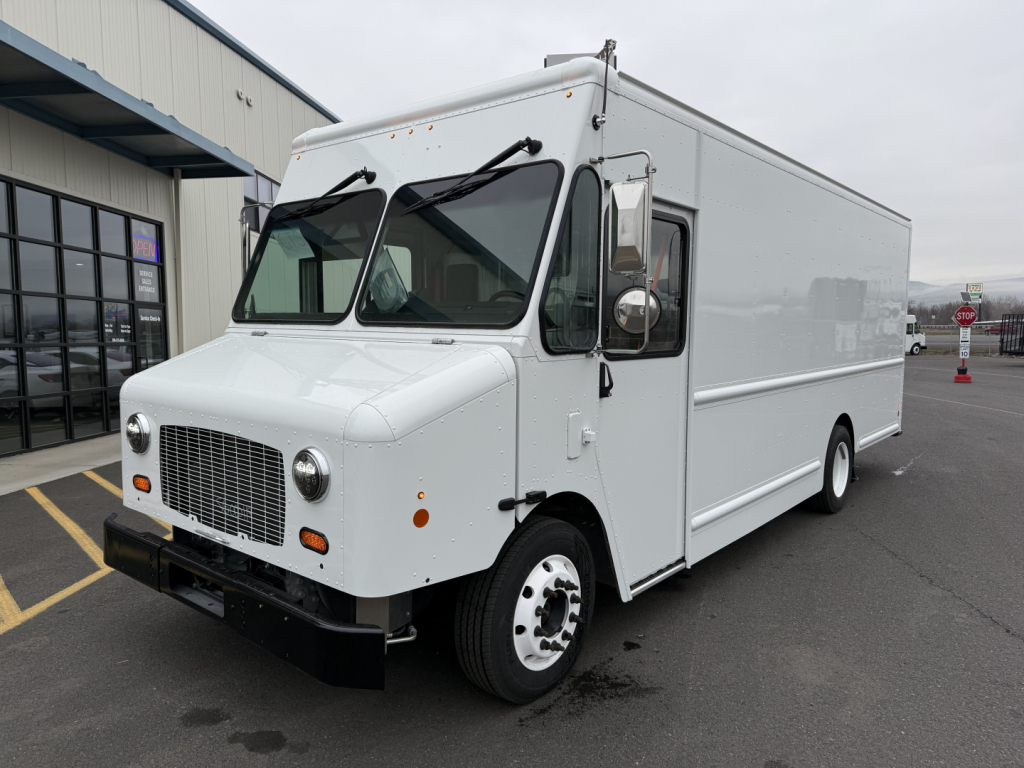
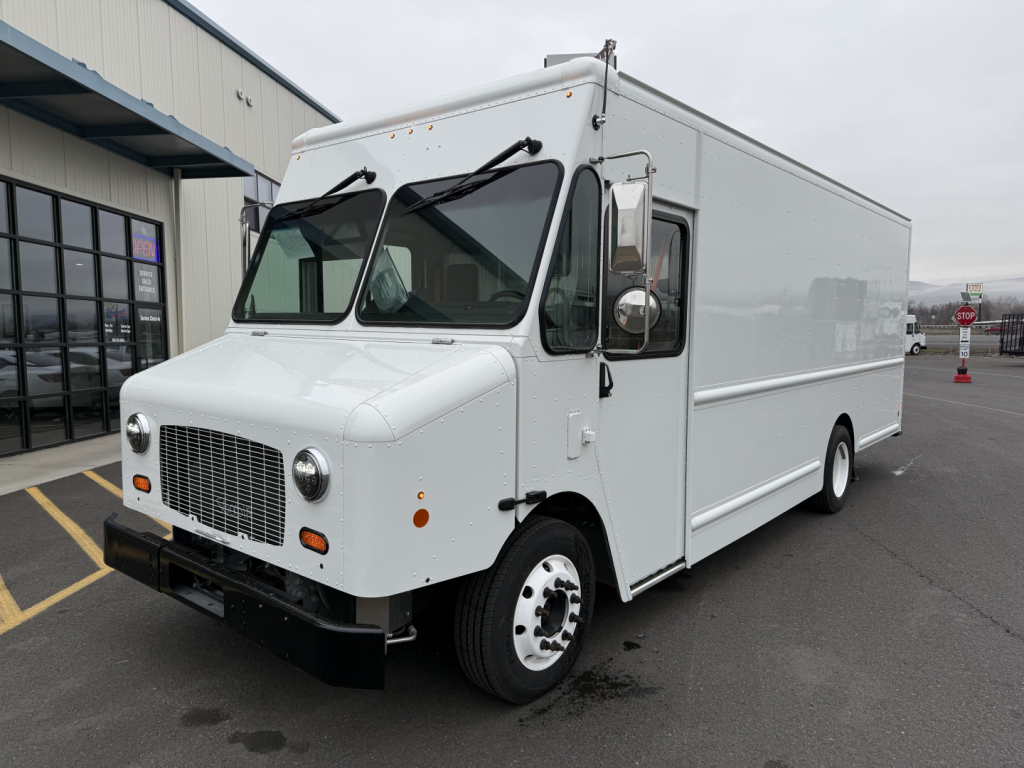
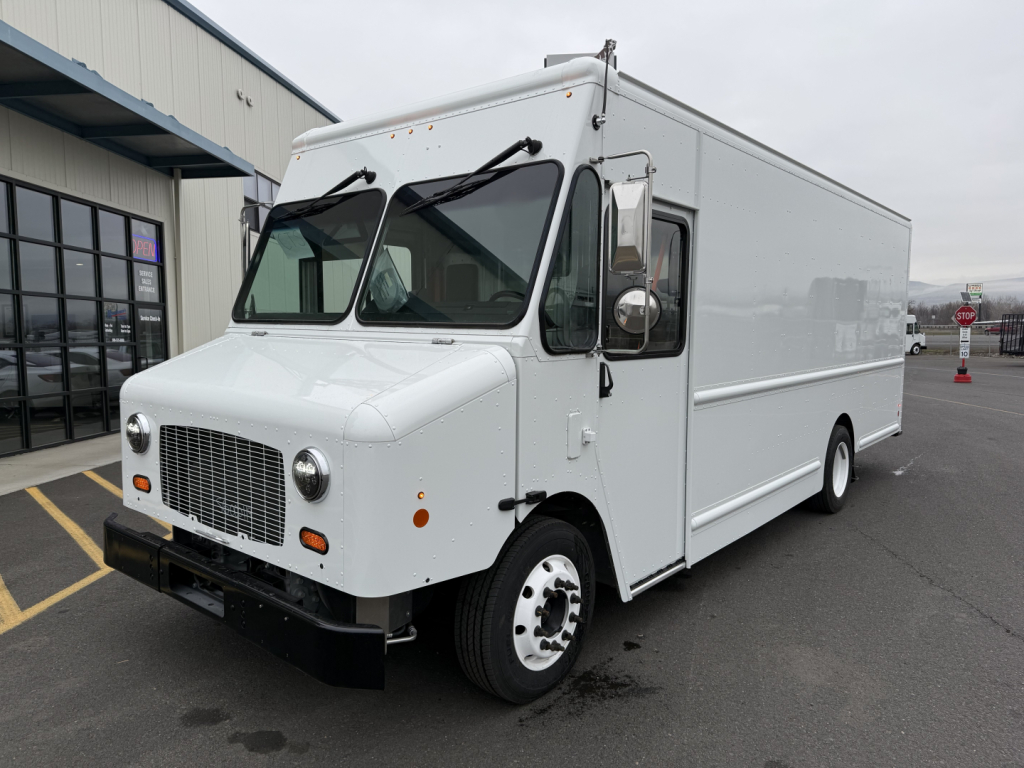
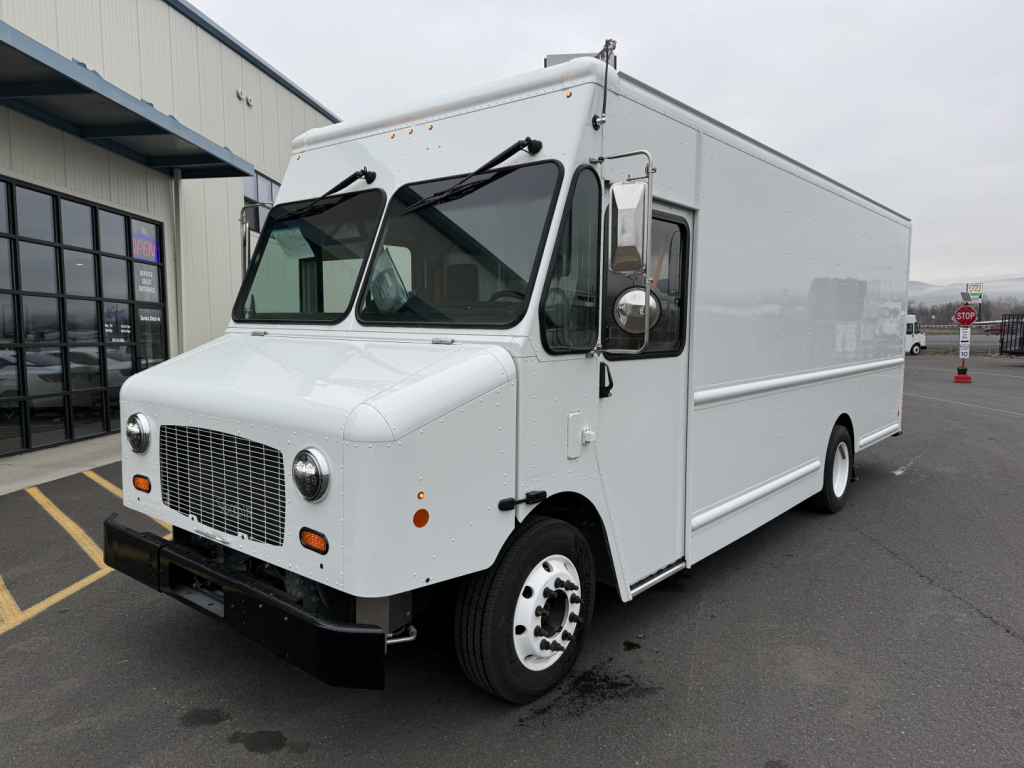
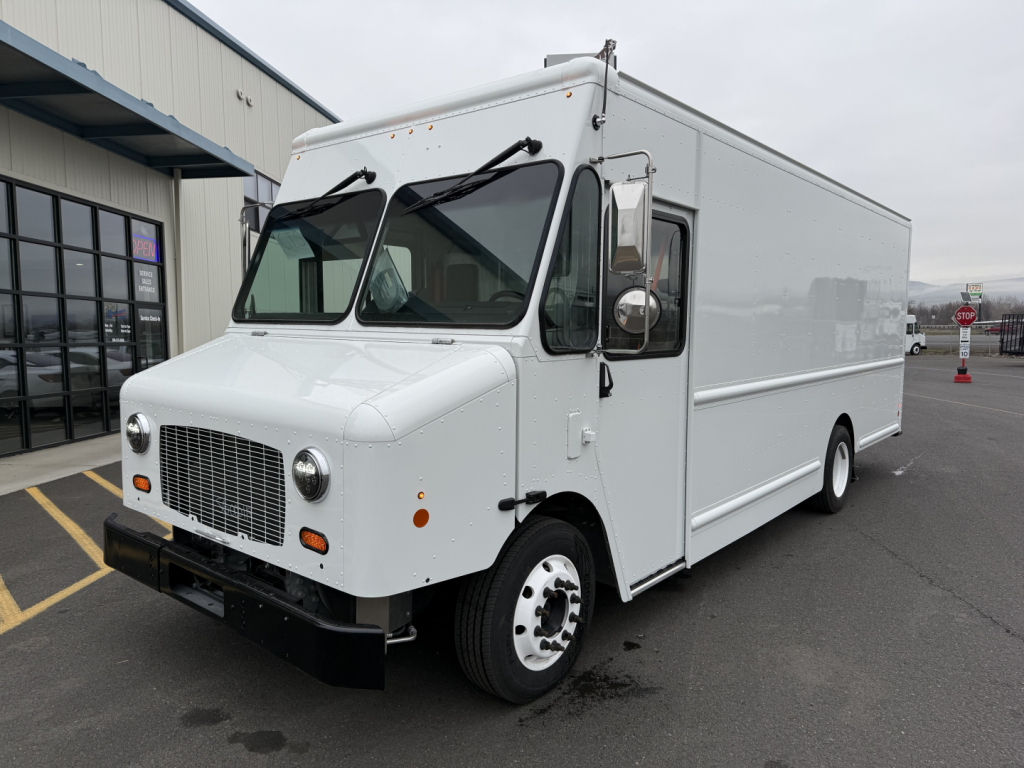
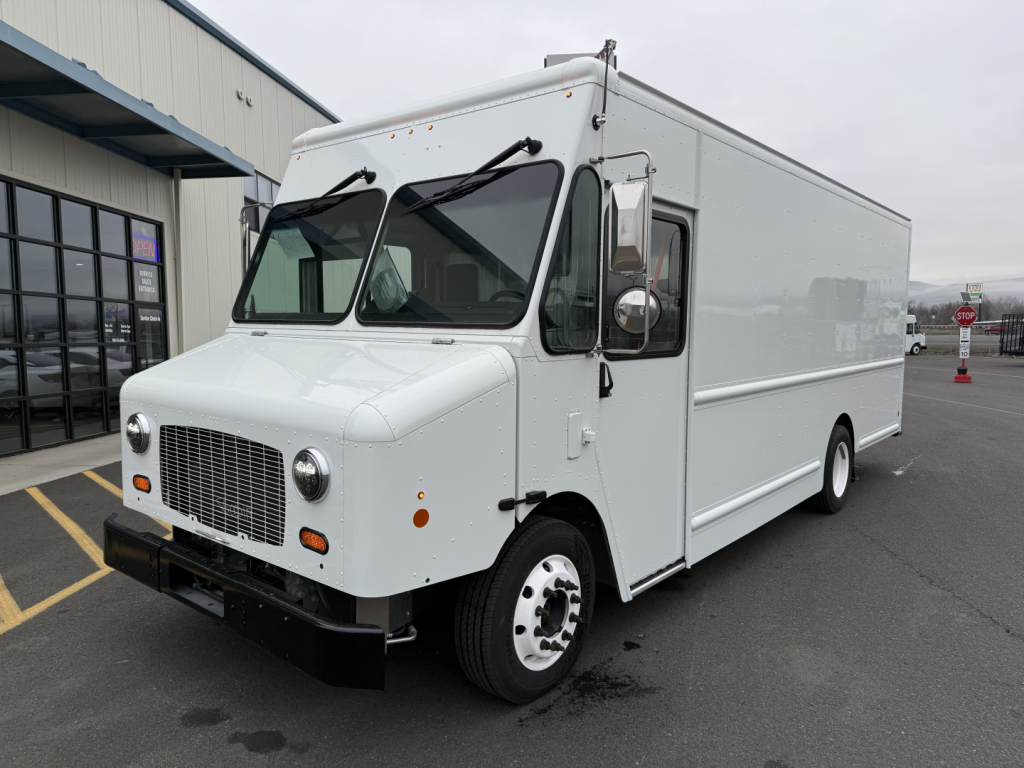
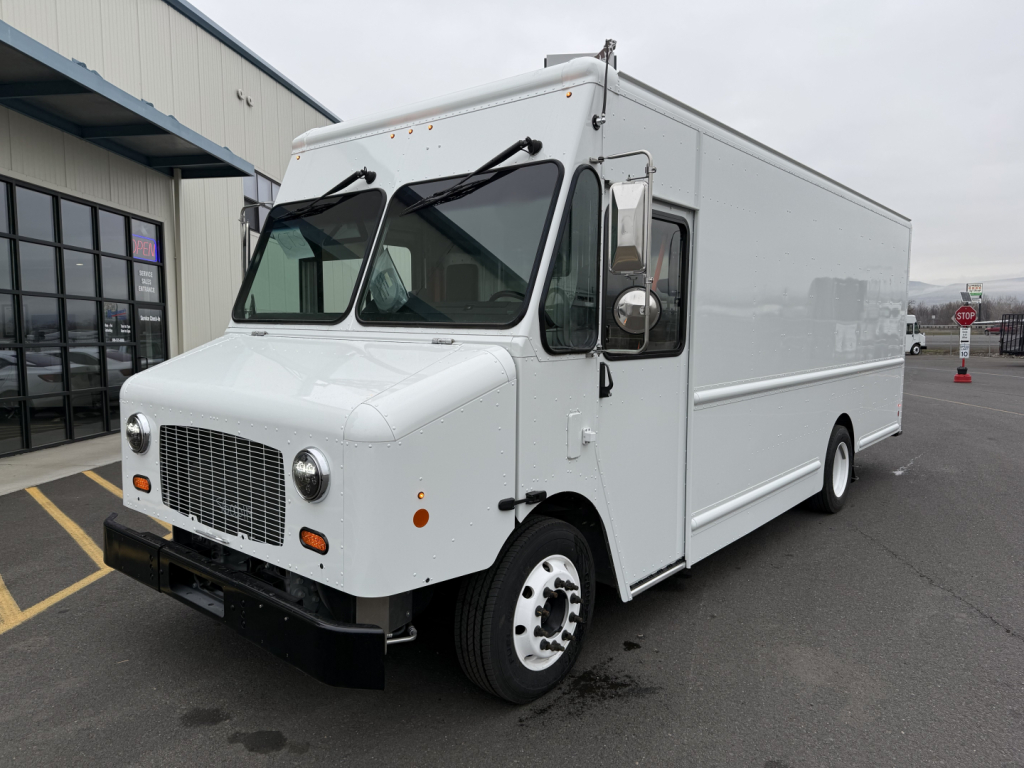
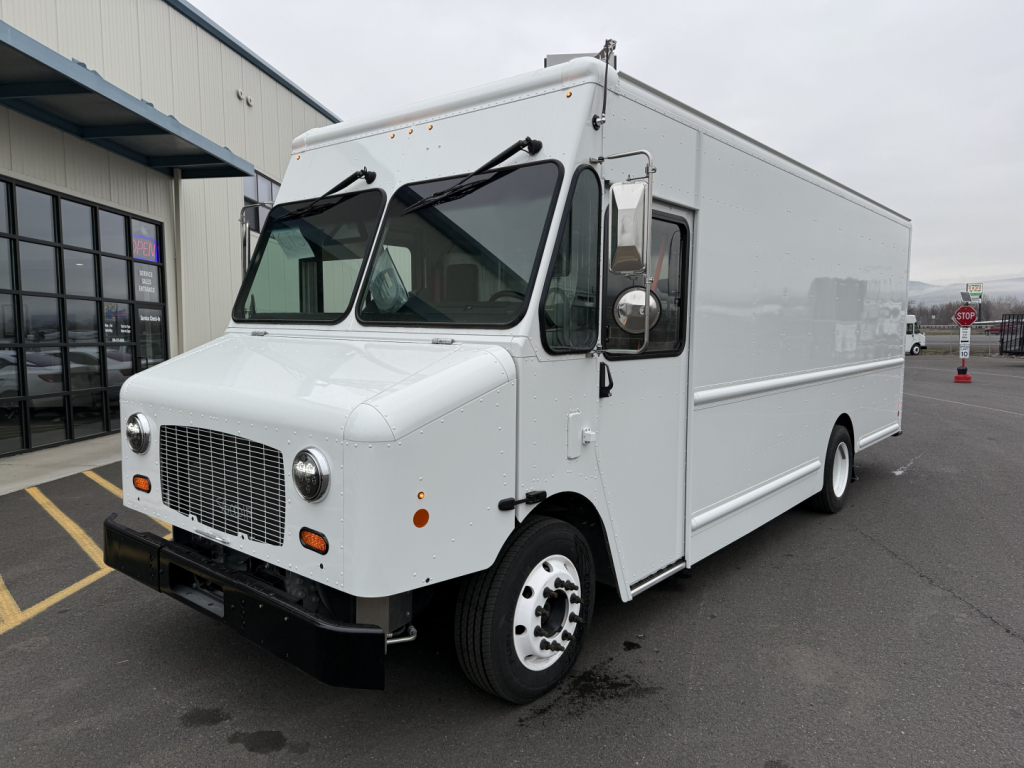
A buyer comparing new Harbinger trucks should start with duty cycle, body length, and GVWR. Sample specs in this category point to a 24,400-lb GVWR single-axle chassis with a 208-inch wheelbase, 9,000-lb front axle, 15,400-lb rear axle, and a 20-foot Morgan Olson step van body. That is a practical setup for dense delivery routes where cubic capacity, walk-through access, and frequent stops matter more than highway cruising. Electric power in this class is typically paired with an e-axle rather than a conventional engine and multi-speed automatic transmission, which changes the maintenance profile and simplifies driveline packaging. Buyers should look closely at payload after body installation, battery range under real route conditions, charging time, and how HVAC use, elevation, and cold-weather operation affect daily usable range.
The operating environment in Colorado deserves extra attention. Elevation changes, winter temperatures, and accessory loads can all influence electric truck performance. Regenerative braking can be a real advantage on descending routes, but fleets still need to model energy consumption by terrain, average stop count, and seasonal weather. Charging strategy is just as important as truck spec. Depot charging, available electrical service, charger output, and route dwell time all affect uptime. For step vans, body integration also matters. Buyers should inspect door configuration, shelving layout, cargo access, cab ergonomics, and body manufacturer support, especially when the truck will be assigned to package delivery or high-frequency multi-stop service.
Harbinger trucks fit best in return-to-base operations where route length is predictable and fleet managers can control charging windows. They are less about long-range irregular-route work and more about repeatable urban and suburban distribution. When evaluating one against a diesel or gasoline alternative, focus on total operating profile rather than just headline horsepower. A 440-hp electric drive system can deliver immediate torque and responsive acceleration, but the real buying decision comes down to route fit, payload retention, service support, charging readiness, and expected lifecycle costs. For fleets moving into zero-emission delivery equipment, a new Harbinger truck is most compelling when the application is clearly defined and the infrastructure plan is already in place.
Frequently Asked Questions about New Harbinger Trucks in Colorado
What are new Harbinger trucks typically used for?
New Harbinger trucks are typically used for last-mile delivery, local distribution, and other medium-duty return-to-base operations. Step van bodies are especially common for parcel delivery, foodservice support, uniform routes, laundry service, and similar applications that involve frequent stops, repeated door access, and predictable daily mileage. Their strongest fit is in urban and suburban routes where electric drivetrains can take advantage of stop-and-go conditions and overnight charging.
What should buyers compare first on a Harbinger electric truck?
The first items to compare are GVWR, wheelbase, body length, payload after upfit, and expected range in the actual route environment. On an electric truck, battery performance under load is just as important as chassis ratings. Buyers should also verify axle capacities, body manufacturer integration, charging requirements, and how much cargo capacity remains once shelving, liftgates, or route equipment are installed. A truck that looks right on paper can become a poor fit if the body and route profile reduce usable payload or range too far.
How does Colorado affect the performance of a new electric Harbinger truck?
Colorado can have a meaningful impact on electric truck performance because elevation, cold weather, and terrain all influence energy use. Climbing grades increases consumption, while regenerative braking can recover some energy on descents. Winter temperatures can reduce battery efficiency and increase HVAC demand, which can shorten usable range. Buyers in Colorado should estimate range conservatively and review route maps, charging availability, and seasonal operating patterns before selecting a truck specification.
Are Harbinger step vans a good replacement for diesel delivery trucks?
They can be a strong replacement when the route is consistent, daily mileage is controlled, and charging is available at the home base. Electric step vans are usually best for fleets with fixed local routes rather than irregular long-distance operation. The comparison should include fuel or energy cost, maintenance expectations, idle reduction, driver acceptance, and emissions requirements. For fleets with the right operating pattern, an electric step van can be a practical alternative to diesel in medium-duty delivery service.
What body and chassis details matter most on a Harbinger step van?
The most important details are body length, interior access, axle ratings, wheelbase, suspension, and how the body is mounted and supported on the chassis. Buyers should also review cargo floor height, shelving potential, rear and side door configuration, turning radius, and cab walk-through design. On electric chassis, it is also important to understand how battery packaging affects frame layout, upfit options, and service access. Those details directly affect route productivity, driver efficiency, and long-term maintenance planning.