
New Commercial Trucks For Sale in New Jersey
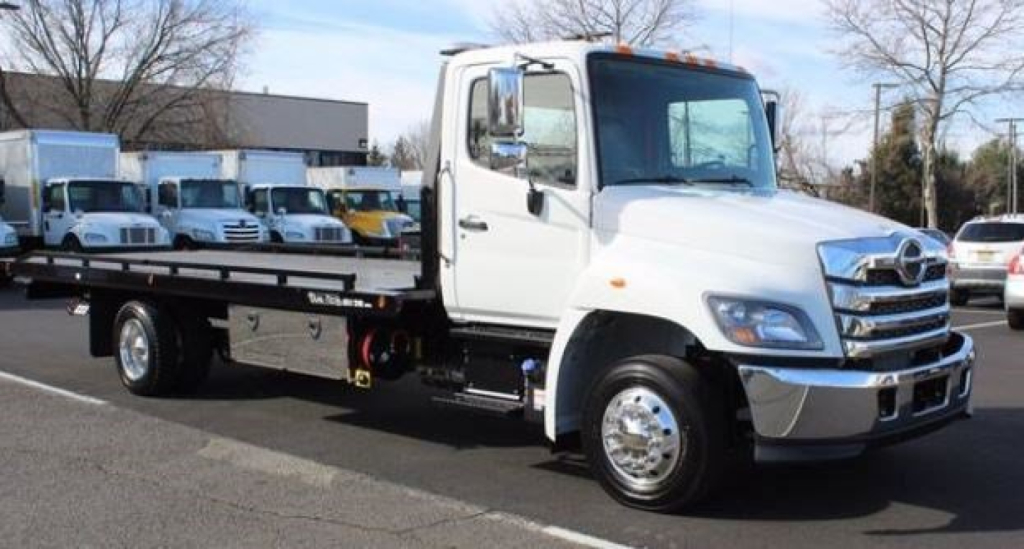
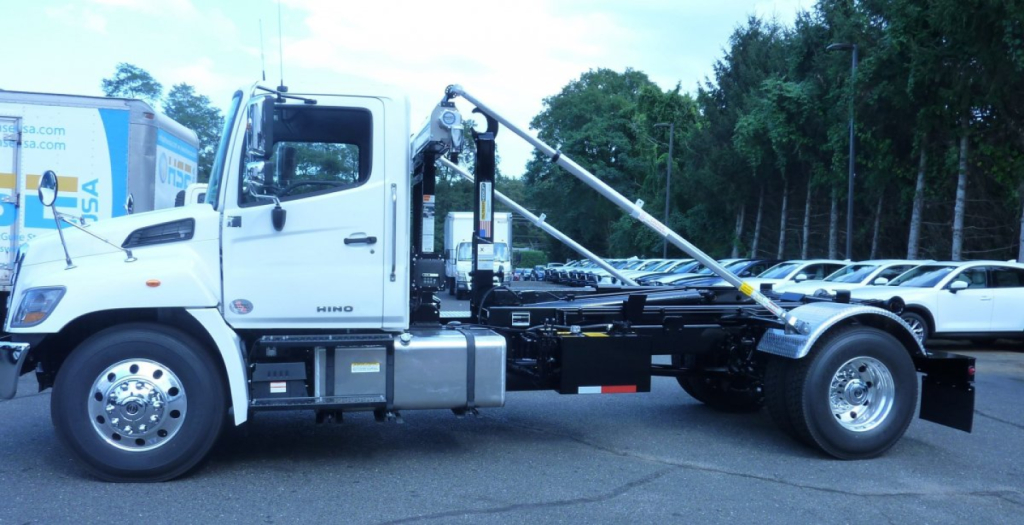
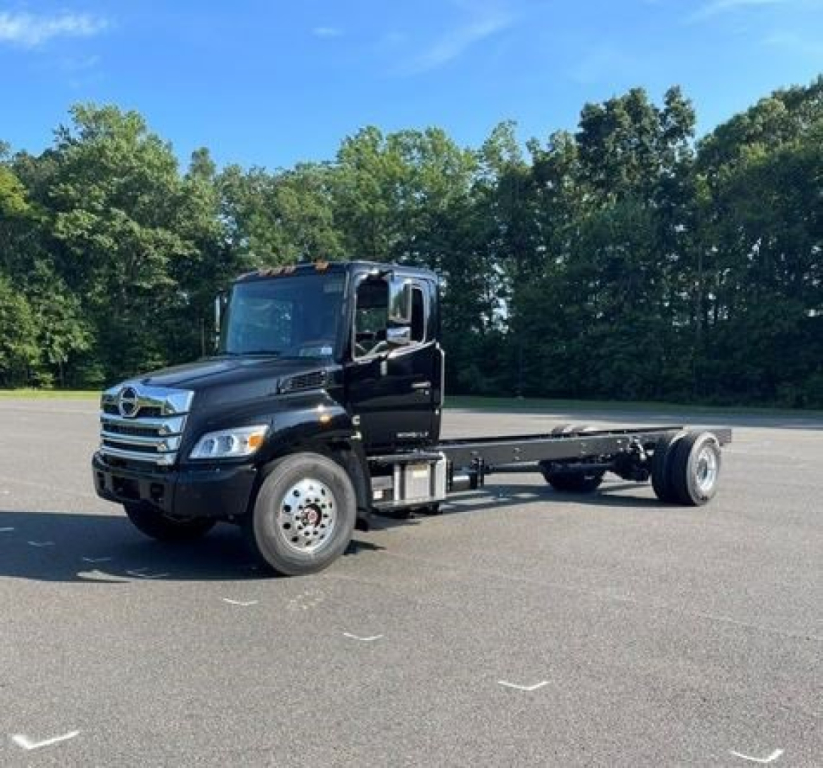
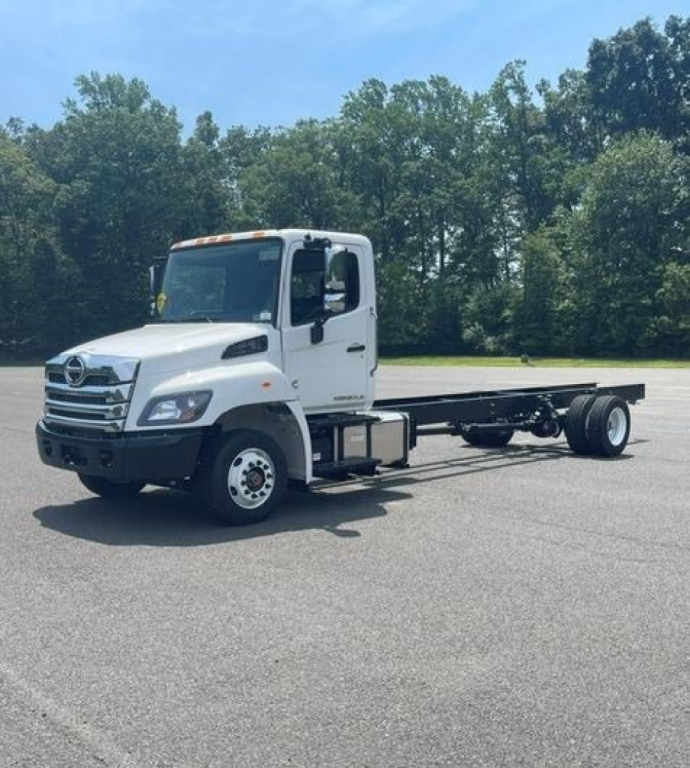
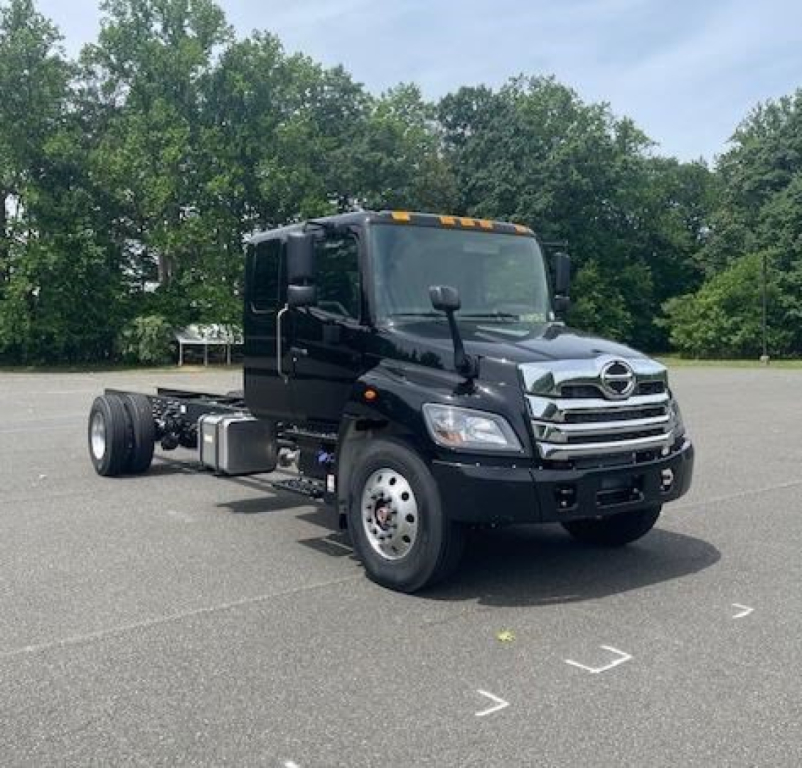
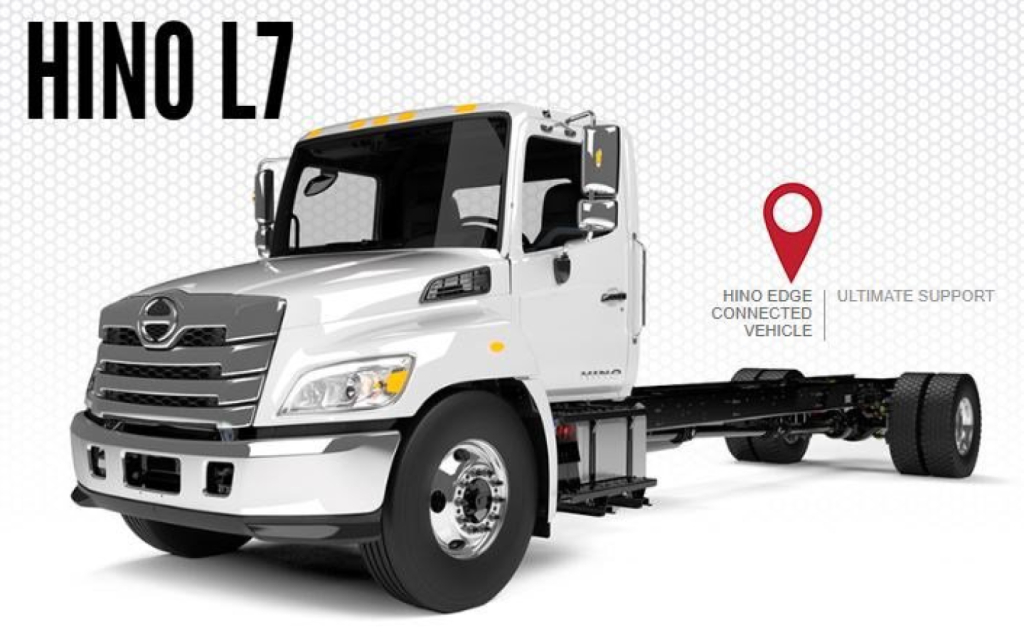
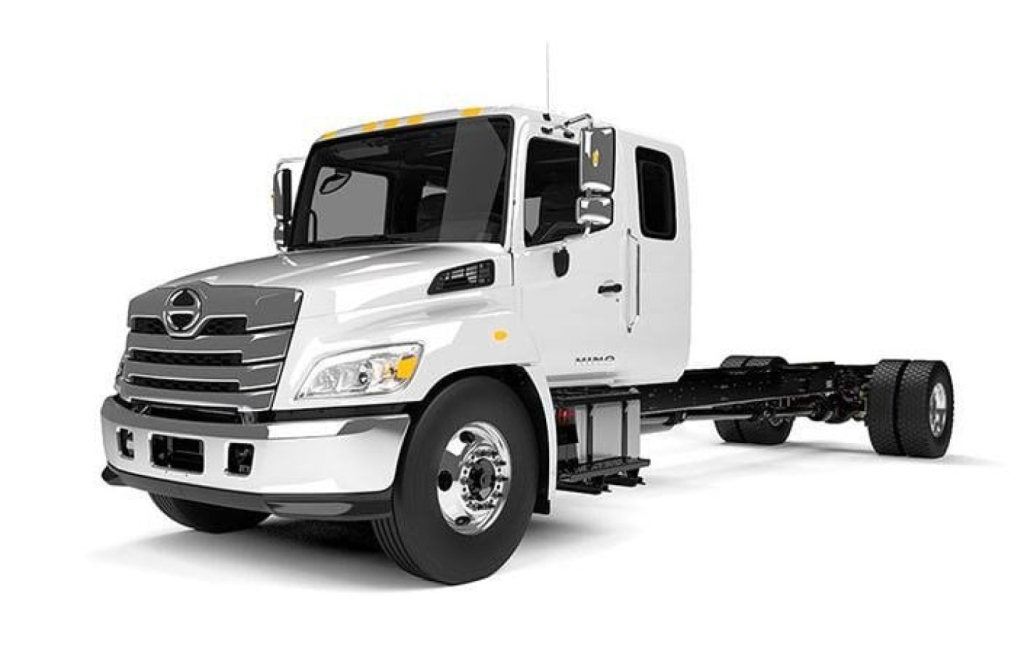
Shop new trucks for sale in New Jersey, including box trucks, cab and chassis, tow trucks, and medium-duty diesel work trucks.
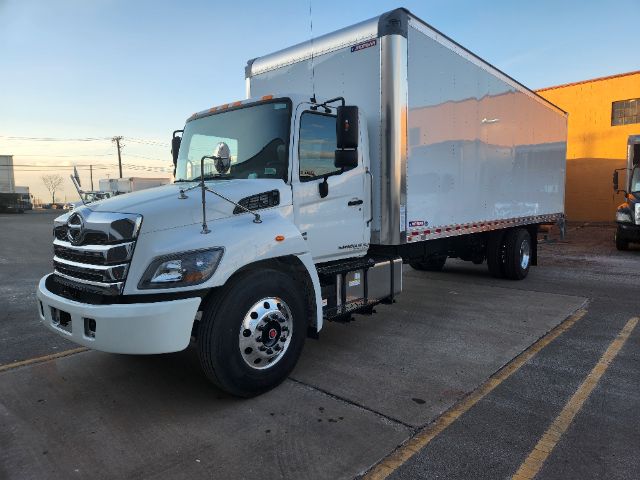
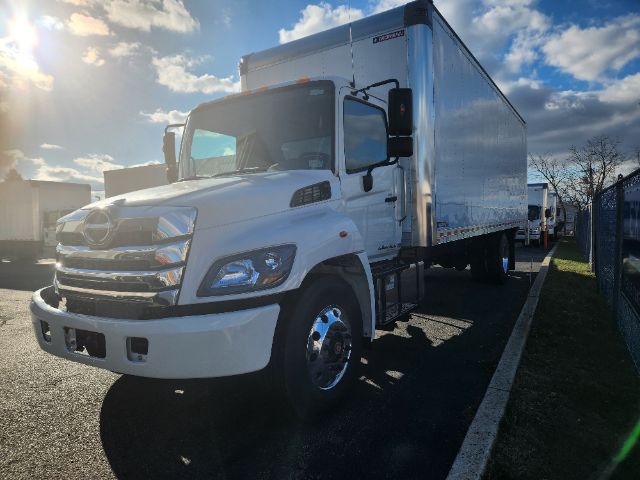
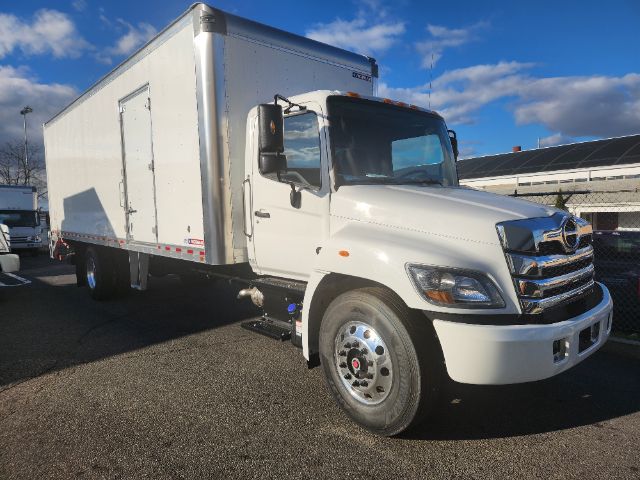
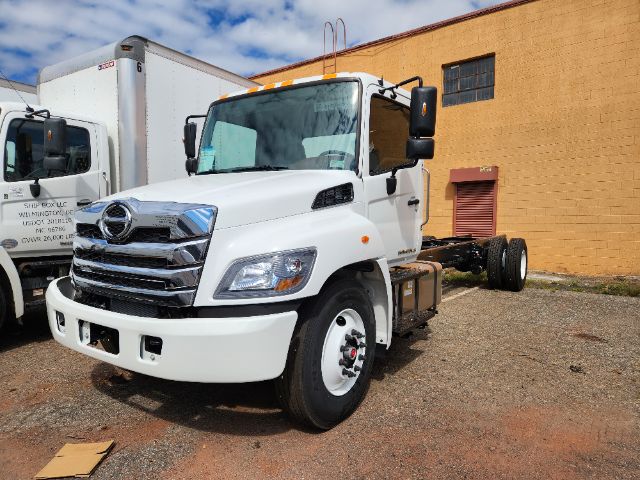
Showing 1 to 28 of 31 results
Selling a new commercial truck? List your new commercial truck for sale and reach thousands of commercial buyers.
New Commercial Trucks in New Jersey
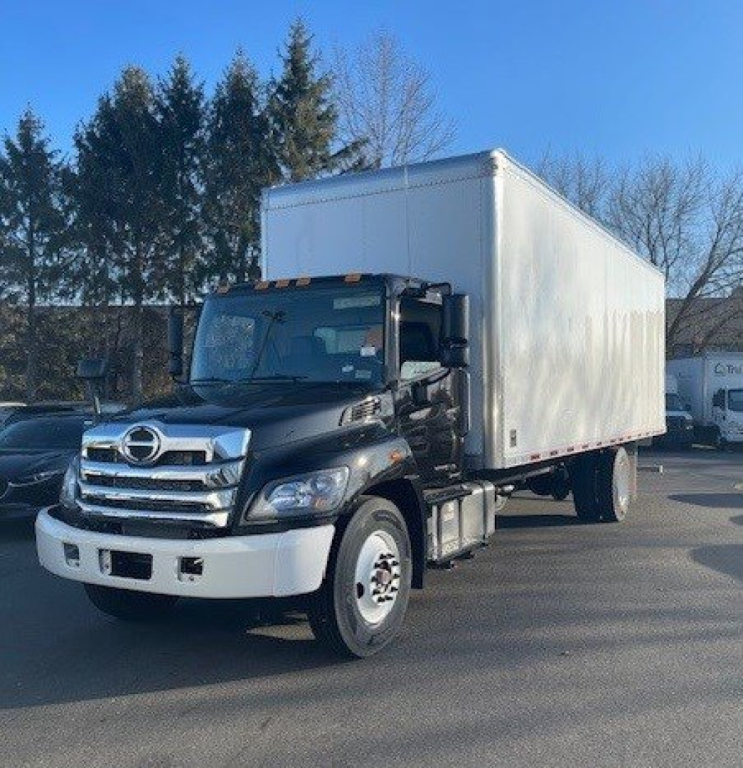
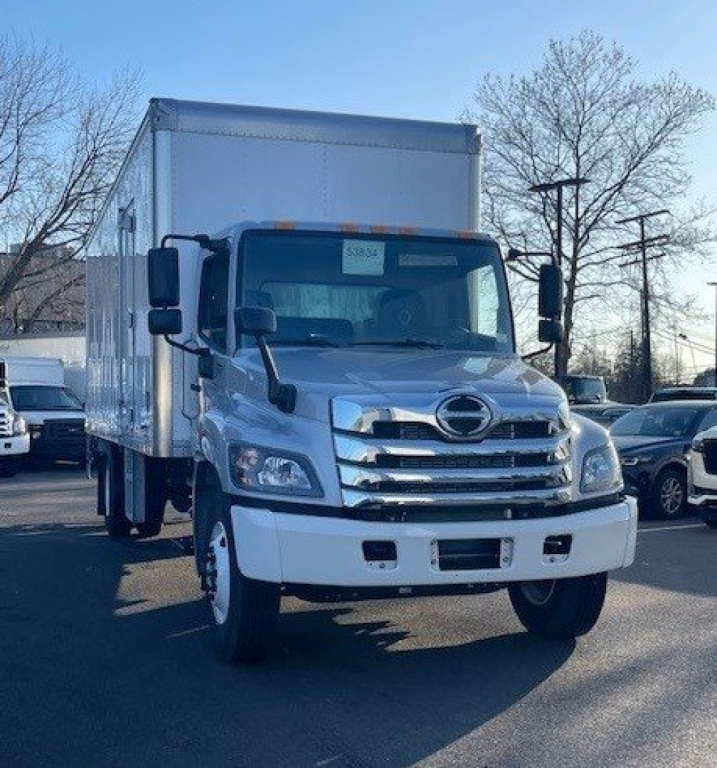
For New Jersey operations, truck size and maneuverability matter as much as payload. Tight city streets, congested industrial areas, toll roads, and frequent stop-and-go driving push many buyers toward medium-duty platforms with sharp wheel cuts, good visibility, and proven powertrains such as Cummins diesel engines with Allison automatics. A common sweet spot is the 25,950 to 26,000 GVWR range, which can help operators maximize payload while staying under CDL thresholds in many applications, depending on body type, actual operating weight, and local regulations. Buyers comparing new box trucks should pay close attention to body length, interior height, liftgate capacity, side-door access, E-track layout, liner material, and axle ratings. Those details affect route efficiency just as much as horsepower.
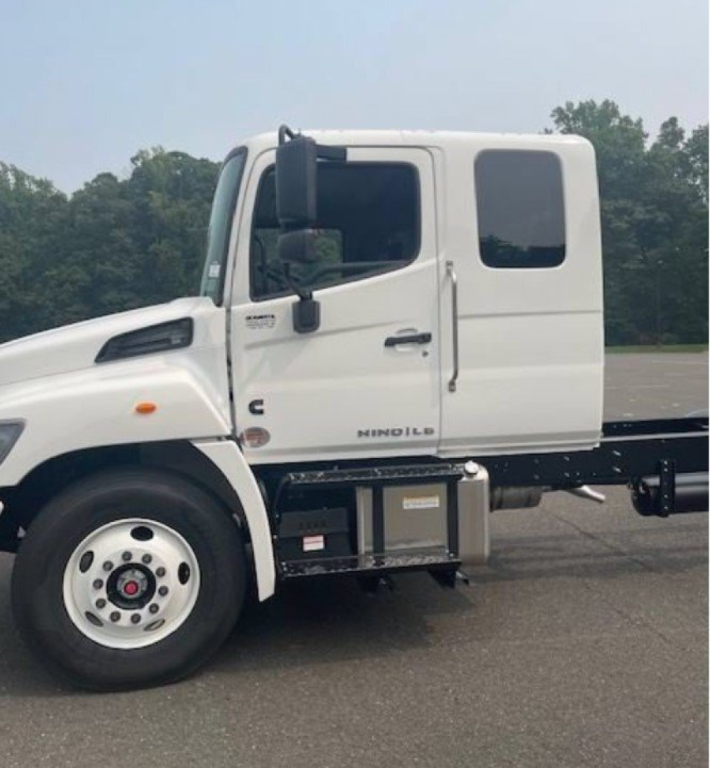
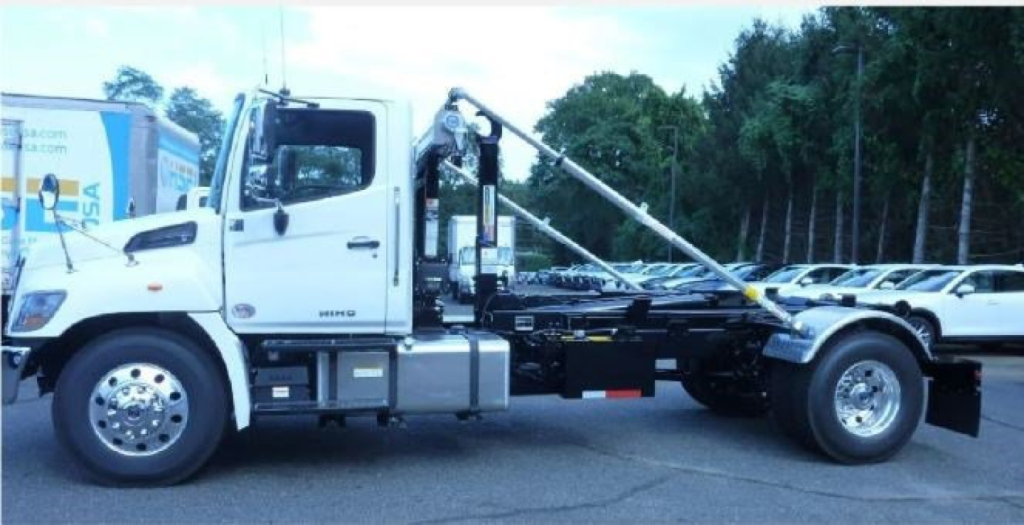
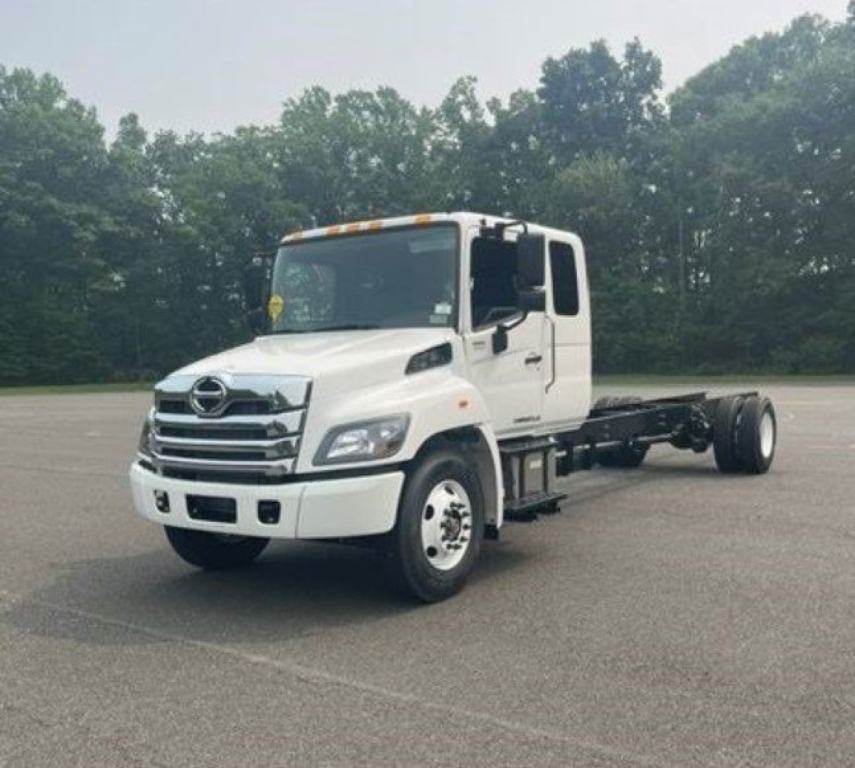
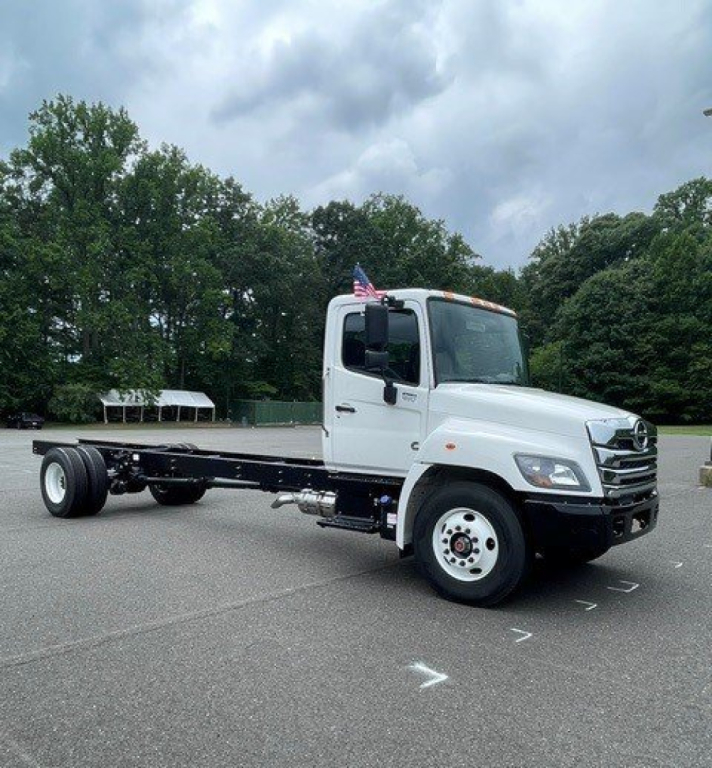
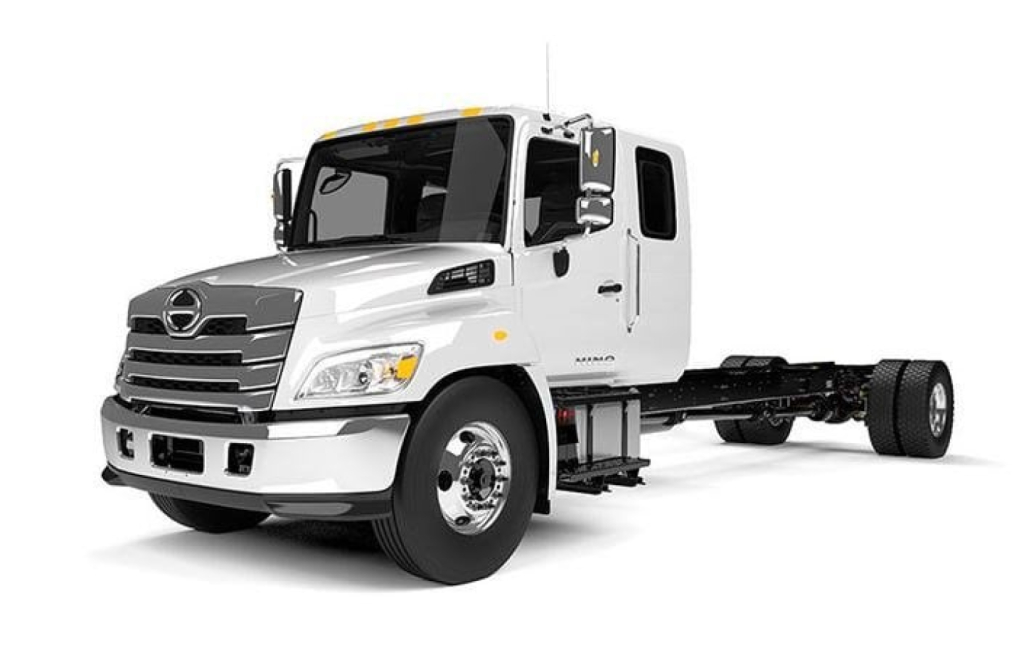
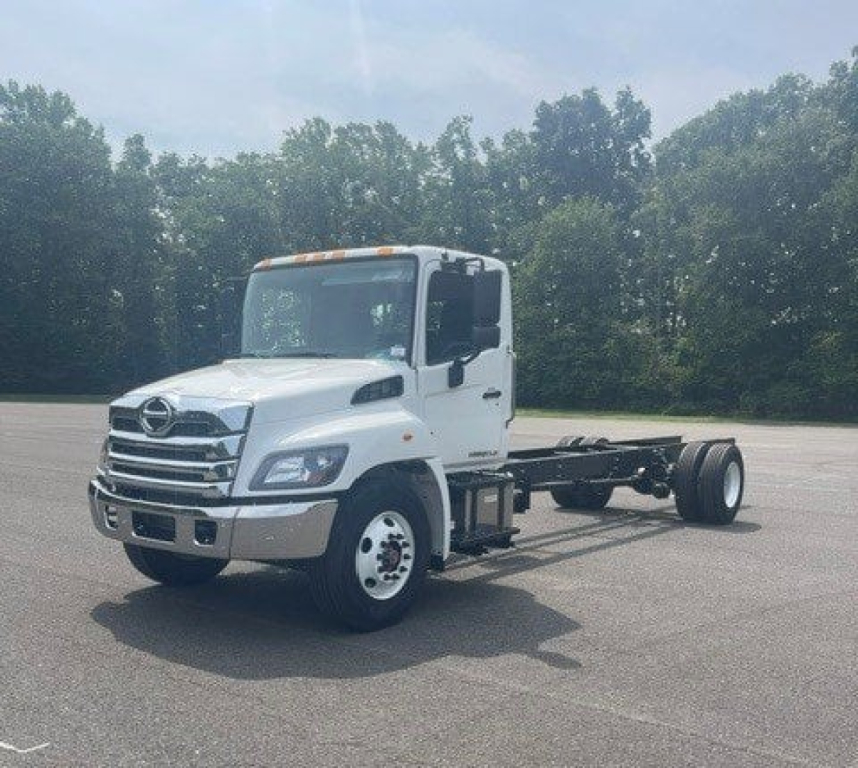
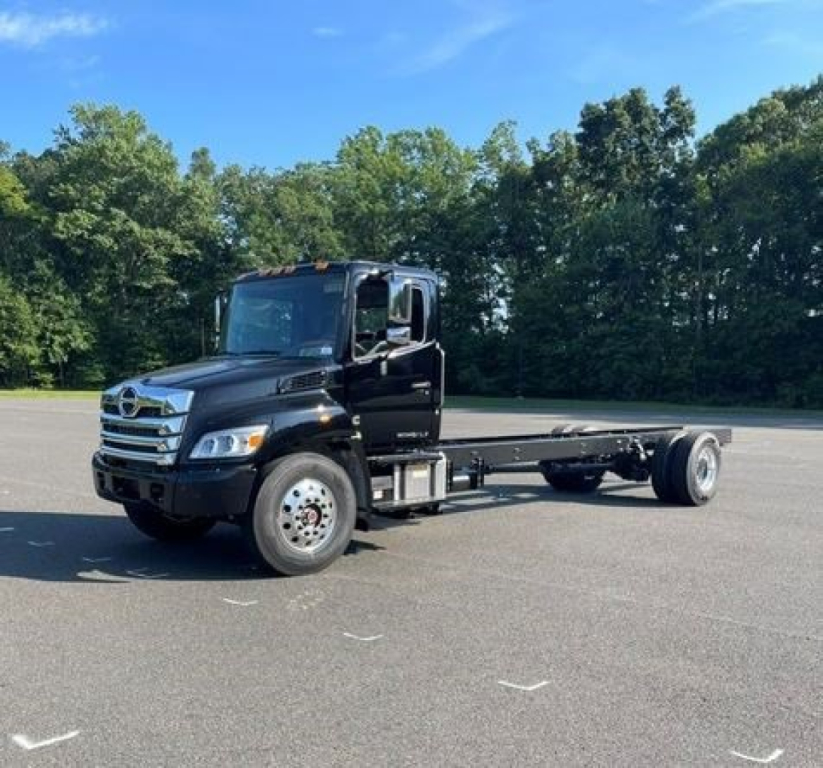
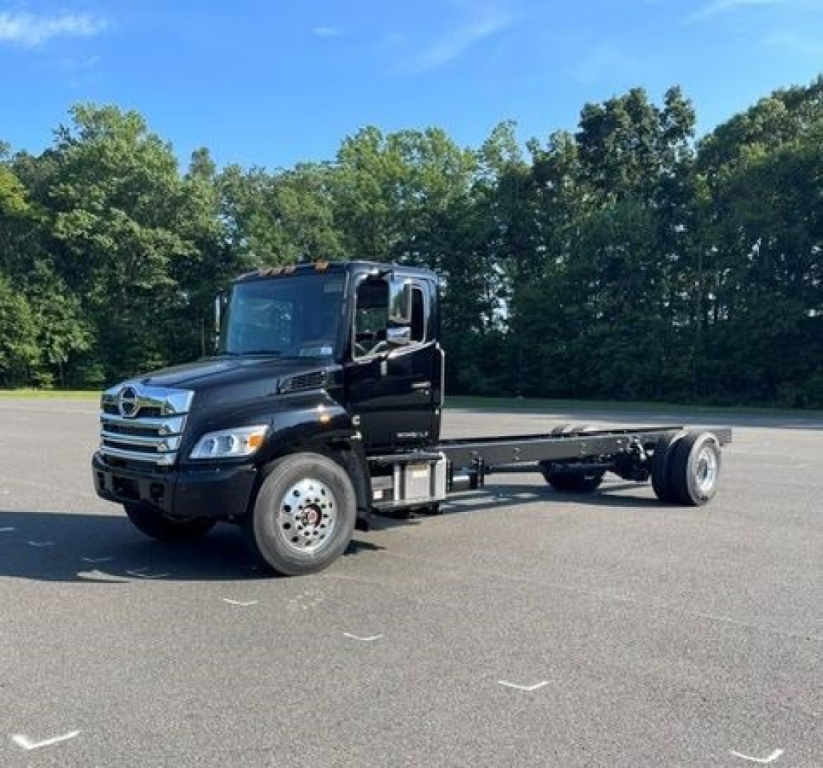
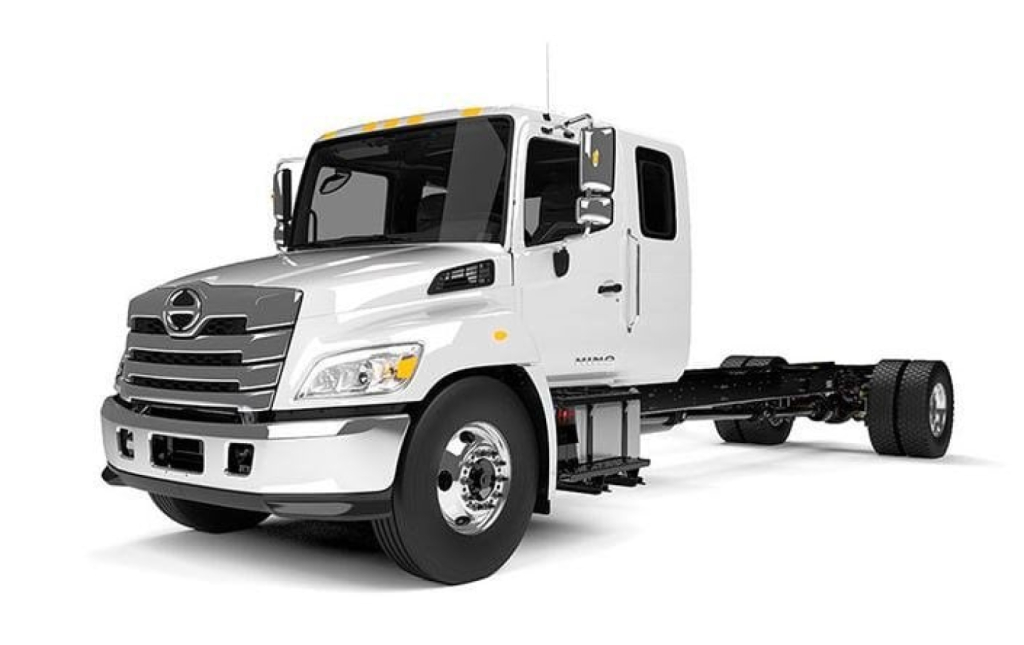
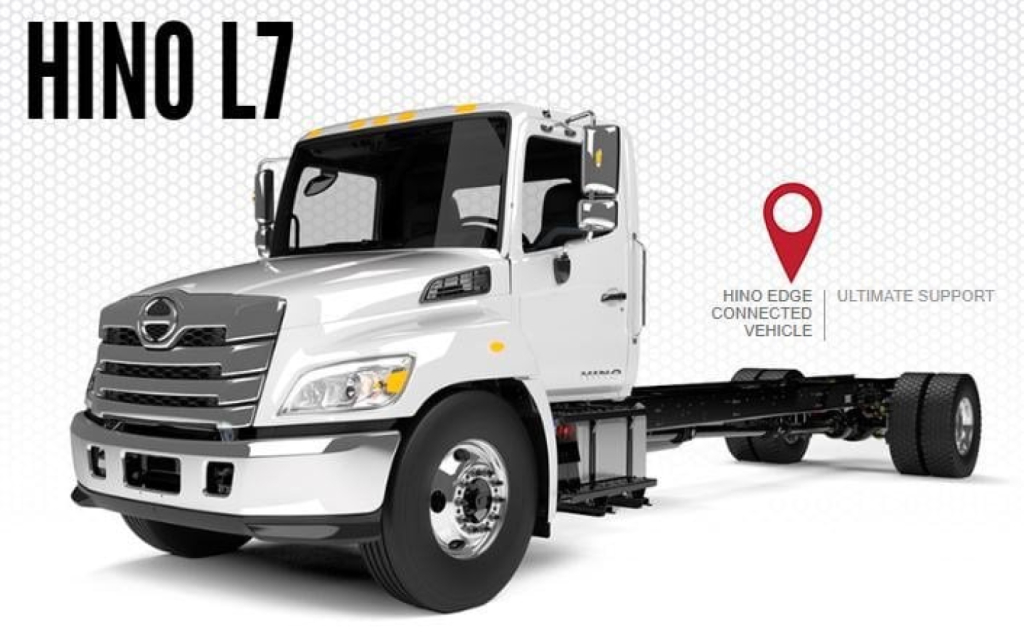
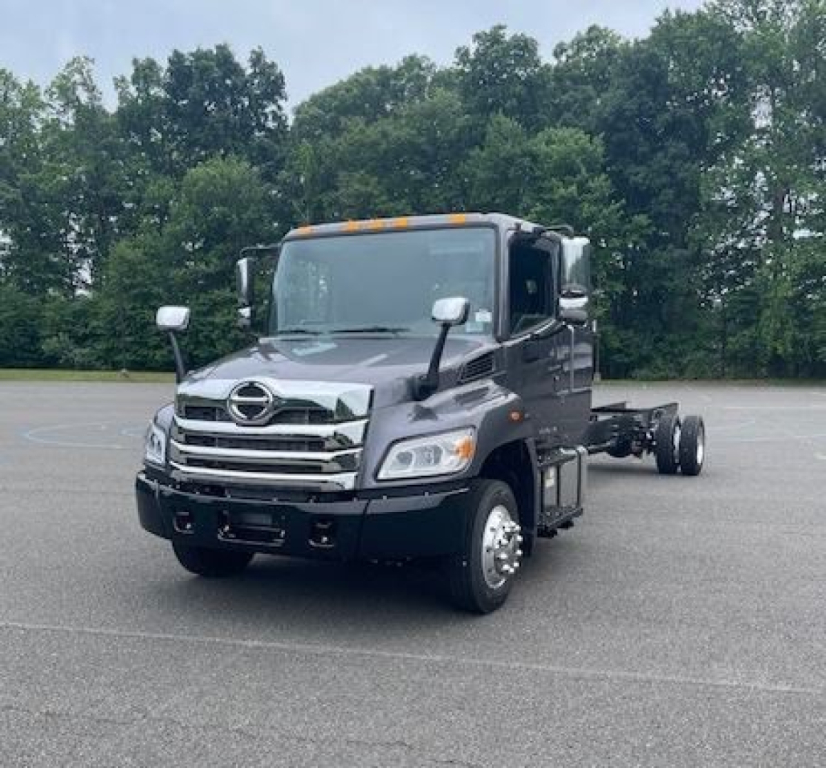
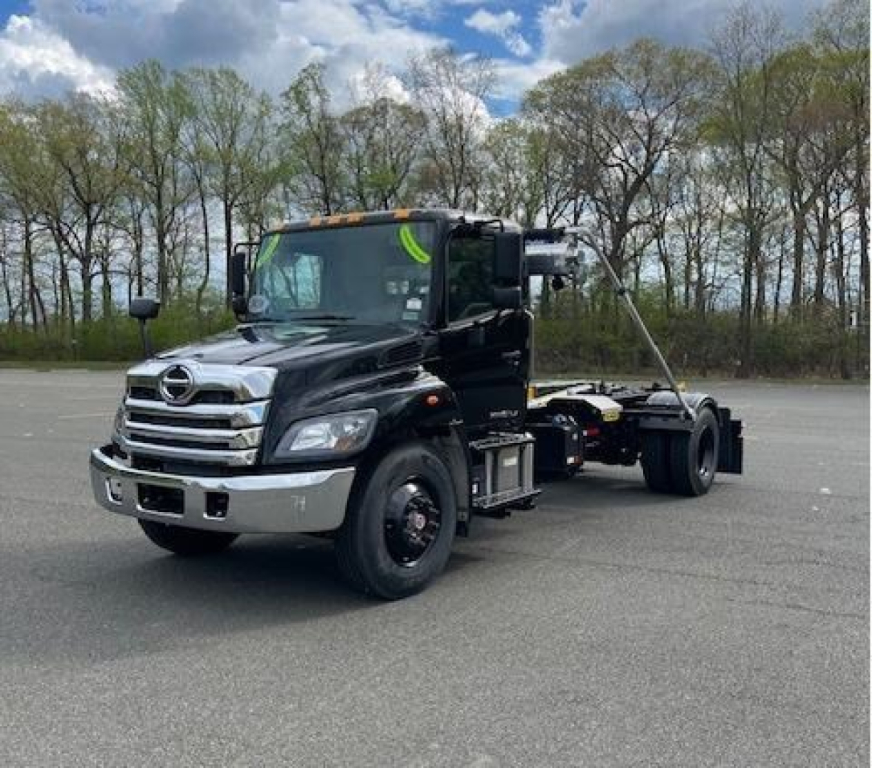
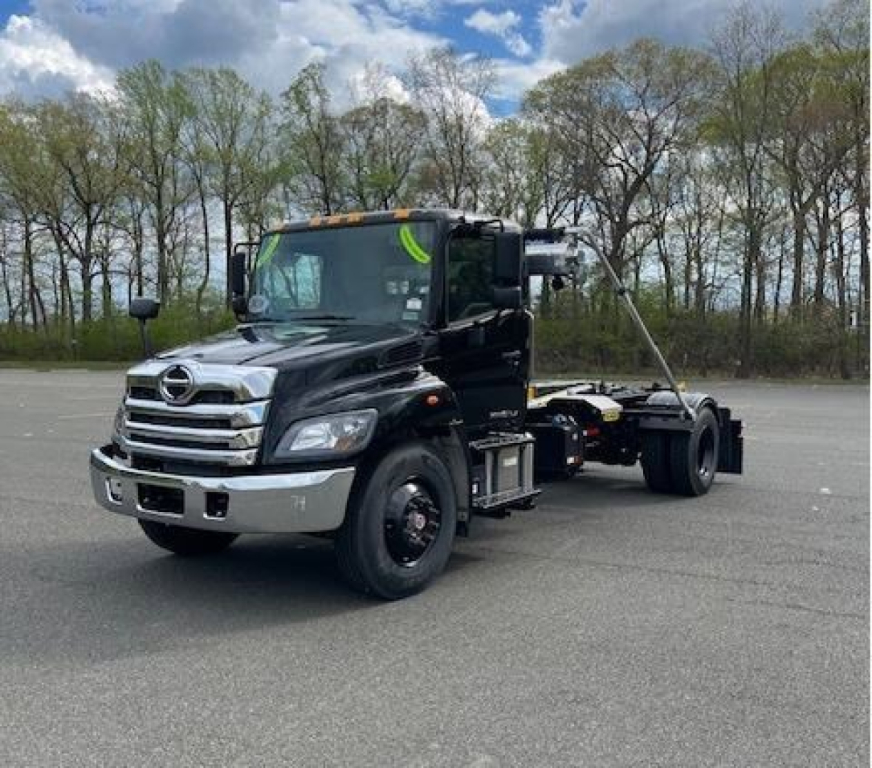
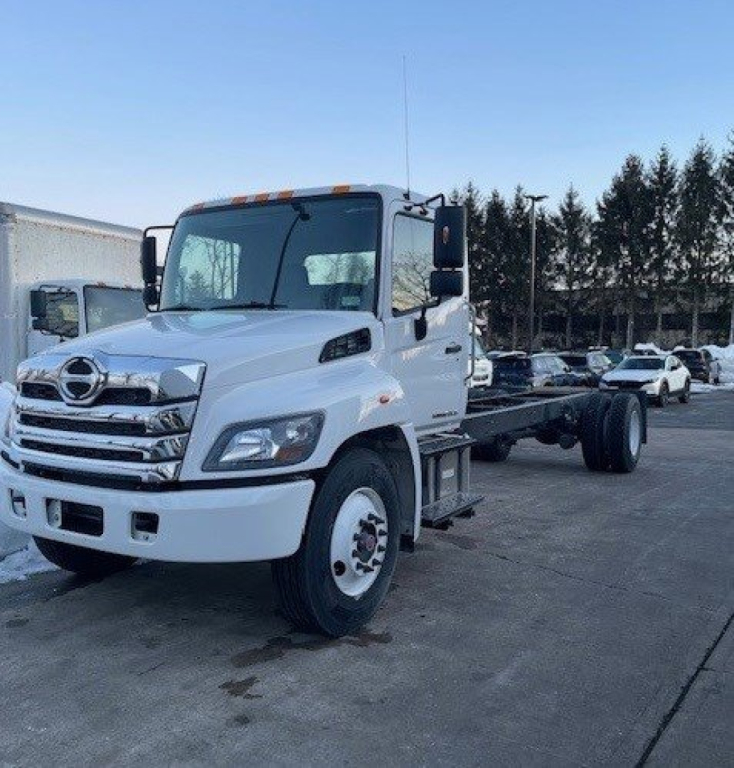
Cab and chassis trucks are often the most flexible option for fleets that need a purpose-built unit. They can be configured for dump bodies, landscape bodies, hooklift systems, dry vans, refrigerated bodies, utility bodies, or stake platforms. The chassis spec needs to match the upfit, so front axle capacity, rear axle rating, frame strength, PTO compatibility, fuel tank placement, and cab-to-axle measurement all deserve a close look before purchase. If the truck will spend its life in dense suburban delivery work, spring suspension, durable 11R22.5 rubber, engine brakes, and easy cab access can be more valuable than adding unnecessary complexity. For towing applications, wheel-lift rating, rollback deck length, hydraulic performance, and GVWR are central to staying productive and compliant.
New trucks also bring the advantages buyers expect from current production equipment: factory warranty coverage, cleaner emissions systems, updated safety features, backup cameras, better cab ergonomics, and more refined driver environments. Heated power mirrors, air-ride driver seats, Bluetooth connectivity, and extended service intervals are no longer minor details when the truck is on the road every day. A well-matched new work truck should be evaluated by total job fit, not just purchase price. Payload, body compatibility, turning radius, service access, and drivetrain simplicity will have more impact on long-term operating cost than a small difference in initial spec.
Frequently Asked Questions about New Commercial Trucks in New Jersey
What is the best GVWR range for a new medium-duty truck in New Jersey?
For many delivery, service, and vocational applications, the 25,950 to 26,000 GVWR range is a popular target because it can offer strong payload capacity while often remaining below CDL thresholds. That said, the right GVWR depends on the finished body, cargo weight, liftgate or towing equipment, and the truck’s actual operating weight. Buyers should calculate payload after the upfit is installed, not from chassis weight alone.
Should I buy a new cab and chassis or a completed box truck?
A cab and chassis is the better choice when the truck needs a specific body or specialized upfit such as a dump body, hooklift, reefer, landscape body, or utility body. A completed box truck makes more sense when the application is straightforward route delivery and the body spec already fits the operation. The decision usually comes down to lead time, body requirements, and how closely the truck needs to match the job.
Why are automatic transmissions so common in new work trucks?
Automatic transmissions are popular in new medium-duty trucks because they reduce driver fatigue, simplify training, and perform well in stop-and-go service. They are especially useful in urban and suburban New Jersey routes where frequent starts, tight turns, and heavy traffic are part of the daily cycle. Many buyers also prefer automatic-equipped trucks for easier hiring and more consistent operation across multiple drivers.
What should I look for in a new box truck spec?
The key box truck specs are GVWR, wheelbase, body length, interior height, rear axle rating, liftgate capacity, and cargo-control features such as E-track and liner material. Door style matters too, especially if the truck will handle dock work, hand unloads, or multi-stop routes. A box truck that looks similar on paper can perform very differently once cargo type, stop frequency, and loading method are factored in.
What matters most when buying a new tow or rollback truck?
For a new tow truck or rollback, focus first on chassis GVWR, deck length, wheel-lift capacity, hydraulic system performance, and how the unit is intended to be used. Local recovery work, dealer transport, and light-duty roadside service do not all require the same setup. Visibility, maneuverability, and legal operating weight are just as important as raw lifting capability, especially in dense traffic areas and tighter roadside environments.