
New Cab and Chassis Trucks For Sale in New Jersey
Shop new cab and chassis trucks in New Jersey. Compare GVWR, wheelbase, engine, PTO, and upfit options for box, reefer, dump, and hooklift work.
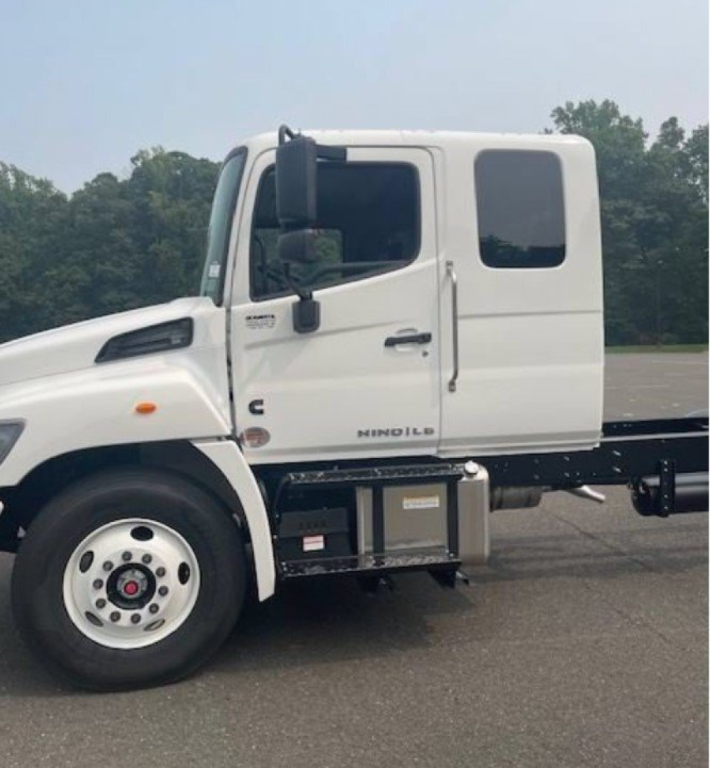
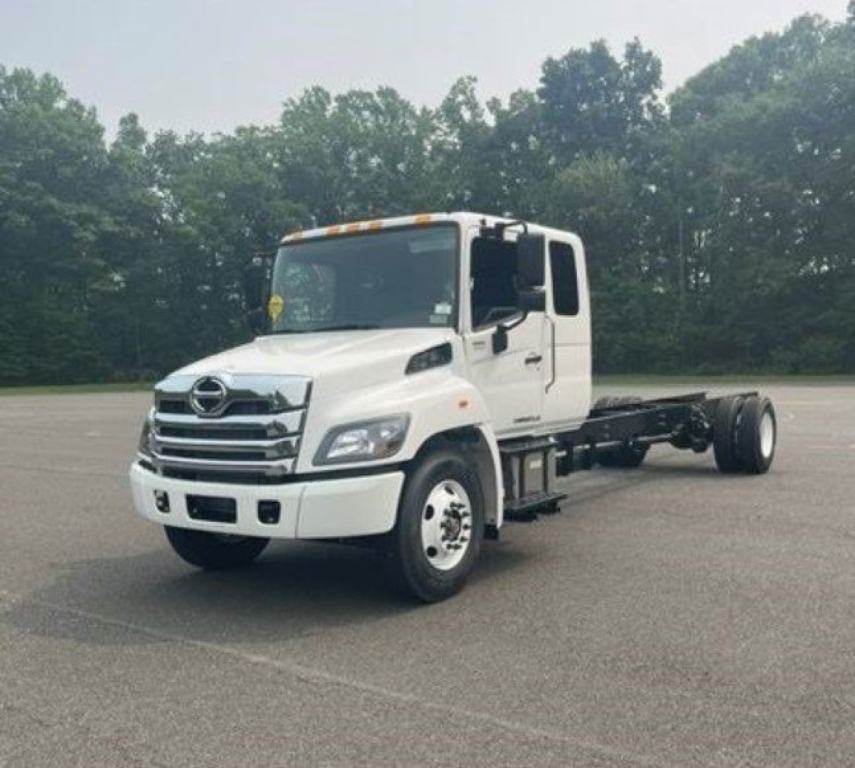
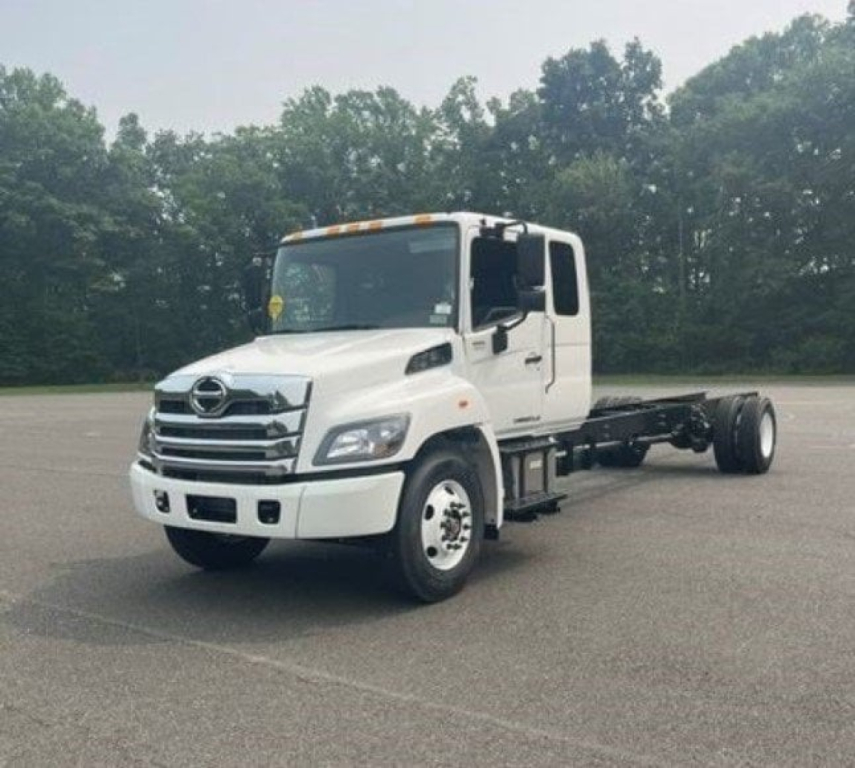
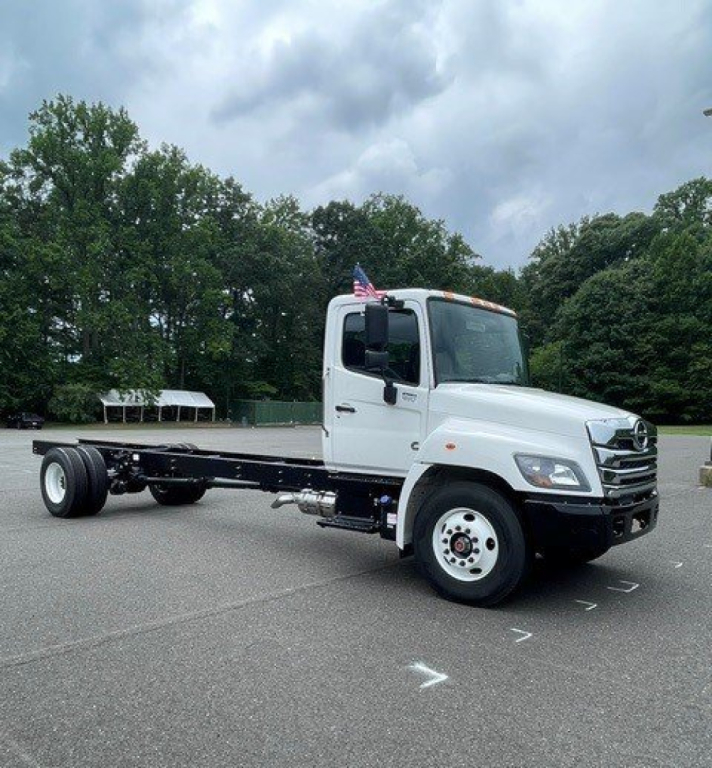
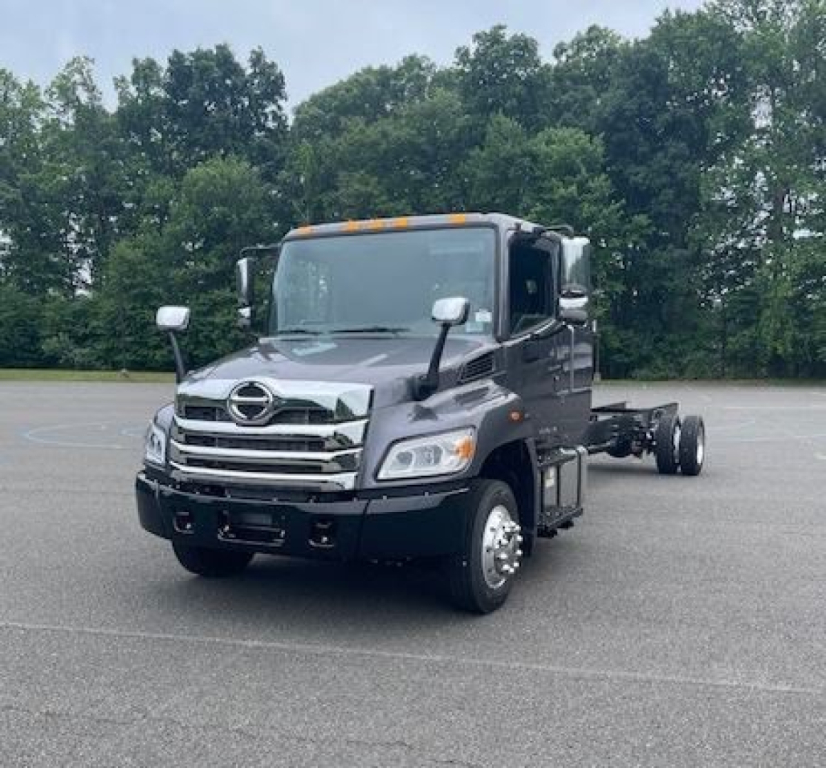
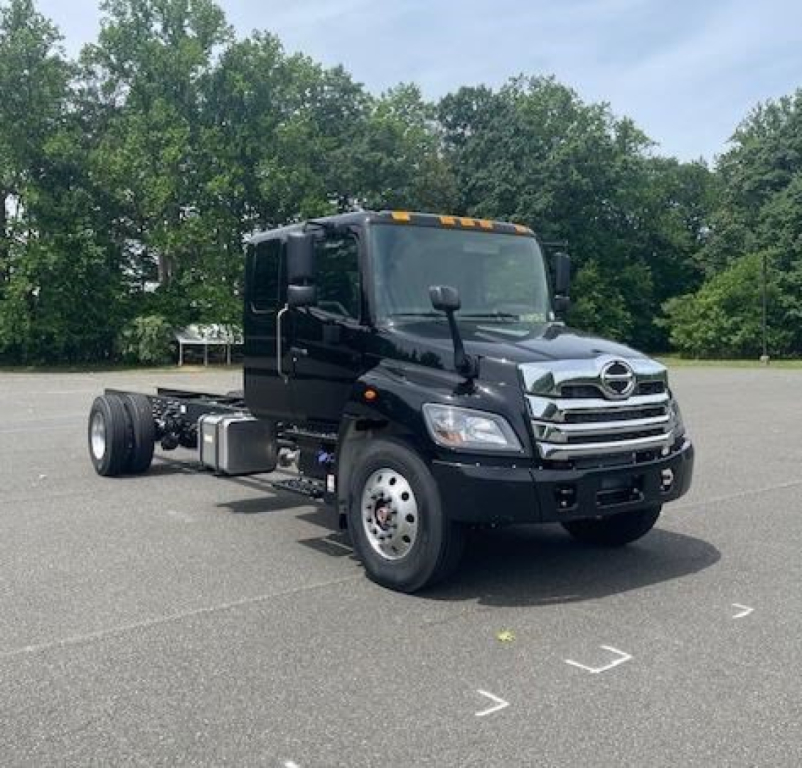
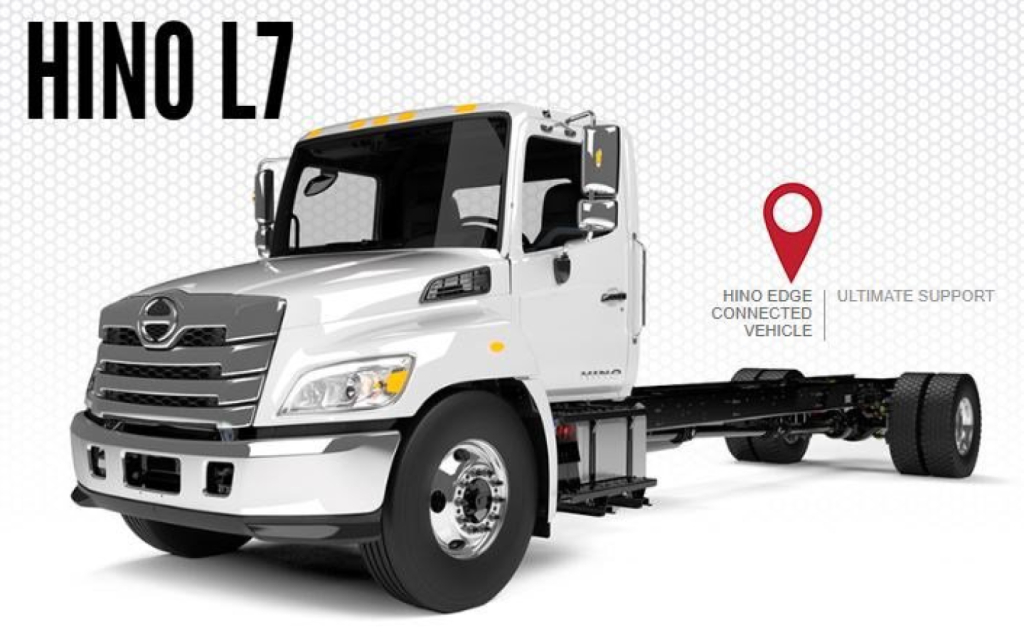
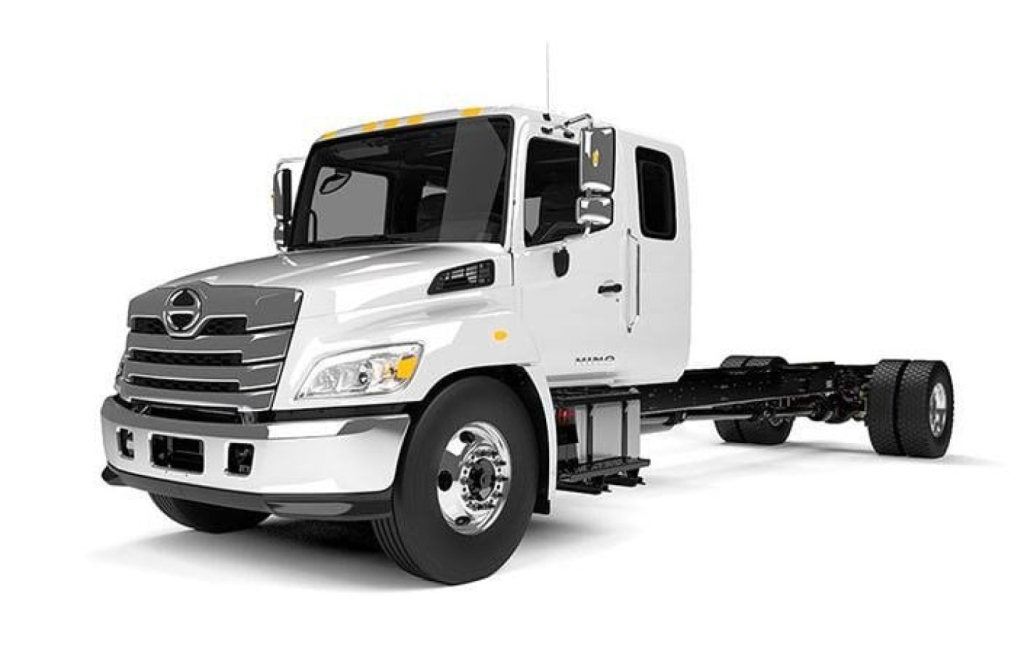
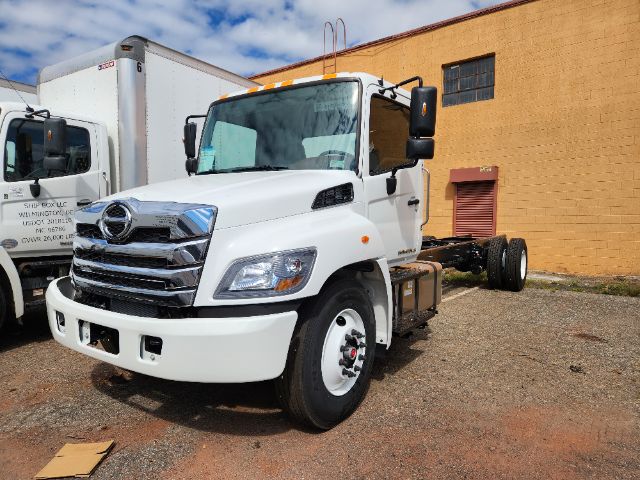
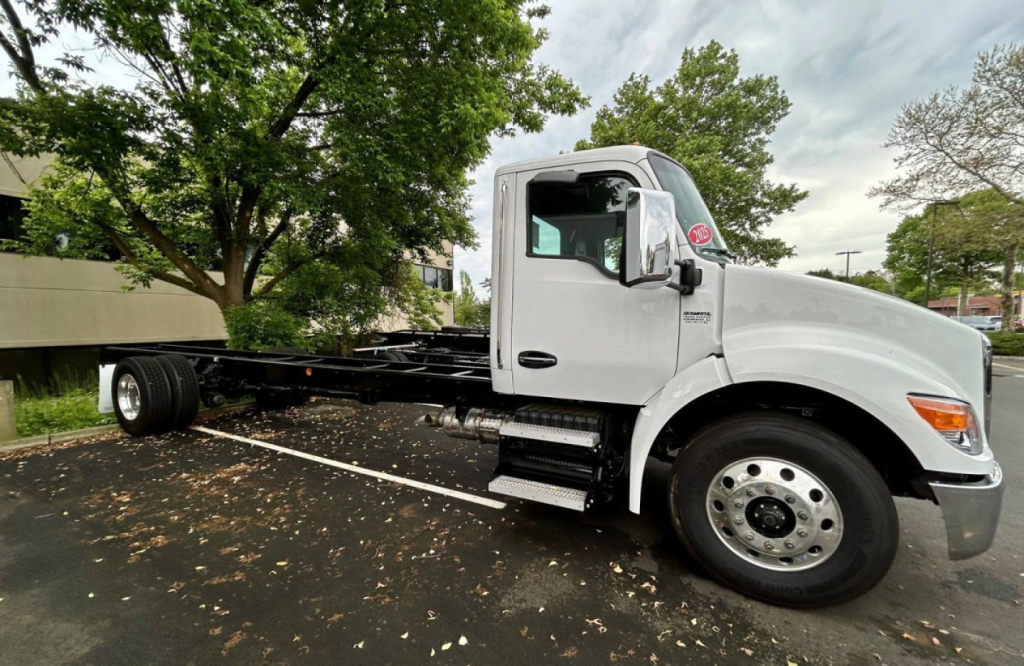
Selling a new cab and chassis truck? List your new cab and chassis truck for sale and reach thousands of commercial buyers.
New Cab and Chassis Trucks in New Jersey
Powertrain choices on new cab and chassis trucks usually center on durability, PTO compatibility, and ease of service. In this category, buyers will often see diesel engines such as the Cummins B6.7 paired with Allison automatic transmissions, frequently with PTO provision for hydraulic equipment. Air brakes are common once you move up into higher medium-duty GVWR classes, and that can be an advantage for fleets that want stronger brake performance and easier integration with certain vocational specs. If the truck will spend most of its life in tight urban routes, turning radius, cab visibility, and automatic transmission calibration are just as important as horsepower.
The biggest buying mistake in a cab and chassis truck is under-specifying for the final body and payload. A 26-foot dry van, reefer body with liftgate, dump insert, or hooklift system all place weight in different ways across the frame. Buyers should confirm frame section modulus, clear frame space, fuel tank placement, exhaust routing, and electrical provisions before the upfit begins. For refrigerated and utility applications, battery capacity, alternator output, and idle strategy also deserve attention. If the truck may be operated by non-CDL drivers, keeping the finished GVWR at or below 26,000 pounds can be a major planning point, but body weight and cargo habits need to be calculated carefully.
New cab and chassis trucks also tend to bring value through cleaner emissions systems, current safety technology, and factory warranty support. Features like air-ride driver seats, heated mirrors, cold-weather packages, and modern telematics can improve retention and uptime in regional delivery and service fleets. Buyers comparing new cab and chassis trucks for sale should look past the base cab and focus on the complete finished-truck plan: body length, liftgate requirement, PTO demand, axle capacity, and expected route profile. When the chassis is matched correctly from day one, the result is a truck that upfits cleanly, stays productive, and holds its value better over the long haul.
Frequently Asked Questions about New Cab and Chassis Trucks in New Jersey
What is a cab and chassis truck used for?
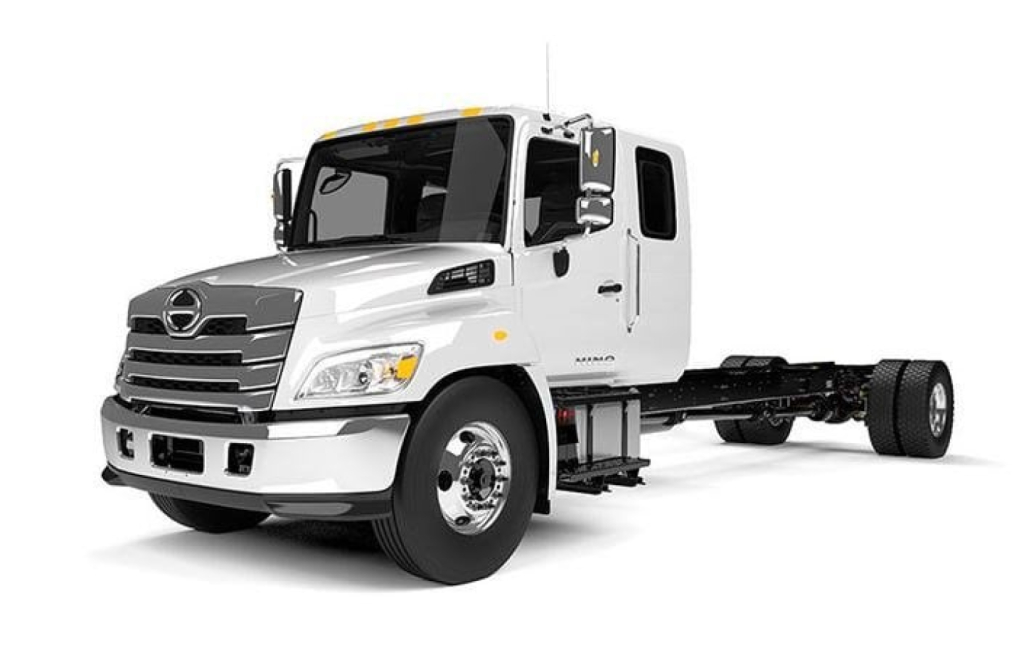
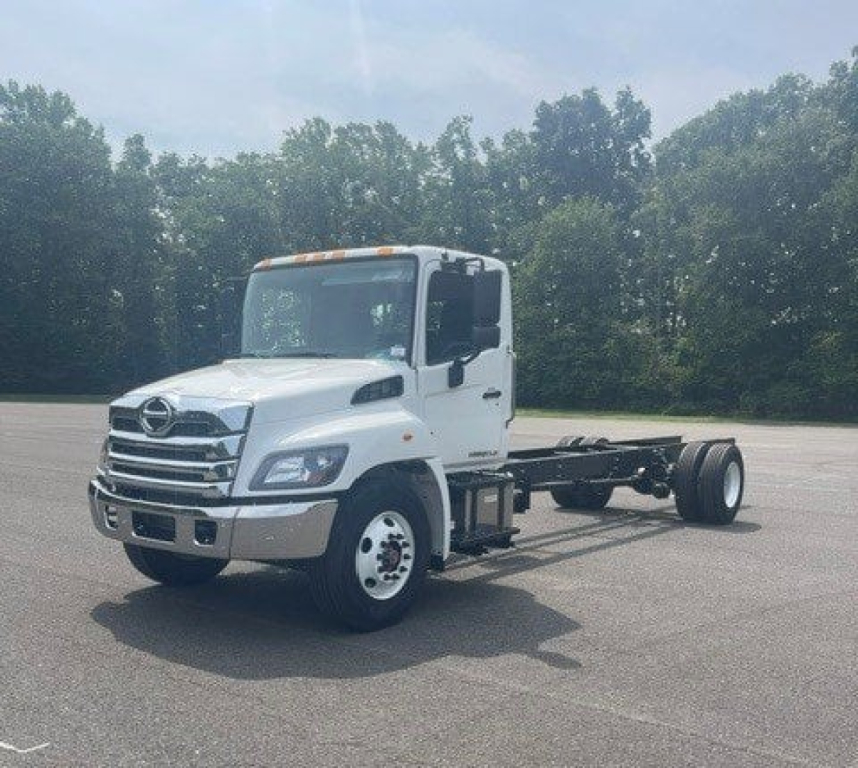
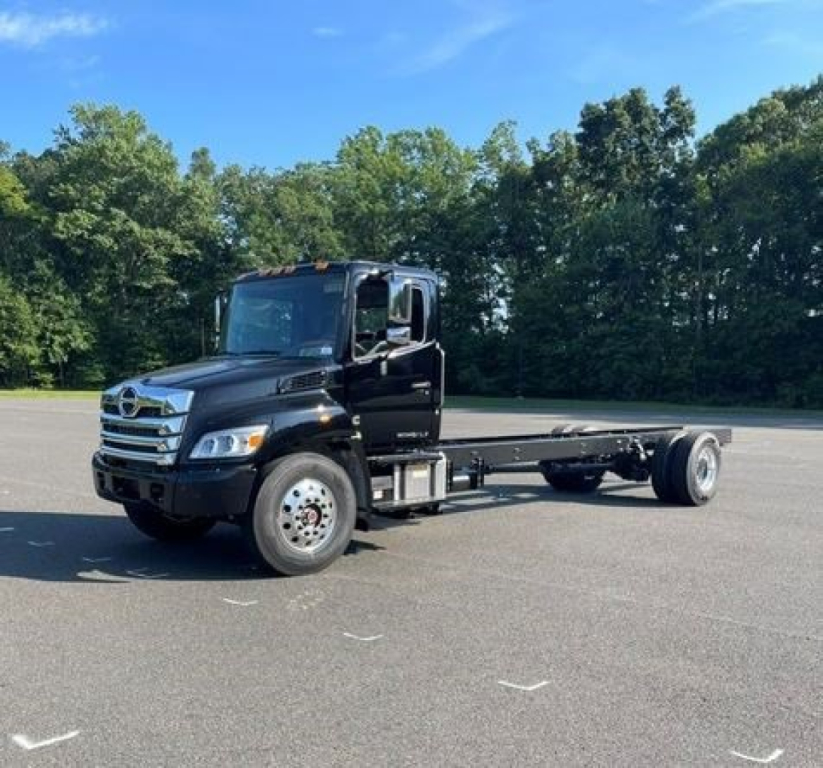
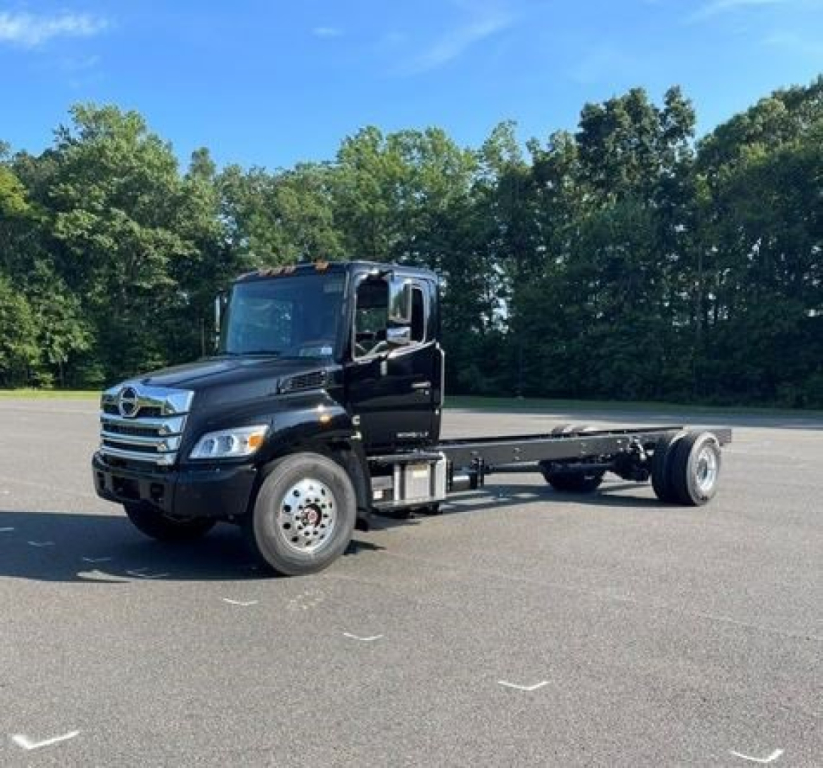
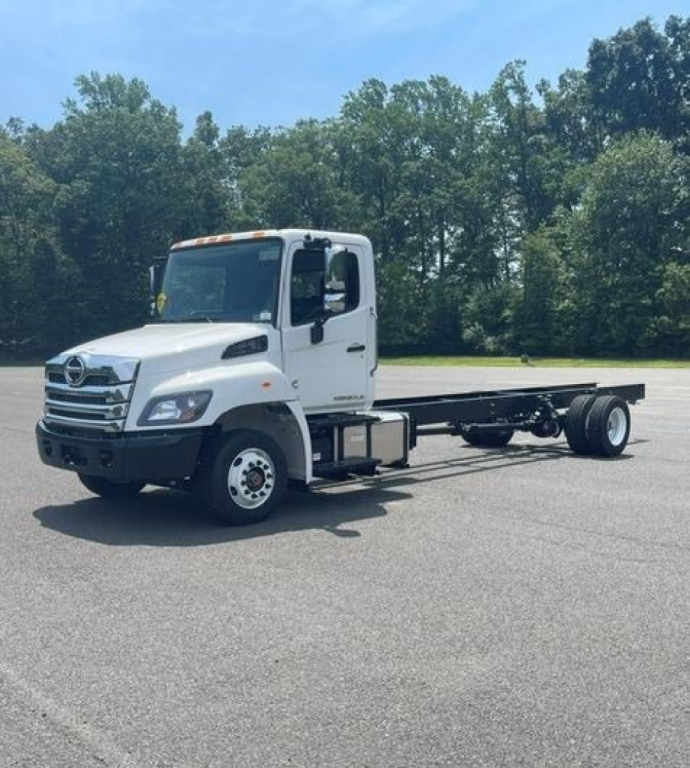
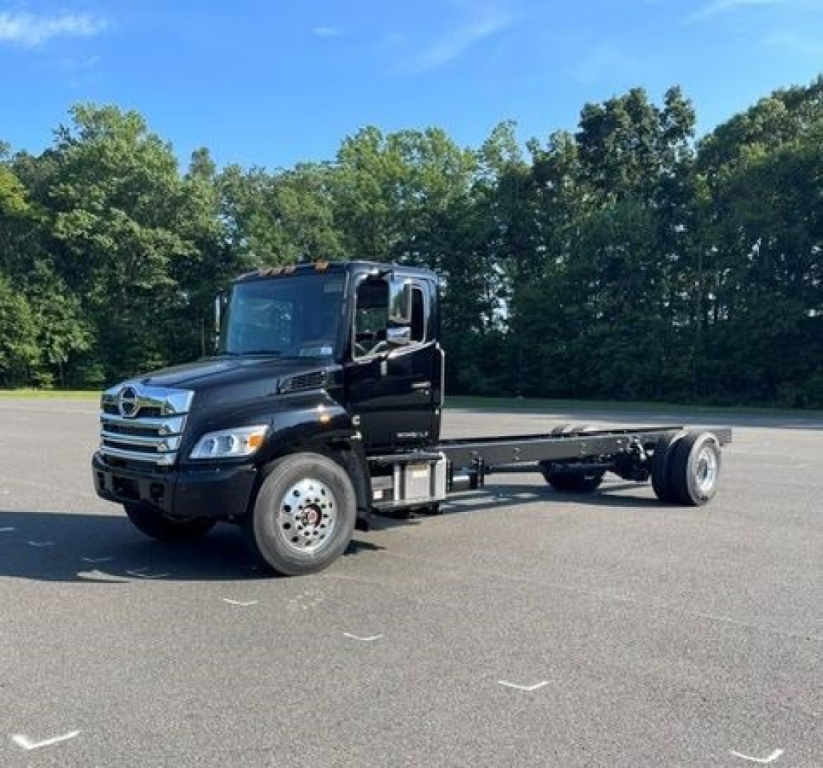
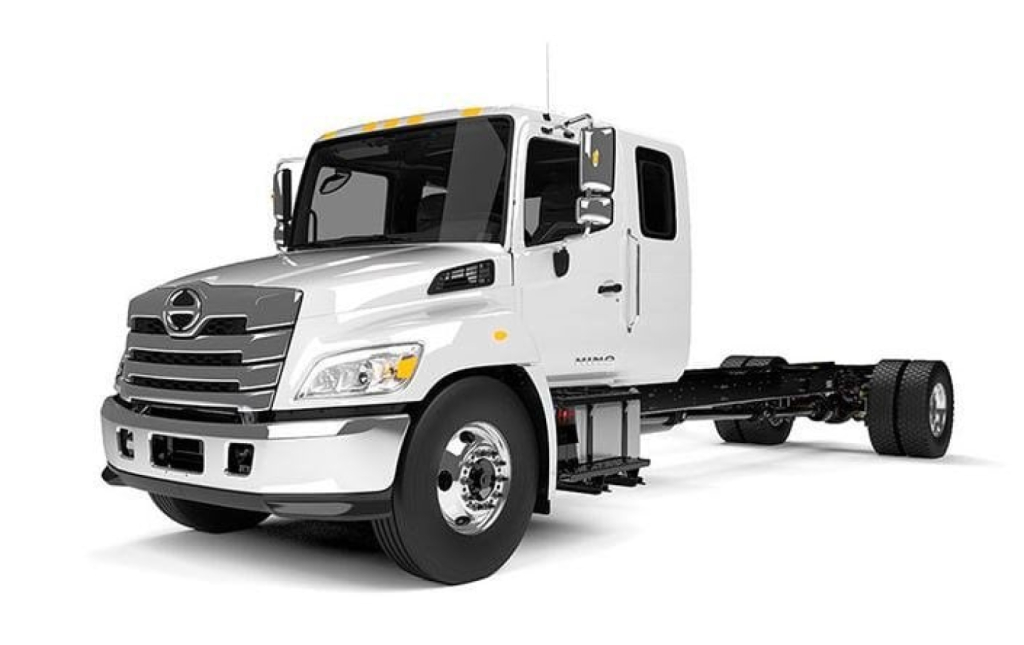
A cab and chassis truck is a commercial truck sold with the cab, frame, and running gear in place, but without a permanent body installed. It is designed to be upfitted for a specific application such as a dry van, reefer, dump body, stake body, flatbed, utility body, rollback, or hooklift. This makes it one of the most flexible truck configurations for fleets that need a purpose-built vehicle instead of a factory-finished body style.
What should I check before buying a new cab and chassis truck for an upfit?
The key fitment points are GVWR, front and rear axle ratings, wheelbase, cab-to-axle dimension, frame strength, and available clear frame space. Buyers should also verify PTO provision, fuel tank location, DEF and exhaust placement, electrical capacity, and suspension type. These details affect whether the truck can accept the planned body without expensive modifications, and they determine how well the finished truck will handle payload and weight distribution.
Can a new cab and chassis truck stay under CDL limits?
Yes, many medium-duty cab and chassis trucks are spec'd at 25,500 to 26,000 GVWR specifically to support non-CDL operation in many applications. The important detail is the completed truck rating after the body, equipment, and payload plan are considered. A truck that starts at 25,950 or 26,000 GVWR may still be attractive for non-CDL routes, but buyers need to calculate body weight, liftgate weight, refrigeration equipment, and typical cargo so the truck matches the intended use.
What bodies are commonly installed on a new cab and chassis?
Common upfits include box truck bodies, refrigerated bodies, landscape and masonry dump bodies, flatbeds, stake bodies, service and utility bodies, hooklift systems, and rollback carriers. The right chassis depends on body length, rear overhang, equipment weight, and whether hydraulic power is required. For example, a reefer with liftgate has different electrical and weight needs than a simple dry van, while a dump or hooklift usually depends heavily on PTO setup and frame compatibility.
Why do buyers choose a new cab and chassis instead of a completed box truck?
A new cab and chassis gives the buyer more control over the final truck specification. Instead of accepting a generic body package, the buyer can match wheelbase, axle capacity, body length, liftgate, shelving, refrigeration unit, tool storage, or hydraulic equipment to the exact work the truck will perform. That usually leads to better payload planning, cleaner installation, and a truck that fits the route and duty cycle more precisely.