
New 2027 Cab and Chassis Trucks For Sale in New Jersey
Shop new 2027 cab and chassis trucks in New Jersey. Compare GVWR, cab styles, wheelbases, powertrains, and upfit-ready specs.
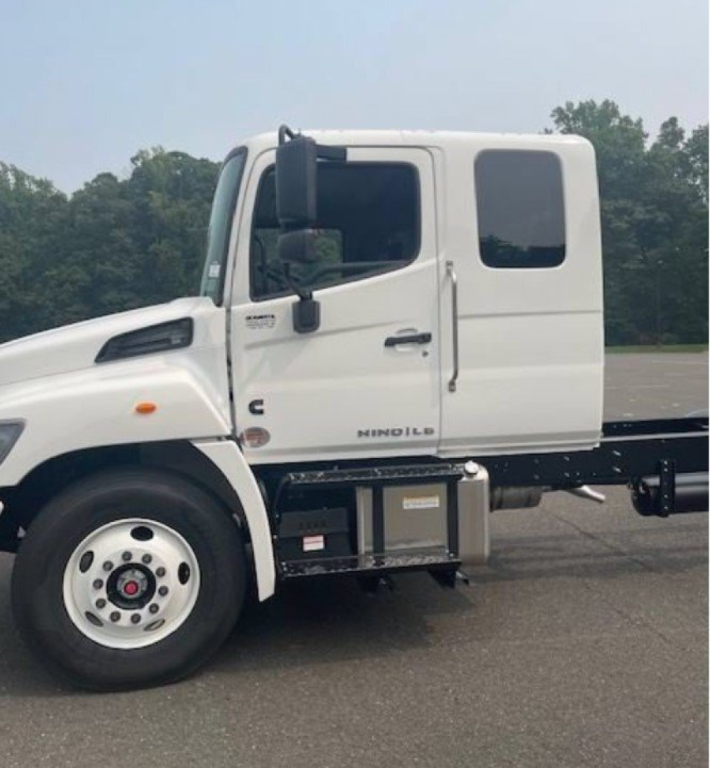
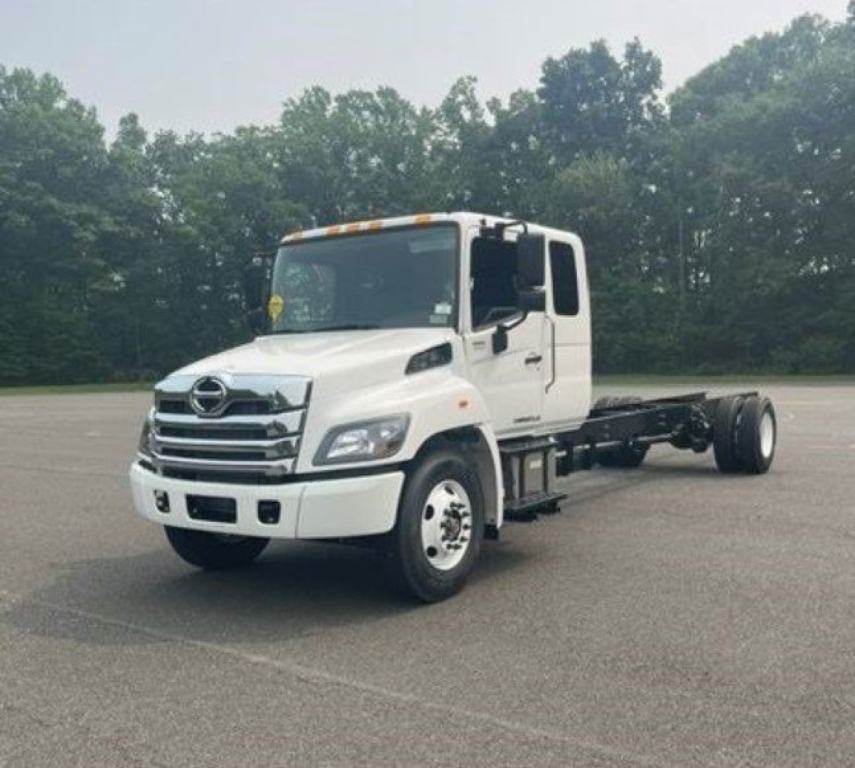
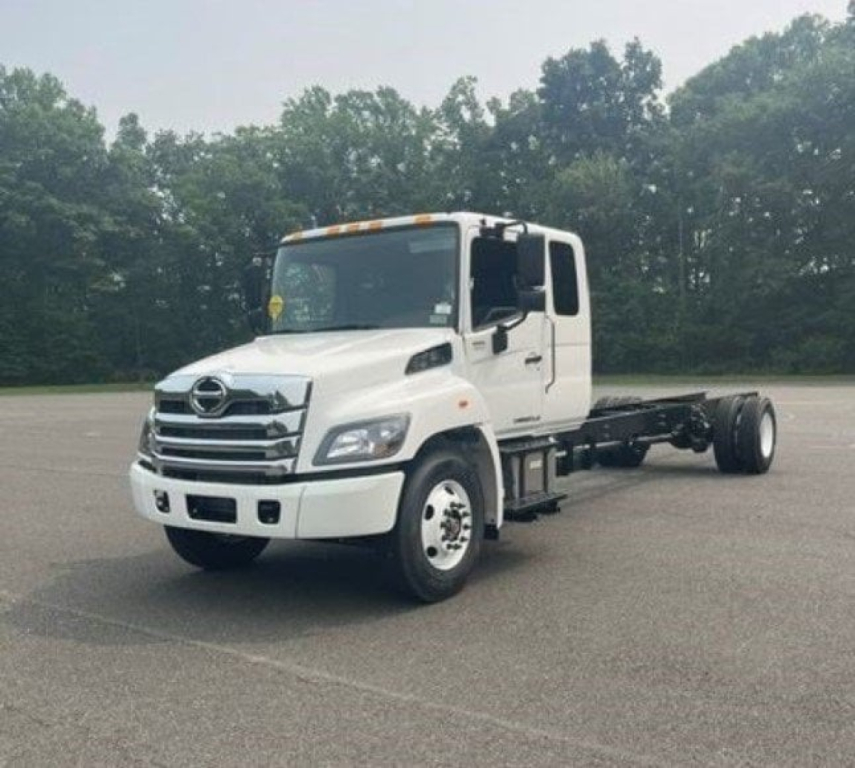
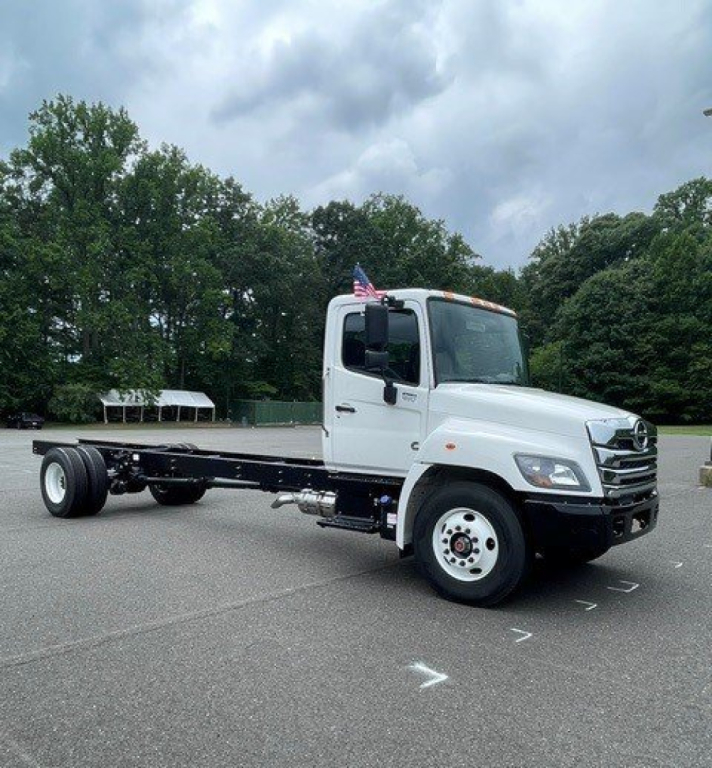
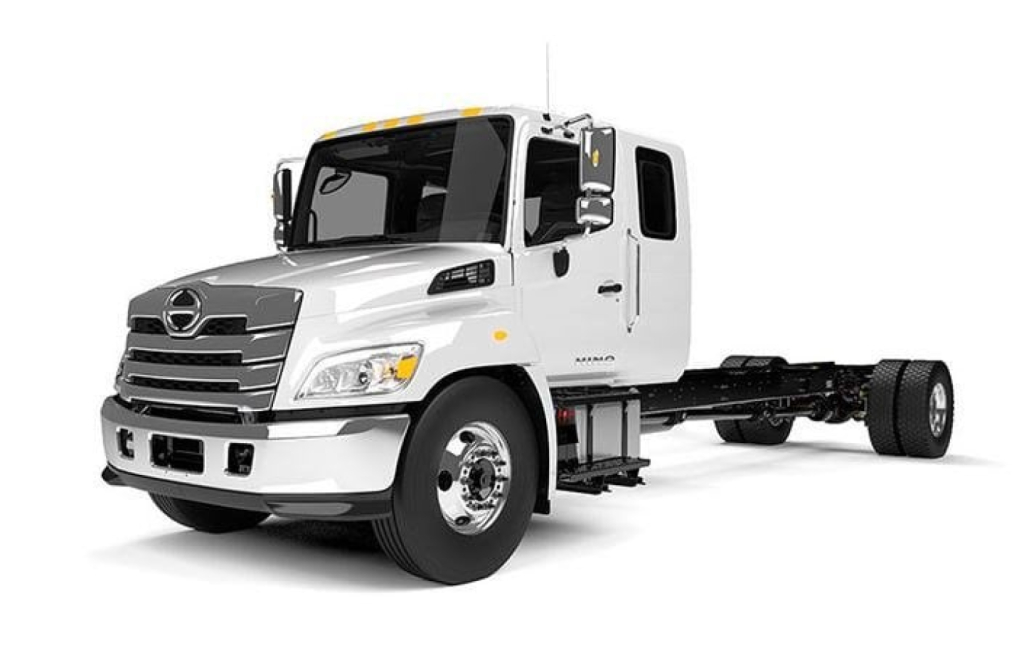
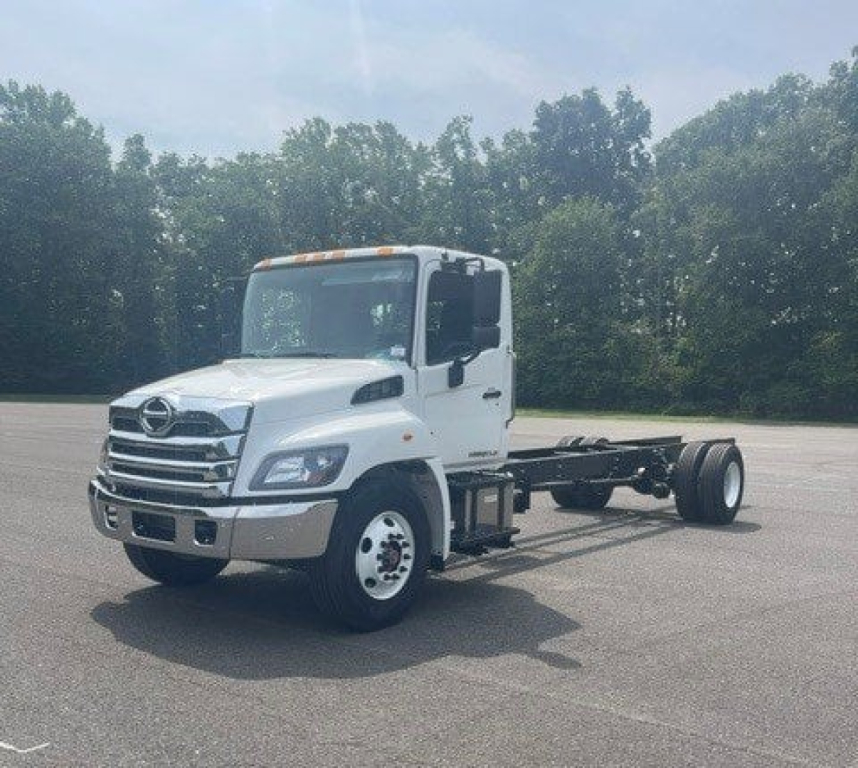
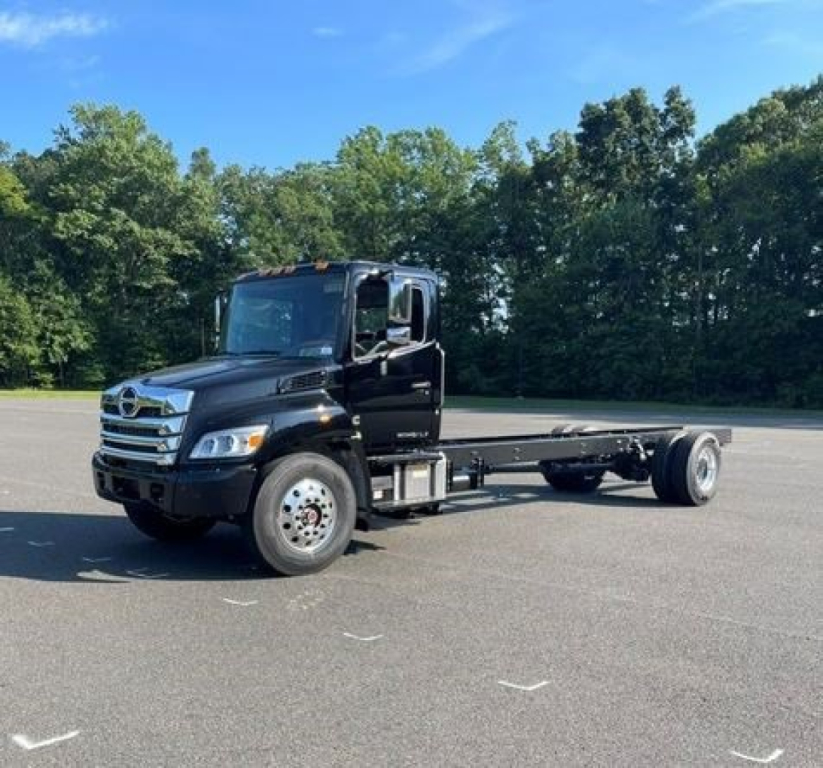
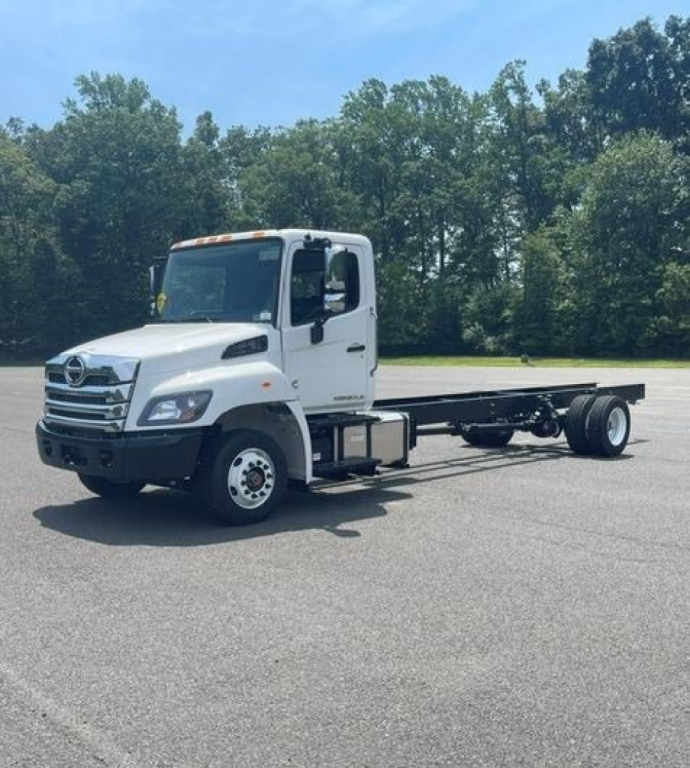
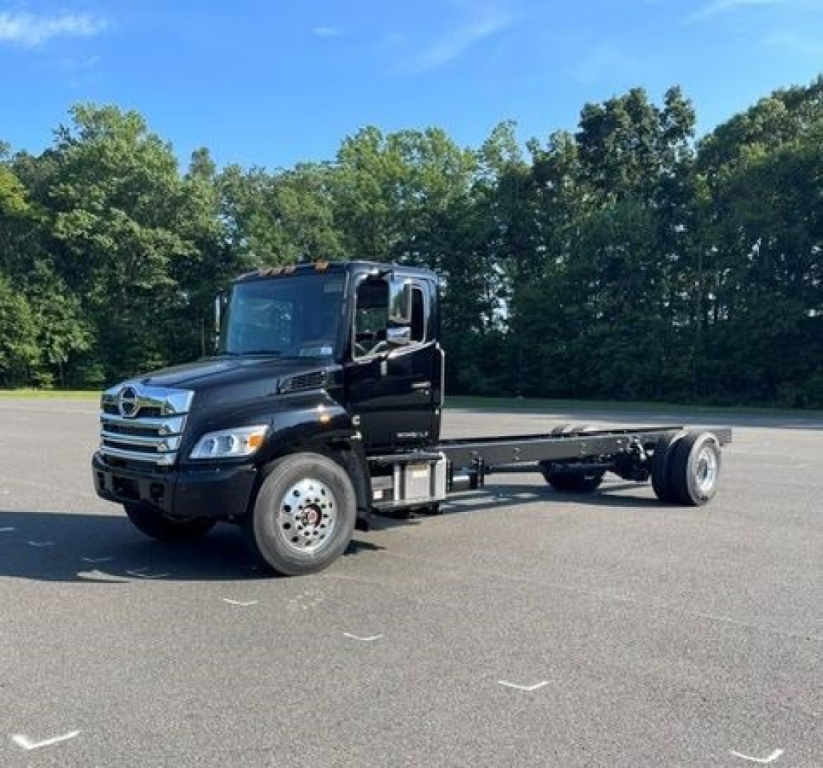
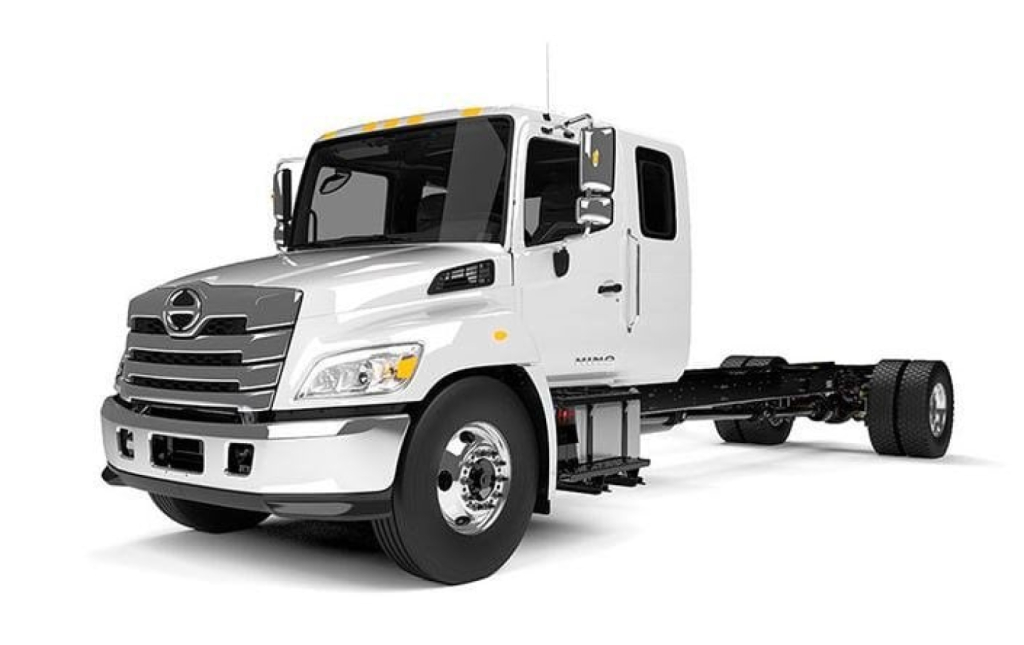
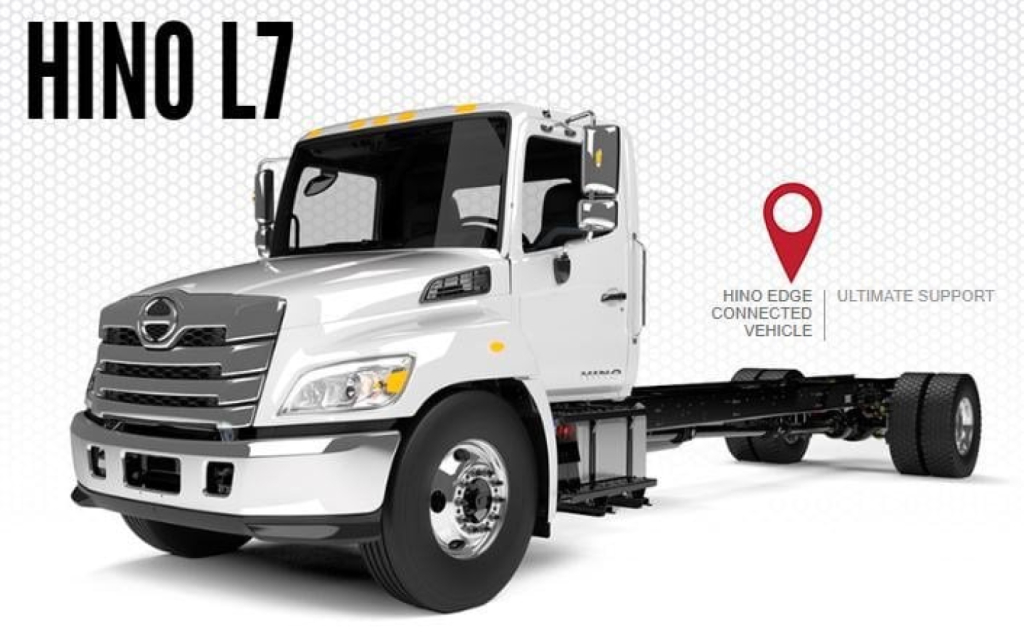
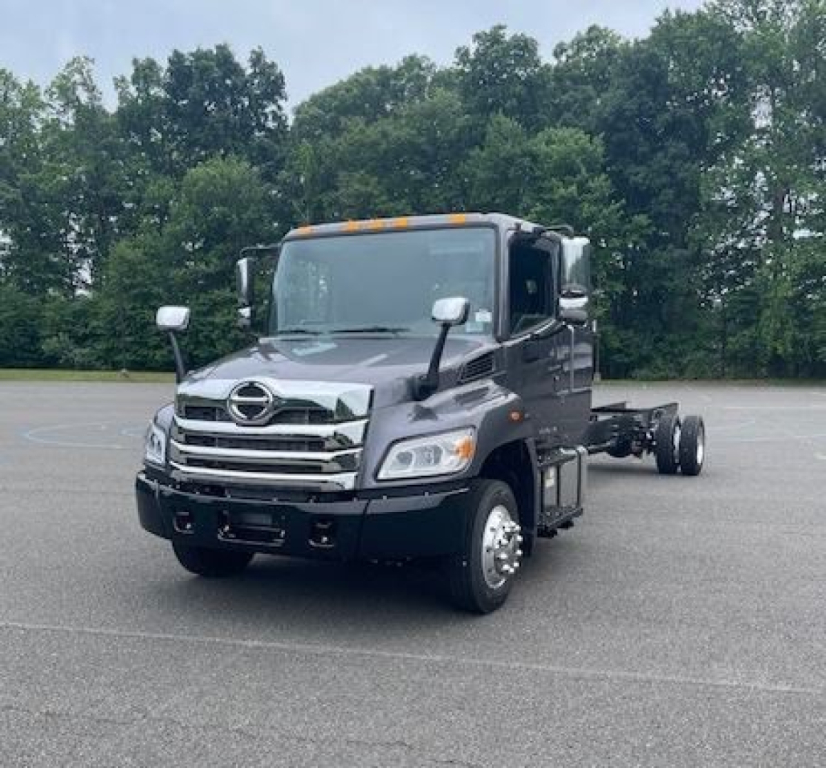
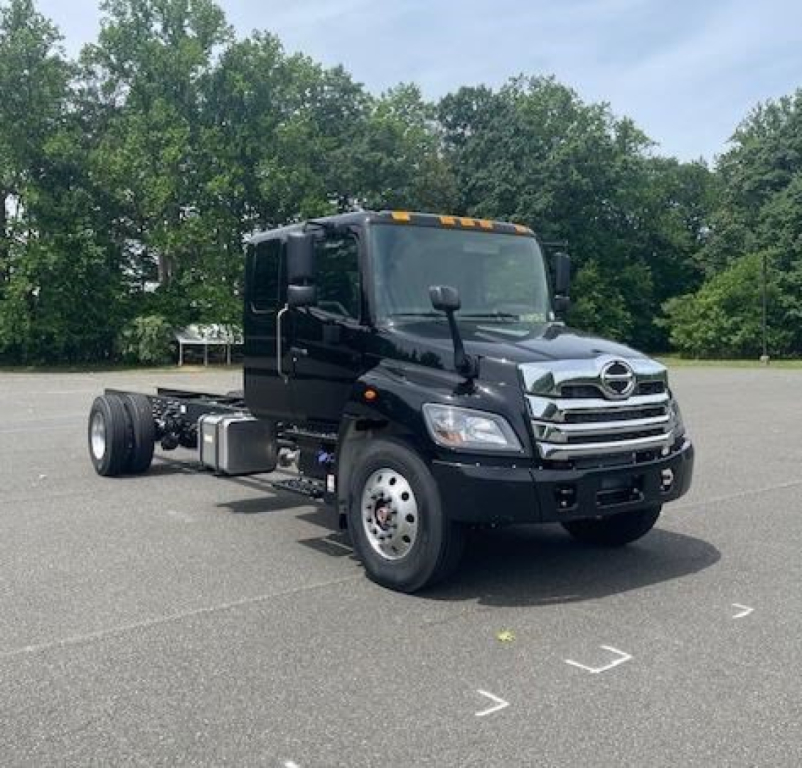
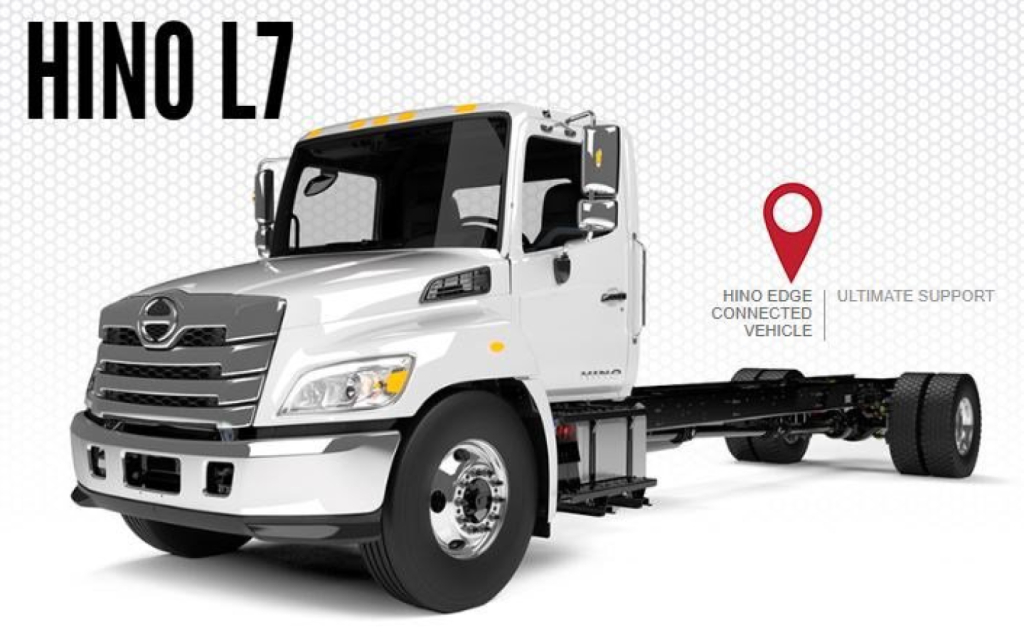
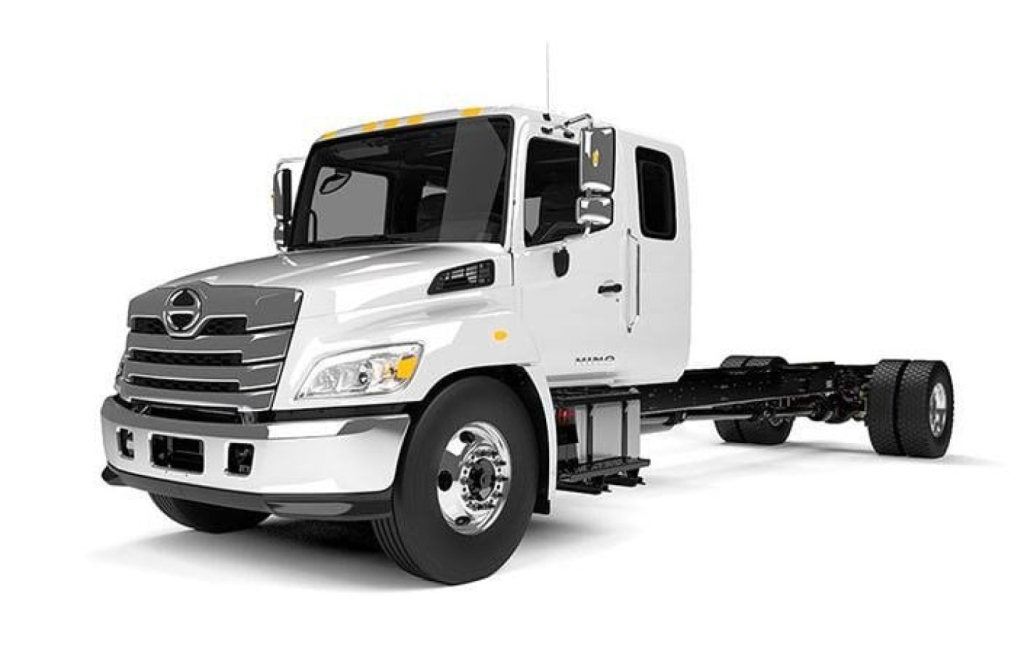
Selling a new 2027 cab and chassis truck? List your new 2027 cab and chassis truck for sale and reach thousands of commercial buyers.
New 2027 Cab and Chassis Trucks in New Jersey
A lot of 2027 medium-duty cab and chassis trucks in this class are built around proven diesel powertrains such as the Cummins B6.7 paired with an Allison automatic, often in 2200 or 2500 RDS trim. Typical ratings in the sample market run around 240 to 260 hp and roughly 660 lb-ft of torque, which is a practical range for local delivery, municipal work, reefer applications, and vocational routes with frequent stops. Air brake configurations are common once you move up in GVWR, and buyers should match brake type, rear axle ratio, and wheelbase to the intended body length and duty cycle. Cab style matters too. A standard cab keeps overall length tighter for urban maneuverability, while an extended cab adds secure interior storage and extra room for crews, tools, and jobsite gear.
The most important buying decision is usually chassis compatibility with the body you plan to install. Wheelbase, cab-to-axle, frame height, and back-of-cab clearance all affect what can be mounted without compromises. If the truck will carry a van body or reefer body, check frame rail spacing, PTO requirements, fuel tank placement, and front axle capacity so the finished truck balances correctly. For rollback, hooklift, and dump applications, pay close attention to frame section modulus, suspension spec, and rear axle capacity. For delivery fleets, visibility, turning radius, step-in height, seat comfort, and easy Allison operation can matter just as much as headline engine numbers because they affect driver productivity every day.
New 2027 cab and chassis trucks also appeal to buyers who want current emissions hardware, warranty coverage, and a chassis that can be ordered around a specific body rather than adapted later. In a state like New Jersey, where routes can shift from tight urban streets to suburban service territory to interstate travel in the same day, maneuverability and body fit are critical. A well-matched cab and chassis should leave enough payload after the upfit, maintain legal axle loading when fully equipped, and provide enough cooling, electrical capacity, and PTO readiness for the equipment mounted behind the cab. Buyers comparing listings should look past make and model alone and focus on how the chassis was spec'd for the job.
Frequently Asked Questions about New 2027 Cab and Chassis Trucks in New Jersey
What is a cab and chassis truck used for?
A cab and chassis truck is an incomplete truck sold with the cab, engine, frame rails, and running gear, but without the rear body installed. It is designed to be upfitted for a specific job such as a box truck, reefer, flatbed, dump, rollback, hooklift, utility body, or service body. The main advantage is that the chassis can be matched to the body length, payload, and equipment requirements of the application instead of forcing a one-size-fits-all truck into the role.
What specs matter most when buying a new 2027 cab and chassis truck?
GVWR, front and rear axle ratings, wheelbase, cab-to-axle, frame dimensions, engine and transmission ratings, and brake type are the key specs. Those numbers determine what body can be mounted, how the completed truck will balance, and whether it stays within legal weight and licensing limits. Buyers should also review fuel tank placement, PTO provisions, suspension type, and electrical capacity because these details directly affect upfit compatibility.
Can a cab and chassis truck be spec'd to stay non-CDL?
Yes, many medium-duty cab and chassis trucks are ordered with a GVWR just under 26,001 lb to stay in non-CDL territory, often around 25,500 to 25,950 lb. That said, the completed vehicle still needs to be evaluated after the body, liftgate, refrigeration unit, tools, or other equipment are added. Staying non-CDL on paper does not guarantee the finished truck will have the payload you need, so body weight and axle loading should be calculated before purchase.
Is an extended cab worth it on a cab and chassis truck?
An extended cab is useful when the truck carries a small crew, valuable tools, PPE, or equipment that should stay dry and secure. It can improve day-to-day practicality for service, municipal, and contractor operations, but it also changes chassis layout and may reduce available body length compared with a standard cab on the same overall wheelbase. The decision should be based on crew needs, storage requirements, and the body length needed for the application.
Why do buyers often choose diesel and Allison automatic combinations in this class?
Diesel engines such as the Cummins B6.7 and Allison automatic transmissions are common in medium-duty cab and chassis trucks because they offer predictable low-end torque, simple operation, and broad service support. This combination works well in stop-and-go delivery, vocational use, and urban routes where drivability and uptime matter more than maximum speed. It is also familiar to many fleets and body installers, which can simplify maintenance planning and upfit integration.