
New 2027 Cab and Chassis Trucks For Sale
Shop new 2027 cab and chassis trucks built for upfitting with service bodies, dumps, box bodies, flatbeds, utility equipment, and more.
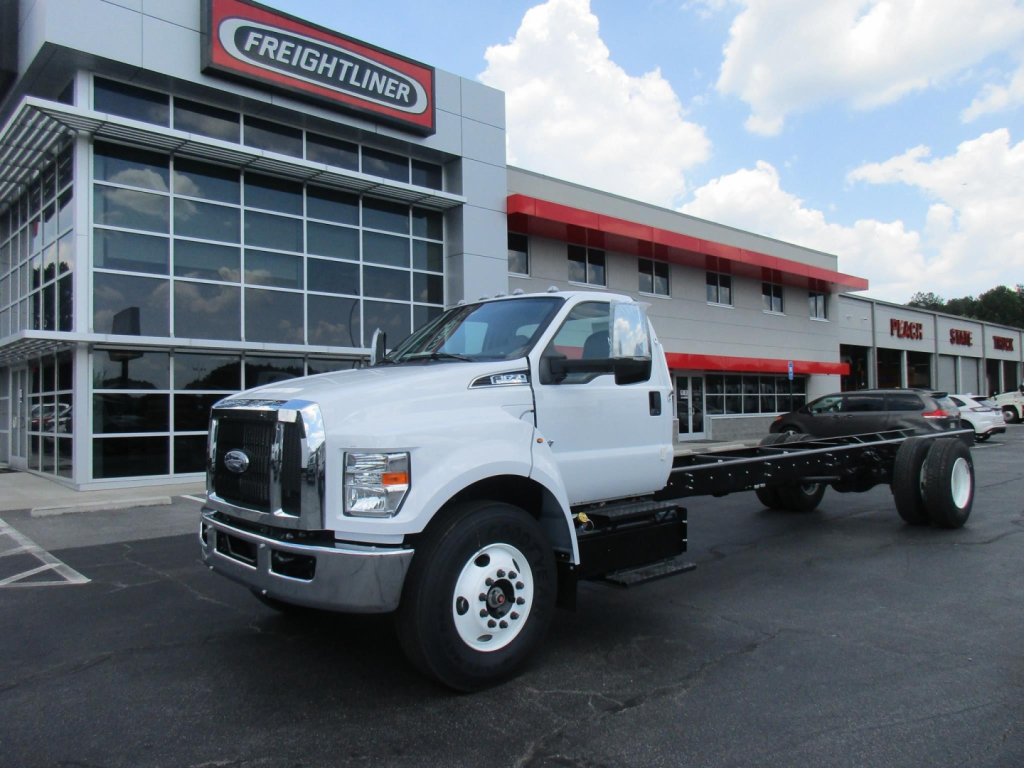
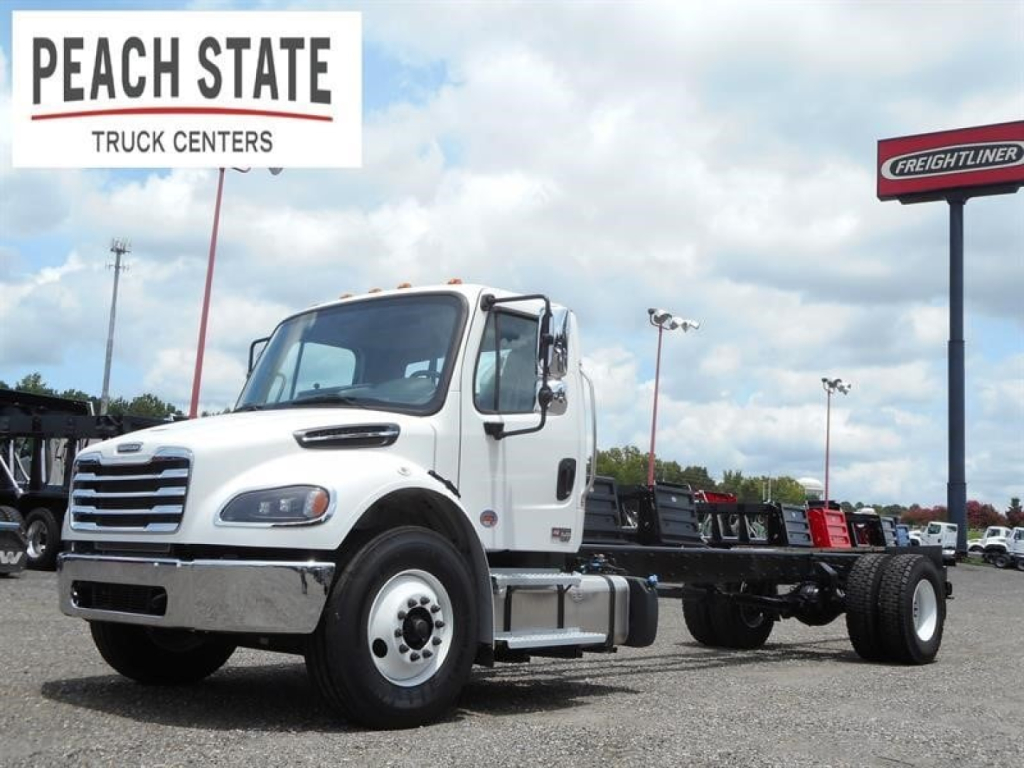
2027 Freightliner M2 106
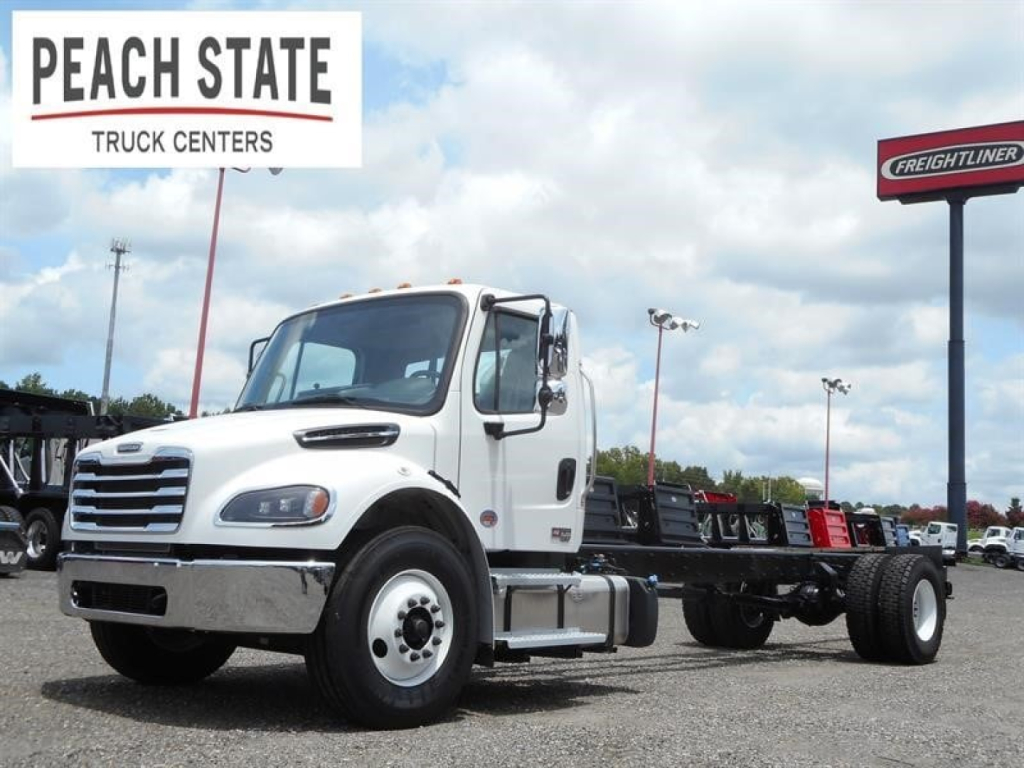
2027 Freightliner M2 106
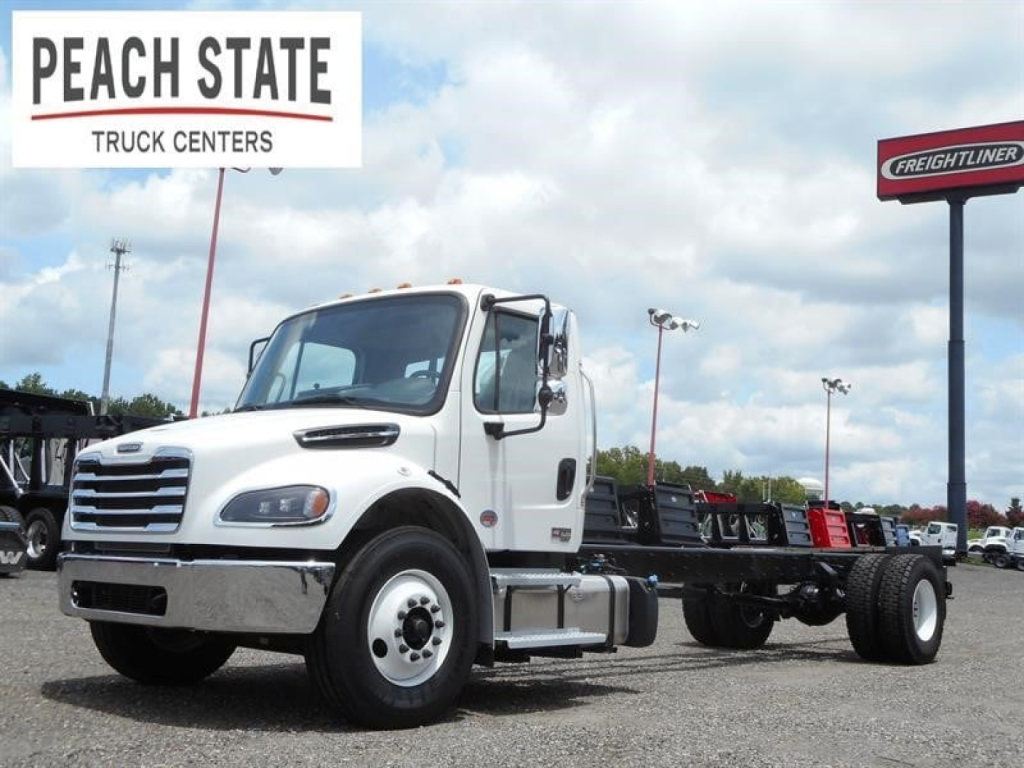
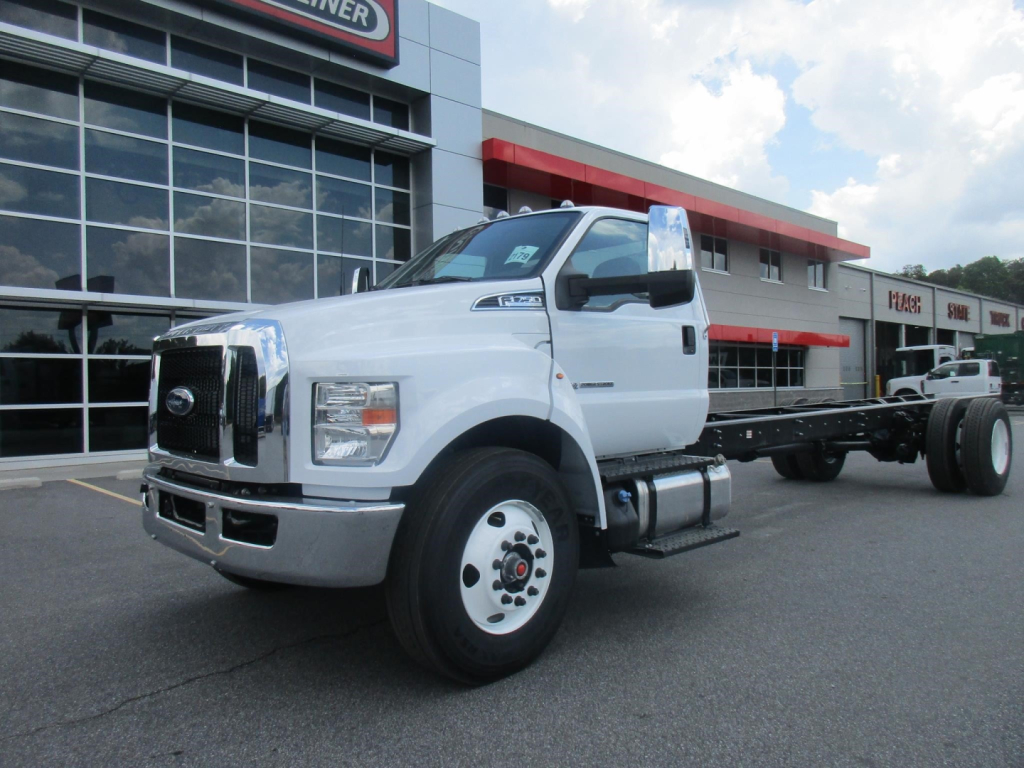
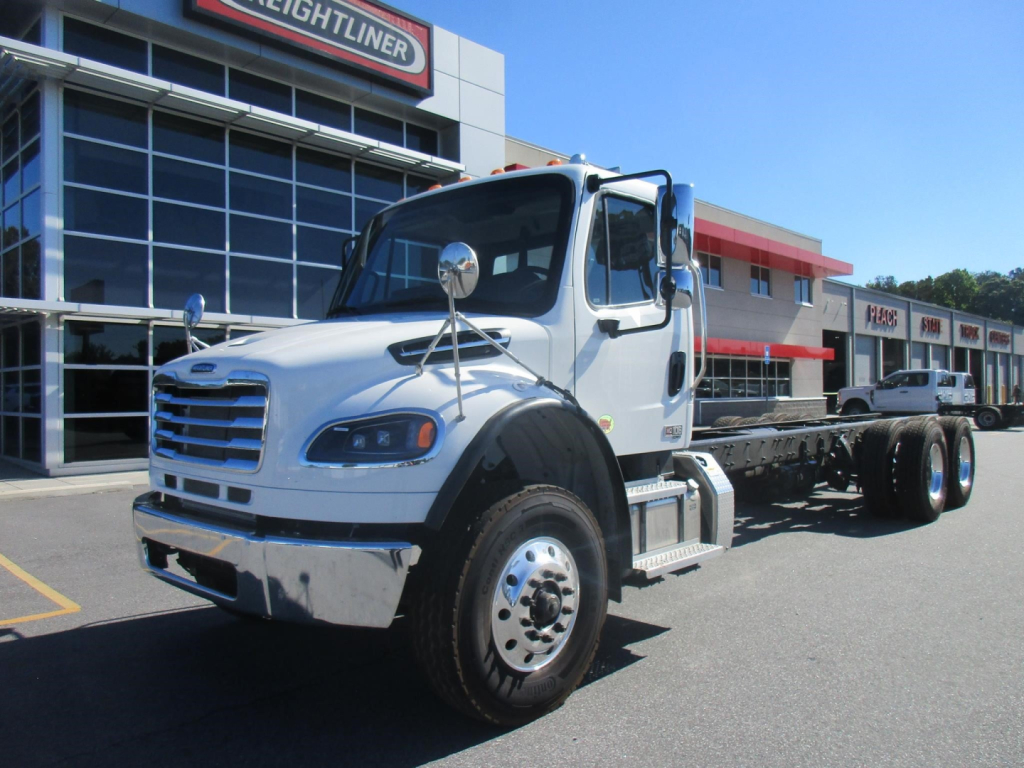
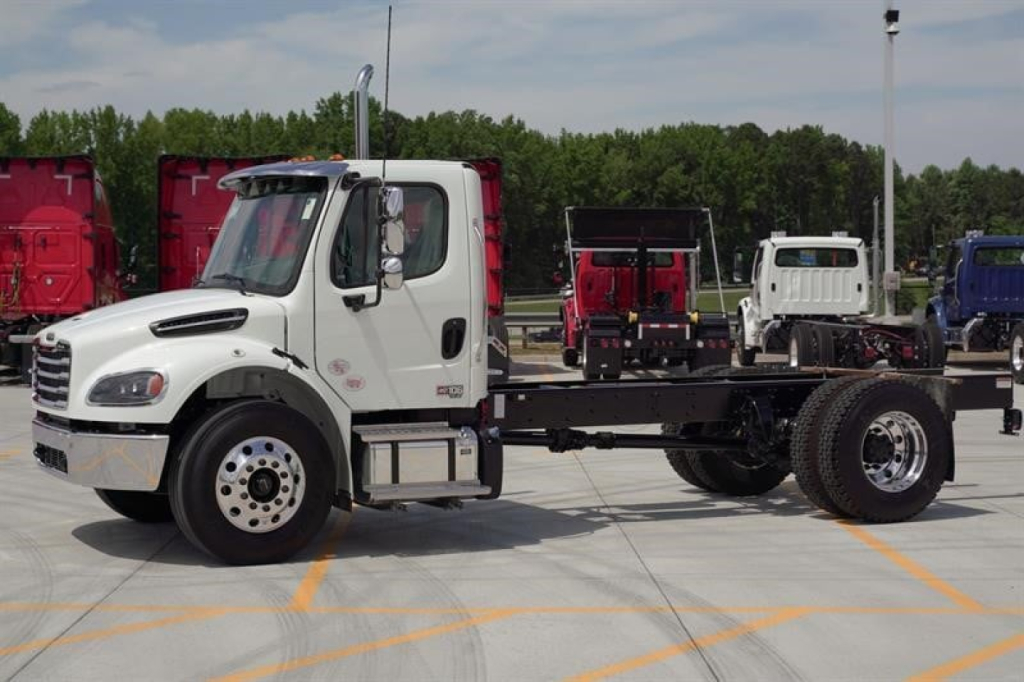
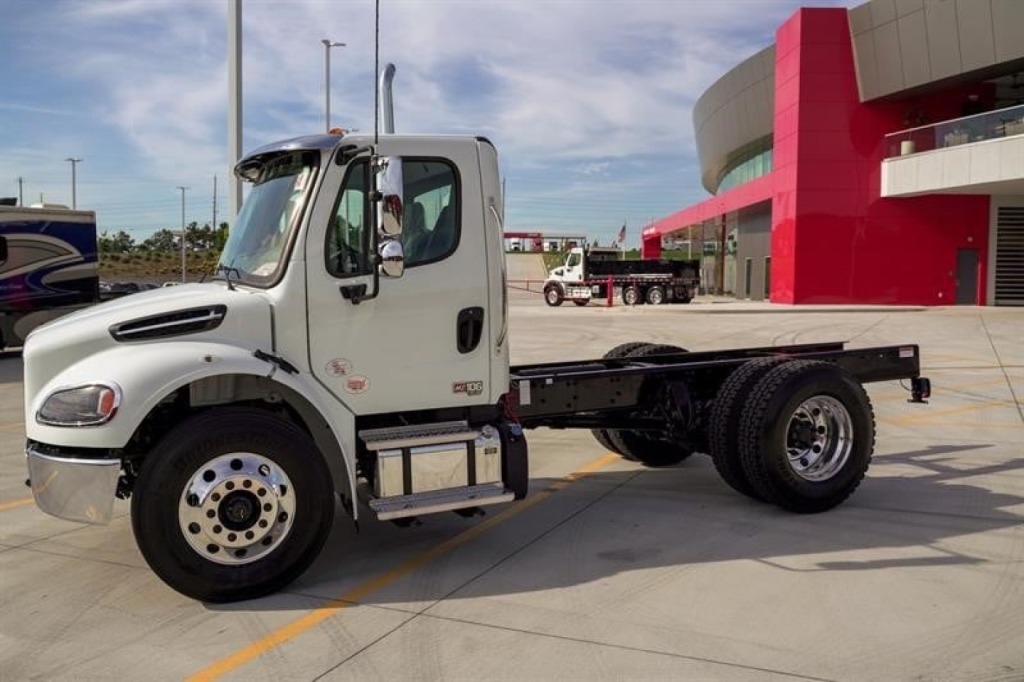
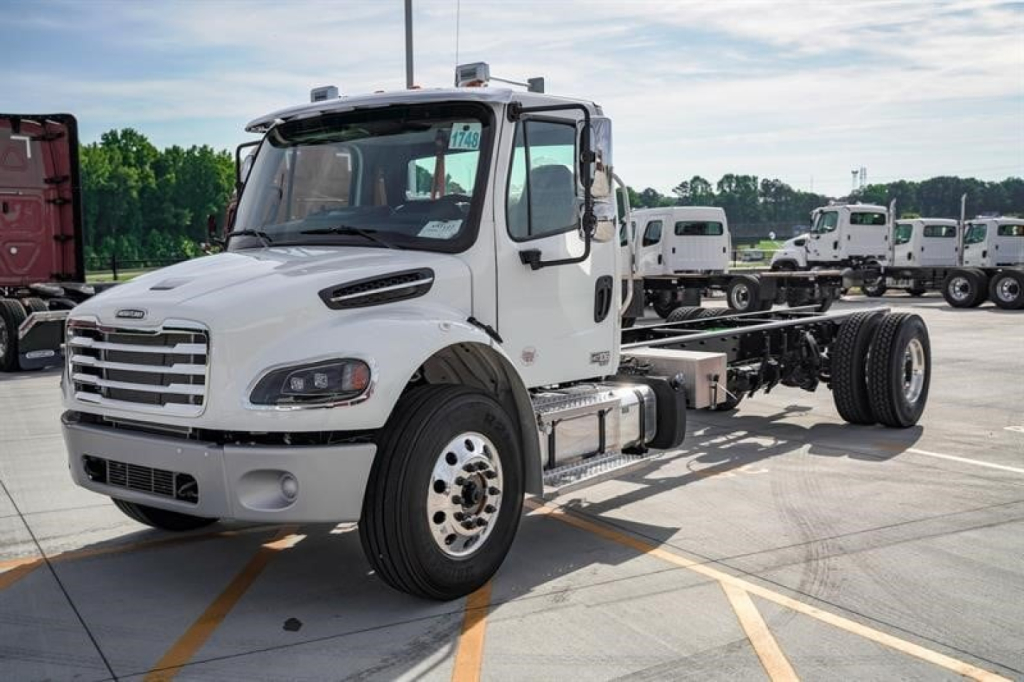
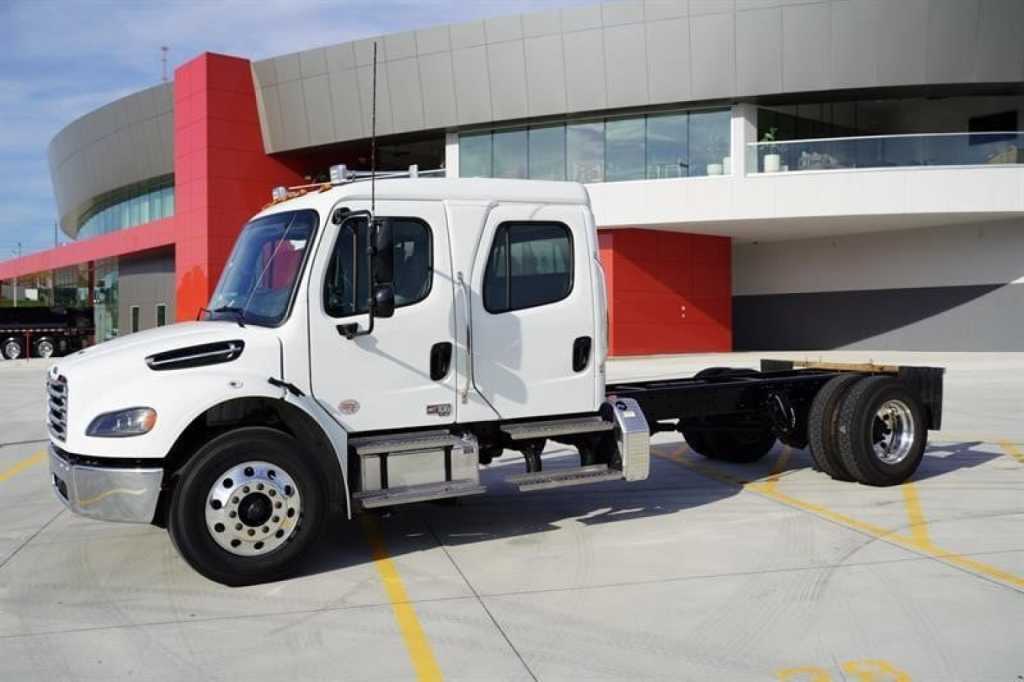
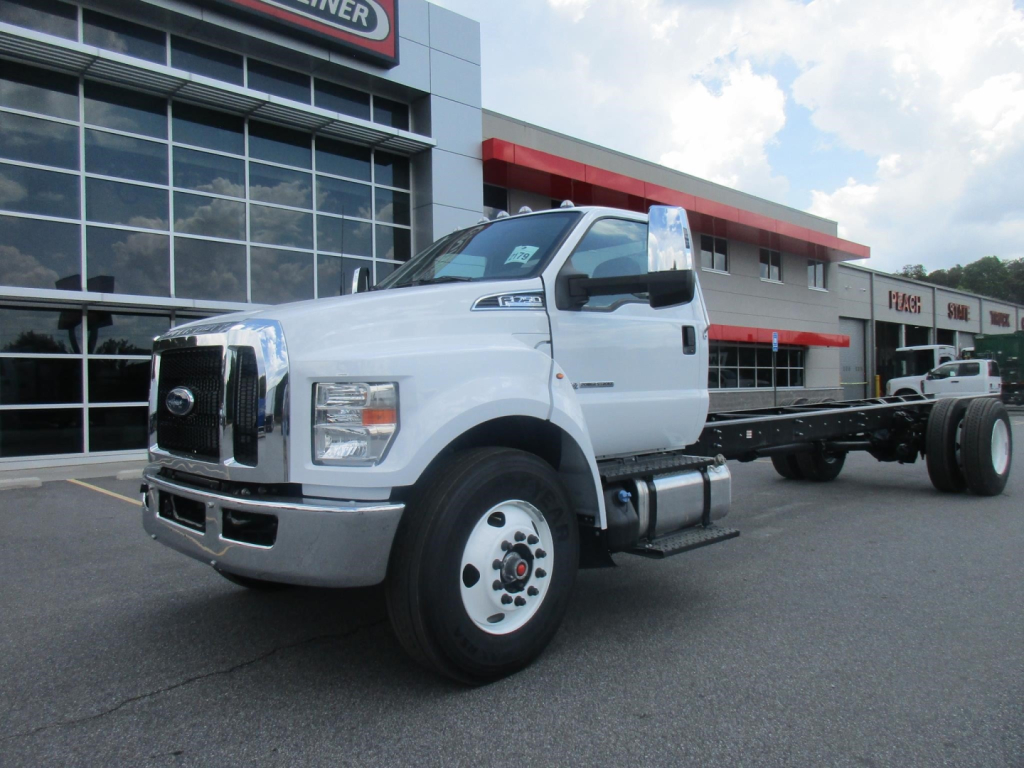
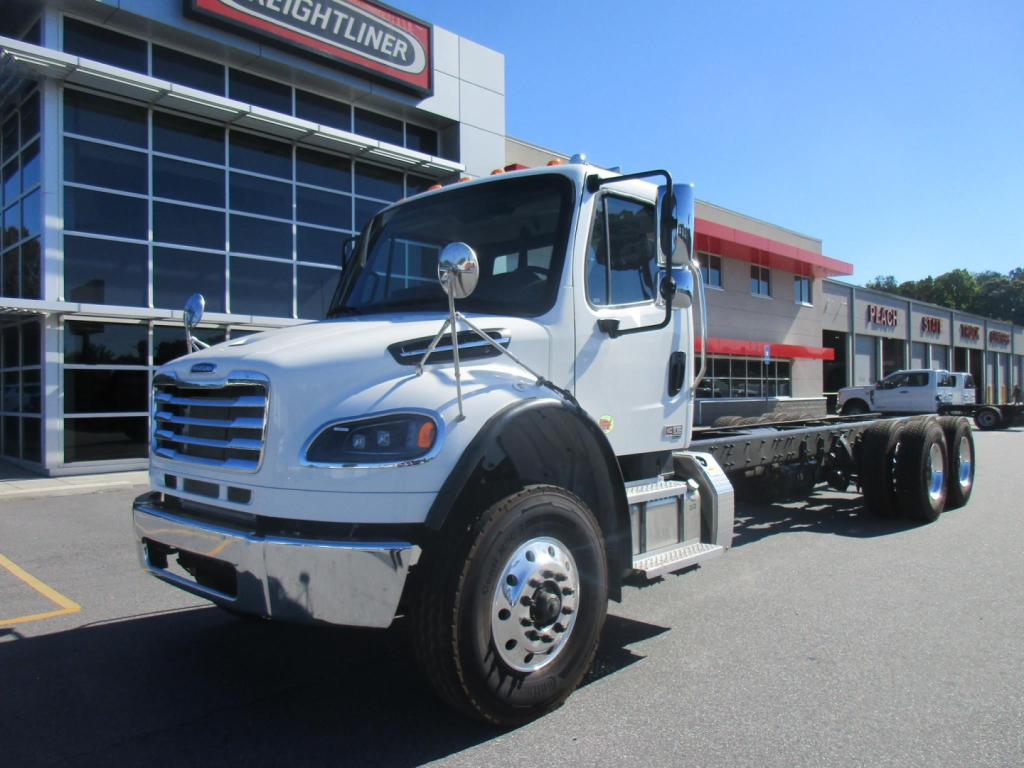
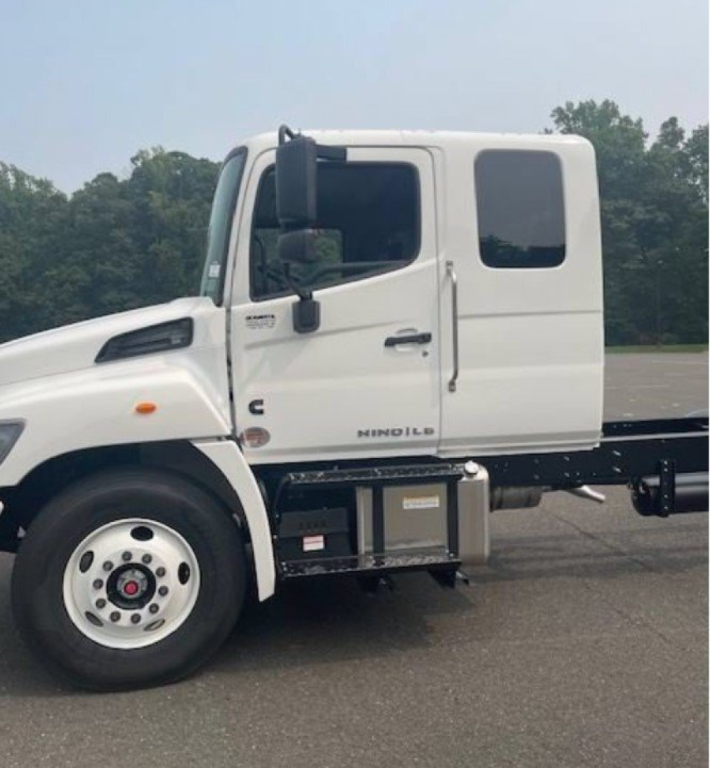
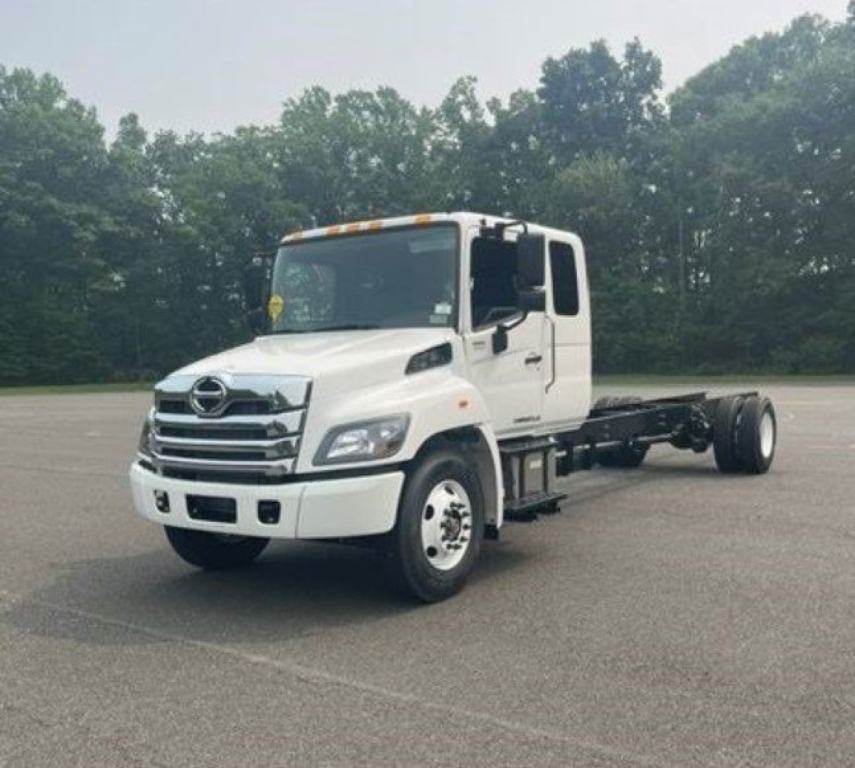
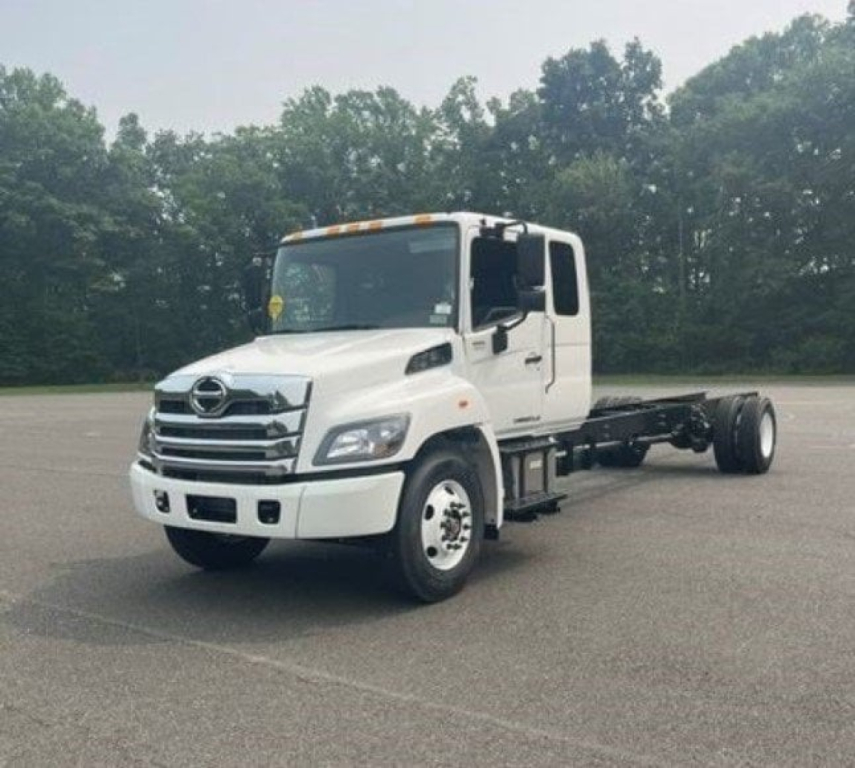
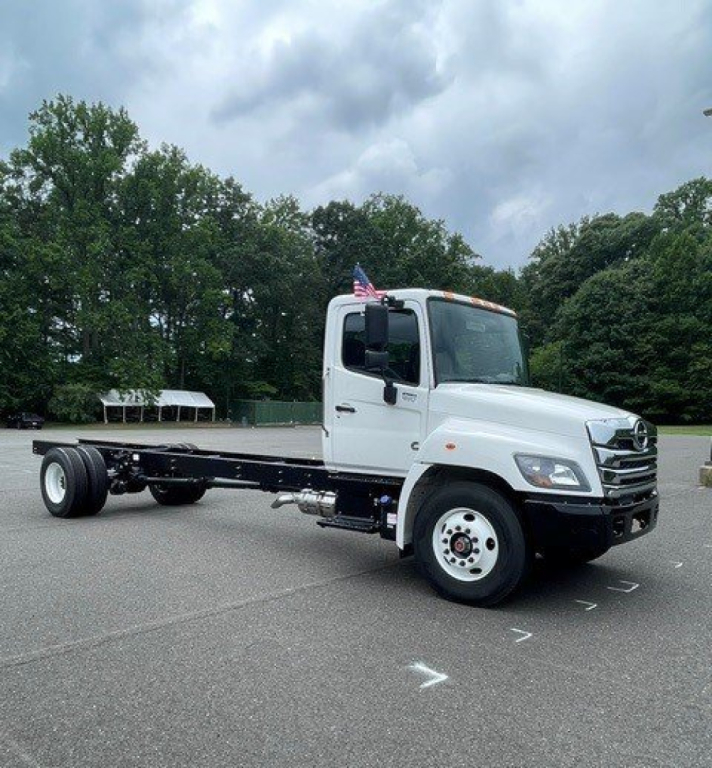
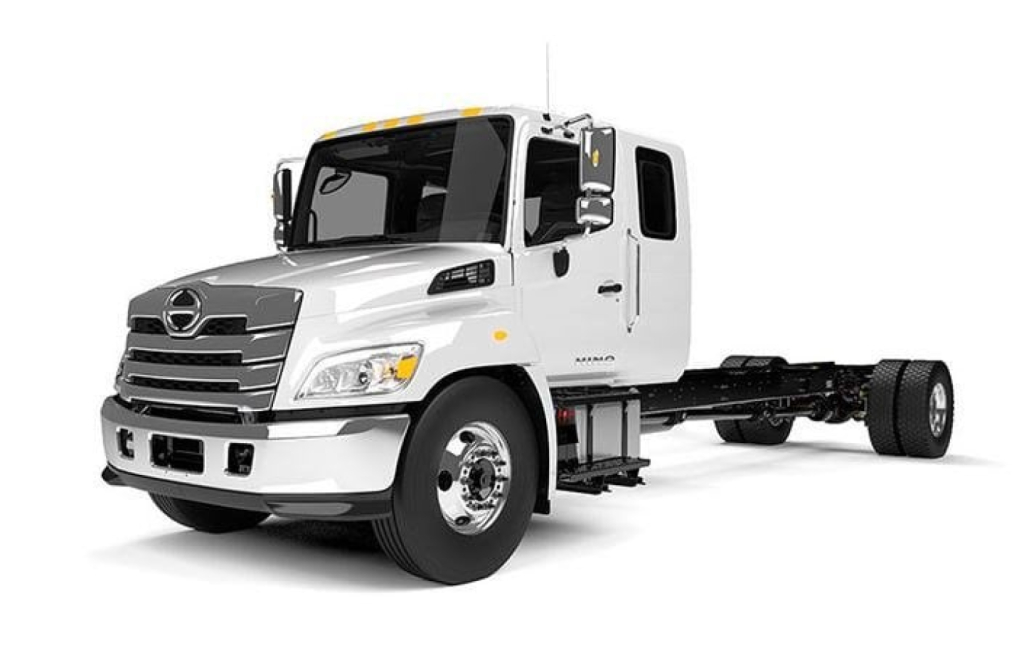
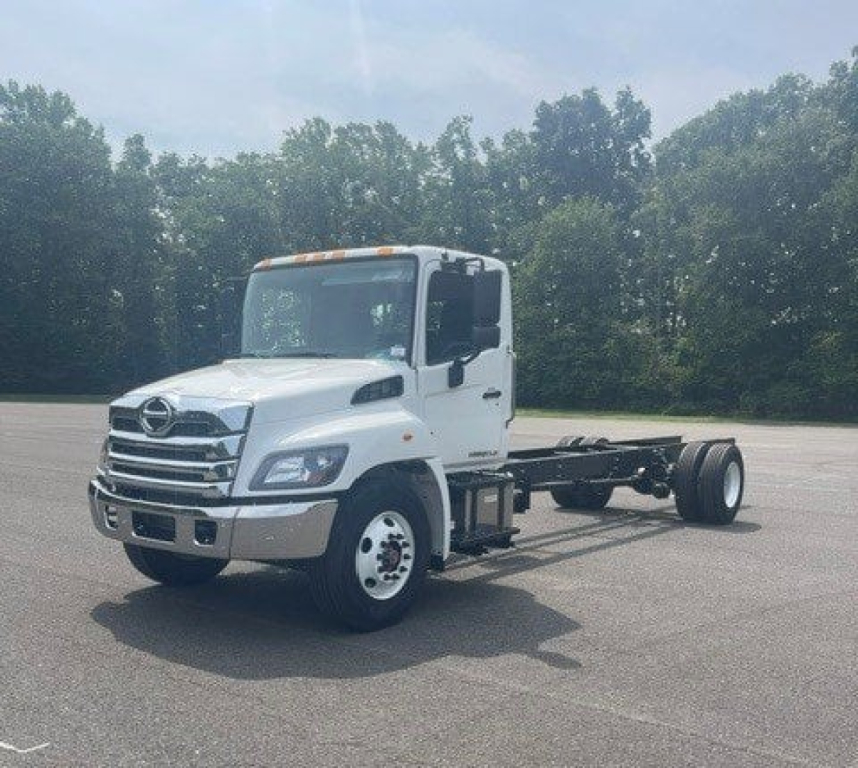
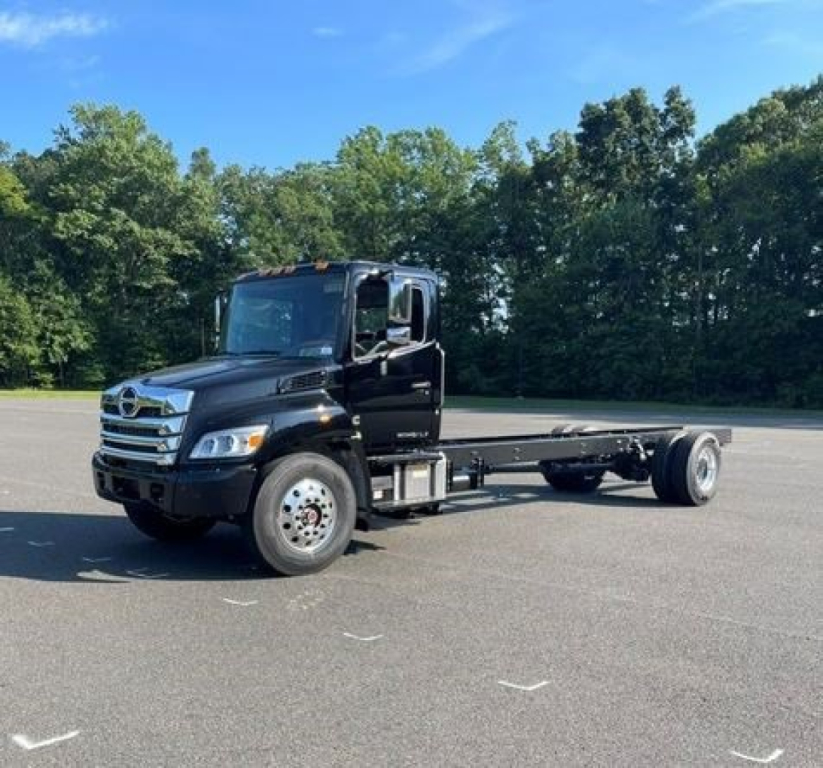
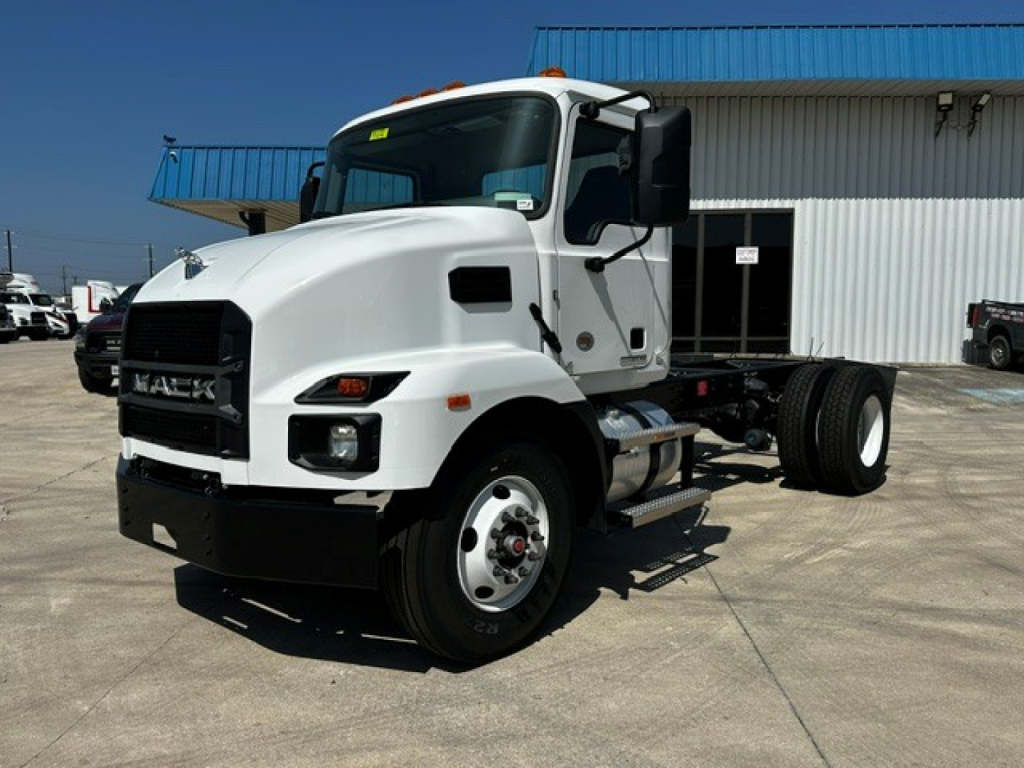
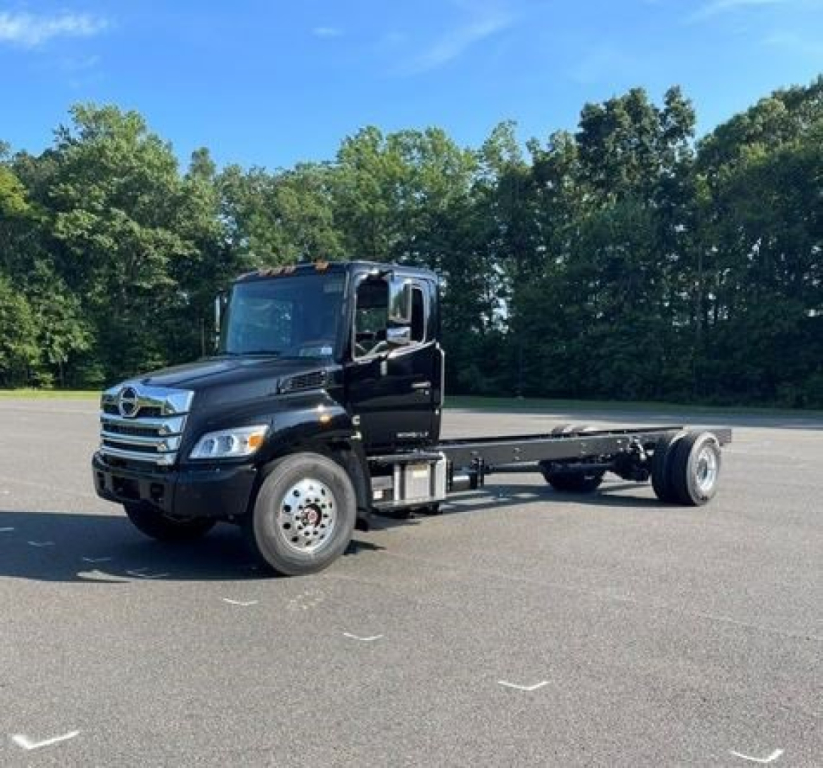
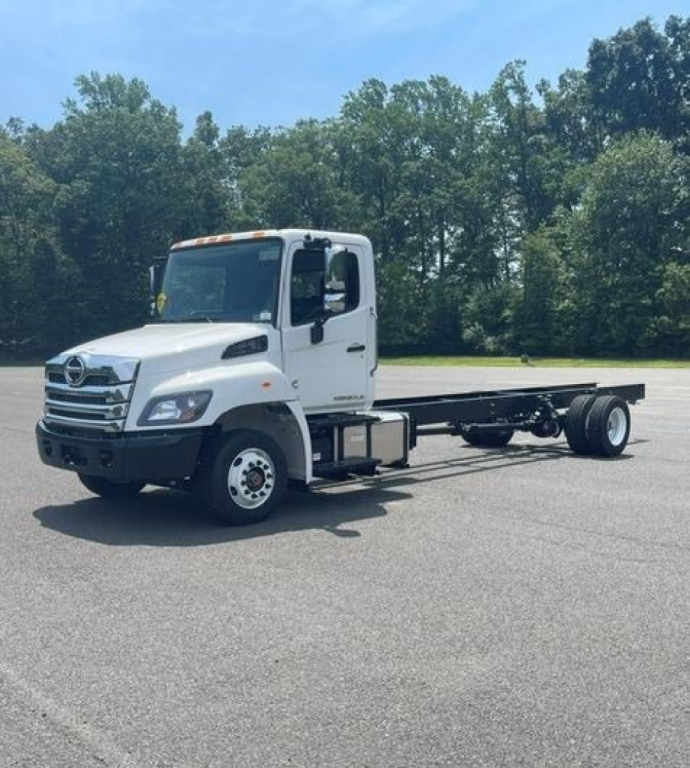
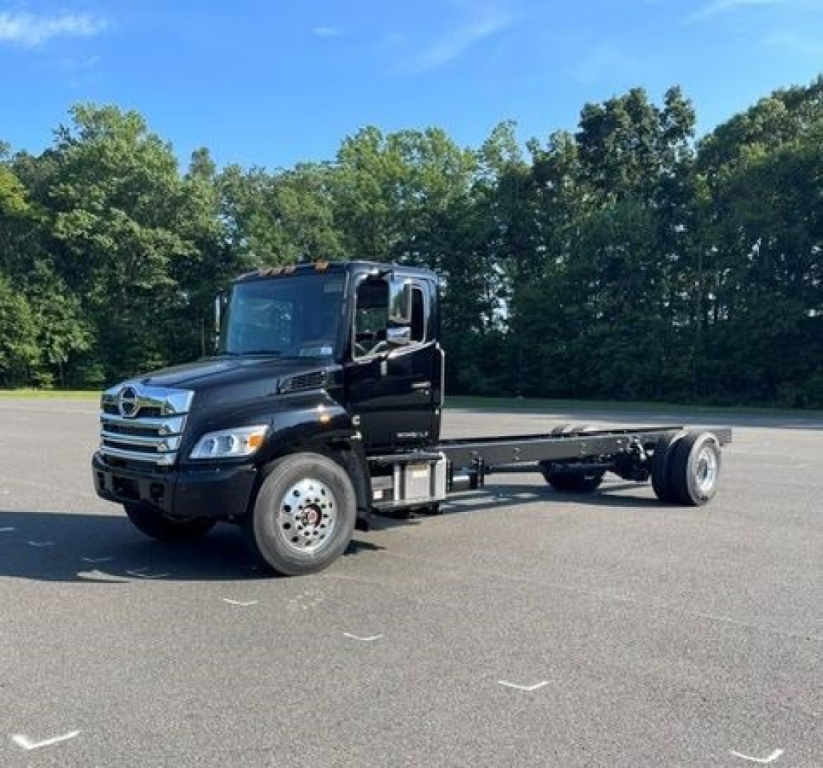
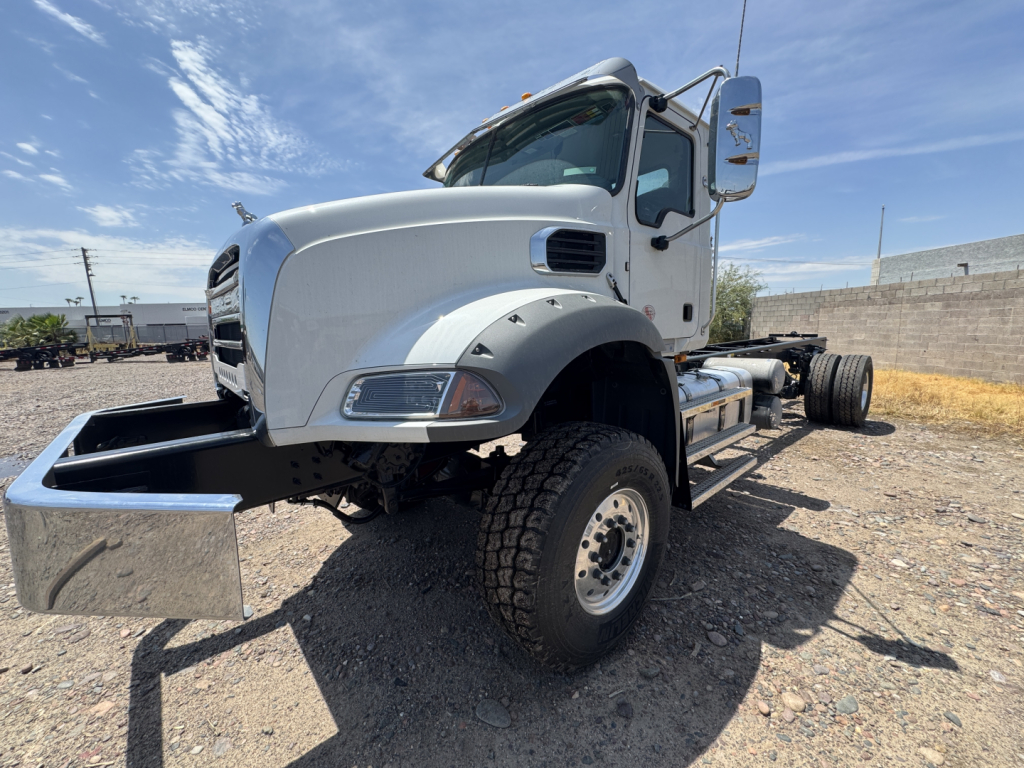
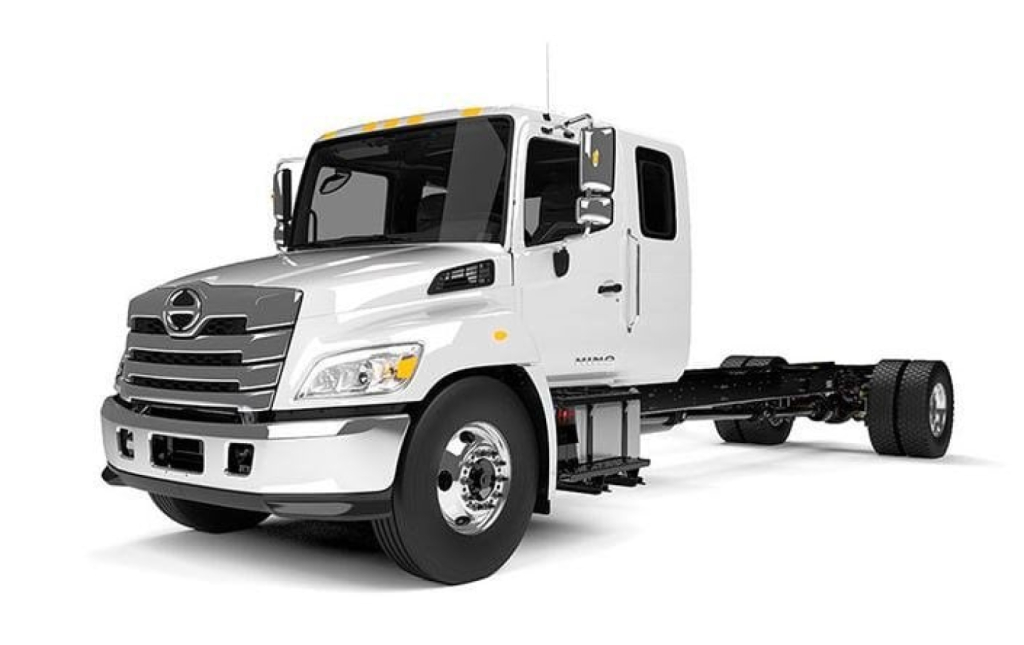
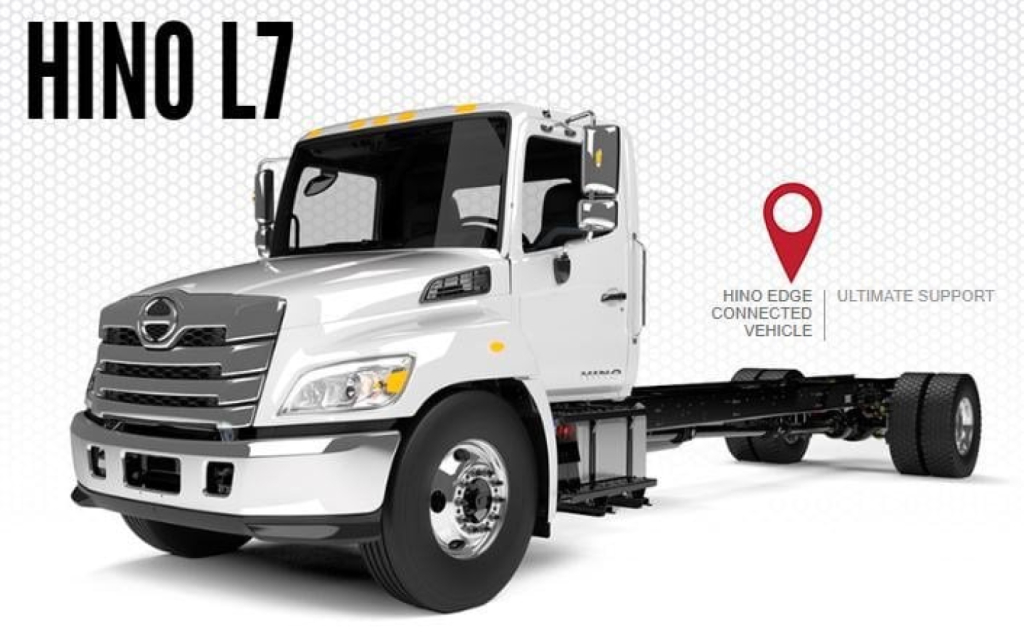
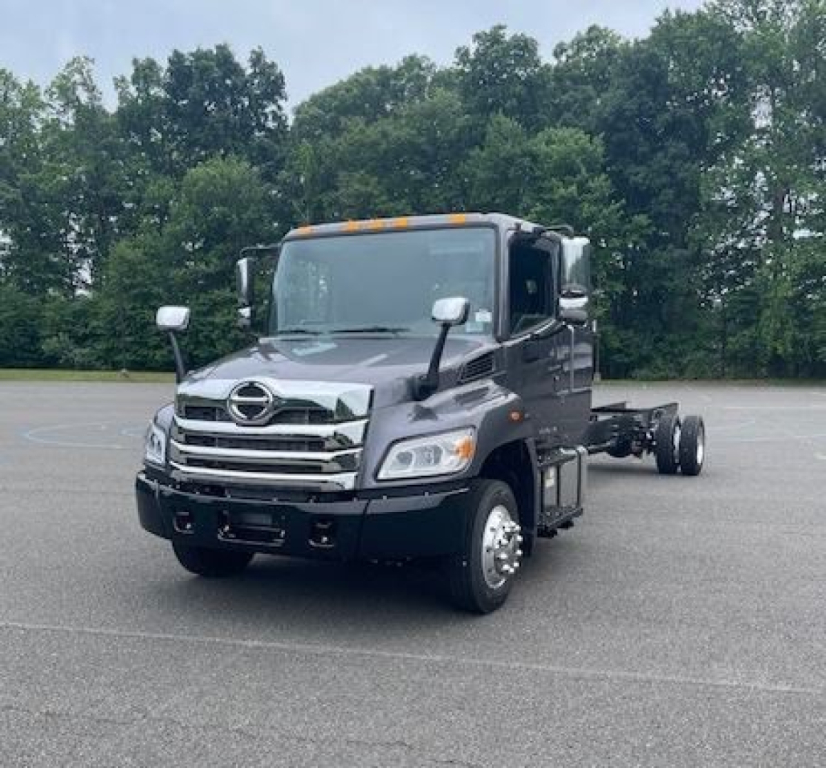
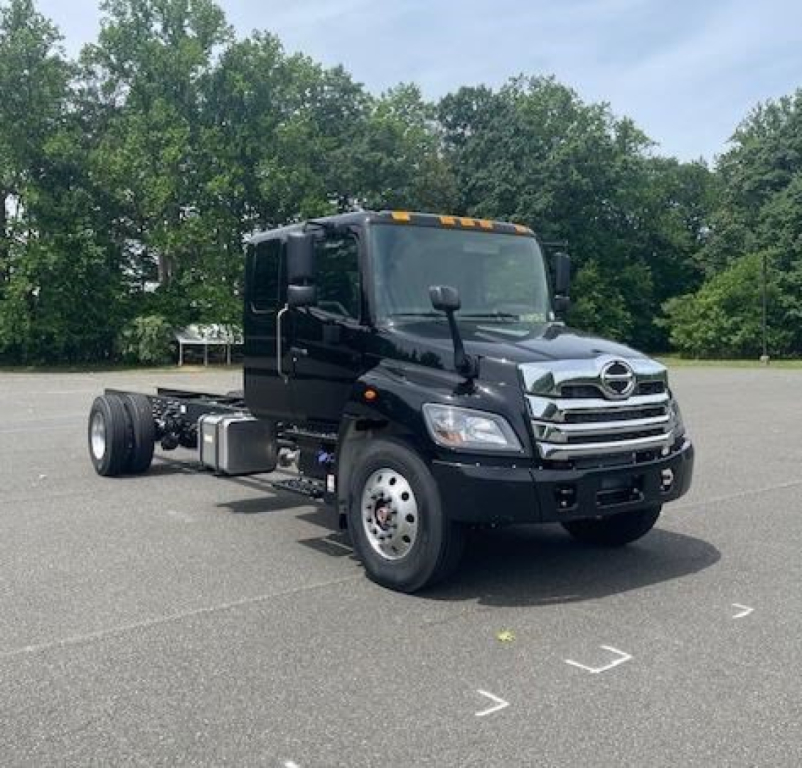
Showing 1 to 28 of 38 results
Selling a new 2027 cab and chassis truck? List your new 2027 cab and chassis truck for sale and reach thousands of commercial buyers.
New 2027 Cab and Chassis Trucks
Most buyers start with GVWR and body length. Medium-duty cab and chassis trucks often fall in Class 4 through Class 7, while heavier vocational chassis move into severe-duty Class 8 territory for crane, mixer, vacuum, and heavy construction applications. Engine choices commonly center on diesel platforms in the 6.7-liter to 13-liter range, paired with Allison automatic or vocational manual and automated manual transmissions depending on duty cycle. Front axle capacity, rear axle ratio, suspension type, and brake spec matter just as much as engine output because they determine payload, gradeability, ride quality, and how well the truck handles mounted equipment. If the truck will power hydraulics, pumps, compressors, or recovery gear, confirm PTO openings, engine speed control features, and electrical integration early in the spec process.
Frame and packaging details are where a cab and chassis either fits the upfit cleanly or turns into a compromise. Buyers should pay close attention to single-frame versus double-frame construction, clear back-of-cab space, exhaust routing, fuel tank placement, DEF tank location, and any factory body builder provisions. Wheelbase and cab-to-axle dimensions must line up with the intended body, hoist, outriggers, liftgate, or auxiliary equipment. For urban delivery or municipal work, tighter wheelbases and better wheel cut can be more valuable than maximum body length. For utility, oilfield, pipeline, or construction work, heavier suspensions, locking differentials, high-capacity cooling, and vocational electrical architecture are often worth the extra upfront cost because they improve durability and uptime once the truck is in service.
New 2027 models appeal to fleets and owner-operators that want current emissions systems, warranty coverage, and cleaner integration with modern body controls and telematics. Factory-order chassis can usually be tailored around crew cab or regular cab layouts, 4x2, 4x4, tandem, or tridem driveline configurations, and the exact frame dimensions needed for the body builder. The best cab and chassis truck is the one that is correctly spec'd for the finished truck's real operating weight, PTO demand, and road environment. A lightly loaded city service body has very different needs than a severe-duty chassis carrying a crane or working off-road every day.
Frequently Asked Questions about New 2027 Cab and Chassis Trucks
What is a cab and chassis truck used for?
A cab and chassis truck is built to accept a vocational or commercial body after the chassis leaves the factory. Common upfits include service bodies, flatbeds, box bodies, dump bodies, utility bodies, tow equipment, tanks, cranes, and municipal attachments. Buyers choose this platform when they need the truck configured around a specific payload, tool package, or hydraulic application rather than buying a completed truck body off the lot.
How do I choose the right wheelbase and cab-to-axle length?
Wheelbase and cab-to-axle length need to match the body manufacturer's requirements and the truck's turning needs. Cab-to-axle is especially important because it determines how the body sits on the frame and where components like hoists, liftgates, and outriggers can be mounted. A mismatch can create clearance problems, poor weight distribution, or expensive modifications during upfit. It is best to confirm body length, intended payload, and any rear equipment before finalizing the chassis.
What specs matter most on a new cab and chassis truck?
The most important specs are GVWR, axle ratings, frame section, wheelbase, engine torque, transmission type, rear axle ratio, suspension, and PTO capability. Buyers should also check body builder wiring provisions, fuel and DEF tank placement, brake type, and available clear frame space. These details affect how easily the truck can be upfitted and how well it will handle the finished body's weight and operating demands.
Are cab and chassis trucks available for severe-duty applications?
Yes. Cab and chassis trucks are available in medium-duty and severe-duty configurations, including heavier front axles, tandem or tridem rears, double-frame construction, locking differentials, and high-capacity cooling packages. These specs are common in construction, utility, oilfield, municipal, and crane applications where the truck operates off-road, carries mounted equipment, or works at low speed under high load. A severe-duty chassis costs more upfront but is usually the right choice when uptime and durability matter more than a lighter curb weight.
Why buy a new 2027 cab and chassis instead of an older chassis?
A new 2027 cab and chassis gives the buyer a clean starting point for a long-service upfit with current warranty support, modern safety systems, and factory-ready integration for body controls and telematics. New chassis also let fleets spec the exact axle, frame, cab, and drivetrain combination required for the job instead of adapting an older truck. That can reduce upfit delays, improve payload distribution, and help avoid compatibility issues with newer hydraulic, electrical, or electronic body systems.