
New 2027 Cab and Chassis Trucks For Sale in Georgia
Shop new 2027 cab and chassis trucks in Georgia. Compare GVWR, wheelbase, engine options, and body-ready specs for work truck builds.
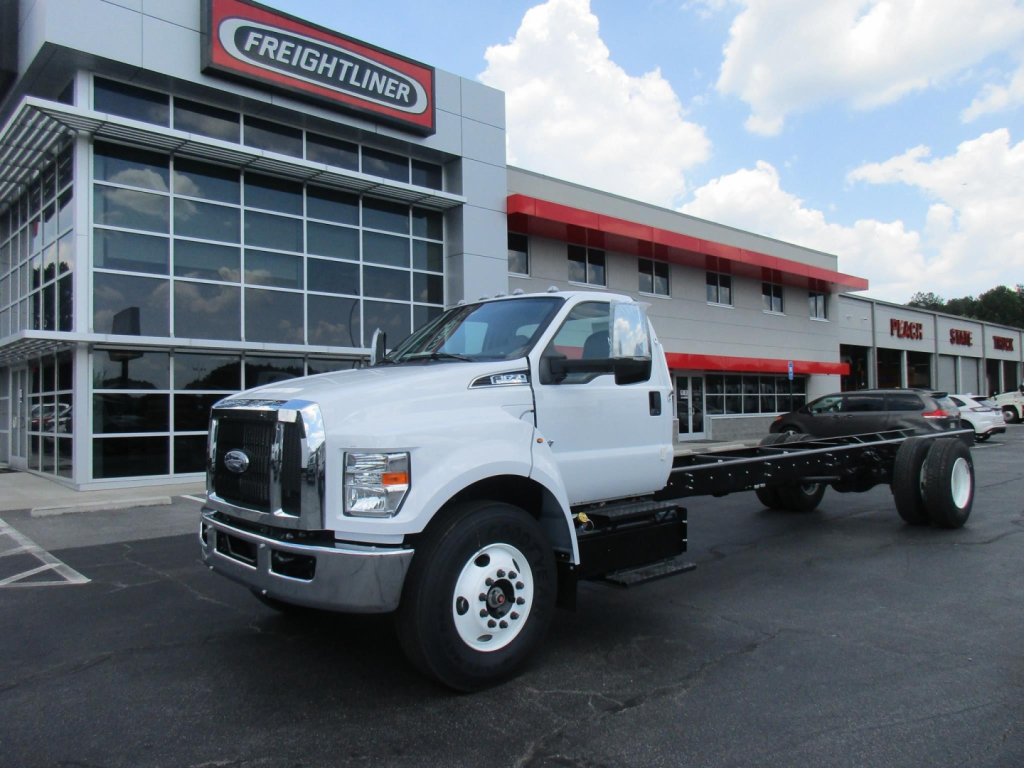
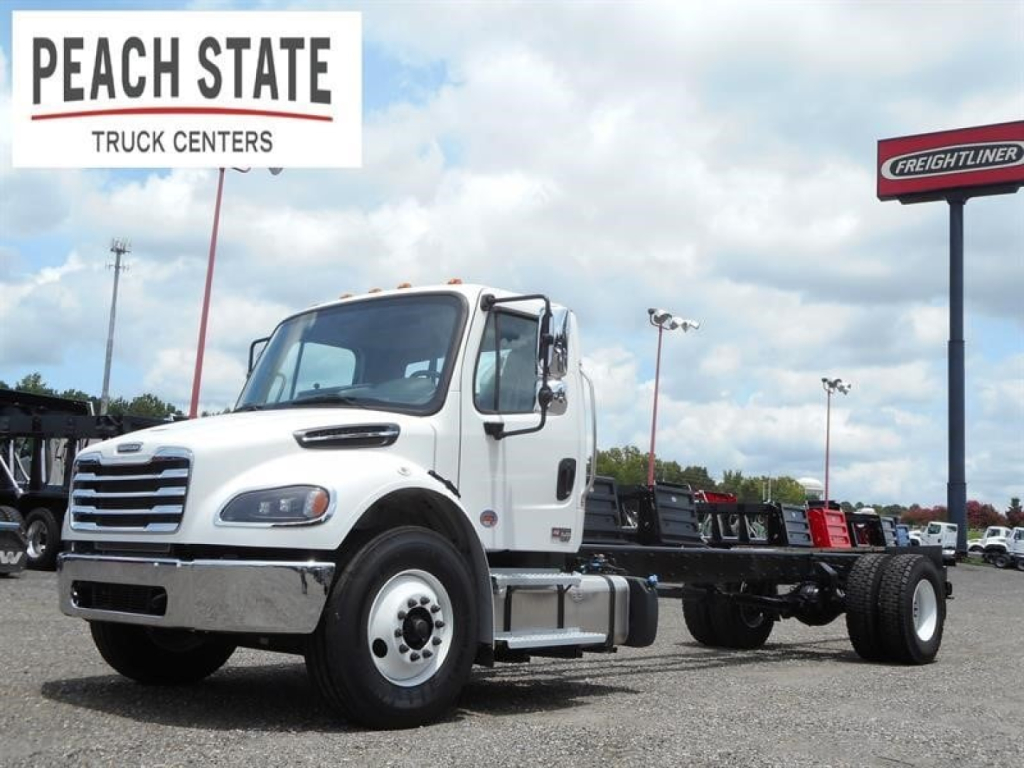
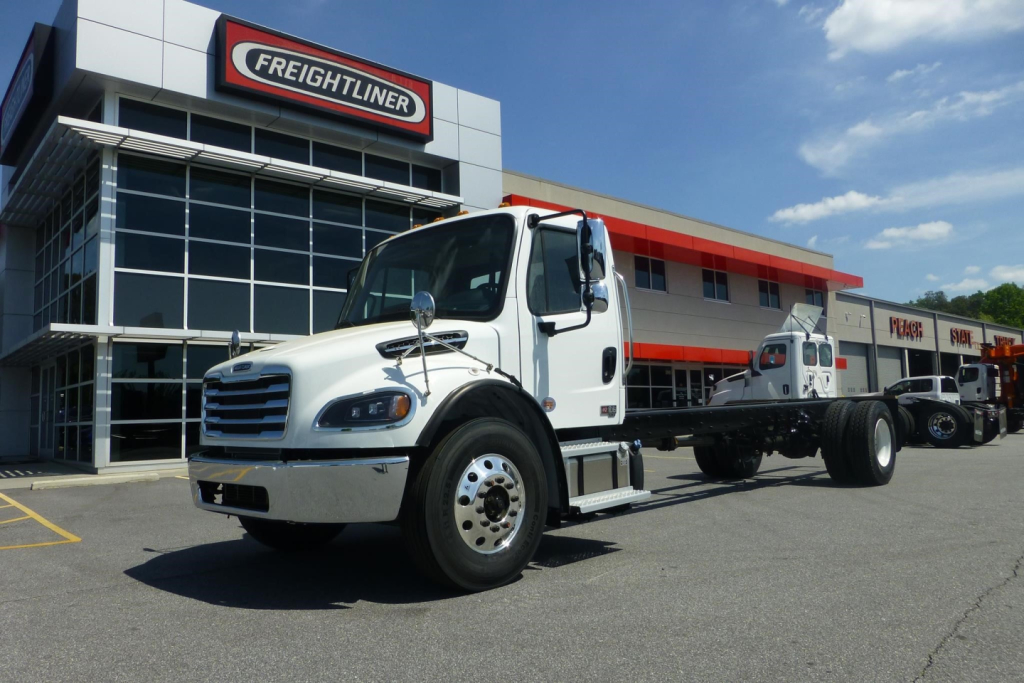
2027 Freightliner M2 106
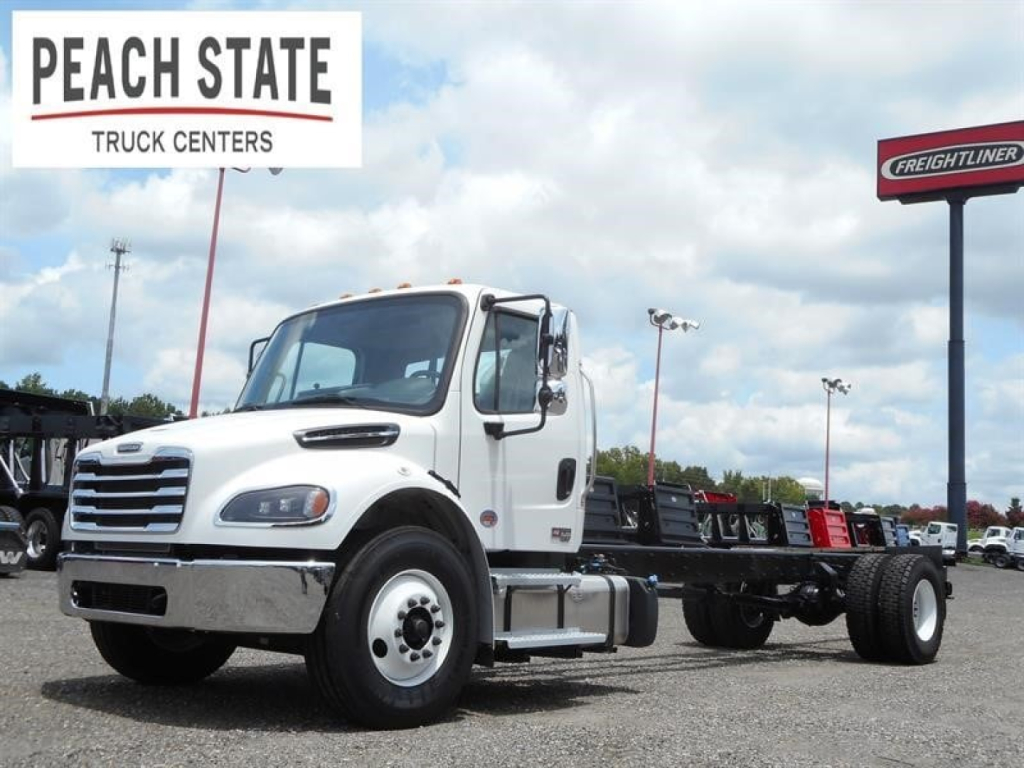
2027 Freightliner M2 106
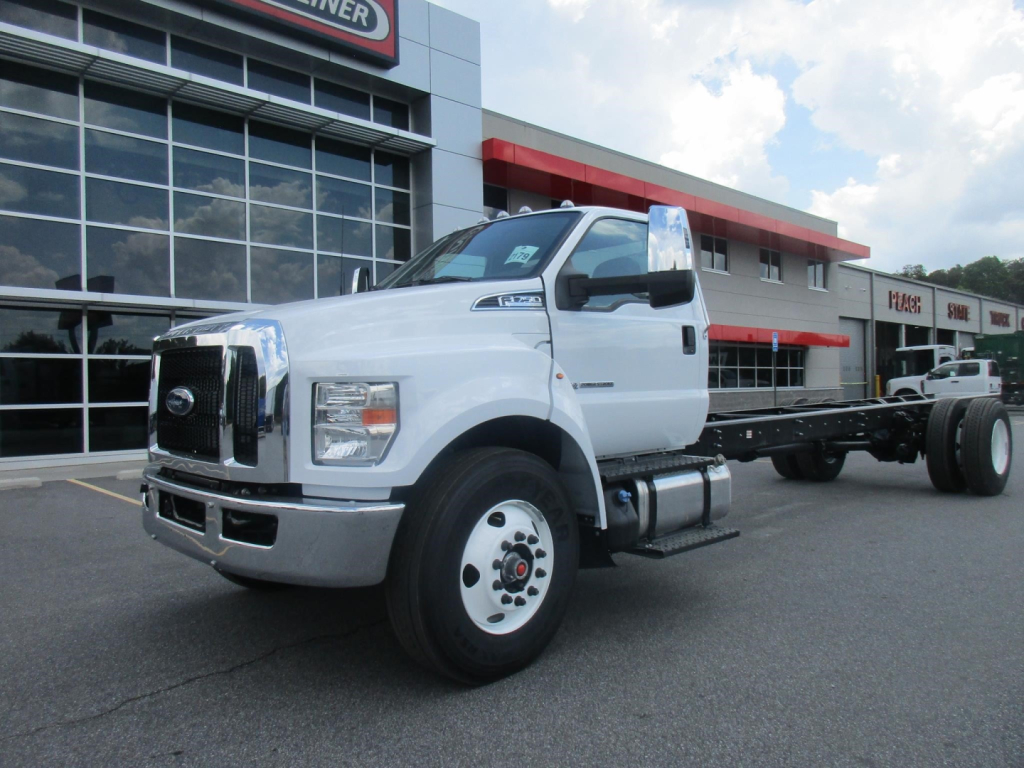
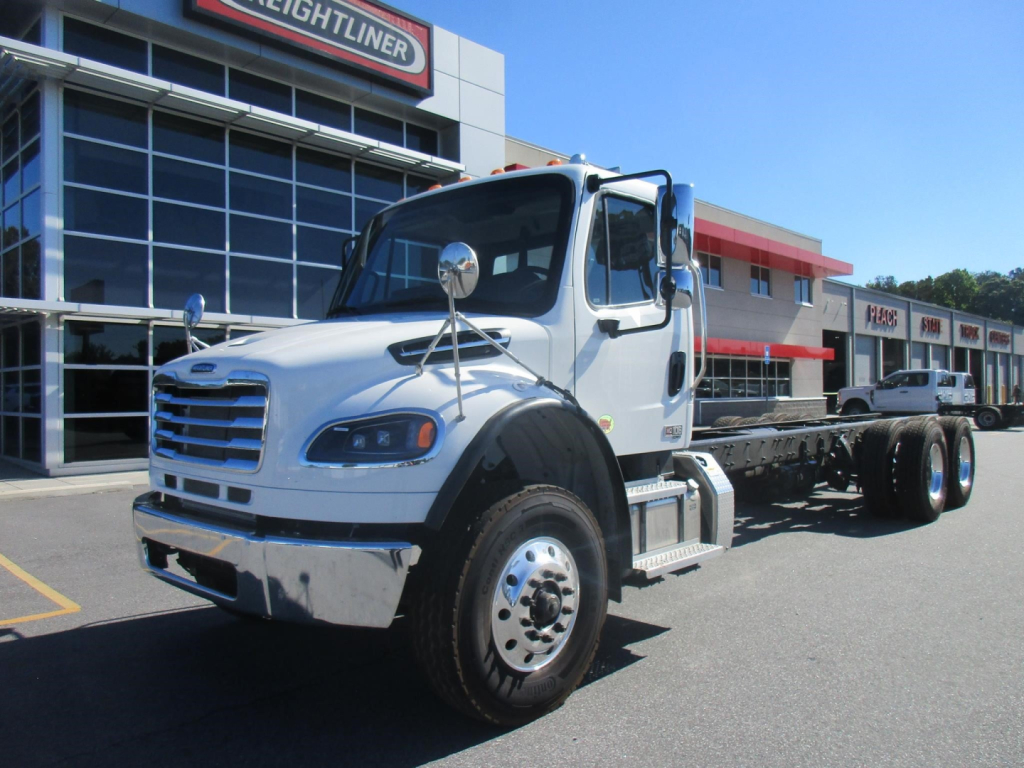
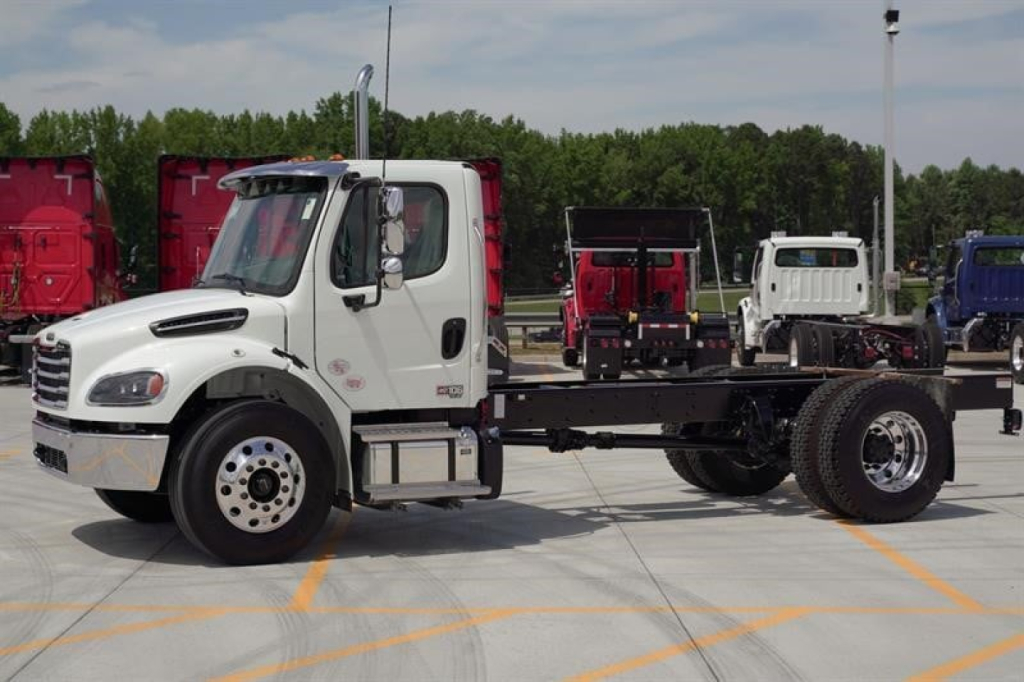
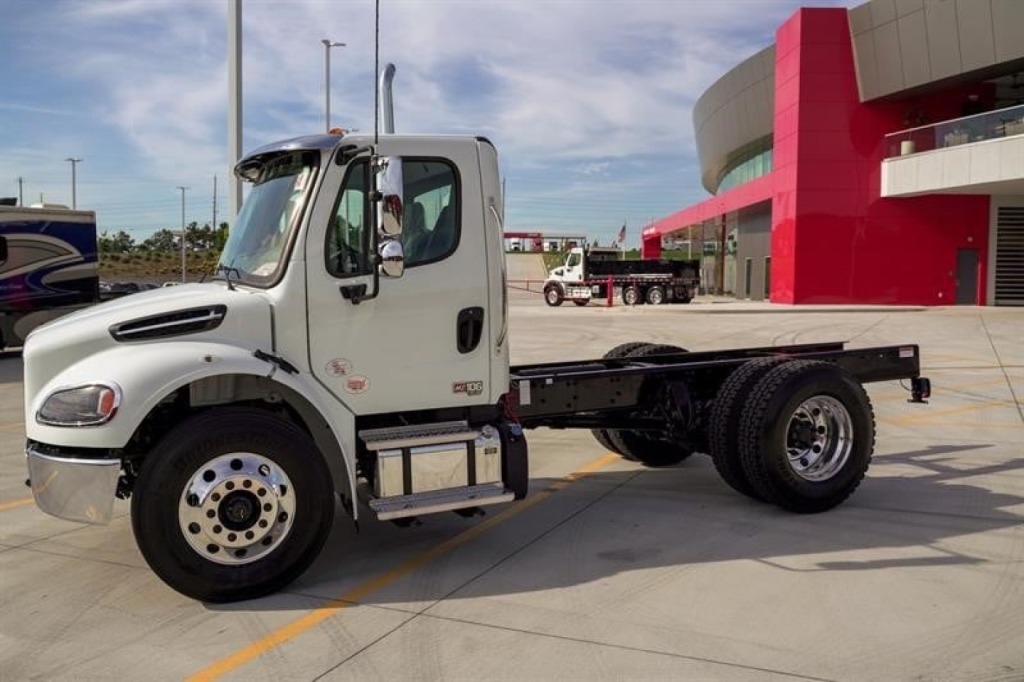
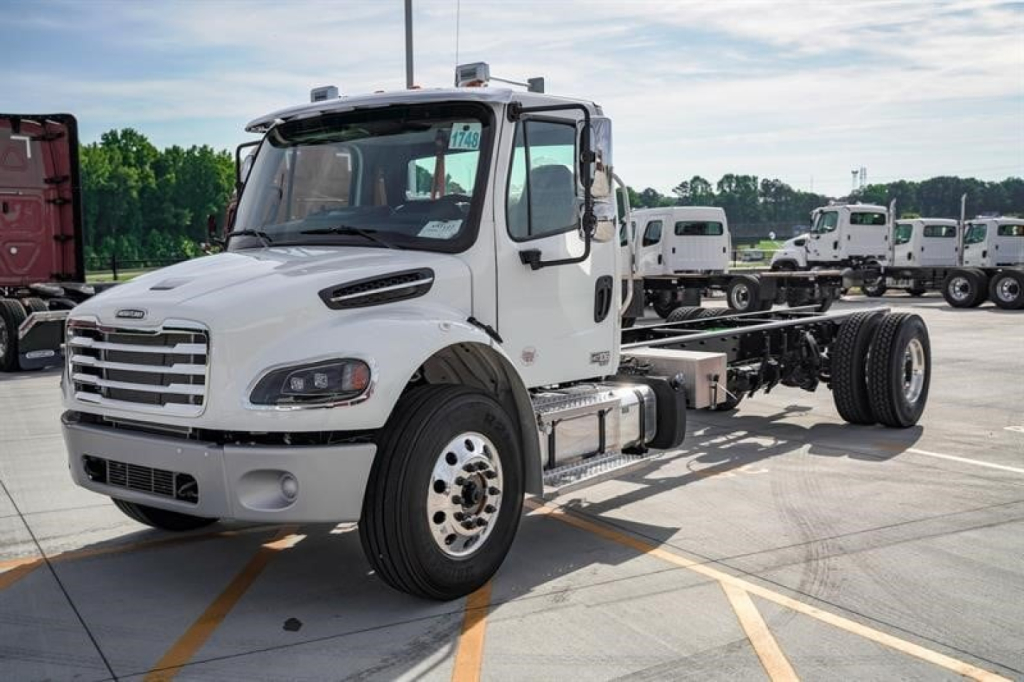
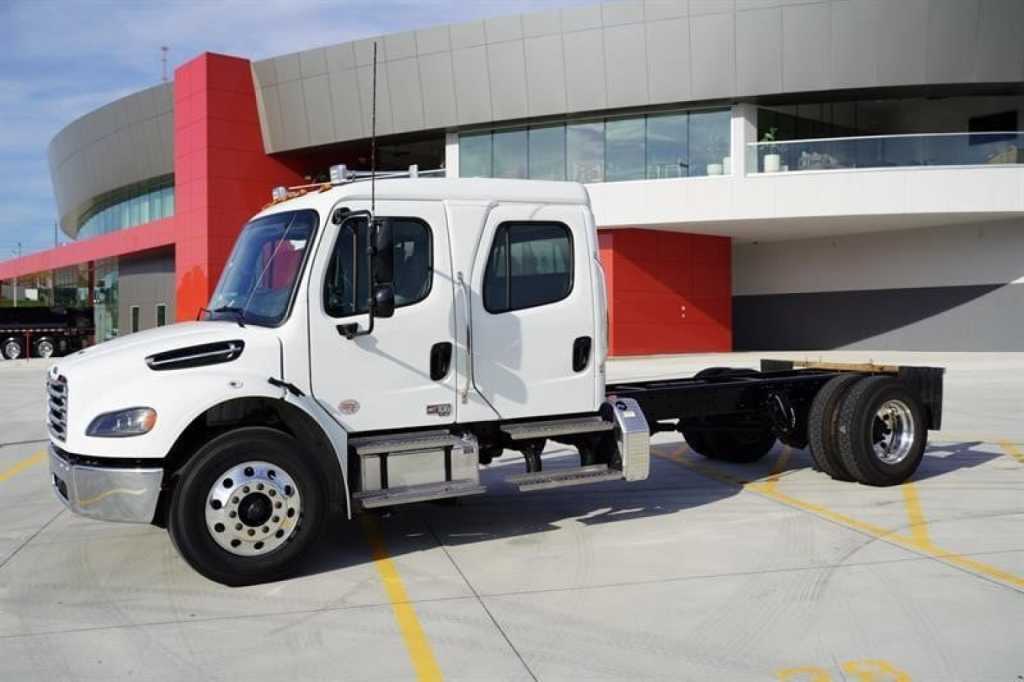
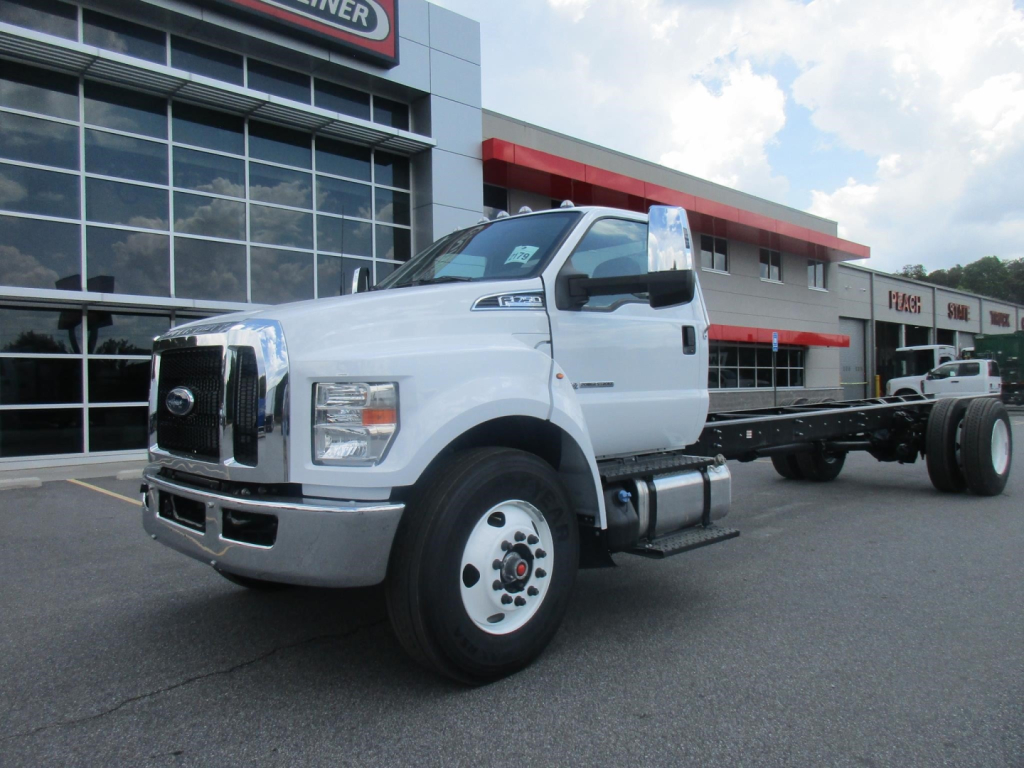
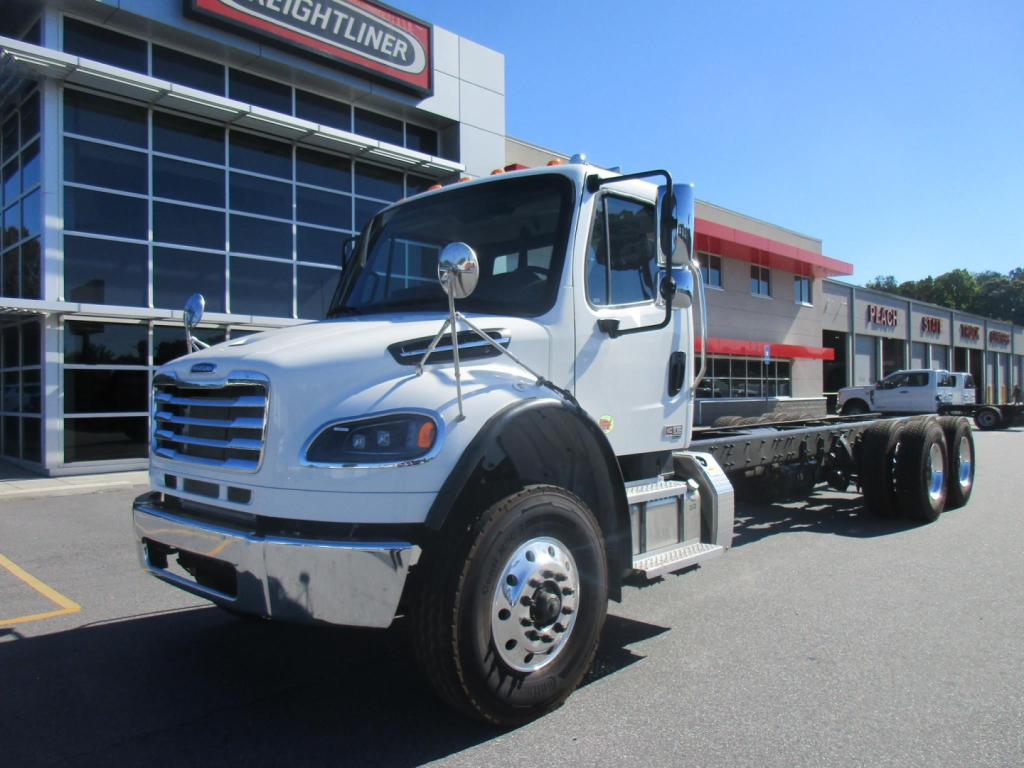
Selling a new 2027 cab and chassis truck? List your new 2027 cab and chassis truck for sale and reach thousands of commercial buyers.
New 2027 Cab and Chassis Trucks in Georgia
The first buying decision is usually size class and GVWR. In this segment, buyers often compare lighter Class 3-5 platforms such as Ford F-350 and F-450 cab and chassis trucks with medium-duty models like the Freightliner M2 106 Plus. Gas engines remain common in lighter units where acquisition cost, simpler emissions systems, and local-route use matter most, while diesel power is still preferred for heavier payloads, towing, PTO-driven equipment, and higher annual miles. Wheelbase is just as important as engine choice because it determines what body length can be installed and how the finished truck will balance weight across the axles. Typical specs buyers review closely include CA dimension, rear axle ratio, suspension rating, upfitter switches, trailer brake provisions, PTO prep, transmission type, and front axle capacity.
A cab and chassis truck in Georgia often sees mixed service that includes construction supply delivery, utility work, landscaping, vocational hauling, and municipal maintenance. That makes body compatibility and legal operating weight more important than headline horsepower alone. Buyers should confirm the planned body and payload against GVWR, curb weight, fuel type, and any added equipment such as cranes, compressors, liftgates, tool compartments, or dump hoists. Turning radius, cab configuration, and frame rail length also affect how well the truck works in metro Atlanta traffic, tighter job sites, and regional routes across the state. If the truck will spend time pulling trailers, look at GCWR, hitch rating, integrated brake controller availability, and cooling package specs.
New 2027 cab and chassis trucks also appeal to buyers who want current safety tech and cleaner packaging for long service life. Features commonly found on newer trucks include backup camera prep, driver-assist systems, telematics compatibility, remote start, and improved electrical architecture for upfit integration. On medium-duty models, buyers may also evaluate air brake versus hydraulic brake configurations, cab ergonomics, and service access for fleets trying to reduce downtime. The right cab and chassis is the one that leaves enough capacity for the body, the tools, and the real-world duty cycle after the upfit is complete, not just one that looks correct on paper.
Frequently Asked Questions about New 2027 Cab and Chassis Trucks in Georgia
What is a cab and chassis truck used for?
A cab and chassis truck is used as a foundation for a work-specific body installation. Common uses include flatbeds, dump bodies, service trucks, utility bodies, stake beds, box vans, and municipal or contractor upfits. Buyers choose this configuration when they need the truck matched to a payload, body length, or equipment package that a standard pickup bed or prebuilt straight truck cannot accommodate as efficiently.
How do I choose the right GVWR for a new cab and chassis truck?
Start with the finished truck weight, not the empty chassis rating. Add the body weight, mounted equipment, fuel, passengers, tools, materials, and any trailer tongue weight the truck will carry. The correct GVWR gives enough margin for normal operations without running at the limit every day. If the truck will carry dense materials, tow regularly, or power PTO equipment, moving up in GVWR often improves durability and compliance.
Why does wheelbase matter on a cab and chassis?
Wheelbase directly affects body fitment, axle loading, ride quality, and maneuverability. A longer wheelbase may be needed for a larger van body or flatbed, but it can reduce turning ability in tight urban or jobsite conditions. Buyers should verify wheelbase along with cab-to-axle measurement because body manufacturers use those dimensions to determine proper installation, rear overhang, and weight distribution.
Is gas or diesel better for a cab and chassis truck?
Gas engines are often a strong fit for lighter-duty local service where lower upfront cost and simpler maintenance are priorities. Diesel engines are typically favored for heavier payloads, higher mileage, sustained towing, and applications that use PTO-driven equipment. The better choice depends on duty cycle, annual miles, idle time, payload demands, and whether the truck will spend most of its life in stop-and-go local work or more demanding vocational service.
What should buyers in Georgia pay attention to when spec'ing a cab and chassis truck?
Georgia buyers often need a truck that can handle a mix of highway travel, urban congestion, and off-pavement jobsite work. Cooling capacity, axle ratio, suspension rating, trailer towing specs, and body clearance all matter in that environment. It is also smart to account for the final upfit early in the process so the chassis has the correct frame length, electrical provisions, and capacity for the body and equipment the truck will carry every day.