
New 2027 Cab and Chassis Trucks For Sale in Texas
Shop new 2027 cab and chassis trucks in Texas for upfit work, delivery, utility, dump, service, and severe-duty vocational applications.
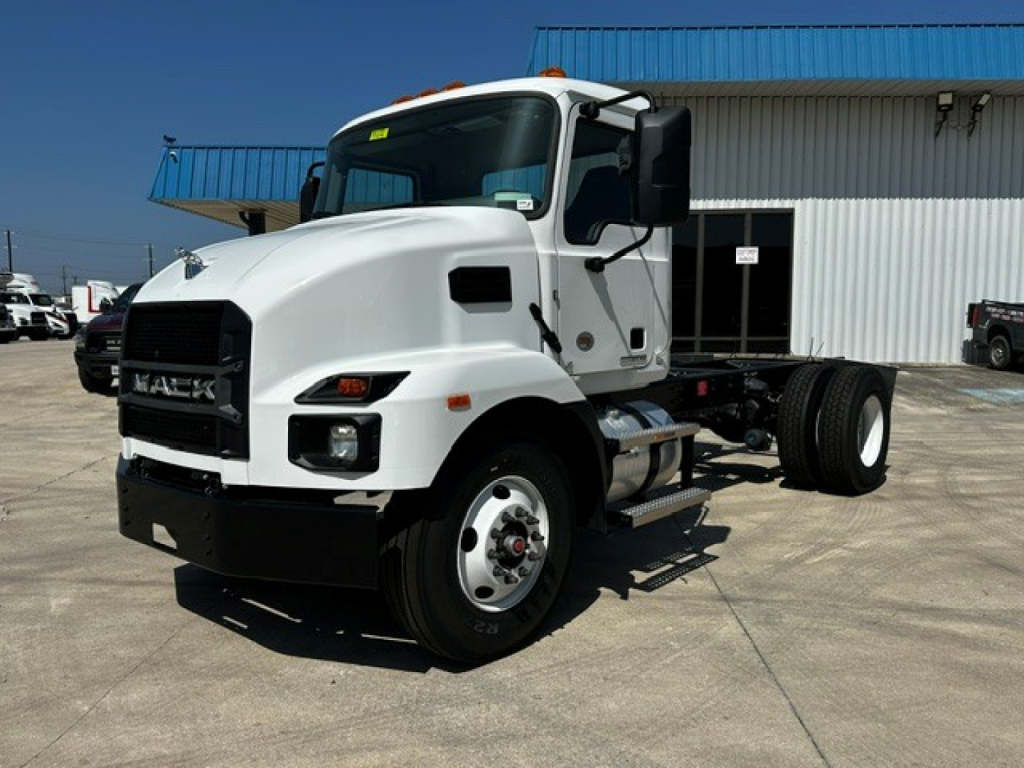
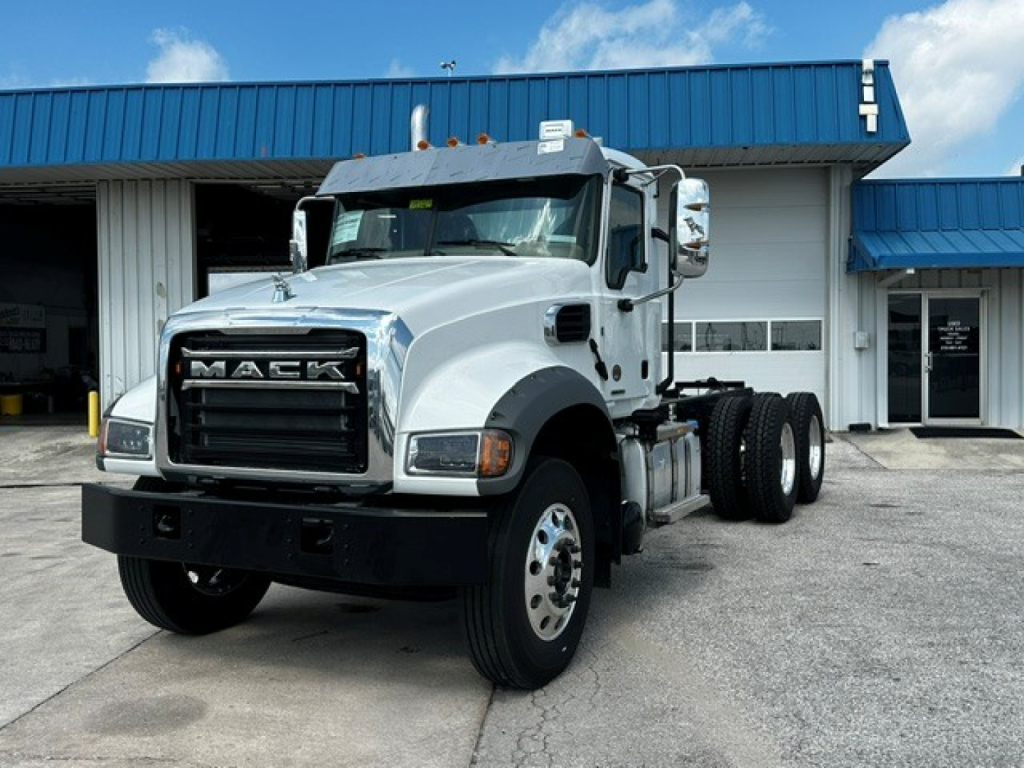
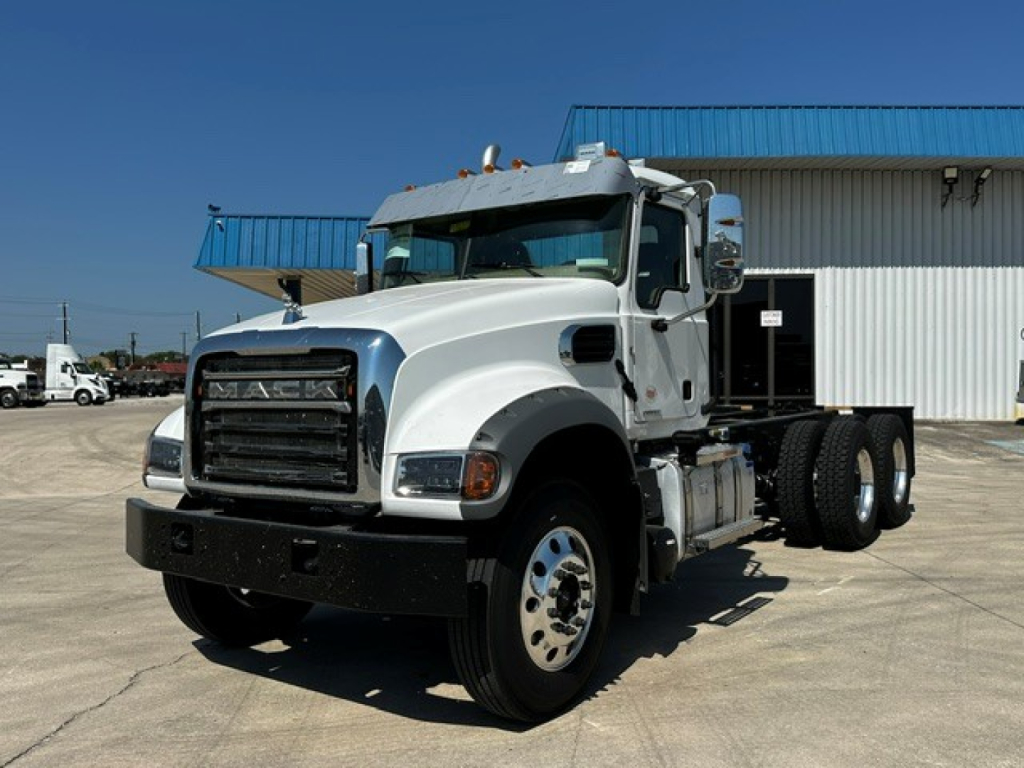
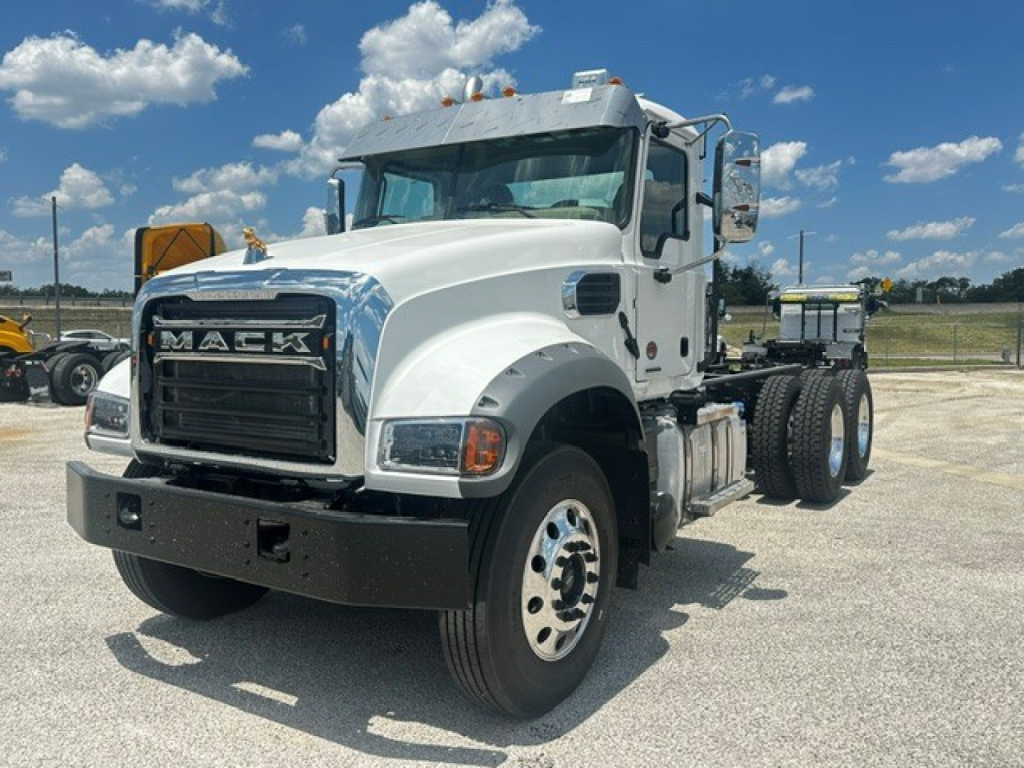
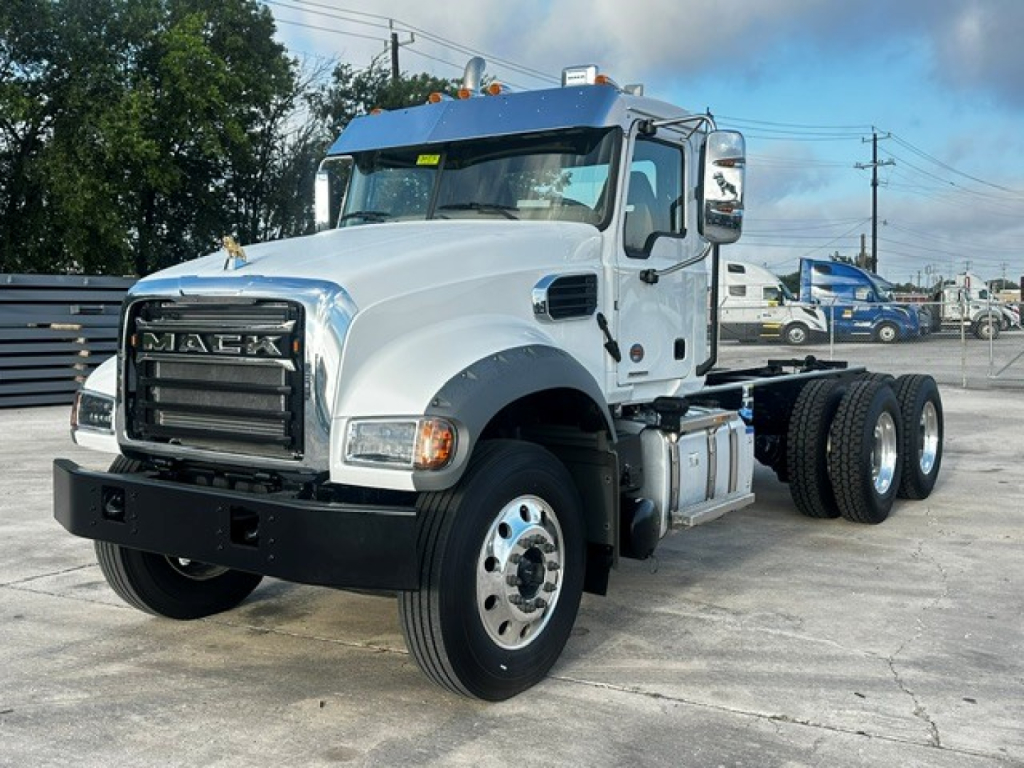
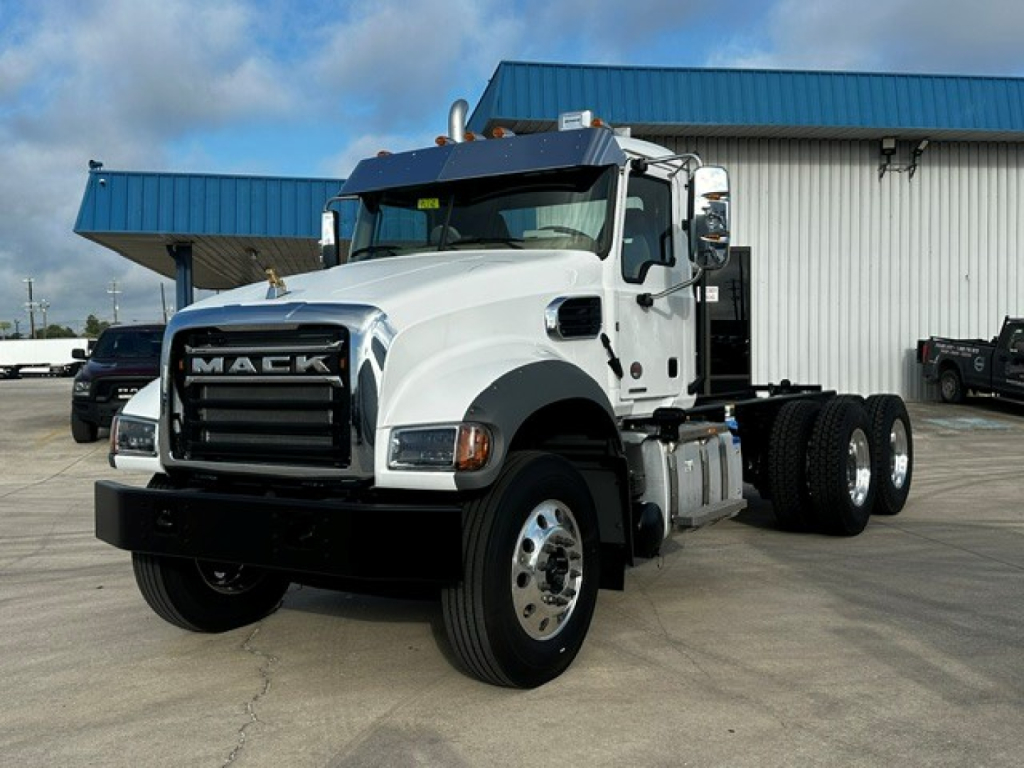
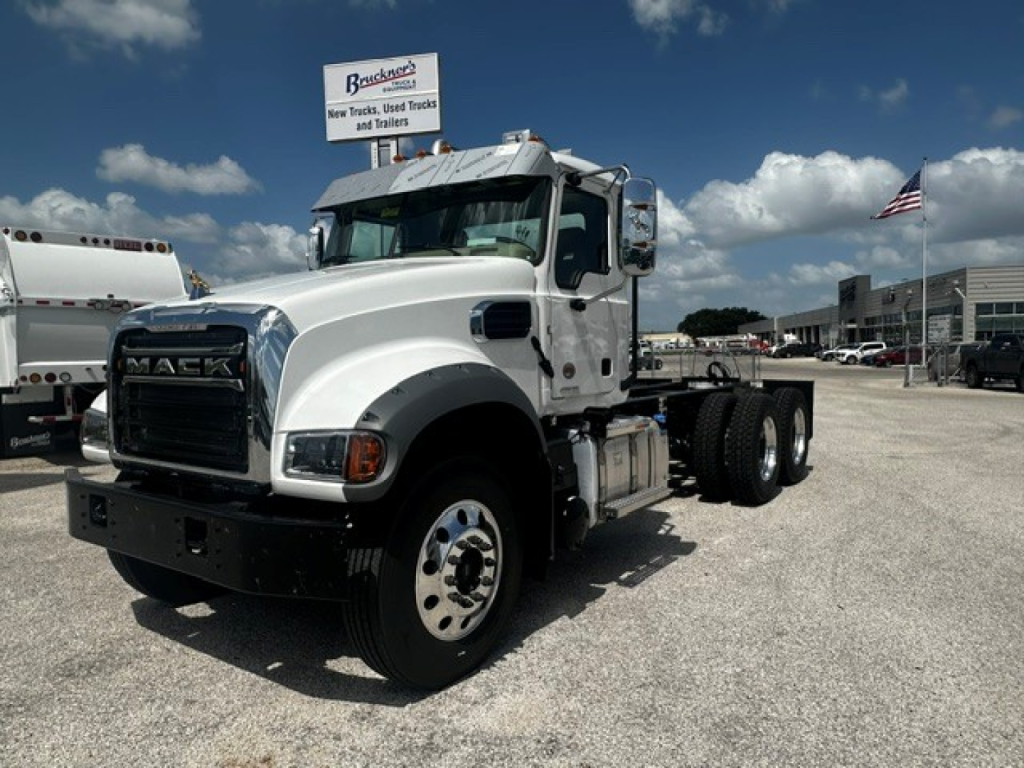

Selling a new 2027 cab and chassis truck? List your new 2027 cab and chassis truck for sale and reach thousands of commercial buyers.
New 2027 Cab and Chassis Trucks in Texas
Buyers should first separate medium-duty and heavy-duty chassis. Medium-duty cab and chassis trucks, including common Class 4 through Class 7 configurations, are often used for box truck bodies, reefer bodies, landscape beds, and local utility work. These trucks typically use gas or diesel power, automatic transmissions, and single rear axles with GVWRs matched to urban and regional routes. Heavy-duty cab and chassis models, usually Class 8, are built for demanding vocational service and can be spec'd with larger diesel engines, manual or automated manual transmissions, tandem or tridem rear axles, heavy suspensions, PTO capability, locking differentials, and vocational brake packages. Texas buyers working in aggregate, concrete, energy, and infrastructure often look closely at axle capacity, rear ratio, suspension type, and frame section modulus because those details directly affect durability and body compatibility.
Wheelbase and back-of-cab measurements are critical on any cab and chassis listing. A truck can have the right horsepower and still be a poor fit if the frame length does not match the intended body and equipment. For example, a dump body, mechanic service body, or hooklift setup may require different cab-to-axle and axle-to-end-of-frame dimensions, plus enough room for outriggers, toolboxes, hydraulic tanks, or PTO-driven accessories. Buyers should also verify fuel tank placement, exhaust routing, DEF tank location on diesel models, frame height, and any factory provisions for body builders. On newer chassis, electronics integration matters too. Body builder modules, programmable switches, telematics, and PTO wiring can reduce upfit time and help avoid expensive modifications later.
New-model cab and chassis trucks also appeal to fleets trying to standardize uptime, emissions compliance, and driver familiarity. Depending on the application, a buyer may compare diesel, gasoline, and emerging electric chassis for payload, range, service access, and total operating cost. Severe-duty specs such as double-channel frames, front axle ratings around 18,000 to 20,000 pounds, tandem or tridem rears, vocational cooling packages, and deep-reduction transmissions are common on trucks destined for mixers, water trucks, cranes, and oilfield support equipment. For lighter routes, maneuverability, lower step-in height, and automatic transmissions may matter more than raw axle capacity. The best 2027 cab and chassis truck is the one that matches the body, payload, terrain, and PTO demands of the work it will actually perform.
Frequently Asked Questions about New 2027 Cab and Chassis Trucks in Texas
What is a cab and chassis truck used for?
A cab and chassis truck is a stripped work-truck platform built to accept a body or specialized equipment. Common upfits include box bodies, flatbeds, dumps, service bodies, utility bodies, rollbacks, hooklifts, tank bodies, crane bodies, and vacuum systems. Buyers choose this configuration when they need a truck tailored to a specific job instead of a finished truck body from the factory.
What specs matter most when buying a cab and chassis truck?
The most important specs are GVWR, front and rear axle ratings, wheelbase, cab-to-axle measurement, axle-to-end-of-frame length, engine output, transmission type, PTO capability, suspension, and frame strength. These measurements determine whether the chassis can legally carry the body and payload you need while still fitting the upfit correctly. Fuel tank placement, exhaust layout, and body builder electrical provisions also matter because they affect installation time and compatibility.
How do I choose the right wheelbase for a cab and chassis truck?
Wheelbase should be selected based on the intended body length, body weight, and the truck's operating environment. A longer wheelbase may improve body fit and weight distribution, but it can reduce maneuverability on tight jobsites or in city routes. A shorter wheelbase can turn better, but it may limit body options or create load balance issues. Most buyers confirm wheelbase together with cab-to-axle and frame dimensions before ordering or upfitting a chassis.
Are diesel, gas, and electric cab and chassis trucks all practical options?
Yes, but the best choice depends on route length, payload, idle time, and service requirements. Diesel remains common for heavy vocational work, towing, and PTO-driven applications because of torque and durability. Gas chassis can make sense in lighter-duty urban and regional service where acquisition cost and maintenance simplicity are priorities. Electric cab and chassis trucks are gaining traction in predictable local routes where emissions goals, quiet operation, and lower fuel cost can outweigh range and charging limitations.
Why do Texas buyers often focus on axle ratings and vocational equipment?
Texas work conditions can be unusually demanding because many trucks operate in construction, municipal, agricultural, and oilfield environments with heavy payloads, rough access roads, and PTO-driven equipment. Higher axle ratings, locking differentials, severe-duty suspensions, vocational cooling packages, and body builder provisions help a truck hold up under these conditions. These specs are especially important for dump, mixer, crane, service, water, and energy-sector applications where downtime is expensive.