
New 2027 Mack Cab and Chassis Trucks For Sale in Texas
Shop new 2027 Mack cab and chassis trucks in Texas. Built for dump, tanker, refuse, and utility upfits with vocational-grade specs.
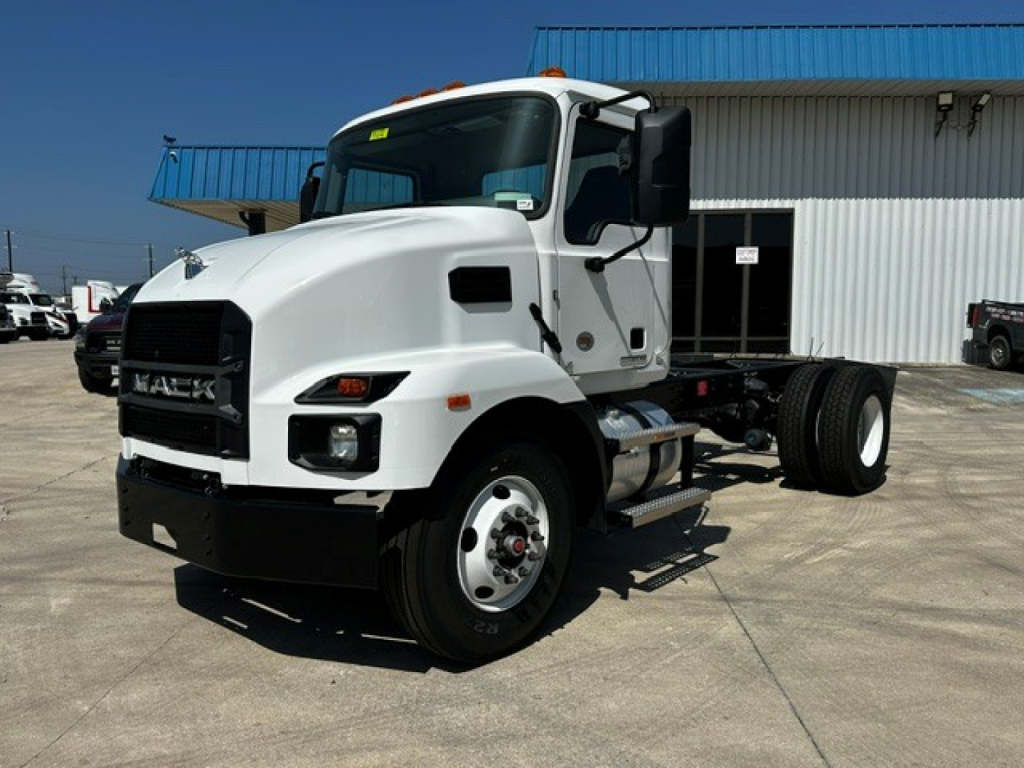
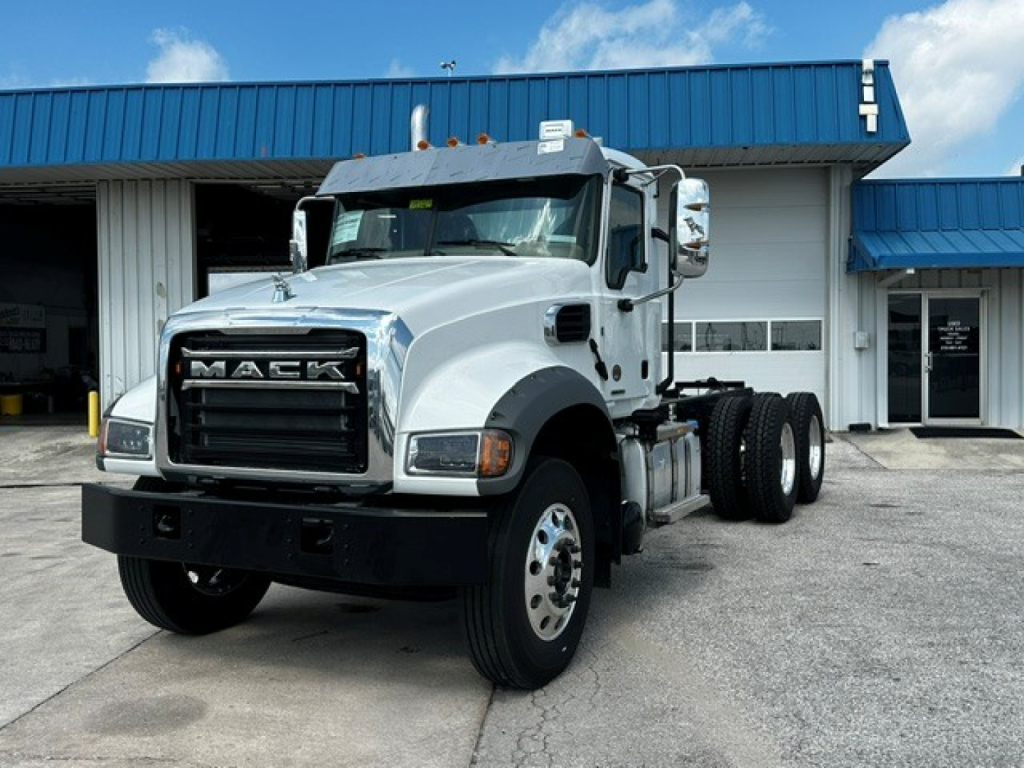
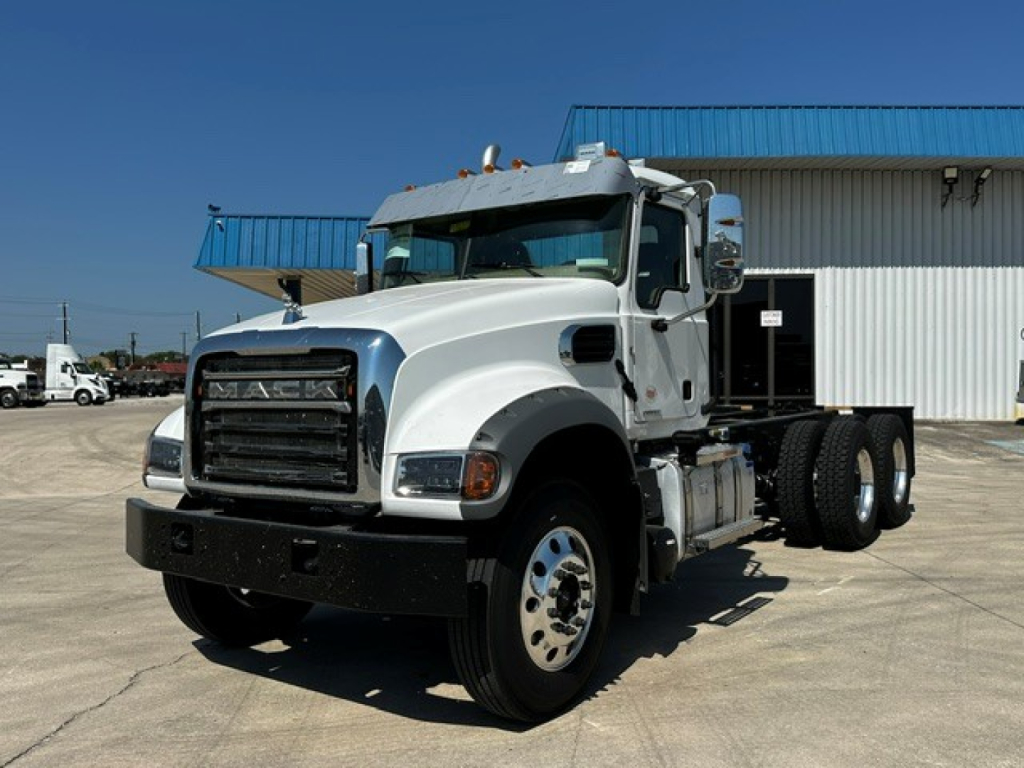
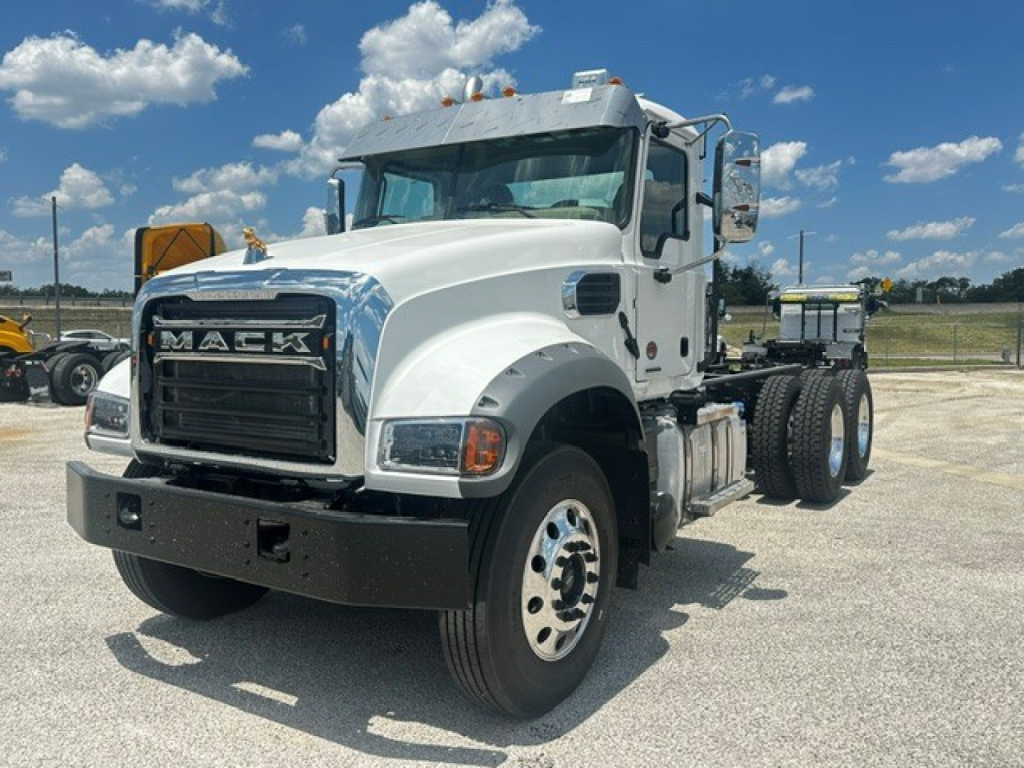
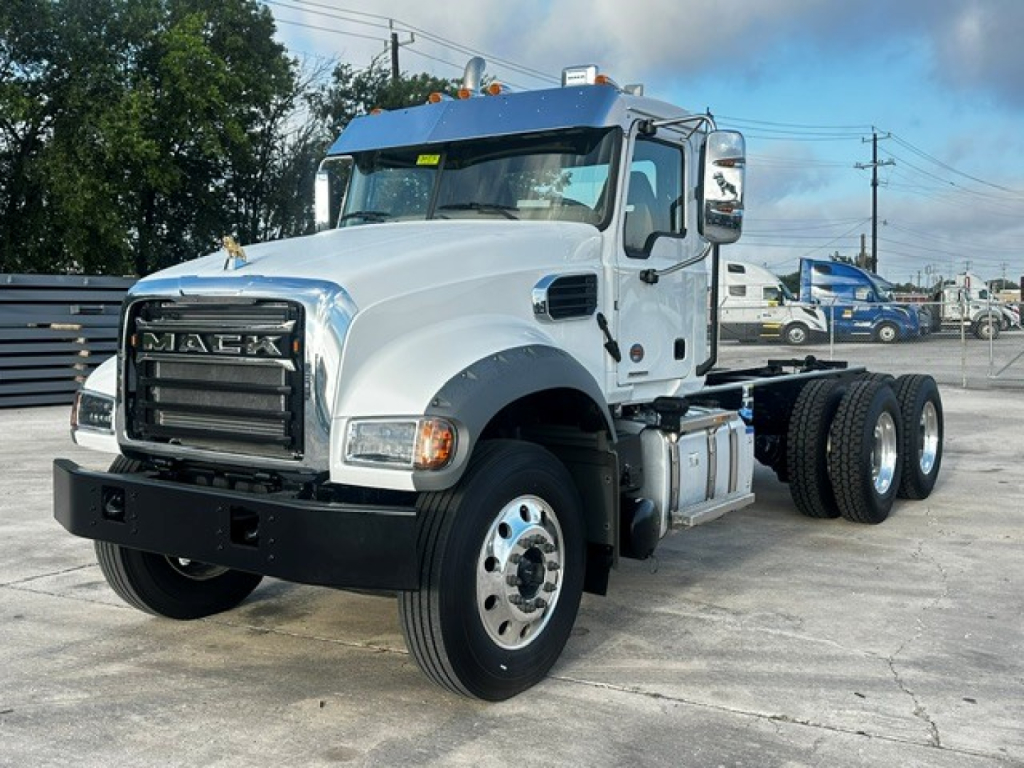
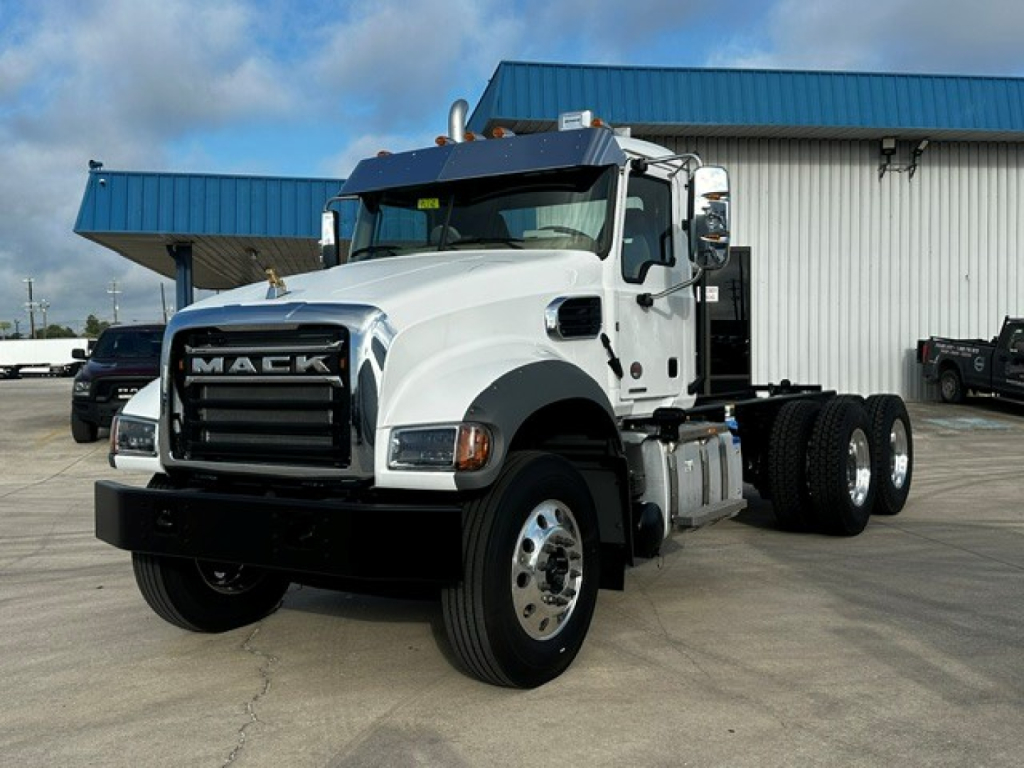
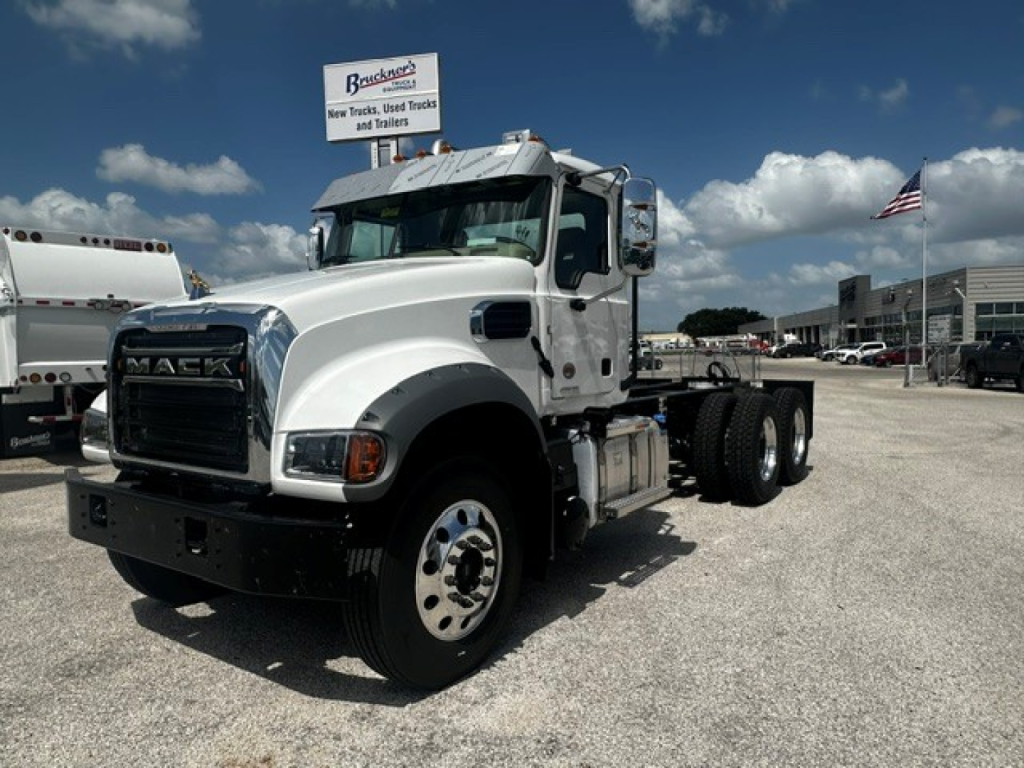

Selling a new 2027 mack cab and chassis truck? List your new 2027 mack cab and chassis truck for sale and reach thousands of commercial buyers.
New 2027 Mack Cab and Chassis Trucks in Texas
A serious buyer should start with axle and suspension specs before looking at trim details. Common Mack vocational setups in this class include tandem rear axles, front axle ratings around 14,000 pounds and up, and rear axle capacities in the 40,000 to 46,000 pound range depending on application. Camelback multileaf suspension remains a popular Mack choice for severe service because of its durability and load stability on rough jobsites. Power typically comes from Mack MP7 or MP8 diesel engines, often in the 355 to 445 horsepower range, paired with Mack mDRIVE automated transmissions or Allison automatics depending on terrain, PTO demand, and driver preference. For slow-speed work, a creeper-equipped mDRIVE can matter more than peak horsepower.
Wheelbase and rear axle ratio deserve close attention because they directly affect body fit, bridge compliance, turning radius, and startability. A shorter wheelbase may suit dump or mixer work where maneuverability matters, while a longer wheelbase is often needed for tanker, water, or specialty utility bodies. Rear ratios in the low 3s can support highway travel between jobs, but the right ratio depends on tire size, transmission gearing, and expected payload. Buyers in Texas often balance off-road durability with enough road speed for longer runs between plants, pits, and municipal service areas. Details like frame section modulus, brake type, differential locks, fuel tank placement, and exhaust routing also matter because they affect upfit clearance and long-term serviceability.
Mack has long been a strong fit for severe-duty and municipal fleets because the brand is known for rugged vocational chassis design and straightforward body-builder integration. On a new 2027 cab and chassis, the real buying decision is not just make and model. It is how well the truck is spec'd for the body, legal payload target, and operating environment. A properly matched Mack cab and chassis can reduce upfit complications, improve component life, and deliver better performance in dump, construction, refuse, tanker, and utility service.
Frequently Asked Questions about New 2027 Mack Cab and Chassis Trucks in Texas
What can a Mack cab and chassis be used for?
A Mack cab and chassis can be upfitted for many vocational applications, including dump bodies, water tanks, refuse packers, roll-off hoists, mechanics bodies, cranes, and utility service bodies. The bare chassis is intended to accept specialized equipment, so the correct wheelbase, frame layout, axle ratings, and PTO provisions should be chosen based on the final body and operating conditions.
What engine and transmission combinations are common in Mack vocational cab and chassis trucks?
Common Mack vocational combinations include MP7 and MP8 diesel engines with horsepower ratings suited to severe-duty work, often paired with Mack mDRIVE automated transmissions or Allison automatic transmissions. mDRIVE is often selected for efficiency, low-speed control, and reduced driver fatigue, while Allison remains popular in stop-and-go or PTO-heavy applications. The right combination depends on terrain, payload, off-road use, and how the body equipment is powered.
Why is wheelbase so important on a cab and chassis truck?
Wheelbase determines whether the chassis will properly accept the intended body and how the truck will handle once upfitted. It affects body length, weight distribution, bridge law positioning, turning radius, and driveline geometry. On a dump truck, a shorter wheelbase can improve maneuverability, while tanker and utility applications may require more frame length and different component placement.
Is Mack Camelback suspension still a good choice for severe-duty work?
Yes. Mack Camelback suspension is still widely respected in severe-duty applications because it is simple, durable, and well suited for rough terrain and heavy loads. It is commonly chosen for dump, construction, and municipal chassis where long service life and load stability matter more than ride softness. Buyers should still match suspension capacity and ride characteristics to the intended body and route profile.
What should Texas buyers pay attention to when comparing new Mack cab and chassis trucks?
Texas buyers should focus on application fit first. High ambient temperatures, long distances between jobs, mixed highway and off-road use, and local bridge and weight requirements all influence the correct spec. Cooling capacity, axle ratings, rear ratio, fuel capacity, PTO setup, locking differentials, and body-builder clearance points are often more important than cosmetic options. A chassis that is properly spec'd for the body and duty cycle usually performs better and costs less to keep working over time.