
New 2027 Mack Cab and Chassis Trucks For Sale
Shop new 2027 Mack cab and chassis trucks built for dump, rollback, utility, mixer, refuse, and vocational upfit applications.
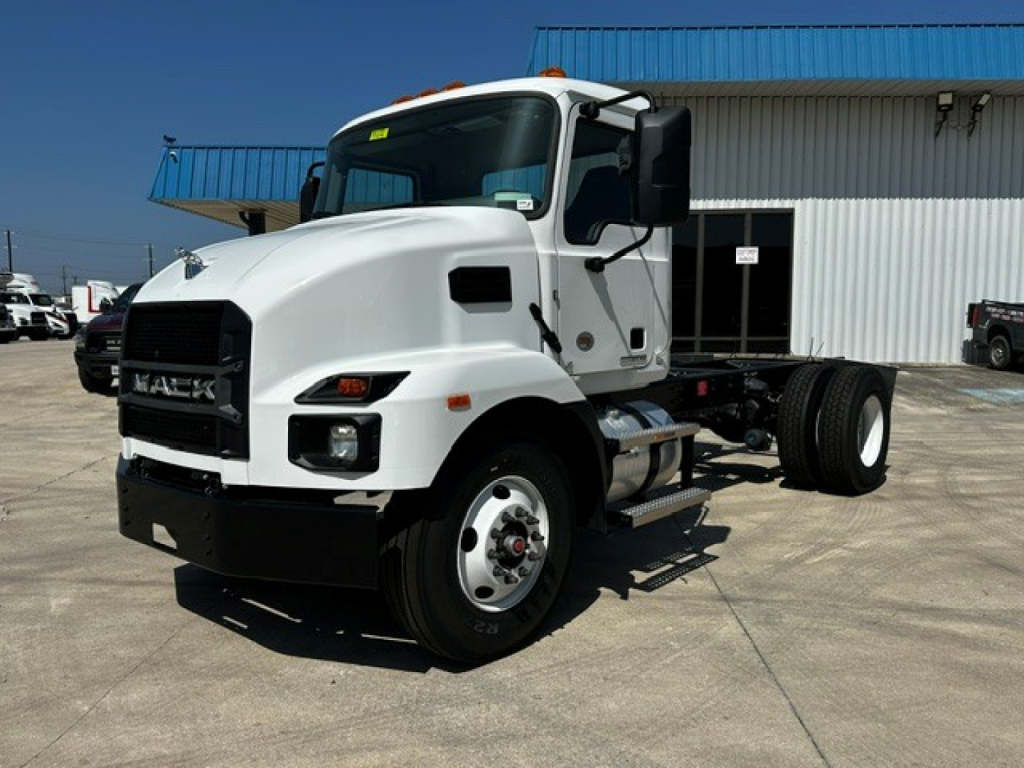
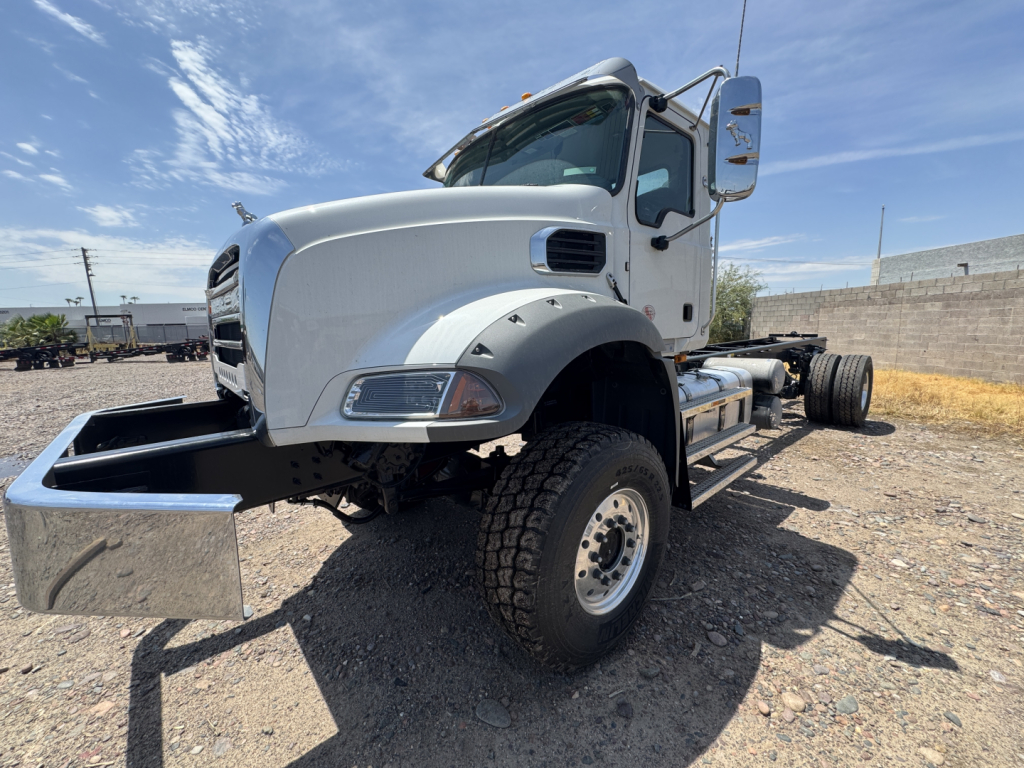
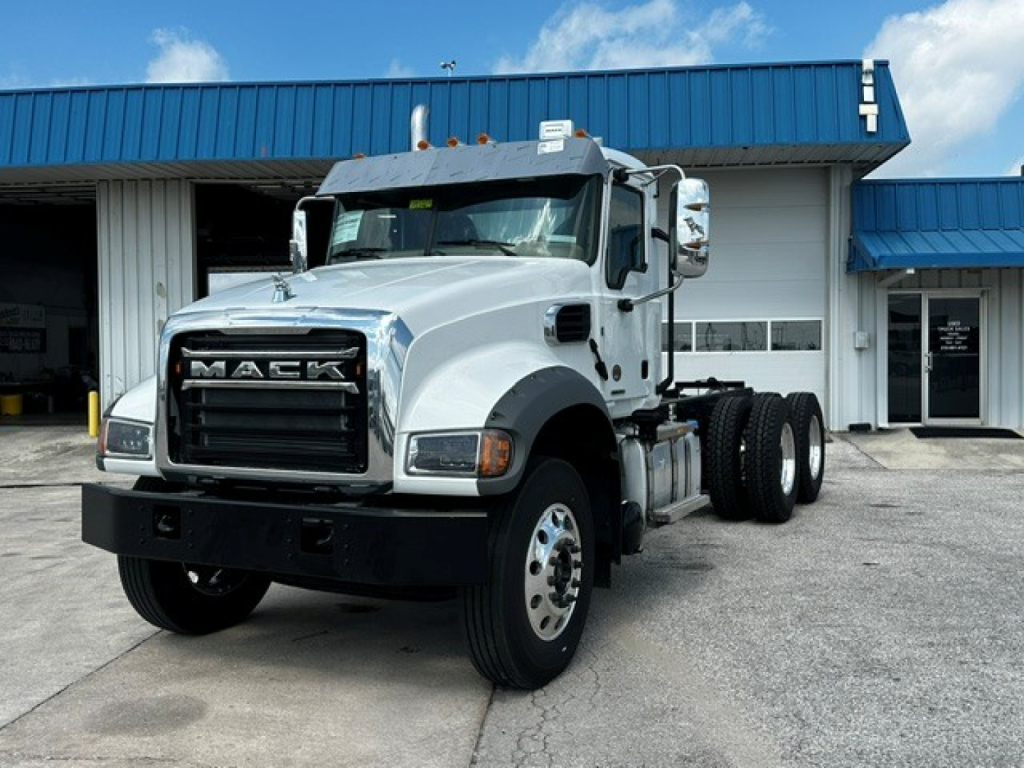
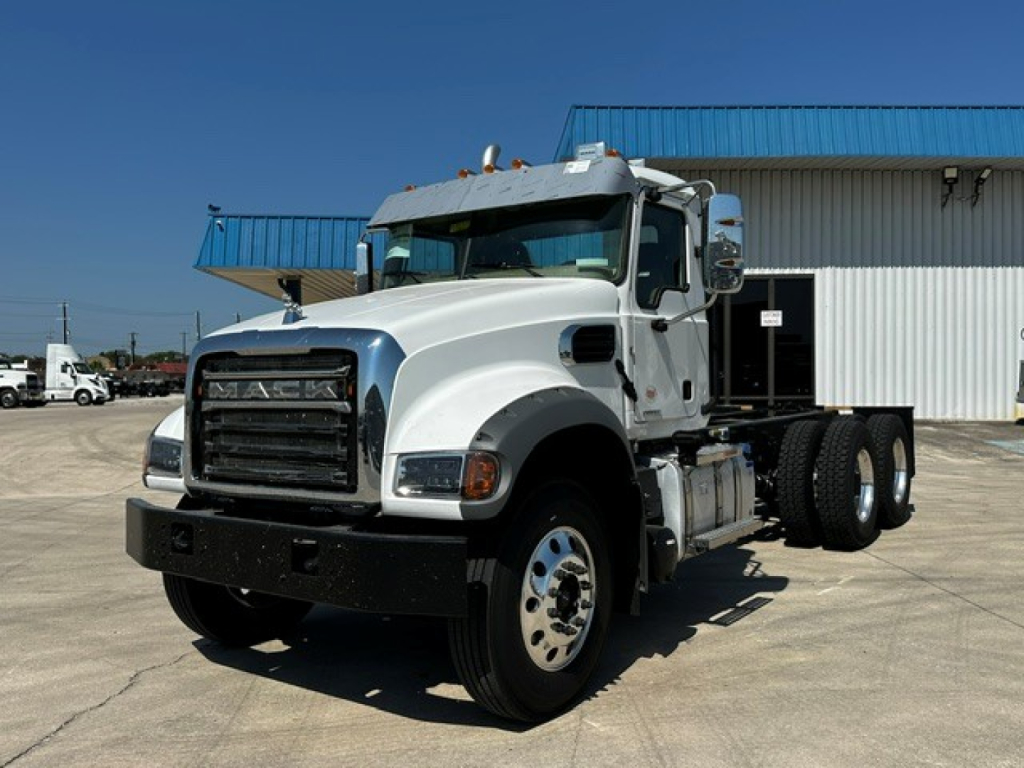
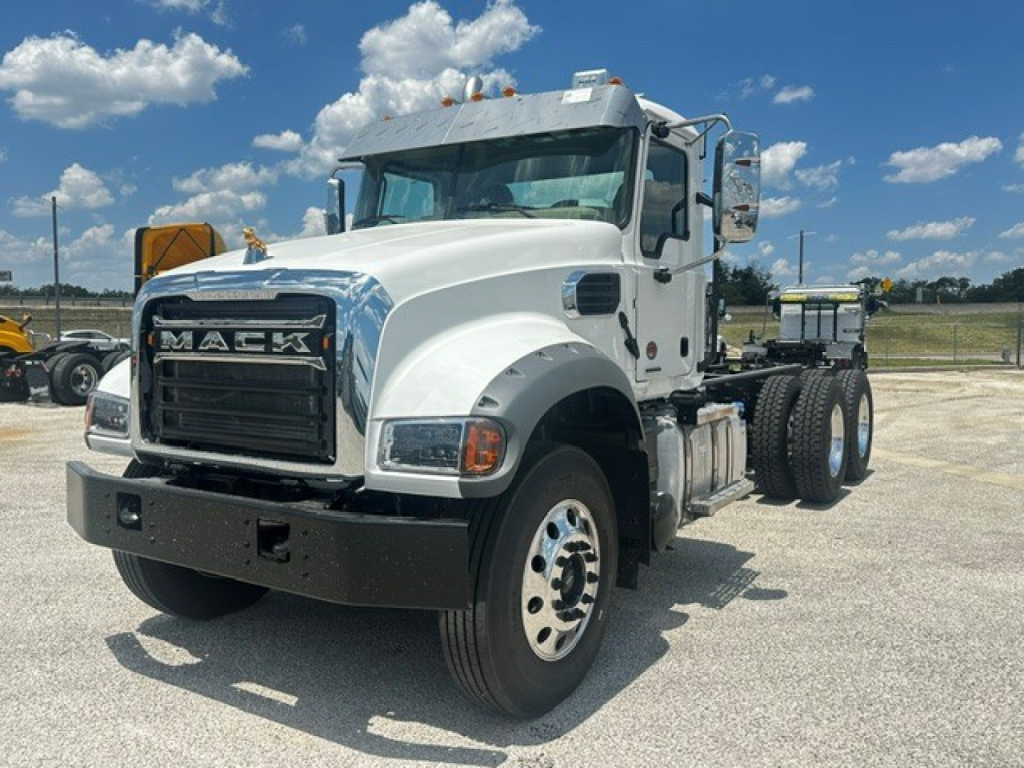
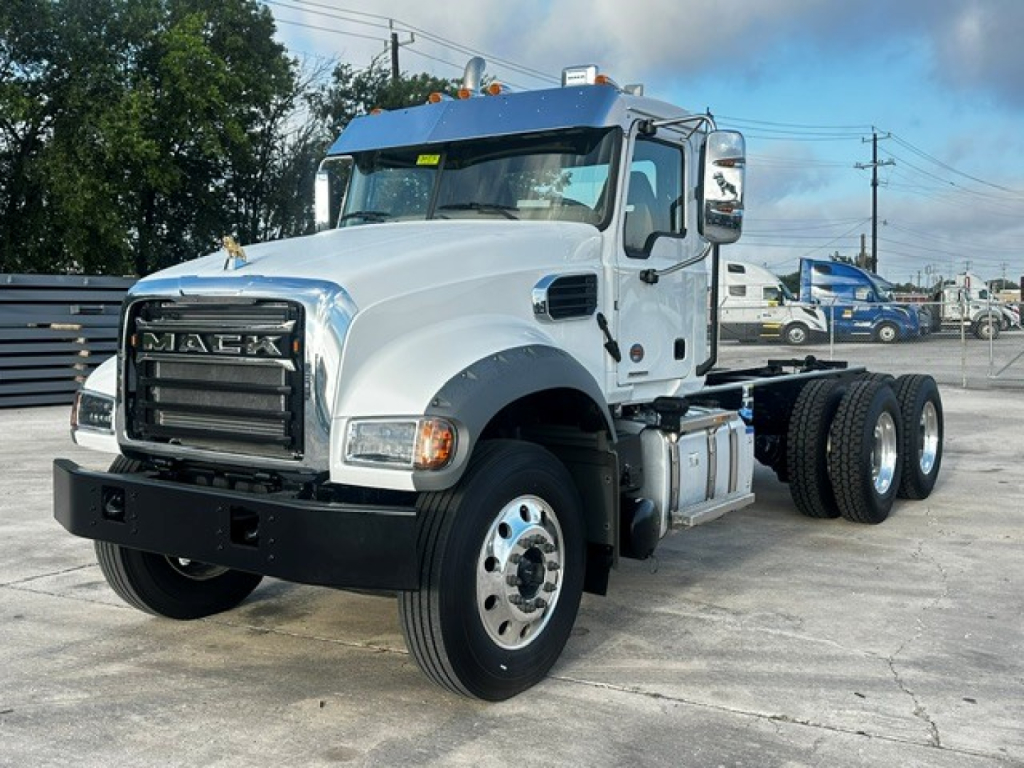
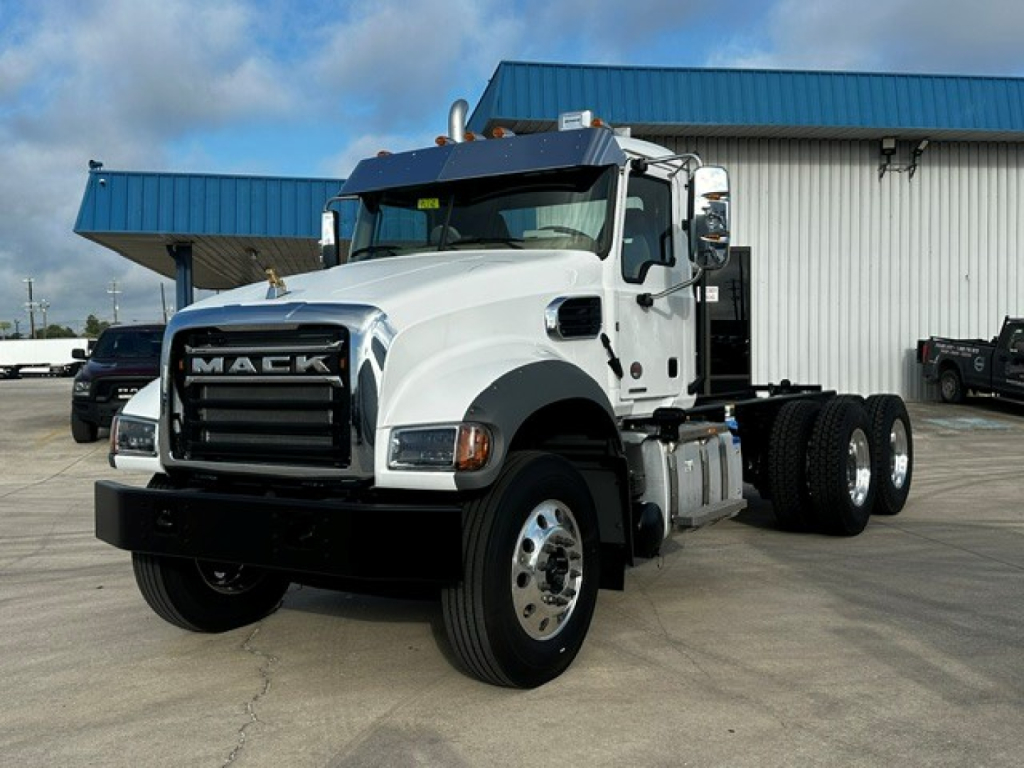
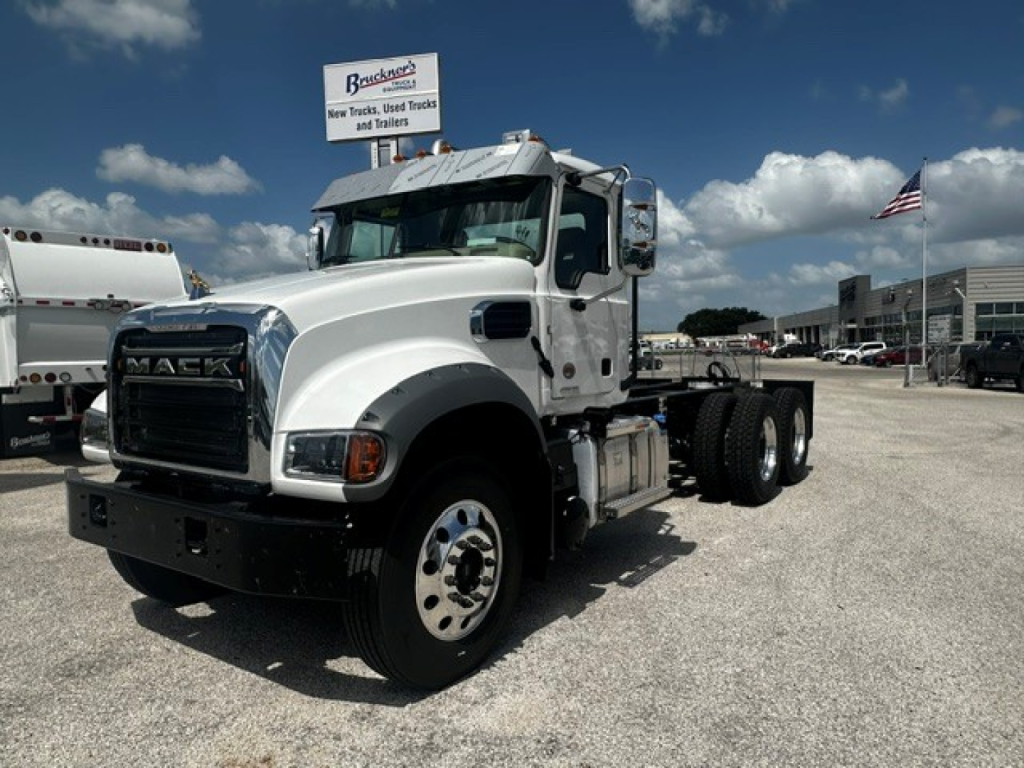

Selling a new 2027 mack cab and chassis truck? List your new 2027 mack cab and chassis truck for sale and reach thousands of commercial buyers.
New 2027 Mack Cab and Chassis Trucks
On the heavy-duty side, buyers often look at Mack Granite configurations because they are designed for jobsite work, higher GVWR applications, and severe-service cycles. Common specs in this category include Mack MP7 or MP8 diesel engines, Allison automatic or mDRIVE automated manual transmissions, front axles in the 12,000 to 20,000 lb range, and rear axles from 40,000 to 46,000 lbs or higher depending on suspension and vocational package. Wheelbase, back-of-cab to axle, frame rail dimensions, and PTO compatibility matter as much as horsepower. If the truck will carry a pusher or tag axle, body hoist, crane, or hydraulic system, those items should be considered early because they affect frame space, turning radius, and legal payload.
Buyers comparing Mack cab and chassis trucks should pay close attention to suspension type, axle ratio, and cab configuration. A camelback or vocational rear suspension may be preferred for durability in rough service, while other applications may favor a softer ride or lighter weight. Allison automatics are common in stop-and-go or PTO-heavy work, while mDRIVE can make sense for fuel economy and highway travel between jobs. Day cab layouts are typical, but visibility, switch placement, and interior trim still matter for operator retention, especially in municipal and contractor fleets. Backup camera prep, body-builder switches, power distribution, and telematics integration can also reduce upfit time and simplify fleet management.
A properly spec'd Mack cab and chassis should be judged by how cleanly it can be upfitted and how well it will hold up after the body is installed. Frame strength, clear frame space, exhaust routing, fuel tank placement, and front axle capacity all affect body installation and service access later. For buyers planning a new 2027 unit, the best value usually comes from matching the truck to its exact job cycle instead of buying extra capacity that adds tare weight and cost. In this category, the right truck is the one that leaves enough margin for the body, tools, fluids, and payload while still meeting legal axle weights and delivering the durability Mack is known for in vocational service.
Frequently Asked Questions about New 2027 Mack Cab and Chassis Trucks
What is a Mack cab and chassis truck used for?
A Mack cab and chassis truck is a bare chassis with cab, drivetrain, and frame supplied for a body to be installed later. Common uses include dump trucks, rollback carriers, hooklifts, mechanics bodies, refuse packers, mixers, utility bodies, and other vocational upfits. The chassis is selected based on the intended body, payload, hydraulic demand, and axle requirements rather than as a finished truck.
What specs matter most when buying a new Mack cab and chassis?
The most important specs are wheelbase, back-of-cab to axle measurement, GVWR, front and rear axle ratings, frame section, suspension type, engine torque, transmission choice, and PTO provisions. Buyers should also verify body clearance, fuel tank placement, exhaust routing, and any pusher or tag axle plans. These details determine whether the truck can be upfitted correctly and whether it will carry the finished body and payload legally.
Is an Allison automatic or Mack mDRIVE better for a cab and chassis application?
That depends on the job cycle. Allison automatic transmissions are widely preferred for stop-and-go routes, driver training simplicity, and applications with frequent PTO use such as refuse, plow, utility, and some dump work. Mack mDRIVE automated manual transmissions can be a strong fit for fleets that want better fuel efficiency and spend more time traveling between jobs or running mixed road conditions. The right choice comes down to duty cycle, terrain, and operator preference.
How do I choose the right axle ratings for a Mack cab and chassis?
Axle ratings should be selected based on the completed truck, not the empty chassis. That means accounting for body weight, mounted equipment, payload, fluids, and legal bridge requirements. A truck with a heavy hoist, crane, or packer body may need a higher front axle rating than buyers expect because so much weight can transfer forward. Rear axle capacity, suspension choice, and any lift axle configuration should be matched to the final operating weight and road regulations in the states where the truck will run.
Why does wheelbase matter so much on a cab and chassis truck?
Wheelbase affects body fit, load distribution, turning radius, and drivability. If the wheelbase is too short, the body may not fit correctly or axle weights may be overloaded. If it is too long, maneuverability suffers and weight can be carried inefficiently. On a Mack cab and chassis, wheelbase and back-of-cab measurements should always be coordinated with the body builder so the finished truck performs correctly and stays compliant.