
New Hooklift Trucks For Sale in New Jersey
New hooklift trucks for sale in New Jersey. Compare hoist capacity, GVWR, axle setup, body lengths, and chassis specs for container work.
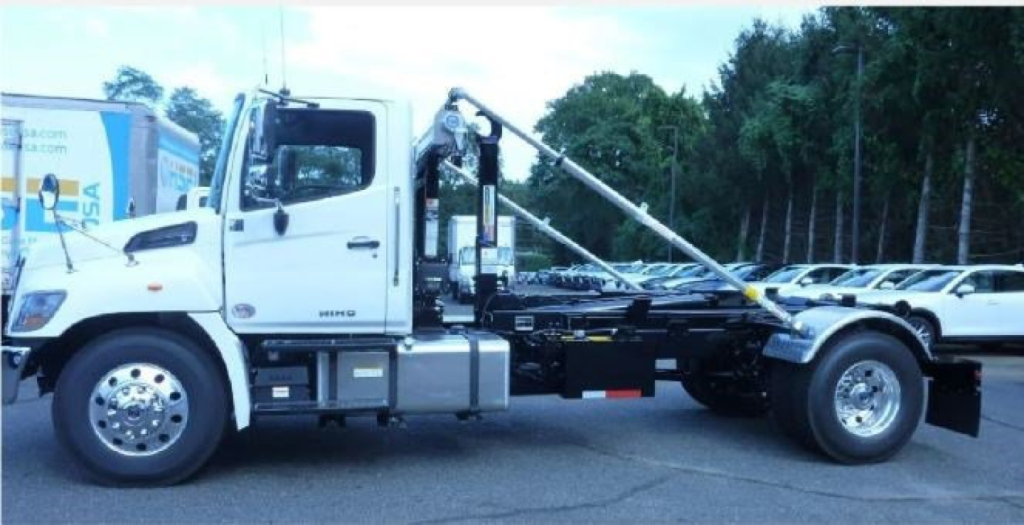
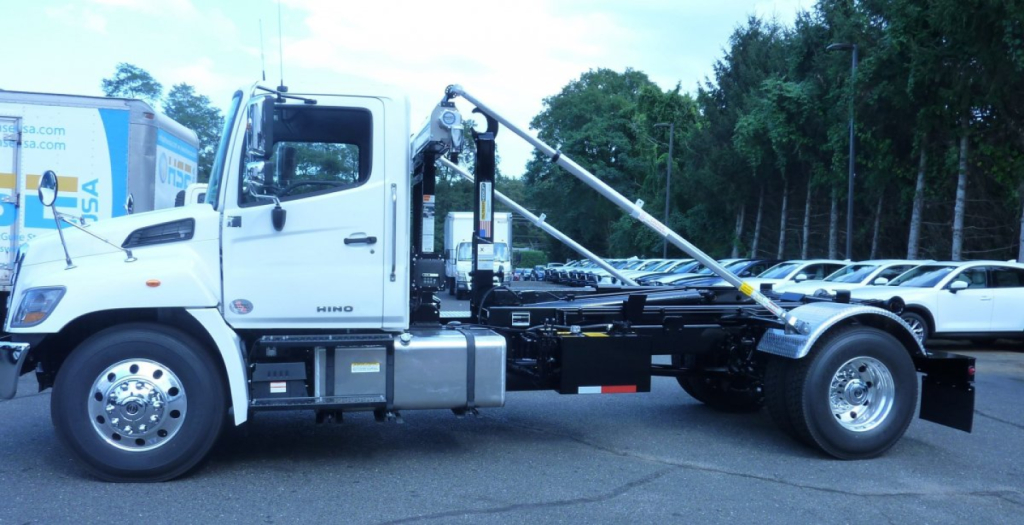
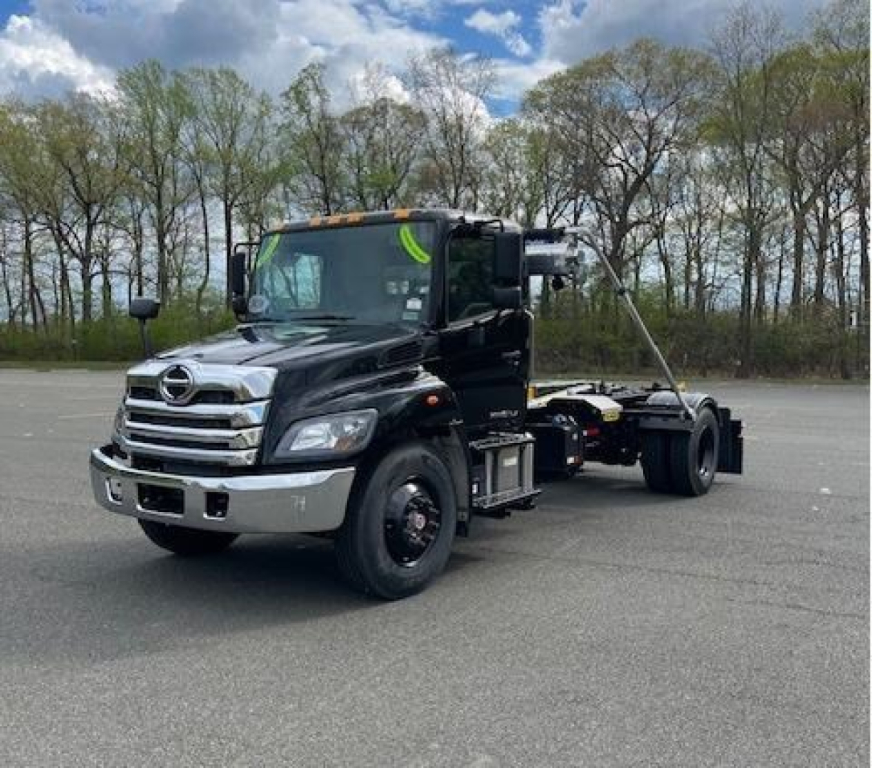
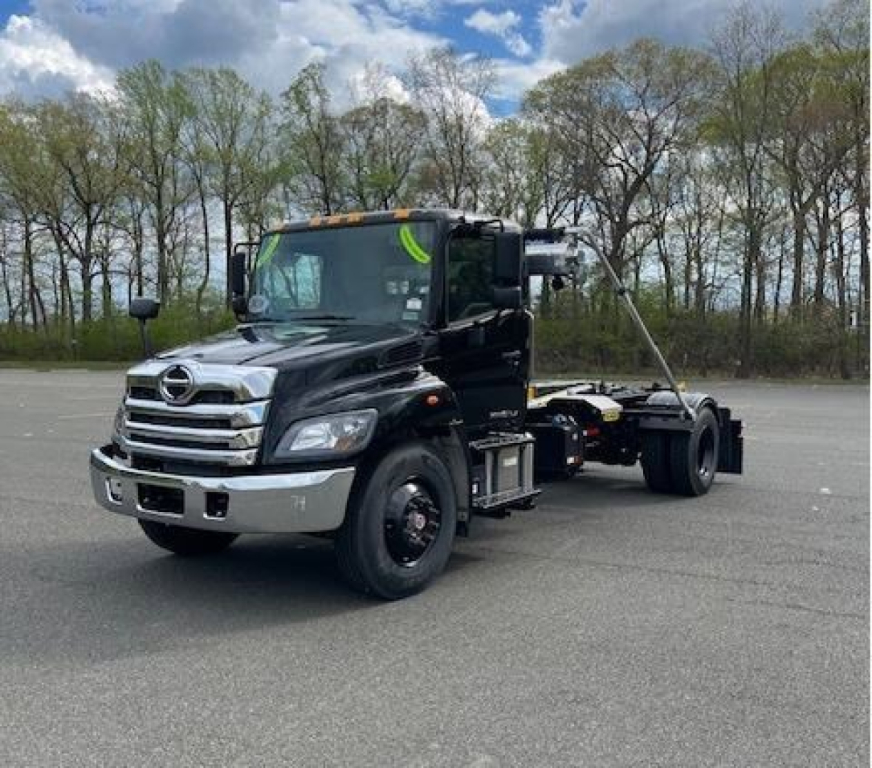
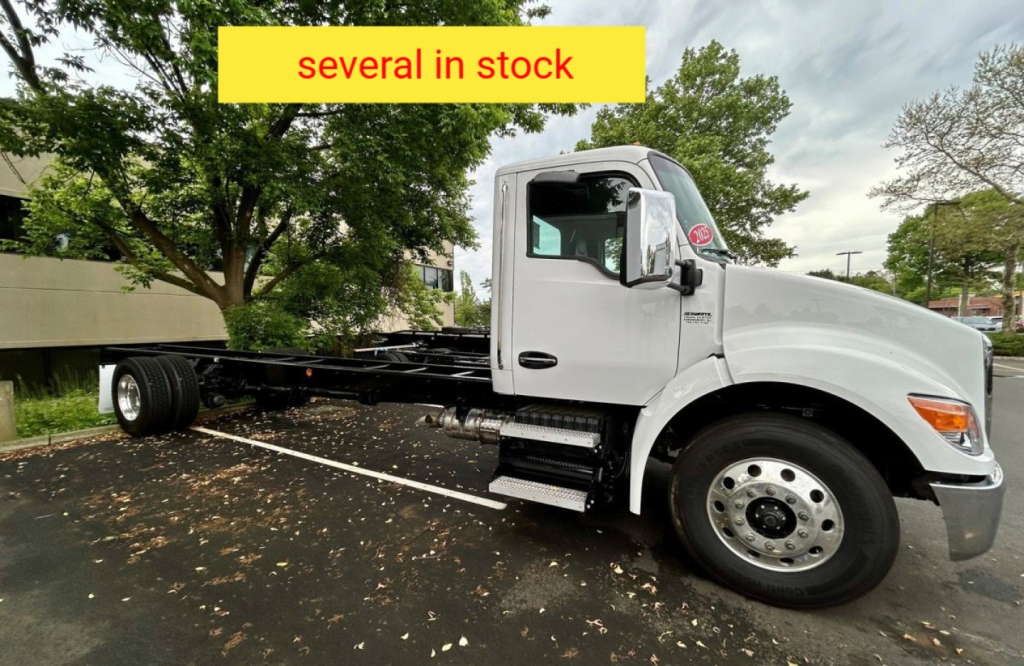
Selling a new hooklift truck? List your new hooklift truck for sale and reach thousands of commercial buyers.
New Hooklift Trucks in New Jersey
The chassis spec matters as much as the hoist. Buyers typically look at diesel engines in the 260 to 300 hp range with torque around the mid-600 lb-ft range, paired with Allison automatic transmissions for stop-and-go routes and mixed-driver fleets. Wheelbase, cab-to-axle, and usable rail length need to line up with the container sizes you expect to load, dump, and transport. A short wheelbase improves maneuverability in tight transfer stations, alleys, and urban jobsites, while a longer setup may give better flexibility with larger cans. Front axle rating, rear axle ratio, suspension, tire size, and brake package all affect payload, stability, and service life.
On the hoist side, buyers should pay close attention to hook height, dump angle, body length range, inside rail width compatibility, and hydraulic cycle speed. Features like an automatic tarp system, in-cab controls, dual lift cylinders, body lock design, and PTO and hydraulic pump sizing can make a real difference in daily productivity. Container retention, reeving options, and the ability to handle different body styles such as trash containers, flatbeds, dump bodies, or equipment platforms add versatility. If the truck will see corrosive loads, winter road treatment exposure, or heavy demolition debris, frame finish, hydraulic hose routing, rear roller design, and lighting protection deserve a close look.
For New Jersey buyers, application fit is critical because route density, transfer station access, bridge and street weight sensitivity, and municipal regulations can all influence the right spec. A well-matched new hooklift truck should balance legal payload, turning radius, container compatibility, and uptime. The best setup is not just the biggest hoist. It is the truck that can safely pick the containers you use most, stay productive in local traffic and jobsite conditions, and keep maintenance straightforward over the long haul.
Frequently Asked Questions about New Hooklift Trucks in New Jersey
What size hooklift truck is most common for non-CDL operation?
Many buyers shop for medium-duty hooklift trucks rated around 25,950 to 26,000 lb GVWR because that range is commonly used for non-CDL applications, depending on local rules and actual operating weight. In this class, 20,000 to 22,000 lb hooklift capacities are common. The real limit is not just the hoist rating. It is the combined weight of the chassis, hoist, container, load, fuel, driver, and accessories. A truck can have a strong hoist and still run out of legal payload quickly if the chassis is too heavy or the container is oversized.
How do I choose the right hooklift capacity and body length range?
Start with the heaviest container you expect to load and the full range of body lengths you need the truck to handle. The hoist must be rated for the loaded container weight, and the rail length, hook height, and body geometry must match the containers in your fleet. Buyers should confirm inside rail width, rear roller setup, and dump clearance as well. If you plan to interchange dumpsters, flatbeds, and specialty bodies, compatibility matters more than buying the highest raw capacity number.
Are automatic transmissions common on new hooklift trucks?
Yes. Allison automatic transmissions are very common on new hooklift trucks because they work well in stop-and-go service, jobsite maneuvering, and routes with multiple pickups and drop-offs. They reduce driver fatigue, simplify training, and generally fit mixed-driver fleets well. For many vocational buyers, the ease of operation and predictable low-speed control outweigh any preference for a manual gearbox.
What options matter most on a hooklift truck used every day?
The most valuable options are usually the ones that improve cycle time, load security, and uptime. Buyers often prioritize an automatic tarp system, reliable in-cab controls, body locks, adequate PTO and hydraulic performance, backup camera systems, work lights, and durable rear rollers. If the truck works in urban or high-traffic areas, visibility, warning lights, and easy access to service points also matter. Daily-use trucks benefit from practical vocational details more than cosmetic upgrades.
Can a hooklift truck handle more than dumpsters?
Yes. A hooklift truck can be used with many interchangeable bodies as long as the body dimensions and rail setup match the hoist system. Common examples include dumpsters, debris cans, flatbeds, dump bodies, storage containers, and equipment platforms. That flexibility is the main reason many fleets choose a hooklift over a fixed body truck. One chassis can cover several jobs if the body inventory is standardized correctly.