
New 2027 Hooklift Trucks For Sale in New Jersey
Shop new 2027 hooklift trucks for sale in New Jersey. Compare hoist capacity, GVWR, chassis specs, tarp systems, and container compatibility.
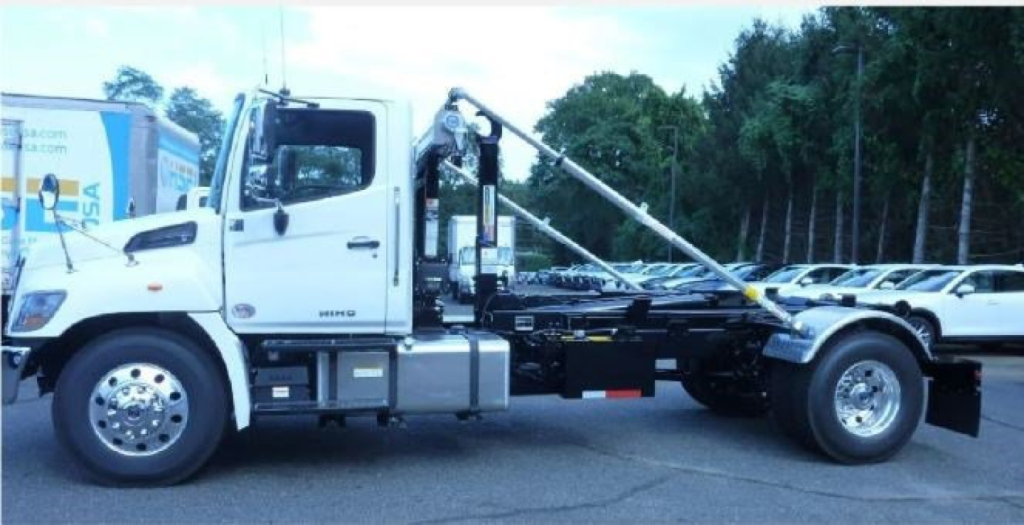
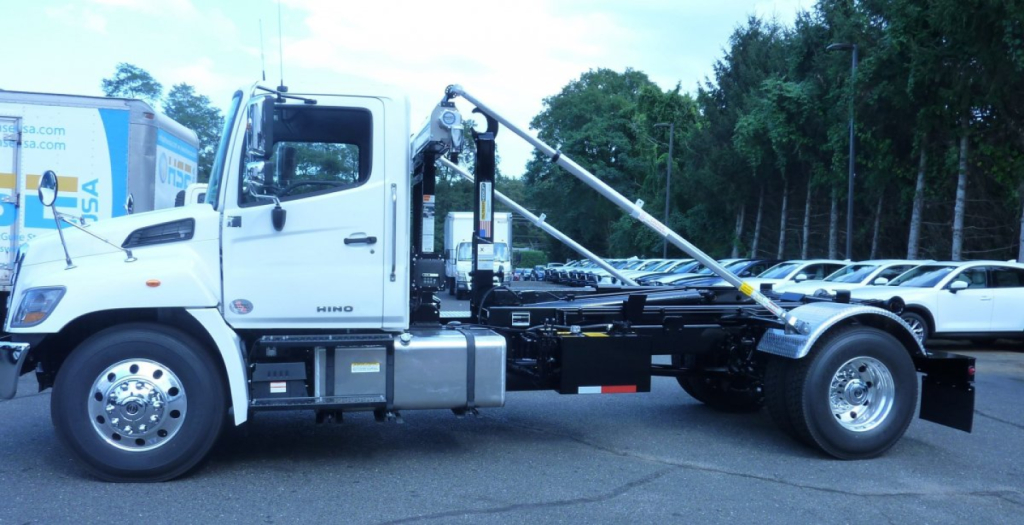
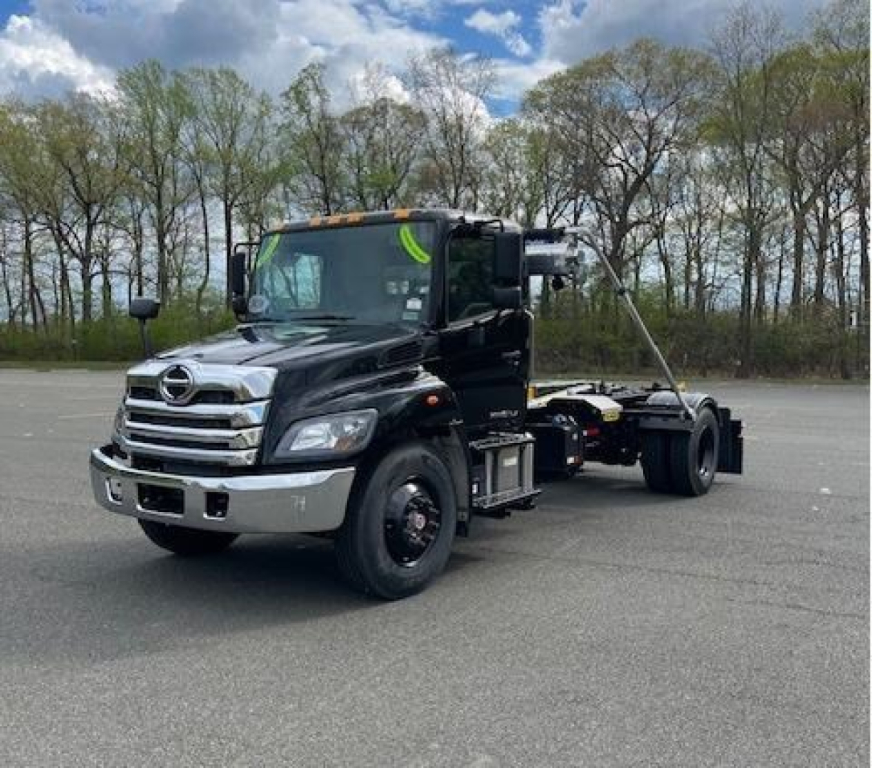
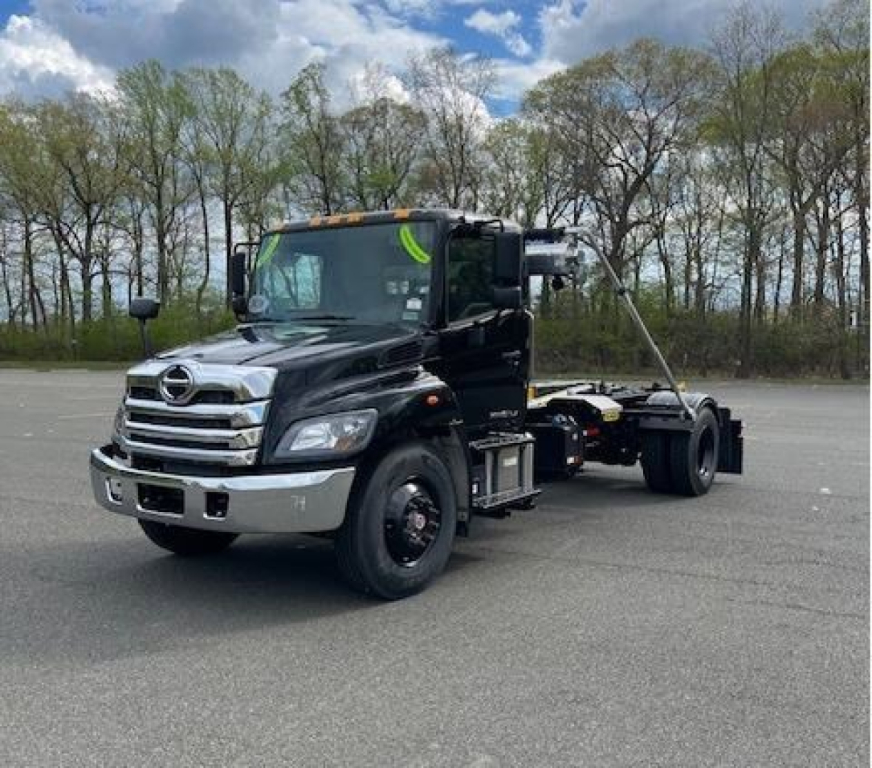
Selling a new 2027 hooklift truck? List your new 2027 hooklift truck for sale and reach thousands of commercial buyers.
New 2027 Hooklift Trucks in New Jersey
The first decision is usually hoist capacity matched to the containers or bodies you plan to run. Many medium-duty hooklift trucks in this segment are spec'd around 22,000 lb capacity on chassis rated near 25,950 to 26,000 GVWR, which is a common target for fleets looking to stay in the non-CDL range when application, body weight, and local rules allow. Common chassis specs include diesel engines in the 260 to 280 horsepower range, torque around 660 lb-ft, and Allison automatic transmissions such as the 2500 RDS. That combination gives predictable low-speed control at the jobsite, good PTO integration, and easier driver onboarding in stop-and-go service.
Body and hoist configuration matter as much as chassis brand. Buyers should verify usable hook height, body length compatibility, rear roller setup, container rail width, and hoist geometry before comparing price. A tarp system is a major practical item in New Jersey because debris containment and road compliance can affect turnaround time and ticket risk. Also look closely at axle ratings, wheelbase, cab-to-axle, fuel tank placement, and any frame modifications, since those details determine how well a truck handles heavier cans, short swap bodies, or tight urban access. Visibility, turning radius, and clear back-of-cab packaging are especially important for contractors and municipal crews working in dense streets and transfer stations.
For buyers comparing new hooklift trucks for sale, the best value is usually the spec that fits your container fleet without overbuilding the truck. Too little hoist or the wrong wheelbase limits body options. Too much chassis can cut payload and raise operating cost. A well-matched 2027 hooklift truck should load smoothly, track straight under load, and support the exact can lengths and duty cycle your operation runs every day. When the hoist, chassis, and body lengths are aligned, a hooklift becomes one of the most efficient multipurpose trucks in a working fleet.
Frequently Asked Questions about New 2027 Hooklift Trucks in New Jersey
What is a hooklift truck used for?
A hooklift truck is used to pick up, transport, and set down interchangeable containers or bodies on a single chassis. Common applications include debris boxes, landscape bodies, flatbeds, equipment carriers, dump-style bodies, salt spreader bodies, and municipal service containers. The main advantage is fleet flexibility, because one truck can handle several different jobs without dedicating a separate truck to each body type.
What hooklift capacity is common on new medium-duty hooklift trucks?
A common specification in the medium-duty market is a 22,000 lb hooklift hoist mounted on a chassis in the 25,950 to 26,000 GVWR range. That size works well for many contractor, municipal, and waste-related applications, but the right capacity depends on container length, body weight, material density, and how often the truck loads on uneven ground. Capacity should always be matched to real operating conditions, not just the empty can weight.
Can a 26,000 GVWR hooklift truck be operated without a CDL?
In many cases, a truck rated at 26,000 GVWR or less is chosen because it may fit non-CDL operation, but licensing depends on the actual truck rating, trailer use, combined weight, cargo, and state or federal rules. Buyers should verify how the truck is door-stickered, whether it is derated, and how it will be used in service. It is smart to confirm compliance with your safety department or local regulatory authority before finalizing the spec.
What should I check for container compatibility on a hooklift truck?
Container compatibility starts with hook height, body length range, rail width, and the hoist's loading geometry. You also need to confirm rear roller design, approach angle, and how the body sits on the truck frame once loaded. If you already own cans or interchangeable bodies, matching those dimensions to the truck spec is critical, because even small differences can affect loading performance, body retention, and safe transport.
Are automatic tarps important on a hooklift truck?
Yes, an automatic tarp system is an important feature for many hooklift applications, especially debris, roofing, demolition, and municipal hauling. A tarp helps contain material, supports road compliance, reduces cleanup, and saves driver time at every stop. In higher-cycle operations, the convenience and consistency of an automatic tarp can have a real impact on daily productivity.