
New 2027 Hooklift Trucks For Sale
Browse new 2027 hooklift trucks with versatile roll-off body systems, medium-duty chassis options, and specs suited for waste, landscape, and municipal work.
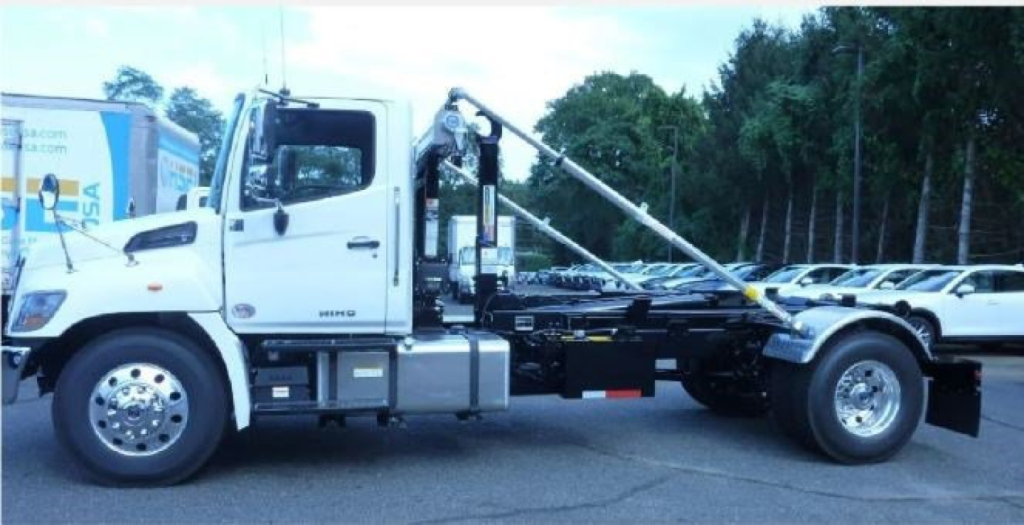
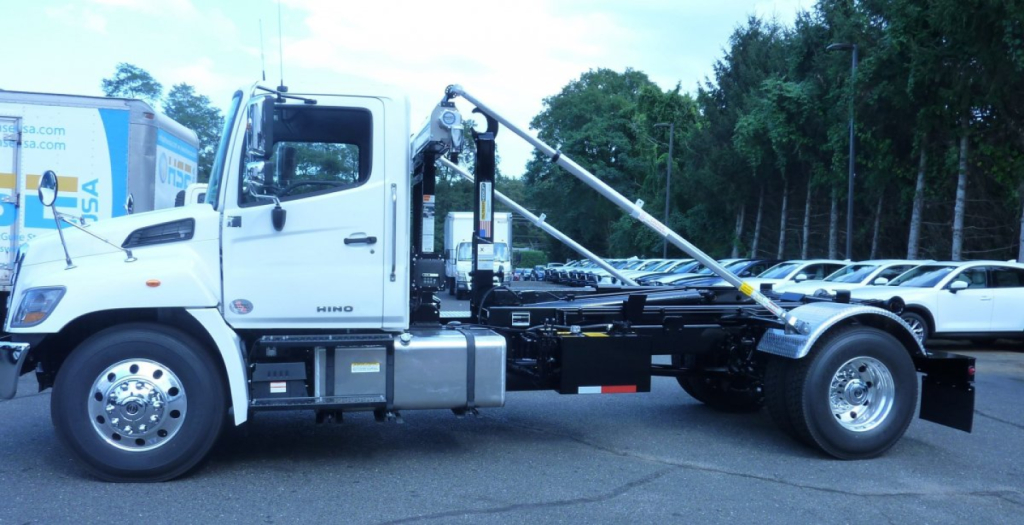
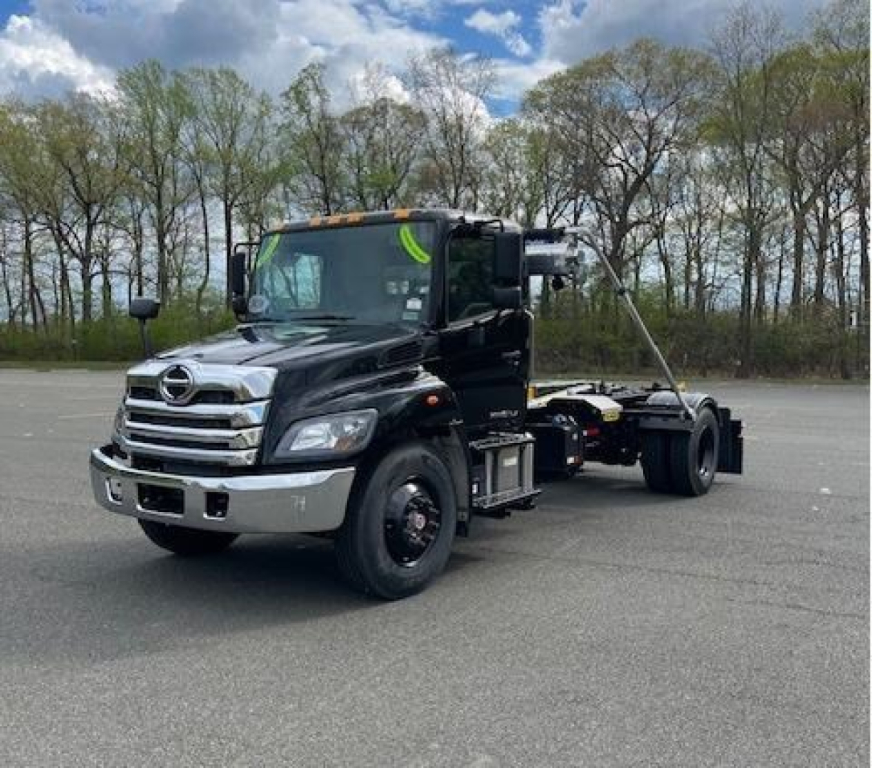
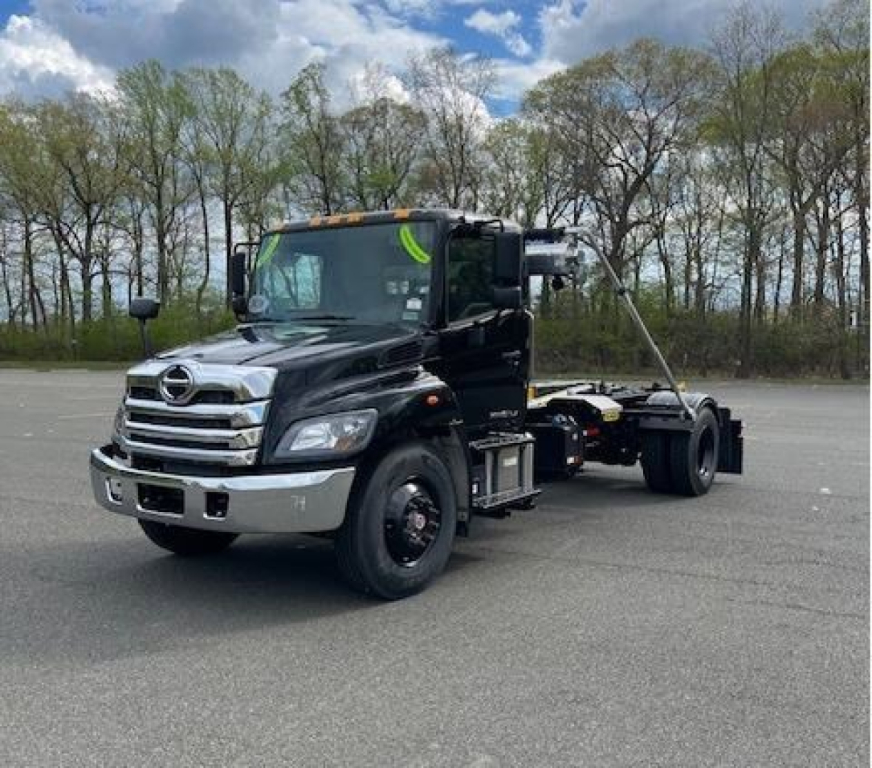

Selling a new 2027 hooklift truck? List your new 2027 hooklift truck for sale and reach thousands of commercial buyers.
New 2027 Hooklift Trucks
The first spec to pin down is the relationship between body length and lifting system. Light and medium hooklift setups are often built around 11-foot to 14-foot containers, with electric-over-hydraulic hoists, cable or hook engagement systems, and controls accessible from inside and outside the cab. On trucks in the 19,500-lb GVWR class and up, payload changes quickly depending on body weight, side height, and added options such as tarping systems, hitch packages, toolboxes, or winches. Buyers should verify hoist rating, usable hook height, body rail compatibility, and rear axle capacity before comparing price alone. If the truck will move dense material like concrete, roofing tear-off, or wet debris, payload margin matters more than body volume.
Chassis choice affects where and how a hooklift truck can work. A 4x2 regular cab is common for tighter pavement routes and lower acquisition cost, while 4x4 configurations make sense for construction sites, utility work, snow-region service, and unpaved yards. Diesel power remains typical in this category because low-end torque helps when loading containers on grades or towing additional equipment. Common vocational features include receiver hitches, ICC bumpers, trailer brake controllers, 7-way plugs, backup cameras, and full tarp systems. On trucks expected to cycle bodies all day, look closely at hydraulic component access, PTO or electric-over-hydraulic design, frame reinforcement, and corrosion protection on the body and subframe.
For many fleets, the real value of a new hooklift truck is utilization. One truck can serve as a dump unit in the morning, a flatbed in the afternoon, and a debris box hauler the next day. That reduces idle specialized equipment and can simplify fleet replacement planning. Buyers comparing new 2027 hooklift trucks should focus on container interchangeability, body availability, service access, and whether the truck is sized for the actual job mix rather than the biggest box it can technically lift. A well-spec'd hooklift setup pays off through faster turnaround, fewer dedicated trucks, and better flexibility across seasons and contracts.
Frequently Asked Questions about New 2027 Hooklift Trucks
What is a hooklift truck used for?
A hooklift truck is used to pick up, transport, and set down interchangeable bodies or containers on a single chassis. Common applications include landscape material delivery, dumpster service, construction debris removal, municipal public works, snow and ice support, equipment hauling, and flatbed transport. The main advantage is that one truck can perform several vocational roles by changing bodies instead of changing trucks.
What should I check first when buying a new hooklift truck?
Start with hoist capacity, compatible container length, and chassis GVWR. Those three numbers determine what the truck can safely lift, carry, and swap in real-world use. After that, review axle ratings, body weight, hydraulic design, hitch capacity, and whether the truck will run on paved routes, mixed job sites, or off-road conditions. A truck that is perfect for light landscape boxes may be undersized for demolition or dense waste service.
Are hooklift trucks the same as roll-off trucks?
The terms are often used interchangeably, but they are not always identical in specification. In many medium-duty vocational applications, a hooklift truck is a type of roll-off system that uses a hydraulic lifting mechanism to load interchangeable containers. Traditional large roll-off refuse trucks may use different container sizes, frame setups, and operating systems. Buyers should focus on hoist type, hook height, body rail dimensions, and intended container range rather than the label alone.
Is 4x2 or 4x4 better for a hooklift truck?
A 4x2 hooklift truck is usually the better fit for urban routes, paved contractor work, and lower empty weight. A 4x4 is better suited for soft ground, construction access roads, utility corridors, and winter conditions where traction matters during loading and unloading. The tradeoff is that 4x4 typically adds cost and weight, which can reduce available payload. The best choice depends on terrain, route density, and how often the truck will leave improved surfaces.
What bodies are commonly used with hooklift trucks?
Common hooklift bodies include dump containers, debris boxes, flatbeds, equipment carriers, landscape bodies, chip bodies, salt spreader bodies, and storage containers. The useful range depends on the truck's hoist rating and frame length. Buyers should confirm that body rail width, hook height, container length, and rear roller design match the lifting system so containers can interchange without modification.