
New Winch - Oil Field Trucks For Sale
Shop new oil field winch trucks with medium and heavy-duty specs for rig support, pipe handling, recovery, and off-road jobsite hauling.
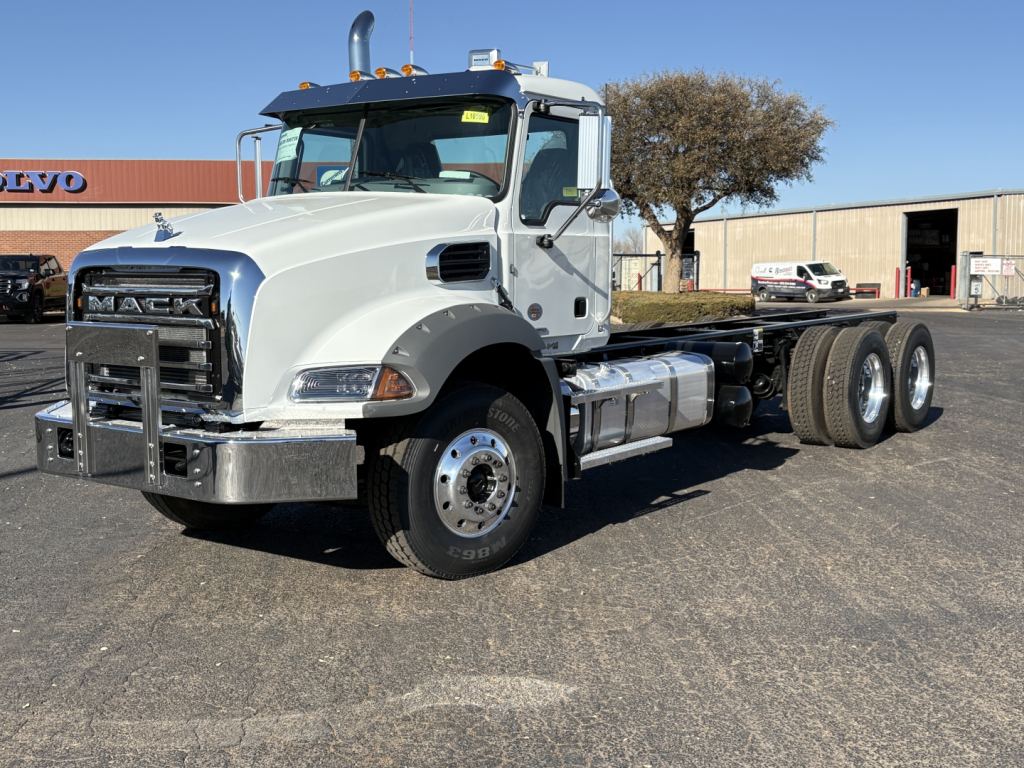

Selling a new winch - oil field truck? List your new winch - oil field truck for sale and reach thousands of commercial buyers.
New Winch - Oil Field Trucks
The most important spec decisions are winch capacity, chassis GVWR, axle ratings, wheelbase, and transmission setup. Medium-duty configurations often use diesel engines in the 300 hp range with automatic transmissions and 31,000 to 33,000 lb GVWR, making them practical for lighter service work, equipment moves, and jobs where maneuverability matters. Heavy-duty tandem units step up into 64,000 lb GVWR territory with larger displacement engines, higher horsepower, double-frame strength, and robust rear suspensions for tougher pulling and payload demands. Wheelbase affects deck length, turning radius, and weight distribution, while rear axle ratio influences low-speed pulling performance and road speed balance. Buyers should also look closely at front axle capacity, rear suspension design, PTO compatibility, and how the body builder matched the winch system to the truck's intended duty cycle.
Body and upfit details matter as much as the base chassis. A well-spec'd oil field winch truck may include a steel work deck, integrated tool storage, headache rack, chain trays, work lights, pintle or hitch equipment, and a rear roller system that protects cable and improves line angle during pulls. Winch arrangement can vary from single to twin line setups depending on the work, and cable size, drum capacity, and fairlead design should match the loads being handled. For buyers operating in soft ground, rough access roads, or high-cycle jobsite conditions, spring suspension durability, tire selection, frame reinforcement, and cooling capacity deserve close attention. If the truck will spend meaningful time on public roads between locations, cab layout, visibility, braking package, and serviceability also become important ownership factors.
A new oil field winch truck appeals to buyers who want current emissions equipment, fresh driveline warranty coverage, and a chassis that can be spec'd around a specific field application instead of adapting to someone else's prior use. The right truck is usually the one that matches the heaviest routine pull, not the occasional extreme event, while still fitting the access constraints of the region it will work in. For lighter oilfield support, a single-axle truck can be easier to position and less costly to run. For sustained heavy pulling, larger equipment handling, or severe terrain, a tandem-axle chassis with higher axle ratings and a more substantial suspension package is the better fit.
Frequently Asked Questions about New Winch - Oil Field Trucks
What is an oil field winch truck used for?
An oil field winch truck is used to pull, load, recover, and reposition equipment in oilfield and energy service environments. Typical jobs include moving pipe, loading skid-mounted units, assisting service rigs, recovering stuck trucks or trailers, and handling machinery on lease roads or undeveloped sites. The truck combines road mobility with a PTO-driven winch system, allowing it to perform controlled pulls and equipment handling without needing a dedicated trailer-only setup.
How do I choose between a single-axle and tandem-axle winch truck?
A single-axle winch truck is generally better for lighter service work, tighter jobsite access, and lower operating cost. A tandem-axle truck is the better choice when the work involves heavier line pulls, larger payloads, harsher terrain, or more demanding duty cycles. The decision should be based on the heaviest routine load, the surfaces the truck will travel on, and whether maneuverability or pulling and carrying capacity matters more in daily use.
Which specs matter most on a new winch truck?
The most important specs are winch capacity, GVWR, axle ratings, wheelbase, engine torque, transmission type, rear axle ratio, and suspension design. Buyers should also confirm PTO compatibility, frame strength, deck configuration, and the details of the body upfit such as roller arrangement, storage, and lighting. A truck can look comparable on paper but perform very differently depending on how the chassis and winch system were matched.
Are automatic transmissions common in oil field winch trucks?
Automatic transmissions are common in medium-duty oil field winch trucks because they simplify operation in stop-and-go work, backing, and low-speed jobsite maneuvering. Heavy-duty applications still often use manual or automated manual transmissions when buyers want more control over gear selection and driveline behavior under severe pulling conditions. The best transmission choice depends on operator preference, terrain, gross combined demands, and how much of the truck's time is spent on-road versus in the field.
Why buy a new oil field winch truck instead of a used one?
A new oil field winch truck gives the buyer a fresh chassis, current powertrain and emissions package, and the ability to match the truck to a defined application from the start. That can reduce surprises related to prior frame stress, winch wear, cable history, or undocumented modifications. New trucks also make it easier to standardize specs across a fleet, which can simplify training, maintenance, parts support, and long-term operating cost control.