
New 2027 Winch - Oil Field Trucks For Sale
New 2027 winch oil field trucks for sale. Compare chassis, winch capacity, PTO setup, axle ratings, and body specs for field service work.
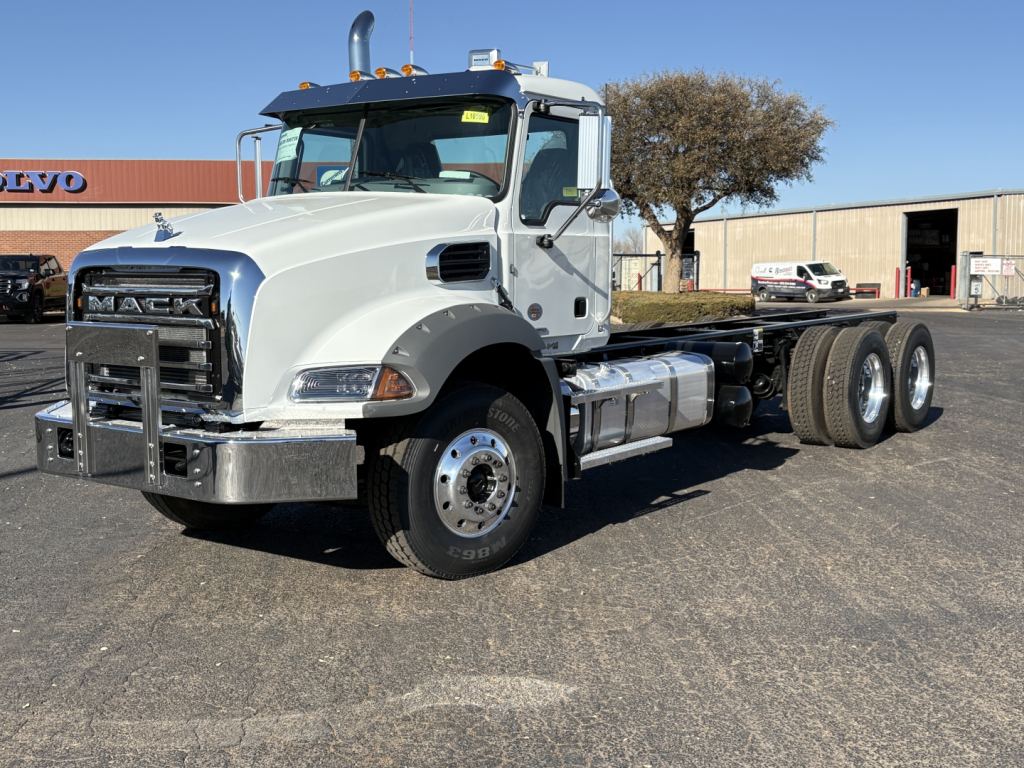

Selling a new 2027 winch - oil field truck? List your new 2027 winch - oil field truck for sale and reach thousands of commercial buyers.
New 2027 Winch - Oil Field Trucks
This category often includes medium-duty and severe-duty platforms, and the right choice depends on terrain, payload, and how often the winch is the primary tool instead of a secondary accessory. Common buyer checkpoints include single-line pull rating, cable capacity, boom or gin-pole configuration if equipped, outriggers or stabilizers, deck length, headache rack design, and rear body layout. Operators working in oil patch service also tend to look for locking differentials, all-wheel-drive or 6x4 configurations where available, high ground clearance, and vocational suspensions that hold up under off-road vibration and uneven surfaces. A clean hydraulic layout, accessible controls, and body integration matter because downtime in the field usually costs more than the original spec upgrade.
New 2027 winch - oil field trucks can also be configured for broader vocational work beyond drilling support. Many are used in construction support, equipment recovery, pipe handling, utility service, and jobsite loading where a powered winch and heavy-duty body offer more versatility than a standard flatbed truck. Buyers should compare engine torque, gearing, brake type, fuel capacity, and cab configuration against the actual route profile. A truck that spends most of its time on county roads and pad sites may need a different balance of maneuverability and capacity than one running highway miles between service territories. If the truck will pull trailers, confirm GCWR, hitch setup, trailer brake provisions, and how the winch body affects rear overhang and departure angle.
Body builder quality is just as important as the base truck. Look for reinforced mounts, properly routed hydraulic lines, corrosion protection, lighting placement, and service access around the winch, pump, and controls. New units are attractive to buyers who want current emissions systems, warranty coverage, and the ability to spec the truck around a specific field application from day one. On any winch oil field truck, the best value usually comes from matching the chassis, hydraulics, and body equipment to the exact type of pulling and handling work the truck will see, rather than buying only on advertised winch capacity.
Frequently Asked Questions about New 2027 Winch - Oil Field Trucks
What should I look for first on a new winch oil field truck?
Start with the chassis rating, PTO compatibility, and hydraulic system because those components determine how effectively the truck can perform winch work. After that, review axle ratings, wheelbase, frame strength, suspension, and the actual winch specifications, including line pull and cable capacity. The truck body, deck layout, and any stabilizers or recovery features should match the type of equipment and terrain the truck will handle.
How is a winch oil field truck different from a standard flatbed or service truck?
A winch oil field truck is built around powered pulling and equipment handling, not just cargo transport or tool storage. It typically includes a heavy-duty winch system, reinforced body structure, PTO-driven hydraulics, and vocational chassis components suited for lease roads and off-road job conditions. Compared with a standard flatbed truck, it is designed to control loads under tension and support loading, recovery, and positioning tasks in the field.
Do I need a medium-duty or severe-duty chassis for oil field winch work?
That depends on load weight, terrain, and duty cycle. Medium-duty platforms can work well for lighter field service, smaller equipment, and routes that mix paved roads with moderate off-road access. Severe-duty chassis are a better fit for heavier pulls, rougher locations, frequent off-road operation, and applications where frame strength, suspension durability, and higher axle capacities are critical.
What winch specifications matter most to buyers?
The most important winch specs are rated line pull, cable length and diameter, hydraulic performance, control setup, and how the winch integrates with the body and chassis. Buyers should also consider drum capacity, mounting strength, and whether the truck includes stabilizers or other support equipment for controlled pulling. A high advertised capacity is only useful if the PTO, pump, and chassis are built to support it consistently in field conditions.
Are new 2027 winch oil field trucks suitable for work outside the oil patch?
Yes. These trucks are often used in construction, utility support, equipment recovery, and industrial service where operators need a combination of transport capability and powered pulling. The key is matching the truck’s body design, winch setup, and chassis ratings to the actual work. Many buyers choose this category because it can handle specialized field tasks that a general-purpose truck cannot perform as efficiently.