
New 2027 Mack Winch - Oil Field Trucks For Sale
Shop new 2027 Mack winch oil field trucks. Compare chassis, PTO and winch setups, axle ratings, and vocational specs for energy work.
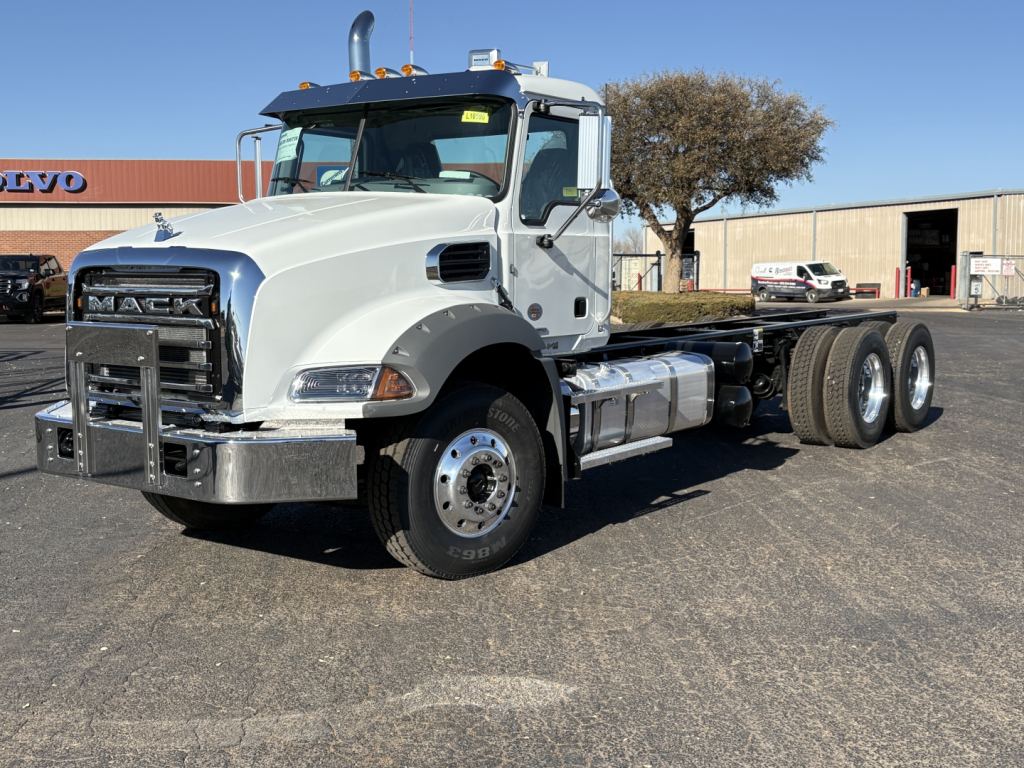

Selling a new 2027 mack winch - oil field truck? List your new 2027 mack winch - oil field truck for sale and reach thousands of commercial buyers.
New 2027 Mack Winch - Oil Field Trucks
The first buying decision is usually size and duty class. Mack oil field winch trucks can range from medium-duty configurations used for lighter service bodies and shorter hauls to heavier tandem-axle setups intended for more demanding pulling and hauling work. Buyers should match the truck to the weight of the equipment being moved, the terrain, and any bridge or road restrictions in the operating area. Important specs include wheelbase, cab-to-axle, frame section modulus, horsepower, torque, transmission type, transfer case or PTO provisions when required, and rear axle ratio. On the body side, common considerations include winch capacity, number of drums, line pull, cable length, headache rack design, tool storage, deck layout, and tie-down arrangement. In oil patch service, traction options such as locking differentials, all-wheel drive on certain builds, aggressive vocational tires, and suspension tuned for off-pavement use can be just as important as engine output.
A well-spec'd oil field winch truck, also called a winch truck or oilfield bed truck in many regions, needs to do more than just pull. It must control the load safely and repeatedly. That is why buyers often pay attention to brake configuration, engine brake performance, cooling capacity, steering axle capacity, and overall weight distribution once the body is installed. If the truck will spend time on highway moves between fields, cab comfort, visibility, and fuel tank capacity start to matter more. If it will stay on location, low-speed maneuverability, ground clearance, and simple service access may take priority. New 2027 trucks also appeal to fleets that want current emissions equipment, factory warranty support, and a fresh maintenance cycle before the truck enters heavy vocational use.
For many buyers, the best Mack winch oil field truck is the one that fits the job without carrying unnecessary chassis weight or leaving too little reserve capacity. A lighter single-axle truck can be efficient for service work and smaller loads, while a heavier tandem setup may be the right choice for frequent pulling, rough access roads, and larger oilfield equipment. Reviewing body-builder dimensions, PTO readiness, upfitter wiring, and local compliance requirements up front can prevent expensive changes later. In this equipment class, correct spec matters more than badge alone because winch performance, chassis durability, and legal payload all depend on how the truck is configured from the start.
Frequently Asked Questions about New 2027 Mack Winch - Oil Field Trucks
What should I look for first when buying a new Mack oil field winch truck?
Start with the chassis rating and the intended job. The most important factors are axle capacity, frame strength, wheelbase, PTO compatibility, engine torque, transmission choice, and the actual winch bed specification. A truck that is too light for the body and pulling requirements will wear quickly and may not handle safely on rough roads, while an oversized truck can add unnecessary cost and empty weight. The best spec is the one that matches the equipment being moved, the terrain, and the legal weight limits in the operating region.
What is the difference between a medium-duty and heavy-duty oil field winch truck?
A medium-duty oil field winch truck is generally used for lighter service work, smaller equipment, and routes where maneuverability and lower operating cost matter most. A heavy-duty version typically has higher GVWR and axle ratings, a stronger frame, and more robust suspension and driveline components for larger loads and tougher field conditions. Heavy-duty trucks are usually the better choice when the truck will pull hard on a regular basis, operate on poor lease roads, or carry a larger winch body with more tools and rigging.
How important is PTO setup on a winch oil field truck?
PTO setup is critical because the winch system depends on it for reliable power delivery. Buyers should confirm that the transmission and engine package support the PTO requirements of the installed winch bed, including torque demand, operating speed, and hydraulic or mechanical drive arrangement. A mismatch between the chassis and the body can lead to poor winch performance, limited operating range, or expensive rework after the truck is built. PTO readiness should be reviewed early in the spec process, not after the body is selected.
Are Mack winch trucks suitable for off-road oilfield use?
Yes, if they are properly spec'd for the application. Off-road and oilfield use usually calls for higher ground clearance, vocational suspension, traction aids such as locking differentials, suitable tire selection, and axle ratings that account for uneven terrain and concentrated loads. The truck also needs a body and deck layout that keep weight distributed correctly. A highway-oriented spec may not hold up well on lease roads, so buyers should look for components chosen specifically for mixed on-road and off-road service.
Why buy a new 2027 Mack winch truck instead of an older used unit?
A new 2027 Mack winch truck gives the buyer a full service life ahead of it, current factory support, and the ability to spec the truck correctly from the beginning. That can reduce downtime, improve reliability, and limit the compromises that come with older trucks or mismatched upfits. For fleets, a new truck also makes it easier to standardize parts, maintenance planning, driver controls, and compliance requirements across multiple units.