
New Mack Winch - Oil Field Trucks For Sale
Shop new Mack winch oil field trucks with heavy-duty specs, PTO-ready drivetrains, tandem axles, and chassis built for rig support work.
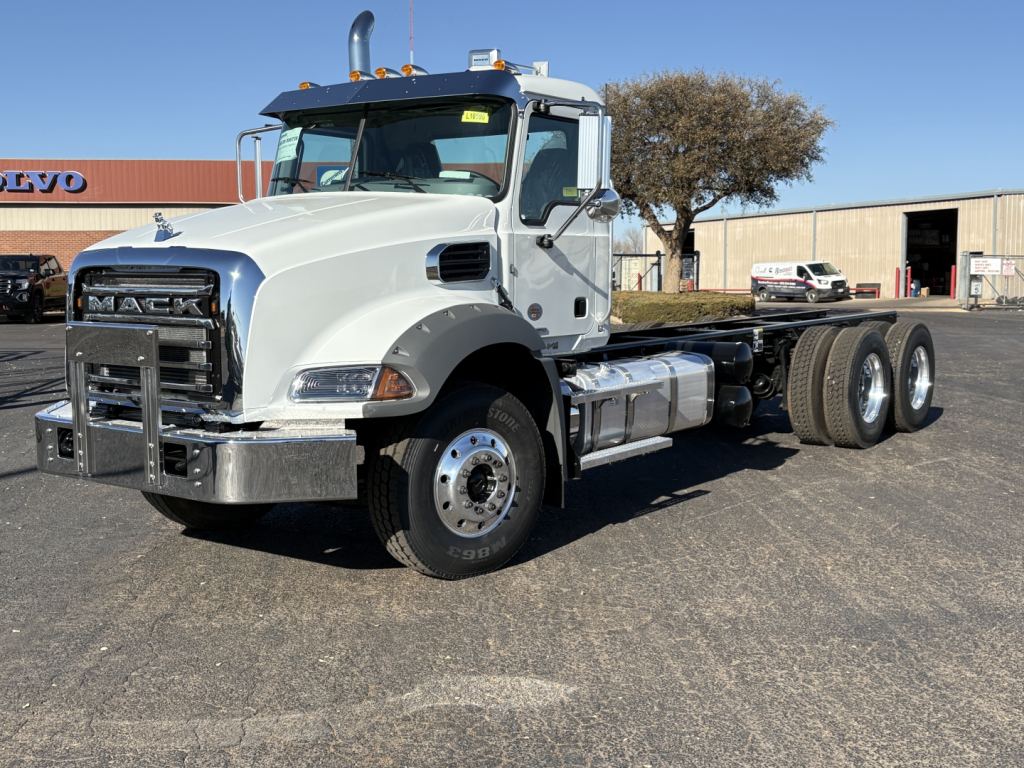

Selling a new mack winch - oil field truck? List your new mack winch - oil field truck for sale and reach thousands of commercial buyers.
New Mack Winch - Oil Field Trucks
Transmission selection changes how the truck works in the field. An Allison automatic with PTO provision can be a strong fit for stop-and-go operation, frequent maneuvering, and operators who need smooth engagement around equipment and tight locations. A Fuller manual or automated manual in a 13-speed style setup is often preferred when the truck will spend more time on mixed road and lease service, where ratio spread, driveline efficiency, and driver control at varying speeds are important. Rear axle ratings around 46,000 pounds, tandem drive configurations, and GVWRs in the 64,000 to 66,000 pound range are typical for this class. Wheelbase also matters because it affects body fitment, winch deck layout, weight distribution, and turning radius on confined sites.
Suspension and axle spec deserve close attention on a Mack oil field winch truck. Buyers will often compare parabolic suspensions such as Mack mRide against heavier-duty multileaf setups like Camelback, depending on expected off-road punishment and bodybuilder requirements. A heavier spring suspension can be the better choice for severe service and constant jobsite abuse, while other setups may balance ride quality with payload support. Front axle ratings in the 18,000 to 20,000 pound range are common, and brake type, rear ratio, and frame strength all play into how well the truck handles a loaded winch bed or pole and gin arrangement. Day cab configurations are standard in this segment because the truck is typically assigned to local or regional field work rather than long-haul service.
When comparing new Mack winch-oil-field trucks for sale, it helps to think beyond raw horsepower and look at the complete working package: PTO compatibility, suspension type, axle ratings, wheelbase, gearing, and how the chassis will support the exact winch body being installed. Mack has long been a strong fit in vocational service because the platform is designed around durability, straightforward upfitting, and components that hold up in demanding environments. The best spec is the one that matches your terrain, load profile, and bodybuilder plan, not just the highest engine rating on paper.
Frequently Asked Questions about New Mack Winch - Oil Field Trucks
What is a Mack winch oil field truck used for?
A Mack winch oil field truck is used for heavy vocational work such as rig support, pulling equipment, moving oilfield components, handling pipe or machinery, and operating in off-road or lease-road conditions. These trucks are designed as chassis for specialized winch bodies and are built to manage high loads, PTO-driven equipment, and repeated low-speed pulling tasks in demanding field environments.
What specs matter most when buying a new oil field winch truck?
The most important specs are engine torque, transmission type with PTO provision, axle ratings, suspension design, wheelbase, rear ratio, and overall GVWR. Buyers should also confirm that the frame and driveline are suitable for the intended winch body, deck equipment, and any pole, gin, or recovery setup. A strong spec sheet is one that supports the final upfit and the actual job cycle, not just highway performance.
Is an automatic or manual transmission better for a winch truck?
It depends on the application. An Allison automatic is often preferred for frequent starts, tight maneuvering, and easier operation around well sites or yards because it delivers smooth low-speed control. A manual or 13-speed style transmission can be a better fit for operators who want more gear control, improved flexibility across varying terrain, and stronger efficiency in mixed road and field service. The right choice depends on driver preference, PTO needs, and how much time the truck will spend on-road versus on-site.
Why do suspension and rear ratio matter on a Mack oil field truck?
Suspension and rear ratio directly affect durability, traction, ride quality, and how the truck handles load movement in rough conditions. A severe-duty multileaf suspension may hold up better in constant off-road service, while other suspension types can improve ride and still support the required rating. Rear ratio affects launch, gradeability, and cruising rpm, so buyers should match gearing to terrain, load weights, and the balance between low-speed pulling and road travel.
What chassis layout is common for new Mack winch-oil-field trucks?
A common layout is a tandem-axle day cab with an 18,000 to 20,000 pound front axle, 46,000 pound rear axles, and a GVWR in the mid-60,000-pound range. Wheelbases often vary based on the bodybuilder's requirements, but they are selected to support the winch bed, maintain proper weight distribution, and preserve usable maneuverability on field locations. This type of layout gives the truck the structural foundation needed for heavy vocational upfitting.