
New Mack Winch - Oil Field Trucks For Sale in Texas
Shop new Mack oil field winch trucks for Texas work. Learn common specs, PTO and winch setups, axle choices, and vocational applications.
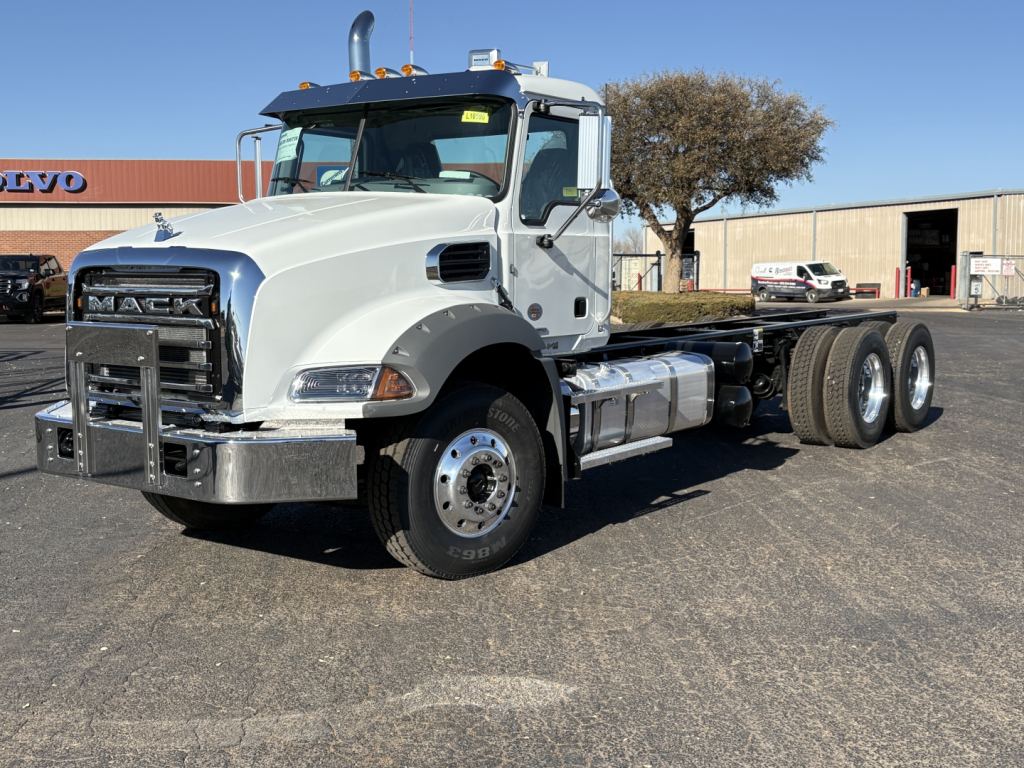

Selling a new mack winch - oil field truck? List your new mack winch - oil field truck for sale and reach thousands of commercial buyers.
New Mack Winch - Oil Field Trucks in Texas
Most oil field winch trucks are spec'd as tandem or tri-axle configurations, with suspension and axle ratings chosen around trailer weight, terrain, and bridge law considerations. Buyers should pay close attention to front axle capacity, rear axle ratio, and whether the truck is set up for highway movement, off-road lease access, or a mix of both. A proper winch truck spec often includes a headache rack, tail roller, gin poles or a stiff-leg arrangement on some builds, wet kit or PTO controls, trailer hookups, and deck space that supports chains, binders, and rigging. On a new Mack, transmission and PTO compatibility matter because the truck needs to deliver controlled winch performance without sacrificing drivability under load.
The winch system is the heart of the truck, so line pull, drum capacity, cable size, and controls deserve close review. Some buyers need a straightforward rear-mounted hydraulic winch for equipment recovery and trailer loading, while others need a more specialized oilfield setup with higher capacity and more elaborate rigging options. It also helps to look at ground clearance, approach angle, tire selection, locking differentials, and fuel tank placement if the truck will spend time on unimproved roads. In Texas service, heat management, cooling capacity, and easy access to service points can make a noticeable difference in uptime.
A new Mack oil field winch truck also gives buyers the advantage of current emissions equipment, factory-backed vocational engineering, and the ability to match the chassis to a specific body builder or upfitter. For many fleets, the best value is not the biggest winch or the highest horsepower rating, but a balanced spec that matches gross combined weight, expected trailer types, and the frequency of off-road use. When comparing listings, focus on the complete package: chassis model, engine and transmission pairing, axle ratings, PTO provisions, wheelbase, body layout, and the exact winch configuration. That is what determines how well the truck will actually perform in field service.
Frequently Asked Questions about New Mack Winch - Oil Field Trucks in Texas
What is an oil field winch truck used for?
An oil field winch truck is used to pull, position, load, and move heavy oilfield-related equipment and trailers. Common applications include moving frac tanks, pipe trailers, mud equipment, small support skids, and other field assets that need controlled pulling power instead of crane lifting. The truck combines a heavy vocational chassis with a hydraulic or PTO-driven winch system for low-speed, high-force work in yards, leases, and jobsite access roads.
What should I look for first when buying a new Mack winch truck?
Start with the intended load and terrain. The right spec depends on gross combined weight, trailer type, and how much off-road use the truck will see. Key items include axle configuration, front and rear axle ratings, suspension, wheelbase, engine torque, transmission and PTO compatibility, and the winch rating itself. A truck that is well matched across the whole chassis will usually outperform an overbuilt or underbuilt unit with one impressive spec but poor balance elsewhere.
Are Mack trucks a good choice for oil field winch applications?
Mack is a strong fit for oil field winch work because its vocational platforms are built for demanding duty cycles, heavy frames, and harsh operating conditions. Buyers in this category often value chassis durability, driveline strength, and body-builder support for PTO and vocational equipment integration. The exact suitability still comes down to the final build, including axle ratings, suspension, transmission setup, and the installed winch package.
What winch specifications matter most on an oil field truck?
The most important winch specifications are rated line pull, drum capacity, cable or rope size, hydraulic performance, and control setup. Those factors determine what the truck can safely move and how efficiently it can work in real conditions. Buyers should also verify how the winch is mounted, how the fairlead or tail roller is arranged, and whether the truck includes the rigging and deck layout needed for day-to-day field use.
Why does Texas application matter when spec'ing a winch truck?
Texas applications often combine highway travel with rough lease-road access, heavy ambient heat, and demanding oilfield duty cycles. That makes cooling capacity, tire selection, ground clearance, fuel range, and suspension choice especially important. A truck that spends time in the Permian or similar regions may need a different setup than a unit used mostly for yard support or short-haul equipment moves on improved roads.