
New 2027 Mack Winch - Oil Field Trucks For Sale in Texas
Explore new 2027 Mack oil field winch trucks for Texas jobs, with specs, applications, drivetrain considerations, and PTO winch setup insights.
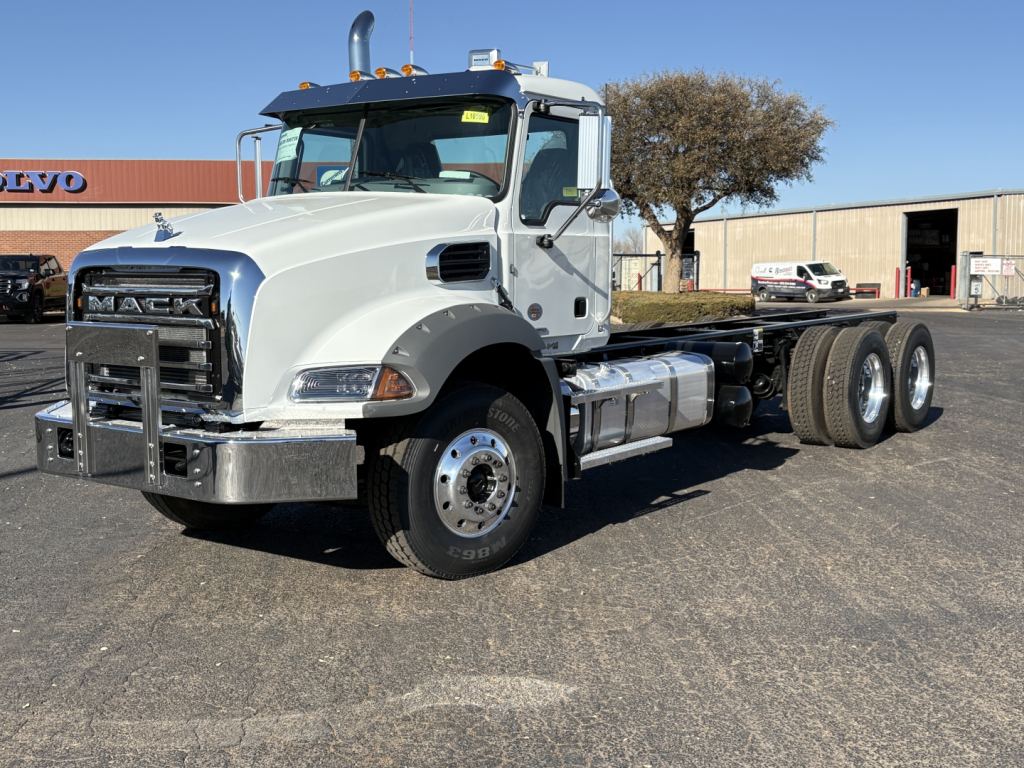

Selling a new 2027 mack winch - oil field truck? List your new 2027 mack winch - oil field truck for sale and reach thousands of commercial buyers.
New 2027 Mack Winch - Oil Field Trucks in Texas
Mack is a practical fit for this application because buyers often want a vocational chassis with strong frame rails, proven diesel power, and axle options that can support heavier body and winch installations. Common decisions in this class include single-axle versus tandem-axle layout, wheelbase selection for body length and bridge compliance, and engine and transmission pairing for PTO performance. A Texas-spec oil field winch truck may also be ordered with locking differentials, heavier front bumpers, vocational tires, full double frame or liner reinforcement, and suspension setups chosen for off-road service. If the truck will spend meaningful time on county roads and state highways between fields, ride, gearing, and serviceability become just as important as raw pull rating.
Buyers should pay close attention to the winch system itself, not just the cab and chassis. Line pull rating, winch drum capacity, hydraulic versus mechanical drive, fairlead design, rear roller arrangement, and bed construction all affect how the truck performs in the field. Deck material, tie-down points, headache rack design, tool storage, auxiliary lighting, and air or electric trailer connections can make a major difference in daily use. On oil field bodies, it is also common to evaluate rear snatch block setups, gin pole or pole truck capability where applicable, and how the PTO and hydraulic package is matched to the engine torque curve. A truck that is correctly spec'd for the body will generally work more efficiently and put less strain on driveline and hydraulic components.
For buyers comparing new 2027 Mack winch - oil field trucks for sale in Texas, the real question is how closely the truck matches the work cycle. Short-haul lease work, equipment recovery, pipe yard service, and rig support all place different demands on axle ratings, tires, gearing, and body equipment. Cab configuration, visibility, turning radius, fuel capacity, and emissions service access also matter when uptime is critical. A well-matched oil field winch truck should give you enough chassis capacity for the body and payload, enough winch performance for the load being handled, and enough durability to stay productive in rough-field conditions without becoming overbuilt for the route.
Frequently Asked Questions about New 2027 Mack Winch - Oil Field Trucks in Texas
What is an oil field winch truck used for?
An oil field winch truck is used to load, pull, drag, recover, and transport equipment commonly found in drilling, production, and field service operations. Typical jobs include moving skidded machinery, hauling pipe-related support equipment, repositioning tanks or jobsite components, and handling loads where a powered winch is needed for controlled loading rather than crane lifting.
What should I look for first when buying a new Mack oil field winch truck?
Start with the chassis ratings and the intended body specification. Front axle rating, rear axle capacity, suspension, wheelbase, frame strength, engine torque, transmission PTO compatibility, and brake setup should all match the installed winch body and the type of loads being handled. If the chassis is underspec'd, the truck may wear quickly or perform poorly off road. If it is overspec'd, you may carry unnecessary weight and cost.
Is a single-axle or tandem-axle winch truck better for oil field work?
That depends on the load and terrain. A single-axle truck can be easier to maneuver, lighter, and well-suited for smaller equipment or tighter access points. A tandem-axle truck usually offers better weight distribution, higher GVWR potential, and improved stability for heavier bodies and more demanding pulling applications. Buyers in Texas often make this decision based on lease road conditions, expected payload, and how often the truck will travel on public roads.
Why does PTO and hydraulic setup matter on a winch truck?
The PTO and hydraulic system determine how effectively the winch body can do its job. Proper hydraulic flow, pressure, reservoir sizing, cooling, and PTO engagement characteristics affect line speed, pulling consistency, and reliability. A mismatch between engine, transmission, PTO, and hydraulic package can lead to poor winch performance, overheating, or unnecessary driveline stress, especially in repeated low-speed pulling cycles.
Are Mack trucks a good choice for Texas oil field winch applications?
Mack trucks are commonly considered for vocational service because they can be configured for demanding chassis applications with strong frames, diesel torque, and work-oriented drivetrain options. For Texas oil field use, buyers typically value durability, service access, axle and suspension choices, and the ability to spec the chassis correctly for a dedicated winch body. The best result still comes down to matching the exact Mack model and body package to the job.