
New 2027 Winch - Oil Field Trucks For Sale in Texas
Shop new 2027 oil field winch trucks for sale in Texas. Compare chassis, winch capacity, axle ratings, PTO setups, and body configurations.
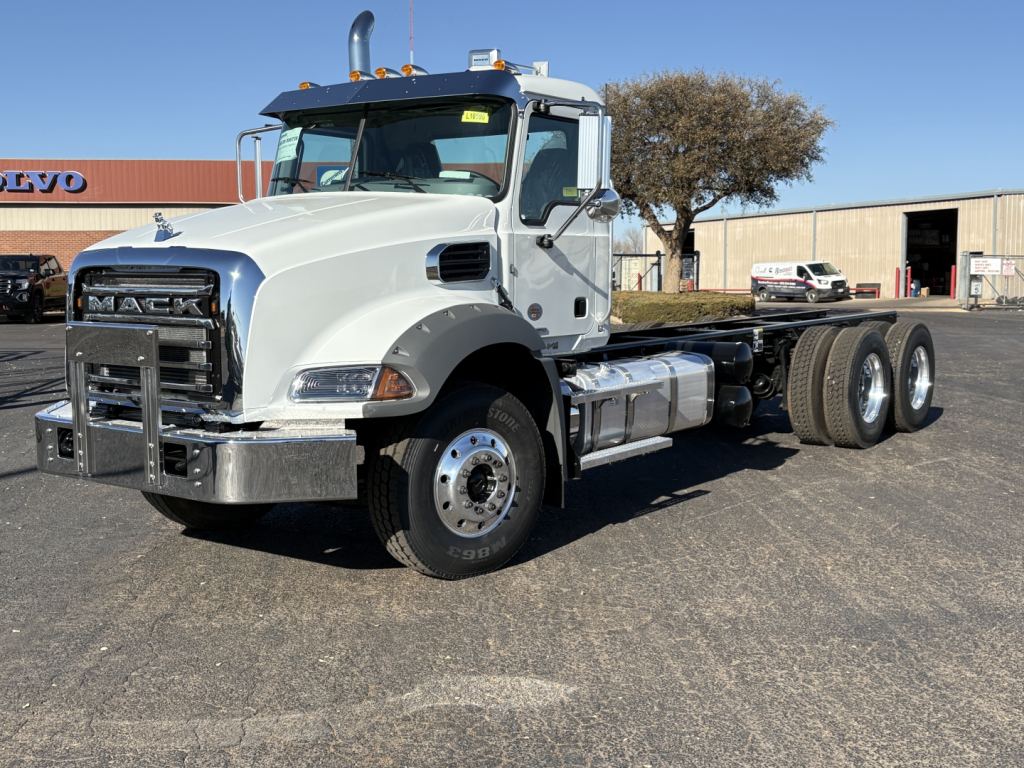

Selling a new 2027 winch - oil field truck? List your new 2027 winch - oil field truck for sale and reach thousands of commercial buyers.
New 2027 Winch - Oil Field Trucks in Texas
A new 2027 winch truck gives buyers the advantage of current emissions systems, updated safety technology, and a clean maintenance baseline. On this equipment class, important specs include GVWR, front and rear axle ratings, wheelbase, suspension type, engine torque, transmission choice, PTO compatibility, and hydraulic capacity. Buyers should also look closely at deck length, winch line pull, cable size, fairlead design, and whether the truck is built with outriggers, a gin pole, or other oil patch-specific body equipment. In tighter locations, overall length and turning radius matter as much as raw pulling power. In rougher West Texas conditions, ground clearance, traction, and durable rear suspension become especially important.
The chassis itself matters more than many first-time buyers expect. Models used for this category are often spec'd with vocational frames, set-back or set-forward front axles depending on body layout, and gearing chosen for low-speed control rather than highway cruise efficiency. Heavy front accessories, hydraulic tanks, and body weight can shift balance quickly, so wheelbase and weight distribution should be evaluated against the intended winch body. If the truck will spend time on public roads between jobs, cab comfort, visibility, brake configuration, and legal weight compliance deserve the same attention as the winch assembly. New trucks may also be easier to upfit for fleet standards, telematics, camera systems, and site-specific safety requirements.
For buyers comparing listings, the best approach is to match the truck to the actual work cycle. A lighter-duty unit may be efficient for service company support and smaller equipment moves, while a heavier tandem or severe-service chassis makes more sense for frequent pulling, uneven terrain, and higher body weights. Oil field winch trucks are also commonly called winch trucks or oilfield winch trucks, but the useful distinctions come down to capacity, hydraulic design, and body build quality. A truck that is properly spec'd for line pull, axle loading, and terrain will usually outperform a more powerful truck that is mismatched to the job.
Frequently Asked Questions about New 2027 Winch - Oil Field Trucks in Texas
What is an oil field winch truck used for?
An oil field winch truck is used to load, pull, move, and position heavy equipment commonly found in drilling, production, and service operations. Typical tasks include moving skids, pumps, tanks, small rigs, generators, and support equipment around yards and lease locations. These trucks are designed for controlled low-speed pulling and spotting, not just highway towing, so the chassis, hydraulics, and body are built around vocational jobsite use.
What specs matter most when buying a new winch truck?
The most important specs are chassis class, GVWR, axle ratings, wheelbase, engine torque, transmission, PTO provision, hydraulic capacity, and winch rating. Buyers should also confirm deck configuration, cable capacity, suspension type, and the total installed body weight. In oilfield service, the truck has to balance legal road travel with off-road durability, so weight distribution and frame strength are just as important as advertised line pull.
Are medium-duty or heavy-duty chassis better for oil field winch applications?
That depends on the size of the equipment being moved and the terrain the truck will see every day. Medium-duty trucks can work well for lighter support equipment, tighter yards, and operations that value maneuverability and lower operating cost. Heavy-duty or severe-service chassis are generally better for repeated heavy pulls, rough access roads, larger hydraulic bodies, and higher axle loads. The right choice comes from matching the truck's ratings to the body and the real work cycle, not just choosing the largest platform available.
Why does wheelbase matter on a winch truck?
Wheelbase affects body fitment, weight distribution, turning radius, and stability under load. A longer wheelbase can help support a larger body or improve balance, but it may reduce maneuverability on cramped drilling locations or in equipment yards. A shorter wheelbase can be easier to position, but it has to be matched carefully to axle ratings and body dimensions so the truck does not end up overloaded or poorly balanced once the winch equipment is installed.
What should Texas buyers look for in a new oilfield winch truck?
Texas buyers usually need a truck that can handle a mix of highway travel, lease road access, high ambient temperatures, and heavy vocational use. Cooling performance, suspension durability, traction, PTO and hydraulic reliability, and serviceability are key considerations. West Texas applications often put extra emphasis on ground clearance, rear suspension strength, and low-speed control, while trucks working around larger metro areas may also need to prioritize legal weight compliance, maneuverability, and emissions-system uptime.