
New Winch - Oil Field Trucks For Sale in Texas
Shop new oil field winch trucks for Texas jobsites. Compare chassis, winch ratings, PTO setups, axle specs, and field-ready body options.

Selling a new winch - oil field truck? List your new winch - oil field truck for sale and reach thousands of commercial buyers.
New Winch - Oil Field Trucks in Texas
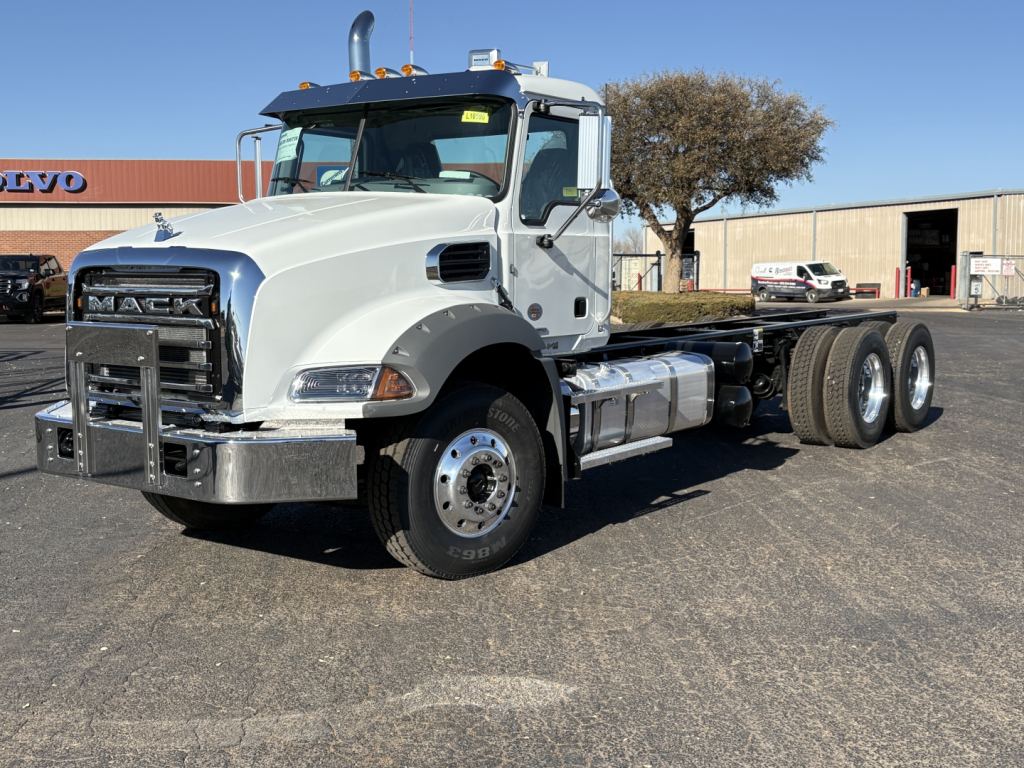
Chassis selection matters as much as the winch body. Buyers should look closely at GVWR, front and rear axle ratings, wheelbase, suspension, and engine-PTO compatibility. A lighter single-axle setup can work well for service work and smaller equipment, while tandem-axle configurations are better suited for heavier loads, rougher terrain, and higher-capacity winches. Common spec points include diesel engines with strong low-rpm torque, automatic or automated transmissions, locking rears, heavy-duty frame rails, and PTO-driven hydraulic systems. On the body side, typical features include a headache rack, pipe stakes, toolboxes, dunnage storage, tie-down points, rear rollers, and a hydraulic or mechanical winch with cable sized for the intended pull rating.
For Texas buyers, field conditions and operating radius should drive the spec. West Texas oilfield work often calls for durable suspensions, aggressive tires, good ground clearance, and cooling systems that hold up in heat and dust. If the truck will spend time both on lease roads and on the highway, balance off-road durability with wheelbase, turning radius, and bridge compliance. New units can also offer an advantage in emissions compliance, uptime planning, and upfitter integration, especially when ordered for a specific body-builder package. It is worth confirming how the hydraulic system is configured, what the line speed and bare drum pull are, and whether the bed and winch layout leaves enough usable deck space for your typical load.
A good oil field winch truck spec is one that matches the real job, not just the highest numbers on paper. Pay attention to deck capacity, hitch arrangement, trailer brake provisions, fuel capacity, and how easily the truck can be serviced in your region. If crews are loading equipment by hand or pulling disabled machinery into position, details like side access, lighting, non-slip surfaces, and remote winch controls can improve both safety and productivity. Comparing new winch trucks by chassis strength, hydraulic design, and body practicality will usually tell you more than make and model alone.
Frequently Asked Questions about New Winch - Oil Field Trucks in Texas
What is an oil field winch truck used for?
An oil field winch truck is used to pull, load, position, and haul equipment used in drilling, production, and service work. Common tasks include moving pumps, generators, pipe, tanks, and other field equipment around leases and jobsites. The winch provides controlled pulling power, while the deck carries tools, materials, or smaller equipment needed for daily operations.
What should I look for first when buying a new winch truck?
Start with the actual work the truck will perform. Winch rating, deck length, axle configuration, and chassis GVWR should match the weight and size of the equipment you handle most often. After that, review PTO and hydraulic setup, suspension type, tire spec, storage layout, and any trailer towing requirements. A truck that is correctly matched to your routine jobs will usually outperform an overbuilt or undersized unit in day-to-day service.
Is a single-axle or tandem-axle winch truck better for Texas oilfield work?
It depends on load, terrain, and operating area. A single-axle winch truck can be a practical choice for lighter service work, tighter access, and lower operating cost. A tandem-axle truck is generally better for heavier equipment, rough lease roads, and higher-capacity winch applications. In many Texas oilfield environments, tandem axles provide better durability, traction, and payload support, but they also bring more weight and a larger footprint.
How important is PTO and hydraulic system design on a winch truck?
It is critical because the PTO and hydraulics determine how the winch performs under real working conditions. Buyers should confirm the PTO is properly matched to the engine and transmission, and review hydraulic flow, pressure, line speed, and bare drum pull. A well-designed hydraulic system supports smoother operation, better control, and more reliable performance when pulling equipment in mud, sand, or uneven terrain.
What body features are most useful on a new oil field winch truck?
Useful body features depend on the job, but most buyers value a practical deck layout, secure tool storage, tie-down points, rear rollers, and a headache rack. Good lighting, non-slip walking surfaces, easy side access, and remote winch controls can improve safety and efficiency in the field. If the truck will haul a mix of equipment and materials, pay close attention to usable deck space and how the body is arranged around the winch assembly.