
New 2023 Commercial Trucks For Sale
Shop new 2023 trucks for sale, including light, medium, and heavy-duty models with current specs, warranty coverage, and modern safety tech.
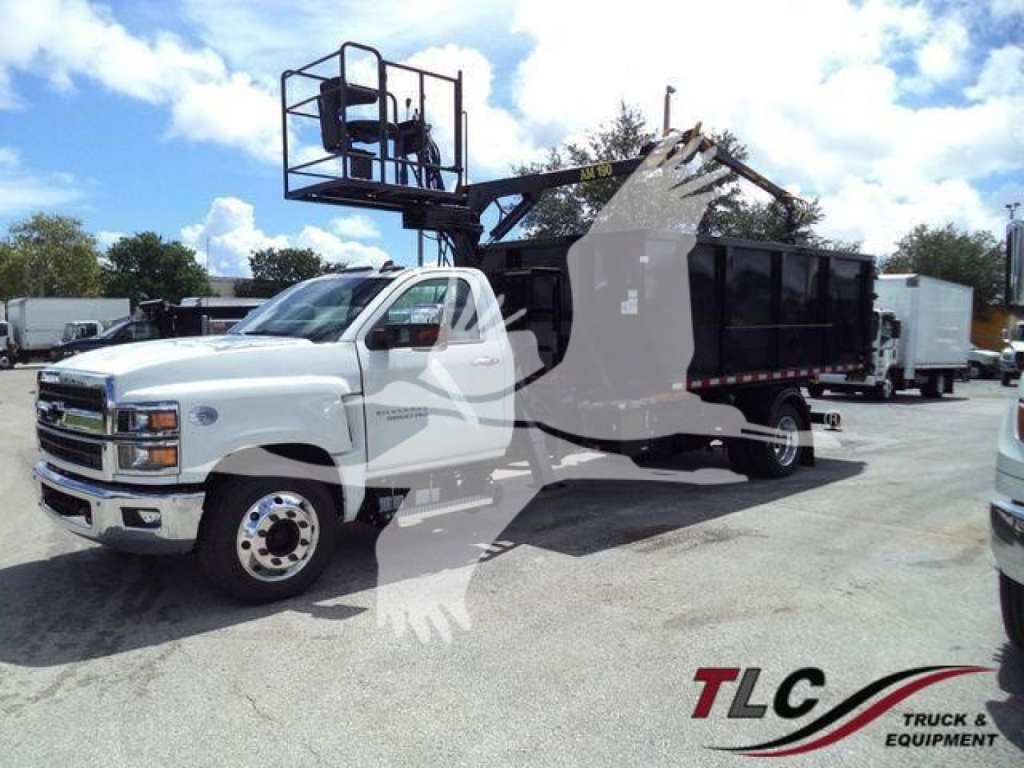
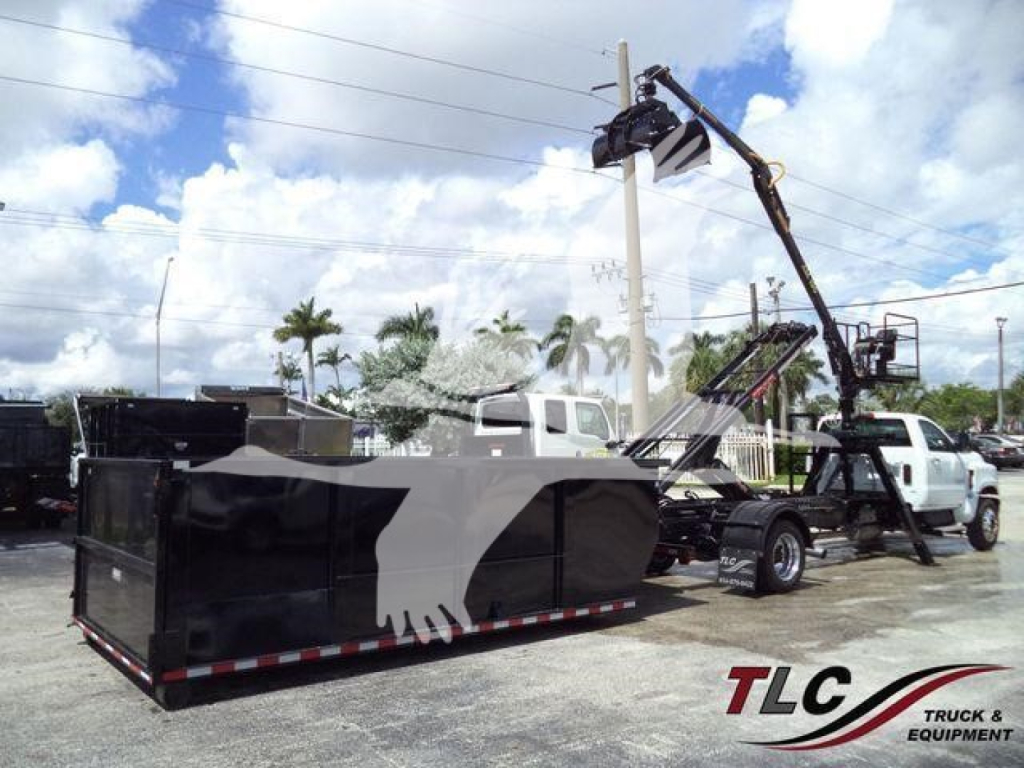
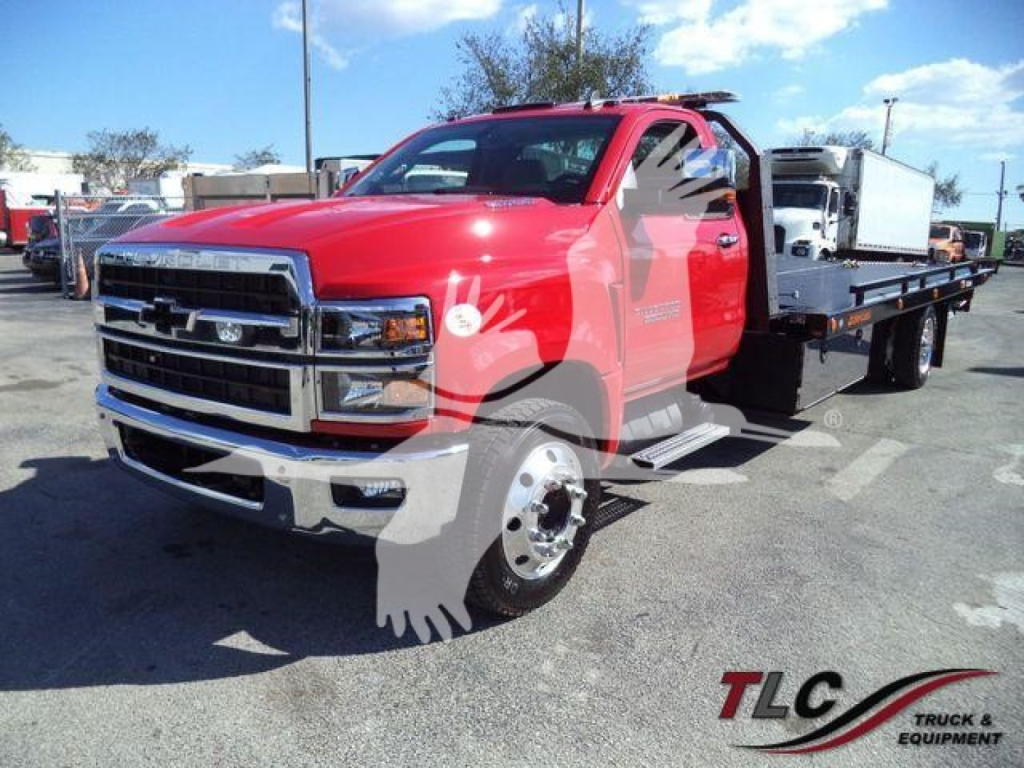
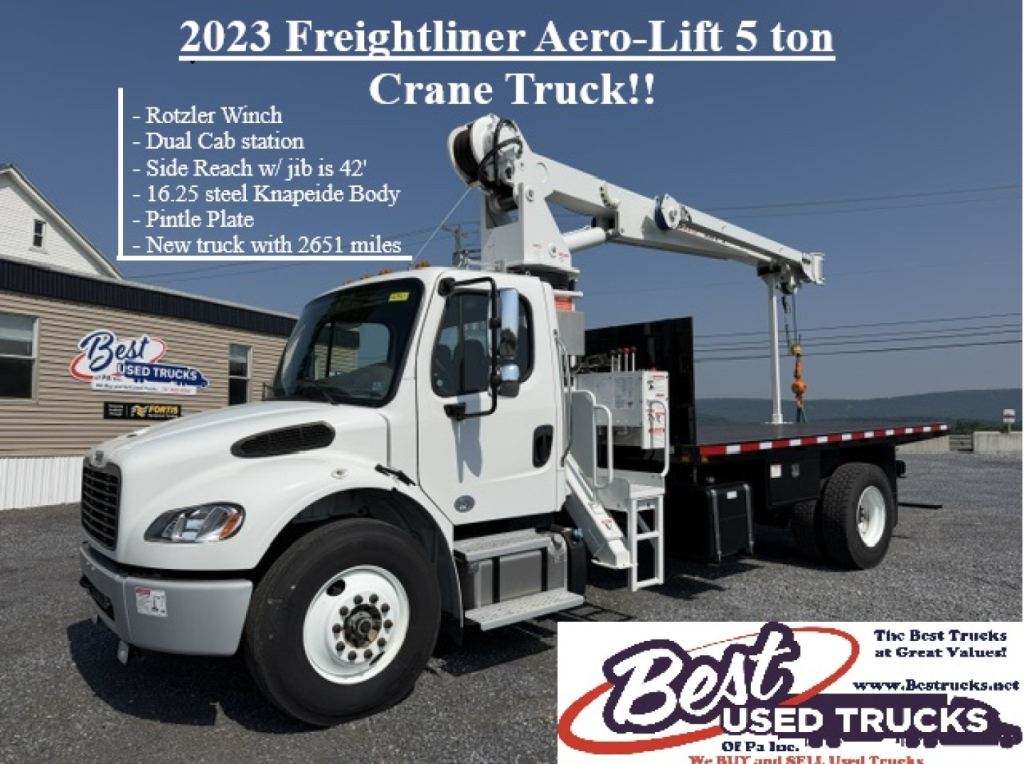
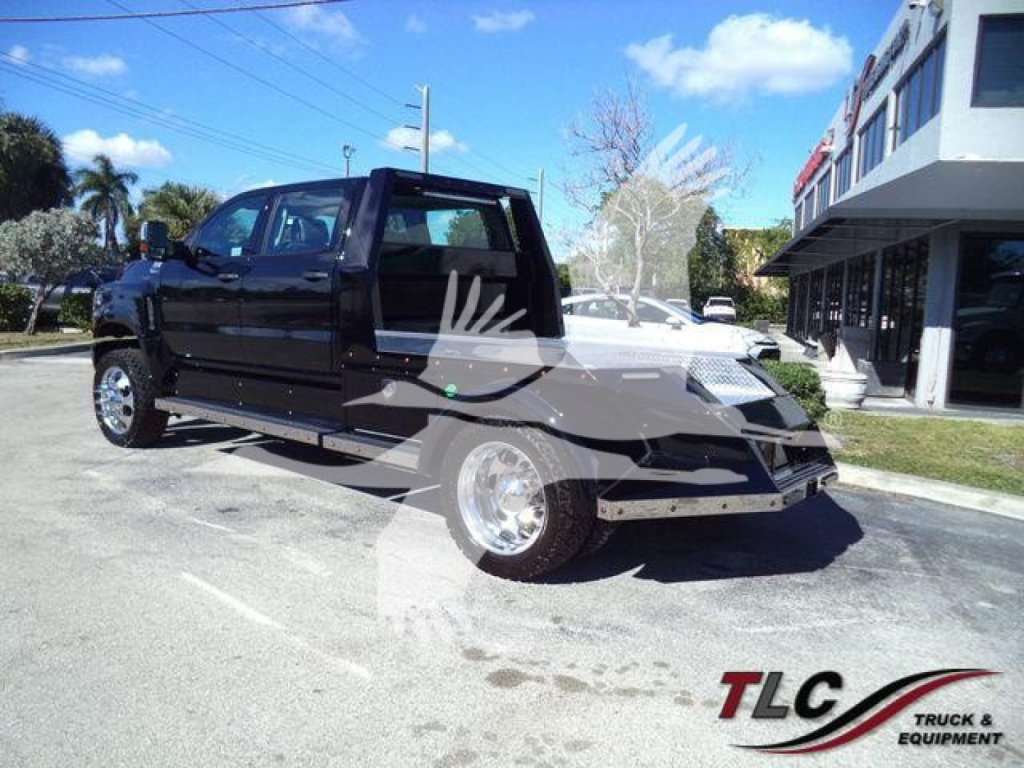
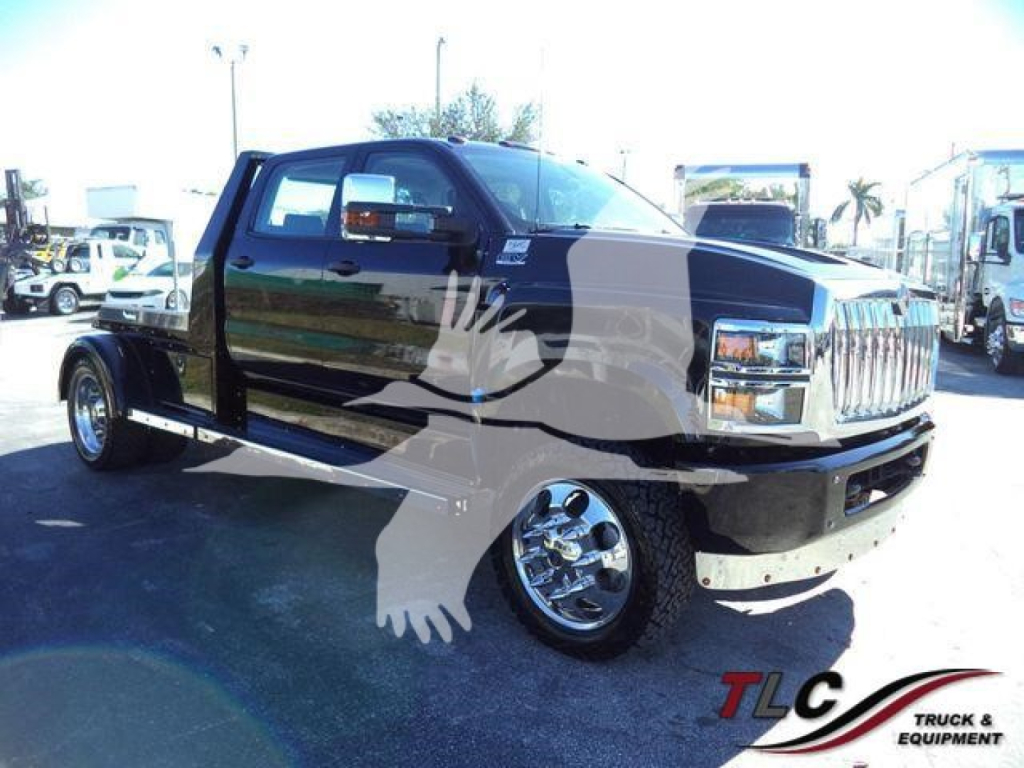
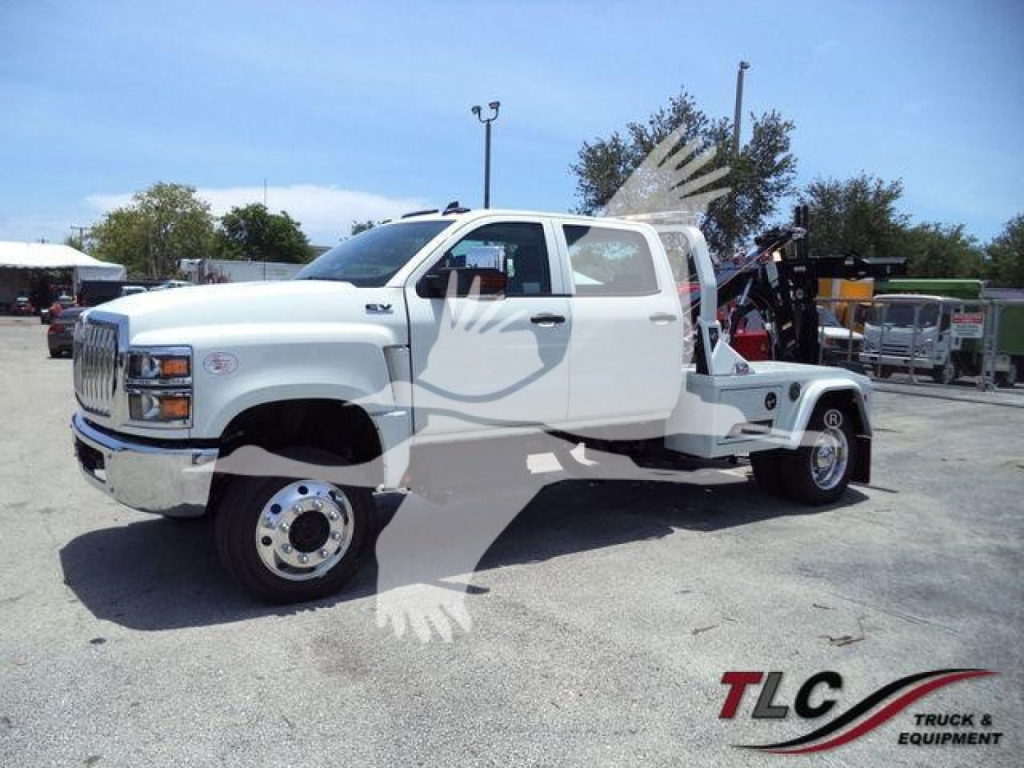
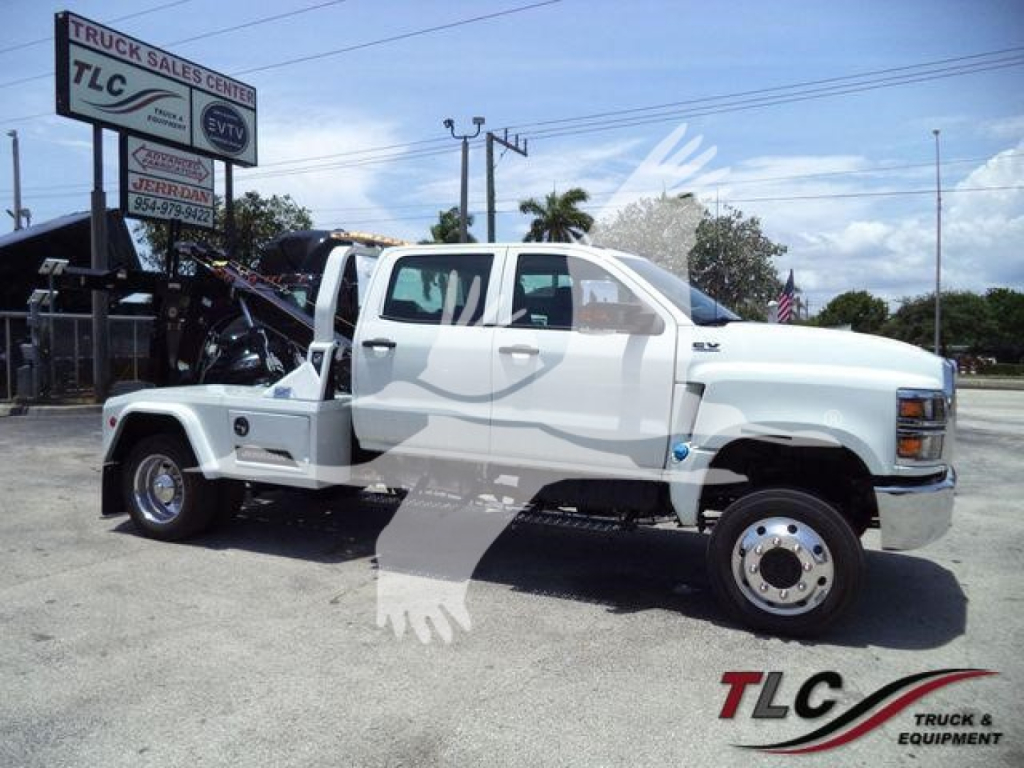
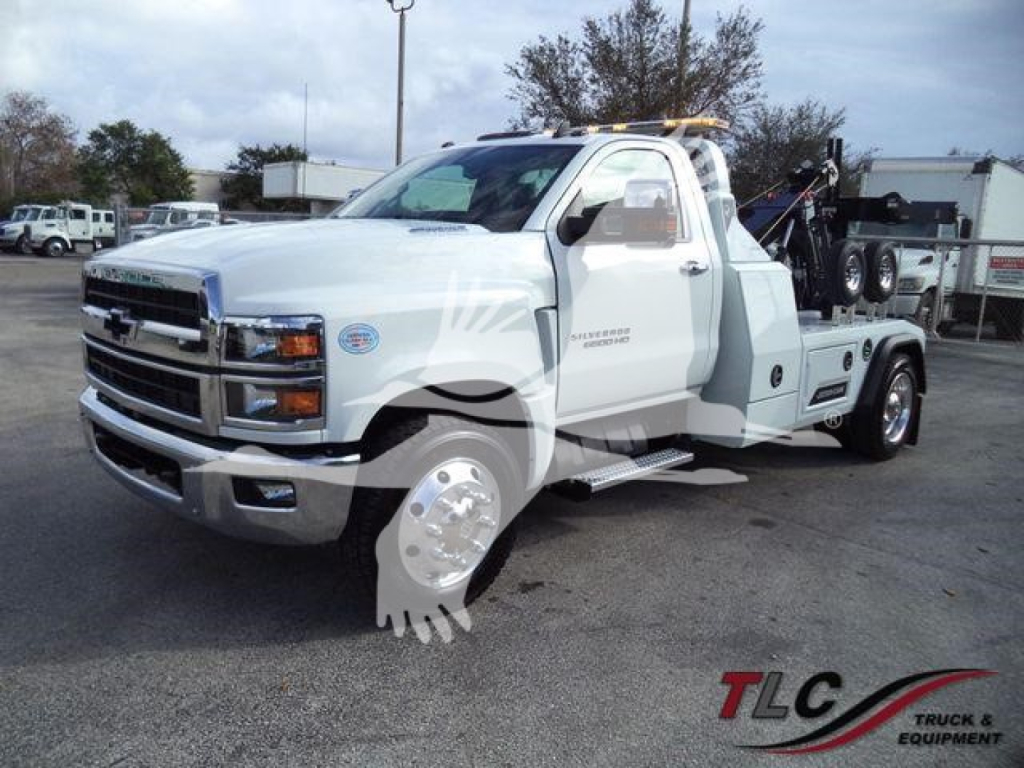
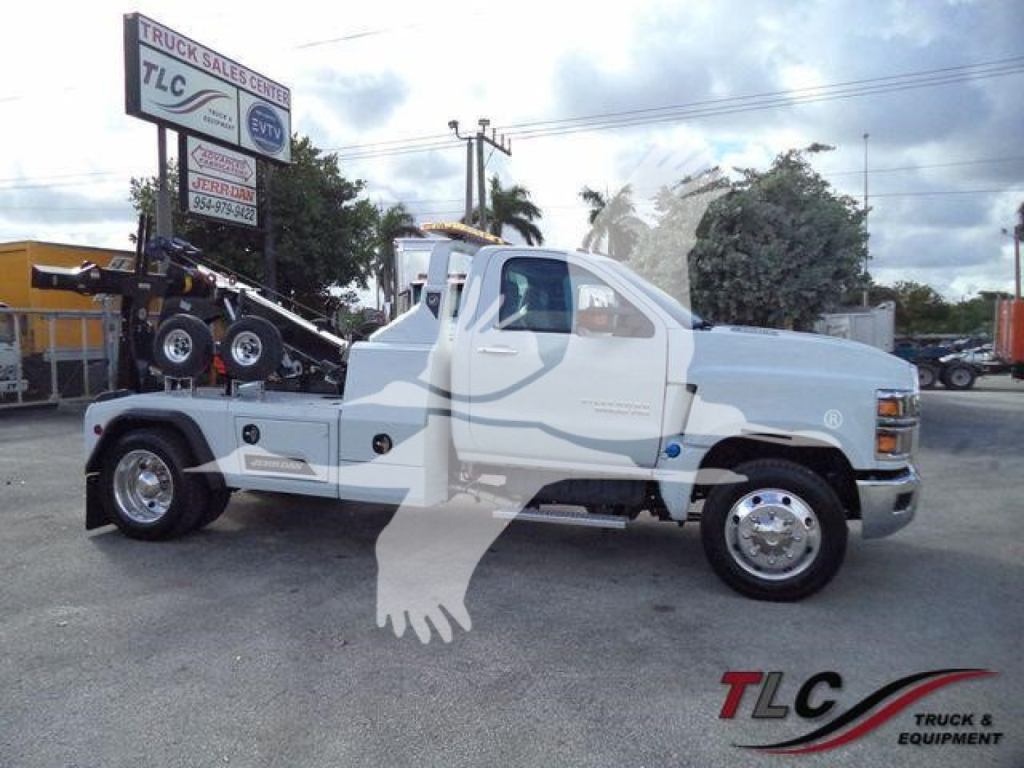
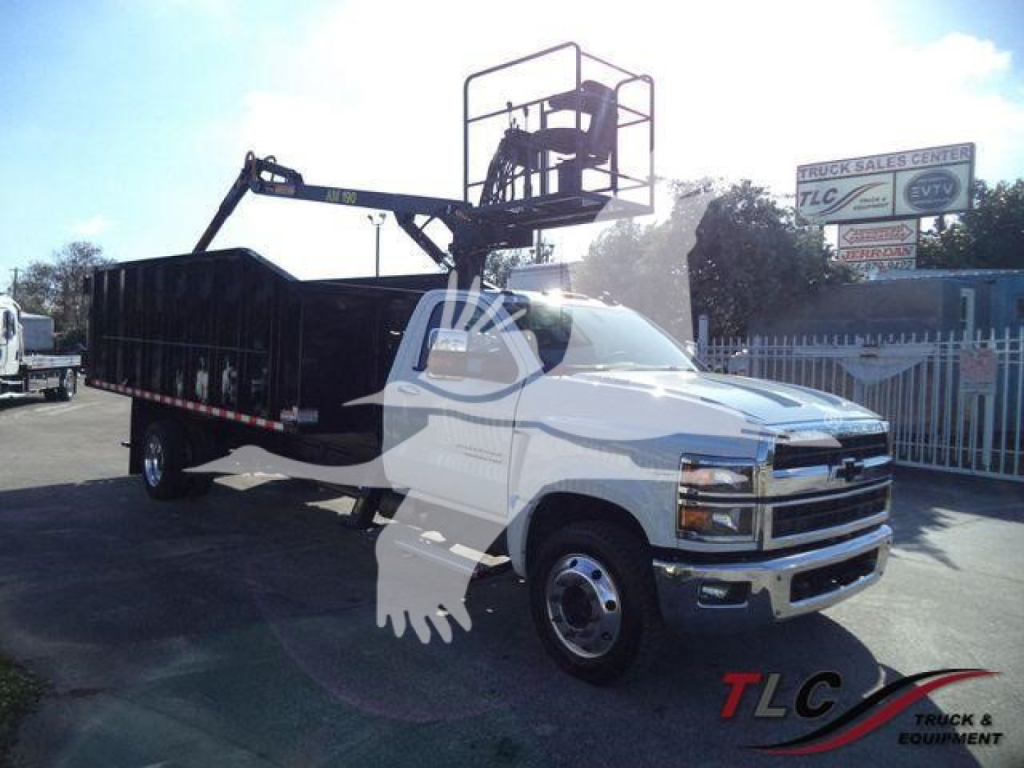
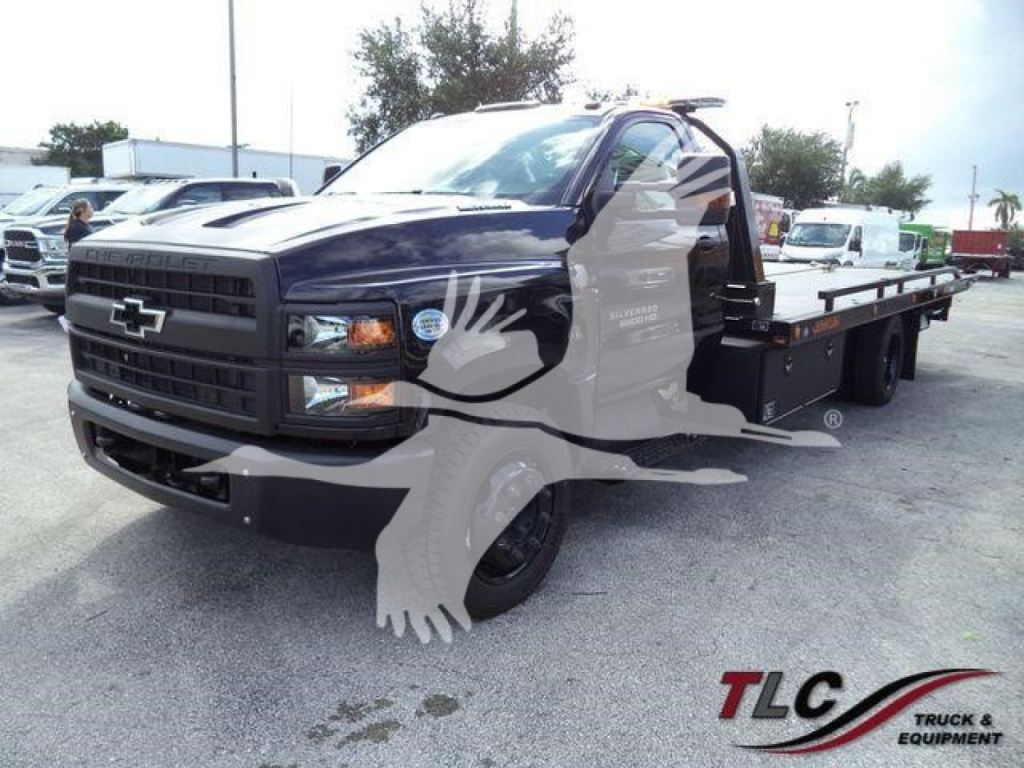
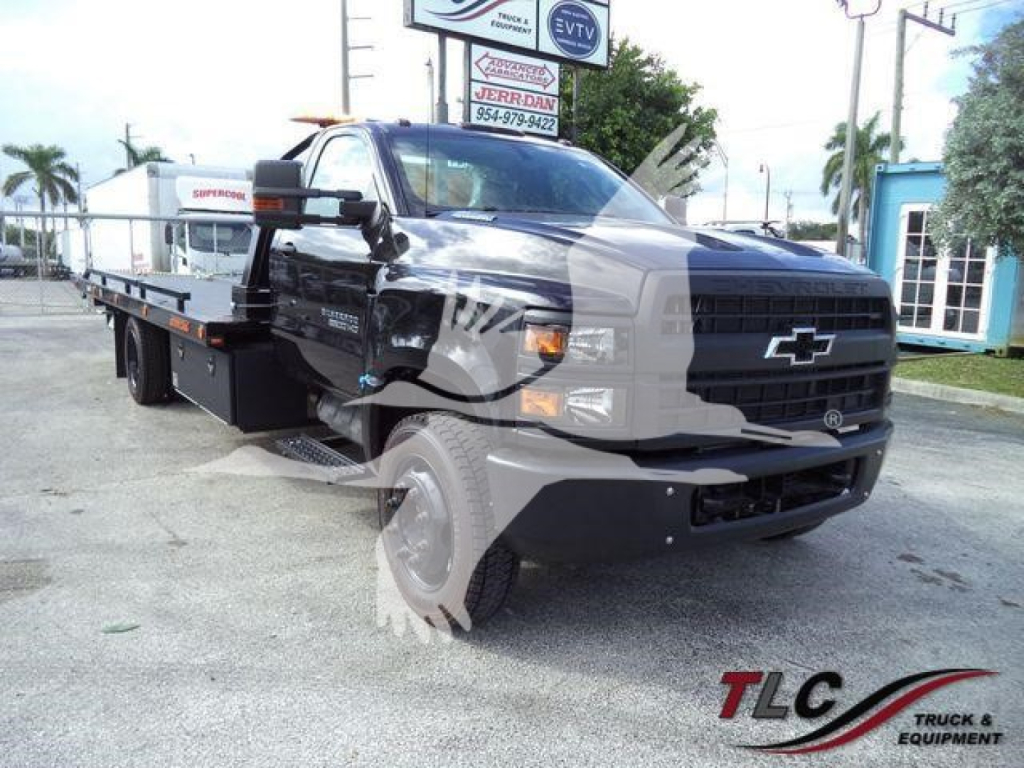
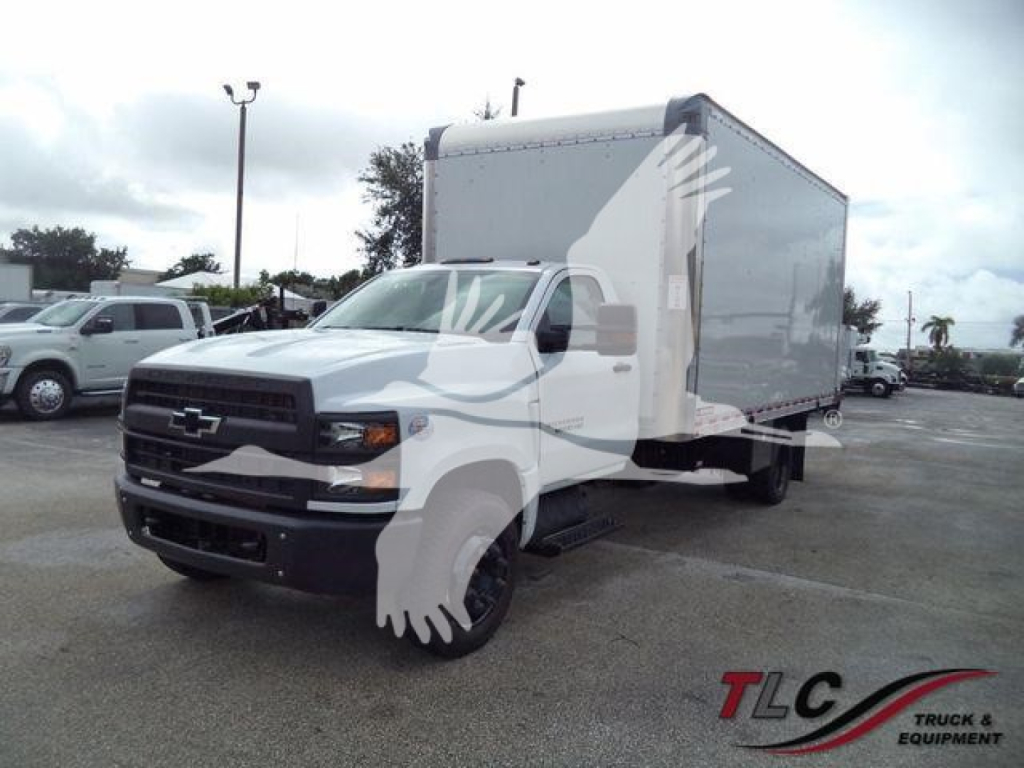
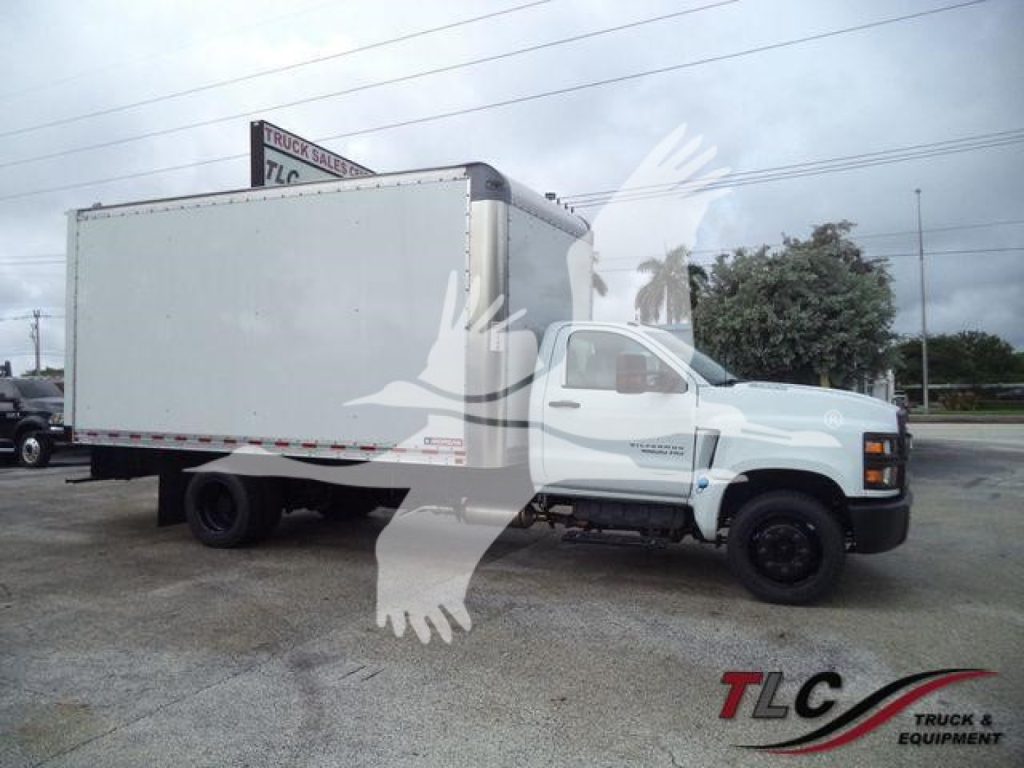
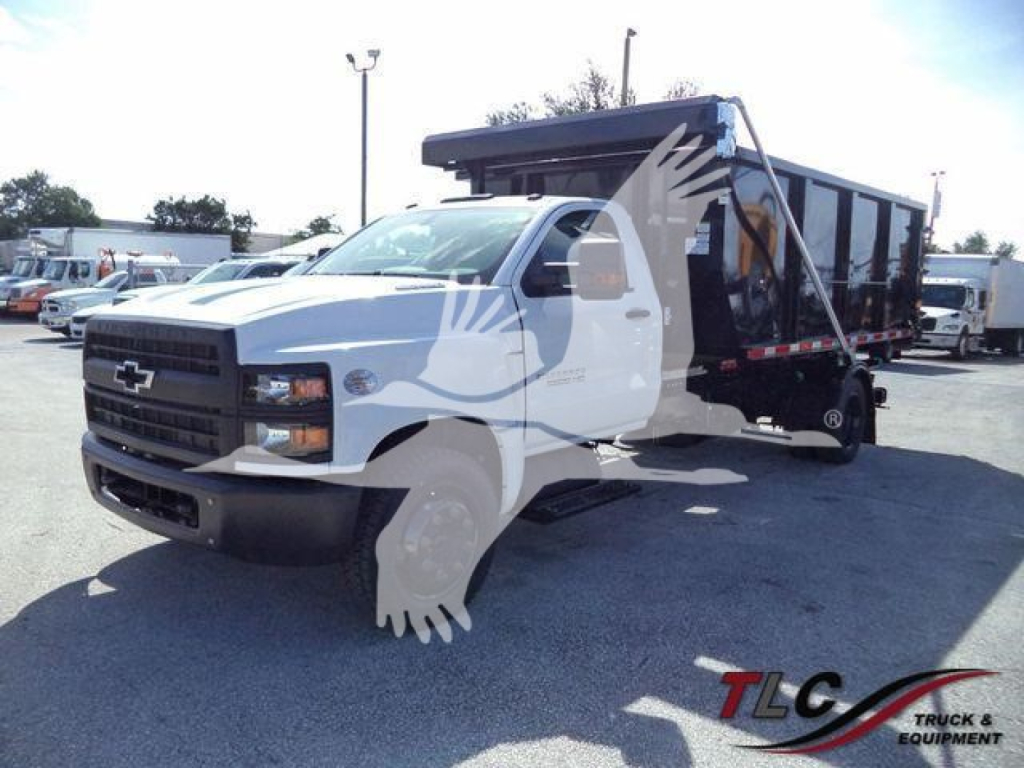
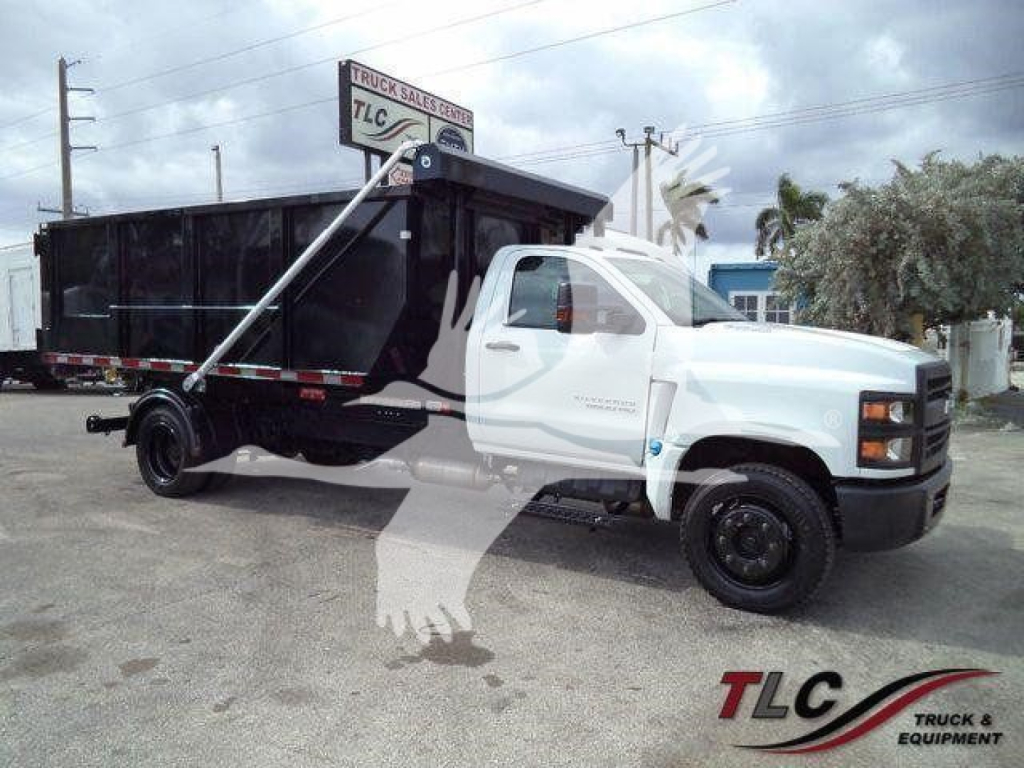
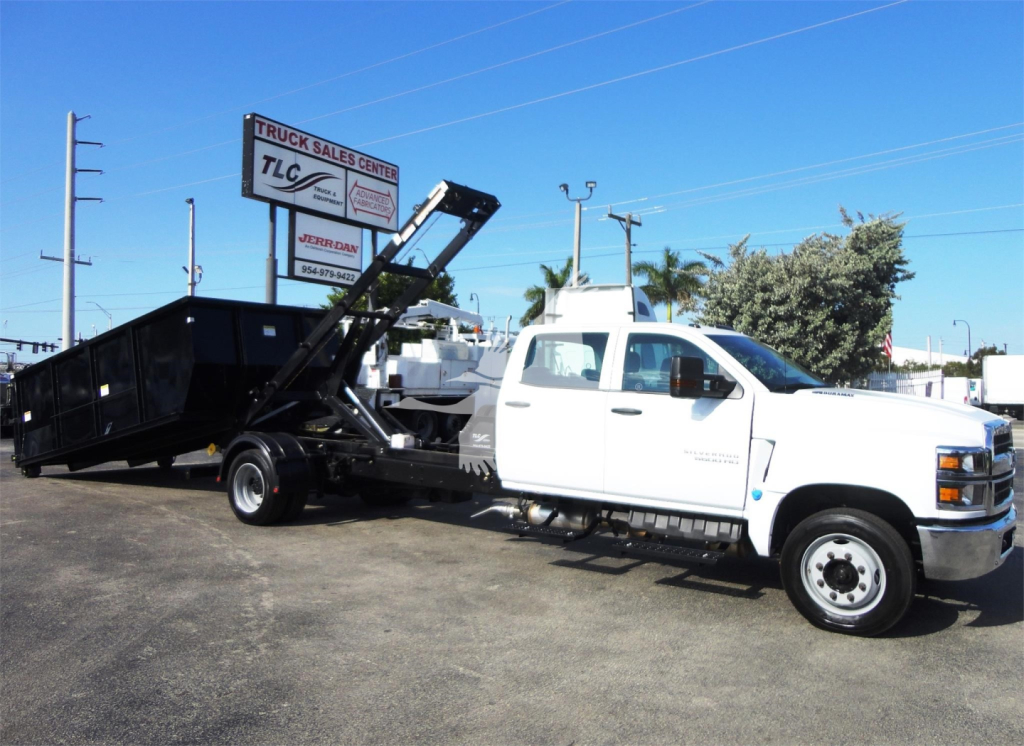
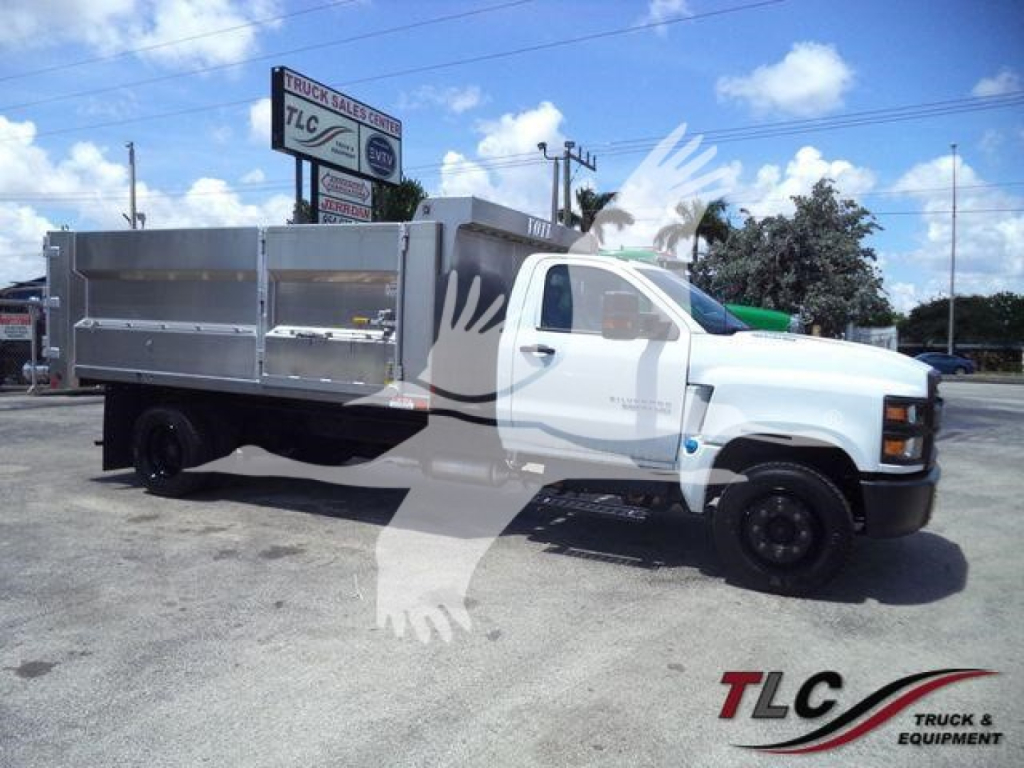
2023 Chevrolet Silverado 6500Hd
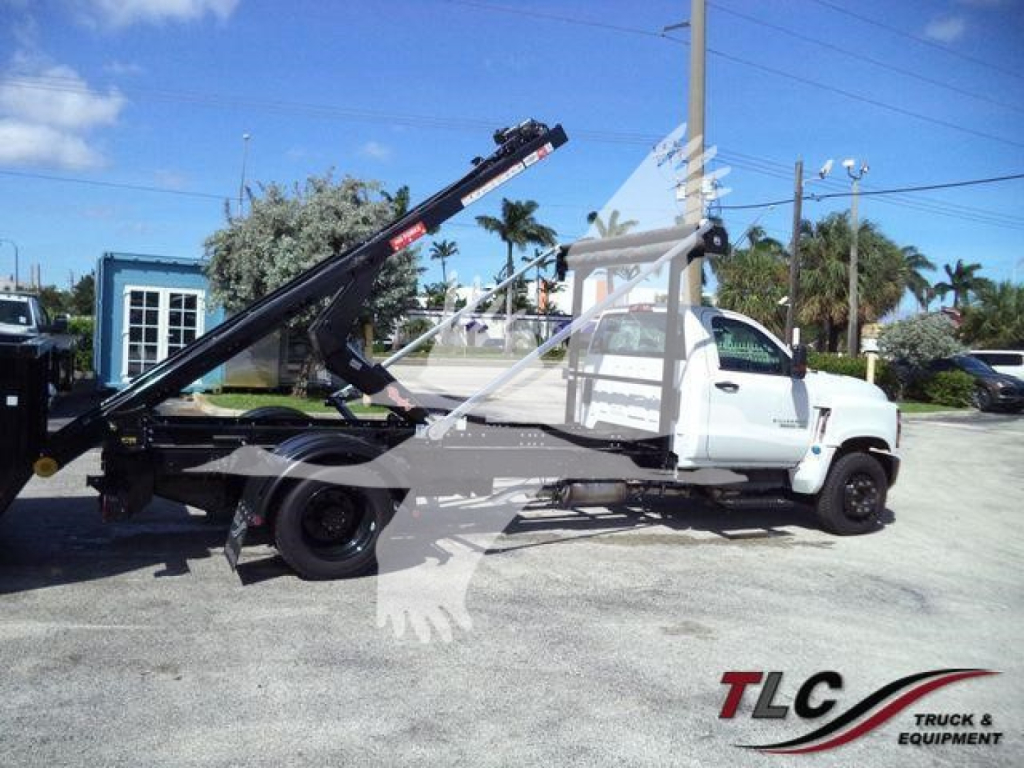
2023 Chevrolet Silverado 6500Hd
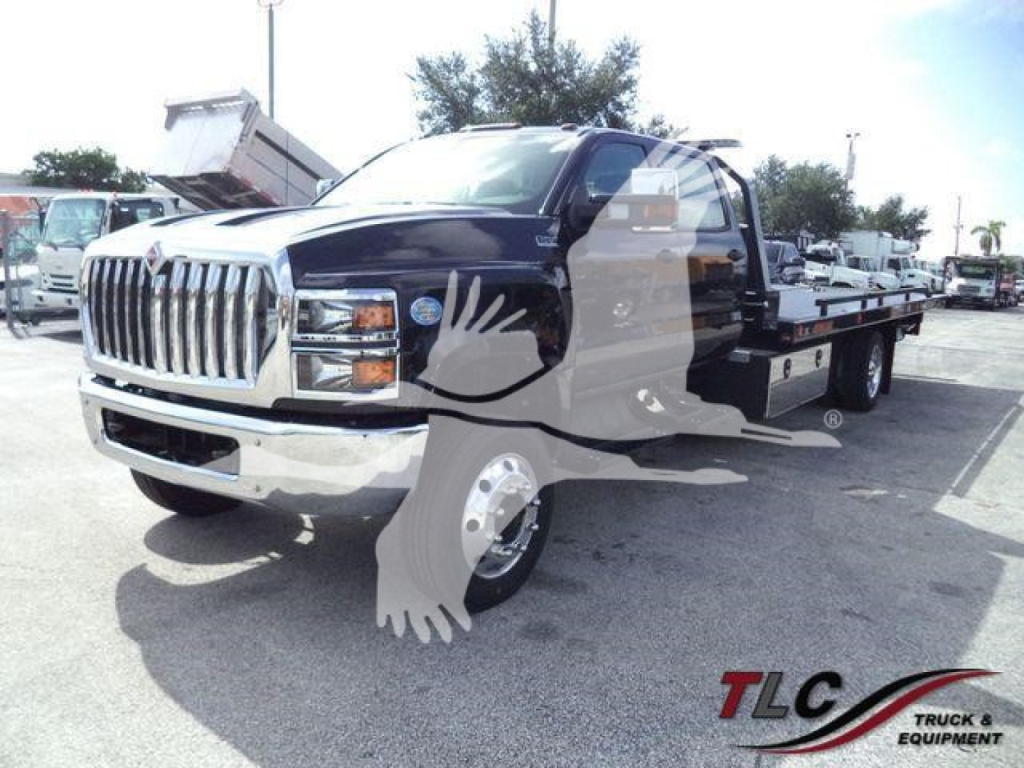
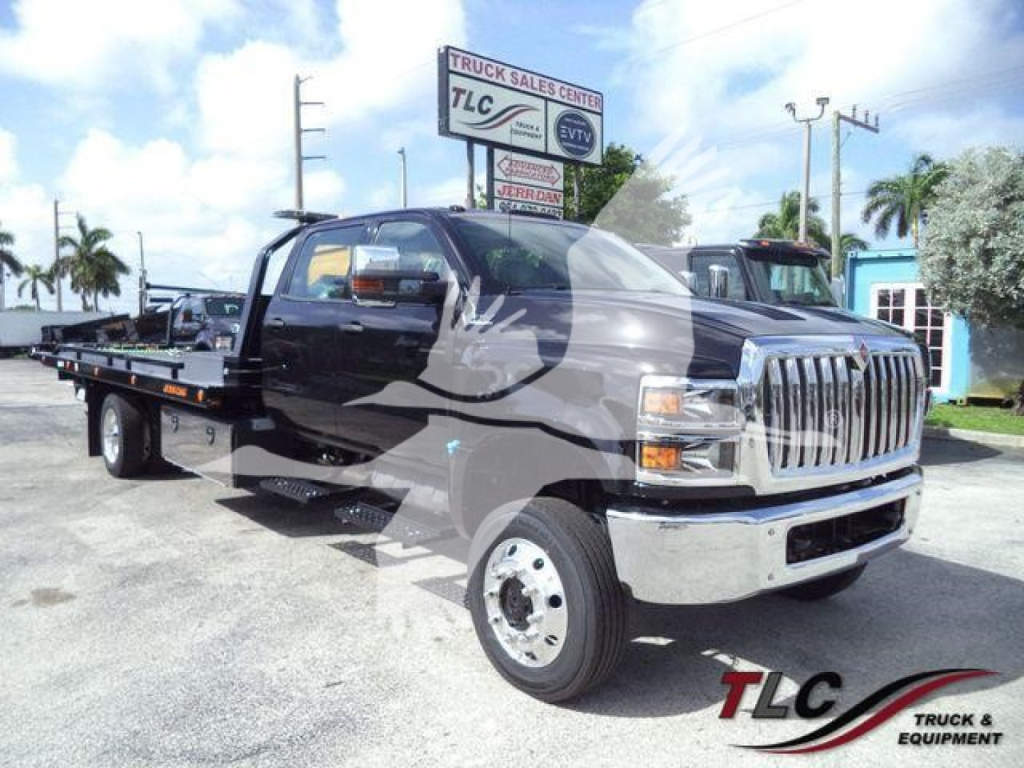
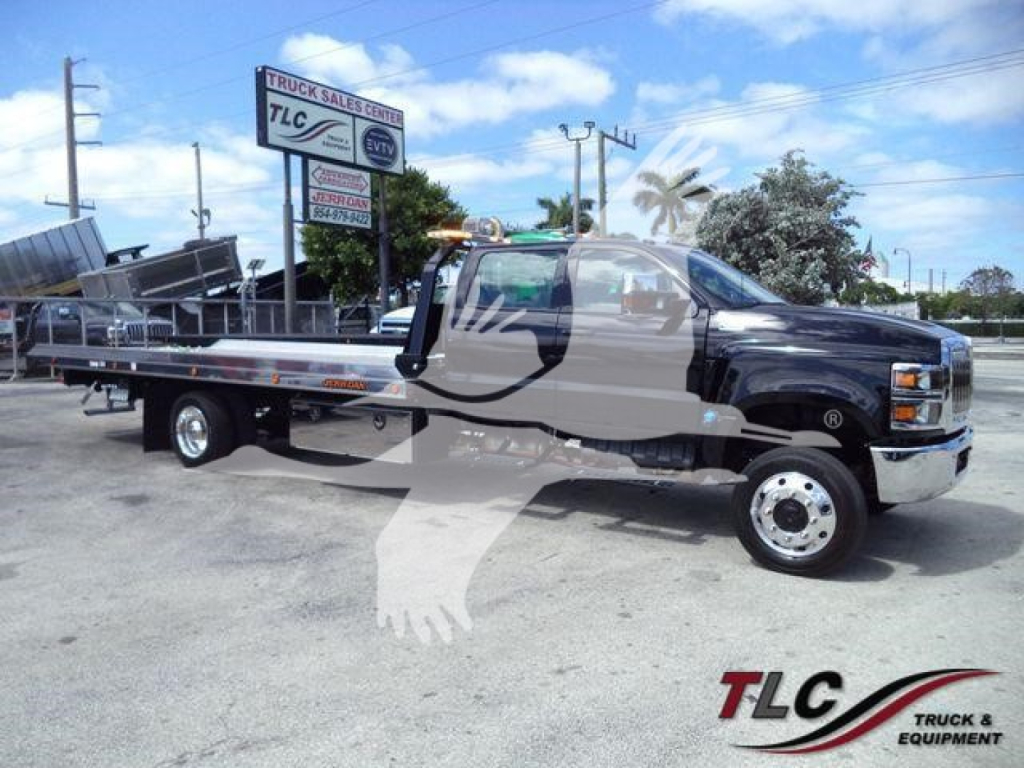
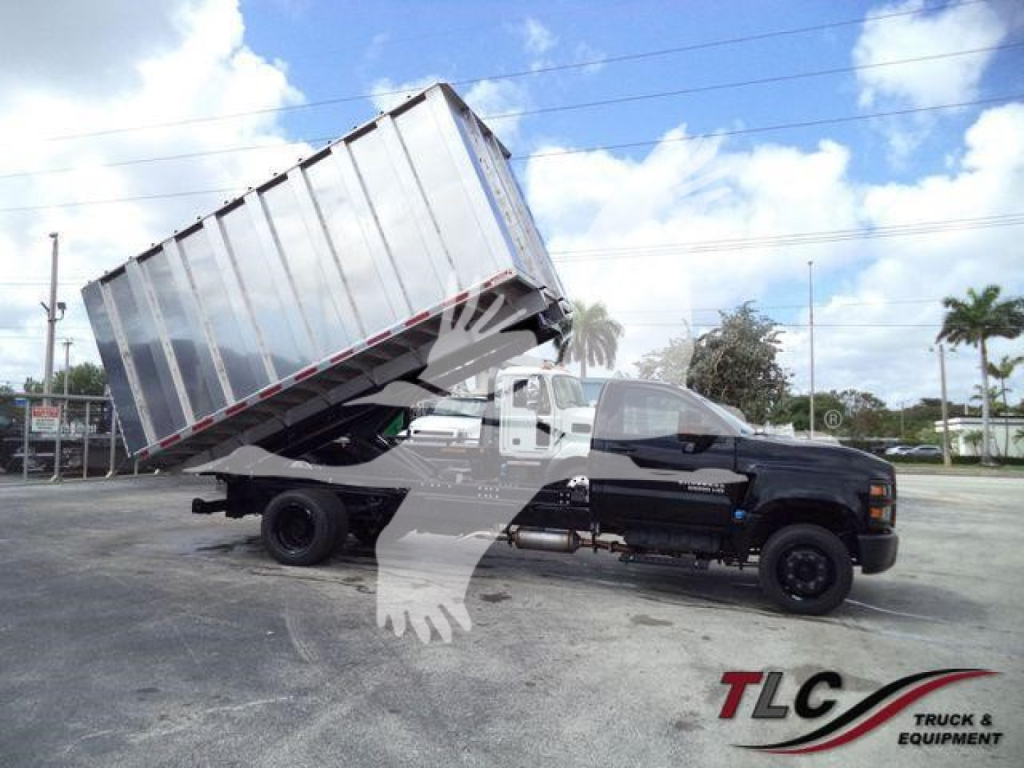
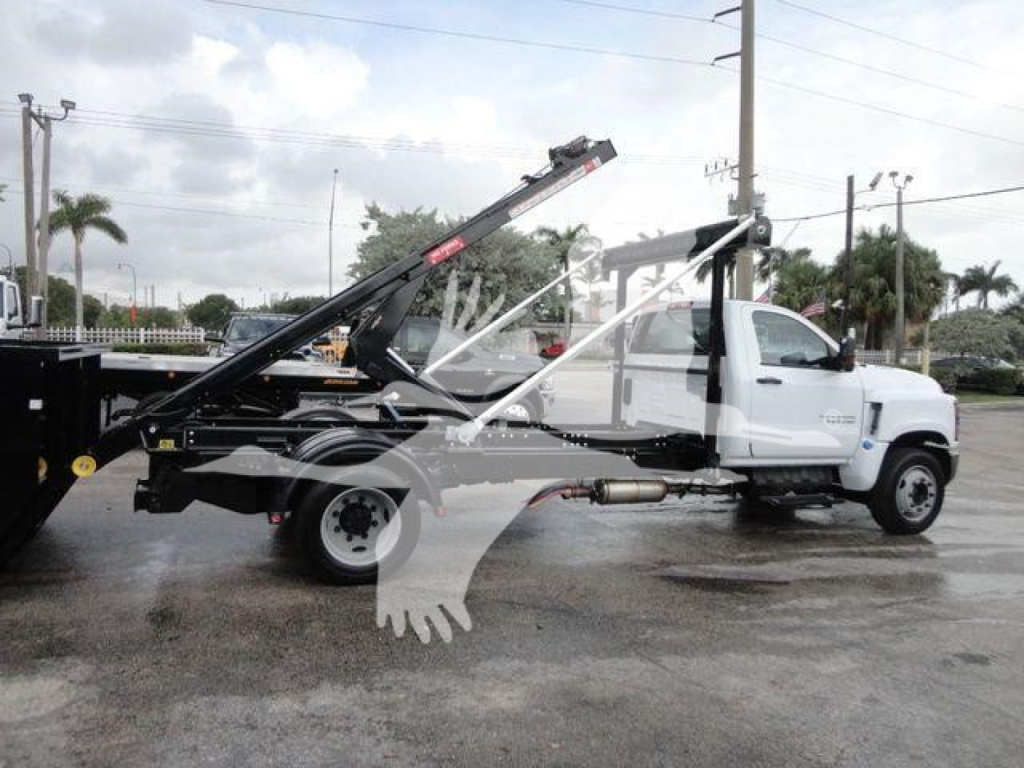
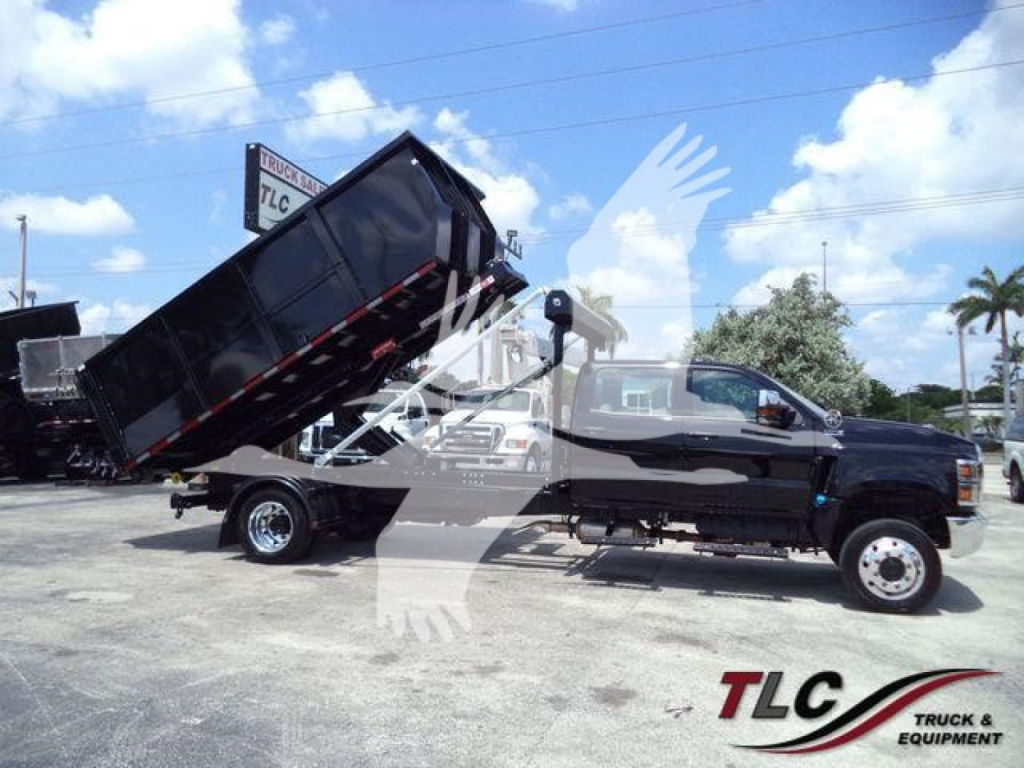
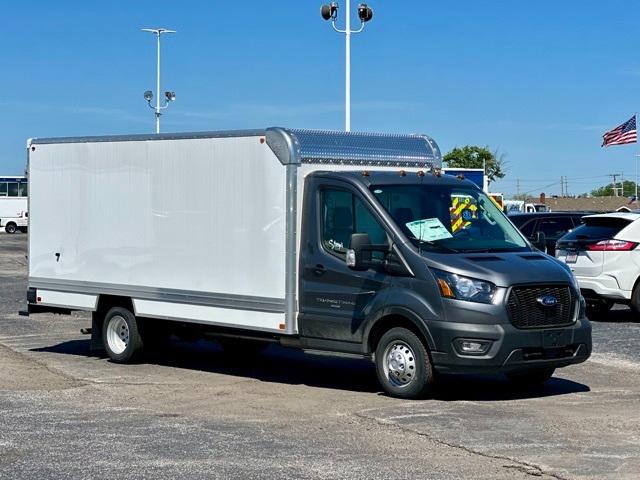
2023 International Cv
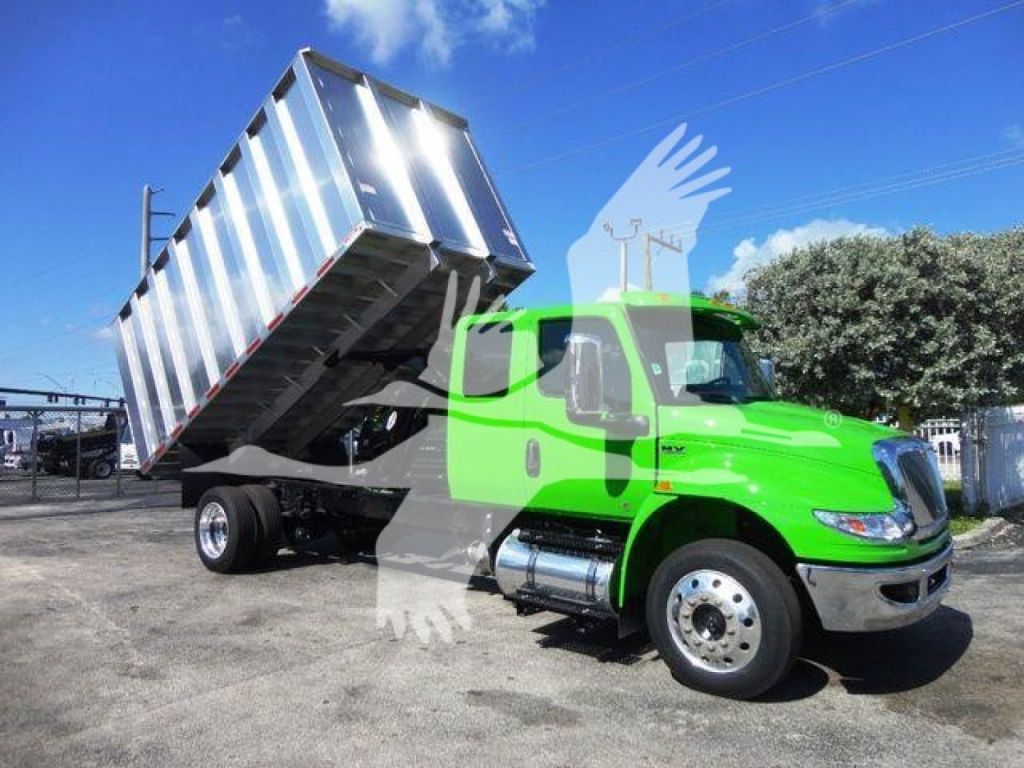
2023 International Mv
Showing 1 to 28 of 53 results
Selling a new 2023 commercial truck? List your new 2023 commercial truck for sale and reach thousands of commercial buyers.
New 2023 Commercial Trucks
On the lighter end of the market, new 2023 trucks often include Class 3 to Class 5 chassis used for service work, towing, utility bodies, and municipal applications. Common decision points are gas versus diesel, 4x2 versus 4x4, standard cab versus crew cab, and spring versus air-assist rear suspension depending on the upfit. For tow and recovery work, buyers typically look at wheel-lift rating, winch capacity, self-loader or rollback configuration, lighting package, PTO or hydraulic setup, and whether the chassis has enough front and rear axle capacity for the intended body. Short urban-route trucks benefit from tighter wheelbases, automatic transmissions, and clear rear visibility systems.
In the medium-duty and heavy-duty range, new 2023 trucks can include Class 6 through Class 8 straight trucks and tractors with diesel engines from Cummins, Volvo, Mack, Detroit, PACCAR, and others. Key specs to compare are horsepower, torque curve, transmission type, rear axle ratio, suspension, wheelbase, and GVWR or GCWR. Day cabs suit local and regional hauling, while sleeper trucks are built for long-haul operation and should be evaluated on bunk layout, idle management features, inverter and shore power provisions, and fuel economy specs tied to axle ratio and aero package. Automated manual transmissions remain common in newer trucks because they improve driver acceptance and help standardize performance across fleets.
A smart 2023 truck purchase comes down to matching chassis capability to the body or trailer, then checking serviceability and compliance details. Confirm axle ratings against actual operating weight, review emissions warranty and aftertreatment access, and inspect the upfit integration if the truck is body-equipped. Buyers in towing, construction, delivery, and long-haul freight should also compare brake type, tire size, fuel tank capacity, wheelbase, and cab configuration because those details affect uptime as much as purchase price. New 2023 trucks appeal to buyers who want modern spec options without stepping into an older platform, and they remain a strong fit for fleets focused on reliability, financing, and lower early-life maintenance exposure.
Frequently Asked Questions about New 2023 Commercial Trucks
What should I look for first when buying a new 2023 truck?
Start with the truck’s intended job and required capacity. Buyers should match GVWR, axle ratings, wheelbase, powertrain, and cab configuration to the actual payload, trailer, or body the truck will handle. A truck that looks well-equipped on paper can still be the wrong choice if the rear axle rating, suspension, or frame layout does not support the application.
Are new 2023 trucks good for fleet use?
New 2023 trucks are a strong fit for fleet use because they typically offer current safety systems, warranty coverage, cleaner emissions packages, and easier driver onboarding with modern automatic or automated transmissions. For many fleets, the benefit is predictable maintenance in the early service life and easier standardization across drivers and routes.
What powertrain choices are common in new 2023 trucks?
Powertrain options vary by class, but most new 2023 trucks are equipped with gasoline or diesel engines paired with automatic, automated manual, or Allison automatic transmissions depending on the duty cycle. Light and medium-duty trucks often focus on ease of operation and PTO compatibility, while heavy-duty tractors are commonly spec'd for fuel economy, torque management, and axle ratio alignment with cruise speed and load profile.
How do I choose between a day cab, sleeper, or body-equipped straight truck?
The correct configuration depends on route length and the type of work performed. Day cabs are best for local and regional operations where sleeping accommodations are unnecessary. Sleeper trucks are built for over-the-road use and should be compared on bunk size, storage, and idle reduction features. Body-equipped straight trucks, including tow trucks and rollbacks, need to be evaluated as a complete unit with attention to body rating, chassis integration, and legal weight distribution.
Why do axle ratio and wheelbase matter on a new truck?
Axle ratio affects launch performance, gradeability, cruise RPM, and fuel economy, while wheelbase affects turning radius, ride quality, bridge compliance, and body fitment. A shorter wheelbase usually helps in urban service and recovery work, while a longer wheelbase may be preferred for ride quality, sleeper packaging, or certain body installations. These two specs have a direct effect on how the truck performs in daily service.