
New 2023 Rolloff Trucks For Sale
Shop new 2023 rolloff trucks with heavy-duty hoists, tandem axles, PTO setups, and vocational specs for waste, scrap, and container work.
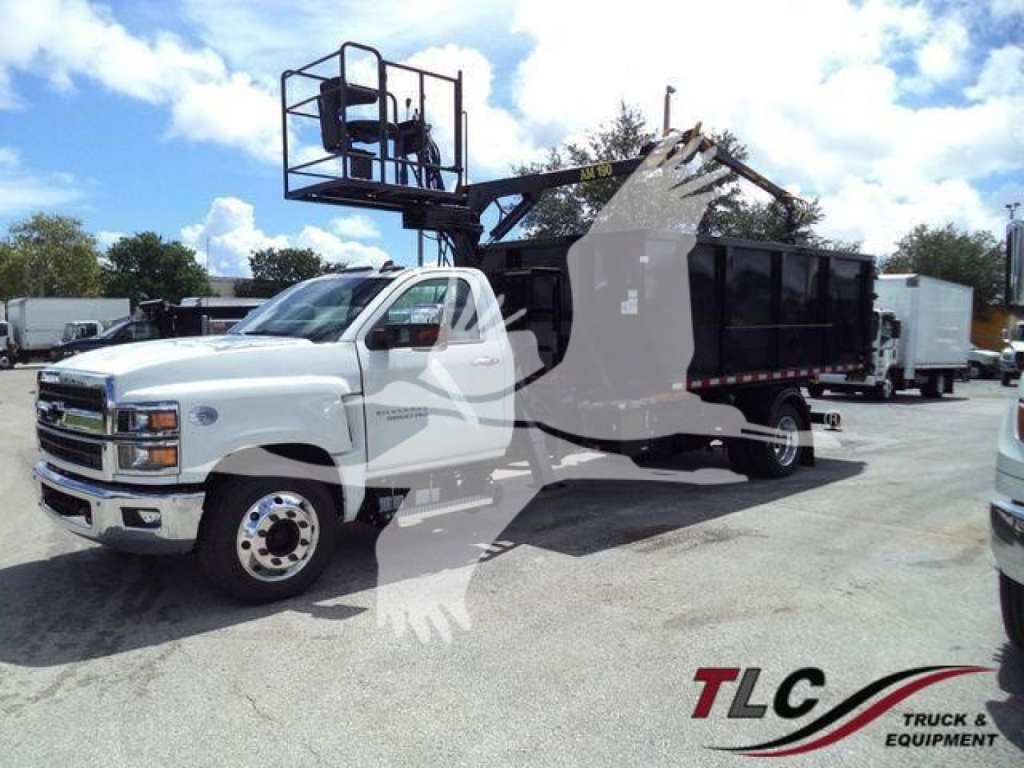
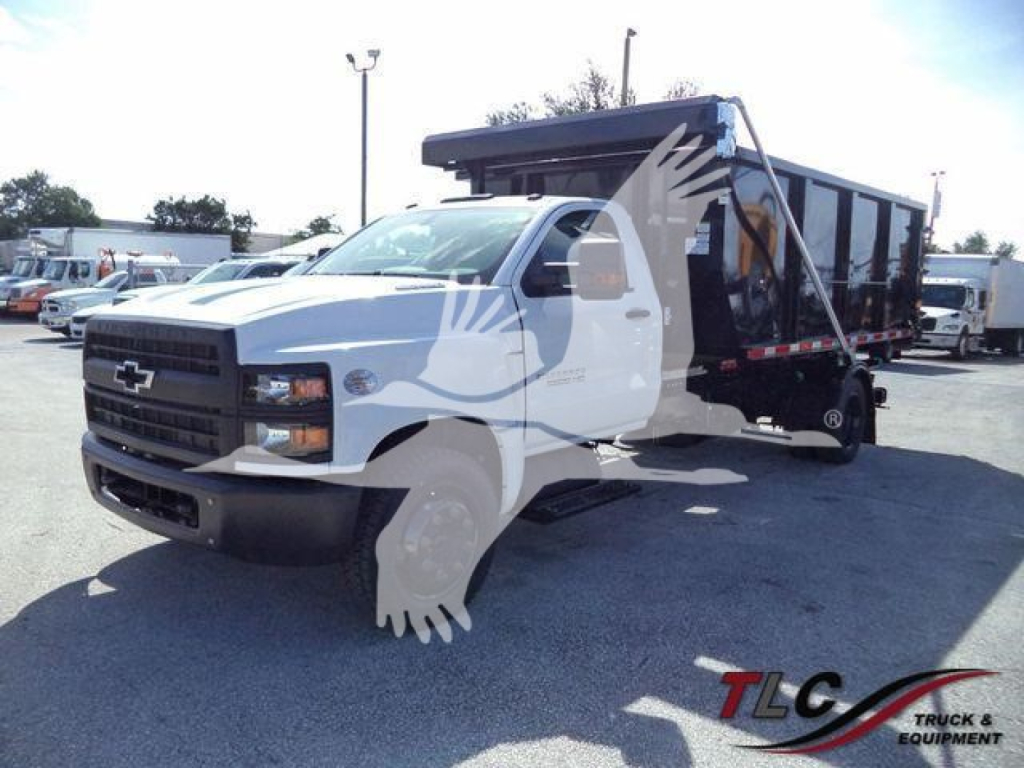
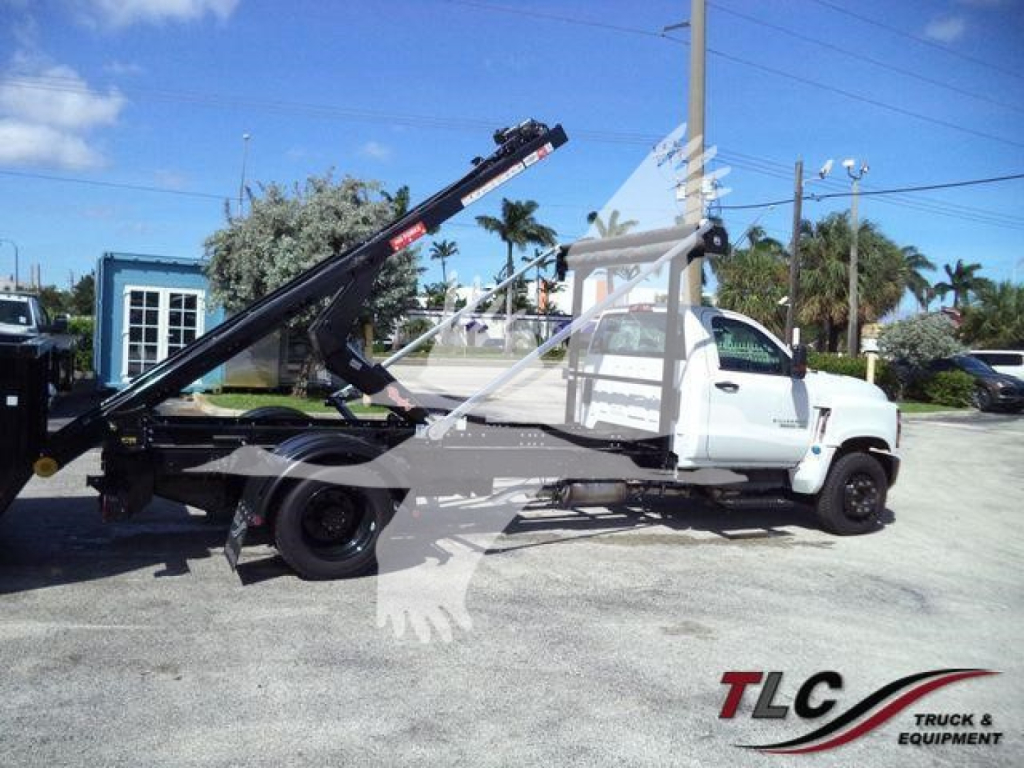
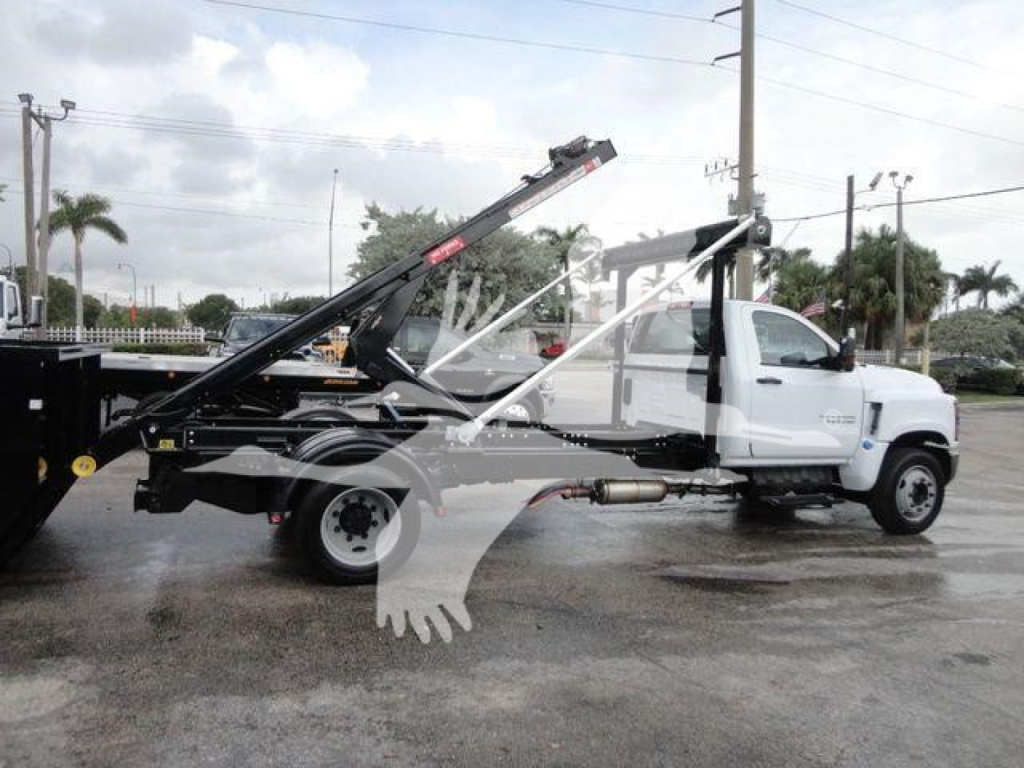
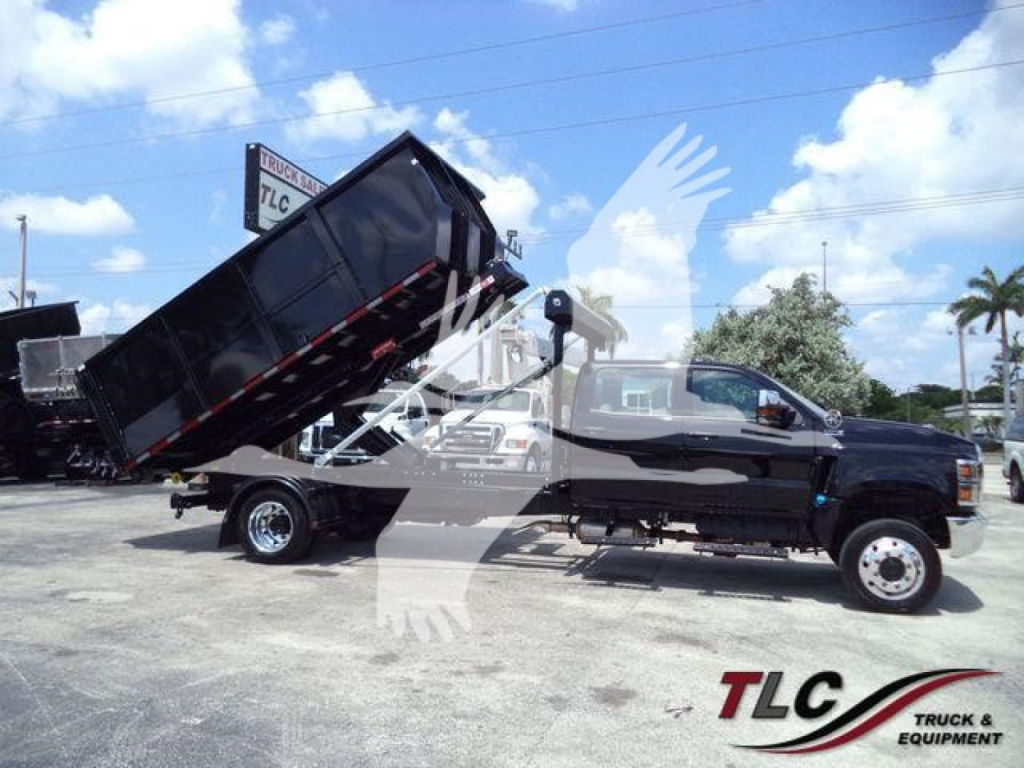
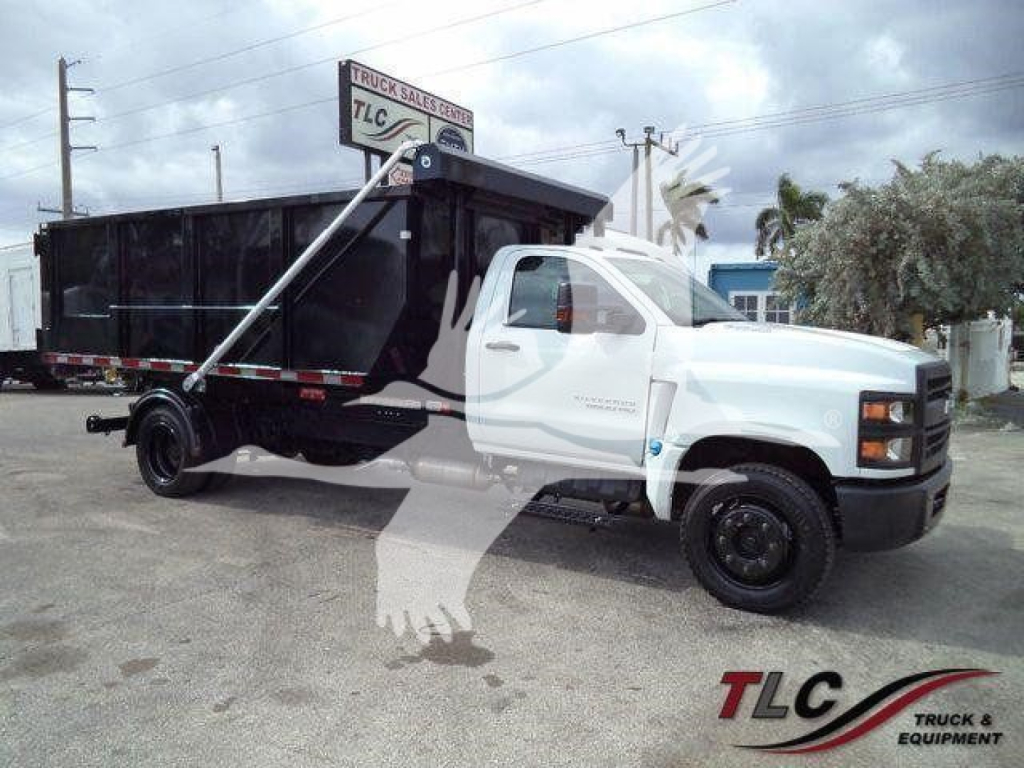
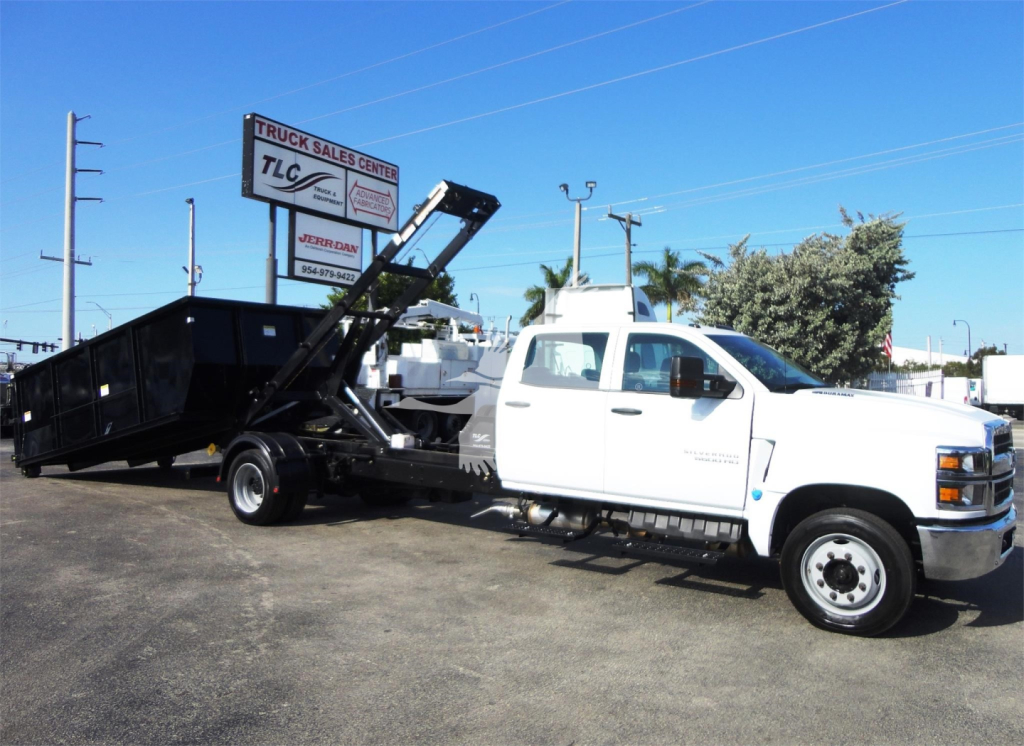
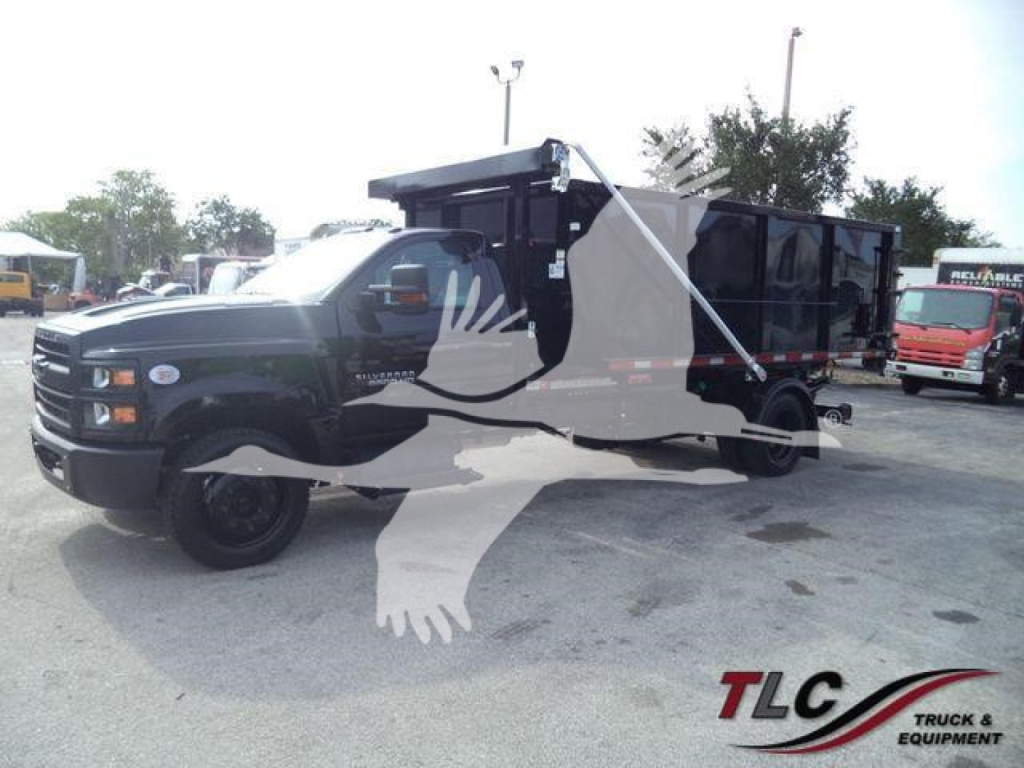
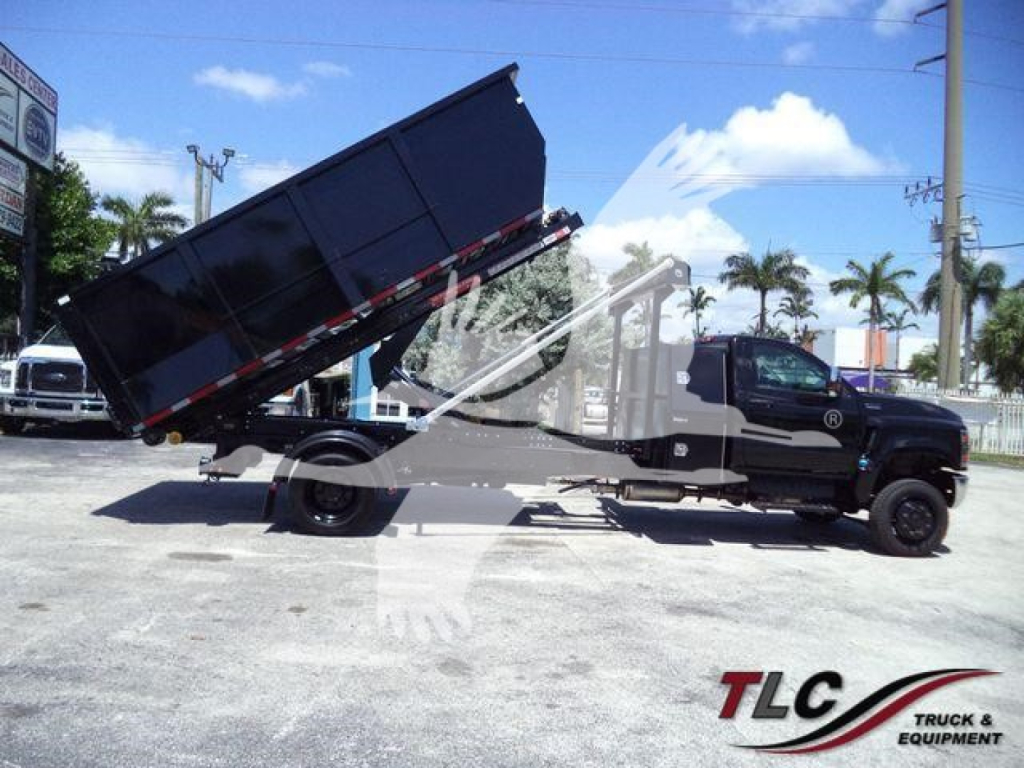
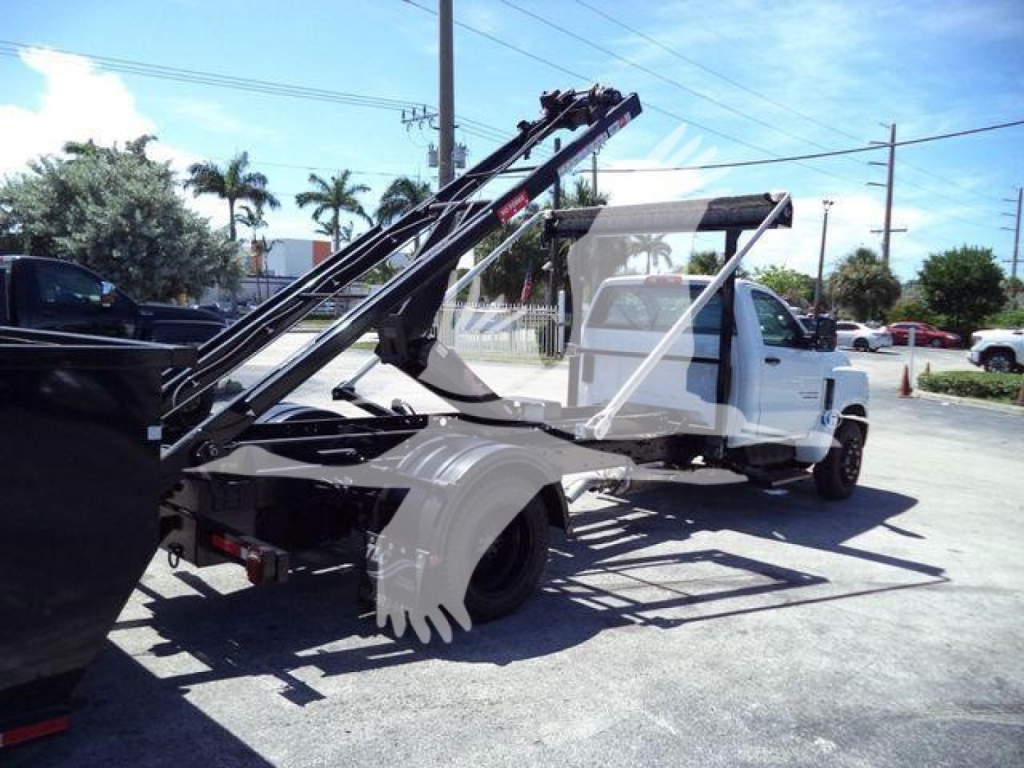
Selling a new 2023 rolloff truck? List your new 2023 rolloff truck for sale and reach thousands of commercial buyers.
New 2023 Rolloff Trucks
In the 2023 market, many new rolloff trucks are built on severe-duty chassis such as Mack Granite and Volvo VHD platforms, typically in 6x4 tandem axle configurations. Common specs include front axles around 18,000 to 20,000 pounds, rear axles from 40,000 to 46,000 pounds, vocational suspensions, and Allison automatic transmissions with PTO provisions for the hoist system. Engine ratings often land in the 350 to 425 horsepower range, with torque matched to stop-and-go route work and frequent hydraulic engagement. Buyers should pay close attention to frame reinforcement, rear axle ratio, and suspension design because rolloff work puts repeated stress on the rails, crossmembers, and rear structure.
The hoist package is the heart of the truck. Rolloff systems are generally cable hoists or hooklift-style rolloff systems, though cable rolloffs remain common for standard container fleets. Key considerations include rated hoist capacity, inside rail width, container length range, tarp system design, and hydraulic cycle times. It also helps to evaluate container loading angles, body up clearance, and the placement of the hoist relative to the tandem group. New trucks may also be spec'd with backup cameras, work lights, air ride or spring suspensions, double-frame sections, and in-cab controls that make repetitive jobsite moves easier and safer.
A 2023 new rolloff truck makes the most sense for fleets that want current emissions equipment, fresh vocational warranties, and a chassis spec tailored to the exact container sizes and legal weights they run every day. The best buying decision usually comes down to matching the truck to the route density, landfill or transfer station conditions, and average can weights. For urban work, turning radius and cab visibility matter. For demolition or scrap applications, axle capacity, suspension durability, and hoist strength usually take priority. A good rolloff truck is not just a heavy truck with rails attached. It is a purpose-built vocational unit designed to load, transport, and unload containers safely through thousands of hydraulic cycles.
Frequently Asked Questions about New 2023 Rolloff Trucks
What is the difference between a cable rolloff truck and a hooklift-style rolloff truck?
A cable rolloff truck uses a cable and winch system to pull containers onto rails, while a hooklift uses a hydraulic lifting arm with a hook bar. Cable systems are widely used in traditional waste and debris container fleets because they are simple, proven, and compatible with many standard cans. Hooklift systems can offer faster body changes and more versatility across interchangeable bodies, but container compatibility and fleet standardization should be reviewed before choosing one over the other.
What axle ratings are common on new 2023 rolloff trucks?
Many new 2023 rolloff trucks are tandem axle 6x4 units with front axles in the 18,000 to 20,000 pound range and rear axles from 40,000 to 46,000 pounds. Exact ratings depend on the hoist capacity, target payload, container size, and state bridge laws. Buyers should match axle specs to actual loaded can weights rather than buying strictly by gross vehicle weight rating on paper.
Why are Allison automatic transmissions so common in rolloff applications?
Allison automatics are common in rolloff service because they handle stop-and-go vocational work well and pair cleanly with PTO-driven hydraulic systems. They reduce driver fatigue, improve consistency in tight yards and transfer stations, and support repeated starts under load. For fleets with multiple drivers or high-route density, an automatic transmission often improves productivity and lowers the learning curve.
What should I look for in a new rolloff truck hoist spec?
Start with hoist rated capacity, rail length, and the container sizes the truck needs to handle every day. Then review hydraulic cycle speed, body up angle, tarp system integration, and any frame reinforcement used to support the hoist. It is also important to confirm that the hoist geometry works with your container fleet, especially if the truck will load heavy demolition, scrap, or compacted waste containers.
Are new 2023 rolloff trucks a good fit for municipal and private waste fleets?
Yes, if the chassis and hoist are spec'd for the actual route and container mix. Municipal fleets often prioritize durability, visibility, and ease of operation, while private waste and scrap fleets may lean harder on payload, axle capacity, and high-cycle hydraulic performance. A new truck gives the buyer the advantage of current safety features, current emissions systems, and a vocational setup built for the intended application.