
New 2023 Rolloff Trucks For Sale in Florida
Shop 2023 new rolloff trucks in Florida. Compare GVWR, hoists, container sizes, diesel or gas chassis, and Switch-N-Go style setups.
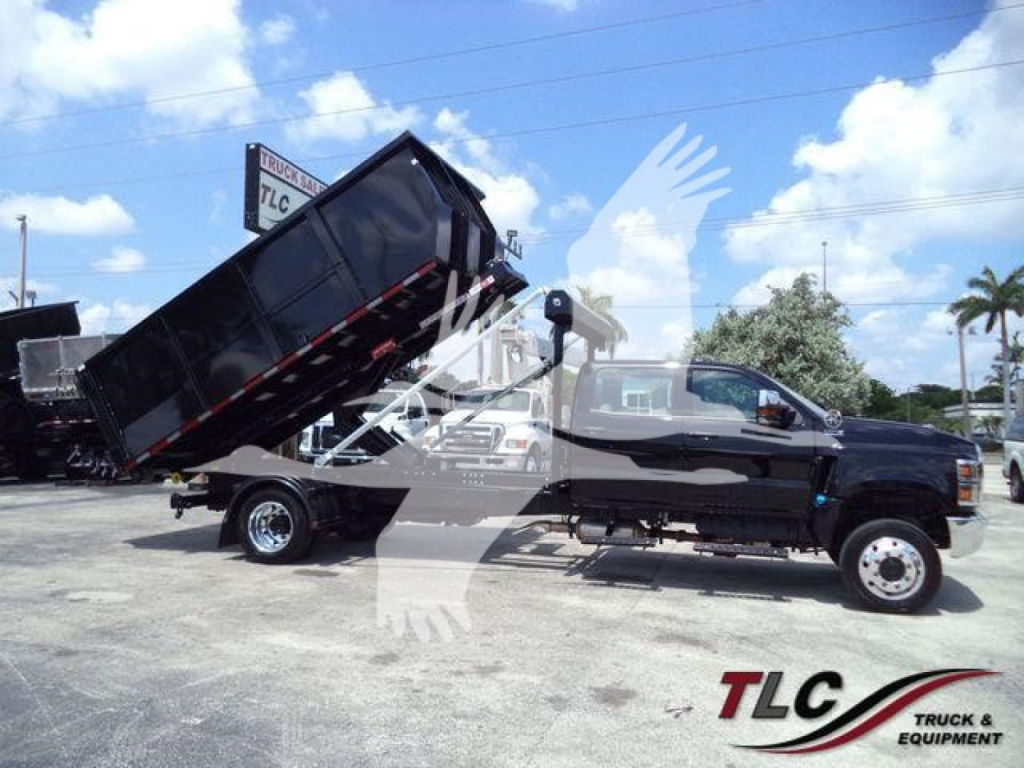
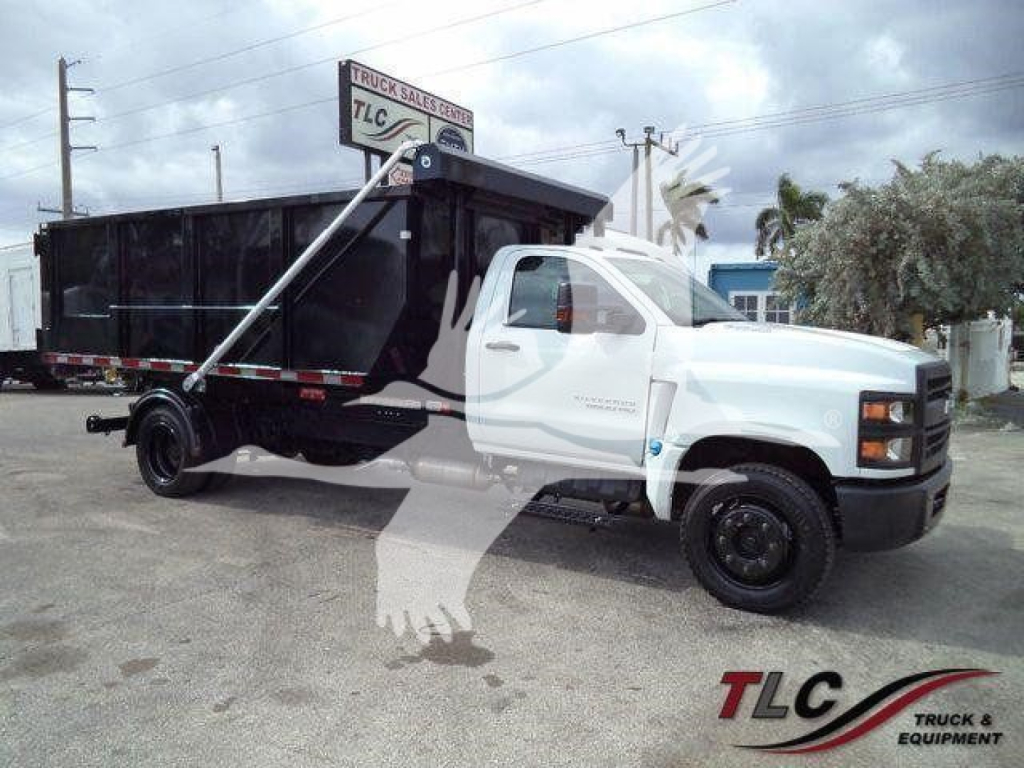
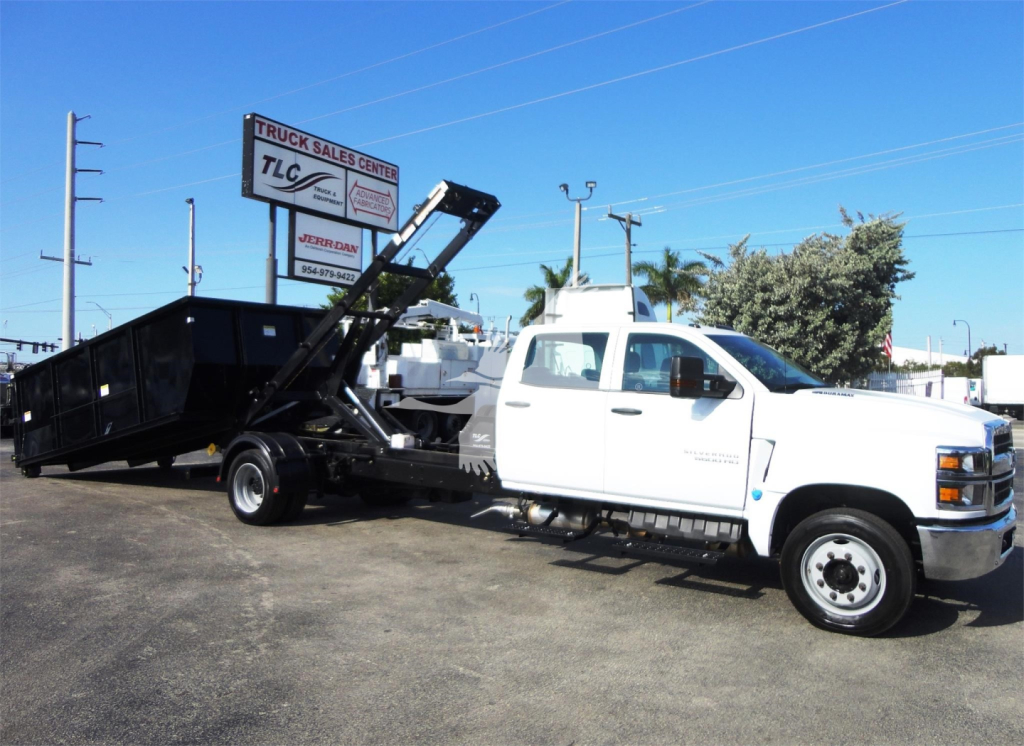
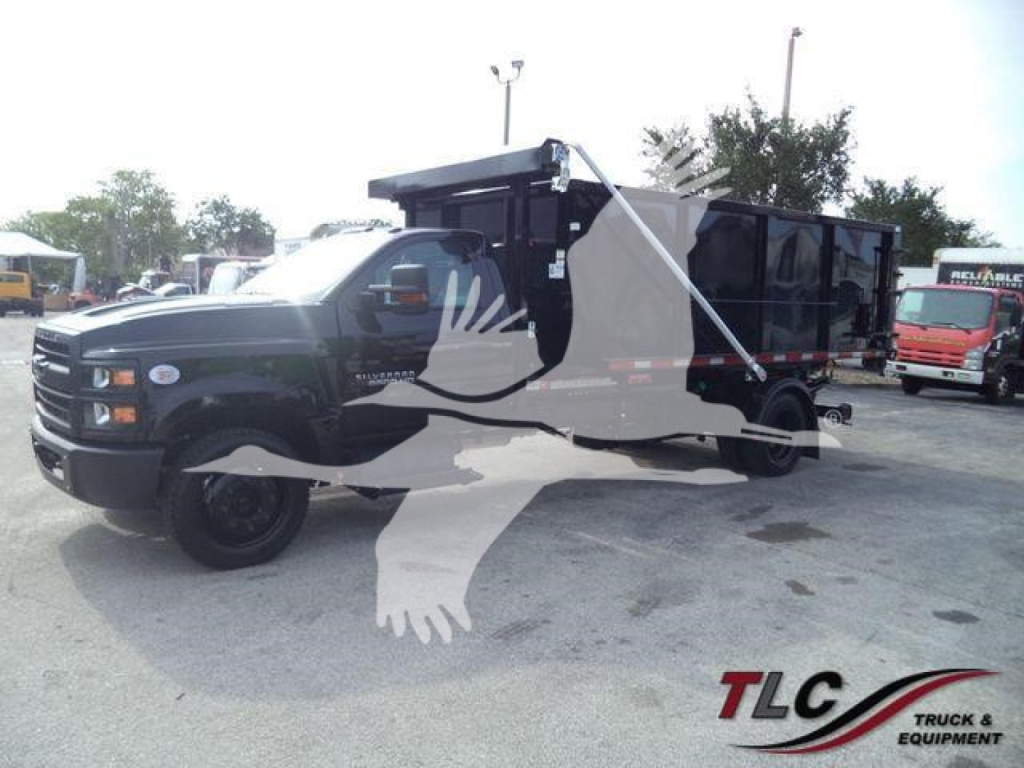
Selling a new 2023 rolloff truck? List your new 2023 rolloff truck for sale and reach thousands of commercial buyers.
New 2023 Rolloff Trucks in Florida
The first decision is chassis size and GVWR. Common 2023 configurations include Class 5 and Class 6 platforms such as the Chevrolet Silverado 5500HD or 6500HD, Ford F-550, and Ram 5500. Typical GVWRs run from about 19,500 up to 26,000 pounds, which affects payload, CDL considerations, axle ratings, and container options. Powertrain choices usually come down to gas versus diesel. Gas engines can make sense for lighter routes, lower annual miles, and simpler emissions packaging. Diesel engines are often favored when the truck spends more time loaded, towing, or working in stop-and-go commercial service where low-end torque and fuel efficiency matter. Transmission choice is usually automatic in this segment, paired with PTO or electric-over-hydraulic hoist controls.
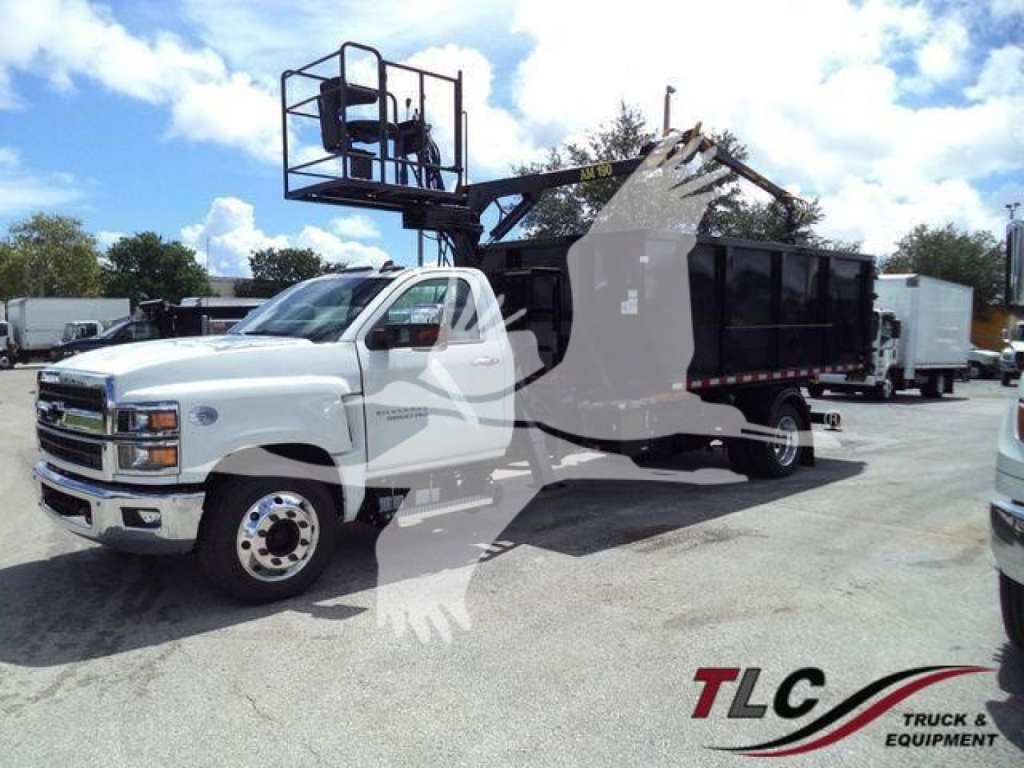
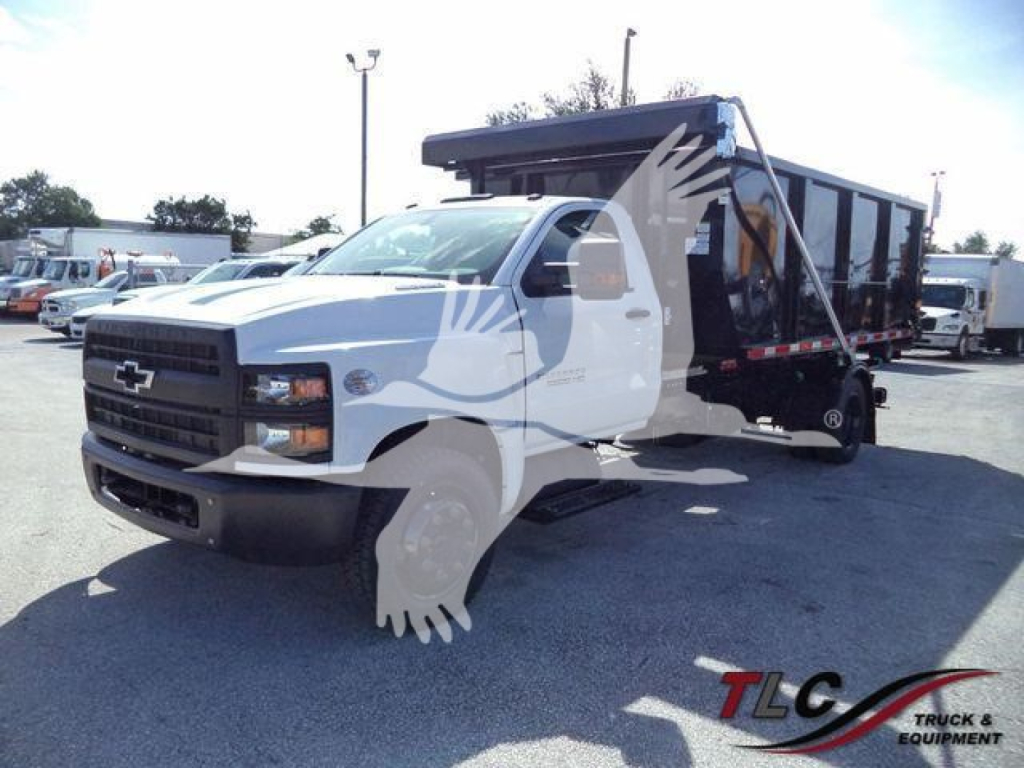
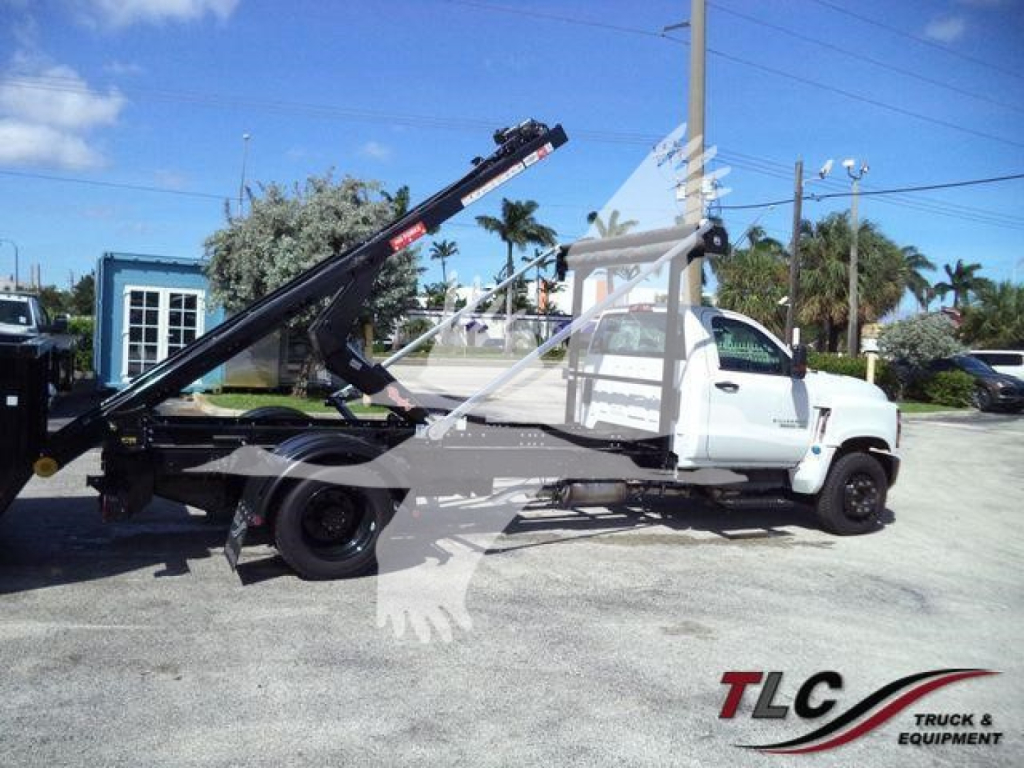
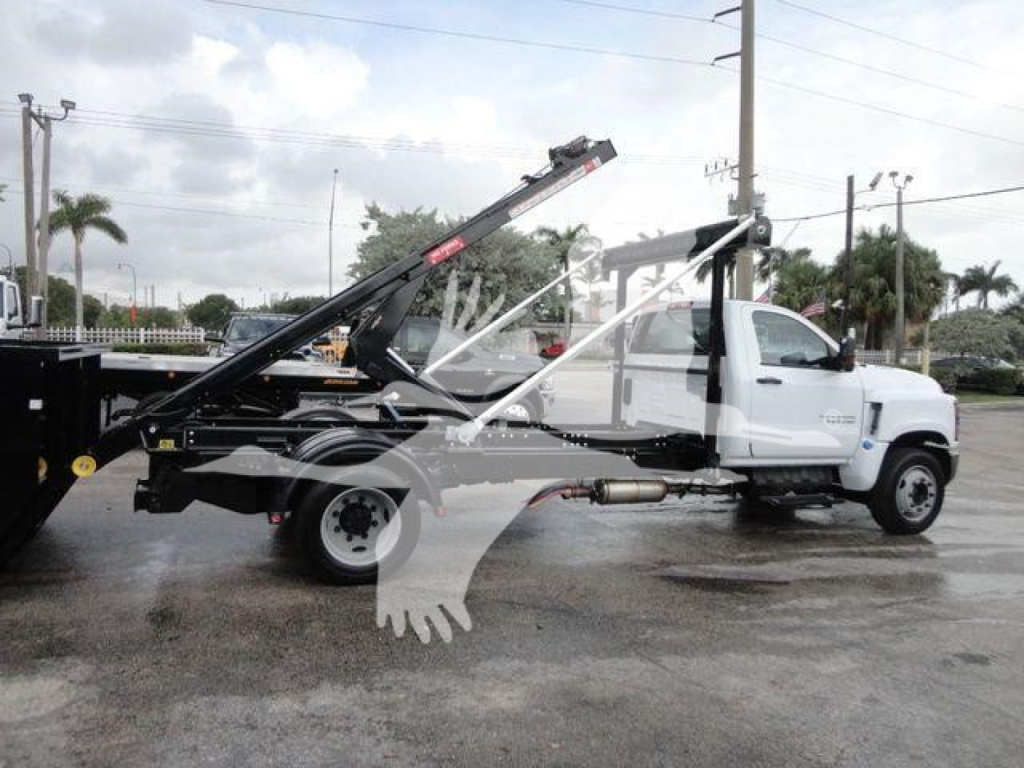
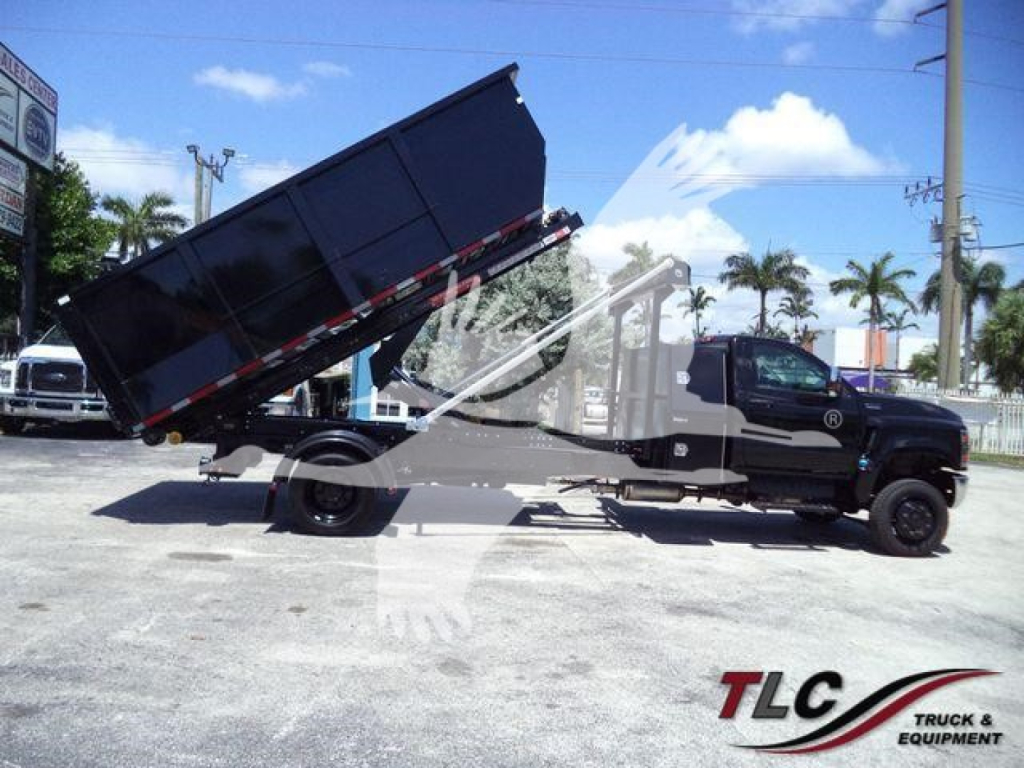
Upfit details matter as much as the badge on the hood. A common body setup is a 14-foot steel container around 8 feet wide with roughly 51-inch sides, single swing rear door access, and powder-coated steel construction. Many trucks use electric-over-hydraulic hoists, a 15,000-pound class winch, about a 25-foot cable, and in-cab plus exterior controls. Trailer equipment is also common, including a 10-ton ICC bumper hitch, receiver tube, electric trailer brake controller, and 7-way plug. Buyers should pay close attention to hoist rating, subframe construction, rear suspension support, tarp system, and how the body is mounted to the chassis. If the truck will swap multiple bins daily, cycle speed, cable durability, and ease of alignment are worth more than cosmetic upgrades.
For Florida operations, corrosion resistance, cooling performance, and jobsite maneuverability should be near the top of the checklist. A regular cab 4x2 is often the most maneuverable and payload-efficient choice for paved urban routes, while a 4x4 chassis may be justified for soft ground, storm response, or undeveloped lots. Wheel and tire spec, brake type, and wheelbase all affect turning radius and body compatibility. Buyers comparing 2023 new rolloff trucks should look beyond the base chassis and confirm the exact container length, wall height, hoist model, hitch capacity, and legal payload on the completed truck. A properly matched rolloff truck can replace multiple single-purpose bodies and keep crews moving with less downtime between jobs.
Frequently Asked Questions about New 2023 Rolloff Trucks in Florida
What is the difference between a rolloff truck and a hooklift truck?
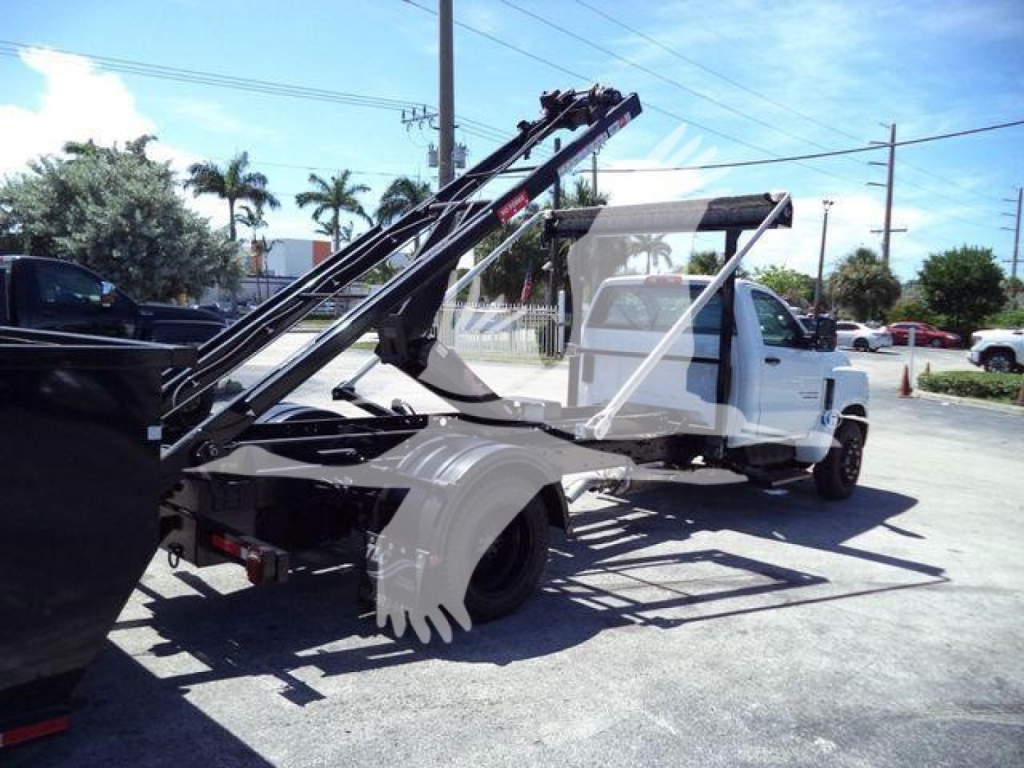
A rolloff truck in this size range usually uses a cable hoist and winch system to pull a container onto rails, while a hooklift uses a hydraulic hook arm to pick up compatible bodies. Cable-style rolloff systems are common on lighter medium-duty chassis because they are straightforward, durable, and cost-effective for debris boxes and dump-style containers. Hooklifts can offer faster body changes and broader body interchangeability, but they typically come with different frame and body requirements. The right choice depends on the body types you plan to run, your budget, and how often containers will be swapped.
What GVWR is common for a 2023 rolloff truck?
Many 2023 rolloff trucks in the light to medium-duty market fall between 19,500 and 26,000 pounds GVWR. A 19,500-pound chassis is common for compact commercial use and can be attractive for buyers trying to balance payload with maneuverability. Heavier 23,500-pound or 26,000-pound chassis can provide more payload margin, stronger component ratings, and better suitability for towing or denser debris. The important number is not just chassis GVWR, but the actual payload left after the hoist, subframe, container, fuel, tools, and occupants are accounted for.
Is diesel or gas better for a new rolloff truck in Florida?
Diesel is usually the better fit when the truck will carry heavier loads, tow equipment, or run frequent commercial cycles where torque and fuel economy under load matter. Gas can be a good choice for shorter routes, lower annual mileage, and buyers who want lower upfront cost and simpler maintenance planning. In Florida, both options can work well, but route density, average load weight, idle time, and service network support should drive the decision. Buyers should compare not just horsepower, but torque curve, axle ratio, maintenance intervals, and the expected life-cycle cost of the truck.
What body size is typical on this class of rolloff truck?
A very common setup is a 14-foot container that is 8 feet wide with sides around 51 inches high. That size works well for landscape debris, roofing tear-off, light demolition, bulk material handling, and general contractor use. Rear door style, wall height, floor thickness, and container weight all influence how usable that body is in daily service. If the truck will handle heavy materials like concrete, dirt, or mixed C&D, buyers should verify the container's construction and the truck's net legal payload instead of assuming every 14-foot body performs the same way.
What should I inspect on the hoist system before buying a rolloff truck?
The hoist system should be evaluated for rated capacity, cylinder size, winch specification, cable condition or cable routing, control placement, and how well the subframe is integrated with the chassis. Buyers should also look at rear roller design, rail alignment, hydraulic pump setup, wiring quality, and any tarp or safety interlock equipment. On a new truck, the value is in how cleanly the system is installed and how well it matches the chassis wheelbase and intended container. A strong chassis with an undersized or poorly matched hoist will limit productivity long before the engine does.