
New 2023 Dump Trucks For Sale
Shop new 2023 dump trucks for sale, including vocational specs, body styles, axle setups, GVWR ranges, and hauling applications.
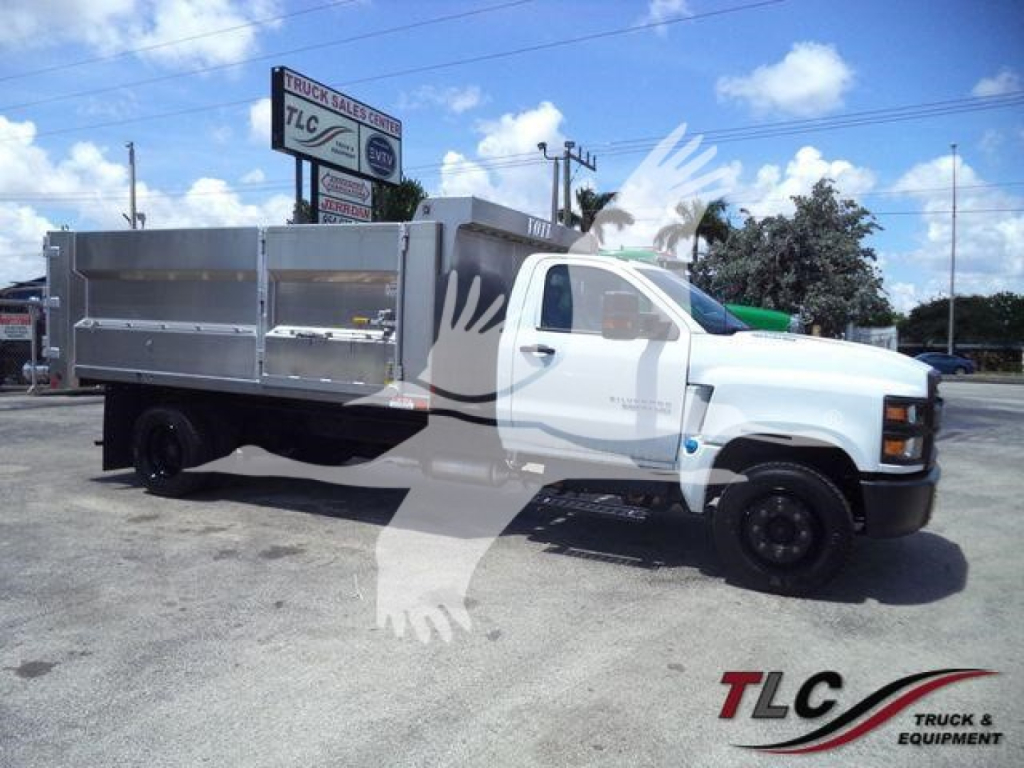
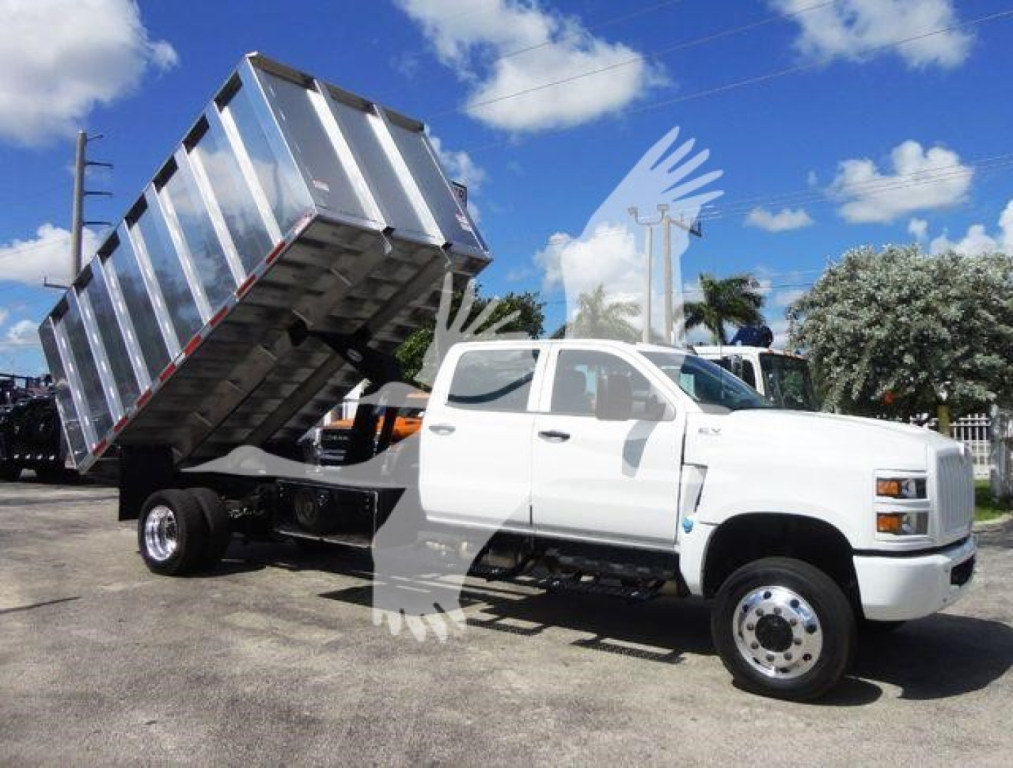
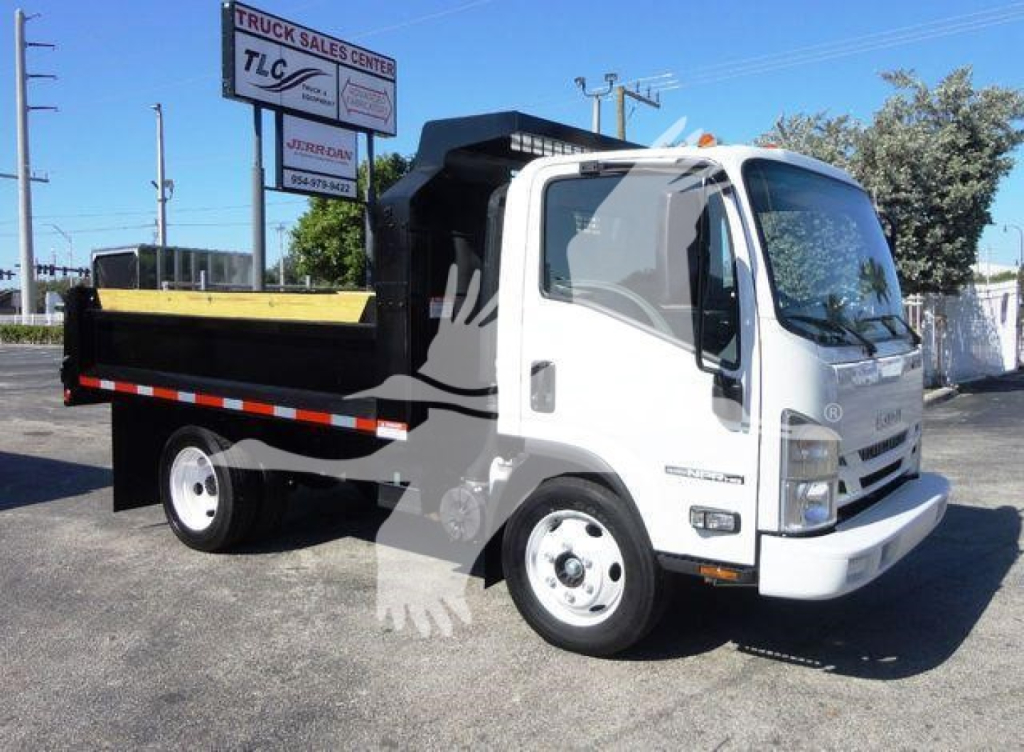
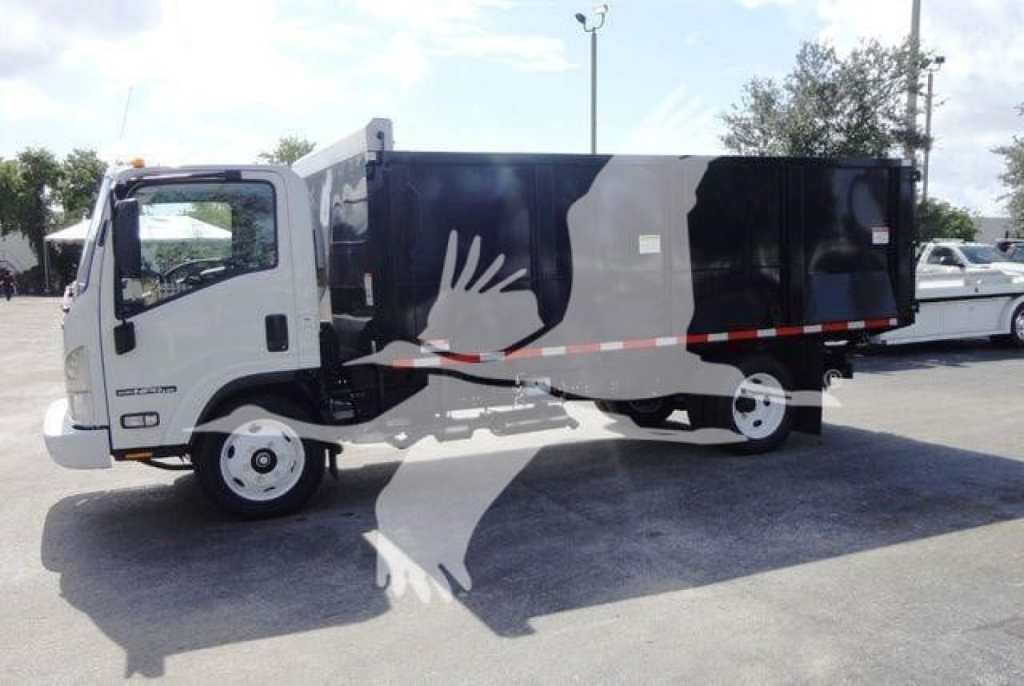
Selling a new 2023 dump truck? List your new 2023 dump truck for sale and reach thousands of commercial buyers.
New 2023 Dump Trucks
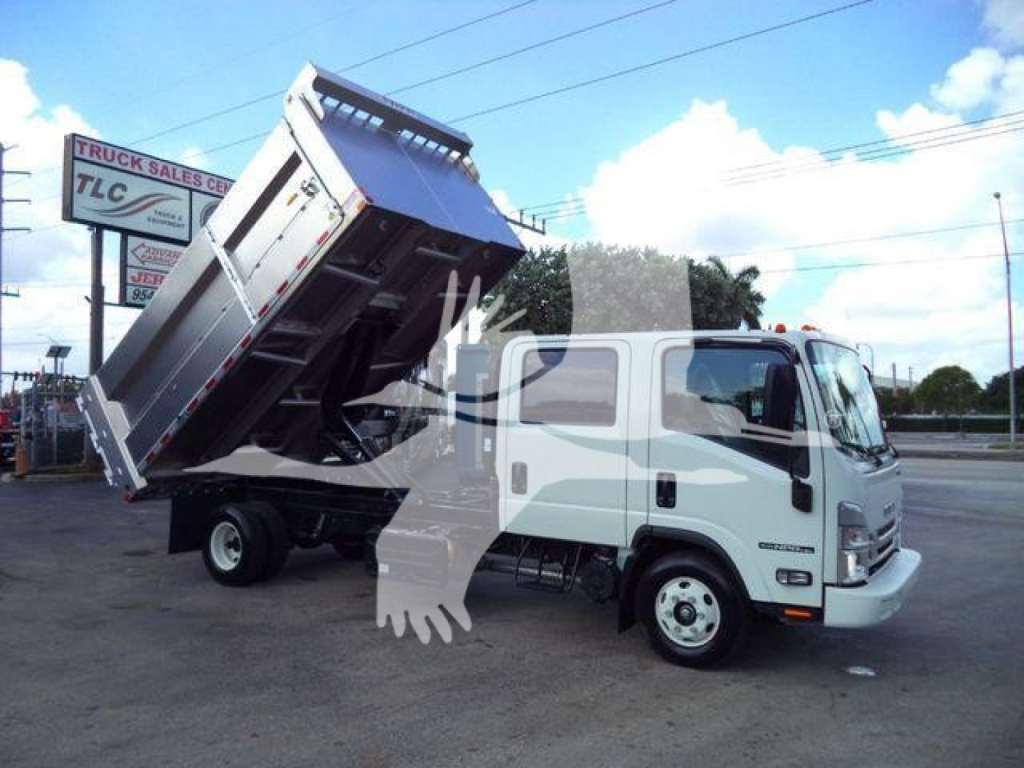
Body construction matters as much as chassis spec. Steel dump bodies are still the standard for rock, concrete, and demolition because they hold up better under abrasion and impact. Aluminum bodies can reduce tare weight and improve payload for lighter bulk commodities, but they are usually chosen for less abusive material. Side height, body length, floor thickness, tailgate style, hoist capacity, and liner options all affect how the truck performs day to day. Common configurations include straight-side contractor bodies, landscape dump bodies with higher sides, and severe-duty bodies with reinforced crossmembers, cab shields, and heavier hinges. Details like tarp systems, hitch packages, PTO setup, and rear door design can make a big difference in how efficiently the truck loads, hauls, and dumps.
On the chassis side, new 2023 dump trucks often center around diesel engines in the medium-duty range for local delivery work and larger displacement vocational engines for heavy aggregate hauling. Transmission choice has become more application-specific, with automated manuals gaining ground in dump service because they reduce driver fatigue and can improve consistency, while traditional manual transmissions still appeal in severe-duty or owner-operator applications. Suspension, axle rating, frame strength, and brake type should match the terrain and payload cycle. Vocational buyers also pay close attention to wheelbase, cab-to-axle measurement, and turning radius, especially when the truck has to access tight residential sites or congested urban jobs.
A well-matched dump truck is really a complete vocational package, not just a truck with a hoist. For buyers looking at new dump trucks, the best value usually comes from matching body volume to material density, choosing axle capacity with enough margin for legal loading, and avoiding over-spec that adds empty weight without improving uptime. Features like differential locks, severe-service suspensions, air ride driver seats, electric tarp systems, and pintle or combo hitches can improve productivity depending on the work. Also known simply as a dump truck, gravel truck, contractor dump, or landscape dump in some markets, this category covers a wide range of hauling roles, so the most important decision is selecting a spec that fits your route, commodity, and loading equipment.
Frequently Asked Questions about New 2023 Dump Trucks
What is the difference between a single-axle and tandem-axle dump truck?
A single-axle dump truck is typically used for lighter payloads, tighter jobsite access, and shorter local routes. It is common in landscaping, municipal work, and small contractor applications. A tandem-axle dump truck carries more legal weight, offers better stability under heavier loads, and is more common in aggregate, paving, excavation, and demolition work. The right choice depends on your state weight laws, the density of the material you haul, and how much maneuverability you need on the job.
Is a steel or aluminum dump body better?
Steel dump bodies are generally better for severe-duty work because they resist impact and abrasion from rock, broken concrete, asphalt, and demolition debris. Aluminum dump bodies reduce empty weight and can improve payload for lighter commodities, but they are usually less desirable in hard-impact applications. Buyers should match body material to the material being hauled, not just the advertised payload potential.
What specs matter most when buying a new dump truck?
The most important dump truck specs are GVWR, axle ratings, body length, side height, hoist type, engine horsepower and torque, transmission, suspension, and brake configuration. Wheelbase and cab-to-axle dimensions are also critical because they determine body fit and turning characteristics. For many buyers, payload legality and body durability matter more than peak horsepower alone.
Are automatic and automated transmissions good for dump trucks?
Yes, automated manual transmissions are widely used in modern dump truck applications and can work very well in vocational service. They reduce driver fatigue, help with driver training, and can provide consistent shifting in stop-and-go work. Some buyers still prefer manual transmissions for severe-duty use or specific terrain, but automated options are now common in both medium-duty and heavy-duty dump truck specs.
What type of work is a landscape dump truck best suited for?
A landscape dump truck is usually set up with higher side walls and a body designed to carry mulch, brush, topsoil, compost, and light debris. These trucks are common in nursery supply, property maintenance, tree service, and residential material delivery. They prioritize cubic capacity more than dense payload, so they are not the same as a severe-duty aggregate dump spec.