
New 2023 Landscape Trucks For Sale
Shop new 2023 landscape trucks with dump, grapple, roll-off, and flatbed setups for tree, debris, mulch, and contractor hauling.
Selling a new 2023 landscape truck? List your new 2023 landscape truck for sale and reach thousands of commercial buyers.
New 2023 Landscape Trucks
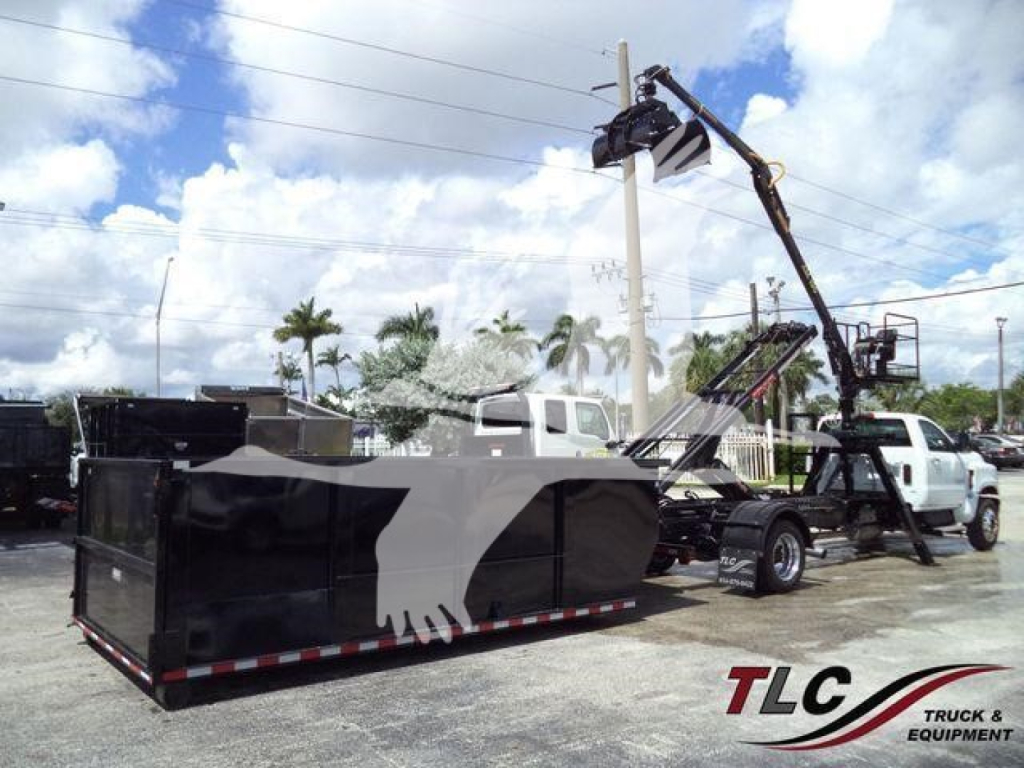
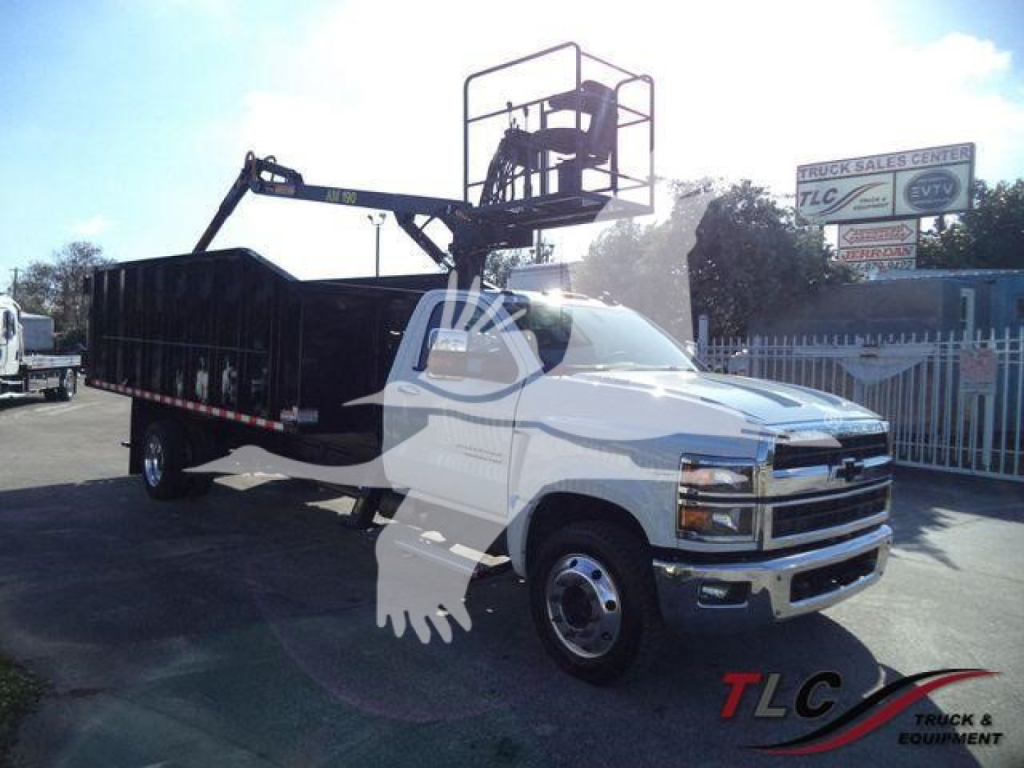
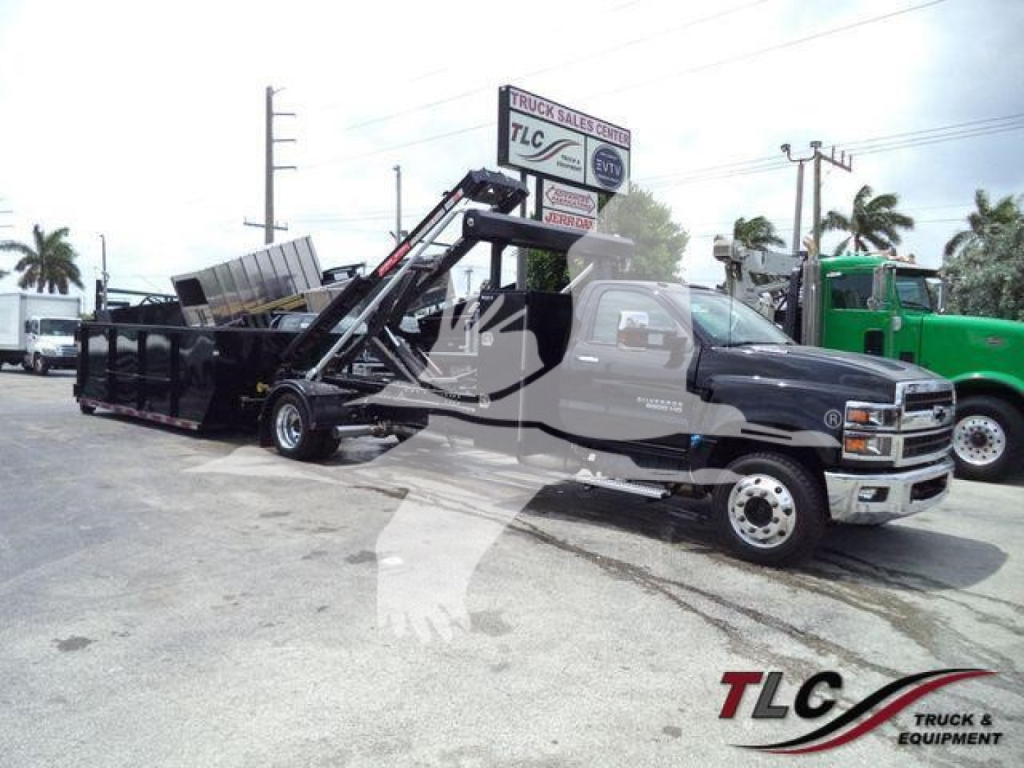
A traditional landscape dump truck is the standard choice for hauling mulch, brush, leaves, stumps, soil, and mixed jobsite debris. These trucks often use high sides, barn doors or swing gates, tarp systems, receiver hitches, and electric trailer brake provisions so one unit can pull mowers, mini skid steers, or other support equipment. Aluminum bodies help maximize payload and resist corrosion, while steel bodies hold up well in harder-use debris and demolition work. If your operation handles storm cleanup, tree service, or municipal vegetation work, a grapple truck adds a major productivity advantage with a PTO-driven boom, turret seat or stand-up controls, and enough reach to load brush and logs without a separate machine. Roll-off and hooklift style landscape trucks are also common for crews that want interchangeable containers for debris, mulch, trash, and seasonal cleanup.
Powertrain and chassis specs should match route type, terrain, and payload expectations. Diesel engines remain common in this segment because they handle heavier body packages and PTO applications well, especially on grapple and hoist-equipped trucks. Gas engines still make sense for lighter-duty fleets with shorter routes or easier service access. Buyers should compare wheelbase, cab-to-axle dimension, rear axle rating, suspension type, brake system, PTO compatibility, and tire size before focusing on convenience features. A truck with the correct hoist, body length, side height, and hitch setup will usually outperform a higher-horsepower truck with the wrong upfit. On CDL-sensitive operations, it is also important to look closely at GVWR, body weight, and expected payload so the truck fits your labor model and licensing requirements.
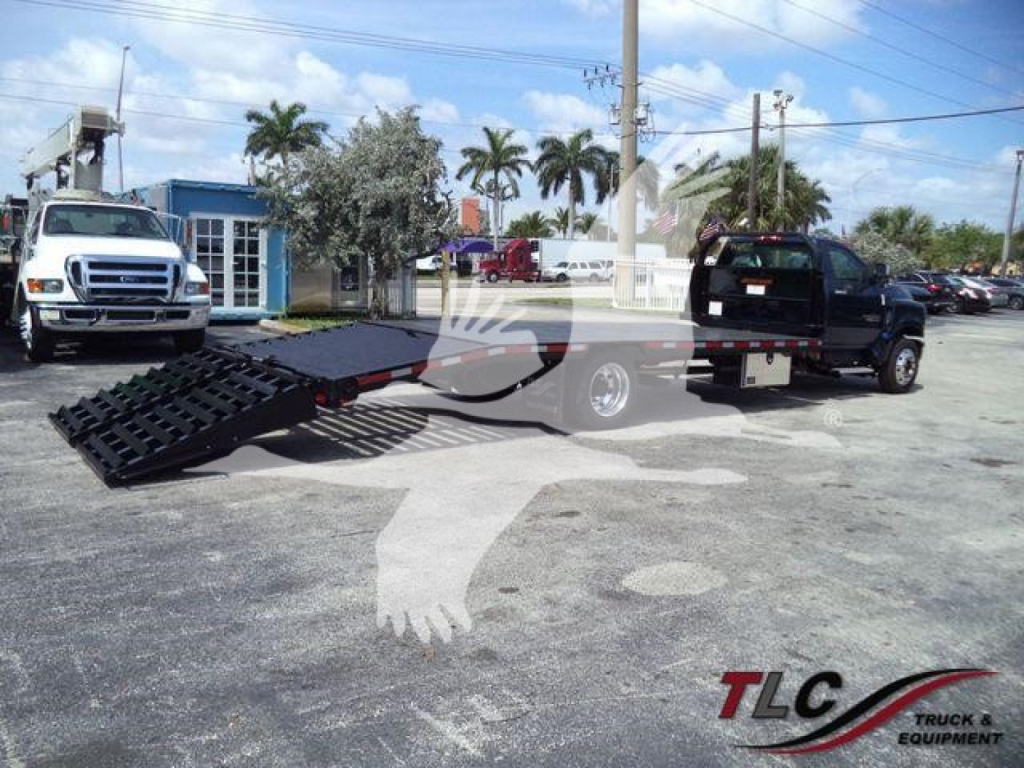
The most useful 2023 landscape trucks are set up to reduce hand labor and downtime. Features that add real value include backup cameras, underbody toolboxes, integrated tarp systems, scissor hoists, ICC bumpers, trailer plugs, fold-down ramps, and easy-to-clean steel or aluminum floors. Buyers in tree care and storm response should pay close attention to boom reach, grapple opening, hydraulic capacity, and body cubic-yard rating. Buyers focused on lawn and landscape maintenance may care more about bed access, side height, ramp angle, hitch capacity, and maneuverability in residential areas. Also known as landscape dump trucks or debris trucks, these units are selected less by appearance and more by how well the chassis and body work together through a full season of loading, hauling, dumping, and towing.
Frequently Asked Questions about New 2023 Landscape Trucks
What is a landscape truck used for?
A landscape truck is used to haul mulch, brush, leaves, soil, debris, tools, and small equipment for landscaping, tree service, grounds maintenance, and cleanup work. Depending on the body style, it may also tow trailers, dump material on site, carry compact machines, or self-load debris with a grapple. The category includes landscape dump trucks, debris bodies, grapple trucks, and some roll-off or hooklift configurations used in green waste and contractor applications.
What body style is best for a 2023 landscape truck?
The best body style depends on the work mix. A high-side dump body is the most common choice for general landscaping and debris hauling because it handles loose material well and unloads quickly. A grapple body is better for tree crews and storm cleanup because it reduces manual loading. A roll-off or hooklift setup works well when you want interchangeable containers for different jobs. A flatbed with ramps makes sense when transporting mowers, skid steers, or compact tractors is part of the daily workload.
Is aluminum or steel better for a landscape dump body?
Aluminum is usually preferred when payload and corrosion resistance matter most, especially for mulch, leaves, and lighter landscaping materials. Steel is typically the better choice for tougher applications involving mixed debris, heavier brush, stumps, and rough loading conditions. The right answer depends on what the truck will carry every day, how long you plan to keep it, and whether reduced body weight or maximum durability is the bigger priority.
Do I need a diesel engine for a landscape truck?
Not always. Diesel is often the better fit for heavier Class 5 and Class 6 landscape trucks, especially if the truck has a PTO-driven hoist, grapple, or high payload demands. Gas engines can work very well in lighter-duty applications, shorter routes, and fleets that want lower upfront cost or simpler service support. The engine choice should follow body weight, daily miles, towing demands, and how often the truck operates fully loaded.
What specs matter most when comparing new landscape trucks?
The key specs are GVWR, wheelbase, cab-to-axle, body length, side height, hoist type, rear axle rating, suspension, hitch capacity, and PTO capability. Buyers should also look at body material, tailgate configuration, tarp system, toolbox storage, and trailer brake wiring. On grapple units, boom reach, lift capacity, grapple opening, and hydraulic performance are critical because they directly affect loading speed and safe working range.