
New 2023 Landscape Trucks For Sale in Florida
Shop new 2023 landscape trucks in Florida. Compare dump, flatbed, roll-off, and ramp-body configurations for crews, debris, and equipment.
Selling a new 2023 landscape truck? List your new 2023 landscape truck for sale and reach thousands of commercial buyers.
New 2023 Landscape Trucks in Florida
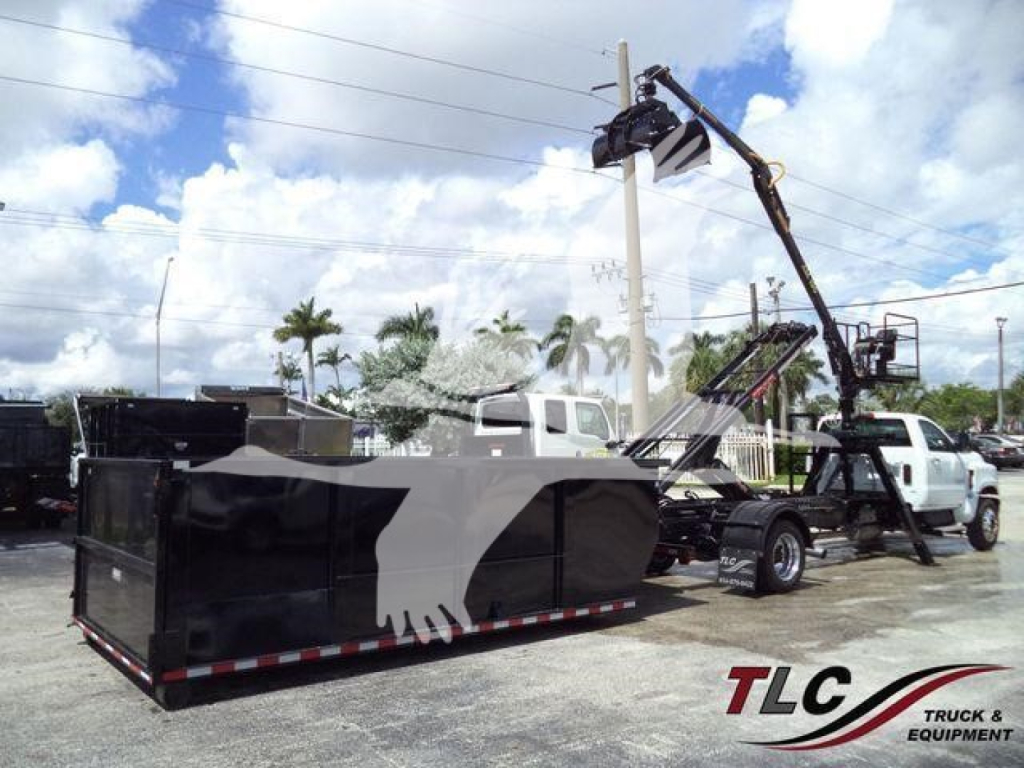
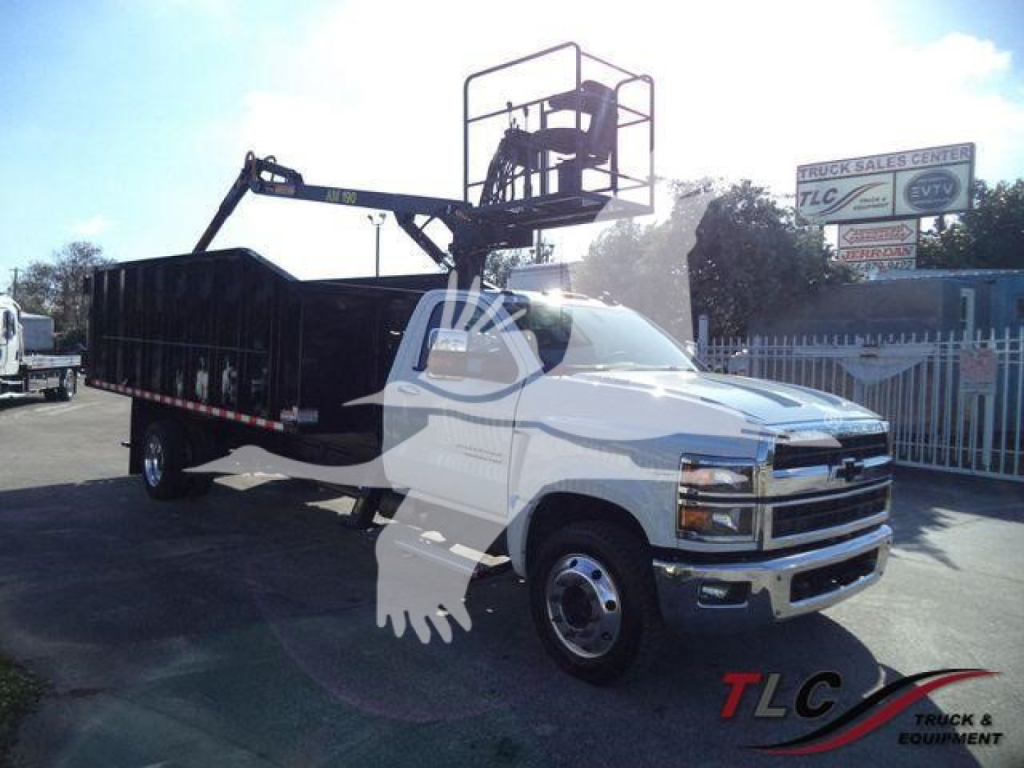
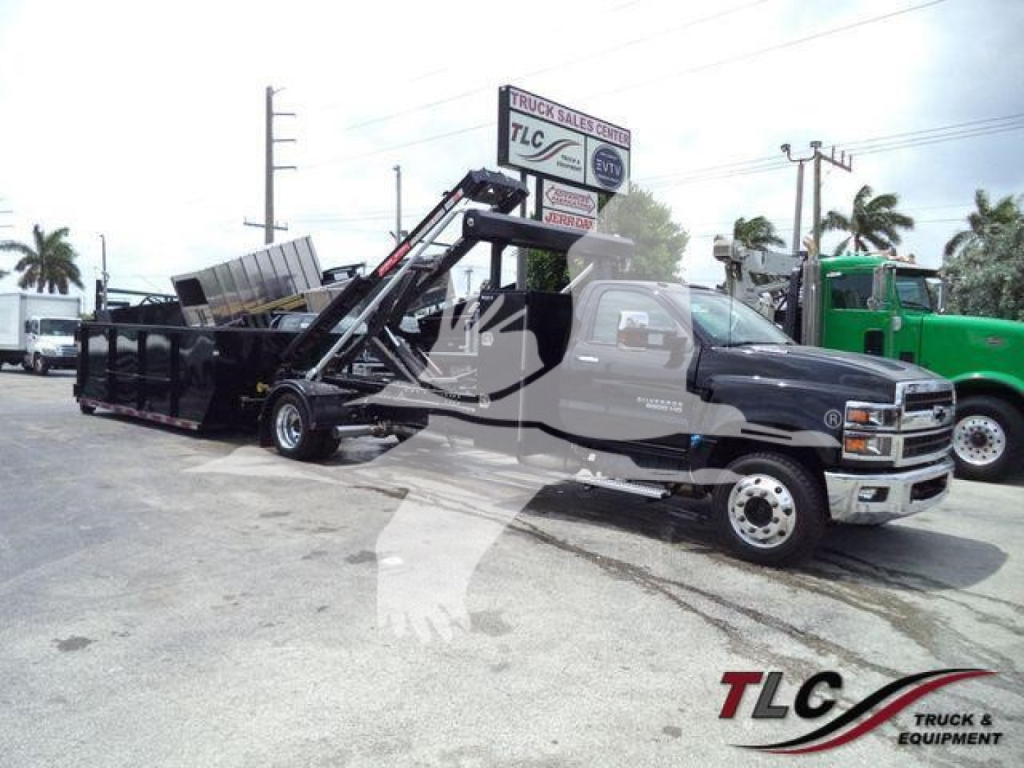
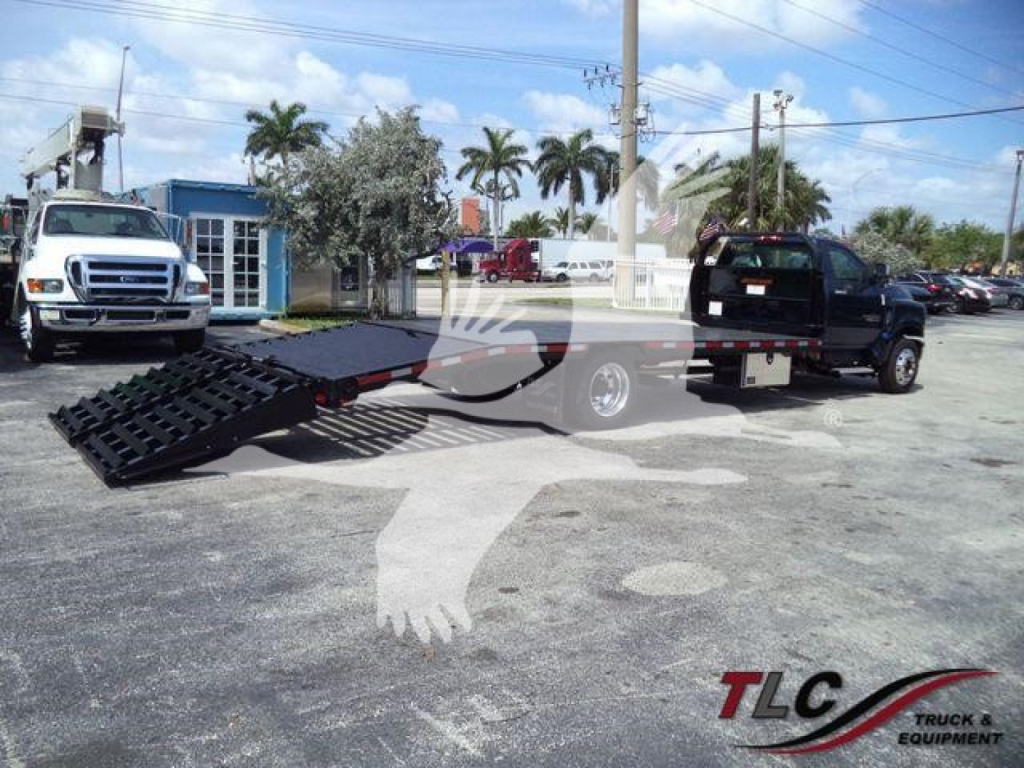
Body design matters more in this category than many buyers expect. A landscape dump body is typically 12 to 14 feet long with tall solid or expanded metal sides, barn doors or swing gates, a tarp system, and a scissor or telescopic hoist for loose material and green waste. A landscape flatbed, also known as a mower body or ramp truck, is better for zero-turn mowers, small skid steers, and palletized materials. These bodies often include a beavertail, spring-assisted ramps, headboards, stake pockets, pallet gates, and multiple underbody toolboxes. Roll-off landscape trucks add another layer of versatility by allowing one chassis to handle debris boxes, dump containers, or specialty bodies, which can improve utilization for contractors running mixed jobs.
Powertrain and chassis specs should match stop-and-go operating conditions, trailer use, and jobsite access. Gas engines can make sense for shorter routes and lower acquisition cost, while diesel platforms are often preferred for higher GVWR applications, towing, and heavier daily payloads. Common specs in this category include automatic transmissions, 4x2 or 4x4 drivetrains, spring suspension, 19.5-inch wheels, trailer brake provisions, receiver hitches, PTO-driven hydraulics, and backup cameras. Buyers in Florida should pay attention to corrosion resistance and long-term body durability. Aluminum landscape bodies reduce empty weight and help with payload, while steel bodies are often chosen for abrasive debris and harder use. Powder coating, reinforced floors, sealed lighting, and quality tarp hardware all matter on trucks that load and unload several times per day.
The best 2023 landscape truck is the one sized for the material mix and crew workflow, not just the highest GVWR on the page. If the truck will mostly haul mulch, leaves, and clippings, taller side walls and a lighter body can be more valuable than maximum chassis capacity. If it will carry machines every day, focus on deck length, ramp angle, tiedown points, and realistic equipment weight. For debris-heavy work or storm cleanup, look closely at hoist rating, rear door configuration, boom or grapple options, and legal payload after the upfit is installed. A well-spec'd landscape truck should reduce hand labor, shorten loading time, and hold up under constant commercial use.
Frequently Asked Questions about New 2023 Landscape Trucks in Florida
What is a landscape truck?
A landscape truck is a medium-duty or heavy-duty work truck upfitted to haul landscaping materials, debris, tools, and equipment. Common configurations include high-side dump bodies for mulch and brush, flatbeds with dovetail and ramps for mowers and compact machines, and roll-off systems for interchangeable containers. Many contractors also refer to ramp-body versions as mower trucks or landscape flatbeds.
What body style is best for a landscaping business?
The best body style depends on the work mix. A high-side dump body is usually the right choice for bulk materials, green waste, and cleanup work because it unloads quickly and contains loose debris well. A flatbed with beavertail and ramps is better when the truck primarily moves zero-turns, mini skid steers, and palletized supplies. A roll-off landscape truck fits operations that want one chassis to handle multiple containers or job types.
Are aluminum or steel landscape bodies better?
Aluminum landscape bodies are lighter and can improve legal payload, fuel efficiency, and corrosion resistance, which is important in humid and coastal Florida conditions. Steel bodies are typically favored for harder use, abrasive material, and applications where impact resistance matters more than weight savings. The better choice depends on what the truck hauls every day and how rough the loading cycle is.
What GVWR range is common for new landscape trucks?
Many new landscape trucks fall in the Class 5 to Class 6 range, often around 19,500 to 26,000 GVWR. That range gives buyers enough chassis capacity for commercial bodies, tools, and material without jumping into a larger truck than the route or crew requires. The right GVWR should be based on actual payload, body weight, towing needs, and any mounted hydraulic or grapple equipment.
Should a landscape truck have a dump body, ramps, or a grapple?
A dump body is best for loose material and routine debris removal. Ramps and a beavertail are essential if the truck regularly transports mowers, compact loaders, or other wheeled equipment. A grapple is a specialized option for tree work, storm cleanup, and high-volume brush handling, where loading speed and reduced manual labor can justify the added cost and body weight.