
New Landscape Trucks For Sale
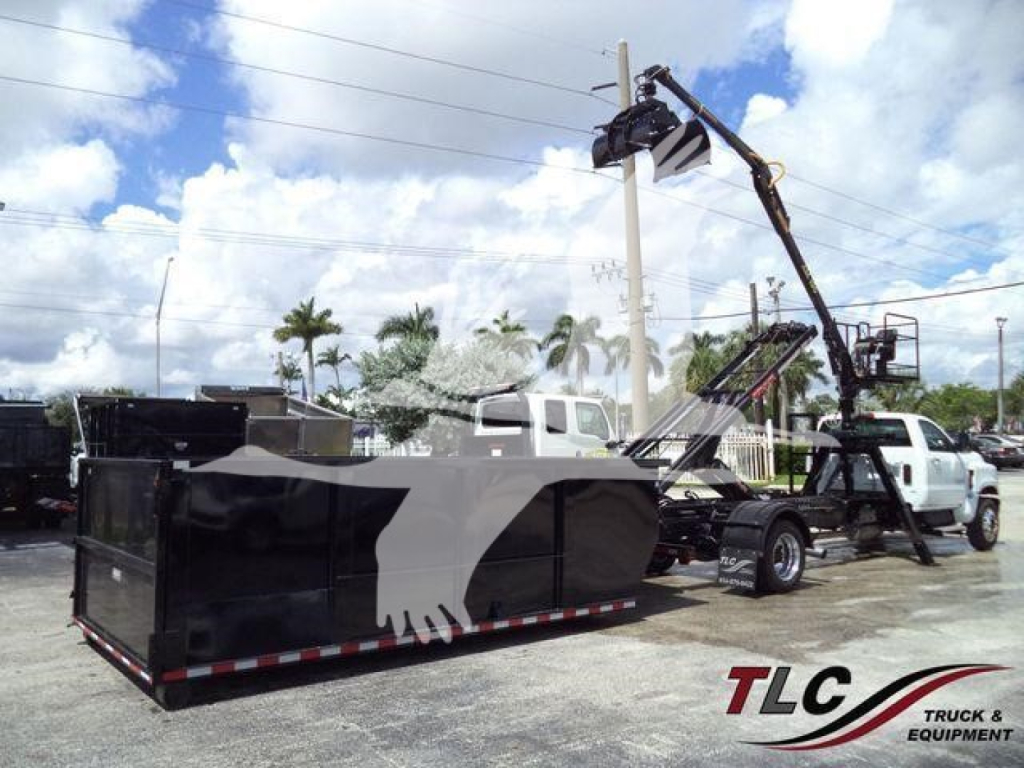
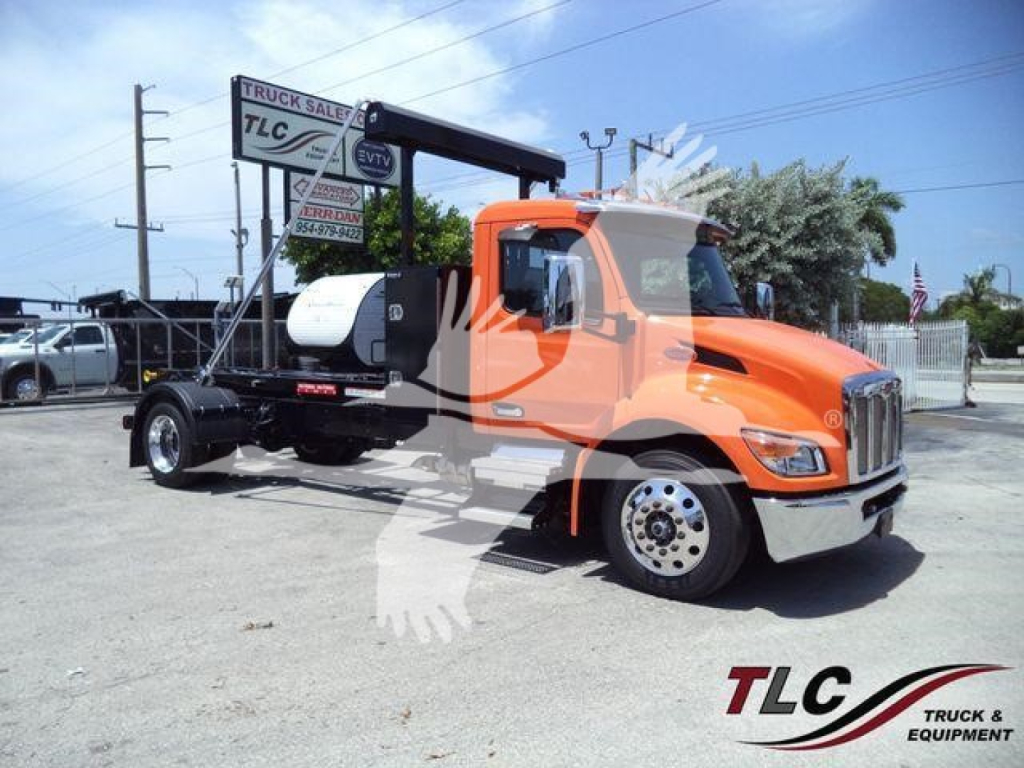
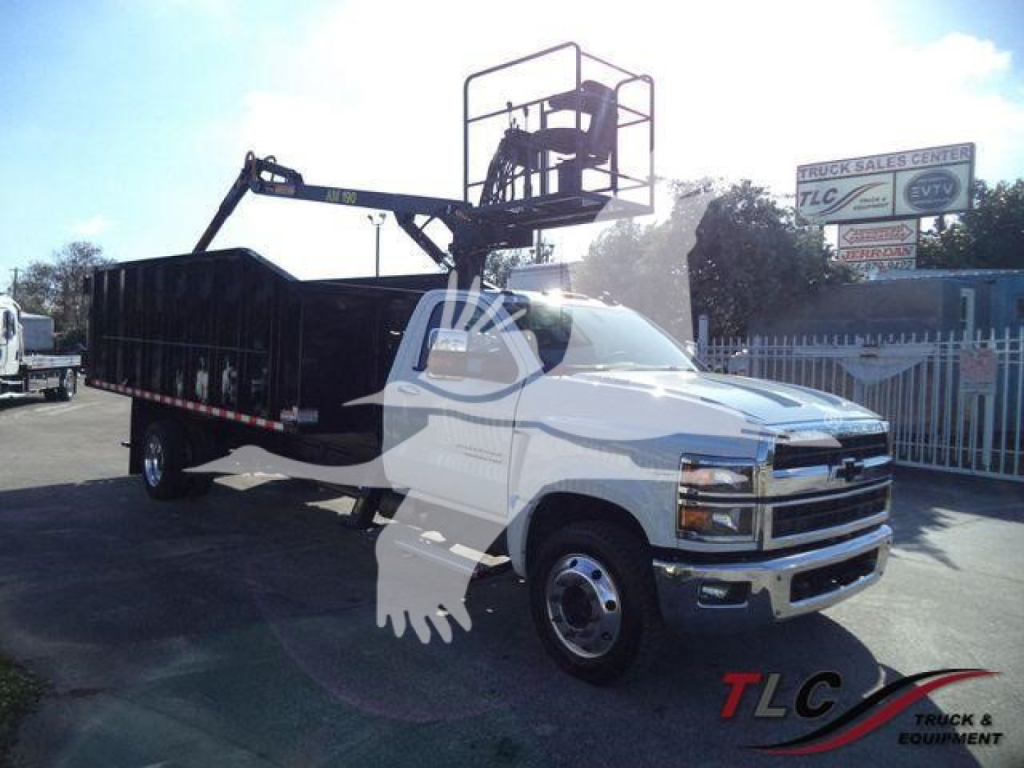
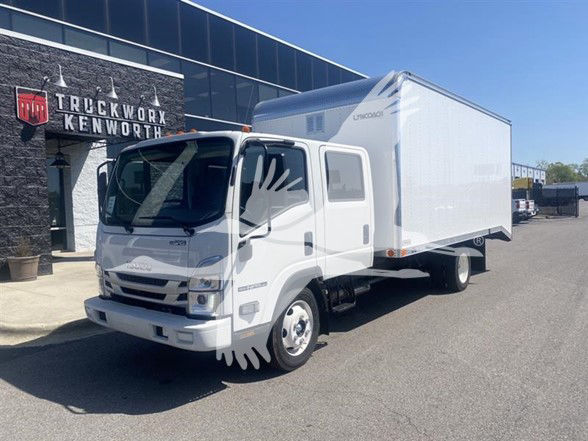
New landscape trucks for sale including dump, flatbed, roll-off, and grapple upfits for mulch, debris, equipment, and municipal work.
Selling a new landscape truck? List your new landscape truck for sale and reach thousands of commercial buyers.
New Landscape Trucks
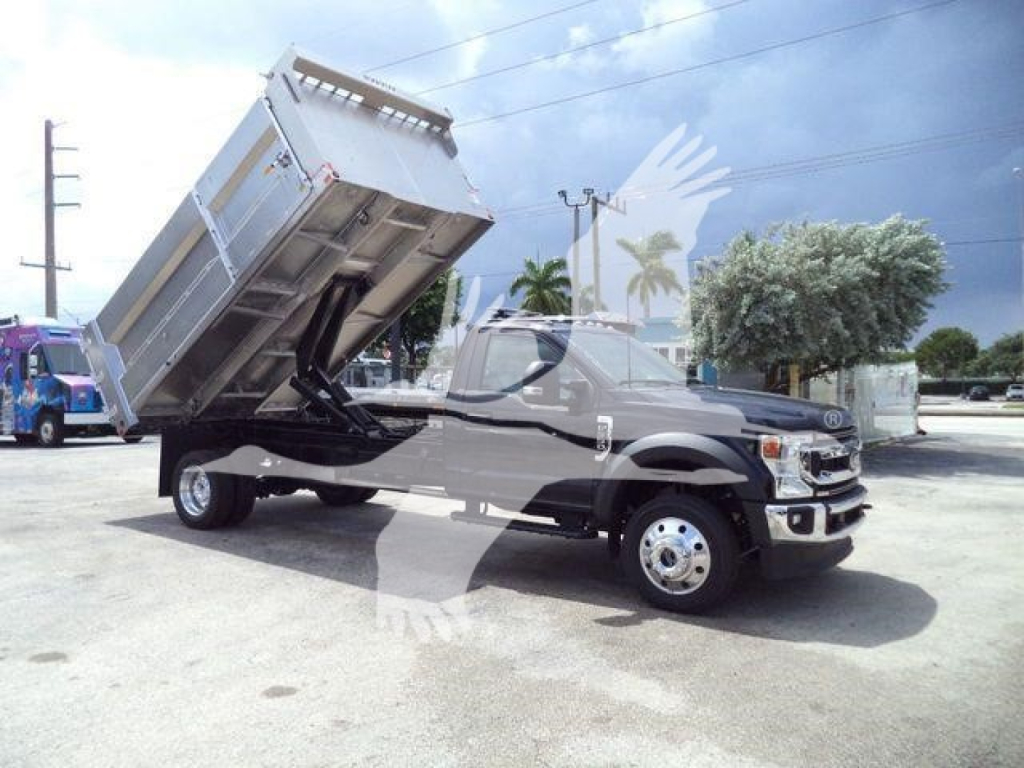
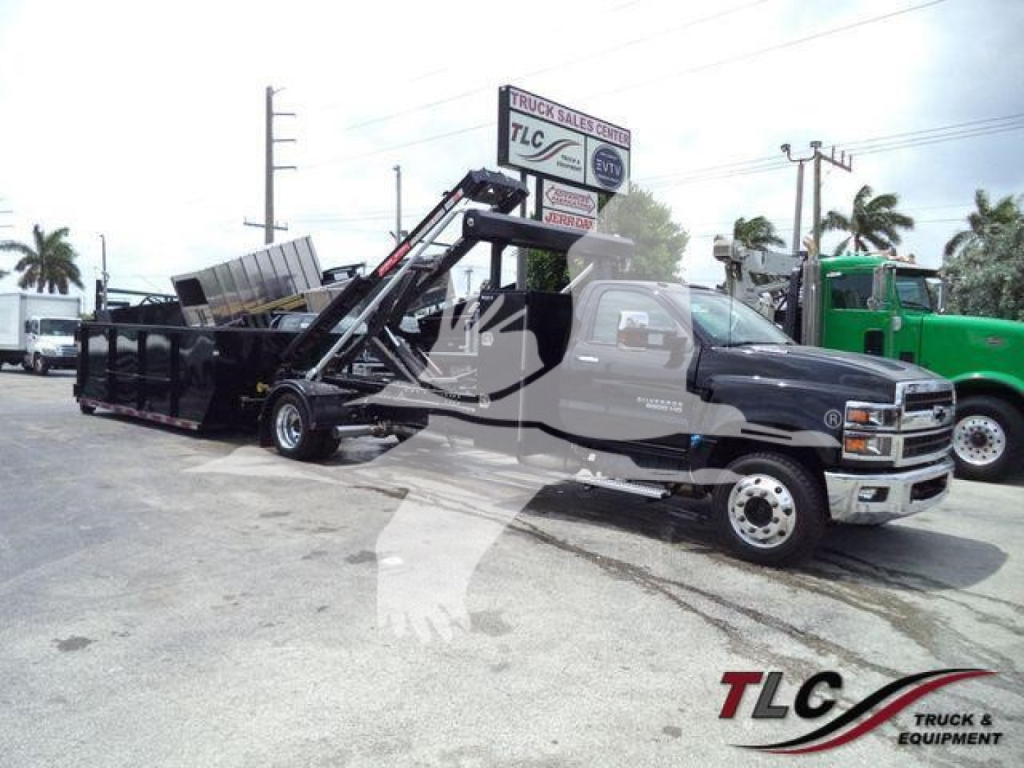
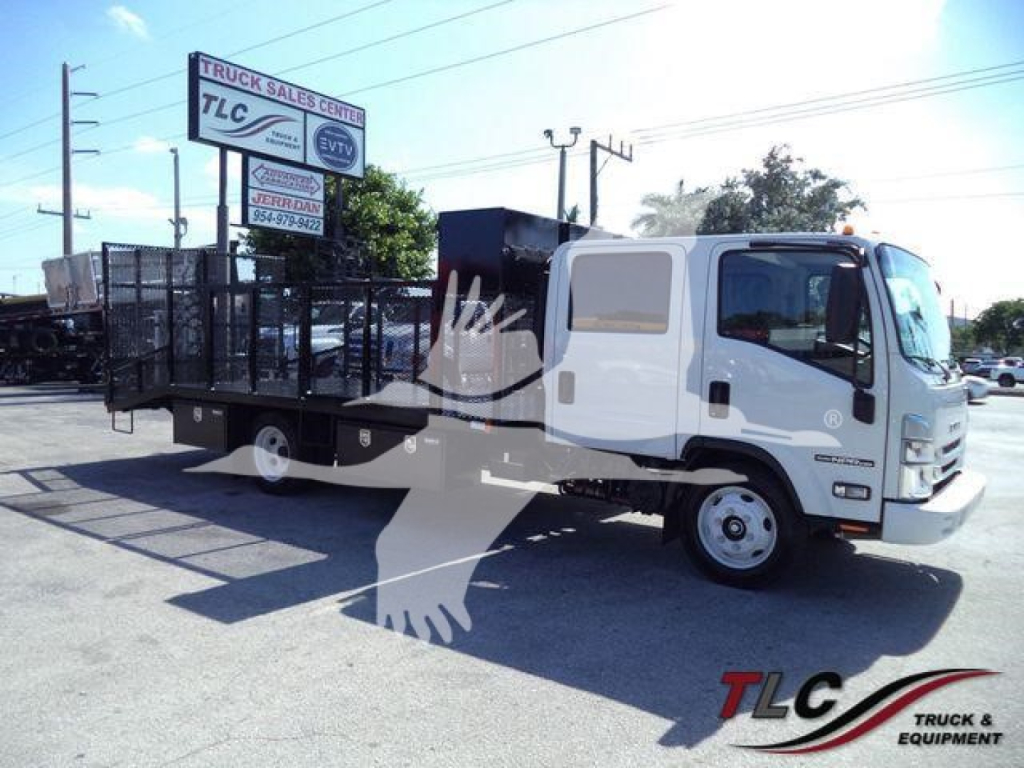
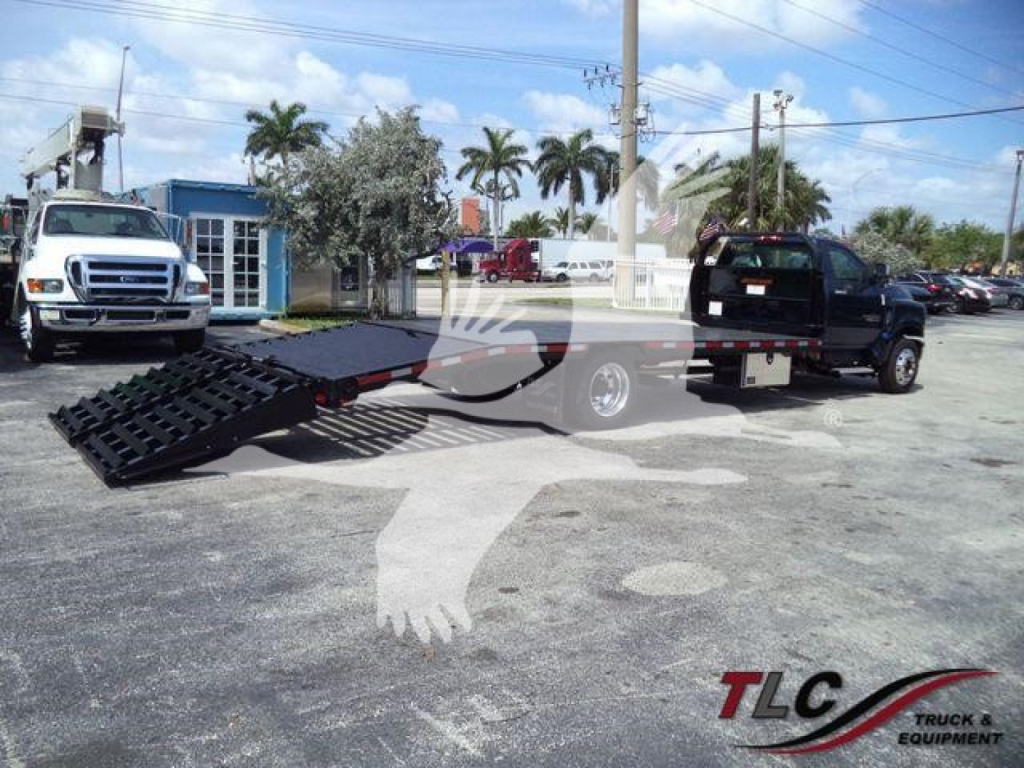
The body configuration matters more here than almost any single chassis spec. A traditional landscape dump body typically uses high sidewalls, barn doors or swing gates, a tarp system, and a hoist sized for green waste, leaves, mulch, and mixed debris. Aluminum bodies reduce empty weight and help corrosion resistance, while steel bodies hold up well in brush, demolition, and heavier-duty municipal use. Flatbed landscape trucks with beavertails and spring-loaded ramps are common for mixed fleets that need to transport stand-on mowers, skid steers, mini excavators, and attachments during the same workday. Roll-off landscape trucks add flexibility for crews handling debris containers, seasonal cleanup, or jobs that require dropping one box and moving to the next site. Grapple-equipped units serve tree service, storm response, and land clearing work where loading labor and cycle time directly affect profitability.
On the chassis side, most new landscape trucks in this segment are spec'd with automatic transmissions, single rear axles, diesel or gas V8 power, and GVWRs ranging from roughly 19,500 to 26,000 pounds. Buyers should pay close attention to wheelbase, usable body length, side height, hoist capacity, PTO setup, hitch rating, and brake controller integration if trailers are part of the operation. A 4x2 chassis is common for paved-route efficiency and lower acquisition cost, while 4x4 is worth considering for soft ground, winter service, and rural properties. Suspension choice also affects how the truck behaves when loaded unevenly with brush or equipment. Spring suspension remains common for durability and simplicity, but the upfit design, rear overhang, and weight distribution often matter just as much as the badge on the hood.
The best new landscape truck is the one matched to material density, loading method, and crew workflow. High-volume mulch and leaf work favors lighter bodies with tall sides. Hardscape and equipment transport may call for a heavier deck, ramps, and stronger tie-down provisions. Tree and debris operations benefit from grapple reach, boom capacity, and durable floor construction. Buyers comparing listings should look beyond horsepower and focus on payload after upfit, door configuration, toolbox placement, tarp operation, hitch and electrical setup, and service access around the body. Those details determine how well a truck performs on tight jobsites, how quickly crews can turn loads, and how many seasons the body will hold up under real landscaping use.
Frequently Asked Questions about New Landscape Trucks
What is the difference between a landscape truck and a standard dump truck?
A landscape truck is usually configured for bulky, lower-density material and mixed crew use rather than strictly heavy aggregate hauling. Most landscape bodies have taller sides, easier rear access, tarp systems, and body designs suited to brush, mulch, leaves, and general debris. A standard dump truck is often built for denser payloads such as gravel, sand, or asphalt and may have lower sides, heavier construction, and a different balance between body weight and payload.
Is an aluminum or steel landscape body better?
Aluminum is a strong choice when payload, corrosion resistance, and fuel efficiency are priorities. It is common in mulch, leaf, and general landscaping service where material is bulky but not extremely dense. Steel is better suited to harsher use, including brush, demolition debris, and operations where loaders, grapple work, or repeated impact are part of the job. The right choice depends on what the truck will carry most days, not just the initial purchase price.
What GVWR range is common for new landscape trucks?
Many new landscape trucks fall in the 19,500 to 26,000 GVWR range, especially on Ford F-550, Chevrolet 6500HD, and similar medium-duty chassis. That range works well for landscaping contractors, municipalities, tree services, and property maintenance fleets because it supports useful body sizes without moving into heavier tandem axle territory. Actual payload depends on the chassis, engine, cab style, wheelbase, and the weight of the upfit.
When does a roll-off landscape truck make more sense than a fixed dump body?
A roll-off setup makes sense when the operation needs container flexibility, faster site turnover, or multiple body types on one chassis. Contractors handling debris removal, seasonal cleanup, storm work, or mixed property services can drop a container, leave it on site, and return later without tying up the truck. A fixed dump body is simpler and often lighter, but it does not offer the same versatility for container exchange and route planning.
What should buyers check first when comparing new landscape truck listings?
Start with the body style, payload after upfit, and how the truck will actually be loaded and unloaded. Then review side height, floor material, hoist type, rear door design, ramp configuration if equipment will be hauled, hitch rating, PTO arrangement, and trailer wiring. Chassis specs such as engine, transmission, drive type, and wheelbase are important, but the upfit details usually determine whether the truck fits the work.