
New Landscape Trucks For Sale in Florida
Shop new landscape trucks in Florida including dump, flatbed, grapple, and roll-off setups built for lawn, tree, debris, and material hauling.
Selling a new landscape truck? List your new landscape truck for sale and reach thousands of commercial buyers.
New Landscape Trucks in Florida
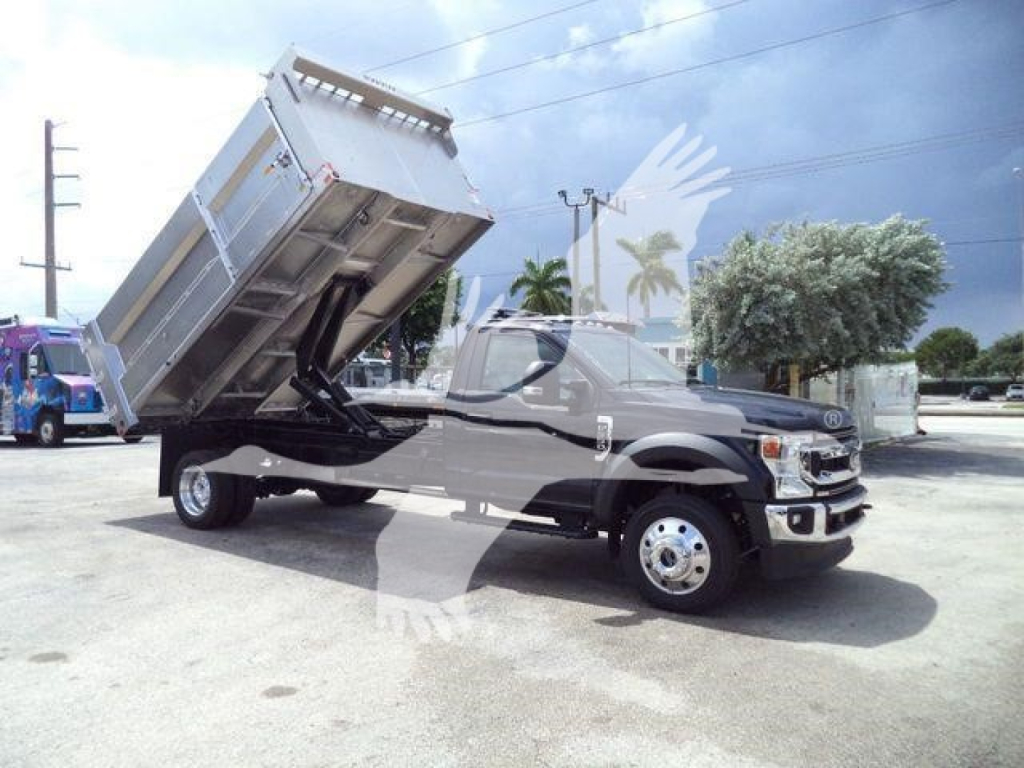
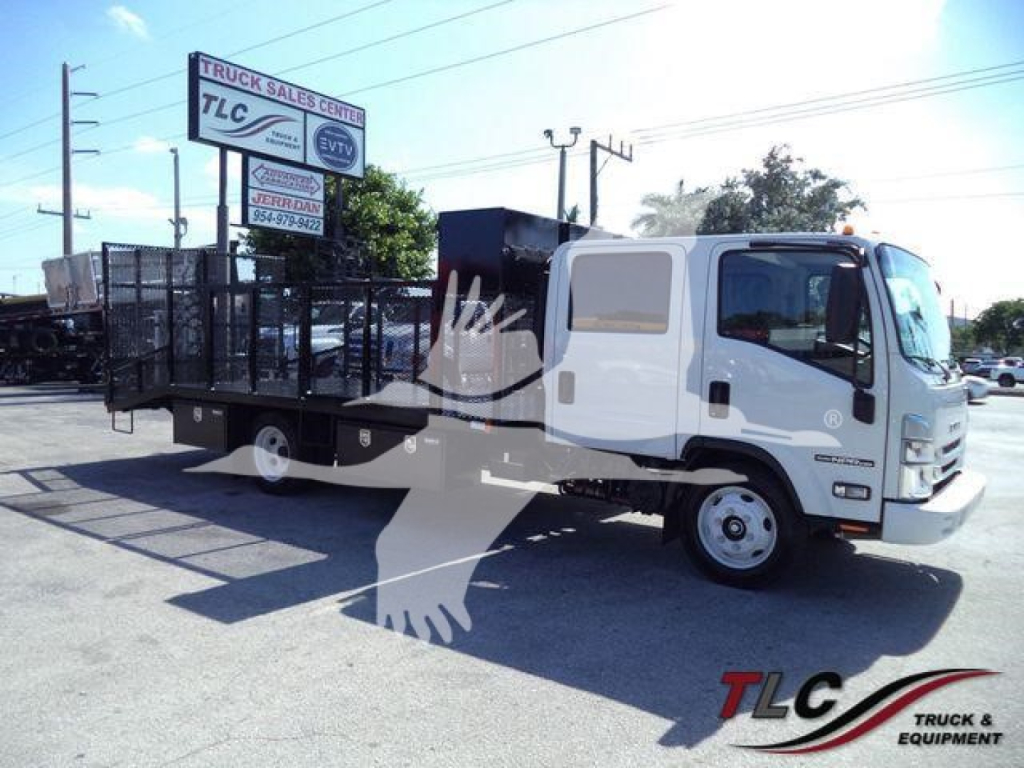
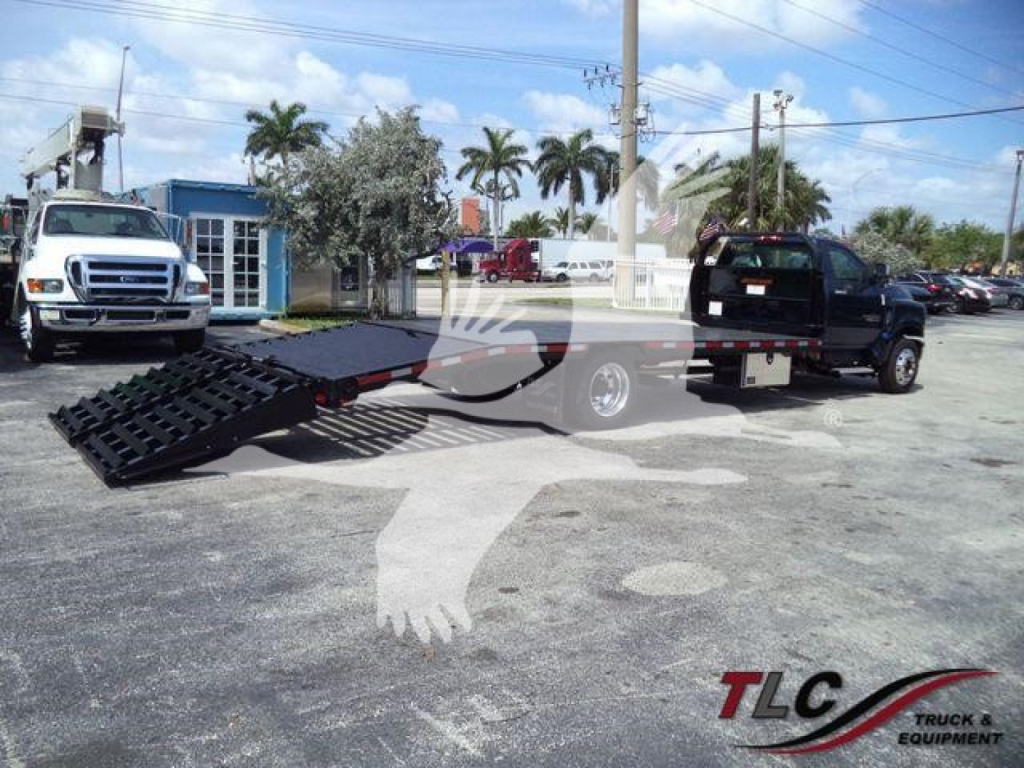
For lawn and landscape contractors, a 14-foot landscape dump with high sides, barn doors, swing gates, tarp system, hitch equipment, and trailer plug is a practical all-around configuration. Aluminum bodies help reduce curb weight and improve payload while standing up well to humidity and fertilizer exposure. Steel bodies make more sense when the truck will regularly handle stumps, mixed demolition, green waste, or hard use from loaders. If crews need to transport stand-on mowers, mini skid steers, or palletized materials, a flatbed or platform body with a beavertail, spring-assisted ramps, stake pockets, and multiple toolboxes can be more productive than a traditional dump.
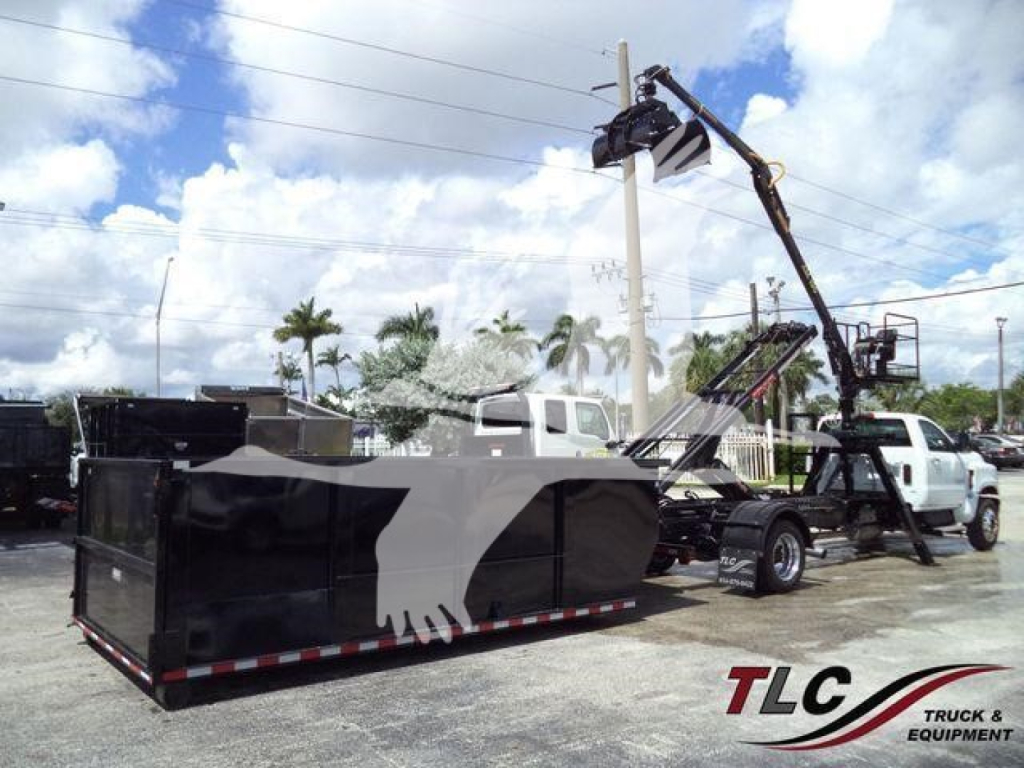
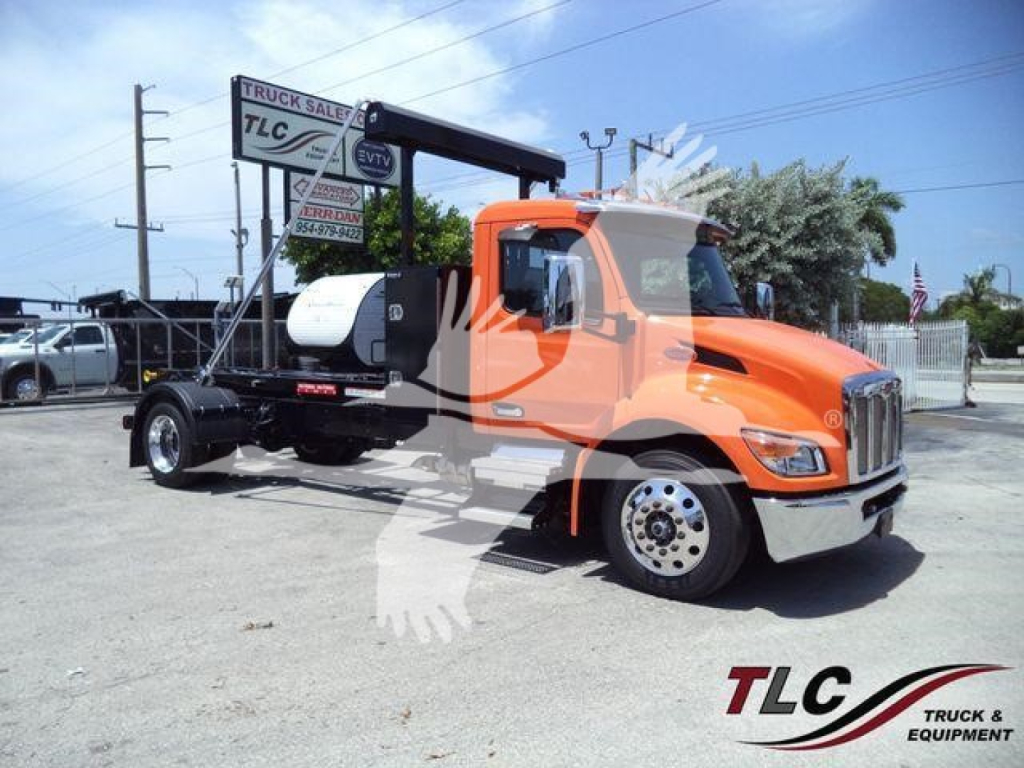
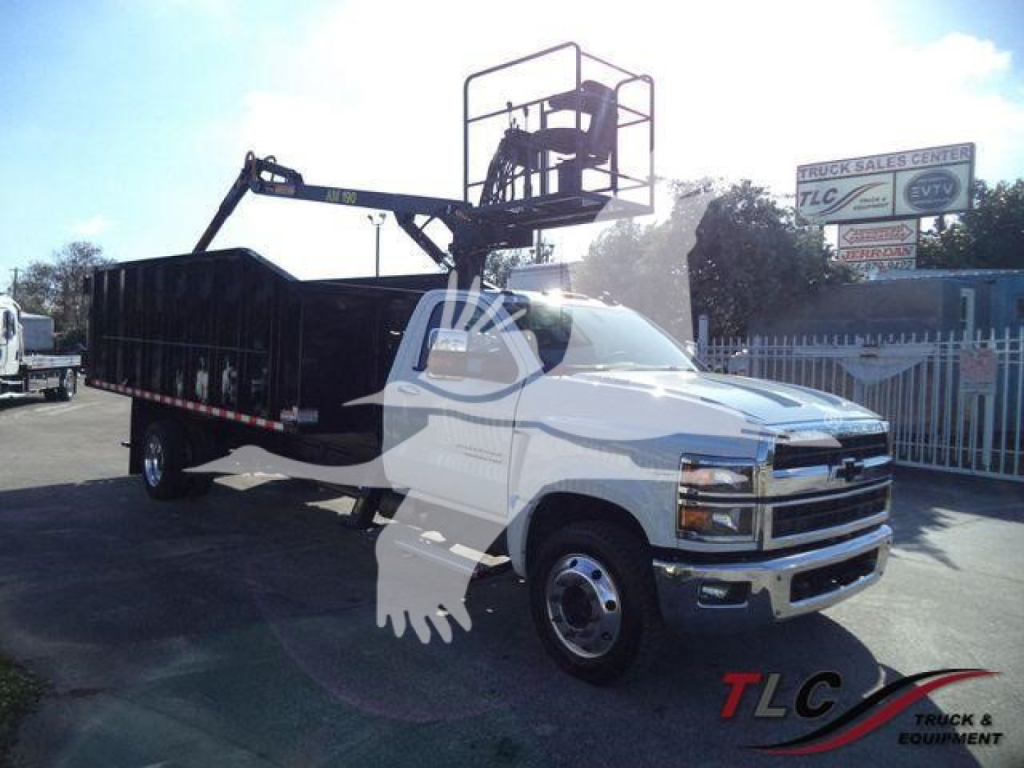
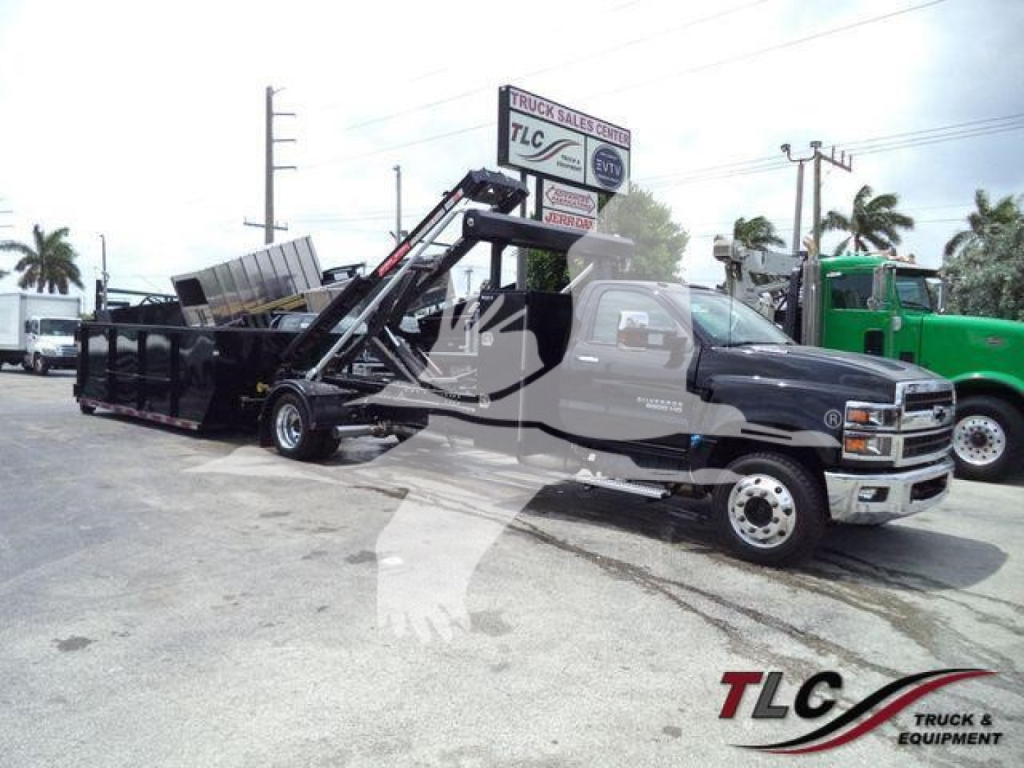
Buyers comparing new landscape trucks should pay close attention to powertrain and upfit details. Gas engines can lower initial cost and simplify maintenance for lighter-duty local fleets, while diesel engines are still popular for higher GVWR builds, PTO-driven hoists, grapple systems, and frequent towing. Allison automatic transmissions, 4x2 or 4x4 drivetrains, spring suspension, 19.5-inch commercial wheels, backup cameras, receiver hitches, electric trailer brake provisions, and lockable storage all show up often in this category. On specialized units, features like roll-off hoists, hydraulic winches, grapple booms, turret seats, and outside control stations can turn one truck into a multi-role asset for storm cleanup, tree work, trash, or container handling.
The right truck comes down to daily material flow, not just body length or engine badge. Check side height, tailgate design, hoist rating, floor material, ramp capacity, and body length against what the crew actually loads every day. In Florida service, rust prevention, easy washout, reliable hydraulics, and strong A/C matter more than buyers in cooler markets sometimes expect. A properly spec'd landscape truck can replace a pickup and trailer combo, reduce loading time on job sites, and give a contractor a cleaner, more durable platform for debris, equipment, mulch, sod, and hardscape materials.
Frequently Asked Questions about New Landscape Trucks in Florida
What is a landscape truck?
A landscape truck is a vocational truck built to carry landscaping materials, debris, tools, and often compact equipment. Common configurations include landscape dump trucks with tall sides, flatbeds with dovetails and ramps, grapple trucks for tree and storm debris, and roll-off systems that can swap between bodies or containers. Many buyers also refer to them as landscape dump trucks or lawn service trucks, depending on the body style.
Is an aluminum or steel landscape body better?
Aluminum is usually the better choice when corrosion resistance, lower empty weight, and improved payload are priorities. That makes it attractive for lawn care, mulch, leaves, and general landscape debris, especially in humid coastal markets like Florida. Steel bodies are heavier but generally hold up better under concentrated impact loads, such as chunks of concrete, stumps, logs, and loader work. The better material depends on what the truck hauls most often, not just the purchase price.
What GVWR range is common for new landscape trucks?
Many new landscape trucks fall between 19,500 and 26,000 pounds GVWR, though the exact rating depends on the chassis and body. Lighter Class 5 trucks are common for landscape dumps and equipment-hauling flatbeds, while heavier Class 6 builds are more common for larger steel dumps, grapple setups, and roll-off systems. Buyers should compare GVWR with body weight, expected payload, trailer weight, and any CDL implications before choosing a spec.
What features matter most on a landscape dump truck?
The most important features are usually body length, side height, tailgate style, hoist design, tarp system, hitch setup, and storage. High sides help contain loose debris, while barn doors or swing gates improve unloading flexibility. A strong hoist and durable floor are critical if the truck will handle dense material. Toolboxes, trailer brake wiring, backup cameras, and easy-access controls also make a noticeable difference in daily productivity.
Can a landscape truck also haul equipment?
Yes, but the body style determines how efficiently it can do both jobs. A flatbed with a beavertail and ramps is usually the best setup for mowers, mini skid steers, trenchers, and palletized supplies. Some landscape dump bodies can handle equipment if fitted with the right gate or ramp arrangement, but they are generally optimized for loose material and debris. Buyers who split time between equipment transport and dumping should look closely at deck length, ramp rating, and tie-down points.