
New Chevrolet Landscape Trucks For Sale
Shop new Chevrolet landscape trucks built for debris, equipment, and material hauling with durable bodies, diesel power, and upfit options.
Selling a new chevrolet landscape truck? List your new chevrolet landscape truck for sale and reach thousands of commercial buyers.
New Chevrolet Landscape Trucks
A common Chevrolet spec in this class is the 6.6L Duramax diesel paired with an Allison automatic transmission, usually on a 4x2 single-axle chassis with spring suspension and 19.5-inch rubber. GVWR often falls in the 23,500 to 26,000 lb range, which is important because it affects payload, CDL considerations, body size, and towing plans. Buyers comparing units should look closely at body length, side height, floor material, hoist rating, PTO setup, hitch capacity, ramp design, and whether the truck has electric tarp systems, underbody toolboxes, trailer brake provisions, or backup camera integration. On dump-style landscape bodies, wall height and rear door style matter more than many first-time buyers expect, especially when handling loose green waste, palletized material, or mixed debris.
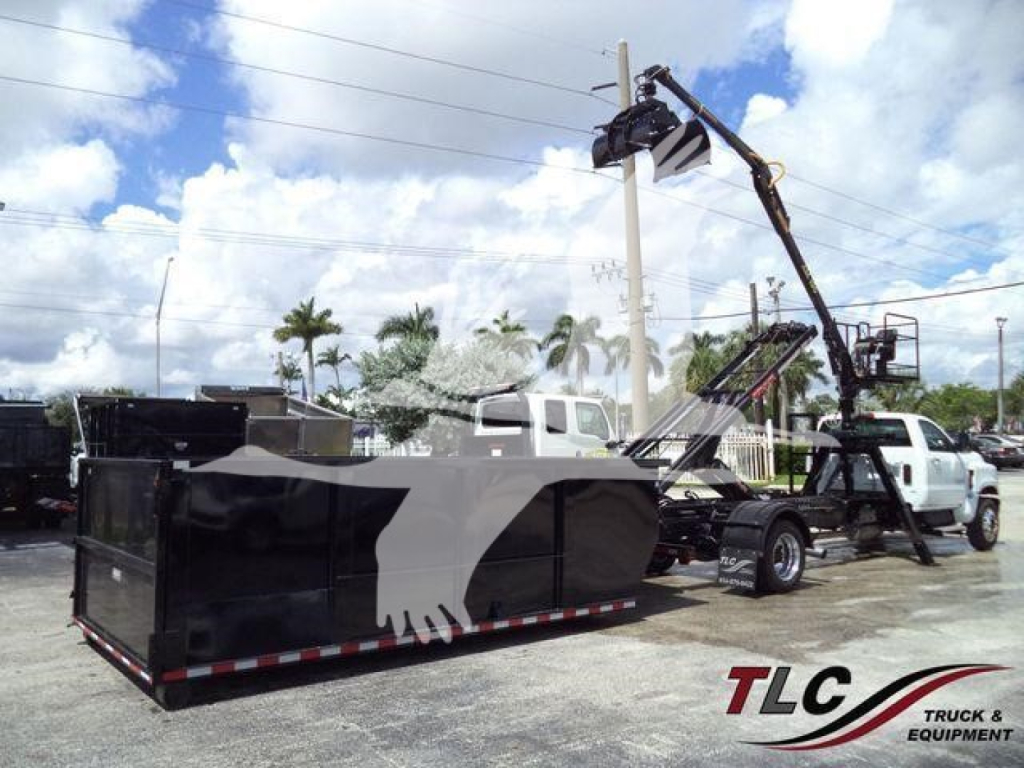
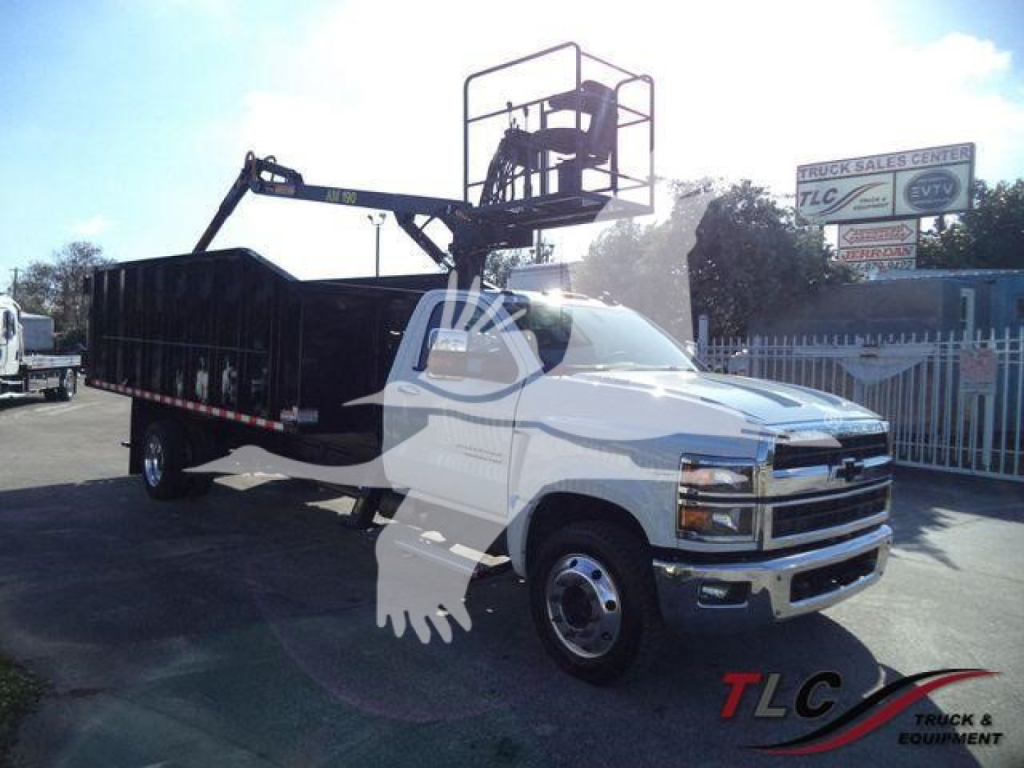
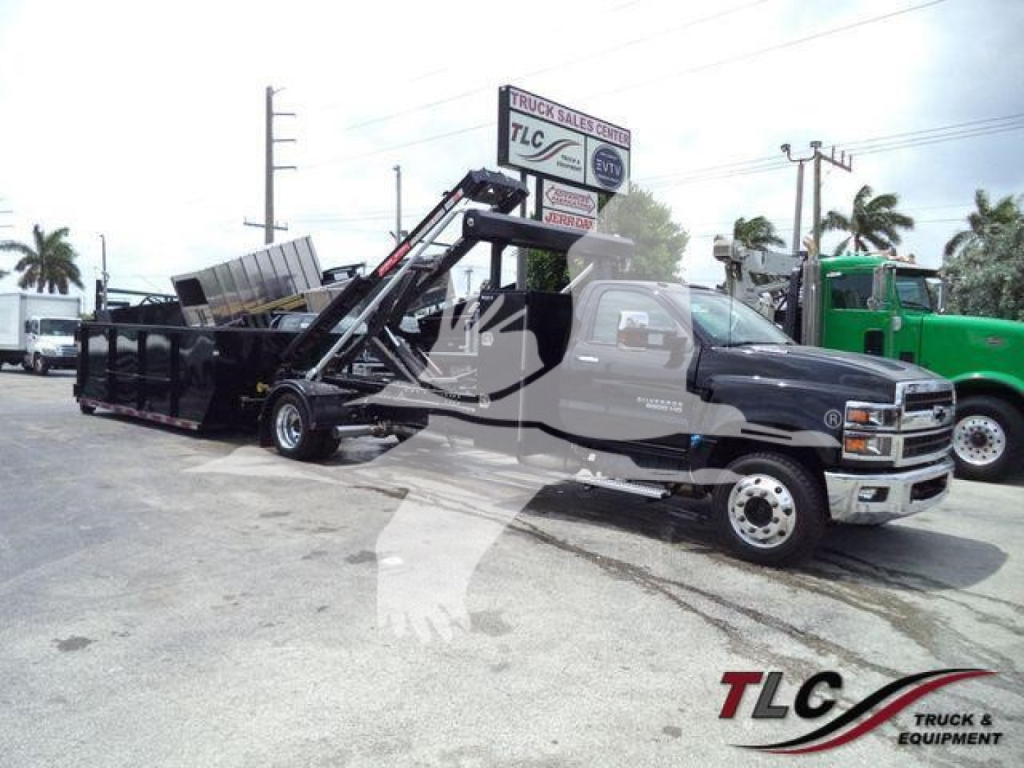
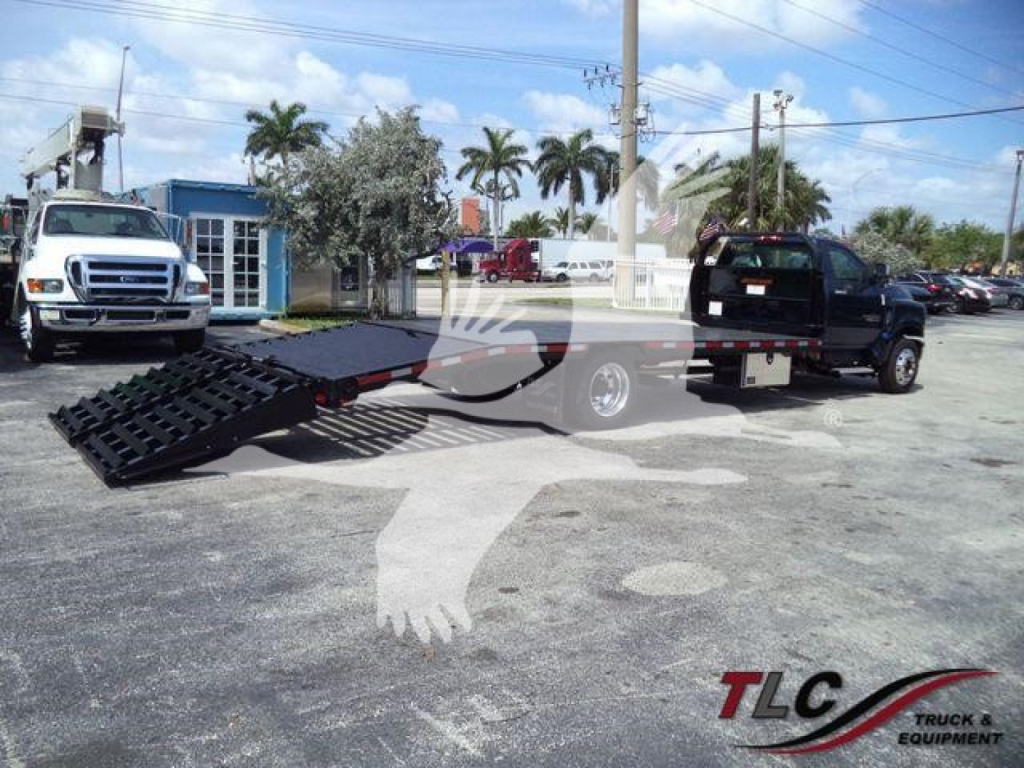
Chevrolet landscape trucks appeal to contractors who need medium-duty capability without stepping into a larger conventional cab. They are commonly used by landscapers, tree companies, municipalities, irrigation contractors, hardscape crews, and property maintenance fleets. A grapple-equipped truck can reduce manual loading time on brush and log cleanup. A flatbed landscape body with beavertail and fold-down ramps is better suited for hauling stand-on mowers, skid steers, mini excavators, and attachments. A roll-off landscape truck adds another layer of efficiency because the truck can drop a container at a jobsite and move on to the next stop. Buyers should match the upfit to the daily work cycle rather than buying strictly by chassis rating.
For a new truck purchase, it is worth focusing on serviceability and long-term durability as much as upfront spec. Steel bodies are common for abuse resistance, but body design, crossmember spacing, finish quality, and hydraulic component access all affect lifecycle cost. Check axle ratings, wheelbase, cab-to-axle measurement, and body center of gravity to make sure the truck is stable when loaded and properly balanced with the chosen upfit. If the truck will spend time on residential routes or tight commercial properties, turning radius, mirror setup, camera visibility, and overall body length deserve extra attention. A well-matched Chevrolet landscape truck should carry the materials you move every day, load and unload efficiently, and still remain easy for your drivers and technicians to live with over the long haul.
Frequently Asked Questions about New Chevrolet Landscape Trucks
What is the most common Chevrolet chassis used for a new landscape truck?
The Chevrolet Silverado 6500HD is one of the most common choices in this category because it supports a wide range of landscape, dump, grapple, and roll-off upfits while offering medium-duty GVWR capacity. The 4500HD and 5500HD are also used, but the 6500HD is often selected when buyers need more body length, heavier payload, or stronger hydraulic equipment.
What body style is best for a landscape company?
The best body style depends on the work mix. A high-side dump body is a strong fit for mulch, brush, soil, and loose debris. A flatbed or landscape bed with dovetail and ramps is better for hauling mowers, skid steers, and compact equipment. A grapple truck works well for tree service and storm cleanup, while a roll-off setup is useful for fleets that want one truck to serve multiple container applications.
Do Chevrolet landscape trucks usually come with diesel power?
Yes. Many new Chevrolet landscape trucks in the medium-duty range are equipped with the 6.6L Duramax diesel engine and an Allison automatic transmission. That combination is popular because it offers good torque for hauling, broad service familiarity, and compatibility with PTO-driven hydraulic equipment used on dump bodies, grapples, and roll-off systems.
What specs matter most when comparing landscape trucks?
GVWR, wheelbase, cab-to-axle, body length, side height, hoist capacity, PTO type, and rear access design are key comparison points. Buyers should also review hitch rating, brake controller or trailer brake setup, ramp construction, tarp systems, toolbox storage, and axle ratings. These details affect payload, jobsite efficiency, equipment compatibility, and long-term operating cost more than cosmetic features do.
Can a Chevrolet landscape truck be used for both debris hauling and equipment transport?
Yes, but only if the upfit is designed for both tasks. A flatbed landscape body with beavertail, stake pockets, and spring-assisted ramps can handle equipment transport while still carrying palletized material or general jobsite supplies. A high-side dump body is better for loose material and debris, but it is less efficient for loading wheeled equipment unless it includes the right rear access and deck configuration.