
New 2023 International Trucks For Sale
Shop new 2023 International trucks including CV and MV models with diesel power, commercial chassis options, and medium-duty capability.
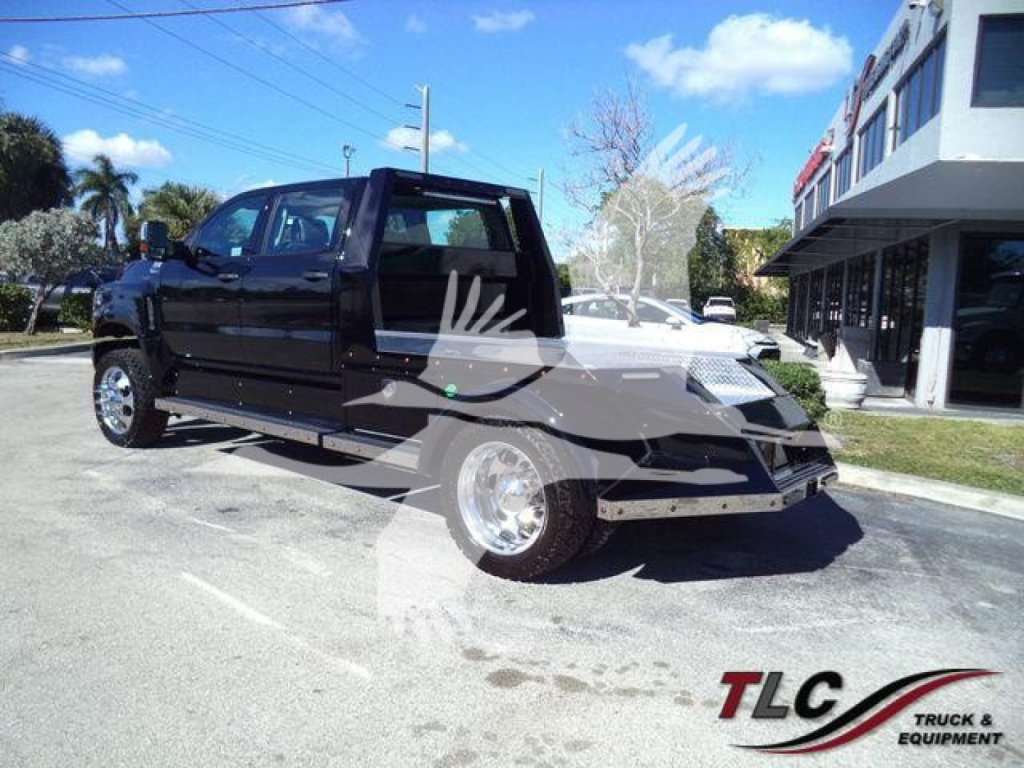
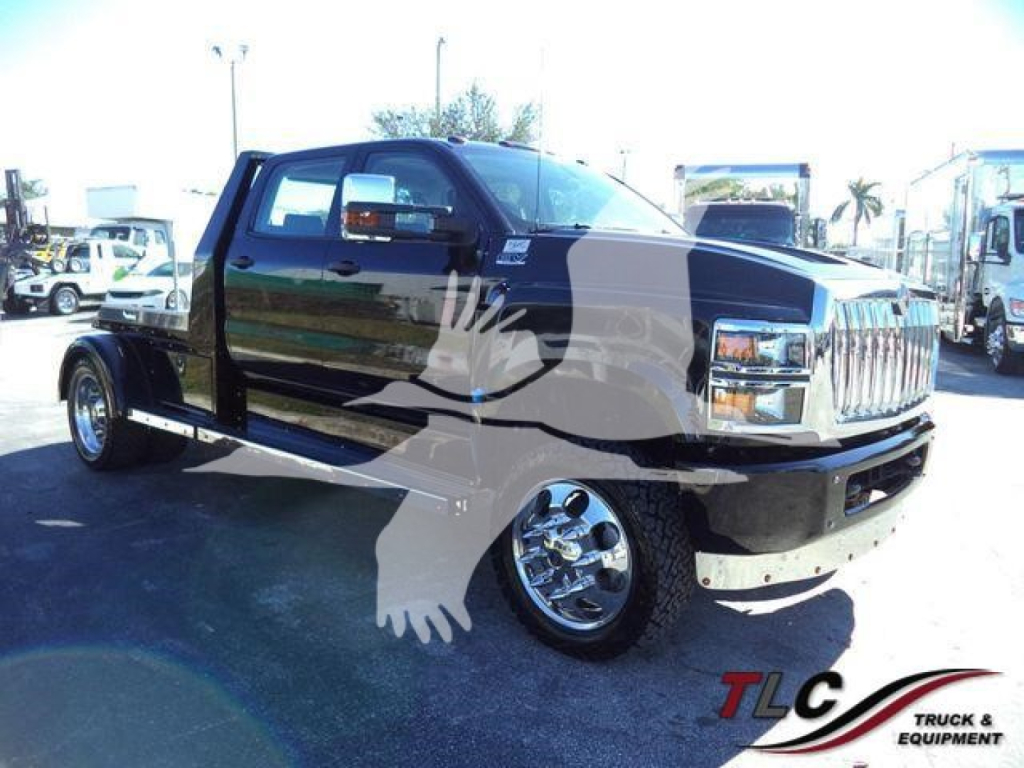
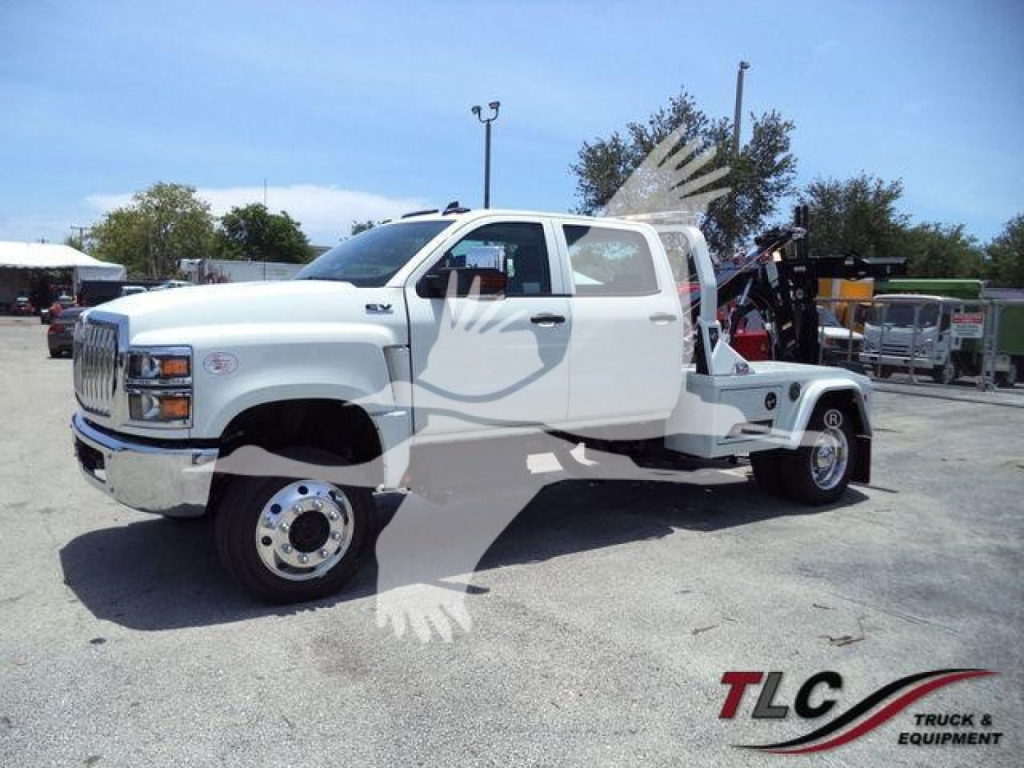
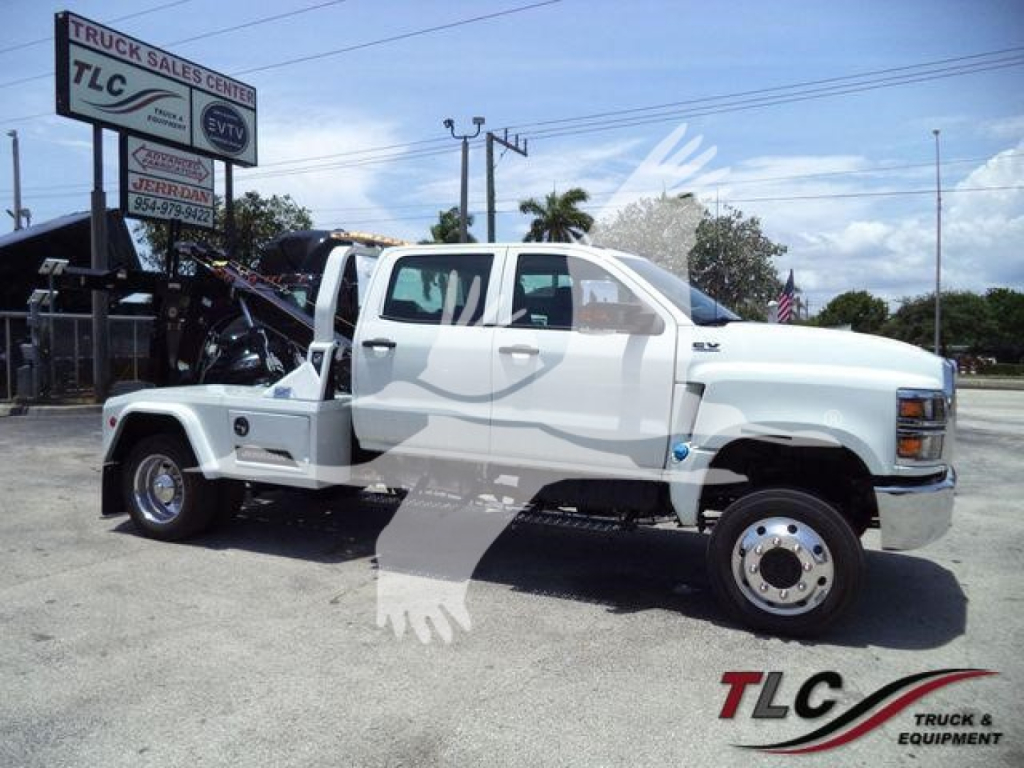
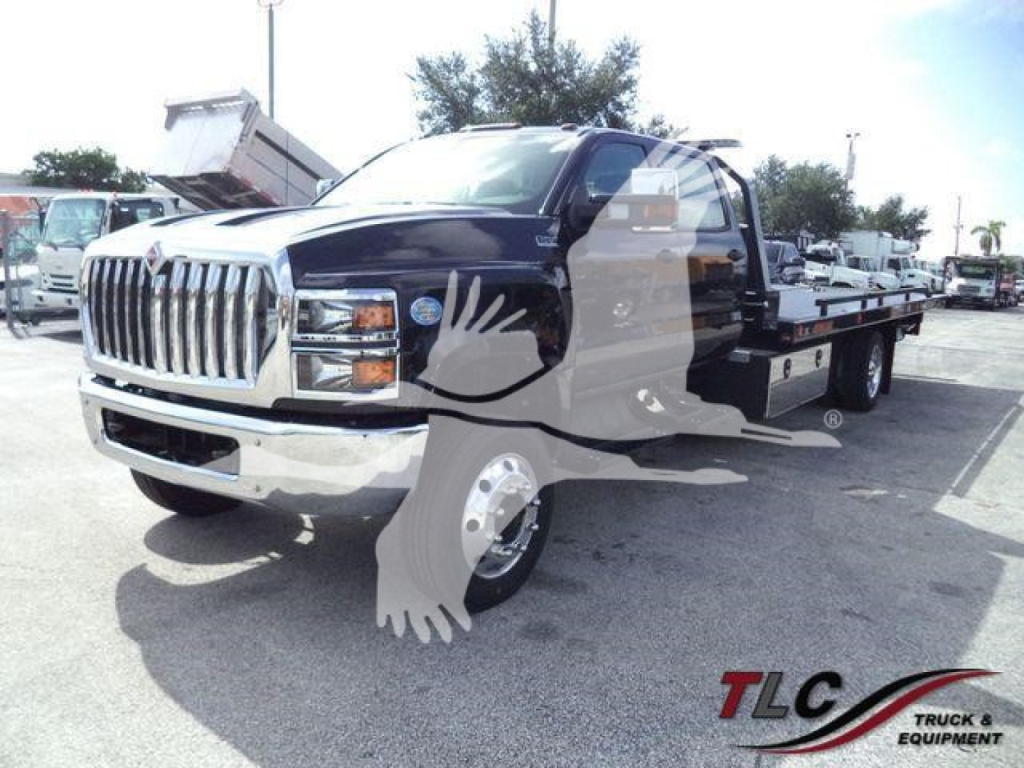
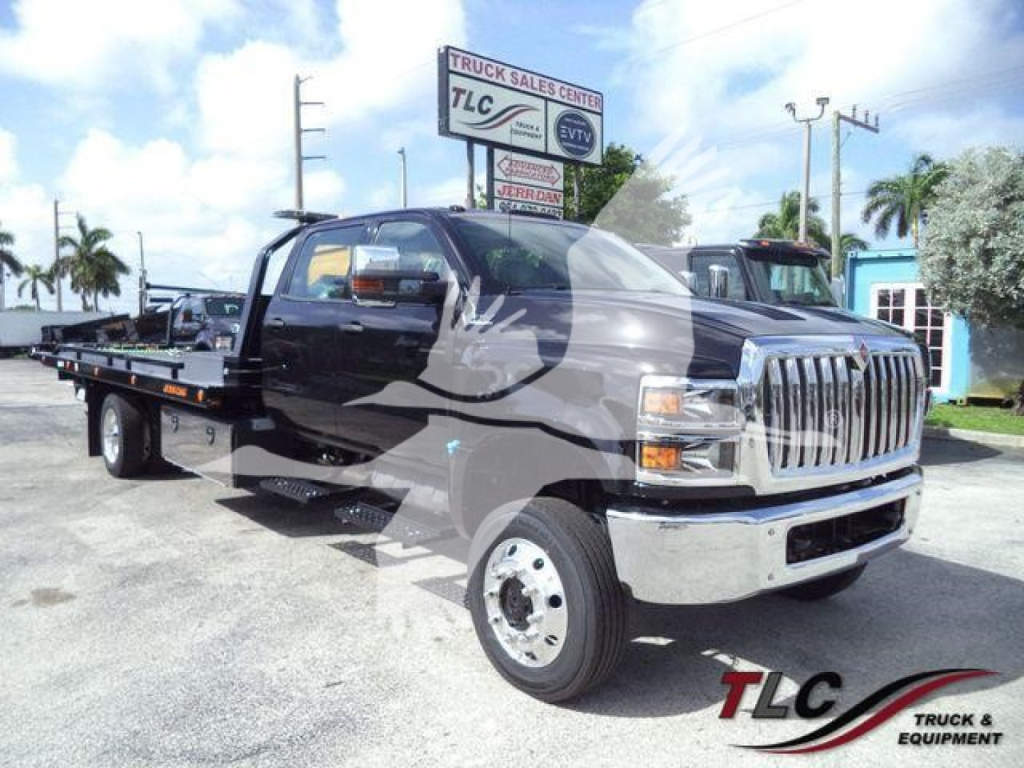
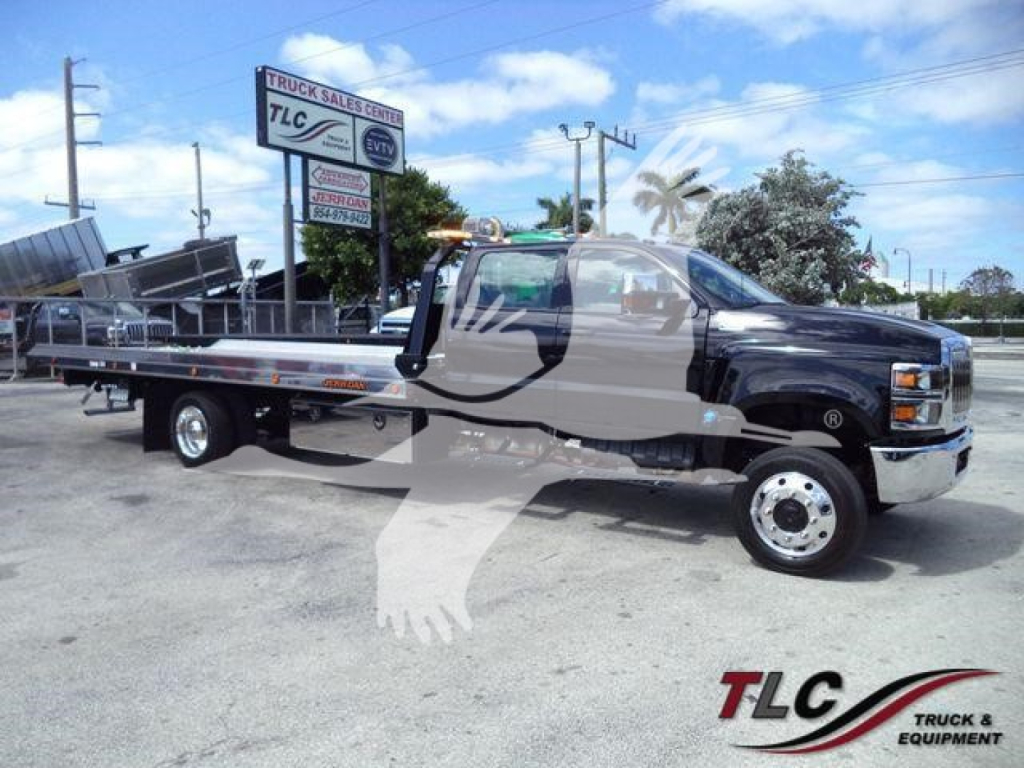
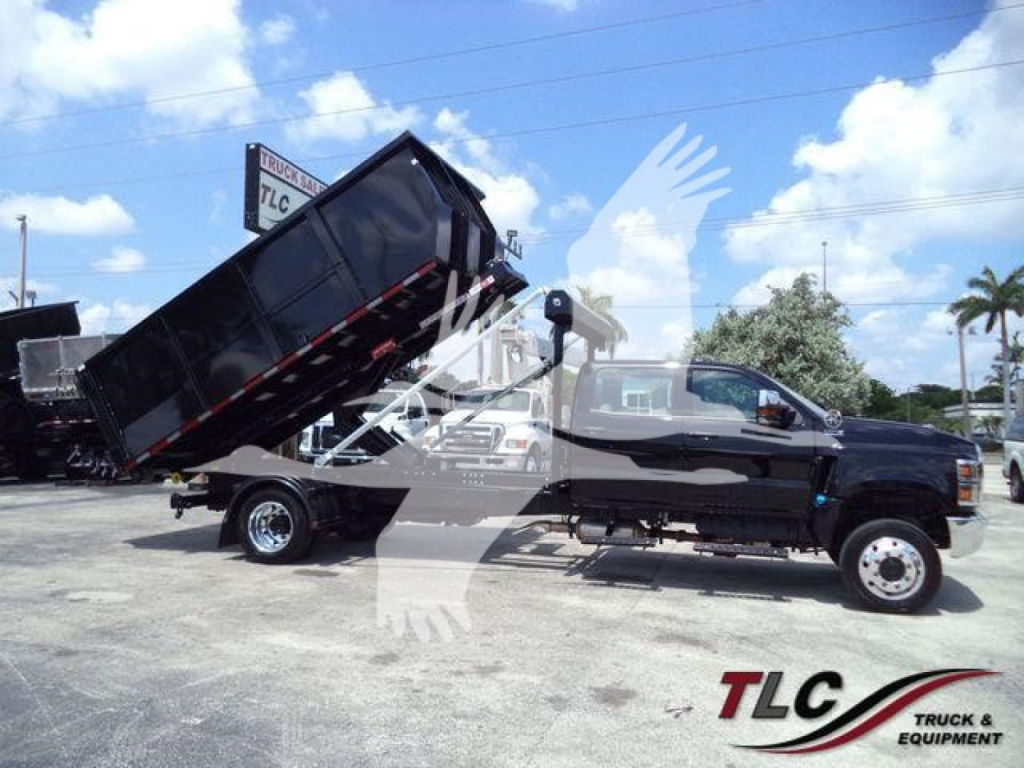
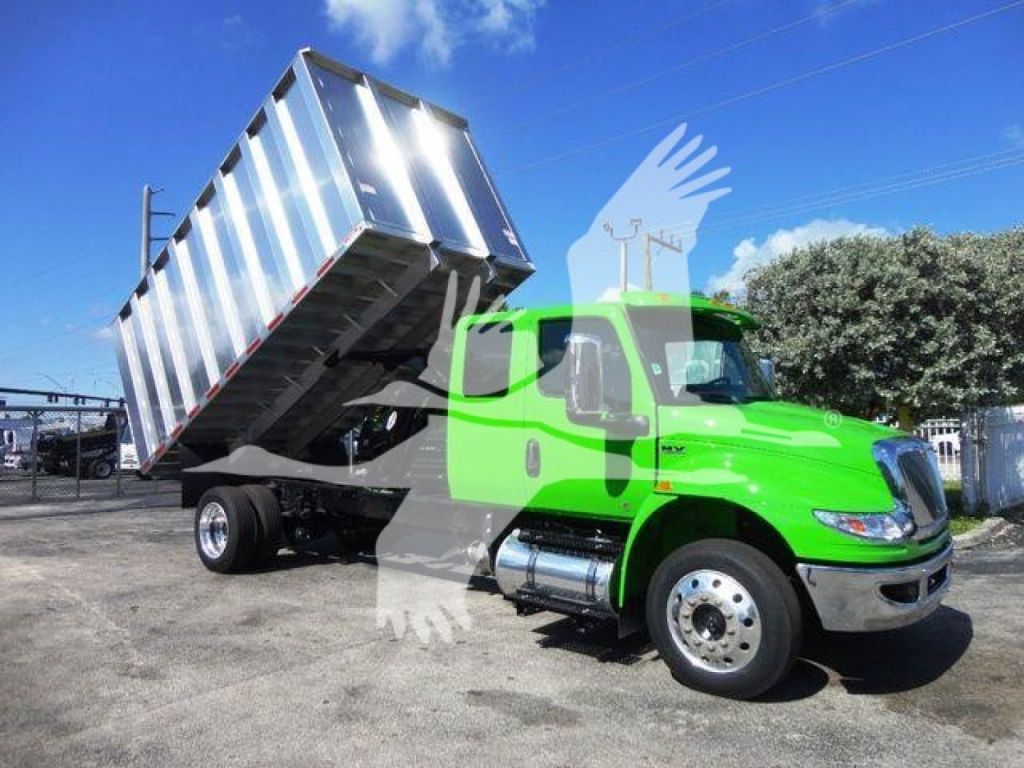
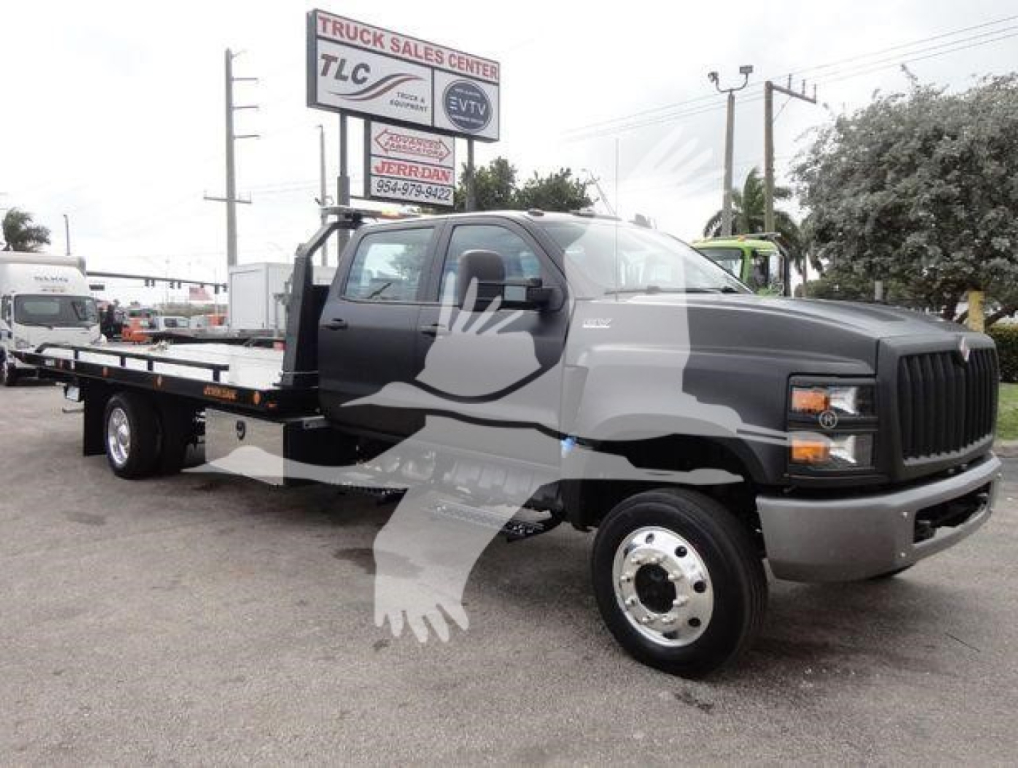
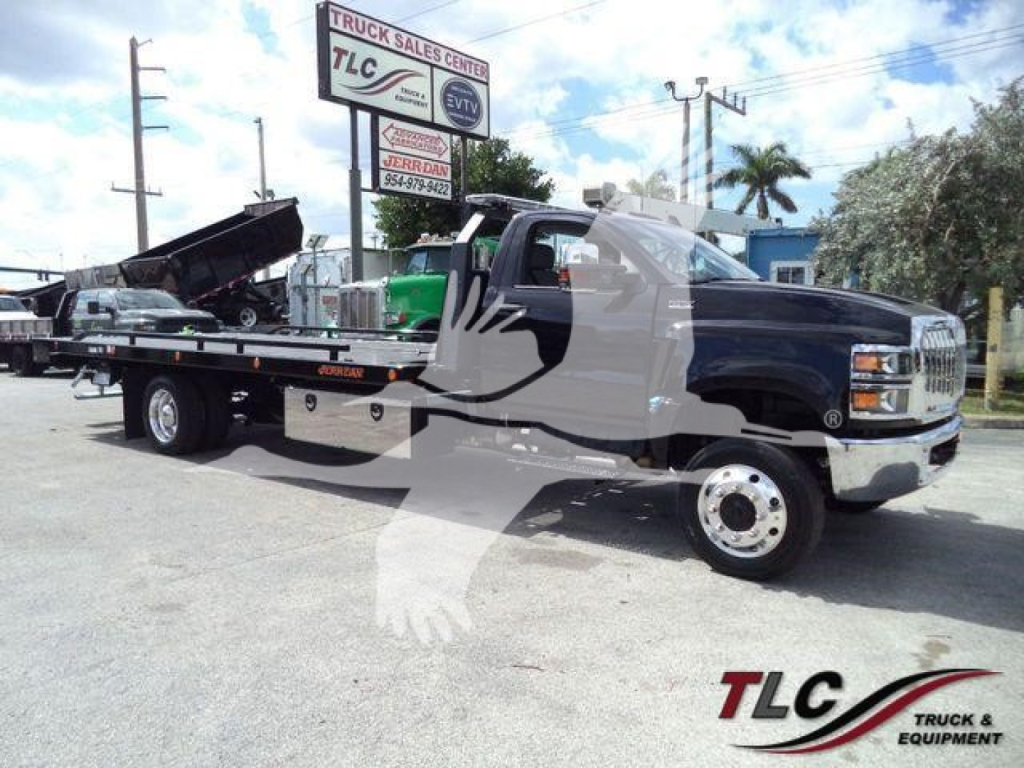
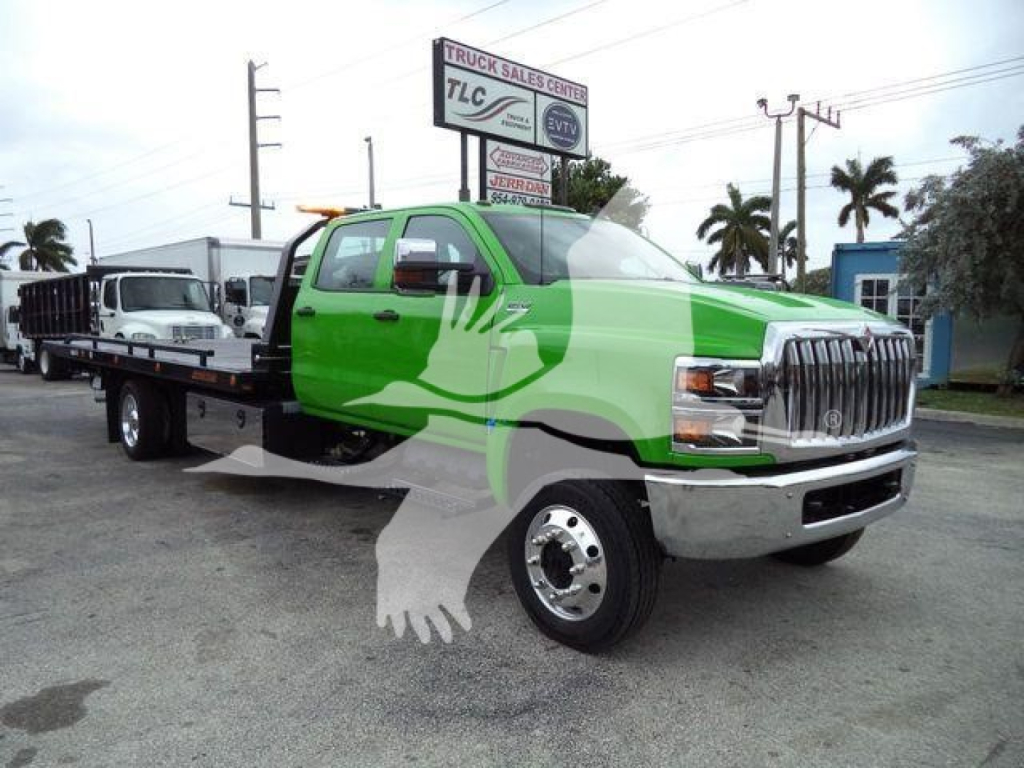
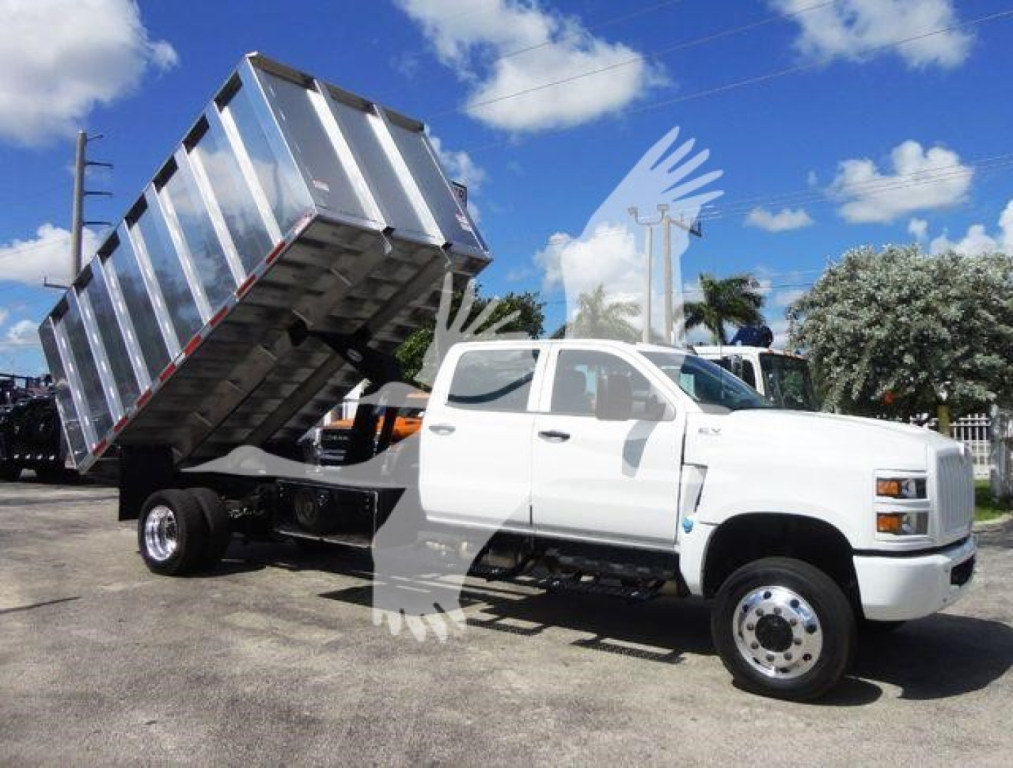
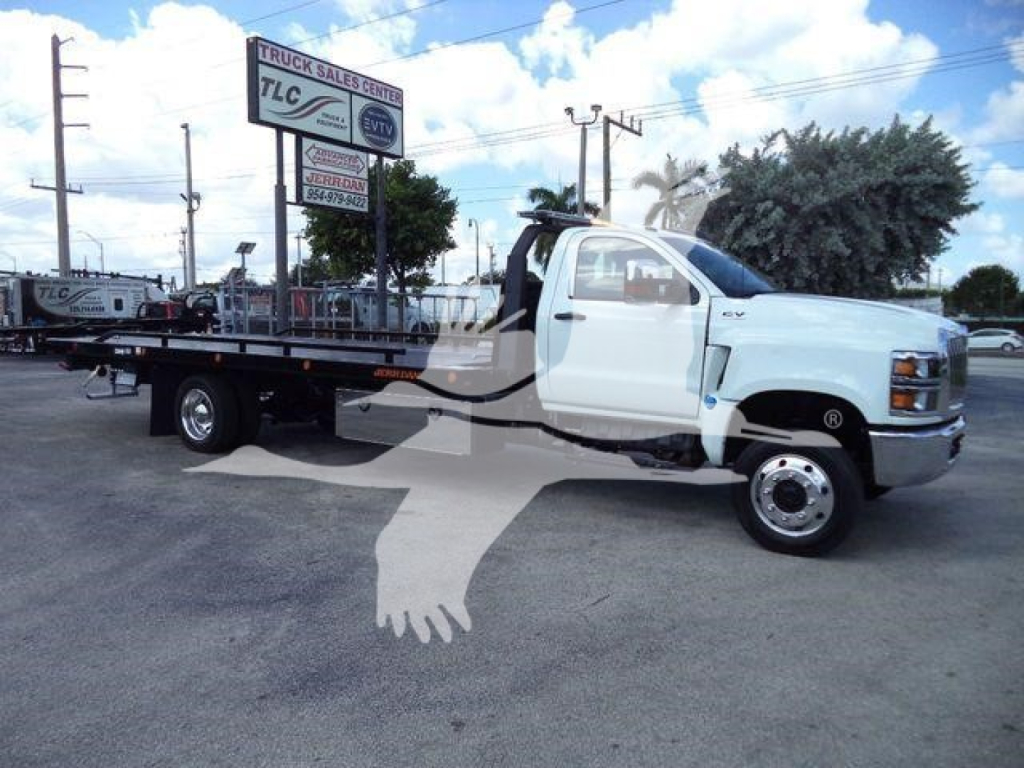
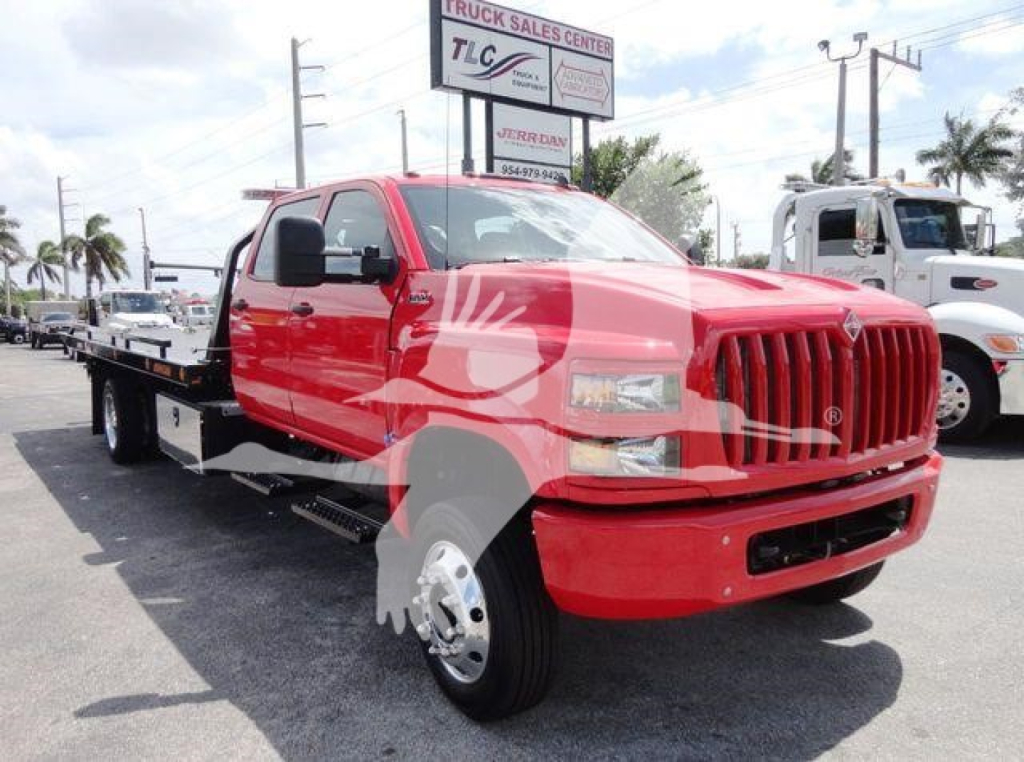
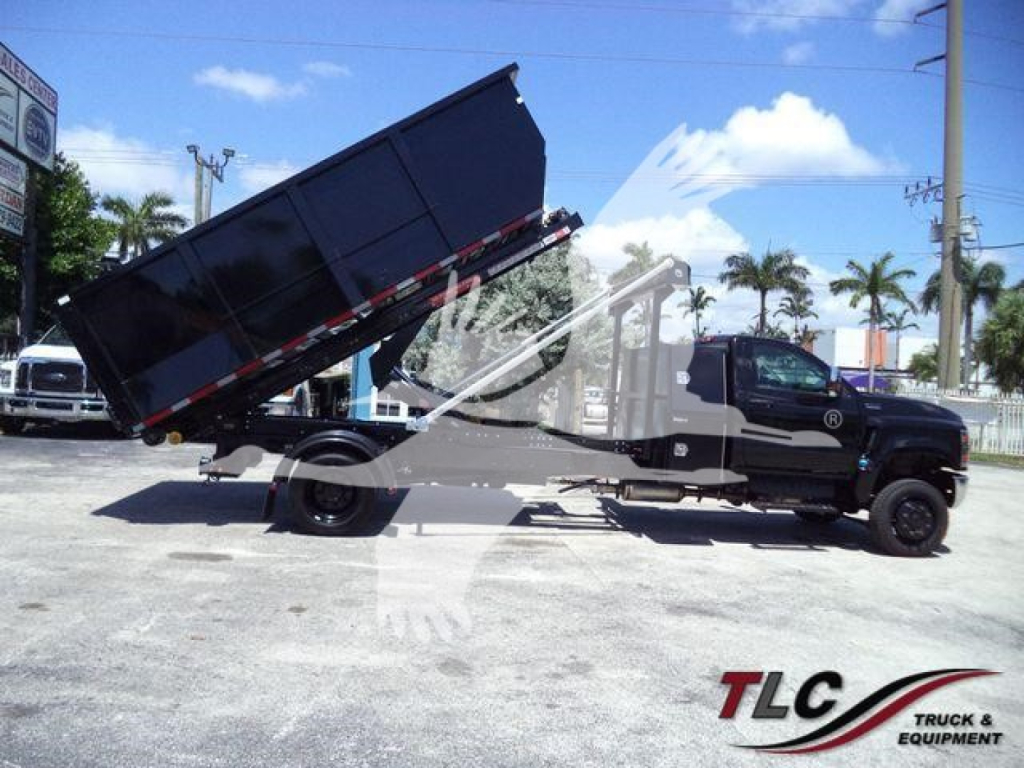
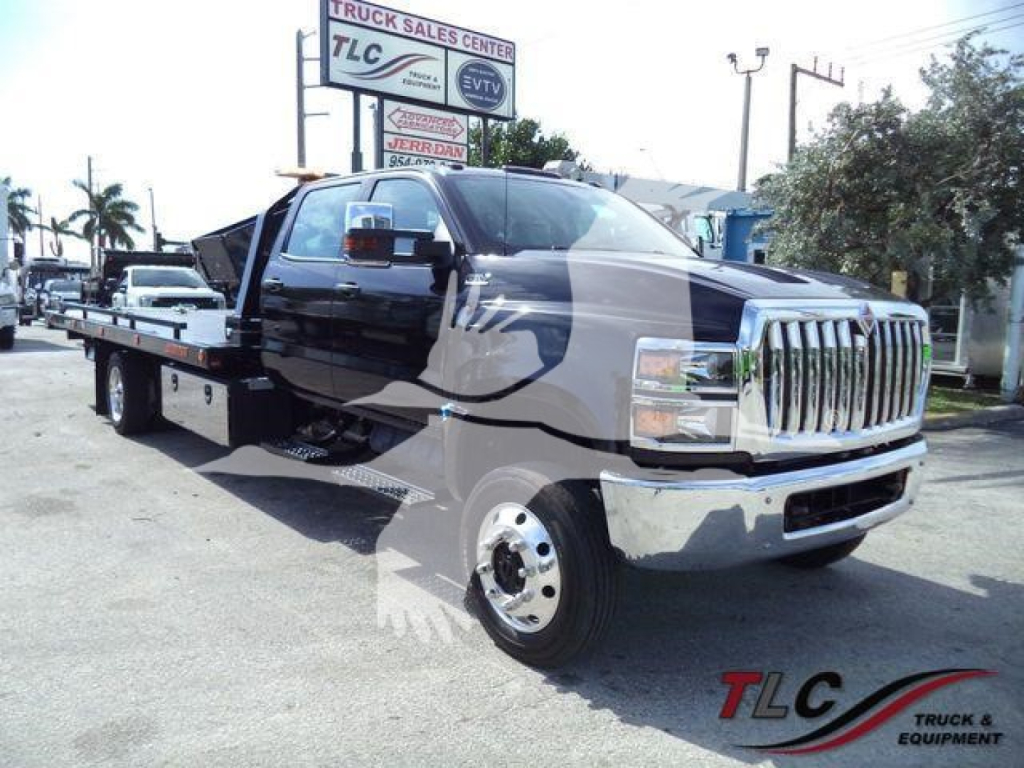
Selling a new 2023 international truck? List your new 2023 international truck for sale and reach thousands of commercial buyers.
New 2023 International Trucks
Powertrain choice matters on these trucks because it affects serviceability, operating cost, and how well the truck matches the body. In 2023 International CV trucks, buyers often look for the 6.6L Duramax diesel paired with an Allison automatic, especially for tow, municipal, and contractor use where drivability is important. In MV-series trucks, Cummins diesel power around the 260 to 300 horsepower range is common, along with Allison automatic transmissions for stop-and-go vocational work. When reviewing specs, pay attention to wheelbase, cab-to-axle, front axle capacity, rear axle ratio, suspension type, and brake setup. Those details determine turning radius, body fitment, payload balance, and road manners more than the badge alone.
International trucks are widely chosen for upfit work because the chassis architecture is straightforward and the cab layouts are practical for fleets and owner-operators. Regular cab, extended cab, and crew cab configurations are all relevant depending on whether the truck carries tools, a second crew, or recovery gear. On tow and carrier builds, buyers should look closely at cab-to-axle measurement, wheel lift capacity, winch rating, and bed length. A longer wheelbase can improve weight distribution on rollback bodies, while air ride suspension and air brakes are often preferred on heavier MV builds for better control and duty-cycle durability. On lighter CV chassis, spring suspension and 4x4 drivetrains are common when the truck needs to work off pavement or in winter conditions.
A 2023 International truck is usually a strong fit for buyers who want a new chassis with current emissions equipment, modern cab amenities, and broad body-builder compatibility. Features like power windows and locks, heated mirrors, aluminum wheels, dual fuel tanks, PTO readiness, and integrated electrical provisions can make a real difference once the truck goes into daily service. The right truck is the one with enough axle, frame, and suspension capacity for the body and the route, without paying for more chassis than the application requires. Buyers comparing new 2023 International trucks should focus on GVWR, cab configuration, drivetrain, and upfit requirements first, then refine the search by engine, transmission, ride type, and regional operating conditions.
Frequently Asked Questions about New 2023 International Trucks
What is the difference between a 2023 International CV and a 2023 International MV?
The CV is a lighter-duty commercial truck built for applications that need maneuverability, pickup-style proportions, and often 4x4 capability. It is commonly seen in Class 4 and 5 work such as light towing, service bodies, landscape bodies, and municipal use. The MV is a heavier medium-duty platform designed for higher GVWR ratings and more demanding vocational bodies, including rollback carriers, wreckers, dump bodies, van bodies, and utility upfits. The MV typically offers more frame capacity, heavier suspension options, and air brake availability.
What should I check first when buying a new 2023 International truck?
Start with GVWR, axle ratings, and the intended body or application. Those three factors determine whether the truck can legally and effectively do the work. After that, review wheelbase, cab-to-axle, engine, transmission, brake type, suspension, and drive configuration such as 4x2 or 4x4. For vocational trucks, body compatibility and weight distribution are critical, so a truck that looks similar on paper can perform very differently depending on frame length and axle placement.
Are 2023 International trucks good for towing and rollback applications?
Yes, especially when the chassis is spec'd correctly for the carrier or wrecker body. The International MV is a common choice for 22-foot rollback and medium-duty tow configurations because it can be ordered with appropriate horsepower, Allison automatic transmission, air brakes, and commercial-grade suspension. The CV is often selected for lighter self-loader and auto-loader tow work where a smaller overall footprint and optional 4x4 are advantages. Buyers should verify wheel lift rating, winch capacity, cab-to-axle dimension, and total loaded weight against the chassis ratings.
What engines and transmissions are common in new 2023 International trucks?
Engine and transmission combinations vary by series, but common 2023 setups include the 6.6L Duramax diesel with an Allison automatic in CV models and Cummins diesel power with Allison automatic transmissions in MV models. These pairings are popular because they offer familiar service support, strong low-speed drivability, and good compatibility with vocational work cycles. The exact horsepower, torque, and gearing should be matched to the truck's body, terrain, and average payload.
Is air ride suspension worth it on a 2023 International MV?
Air ride suspension can be a worthwhile upgrade on heavier medium-duty applications, especially for rollback, equipment transport, or routes where ride quality and load stability matter. It can improve control, reduce harshness over rough pavement, and help protect cargo or body equipment from repeated shock loads. For lighter-duty or lower-cost applications, spring suspension may still be the better fit because it is simpler and often less expensive to maintain. The right choice depends on load type, road conditions, and daily duty cycle.