
New Trenchers Trucks For Sale
New trencher trucks for utility and micro trenching work. Compare chassis, cutting systems, vacuum recovery, GVWR, and urban jobsite features.
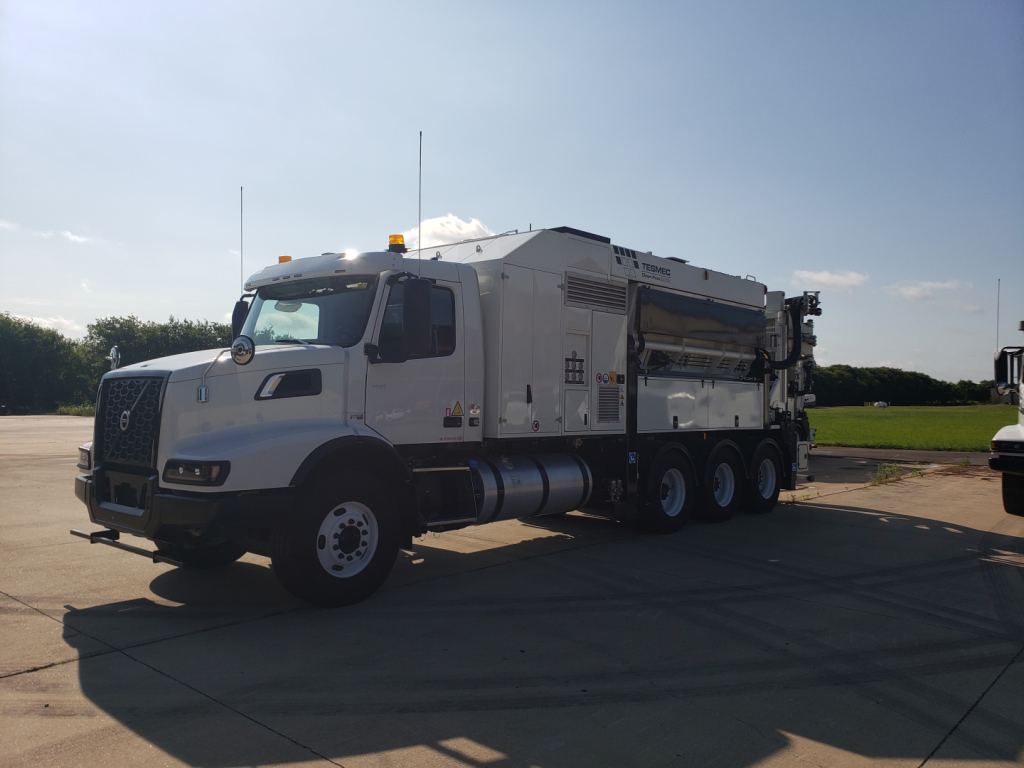
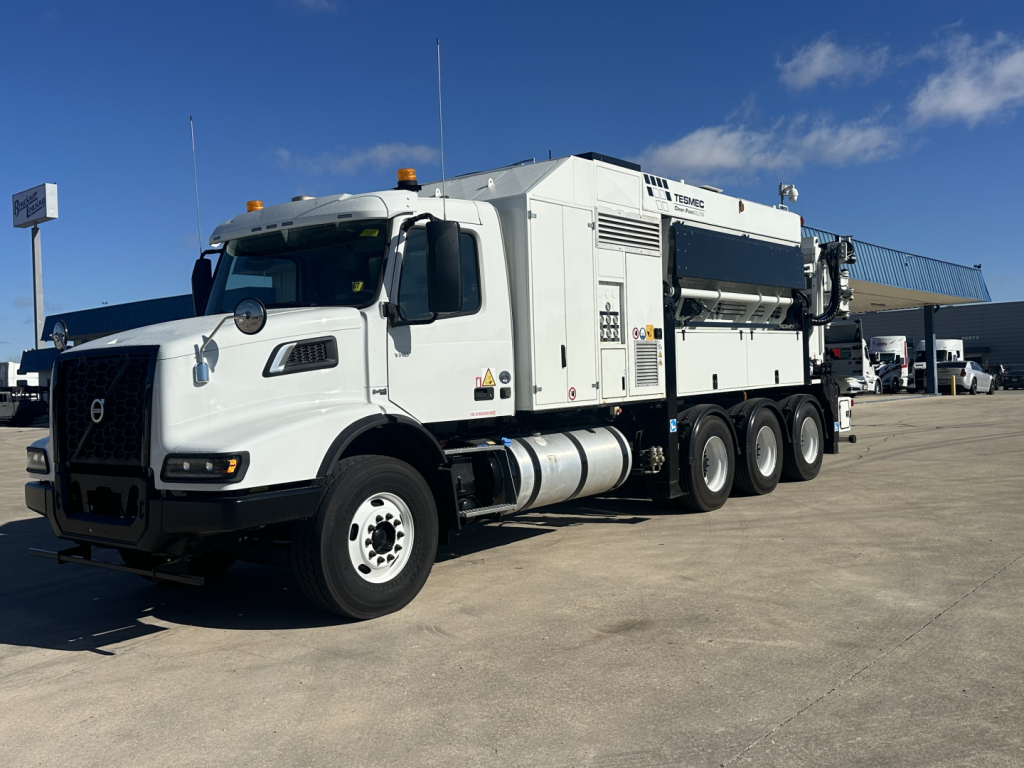
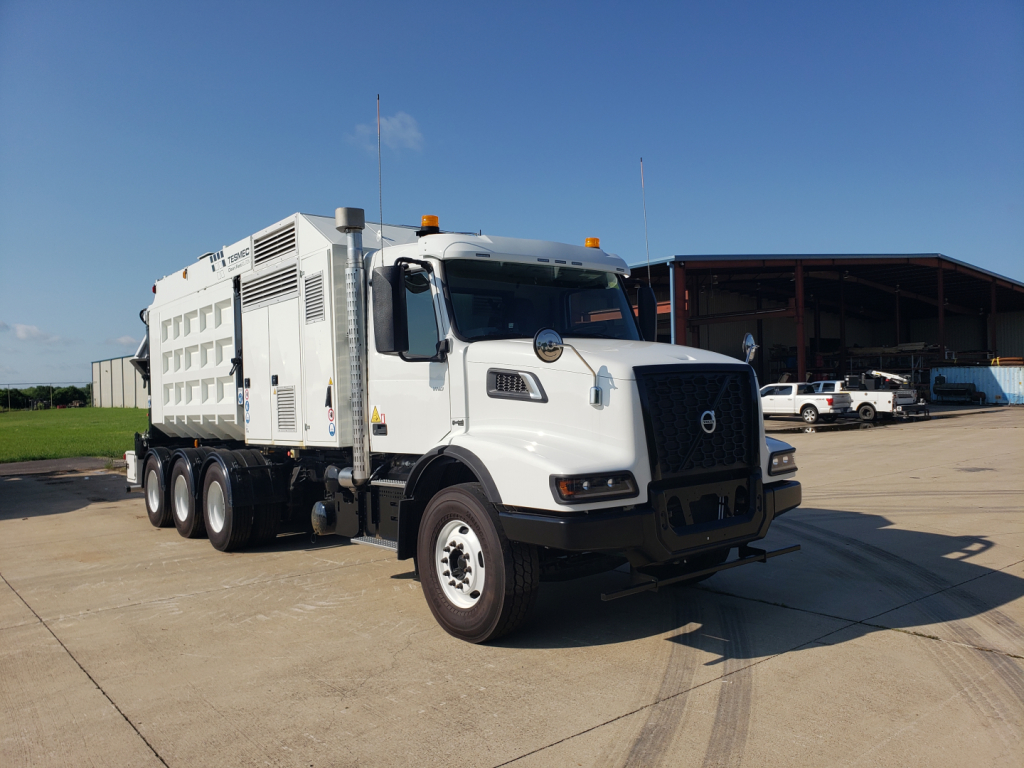
Selling a new trenchers truck? List your new trenchers truck for sale and reach thousands of commercial buyers.
New Trenchers Trucks
Chassis specification is a major buying decision because the body and trenching package add substantial weight and place continuous demand on the driveline. Common setups use severe-duty platforms with high GVWR ratings, tandem or tri-axle configurations, and wheelbases long enough to support the trenching module, spoil handling equipment, and vacuum components. Buyers should pay close attention to engine horsepower and torque, transmission type, axle ratings, rear suspension, and brake spec. A vocational engine in the 400-plus horsepower range is common on larger truck-mounted trenchers, especially when the unit needs to carry heavy support equipment and operate hydraulic systems throughout the day. Low-speed control, PTO compatibility, cooling capacity, and service access are often more important here than highway cruise efficiency.
The trenching package itself is where productivity is won or lost. Key points include trench width and depth capability, cut quality in asphalt or concrete, spoil extraction method, tooth and chain wear life, and how cleanly the machine leaves the trench for conduit installation. Micro trenchers are built to create narrow, controlled cuts that support high-footage fiber deployment with less surface disruption than traditional excavation. Integrated vacuum systems are especially valuable on municipal and downtown work because they improve debris control and can reduce the need for secondary sweeping crews. Operator visibility, intuitive controls, and stable low-speed maneuvering also matter because these trucks often work in traffic, near curbs, and around buried infrastructure.
For a buyer comparing new trencher trucks, the real question is not just trench depth. It is how the full truck and attachment package fits the work mix. A contractor focused on long fiber runs in developed areas may prioritize micro trench accuracy, vacuum recovery, and compact jobsite footprint. A utility crew handling broader shallow installations may focus more on durability, hydraulic performance, and axle capacity. New units also appeal to fleets that want current emissions-compliant power, factory-backed chassis support, and the latest safety and control systems. When spec'd correctly, a trencher truck can serve as a high-production utility installation platform that shortens cycle times and keeps restoration costs under control.
Frequently Asked Questions about New Trenchers Trucks
What is a trencher truck used for?
A trencher truck is used to cut narrow trenches for utility installation, commonly for fiber optic conduit, telecom lines, electrical runs, and other shallow underground services. Truck-mounted trenchers are especially useful when a contractor needs to move quickly between jobs, maintain a self-contained work platform, and reduce separate equipment on site. Micro trencher configurations are widely used in paved urban areas because they create a precise cut with less disruption than broader excavation methods.
What should I look for in a new trencher truck chassis?
The chassis needs to support both the weight and the duty cycle of the trenching system. Important items include GVWR, front and rear axle ratings, suspension type, wheelbase, brake configuration, engine horsepower and torque, transmission gearing, and PTO or hydraulic compatibility. Severe-duty vocational chassis are common because trenching bodies and vacuum systems add weight and place constant load on the truck during operation. Service access and cooling capacity also matter on equipment that spends long periods working at low speed.
How is a micro trencher different from a traditional trencher?
A micro trencher is designed to cut a much narrower trench, typically for shallow utility installations such as fiber. The goal is to maximize installation speed while minimizing pavement disturbance, debris, and restoration work. Traditional trenchers are usually better suited for wider or deeper cuts, but they often require more cleanup and a larger work zone. For dense urban utility work, a micro trencher can improve footage per day and lower total surface repair costs when the application matches the machine’s cut dimensions.
Why does integrated vacuum recovery matter on a trencher truck?
Integrated vacuum recovery allows the truck to remove spoil as the trench is being cut, which can greatly improve jobsite cleanliness and efficiency. This is especially important on city streets, parking lots, and commercial corridors where dust, loose debris, and extra cleanup can slow production or create safety issues. A clean trench line also helps crews move faster into conduit placement and restoration. On some jobs, single-pass cutting and spoil removal can reduce labor needs and shorten traffic control time.
Are new trencher trucks a good fit for urban utility work?
Yes, many new trencher trucks are specifically configured for urban utility installation where tight traffic management, pavement preservation, and clean operation are critical. Buyers working in municipal, telecom, and broadband construction often favor truck-mounted micro trenchers because they combine mobility, cutting precision, and onboard debris handling. The best fit depends on local pavement conditions, required trench dimensions, and how often the truck will operate in confined or high-traffic areas.