
New Volvo Trenchers Trucks For Sale
New Volvo trencher trucks built for utility installation, micro trenching, and urban line work with heavy-duty chassis and PTO-ready performance.
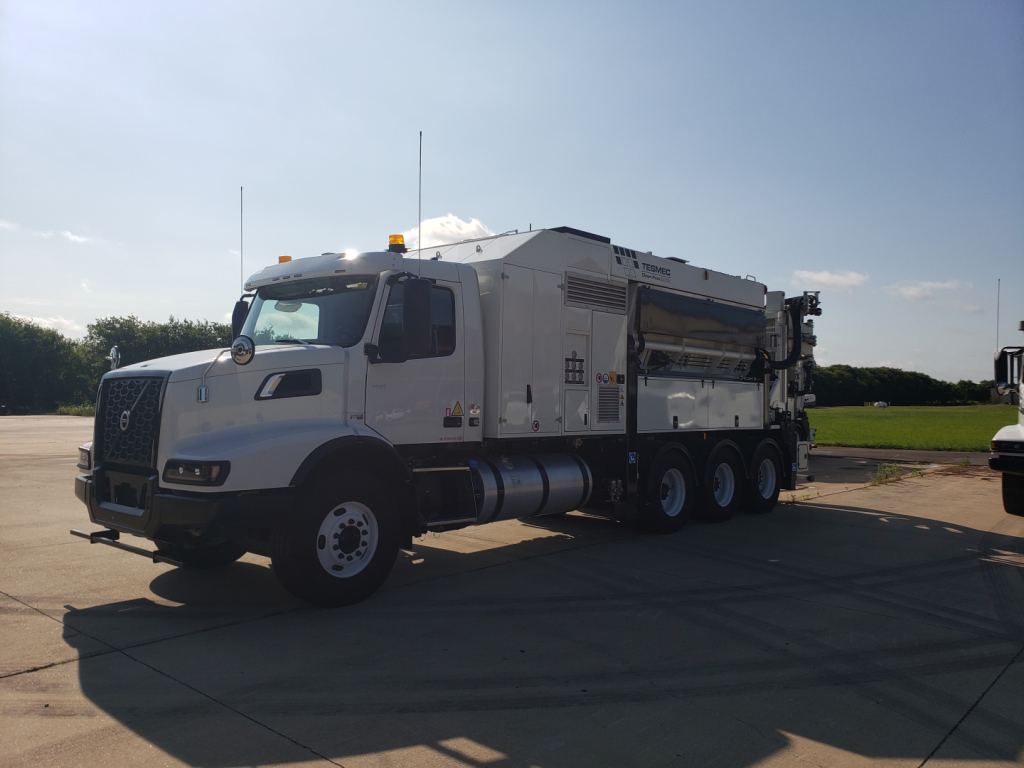
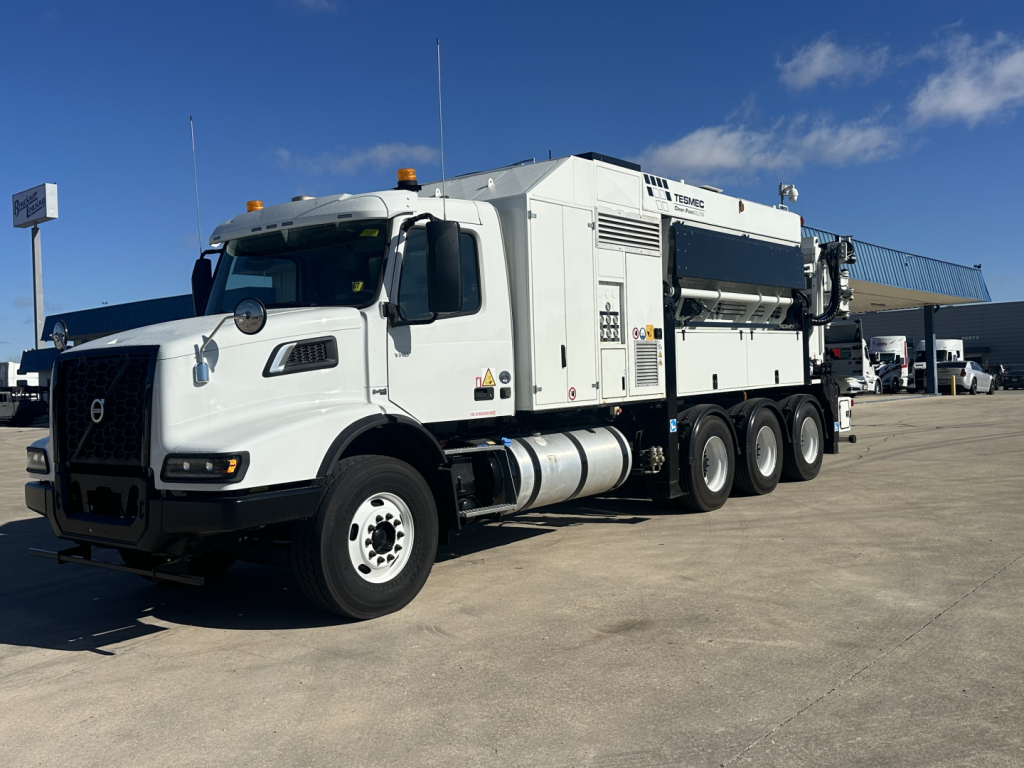
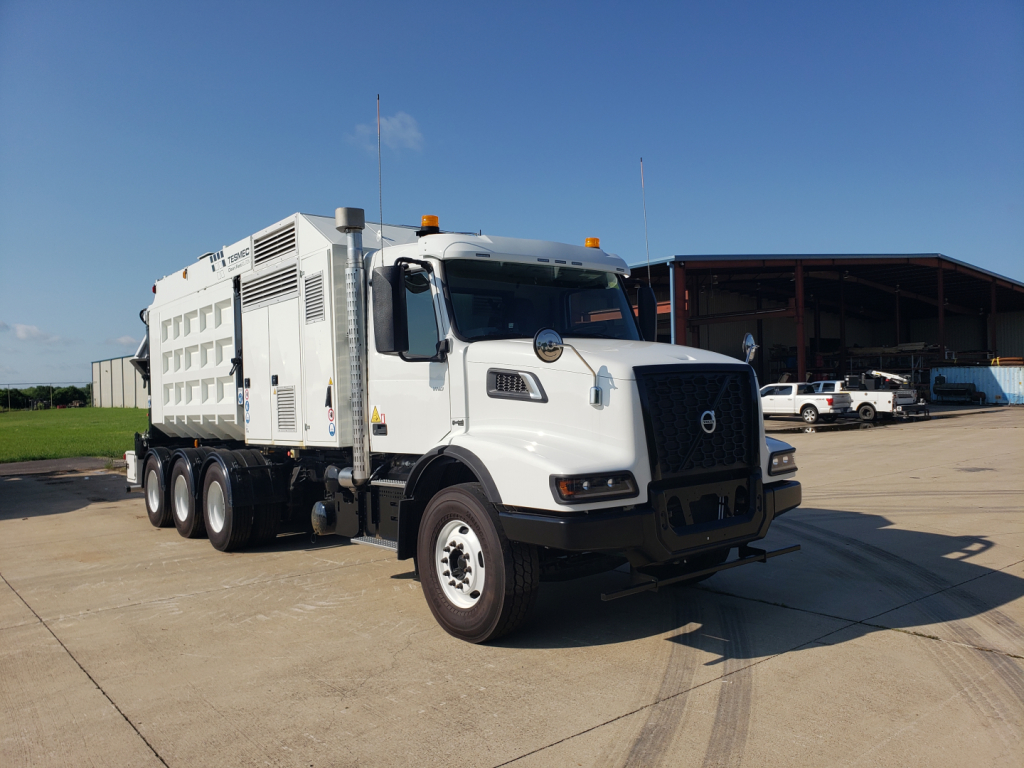
Selling a new volvo trenchers truck? List your new volvo trenchers truck for sale and reach thousands of commercial buyers.
New Volvo Trenchers Trucks
A Volvo VHD-based trencher truck is usually selected for chassis strength, stable axle ratings, and vocational drivability. Common specs in this class include a Volvo D13 engine in the 400-plus horsepower range, manual or automated manual transmission choices, heavy front axle capacity, tridem or tri-axle configurations, and high GVWR for supporting the trencher body, vacuum or spoil-handling system, and related hydraulic equipment. Wheelbase, rear ratio, suspension type, and PTO compatibility all affect how well the truck carries the attachment package and how efficiently it works at low speed under load. Buyers should pay close attention to frame reinforcement, hydraulic integration, and weight distribution across the front and rear axles, especially on trucks carrying both cutting and debris recovery systems.
One of the key differences between trencher trucks in this segment is how the machine handles spoil. Some units simply cut, while others use an integrated vacuum system to remove debris in the same pass. That setup is especially valuable for micro trenching in paved surfaces where cleanup speed, dust control, and traffic management directly affect crew productivity. A truck equipped for single-pass cutting and spoil removal can reduce support equipment needs and shorten the time a crew occupies the work zone. Trench depth and width consistency, cutter wheel design, ground conditions, and access to replacement wear parts should all be reviewed before purchase, since these factors directly influence production rates and operating cost.
For buyers comparing new Volvo trenchers trucks for sale, the real decision is usually application fit rather than brand alone. Urban telecom work, rural utility expansion, and municipal repair projects all place different demands on the truck and attachment package. Look closely at axle layout, hydraulic capacity, transmission gearing for slow-speed trenching, brake type, suspension durability, and service access for both the chassis and the trencher system. A well-matched new trencher truck should deliver clean trench geometry, predictable low-speed control, and enough chassis capacity to support the body without compromising legal weight distribution or long-term durability.
Frequently Asked Questions about New Volvo Trenchers Trucks
What is a trencher truck used for?
A trencher truck is used to cut narrow trenches for underground utility installation and repair. Common applications include fiber optic conduit, electrical lines, water service, gas distribution, and other shallow infrastructure work. In the micro trenching segment, these trucks are especially useful on paved urban streets because they create a controlled trench with less surface disruption than broader excavation methods.
Why choose a Volvo chassis for a trencher truck?
A Volvo vocational chassis is often chosen for its heavy-duty frame, strong axle options, and powertrain suitability for hydraulic and PTO-driven vocational equipment. Models in the VHD family are commonly spec'd for demanding body installations because they offer the weight ratings, wheelbase options, and durability needed to support specialized trenching systems. Buyers also value predictable road manners and serviceability when the truck must travel between jobs and then operate at low speed under sustained load.
What specs matter most on a new trencher truck?
The most important specs are engine horsepower and torque, transmission gearing, PTO and hydraulic capability, front and rear axle ratings, GVWR, wheelbase, and suspension setup. On trenching applications, weight distribution is critical because the attachment, debris system, and supporting equipment can put substantial load on the chassis. Buyers should also evaluate cutter configuration, trench width and depth range, spoil handling method, and how easily wear components can be serviced.
What is the advantage of a micro trencher with an integrated vacuum system?
A micro trencher with integrated vacuum recovery can cut and remove material in one pass, which improves jobsite efficiency and reduces secondary cleanup. This is a major advantage on city streets, parking lots, and other paved surfaces where dust, debris containment, and traffic control are major concerns. The combination can lower labor demands, reduce support equipment requirements, and help crews reopen lanes faster after installation work is complete.
Are trencher trucks better than conventional excavation for shallow utility work?
For many shallow utility installations, a trencher truck is faster and less disruptive than conventional excavation. It typically creates a narrower trench, removes less pavement or surface material, and can reduce restoration costs after the line is installed. The better choice depends on soil conditions, required trench dimensions, utility congestion, and project specifications, but trencher trucks are often the preferred option when speed, surface preservation, and controlled trench geometry are priorities.