
Trenchers Trucks For Sale
Shop trencher trucks for sale. Compare truck-mounted trenchers by depth, width, power, chassis class, hydraulics, and soil capability for utility work.
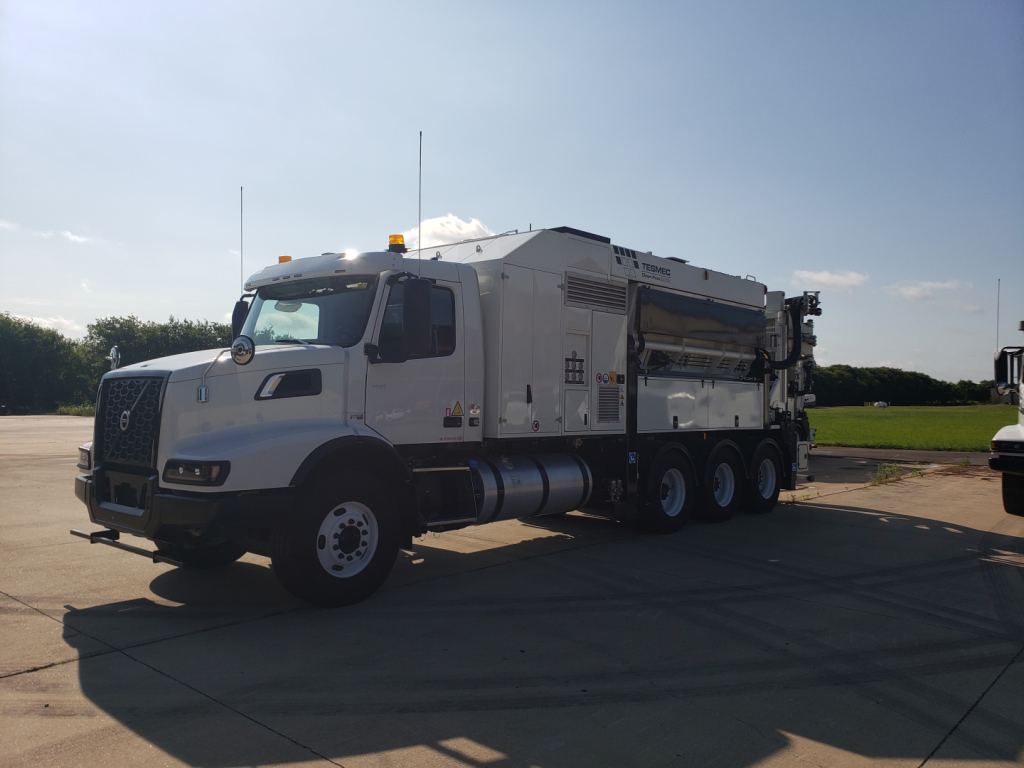
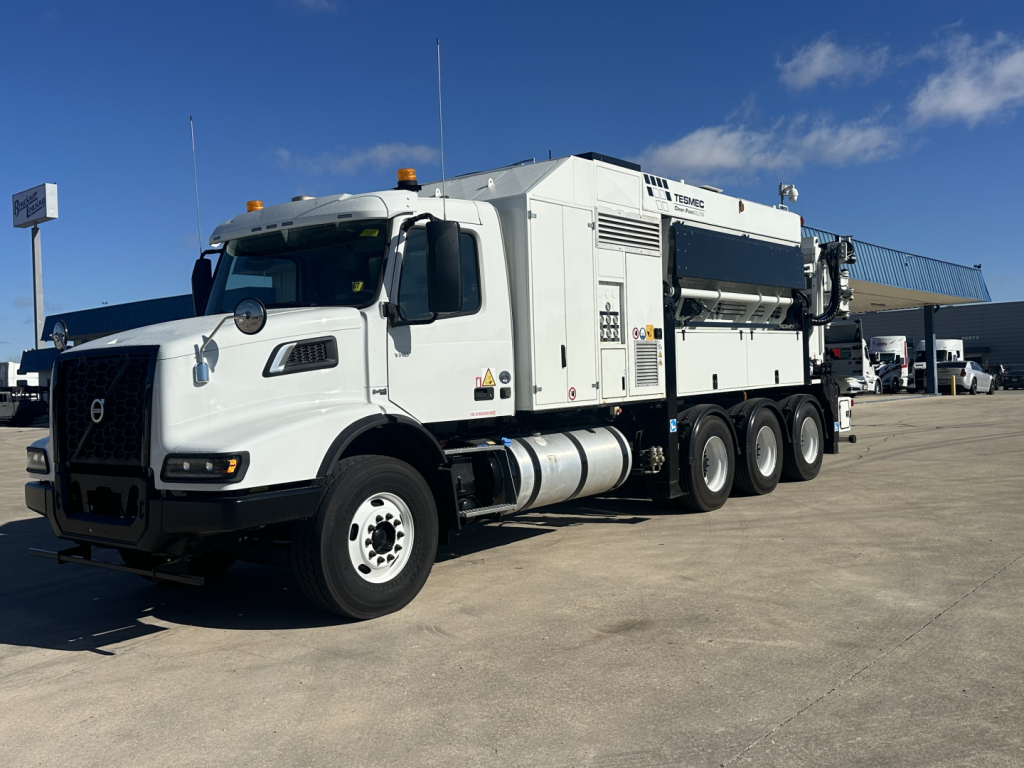
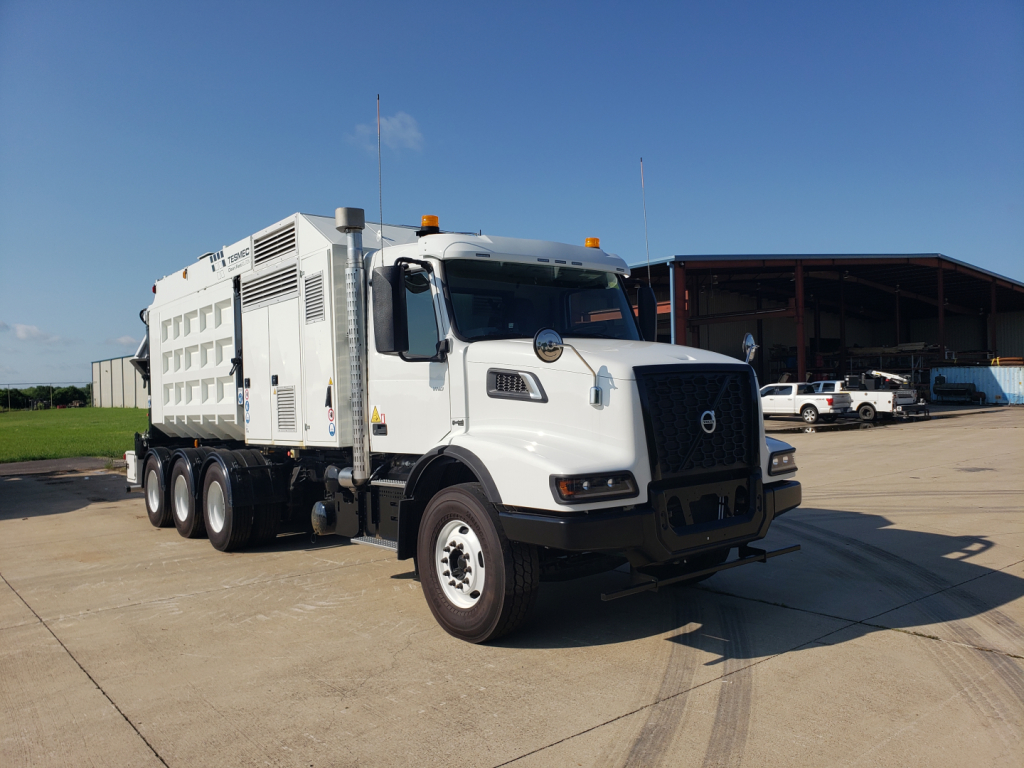
Selling a trenchers truck? List your trenchers truck for sale and reach thousands of commercial buyers.
Trenchers Trucks
Chassis and power determine where you can work and how fast you get there. Most trencher trucks live on Class 6 to Class 8 diesel chassis with 220 to 400 plus horsepower, PTO-driven hydraulic systems, and GVWRs from 26,000 to 66,000 pounds. A hot-shift PTO from Chelsea or Muncie feeding a high-flow pump is common; look for adequate hydraulic oil cooling, return filtration, and case-drain monitoring to protect the motor set. Wheelbase, axle ratings, and frame reinforcements must balance the upfit’s overhang and outrigger loads. Limited-slip or locking rear diffs, appropriate tires, and curbside controls help with alley access and shoulder work. Some builds carry onboard spoil boxes, water spray for dust suppression, or vacuum modules to manage fines when cutting asphalt.
Applications span electric service, gas laterals, fiber drops, municipal water, irrigation, and drainage. Compared with tracked trenchers, a trencher truck is highway legal and quicker between short urban runs, reducing lowboy costs. Trade-offs are real: truck-mounted units typically give up some off-road flotation and extreme rock capability in exchange for road speed and compact footprints. Microtrenching trucks shine on paved routes with tight traffic control windows, while chain trenchers on medium-duty chassis fit rural telecom and utility mainline at shallow to moderate depths. Evaluate regional soils, restoration requirements, and traffic control rules. If HDD is on the table, trenchers still win on straight, shallow routes where restoration is simple and productivity per foot is highest.
Buying used, focus on the trencher more than the cab odometer. Inspect chain wear, sprockets, boom pivot pins, crumber bearings, conveyor belts, and hydraulic leaks. Verify pump and motor case pressures, temperature stability under load, outrigger leak-down, and control responsiveness. Check the upfitter documentation, PTO ratio, hydraulic schematic, relief settings, and electrical integration for lights and interlocks. Confirm overall width, transport height, and axle weights for your state’s bridge and permitting rules, especially with outriggers and conveyors folded. Parts and support availability for the trencher package and the base chassis should factor into lifecycle cost, as productivity hinges on tooling, uptime, and quick turnaround of wear components.
Also known as: Trenching Machine, Ditch Digger, Ditching Machine
Frequently Asked Questions about Trenchers Trucks
What trench depth and width should I target for utility work?
Match the trench to the utility and local code. Fiber drops and service laterals often run 12 to 24 inches deep with 4 to 8 inch widths, while small water or gas laterals may push to 36 inches. Mainlines can require 48 to 60 inches. Microtrenching along pavement uses a narrow saw slot under 2 inches wide for shallow fiber. Be sure the boom, chain, and spoil management are sized together so production does not bottleneck.
How do soil conditions affect trencher truck selection?
Soil drives tooling and power more than anything. Sandy loam and clay favor cup or combination chains and moderate hydraulic flow. Mixed rock or asphalt requires carbide-tipped chains or a dedicated rock saw with higher torque and robust crumbers. Very hard rock may exceed the capability of a truck-mounted unit, pushing you to tracked rock trenchers or saws. Always evaluate typical ground and choose the chain or blade style to match, keeping spare segments on hand.
Is a PTO-driven trencher better than a unit with a separate power pack?
PTO drives are simpler, lighter, and leverage the truck’s engine, which helps with service access and emissions compliance. They rely on proper PTO ratio, hydraulic pump sizing, and oil cooling to sustain duty cycle. A self-contained power pack adds cost and weight but isolates the trencher hydraulics and can deliver higher continuous power for rock work or saw applications. Choose based on duty cycle, desired torque, and how you plan to service the system.
What licensing or permitting applies to trencher trucks?
Most trencher trucks are CDL territory due to GVWR over 26,000 pounds. Check transport height with the boom stowed, folded conveyors, and outriggers for overhead clearance. Some municipalities require lane closure permits, traffic control plans, and dust suppression when cutting pavement. If axle weights approach limits, scale the truck after the upfit to confirm compliance with bridge formulas and local axle spacing rules.
What should I inspect on a used trencher truck before buying?
Beyond the chassis basics, measure chain stretch, inspect sprocket teeth, check boom pivot and outrigger pins for play, and verify conveyor tracking. Warm up the hydraulics and run the trencher under load to watch temperatures, pump noise, and case-drain flow. Test all interlocks, remote or curbside controls, and emergency stops. Review upfit records for PTO specs, hydraulic schematics, and any frame reinforcements, and confirm that wear parts are current and readily available.