
2024 Trenchers Trucks For Sale
Shop 2024 trencher trucks built for clean, precise utility cuts, fiber installs, and urban trenching with modern chassis and vacuum systems.
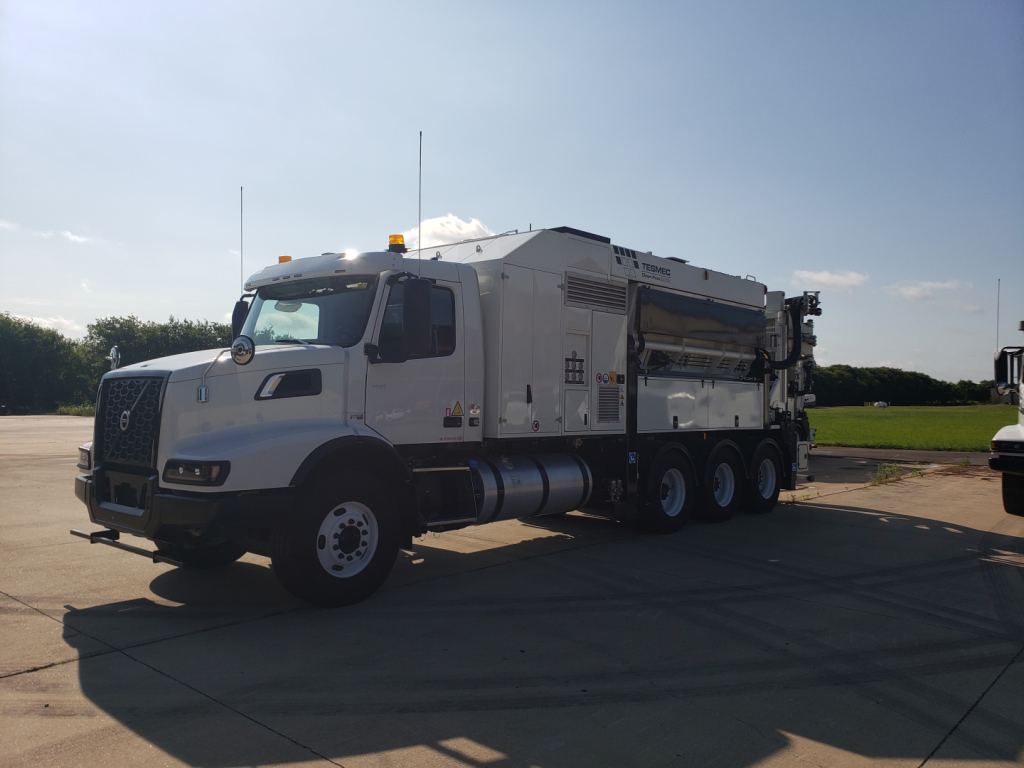
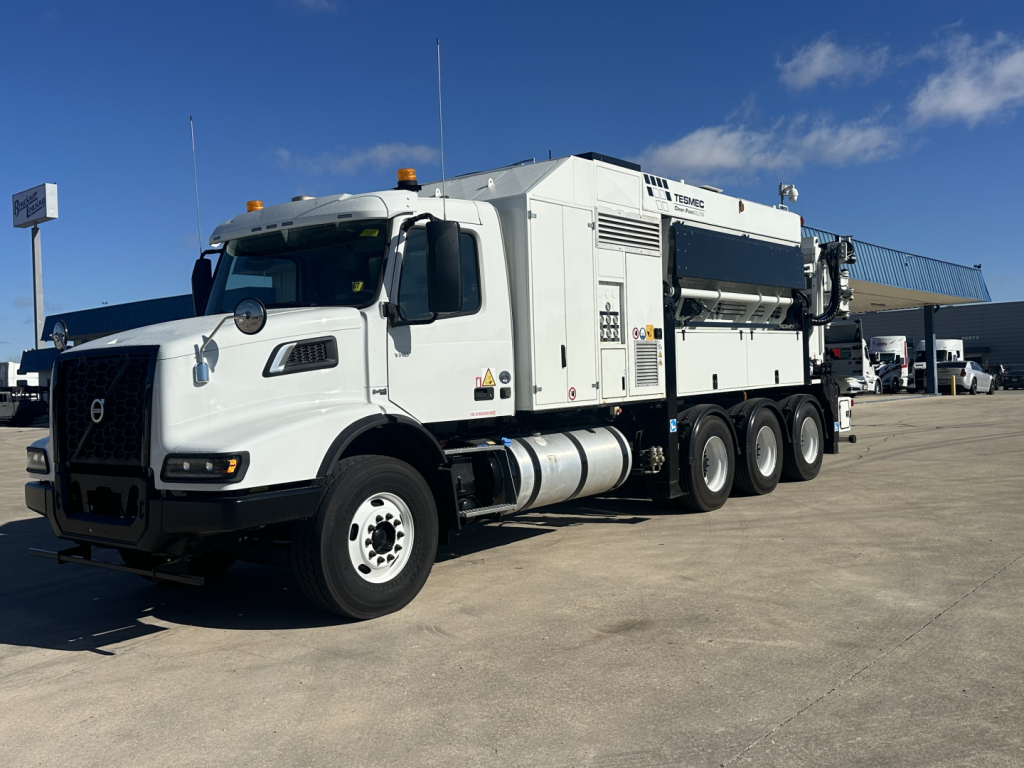
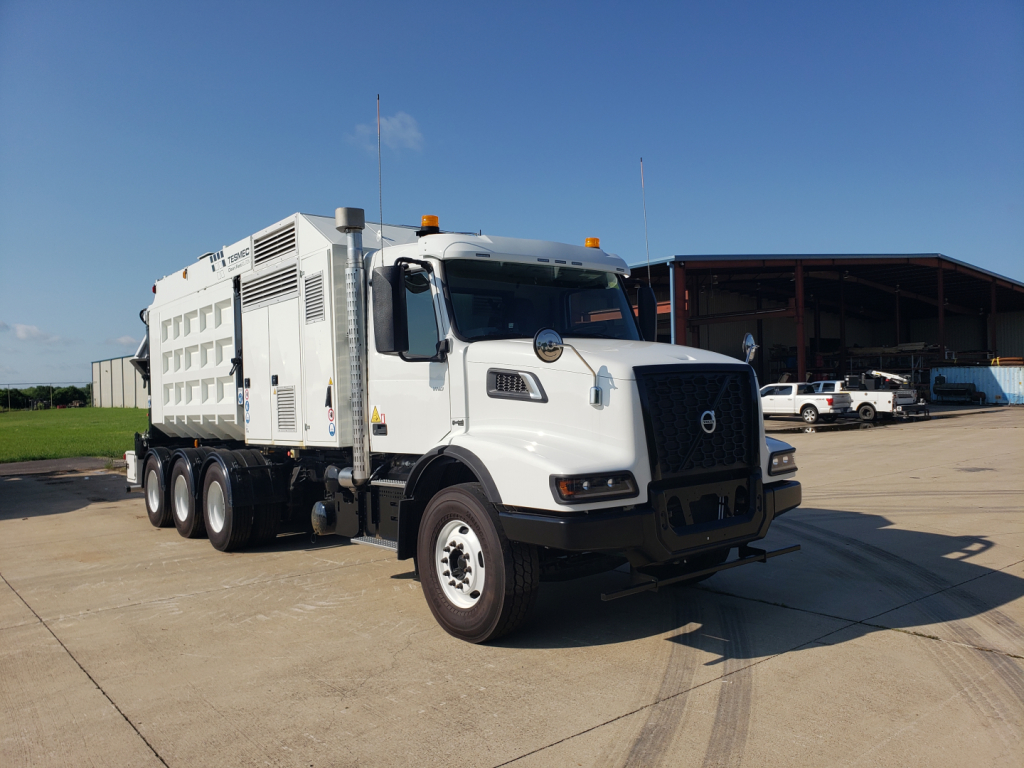
Selling a 2024 trenchers truck? List your 2024 trenchers truck for sale and reach thousands of commercial buyers.
2024 Trenchers Trucks
The key buying decision is matching the trenching attachment to the material and the utility spec. Pavement type, required trench width, target depth, and daily production rate all affect the right setup. Buyers should look closely at cutting wheel design, spoil handling capacity, vacuum airflow, debris tank volume, and the control system used to hold depth accurately. On truck-mounted units, chassis spec matters too. Front axle capacity, axle spacing, wheelbase, PTO integration, and overall GVWR all influence stability, legal payload, and how well the truck supports the trencher body and recovery system. Newer 2024 platforms also tend to offer cleaner emissions packages, updated operator interfaces, and improved safety integration around cameras, lighting, and work-zone visibility.
For municipal and contractor work, a trencher truck often earns its value by reducing restoration cost rather than simply cutting faster. A narrow, controlled trench can lower patching expense and minimize disruption to adjacent pavement. That is especially important on fiber builds and dense urban utility projects where permitting, dust control, and public access are constant concerns. Units equipped with integrated suction are particularly useful where loose spoil cannot be left along the cut line. They can keep the work area cleaner, reduce secondary equipment needs, and support operations in tighter streets, business districts, and other restricted corridors.
When comparing 2024 trencher trucks for sale, pay attention to service access, wear component replacement intervals, and support for the trenching system itself, not just the base truck. Teeth, chains, cutting wheels, vacuum hoses, filters, and spoil system components are real operating-cost items. Buyers should also confirm the machine’s intended use case, since some truck-mounted trenchers are optimized for micro trenching in asphalt while others are better suited for mixed material or heavier utility cuts. A properly spec'd trencher truck can improve footage per day, reduce labor around spoil cleanup, and deliver a cleaner finished cut that supports faster utility installation and restoration.
Frequently Asked Questions about 2024 Trenchers Trucks
What is a trencher truck used for?
A trencher truck is used to cut narrow trenches for utility installation while keeping the work process mobile and self-contained. Common applications include fiber optic conduit, telecom lines, electric service, water service, and other shallow infrastructure work. Many truck-mounted trenchers are designed for paved surfaces and urban corridors where a clean cut, fast setup, and limited traffic disruption are important.
What is the difference between a trencher truck and a micro trencher truck?
A trencher truck is a broad category that includes truck-mounted trenching systems for utility work, while a micro trencher truck is a more specialized version designed to cut very narrow trenches, usually in pavement. Micro trenchers are often used on fiber projects because they create a smaller cut that can reduce spoil volume and restoration cost. The exact trench width and depth depend on the attachment design and the utility specification.
Why does an integrated vacuum system matter on a trencher truck?
An integrated vacuum system allows the trencher truck to remove spoil and debris as the cut is being made. That helps keep the trench line visible, reduces the need for separate cleanup equipment, and can improve productivity in traffic-sensitive areas. It is especially valuable in city work where dust control, lane access, and jobsite cleanliness directly affect permit compliance and crew efficiency.
What chassis specs matter most on a 2024 trencher truck?
The most important chassis specs usually include GVWR, axle ratings, wheelbase, PTO compatibility, and suspension capacity. These trucks carry specialized trenching equipment, debris recovery components, and sometimes significant spoil loads, so weight distribution and stability are critical. Buyers should evaluate the body and trencher package together with the truck chassis to make sure the complete unit meets both operational and road-legal requirements.
What should buyers inspect when comparing trencher trucks?
Buyers should inspect the trenching attachment, wear parts, hydraulic system, vacuum system, debris handling setup, and overall serviceability. Cutting teeth, wheels, hoses, filters, and conveyor or suction components can have a major effect on operating cost and downtime. It is also important to confirm the unit is built for the surface conditions and trench dimensions required by the intended jobs, since asphalt micro trenching and heavier mixed-ground trenching are not the same application.