
2024 Volvo Trenchers Trucks For Sale
Shop 2024 Volvo trencher trucks built for urban utility work, fiber installs, and clean narrow trenching with efficient debris removal.
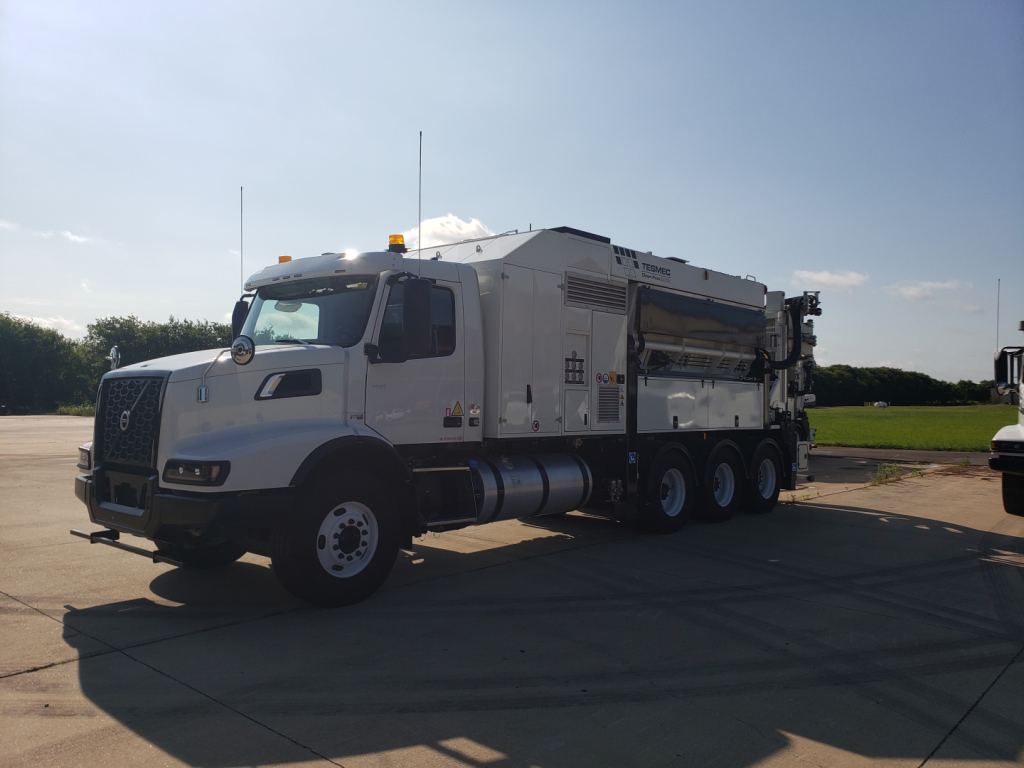
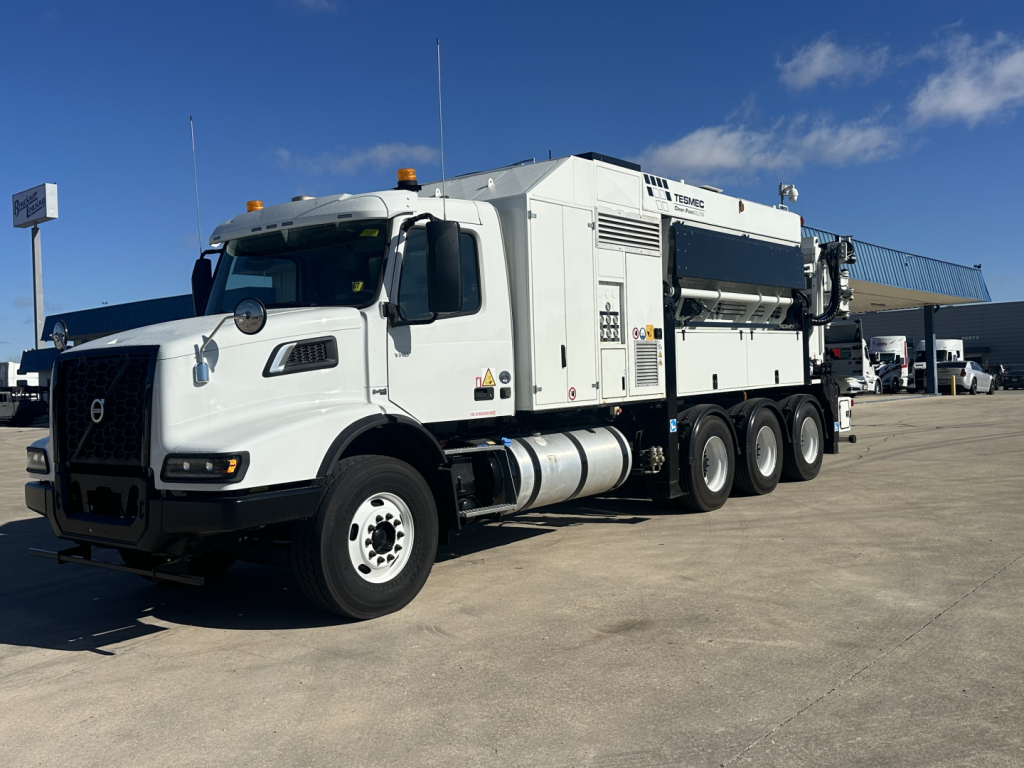
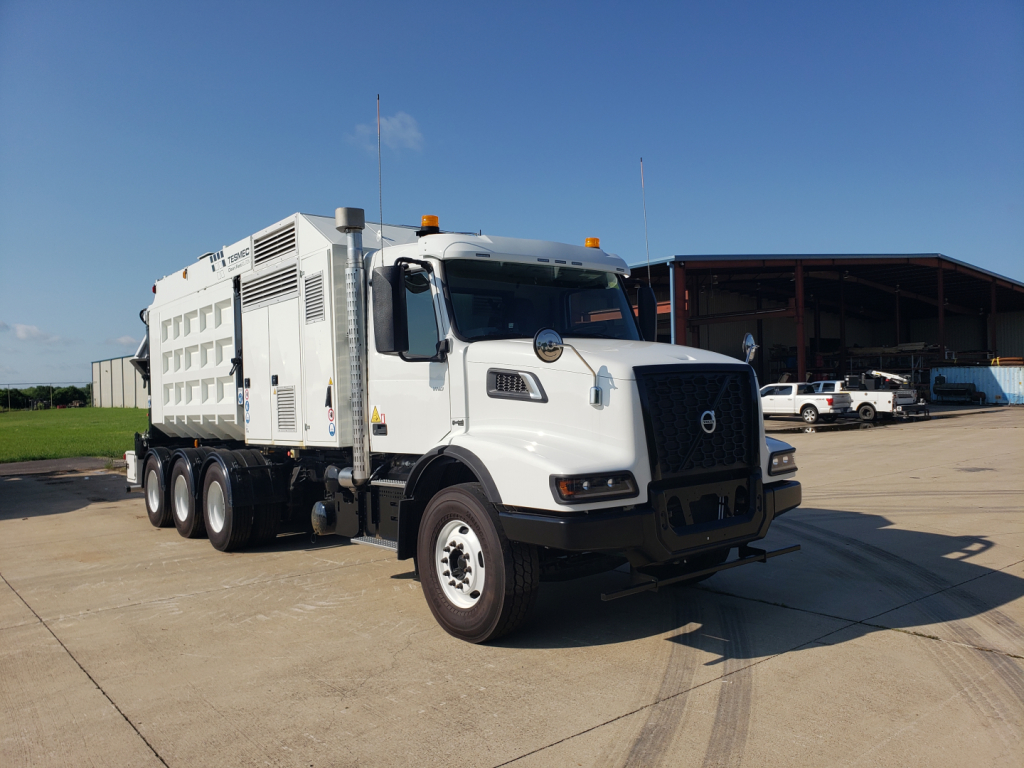
Selling a 2024 volvo trenchers truck? List your 2024 volvo trenchers truck for sale and reach thousands of commercial buyers.
2024 Volvo Trenchers Trucks
The main buying decision is the trenching package, not just the truck. Buyers should look closely at target trench width and depth, cutter wheel type, spoil removal method, and whether the machine cuts and vacuums in a single pass. Micro trenchers are commonly used for shallow utility installation including fiber, telecom, electrical, and some water service work. A single-pass system can reduce cleanup labor and improve production in dense urban work zones. Consistent trench dimensions, low dust output, and stable tracking along curb lines or lane edges are key performance factors when the truck will spend most of its time on municipal or DOT-sensitive projects.
On the chassis side, Volvo vocational trucks are well regarded for driver visibility, tight steering, and a durable front-end setup suited to body and equipment integration. Buyers should pay attention to axle ratings, wheelbase, PTO provisions, hydraulic capacity, and overall weight distribution once the trencher body, vacuum components, debris tank, and water systems are installed. If the unit will operate in stop-and-go utility work, transmission choice, cooling capacity, and cab layout can affect operator fatigue and uptime as much as cutting performance. Ground clearance, frame reinforcement, and service access also matter because trenching applications expose the truck and mounted equipment to vibration, dust, and frequent jobsite transitions.
For contractors comparing 2024 Volvo trencher trucks for sale, the best unit is the one matched to the utility spec and street environment. Fiber deployment crews usually prioritize narrow cuts, fast cycling, and minimal restoration costs. Municipal and underground contractors may place more value on debris containment, reduced dust, and the ability to work in tight urban corridors without a second cleanup pass. Review the cutting system manufacturer, trench range, vacuum performance, debris capacity, and support network as carefully as the truck make itself. In this category, production comes from how well the chassis, hydraulic system, and trenching package work together as one machine.
Frequently Asked Questions about 2024 Volvo Trenchers Trucks
What is a Volvo trencher truck typically used for?
A Volvo trencher truck is typically used for shallow utility installation where a narrow, controlled cut is required along paved surfaces or developed rights-of-way. Common applications include fiber optic conduit, telecom lines, electrical runs, and some municipal utility work. Many units in this category are configured for micro trenching, which helps reduce pavement restoration costs and limits disruption in urban or suburban settings.
What should buyers compare first on a trencher truck: the chassis or the cutting system?
The cutting system should be evaluated first because it determines whether the truck can meet the trench specification required by the work. Trench width, trench depth, wheel design, spoil handling, and vacuum recovery capacity directly affect production and jobsite suitability. After that, the chassis needs to be checked for axle capacity, hydraulic support, wheelbase, PTO setup, and overall integration so the truck can reliably carry and power the equipment package.
Why are micro trencher trucks popular for fiber installation?
Micro trencher trucks are popular for fiber installation because they can cut a narrow trench quickly with less pavement disturbance than broader excavation methods. That usually means faster lane reopening, less spoil to manage, and lower surface restoration costs. In city work, those advantages can make a major difference in permit compliance, traffic control efficiency, and total project time.
Do trencher trucks with integrated vacuum systems offer a real advantage?
Yes, an integrated vacuum system can provide a significant advantage when the work requires clean trenching and tight site control. A single-pass cut-and-vacuum setup reduces loose spoil on the roadway, cuts down on secondary cleanup labor, and can help limit dust and debris around traffic and pedestrians. That is especially valuable on municipal streets, commercial corridors, and projects with strict restoration or cleanliness requirements.
What chassis features matter most on a 2024 Volvo trencher truck?
The most important chassis features are axle ratings, wheelbase, PTO compatibility, hydraulic capacity, cooling performance, and equipment weight distribution. Visibility from the cab, steering maneuverability, and service access are also important because trencher trucks spend a lot of time in congested work zones and stop-and-go operations. A strong vocational chassis supports uptime, but only if it is properly matched to the trencher body and any vacuum or debris recovery system installed on the truck.