
2024 Volvo Trenchers Trucks For Sale in Texas
Shop 2024 Volvo trencher trucks built for clean, precise utility trenching, fiber installs, and urban infrastructure work in Texas.
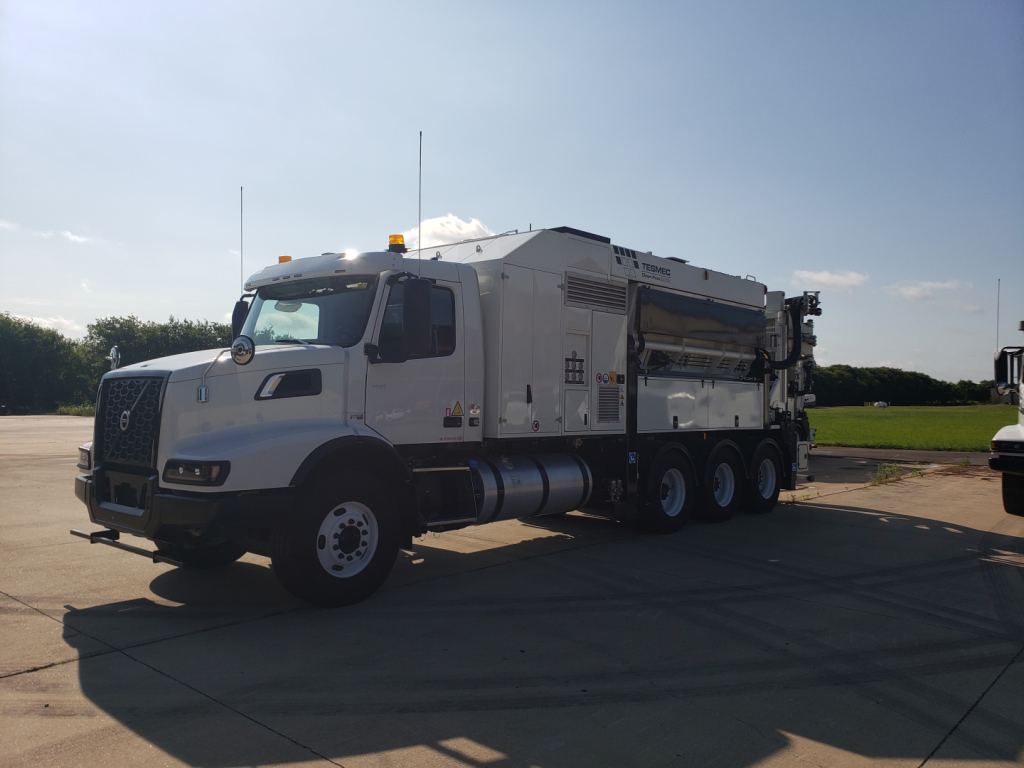
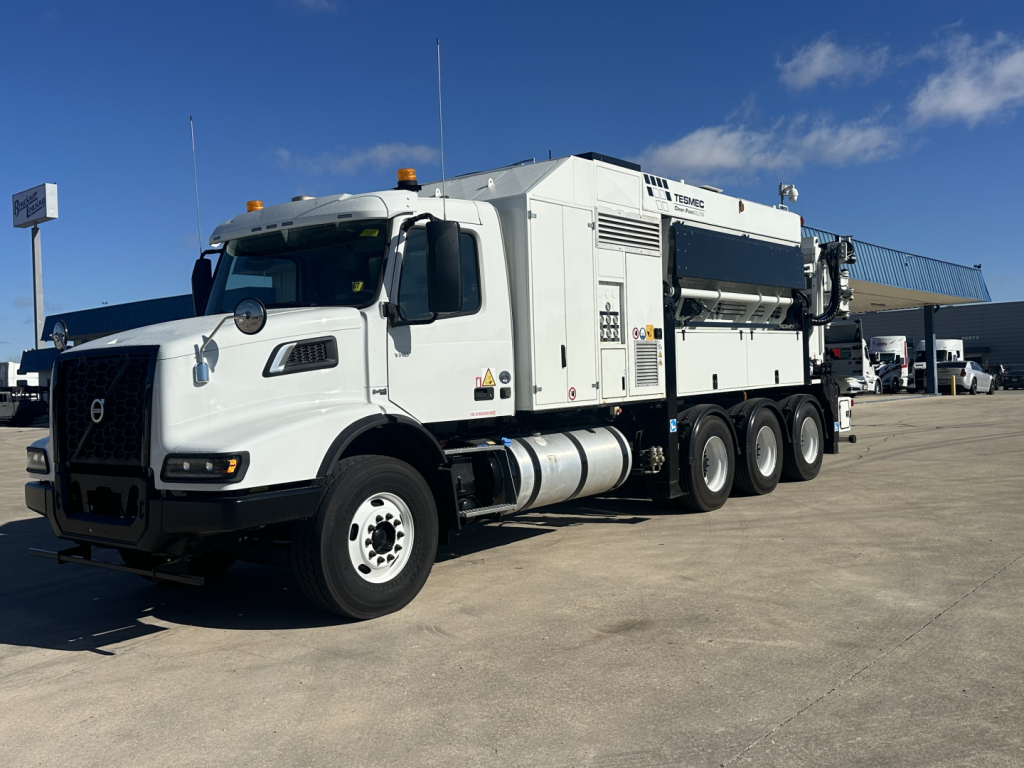
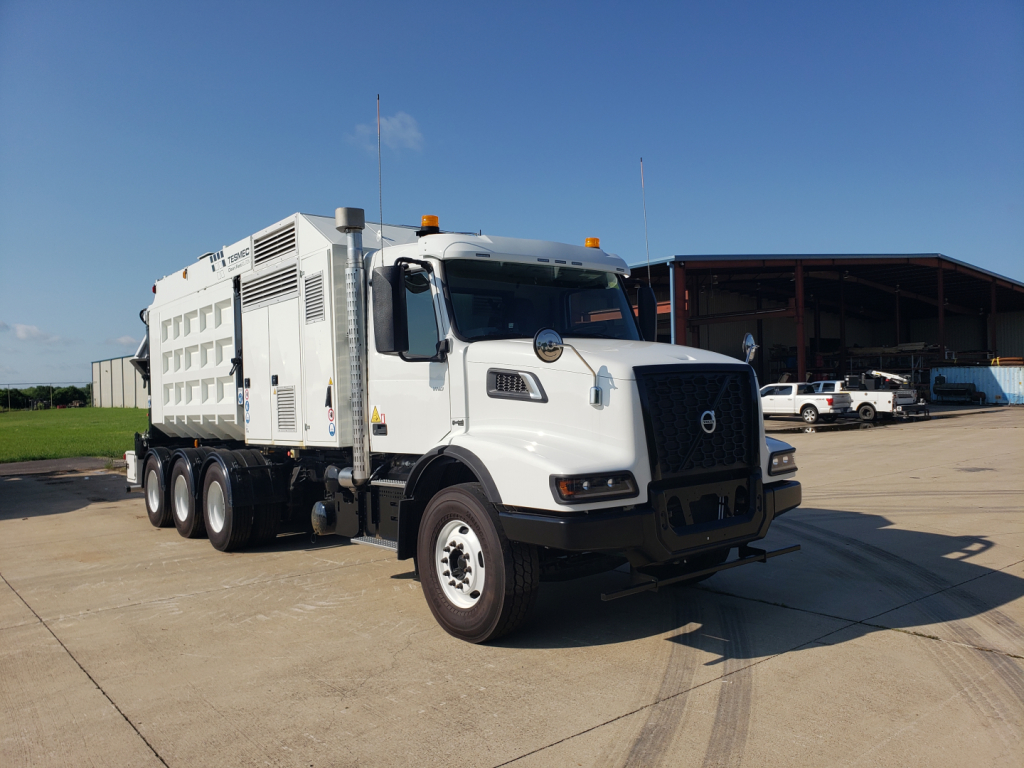
Selling a 2024 volvo trenchers truck? List your 2024 volvo trenchers truck for sale and reach thousands of commercial buyers.
2024 Volvo Trenchers Trucks in Texas
The chassis matters more than many first-time buyers expect. Volvo VHD models are common in this segment because they offer a vocational frame, good visibility, stable road manners, and the PTO and weight-carrying capability needed for trenching and vacuum systems. A trencher truck in this class often combines the cutting wheel, spoil extraction, and debris containment into one machine, which reduces the need for separate cleanup equipment and limits lane blockage. For Texas municipal, telecom, and contractor work, that can be a major advantage on urban streets, suburban developments, and roadside utility corridors where traffic control costs add up quickly.
The key buying decisions usually come down to trench width and depth capability, cutting performance in local soil and pavement conditions, vacuum recovery efficiency, and how well the body integrates with the truck chassis. A micro trencher is not the same as a general earth trenching machine. It is built for narrow, precise cuts with minimal surface disruption, which is why it is often chosen for fiber deployment and other shallow utility work. Buyers should pay close attention to hydraulic capacity, spoil tank volume, dust suppression or vacuum design, operator control layout, service access, and axle ratings once the trencher body is installed. In hot, abrasive environments like Texas, cooling performance, filtration, and wear-part availability also deserve a close look.
Operating cost and jobsite productivity are closely tied in this category. A well-matched Volvo trencher truck can lower labor time by cutting and cleaning in a single pass, improve restoration speed, and reduce the footprint of the crew in sensitive traffic areas. That makes this equipment class especially attractive for contractors working under tight municipal specifications or utility schedules. When comparing 2024 units, focus on the complete package rather than the chassis badge alone: trenching attachment design, suction system performance, legal GVW configuration, ease of maintenance, and support for wear components will have the biggest impact on uptime and cost per foot.
Frequently Asked Questions about 2024 Volvo Trenchers Trucks in Texas
What is a Volvo trencher truck typically used for?
A Volvo trencher truck in this category is typically used for shallow utility installation, especially fiber optic conduit, electrical conduit, small water service lines, and similar infrastructure. Many of these units are configured as micro trenchers, which means they cut narrow, controlled trenches in pavement and recover debris quickly to reduce cleanup, traffic disruption, and surface restoration work.
What makes a micro trencher truck different from a standard trencher?
A micro trencher truck is designed for narrow, precise cuts rather than wider excavations. It is commonly used in paved urban or suburban environments where minimizing surface disturbance is critical. Many units also integrate vacuum recovery or spoil handling so the machine can cut and collect material in one pass, which helps improve jobsite efficiency and keeps the work zone cleaner than traditional trenching methods.
Why is the Volvo VHD chassis common for trencher truck applications?
The Volvo VHD is a strong fit for trencher truck applications because it is built for vocational work and can support the hydraulic, PTO, and weight requirements of specialized utility bodies. It also offers a durable frame, good visibility, and a configuration that works well for contractors who need a truck that can travel between jobs while carrying a permanently mounted trenching system.
What specs should buyers compare on a 2024 trencher truck?
The most important specs to compare are trench width, maximum trench depth, cutting wheel design, vacuum or debris recovery capacity, hydraulic system performance, axle ratings, and the overall GVWR of the completed truck. Buyers should also review service access, wear-part replacement intervals, cooling system capacity, and how the equipment performs in local pavement and soil conditions, since those factors directly affect uptime and cost per foot.
Are trencher trucks a good fit for Texas utility work?
Trencher trucks are often a strong fit for Texas utility work because they can improve production in long linear installs while reducing traffic impact in busy corridors. They are especially valuable for fiber and municipal utility projects where contractors need a clean trench, predictable depth, and a compact work zone. Texas buyers should also account for heat, dust, and abrasive operating conditions when evaluating cooling systems, filtration, and wear-part support.