
New Trenchers Trucks For Sale in Texas
New trencher trucks for sale in Texas, including micro trenching units for fiber, utility, and urban infrastructure work.
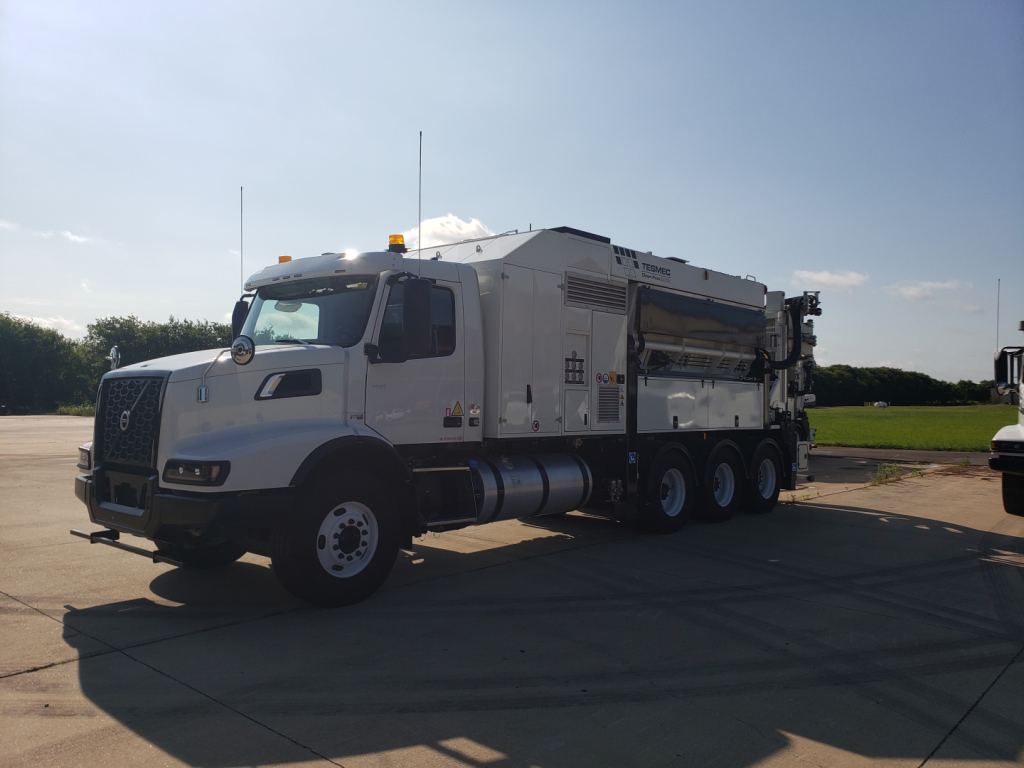
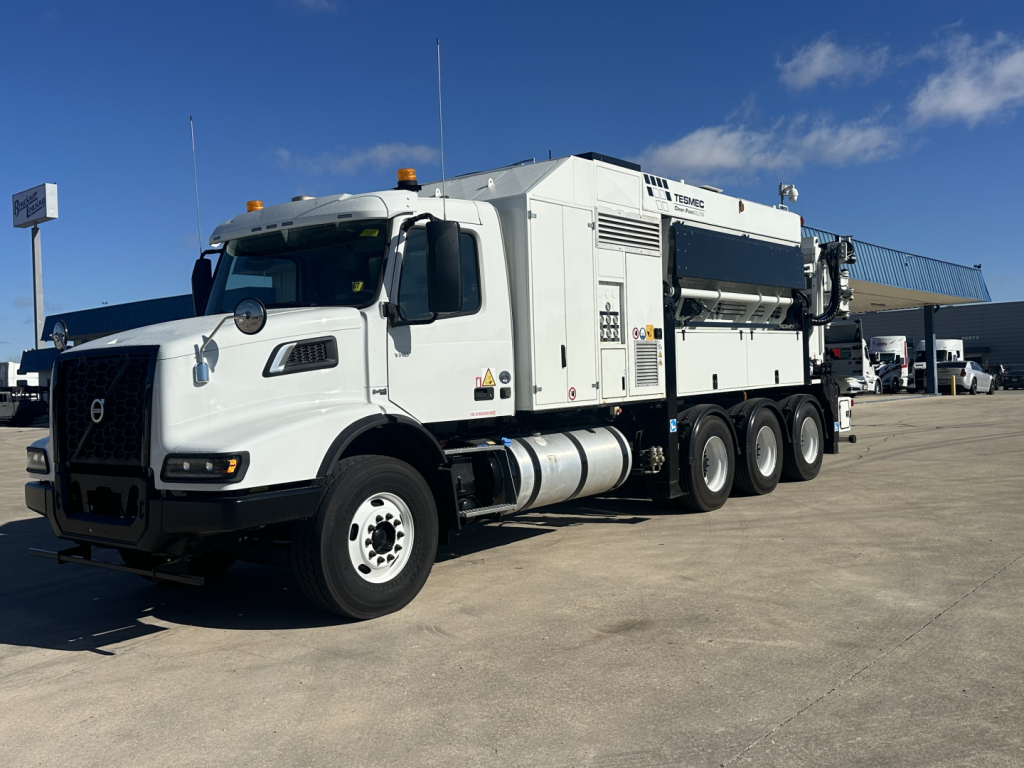
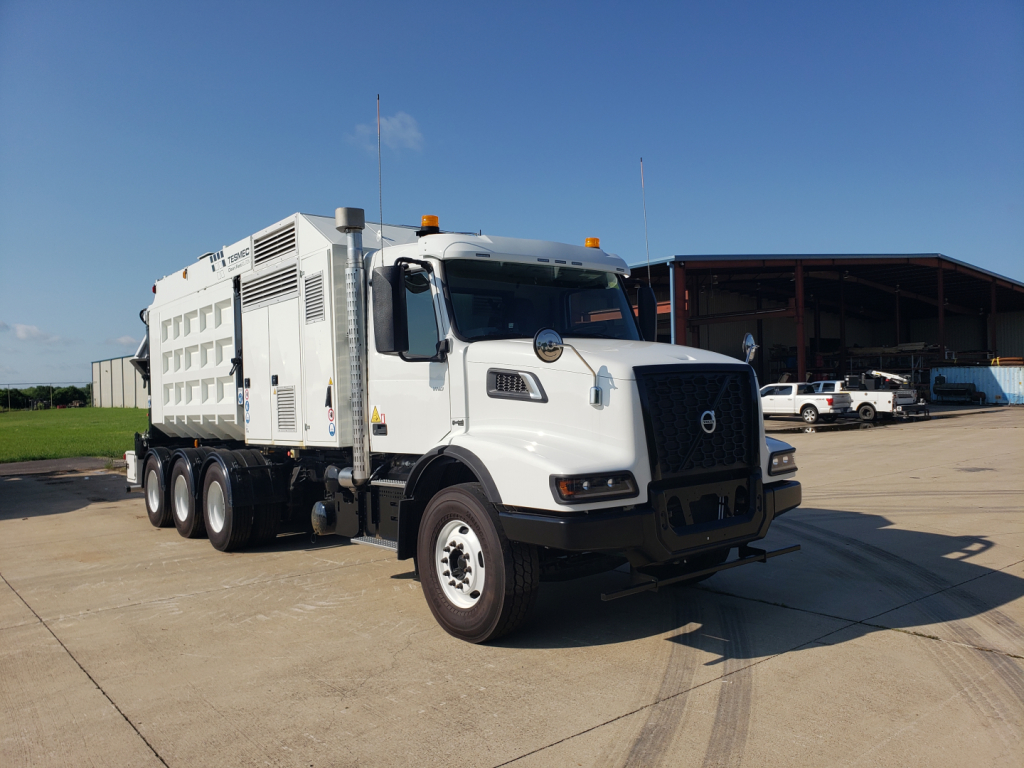
Selling a new trenchers truck? List your new trenchers truck for sale and reach thousands of commercial buyers.
New Trenchers Trucks in Texas
One of the most important buying decisions is the trenching system itself. Micro trencher trucks typically pair a precision cutting wheel or rock saw with an integrated spoil recovery or vacuum system so the truck can cut and remove debris in a single pass. That setup is especially valuable in urban and suburban corridors where dust control, worksite cleanliness, and reduced disruption are part of the job requirement. Buyers should compare target trench width and depth, cutting performance in asphalt versus concrete, spoil handling capacity, and how well the boom and cutter geometry maintain a consistent trench profile over long runs.
The truck chassis matters just as much as the attachment. New trencher trucks are commonly spec'd on severe-duty platforms with the axle ratings, PTO capability, hydraulic capacity, and frame strength needed to support the trenching body and vacuum components. Wheelbase, turning radius, and overall truck length affect how easily the unit can work in tight rights-of-way, downtown streets, and residential utility corridors. In Texas, heat, long travel distances, and mixed road conditions make cooling performance, service access, and component durability worth close attention. Buyers should also look at operator controls, camera visibility, safety lighting, and ease of setup, since trenching productivity often depends on how quickly a crew can position the unit and start cutting.
For many fleets, a new trencher truck is less about raw digging power and more about system efficiency. The best units are designed to deliver clean trench lines, predictable depth, and faster job completion with fewer support machines on site. That can lower labor demand, reduce restoration exposure, and improve schedule control on fiber and shallow utility projects. If the work mix includes city streets, commercial corridors, and repeat utility installs, a purpose-built trencher truck can be a more efficient choice than adapting a general excavation setup to pavement cutting work.
Frequently Asked Questions about New Trenchers Trucks in Texas
What is a trencher truck used for?
A trencher truck is used to cut narrow, controlled trenches for utility installation and similar linear construction work. In this category, many units are configured for micro trenching, which is common for fiber optic conduit, electrical lines, water services, and other shallow underground utilities. Compared with open excavation, a trencher truck can reduce pavement disturbance, cleanup time, and traffic disruption while improving consistency in trench width and depth.
What is the difference between a micro trencher truck and a conventional trencher?
A micro trencher truck is designed to cut narrower, shallower trenches, usually in paved surfaces, with a focus on speed, precision, and minimal surface disruption. A conventional trencher is generally intended for wider or deeper trenching in soil and can be better suited for larger utility installation jobs. Buyers comparing the two should focus on cut width, cut depth, pavement capability, spoil removal method, and the restoration requirements of the project.
What should I look for when buying a new trencher truck in Texas?
Key considerations include trench width and depth capability, cutter performance in local pavement conditions, integrated vacuum or spoil handling capacity, and the truck chassis ratings needed to support the full system. In Texas, high temperatures, long jobsite travel, and urban utility work also make engine cooling, hydraulic reliability, maneuverability, and service access important. A buyer should also evaluate operator controls, visibility, and how quickly the truck can be deployed on active streets or tight utility corridors.
Are trencher trucks good for fiber optic installation?
Yes. Trencher trucks, especially micro trenching units, are widely used for fiber optic installation because they can produce a narrow, uniform trench with less disruption than traditional excavation methods. That makes them well suited for city streets, subdivisions, and commercial corridors where restoration cost, traffic control, and production speed are major concerns. The right setup depends on the required conduit depth, pavement type, and local installation standards.
Why choose a new trencher truck instead of a used one?
A new trencher truck can make sense for contractors that need current emissions compliance, updated controls, warranty support, and predictable uptime on deadline-driven utility work. New units may also offer better integration between the chassis, hydraulic system, cutter assembly, and debris recovery system, which can improve trench consistency and reduce maintenance surprises. For fleets bidding long-term fiber or infrastructure projects, that reliability can be as important as the initial purchase price.