
New 2024 Trenchers Trucks For Sale in Texas
Shop new 2024 trencher trucks in Texas for fiber, utility, and municipal work. Compare micro trencher setups, chassis specs, and jobsite features.
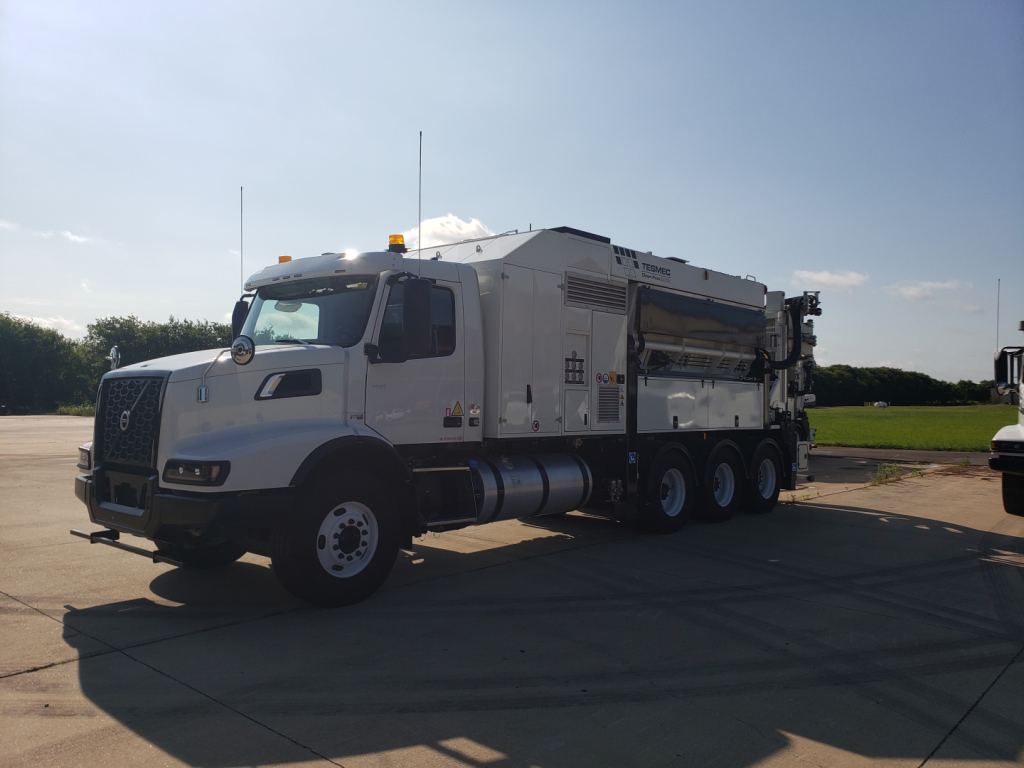
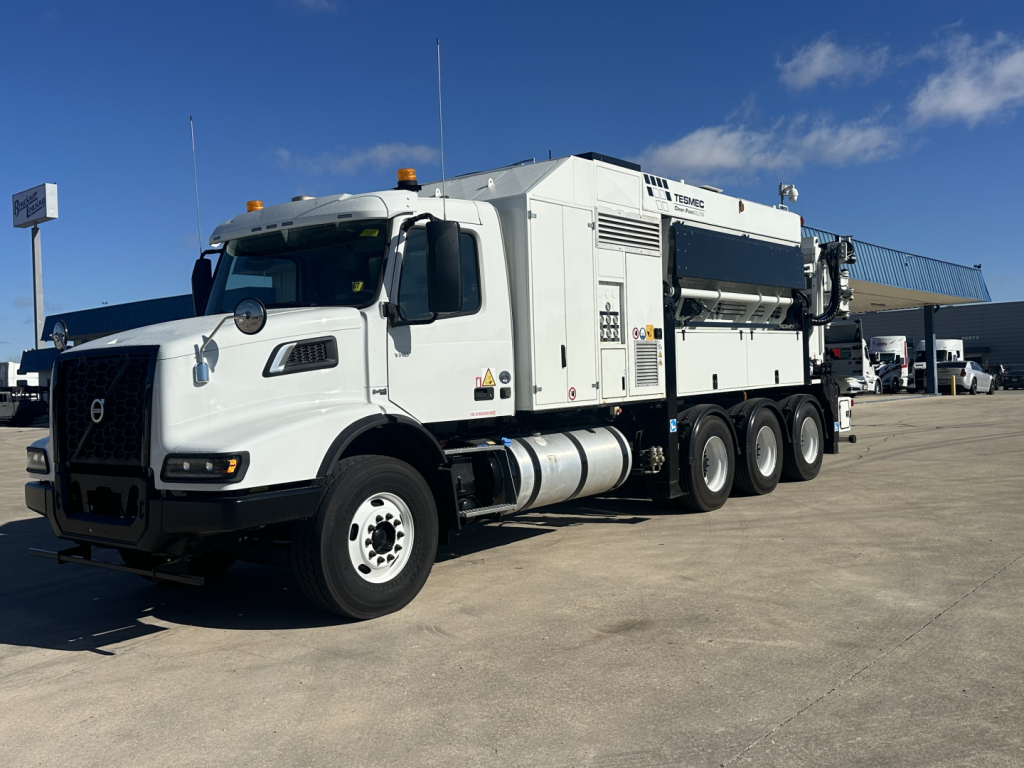
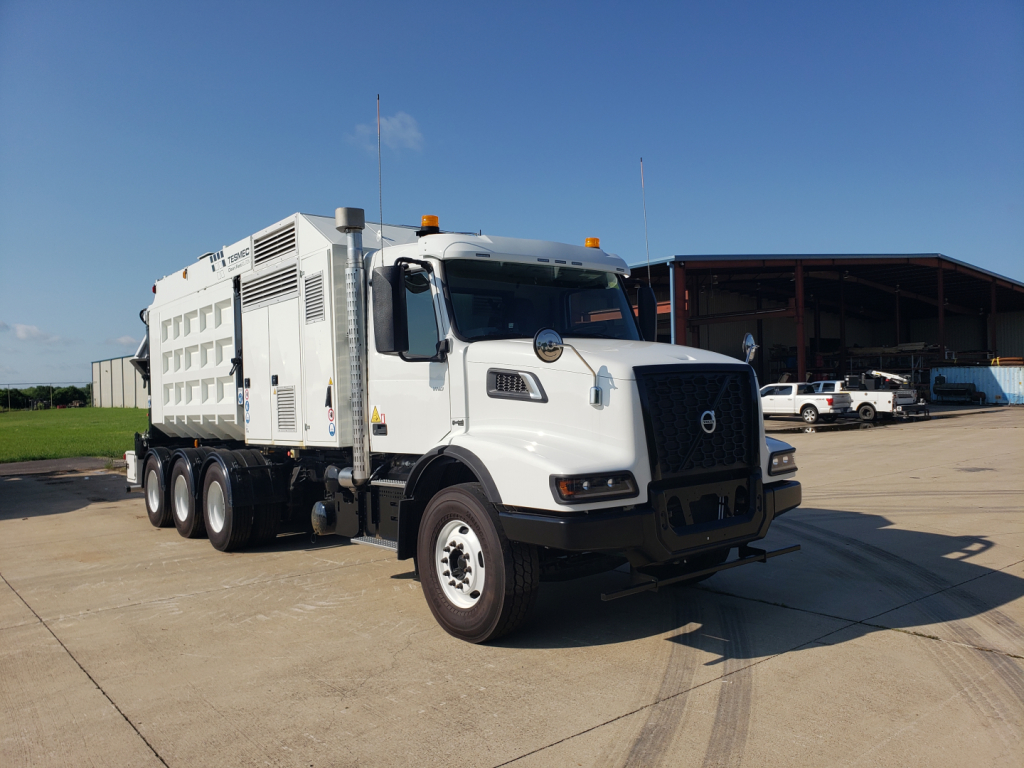
Selling a new 2024 trenchers truck? List your new 2024 trenchers truck for sale and reach thousands of commercial buyers.
New 2024 Trenchers Trucks in Texas
The main buying decision is the trenching system, not just the chassis. Buyers should compare trench width and depth range, spoil removal method, cutting speed, and how well the machine maintains a uniform trench in asphalt or mixed surface conditions. Micro trenchers are typically chosen for narrow, shallow cuts used in fiber and communications work, while heavier trenching setups may be better suited for deeper utility placement. An integrated vacuum system can reduce secondary cleanup, dust, and loose material left in the lane, which is a major advantage for municipal contracts and dense residential work. Operator visibility, control layout, conveyor or vacuum access, and serviceability around the cutting assembly also have a real effect on daily uptime.
On the truck side, 2024 chassis in this class are commonly spec'd for vocational duty with heavy front axle ratings, PTO integration, automatic transmissions, and diesel engines matched to hydraulic demand. Wheelbase, frame space, and axle placement matter because the trencher body, spoil handling components, and vacuum system can shift weight distribution quickly. Buyers in Texas should also pay attention to cooling performance, dust management, and hydraulic reliability in high-heat conditions. If the truck will spend long hours in stop-and-go trenching, engine idle strategy, auxiliary hydraulics, backup camera coverage, and lighting package are worth reviewing closely.
A trencher truck is ultimately a production tool, so the best spec is the one that matches the install method and the pavement you cut most often. For telecom and municipal contractors, newer 2024 machines offer cleaner trench profiles, more efficient debris recovery, and better operator controls than older dedicated trenching setups or tow-behind equipment. When comparing listings, focus on trench dimensions, vacuum or spoil system design, chassis GVWR, hydraulic capacity, and access for cutter maintenance. Those details tell you more about real jobsite performance than the badge on the hood.
Frequently Asked Questions about New 2024 Trenchers Trucks in Texas
What is a trencher truck used for?
A trencher truck is used to cut narrow trenches for utility installation, most often for fiber optic conduit, electrical lines, water service, and other shallow infrastructure work. Truck-mounted trenchers are especially useful where mobility, faster setup, and integrated debris handling improve production on roadways, subdivision streets, and urban utility corridors.
What is the difference between a micro trencher truck and a conventional trencher?
A micro trencher truck is designed to cut a narrower, shallower trench, usually in paved surfaces for fiber and communications work. Conventional trenchers are generally intended for wider or deeper cuts and may be better suited to broader utility applications. Micro trenchers stand out when pavement disruption, restoration cost, dust control, and traffic impact are major concerns.
What specs matter most when buying a new 2024 trencher truck?
The most important specs are trench width, trench depth, cutting system type, spoil or vacuum recovery design, hydraulic capacity, and chassis weight ratings. Buyers should also review PTO setup, cooling package, wheelbase, axle ratings, and service access to the cutter and vacuum components. These factors determine how well the truck performs in continuous trenching, especially on asphalt and in hot-weather operating conditions.
Why are integrated vacuum systems important on trencher trucks?
An integrated vacuum system removes cut material as the trench is being made, which reduces secondary cleanup and helps keep the work zone cleaner. That can lower labor needs, improve visibility around the cut, and reduce disruption in traffic-sensitive or pedestrian-heavy areas. For municipal and telecom work, cleaner trenching often supports faster restoration and better compliance with local jobsite requirements.
Are trencher trucks a good fit for Texas utility work?
Trencher trucks are a strong fit for Texas utility work because many projects involve long fiber runs, roadway shoulder work, suburban development, and municipal utility expansion. A properly spec'd truck can handle high ambient temperatures, repeated stop-and-go operation, and pavement cutting demands common across Texas markets. The best fit depends on local surface conditions, trench depth requirements, and whether the work is primarily fiber, electrical, or water-related.