
New 2024 Volvo Trenchers Trucks For Sale in Texas
Shop new 2024 Volvo trencher trucks in Texas. Built for fiber, utility, and municipal trenching with clean cutting, suction, and jobsite efficiency.
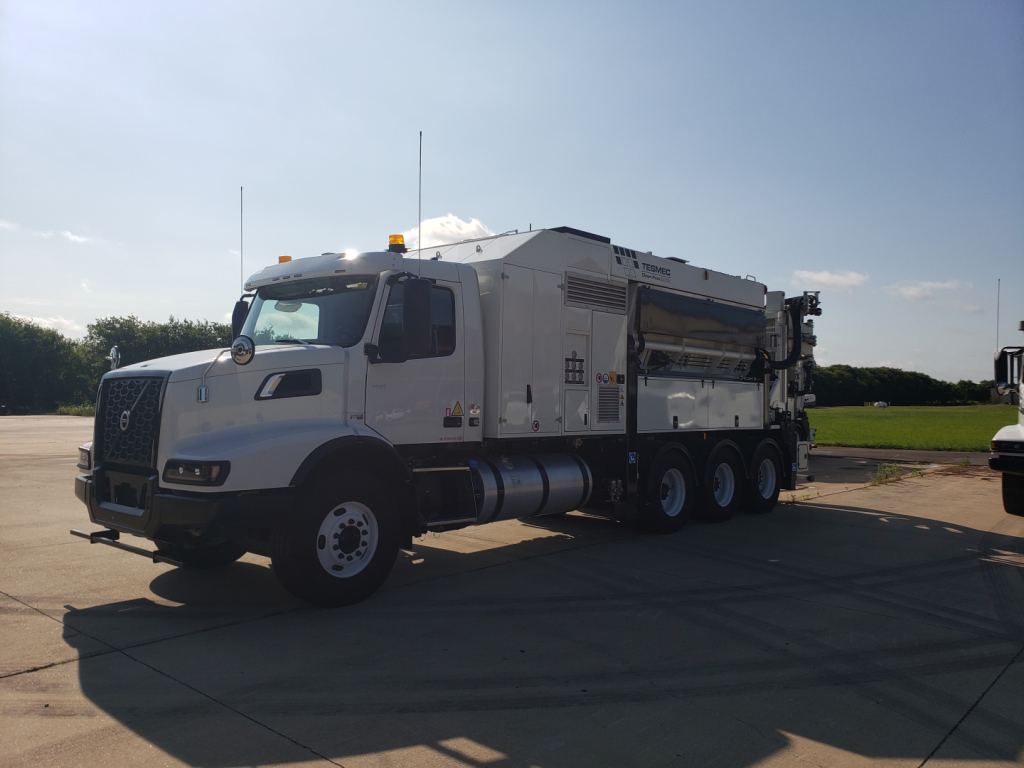
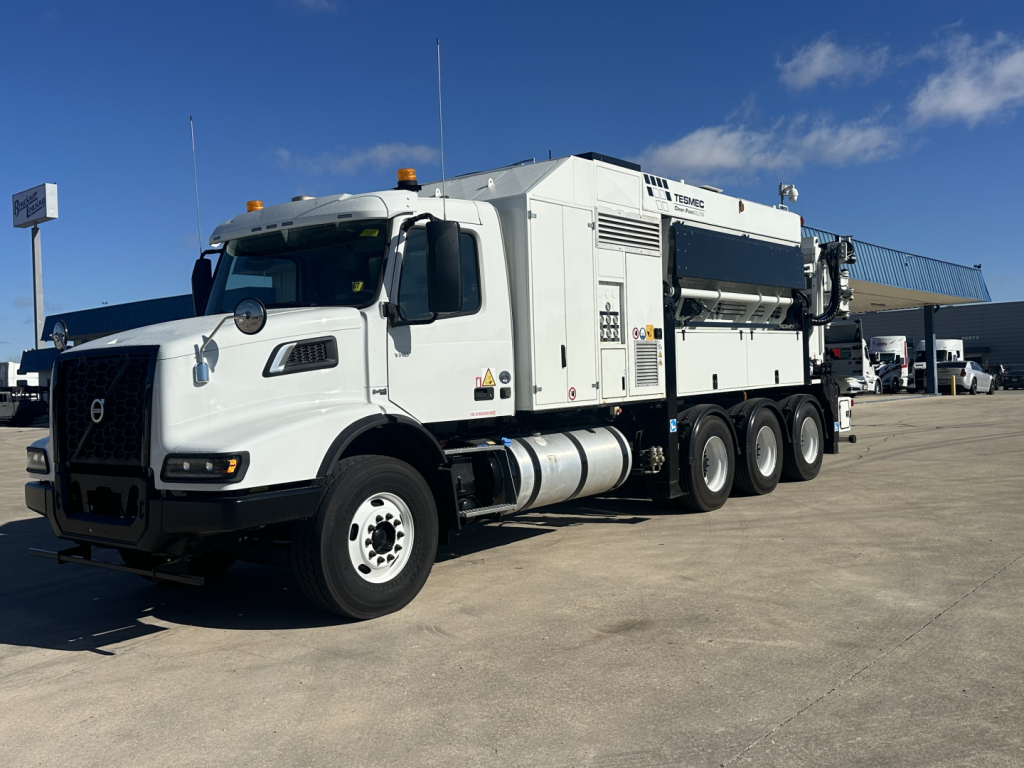
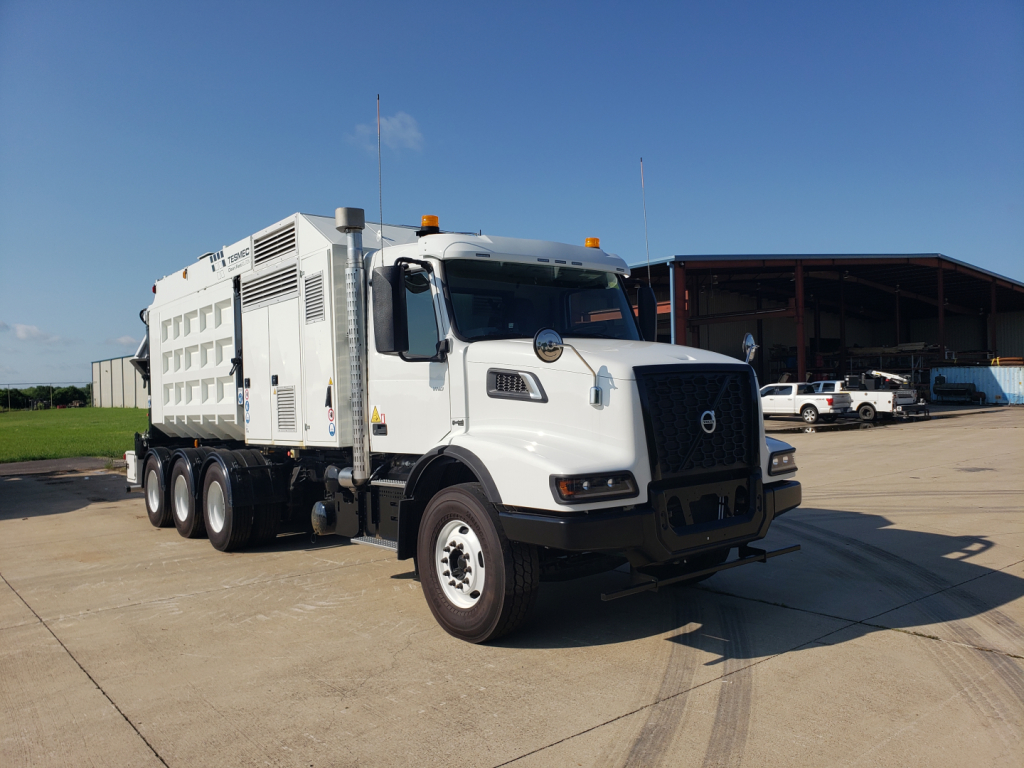
Selling a new 2024 volvo trenchers truck? List your new 2024 volvo trenchers truck for sale and reach thousands of commercial buyers.
New 2024 Volvo Trenchers Trucks in Texas
Many of these units are configured as micro trencher trucks, also known as clean trenching trucks, because they cut a narrow trench and recover spoil in the same pass. That one-pass operation is a major buying point. It reduces secondary cleanup, limits loose debris in traffic lanes, and helps crews keep production moving in dense urban corridors. Buyers should look closely at trench width and depth capability, cutter wheel design, spoil recovery method, vacuum capacity, and how well the attachment package is integrated with the chassis hydraulics. Operator controls, camera visibility, and service access also matter because these trucks often work in tight rights-of-way with frequent stops and constant crew interaction.
On the chassis side, a Volvo VHD86B300 or similar configuration usually appeals to contractors who want a set-back front axle severe-service truck with good maneuverability and stable weight distribution. Important spec points include axle ratings, wheelbase, PTO and hydraulic setup, engine horsepower and torque curve, transmission selection, and front frame space for auxiliary systems. Since trenching work can involve long idle periods, repeated low-speed movement, and auxiliary equipment loads, buyers should think beyond gross horsepower and pay attention to cooling capacity, electrical architecture, and body-builder support. In Texas heat, those details can directly affect reliability on telecom and utility projects that run all day in high ambient temperatures.
The best fit in this category depends on production goals and jobsite conditions. A contractor focused on urban fiber installation may prioritize narrow-cut precision, spoil containment, and minimal pavement disruption. A municipality or utility subcontractor may put more emphasis on chassis durability, simple controls, and easy service support across a regional fleet. New 2024 Volvo trencher trucks generally appeal to buyers who want current emissions equipment, modern safety systems, and a fresh service life on both the truck and the trenching package. When comparing listings, focus on the actual trenching system manufacturer, cut dimensions, vacuum and debris handling capability, and chassis specs as a complete package rather than looking at the truck model alone.
Frequently Asked Questions about New 2024 Volvo Trenchers Trucks in Texas
What is a Volvo trencher truck typically used for?
A Volvo trencher truck is commonly used for shallow utility installation, especially fiber optic conduit, electrical lines, water services, and similar infrastructure work that benefits from a narrow, controlled trench. Many units in this category are micro trenchers designed for paved urban environments where clean spoil recovery and reduced traffic disruption are important. The truck serves as the carrier platform for the trenching and vacuum system, so it is built to support both transport and active jobsite production.
Why is the Volvo VHD chassis a common choice for trencher truck applications?
The Volvo VHD is a strong match for trencher body installations because it is built for severe-duty work and supports the hydraulic, PTO, and frame demands of specialized equipment. Buyers often value the VHD for its durability, maneuverability, and body-builder compatibility. In trenching applications, those qualities help when the truck must carry heavy auxiliary systems, operate at low speed for long periods, and handle repetitive stop-and-go work in tight urban corridors.
What should buyers compare first on a trencher truck listing?
The first comparison point should be the trenching package itself, not just the truck model. Buyers should verify trench width, maximum depth, cutter design, spoil removal method, vacuum system capability, and how the controls are laid out for the operator. After that, look at chassis specs such as axle ratings, wheelbase, PTO setup, hydraulic integration, engine rating, and transmission. A good trencher truck is a matched system, and weak integration between body and chassis can limit performance even when the truck looks well equipped on paper.
Are micro trencher trucks a good fit for Texas utility work?
Micro trencher trucks are often a strong fit for Texas projects involving telecom, municipal, and utility expansion, especially in developed areas where speed and cleanup matter. They can reduce lane closure time, limit pavement disturbance, and improve jobsite efficiency by cutting and collecting spoil in one pass. Texas buyers should still evaluate cooling performance, dust control, service access, and support availability because high heat, long workdays, and regional travel can put extra strain on both the chassis and the trenching system.
What are the advantages of buying a new 2024 trencher truck instead of an older unit?
A new 2024 trencher truck offers a full service life on the chassis and often on the trenching package as well, which can reduce early maintenance surprises and improve fleet planning. Buyers also gain current safety technology, updated emissions systems, and the latest body integration from the manufacturer or installer. For contractors bidding time-sensitive utility work, the main advantage is predictable uptime. That matters when trench quality, crew productivity, and schedule performance directly affect project margins.