
New Cargo Vans For Sale
Shop new cargo van trucks for delivery, service, and fleet use. Compare roof height, wheelbase, payload, engine, and upfit-ready options.
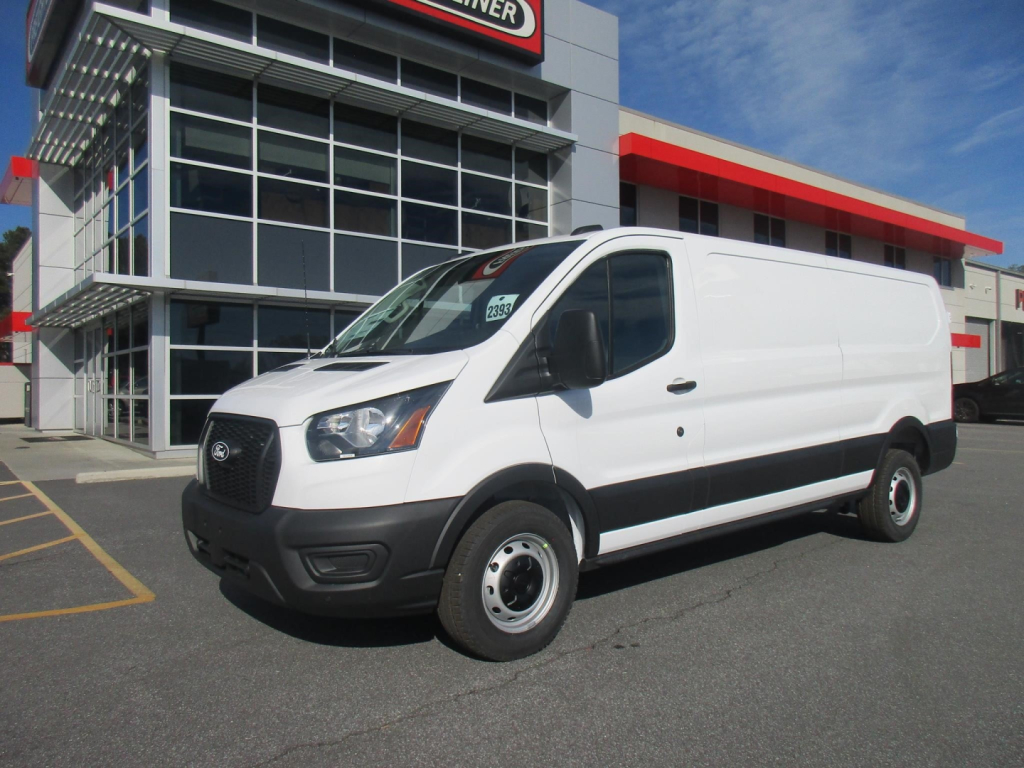
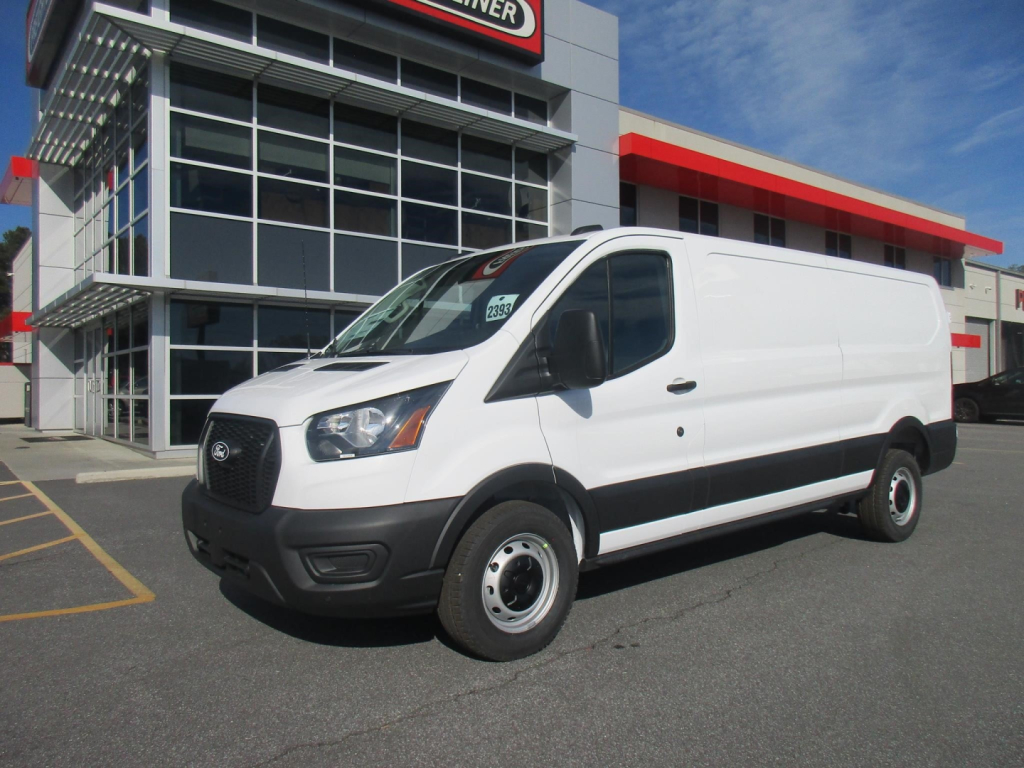
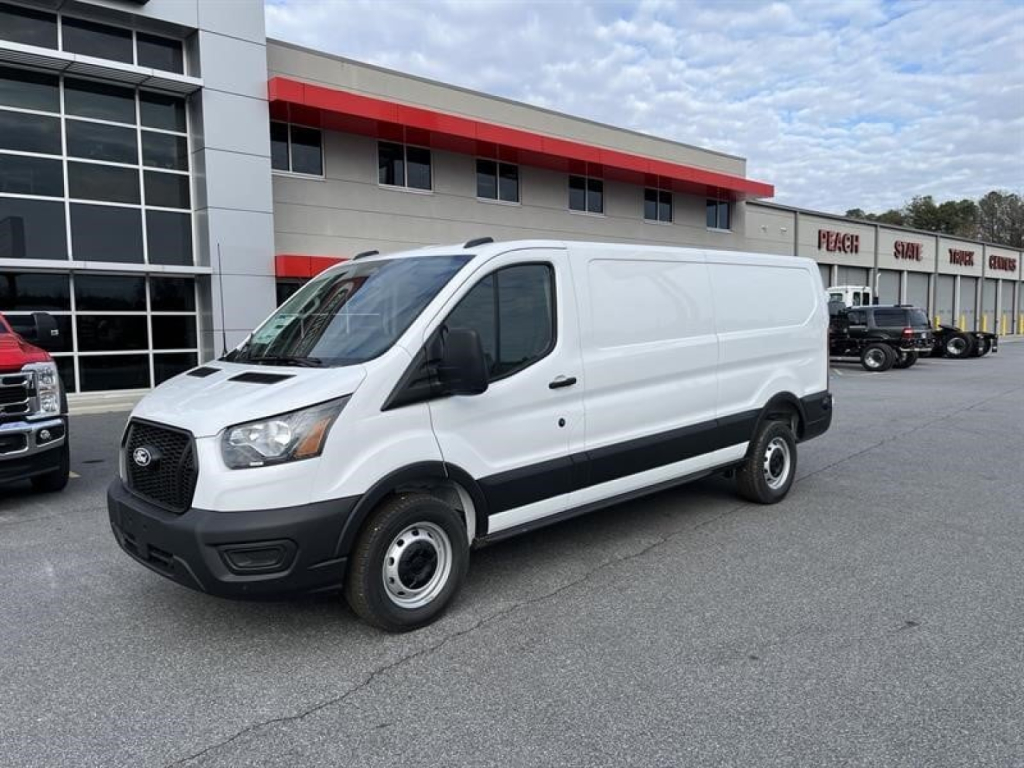
Selling a new cargo van? List your new cargo van for sale and reach thousands of commercial buyers.
New Cargo Vans
A buyer should start with cargo volume and interior access. Standard-roof vans are easier to park, fit more garages, and work well for dense city routes. High-roof configurations improve stand-up room and speed up technician work when the van is used as a rolling workshop. Side door opening width, rear door swing, load floor height, and overall body length all affect route efficiency. If shelving, bins, ladder racks, partitions, or inverter systems are planned, it is worth checking available upfit space, electrical capacity, and how much payload remains after the body is equipped for service.
Powertrain choices in new cargo vans typically focus on gasoline V6 engines, including turbocharged options like a 3.5L EcoBoost paired with a 10-speed automatic. That setup is common because it balances acceleration, drivability under load, and highway efficiency for mixed-use fleets. GVWR in this segment often lands around 8,800 to 9,070 pounds, so payload can vary significantly depending on wheelbase, roof height, and installed equipment. For stop-and-go duty, buyers should also pay attention to driver ergonomics, visibility, turning radius, and the availability of fleet-oriented features such as telematics integration, backup cameras, lane assist, and collision mitigation.
New cargo vans appeal to fleet buyers because they arrive with current emissions compliance, factory warranty coverage, and cleaner integration for shelving packages, safety tech, and branded upfits. The right spec depends on how the van earns money. A courier may prioritize cargo cube and low operating cost, while a service contractor may care more about interior height, alternator output, and ease of access to organized tools. Looking closely at body dimensions, axle rating, roof configuration, and engine choice usually tells more about a cargo van's fit for the job than badge or trim level alone.
Frequently Asked Questions about New Cargo Vans
What should I compare first when buying a new cargo van truck?
Start with wheelbase, roof height, payload capacity, and cargo access. Those four factors drive how well the van fits the job. A longer wheelbase usually adds cargo room but can reduce maneuverability in tight urban areas. A high roof improves technician productivity inside the van, while a standard roof may be better for parking structures and lower-clearance routes. Payload matters even more if the van will be upfitted with shelving, partitions, compressors, or ladder racks.
Are new cargo vans good for delivery and service fleets?
Yes. New cargo vans are one of the most common choices for delivery, field service, and last-mile fleet work because they combine enclosed cargo security, relatively low step-in height, and easy upfit potential. They are especially effective in city and suburban operations where frequent stops, tight turns, and secure storage are part of the daily duty cycle. For contractor fleets, they also provide a cleaner platform for shelves, drawers, bulkheads, and mobile power systems.
What engine and transmission setup is common in this category?
A common setup in new cargo vans is a gasoline V6 paired with an automatic transmission, including turbocharged 3.5L-class engines and 10-speed automatics in many current models. This combination is popular because it gives strong low-end response for loaded starts, good drivability in stop-and-go traffic, and practical serviceability for mixed fleet use. The best engine choice depends on route length, average payload, idle time, and how much priority is placed on acceleration versus fuel cost.
How important is GVWR on a cargo van?
GVWR is critical because it sets the legal and practical weight limit for the van, including the chassis, body, passengers, fuel, tools, and cargo. In this class, many vans fall into the Class 2 range, but actual usable payload can change a lot once upfit equipment is installed. A van with shelves, bins, racks, and a partition may lose a meaningful amount of available carrying capacity, so buyers should calculate working payload, not just published base specs.
Is a standard-roof or high-roof cargo van better?
It depends on the application. A standard-roof cargo van is often the better fit for routes with height restrictions, urban parking demands, and simple box-and-package freight. A high-roof van is typically better for service trades, mobile maintenance, and any operation where workers need to move around inside the cargo area. The time saved by standing upright and reaching organized equipment can outweigh the tradeoff in overall vehicle height.