
New Commercial Trucks For Sale in Kansas
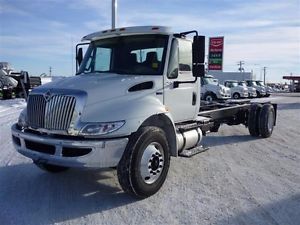
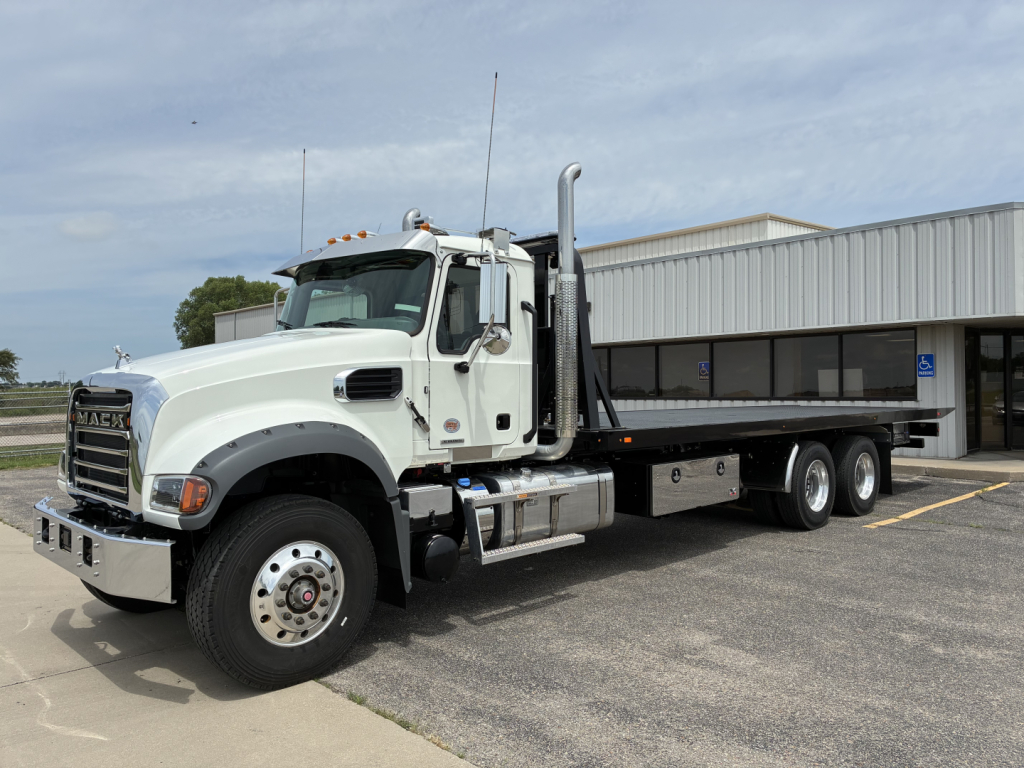
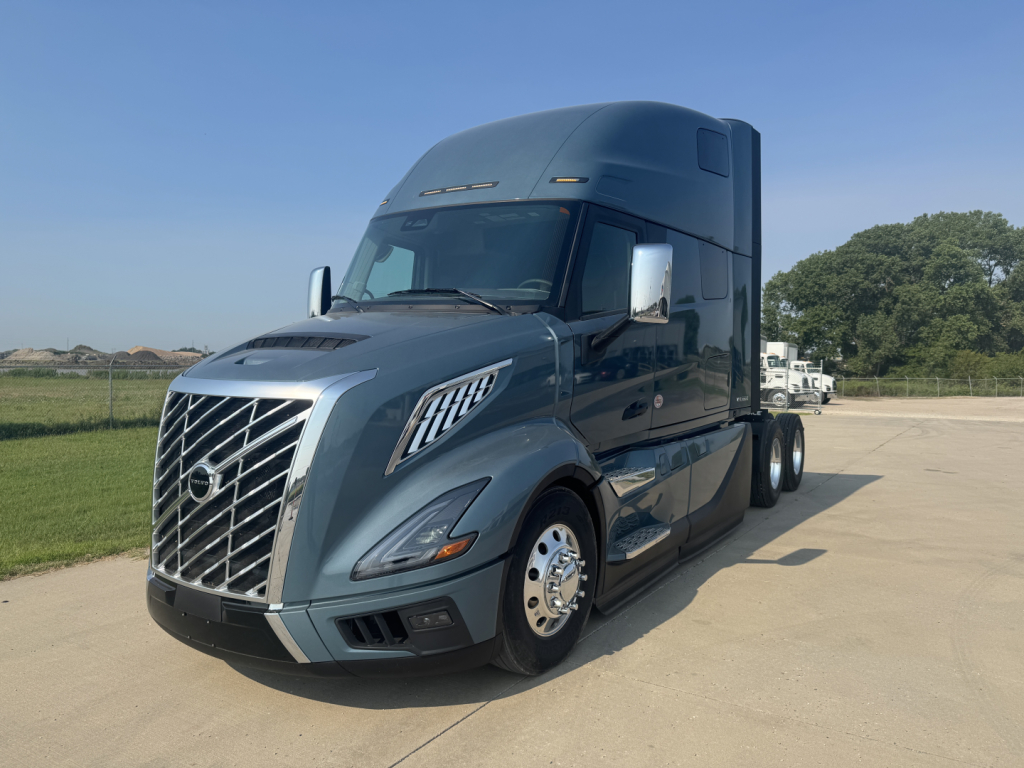
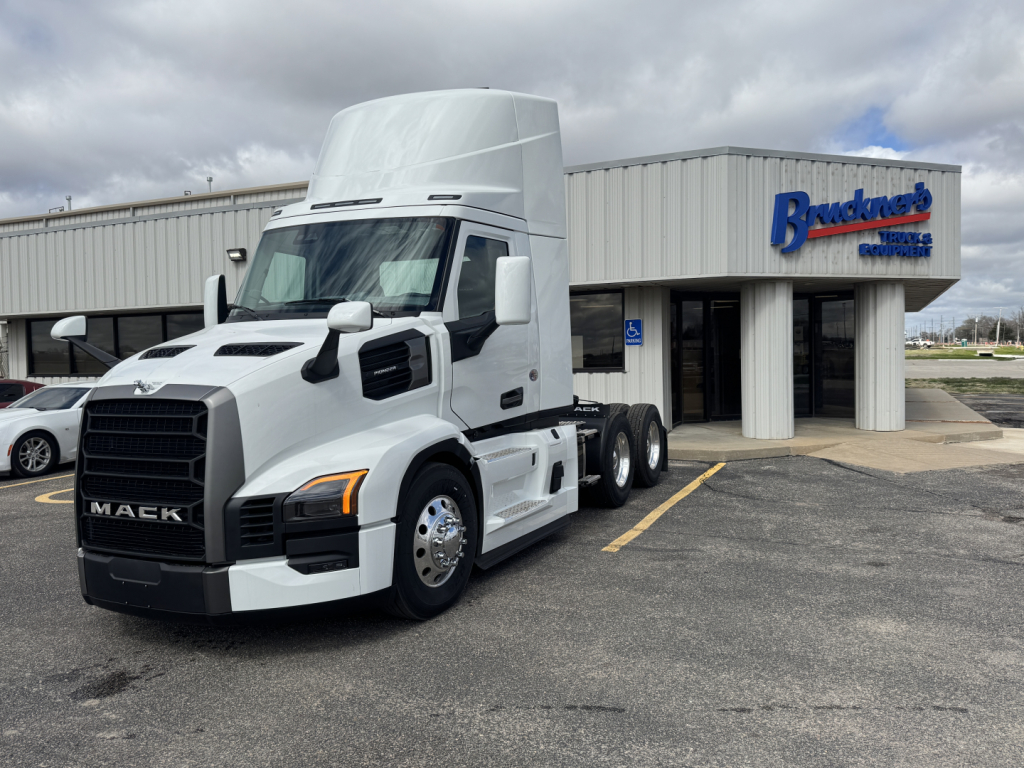
Shop new trucks for sale in Kansas, including day cabs, dump trucks, roll-off trucks, and cab and chassis models for vocational use.
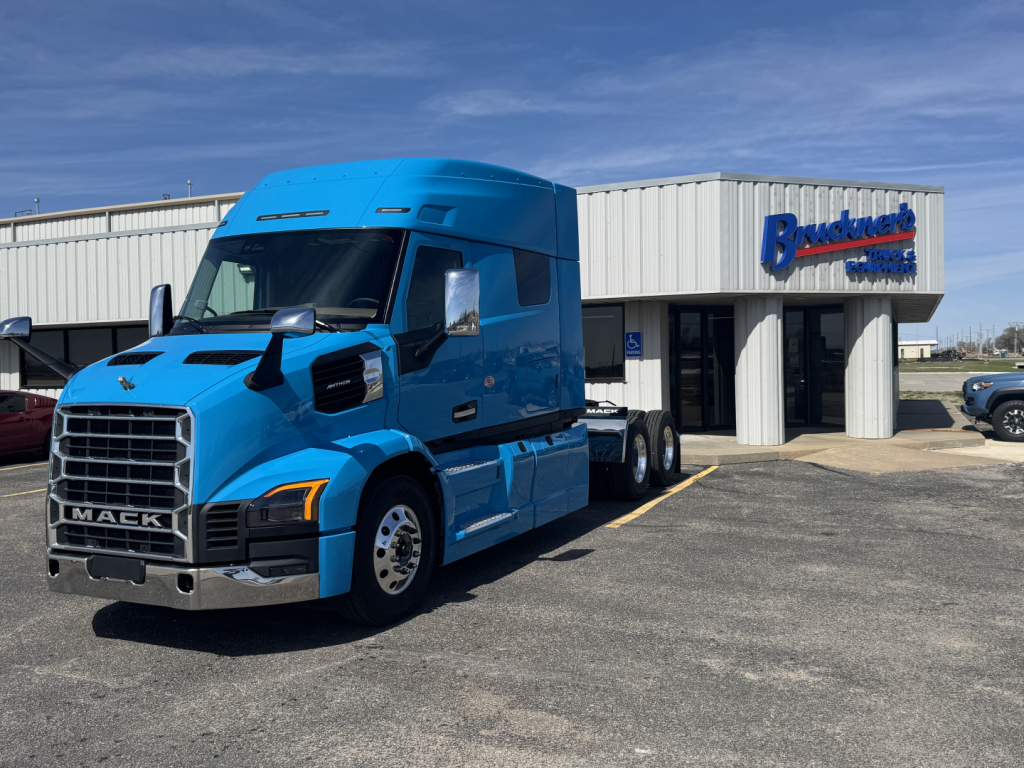
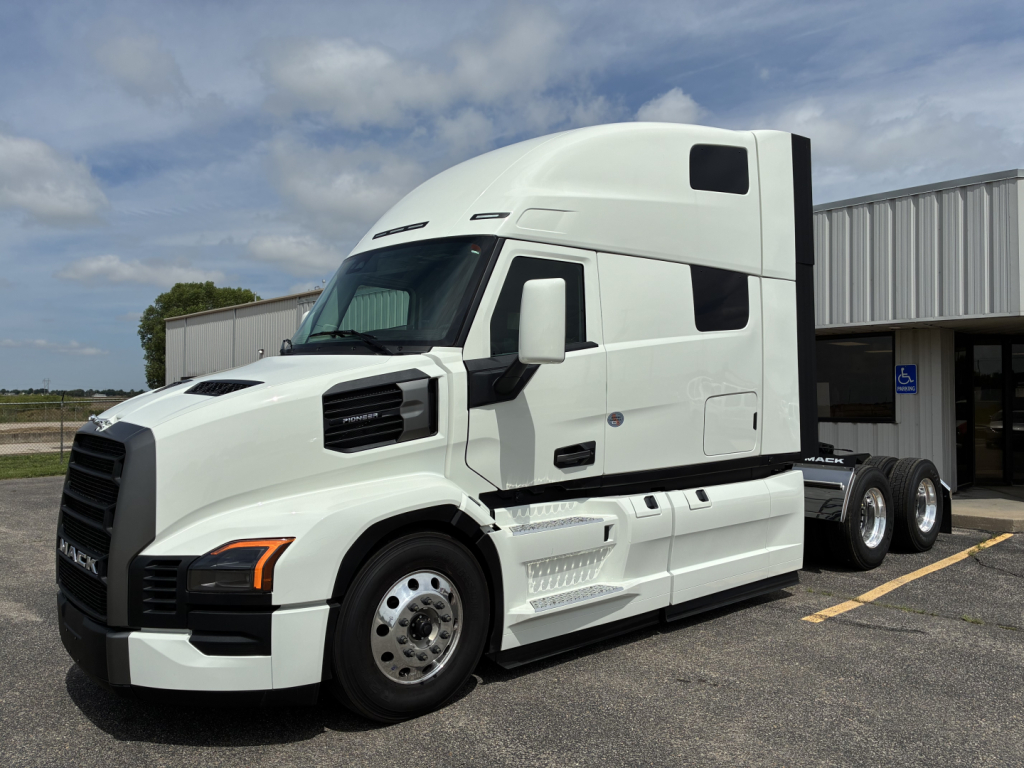
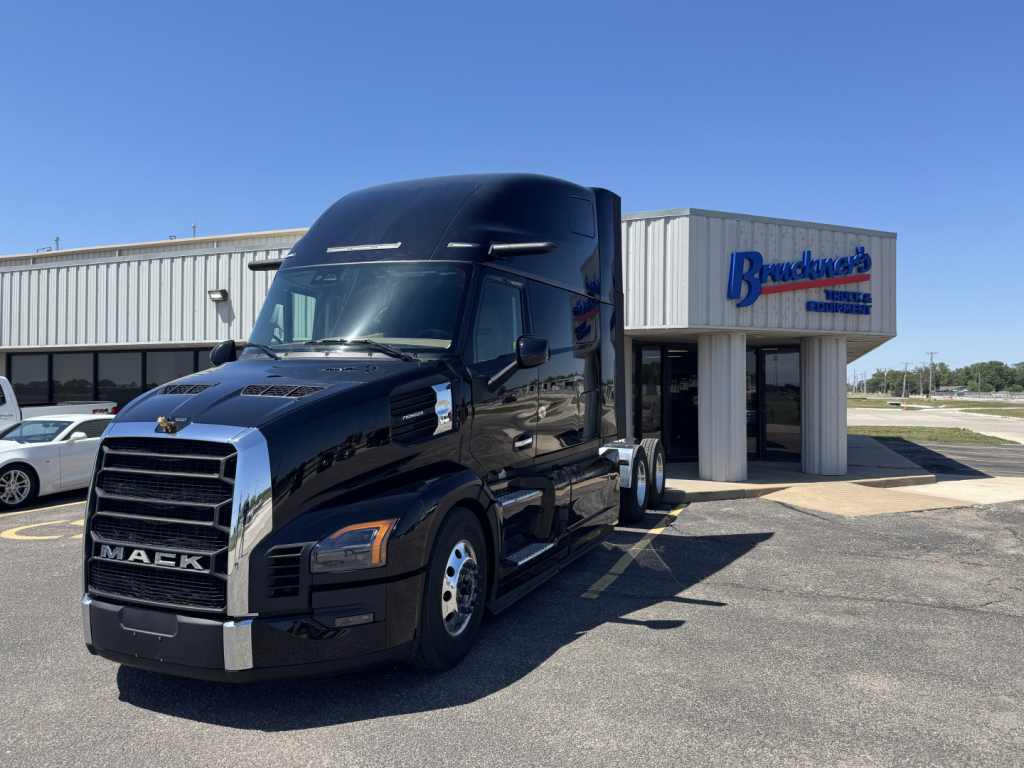
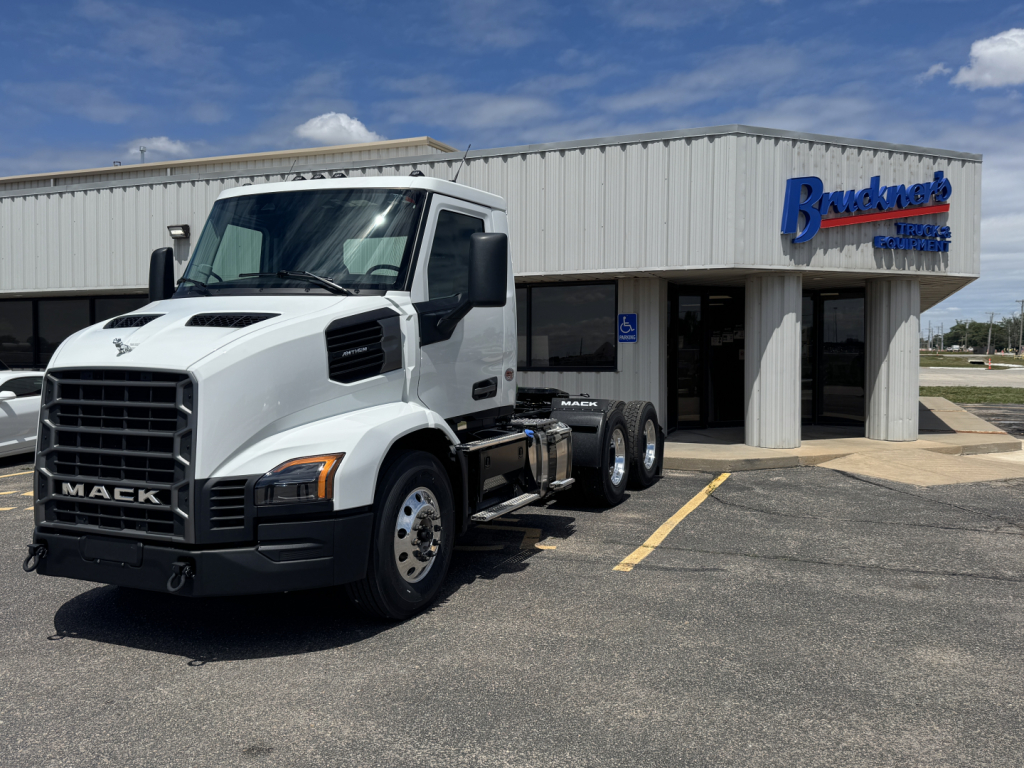
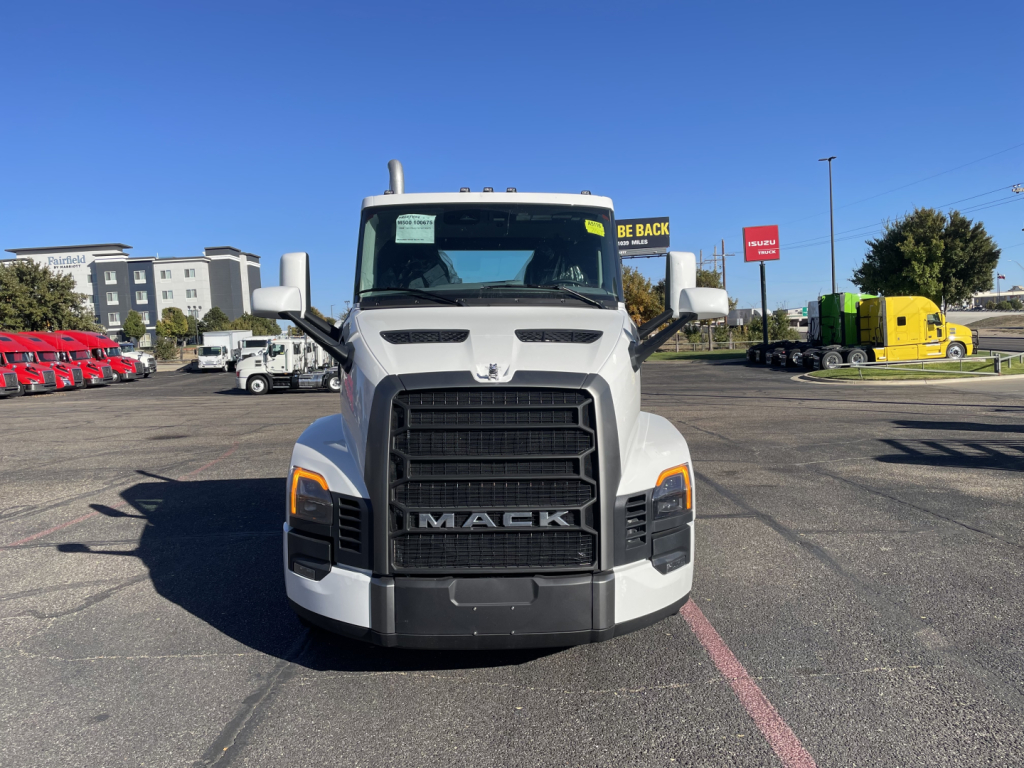
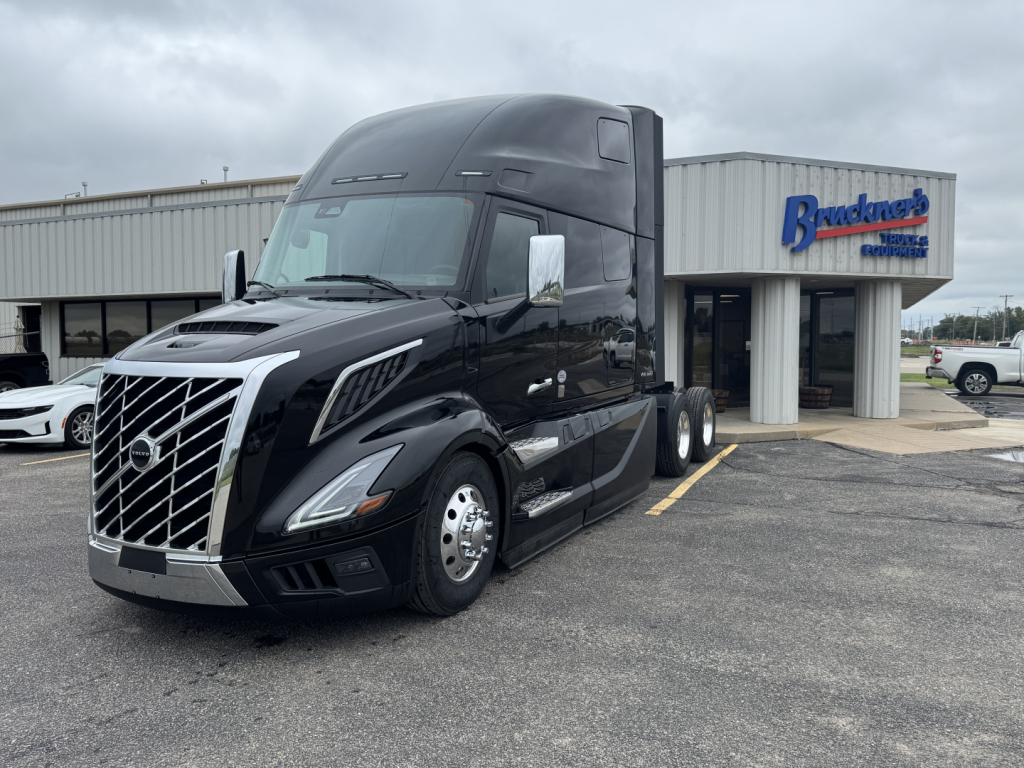
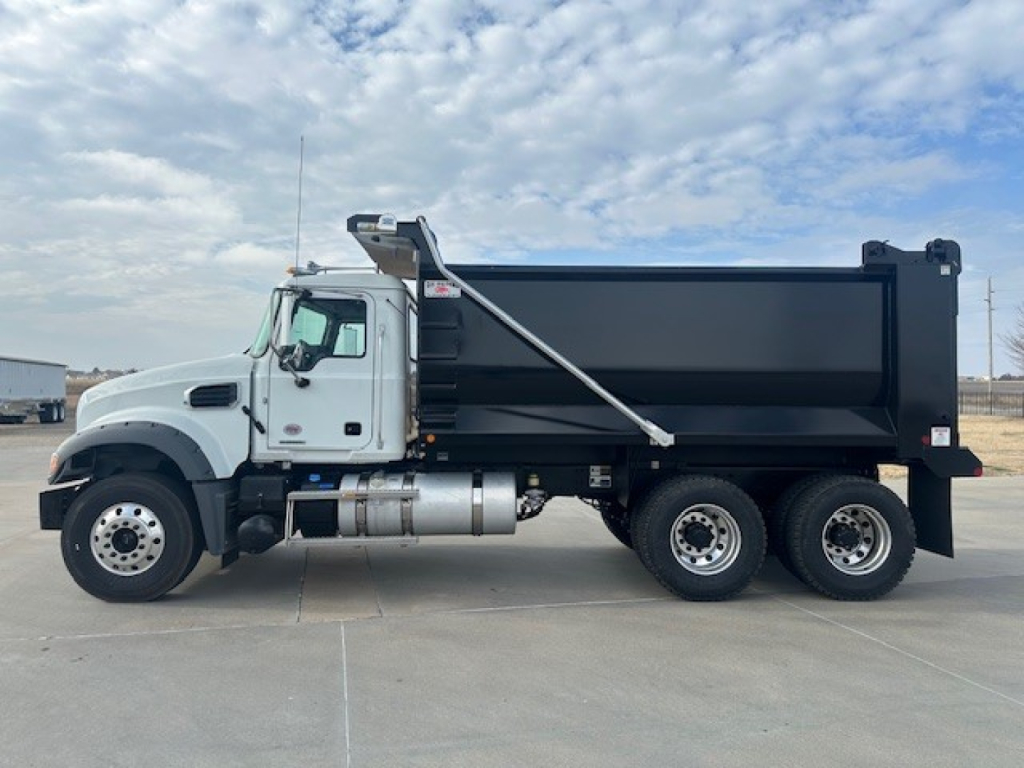
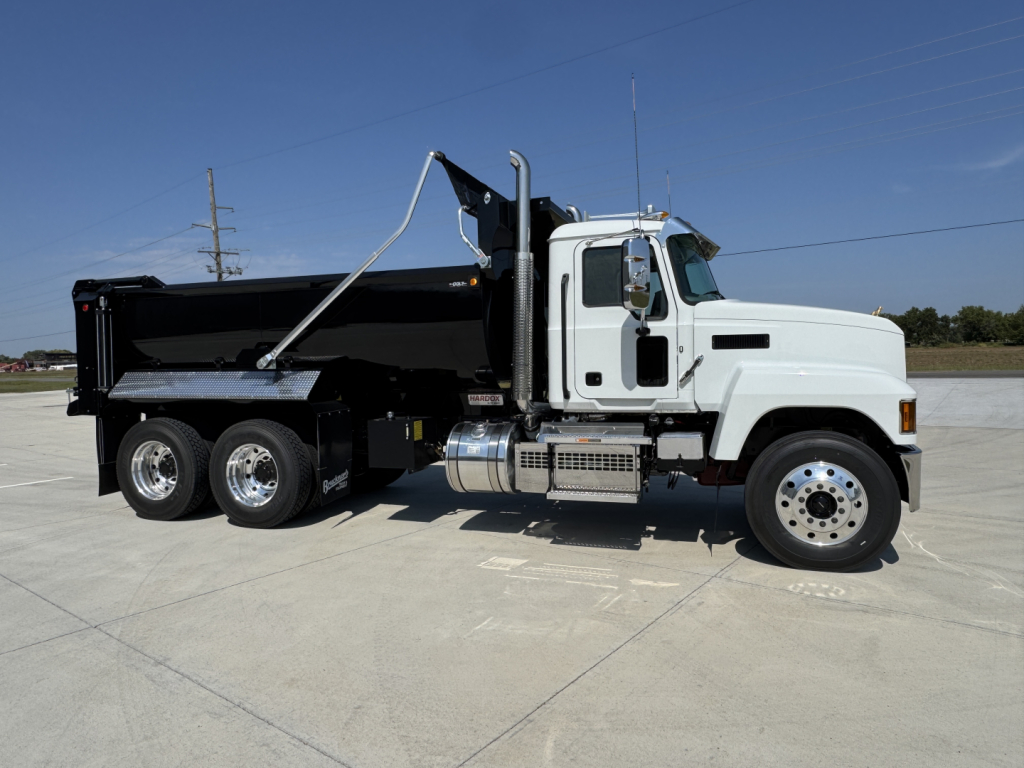
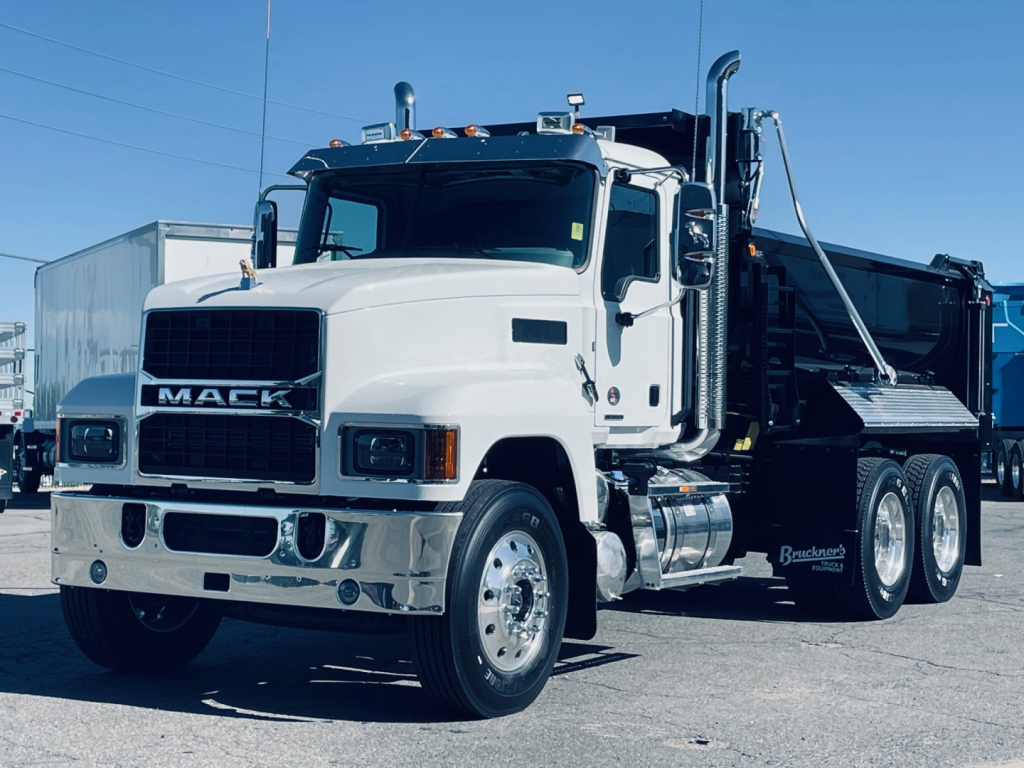
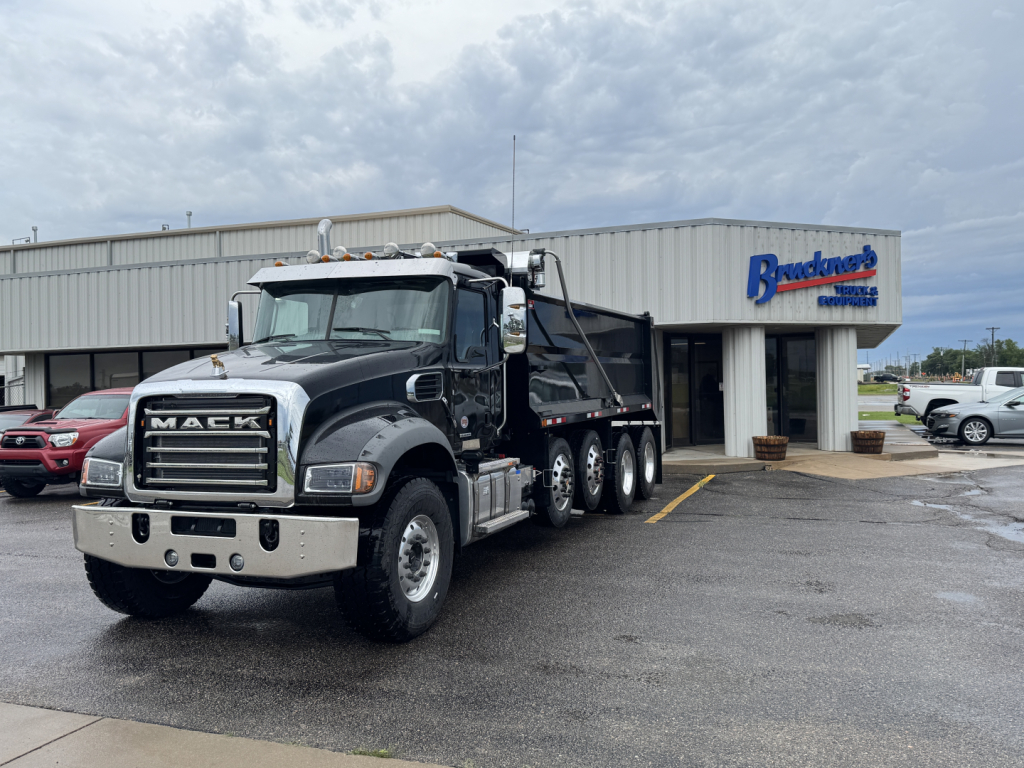
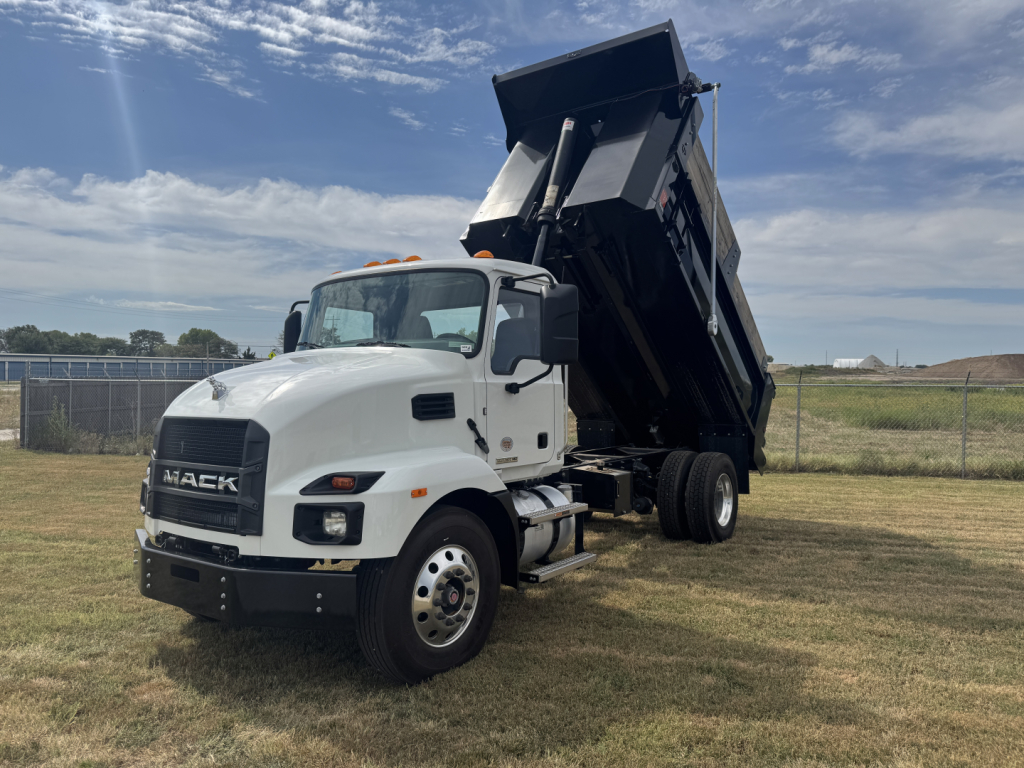

Showing 1 to 28 of 37 results
Selling a new commercial truck? List your new commercial truck for sale and reach thousands of commercial buyers.
New Commercial Trucks in Kansas
Vocational buyers typically focus on application-specific specs. A new dump truck may be set up with high-capacity front axles, heavy rear tandems, pusher axles, hardox or AR steel bodies, electric tarps, and high-lift or top-hinged tailgates for aggregate, demolition, or paving work. A new roll-off truck is usually evaluated around hoist capacity, hoist brand, PTO configuration, container compatibility, and frame strength, along with transmission choice for stop-and-go routes. New cab and chassis trucks give buyers flexibility to mount service bodies, flatbeds, van bodies, utility equipment, tanks, or specialized municipal upfits. If the truck is expected to work off-road or in soft yard conditions, locking differentials, suspension design, and tire spec should be reviewed closely.
Powertrain selection is a major value point in any new truck purchase. Kansas buyers commonly look at diesel engines in the medium-duty to heavy-duty range, paired with automatic, automated manual, or traditional manual transmissions depending on driver preference and route profile. Allison automatic transmissions are popular in vocational work because they simplify operation in frequent stop-start service, while automated manuals can improve fuel efficiency and provide strong gradeability in heavier applications. Pay attention to horsepower and torque ratings, but also look at rear axle ratio, transmission gearing, PTO compatibility, fuel tank placement, and cooling capacity. Those details affect launch performance, body integration, and long-term operating cost more than a headline engine number alone.
A new truck also brings warranty coverage, emissions-system life at full baseline, and the ability to spec the truck for the exact work it will perform. That can be especially important in Kansas, where trucks may split time between highway miles, construction sites, municipal work, and seasonal agricultural support. Buyers comparing listings should look past the badge and focus on GVWR, axle ratings, body or hoist equipment, cab layout, frame dimensions, and intended duty cycle. A properly matched new truck tends to deliver better uptime, cleaner body integration, and a more predictable service schedule over the first years of operation.
Frequently Asked Questions about New Commercial Trucks in Kansas
What types of new trucks are commonly available in Kansas?
New trucks in Kansas commonly include conventional day cabs, dump trucks, roll-off trucks, and cab and chassis models. Each serves a different purpose. Day cabs are often used for regional hauling and local tractor work, dump trucks are built for aggregate and construction material transport, roll-off trucks are used in waste and container service, and cab and chassis trucks are purchased as a platform for custom body installation.
What should I look at first when comparing new vocational trucks?
Start with the truck’s intended application, then verify axle ratings, GVWR, wheelbase, frame spec, and PTO compatibility. On a dump truck, body construction, hoist design, tailgate style, and tarp system are key. On a roll-off, hoist capacity, container length compatibility, and hydraulic setup matter most. On any vocational truck, transmission type, differential locks, suspension, and body-ready dimensions should be confirmed before comparing cosmetic or brand differences.
Is an automatic or automated manual transmission better for a new truck?
It depends on the duty cycle. Fully automatic transmissions, especially Allison units, are widely used in dump, refuse, and municipal applications because they perform well in stop-and-go service and simplify driver training. Automated manuals are common in heavier hauling and can offer better fuel economy and gearing flexibility. The best choice comes down to route conditions, driver mix, PTO demands, and how often the truck operates on grades or off-road.
Why do axle ratings matter so much on new trucks?
Axle ratings determine legal payload potential, body compatibility, and how well the truck handles jobsite stress over time. A truck with a heavier front axle may be needed for plow equipment, a larger engine, or a severe-duty dump body. Rear axle ratings affect carrying capacity and durability under load. Pusher axles and lift axles can also change payload distribution and bridge compliance, so axle specs should match the work, not just the engine size.
What is the advantage of buying a new truck instead of a used one?
A new truck gives the buyer the latest emissions components at full service life, fresh warranty coverage, and a spec that more closely matches the intended operation. That usually means fewer compromises in wheelbase, axle ratio, suspension, and PTO setup. For fleets and owner-operators with specialized work, the ability to start with the right chassis and body configuration can reduce downtime, improve driver acceptance, and help control maintenance costs early in the truck’s life.