
New 2027 Commercial Trucks For Sale in Kansas
Shop new 2027 trucks for sale in Kansas, including highway and vocational models with current powertrain, axle, and body spec options.
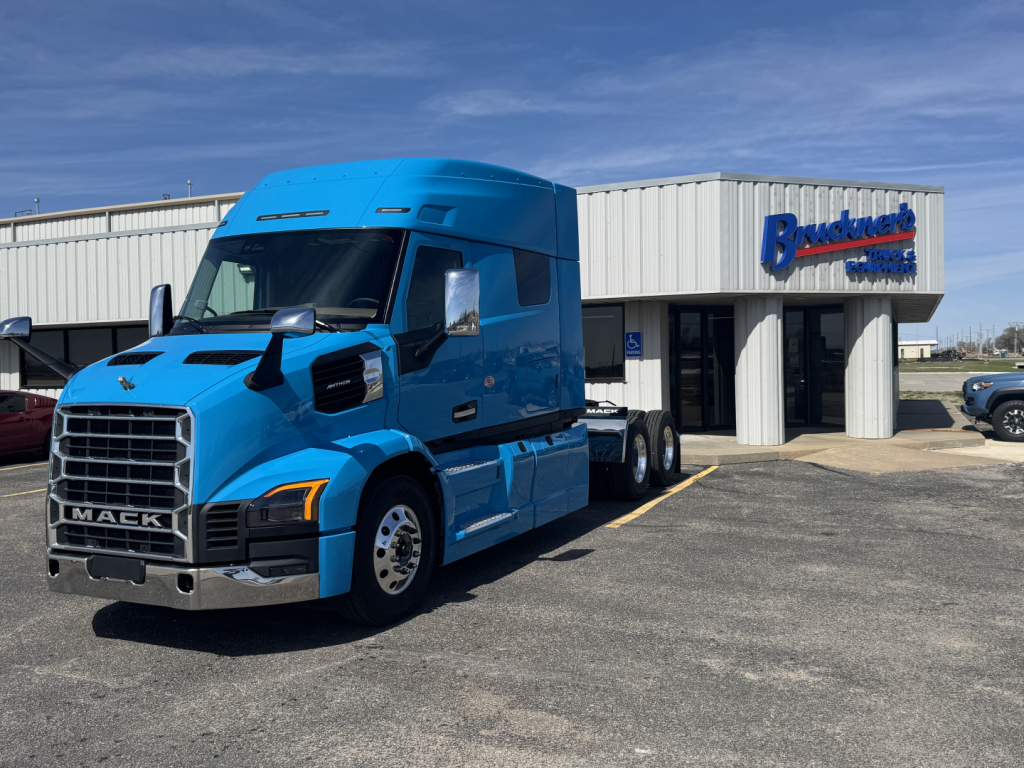
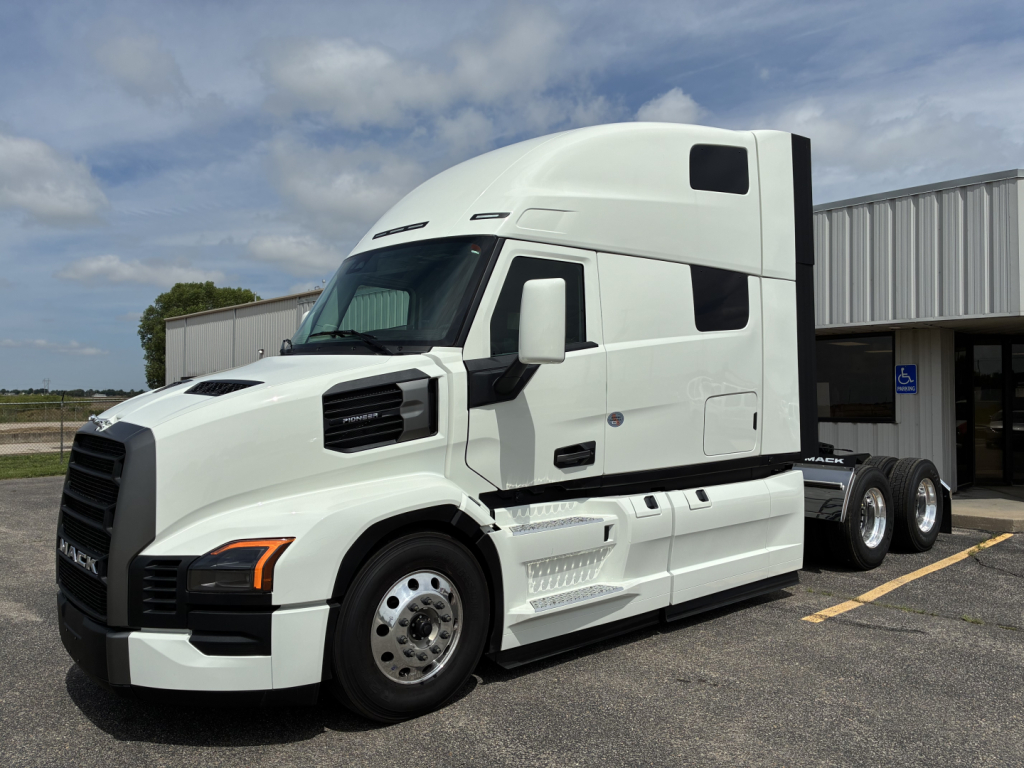
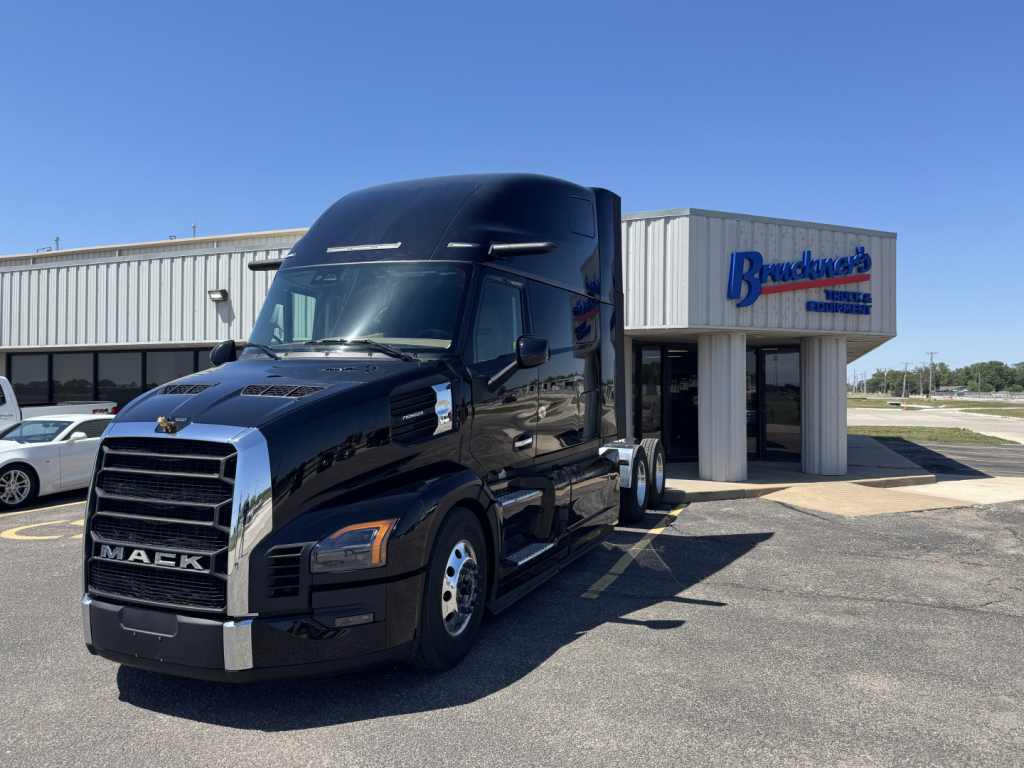
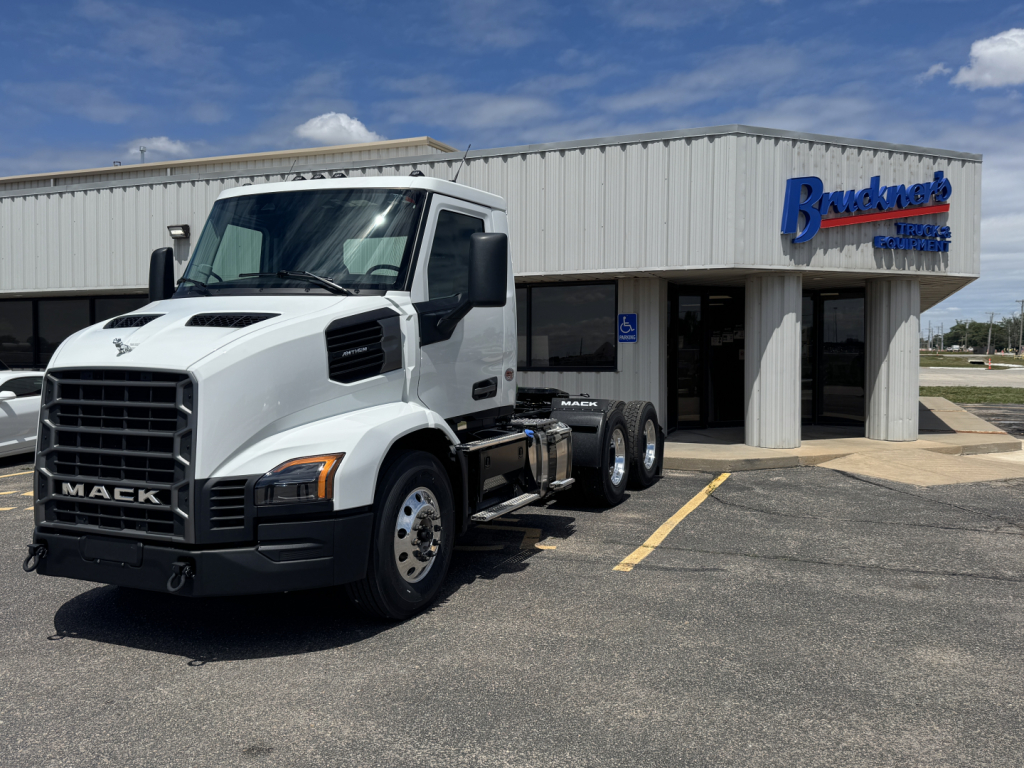

Selling a new 2027 commercial truck? List your new 2027 commercial truck for sale and reach thousands of commercial buyers.
New 2027 Commercial Trucks in Kansas
Kansas buyers often need equipment that can handle a mix of interstate miles, county roads, wind exposure, and seasonal weight demands. That makes axle ratings, rear suspension design, and wheelbase more than just paper specs. Highway tractors commonly show front axle ratings around 12,000 to 13,200 pounds and 40,000-pound rears, with air ride suspensions, sliding fifth wheels, and rear ratios selected for fuel economy or startability. Day cabs are often favored for regional and dedicated lane work, while sleepers fit longer runs and teams. Vocational trucks such as mixers and dumps are usually spec'd with heavier frame reinforcement, set-forward or set-back front axles depending on body and bridge needs, PTO provisions, and suspension choices that prioritize durability under load.
Powertrain selection matters because it affects fuel burn, maintenance planning, driver acceptance, and resale. In the current market, heavy-duty highway trucks are commonly equipped with engines in the 445 to 500 horsepower range, paired with 12-speed or 13-speed automated transmissions and faster rear axle ratios for linehaul efficiency. Vocational units tend to use lower gearing, automatic transmissions in many cases, and horsepower matched to PTO demand, gradeability, and stop-and-go operation. Buyers should also pay close attention to cab configuration, fifth wheel travel, frame length, body upfit compatibility, ADAS and collision mitigation packages, and warranty coverage from the OEM and body manufacturer when applicable.
A good 2027 truck spec is the one that fits the lane, body, and duty cycle without carrying unnecessary cost or weight. For a Kansas fleet, that usually means balancing payload, wheelbase, legal bridge compliance, maneuverability, and service support for the brand in your operating area. Looking closely at GVWR, front and rear axle capacity, suspension type, engine family, transmission calibration, and intended body or trailer setup will narrow the field quickly and help identify the trucks that are built for your work instead of simply being new.
Frequently Asked Questions about New 2027 Commercial Trucks in Kansas
What types of new 2027 trucks are common in Kansas?
New 2027 trucks in Kansas commonly include conventional day cab tractors, sleeper tractors, dump trucks, mixer trucks, and other vocational chassis. The mix reflects Kansas freight lanes, agriculture, construction, and municipal demand. Highway tractors are usually spec'd for regional or over-the-road use with tandem axles and aerodynamic cabs, while vocational trucks are configured around body equipment, PTO needs, axle capacity, and durability on rougher jobsite surfaces.
What specs matter most when comparing new 2027 trucks for sale?
The most important specs are the ones tied directly to the truck's job. Buyers should focus on GVWR, front and rear axle ratings, wheelbase, suspension type, engine horsepower and torque, transmission type, rear axle ratio, and axle configuration. For tractors, fifth wheel setup, sleeper or day cab layout, and fuel economy-oriented gearing are key. For vocational trucks, frame strength, PTO compatibility, body length, suspension, and legal payload capacity usually matter more than top-speed gearing.
Is a day cab or sleeper better for Kansas trucking operations?
A day cab is usually the better fit for local, regional, and dedicated routes where the truck returns regularly and lower weight helps payload or fuel economy. A sleeper is the better choice for long-haul routes, team operations, or lanes that require overnight flexibility. In Kansas, many fleets use day cabs for regional freight and private fleet work, while sleepers are more common for interstate freight that runs beyond a single shift.
Are automated transmissions standard on new 2027 heavy-duty trucks?
Automated manual transmissions are now common on new heavy-duty highway trucks and are often preferred for fuel economy, easier driver onboarding, and consistent shift performance. Fully automatic transmissions remain popular in vocational applications such as dump and mixer work because they handle stop-and-go driving, PTO-related tasks, and jobsite maneuvering well. The right choice depends on route profile, driver pool, body equipment, and maintenance preference.
How should buyers spec a new vocational truck for Kansas job conditions?
A vocational truck for Kansas should be spec'd around payload, terrain, and body requirements first. That includes choosing the right wheelbase, axle ratings, suspension, frame reinforcement, transmission, and rear ratio for the job. Dump and mixer buyers should also verify PTO capability, body clearance, turning radius, and bridge-law compliance. If the truck will see a mix of pavement, gravel, and jobsites, durability features such as heavier suspensions, proper tire selection, and protection for exposed components can make a significant difference in uptime.